
Free written scope consultation - allowances, timeline, and change-order rules on paper before a single trade is scheduled
James Hardie Bathroom Remodeling: The Long Beach Owner’s Guide
James Hardie bathroom remodeling in Long Beach typically runs $9,000 – $28,000 installed, depending on whether you’re refreshing tile and fixtures or building out a wet zone with fiber cement backer and trim. We handle the job as an independent contractor, not an agent of James Hardie, and we do it with a written price before anything is torn out. Most owners start asking about this when they notice a soft spot near the tub, grout that keeps cracking, or paint peeling off the trim above the shower.
That’s the pattern in Long Beach. A bathroom built years ago gets wet every day, and the layer behind the tile starts to give. The visible clue is usually a hairline crack that comes back after regrouting, or a baseboard that swells after a shower. Both point to the same thing: the substrate is failing, not the finish. Understanding that early is what keeps a repair small.
Key Takeaways
- Fiber cement board and trim are the moisture defenses in a bathroom. When they fail, tile and paint fail with them.
- Installed bathroom remodeling in Long Beach runs $9,000 – $28,000, with small bathrooms at $5,000 – $12,000.
- You get a written price, a real arrival window, and the 365-Day Done Right Promise on every job.
- Repairs we do are covered in writing, with a free return visit if the fix fails.
Which James Hardie Models This Applies To
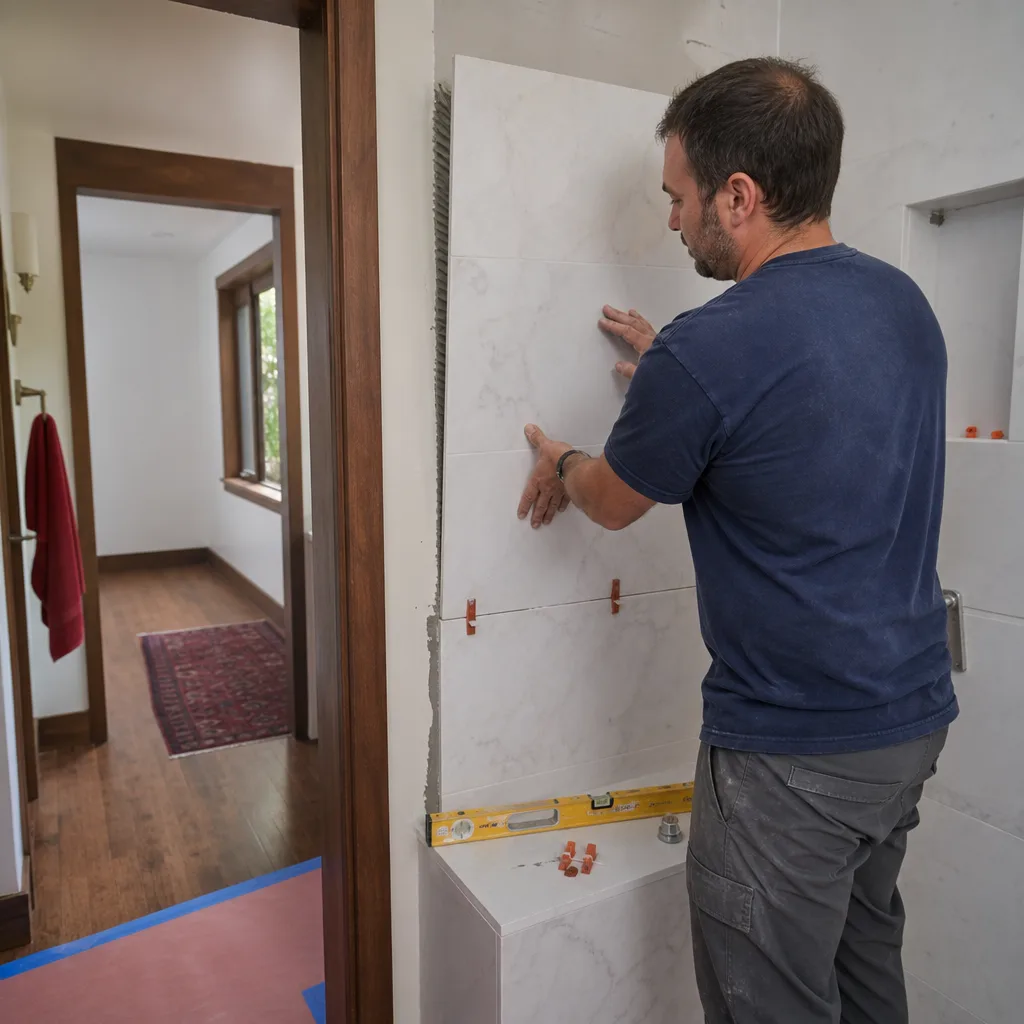
James Hardie doesn’t sell bathroom remodeling as a unit with a serial number. The “part” here is the fiber cement board and trim that go behind and around your tile, and matching it correctly is the whole job. The products you’ll encounter are HardieBacker cement board (in 1/4-inch and 1/2-inch thickness, most often 3-by-5-foot sheets for tub and shower walls) and exterior-grade trim lines like HardiePlank and HardieTrim, which some Long Beach homes use on bump-outs and bath vent walls that face the weather.
To identify what you have, look at the back of the board if it’s exposed. HardieBacker is stamped with the product name and thickness. If you can’t read a stamp, measure it: 1/4-inch goes over a solid wall for floors and counters, 1/2-inch is what you want behind tile on a shower wall. Trim is easier. Look for a smooth or woodgrain face and check the edge profile against a sample.
The OEM-versus-aftermarket question is real. Genuine HardieBacker carries a specific cement-and-fiber mix and a stated water absorption spec, and third-party cement boards vary. In a shower that gets used daily, that difference matters. On trim, an exterior-rated fiber cement board in a bath vent wall can outperform wood in Long Beach’s salt air, but only if it’s the exterior line, not an interior substitute.
Styles & brands we work with
- Kitchen remodeling
- Bathroom remodeling
- Home additions & ADU
- Roofing
- Windows & doors
- Driveway & pavers
- Fence
Signs Your James Hardie Bathroom Remodeling Is Failing
Fiber cement is tough, but it isn’t invincible. Here’s what failure looks like, and why it happens.
- Grout cracks that keep returning. You regrout, and three months later the same line opens. The tile is flexing because the board behind it is soft or the fasteners have loosened.
- A soft spot at the tub or shower base. Press near the wall and the surface gives. Water has gotten past a caulk joint and soaked the substrate. This is common where a caulk line was skipped or dried out.
- Paint or trim peeling above the shower. Steam hits the trim every day. If the trim is interior-grade or was painted before it dried, the film lifts. In Long Beach’s humid coastal air, that failure comes faster.
- Musty smell that won’t clear. A bathroom fan that vents into the attic instead of outside leaves moisture trapped. The substrate stays damp, and mold starts behind the tile where you can’t see it.
- Loose or hollow-sounding tile. Tap a tile with a screwdriver handle. A dull thud instead of a sharp click usually means the thin-set has separated from a wet or dusty board.
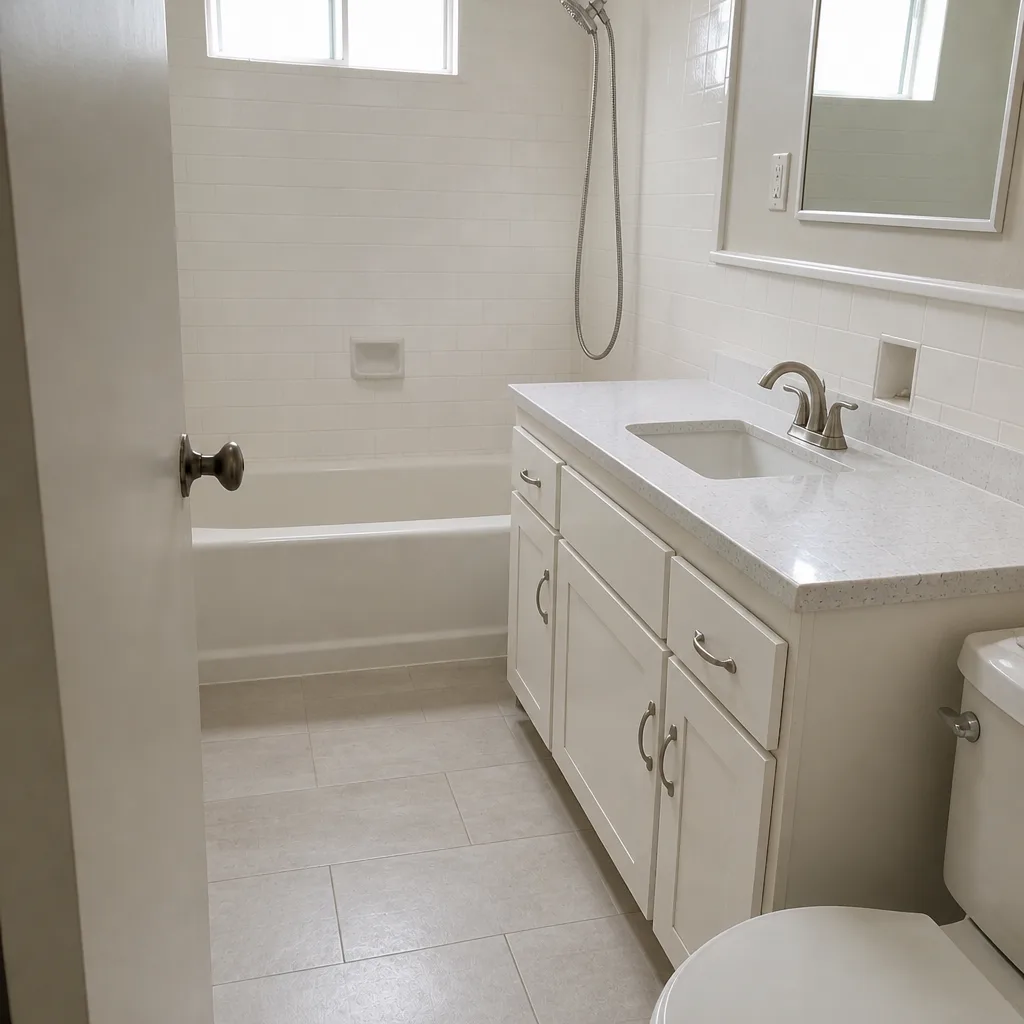
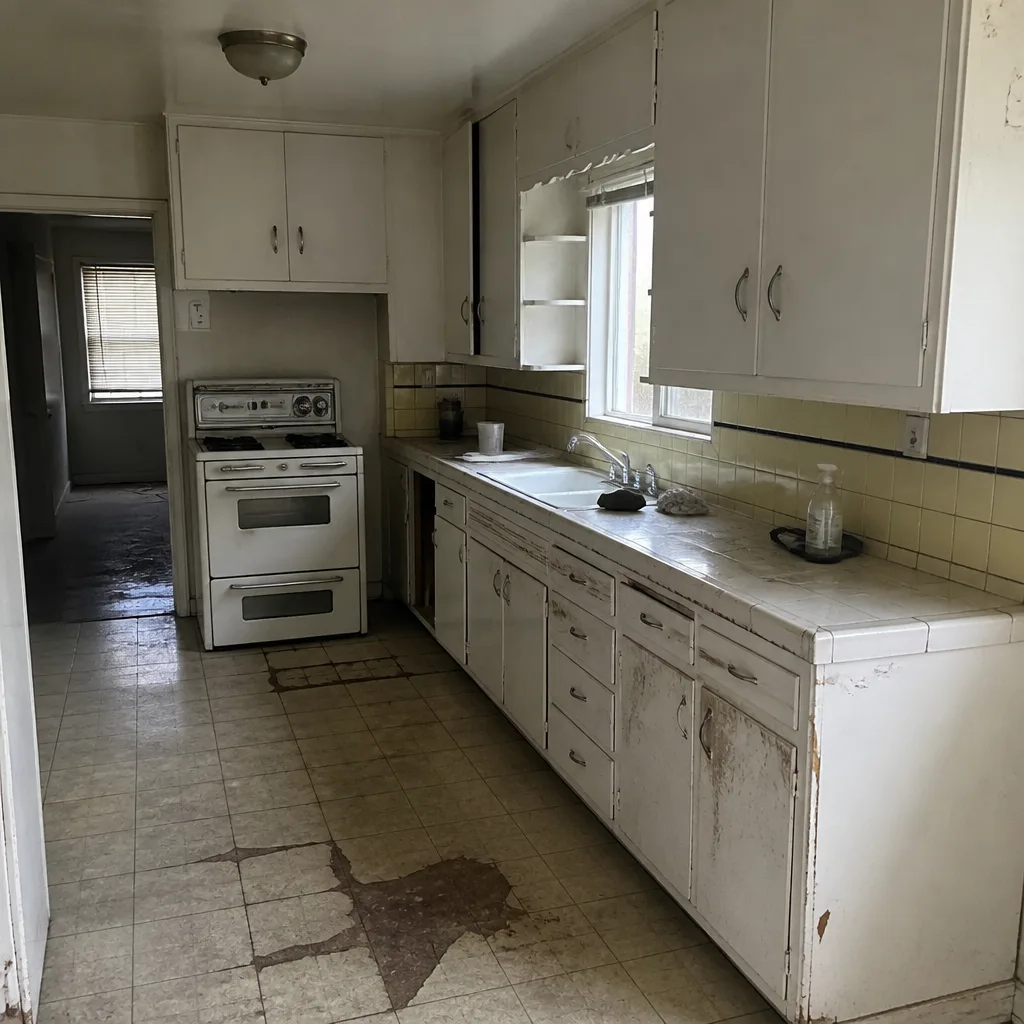
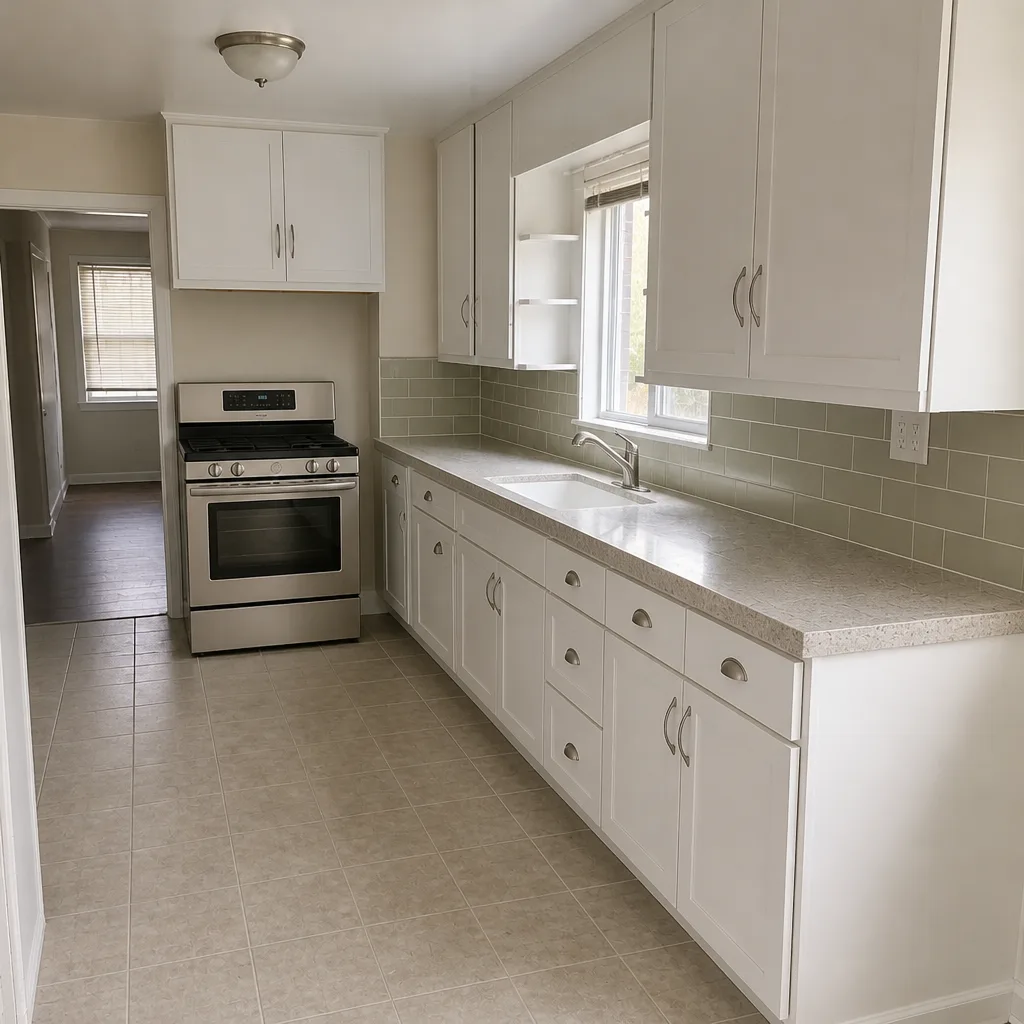
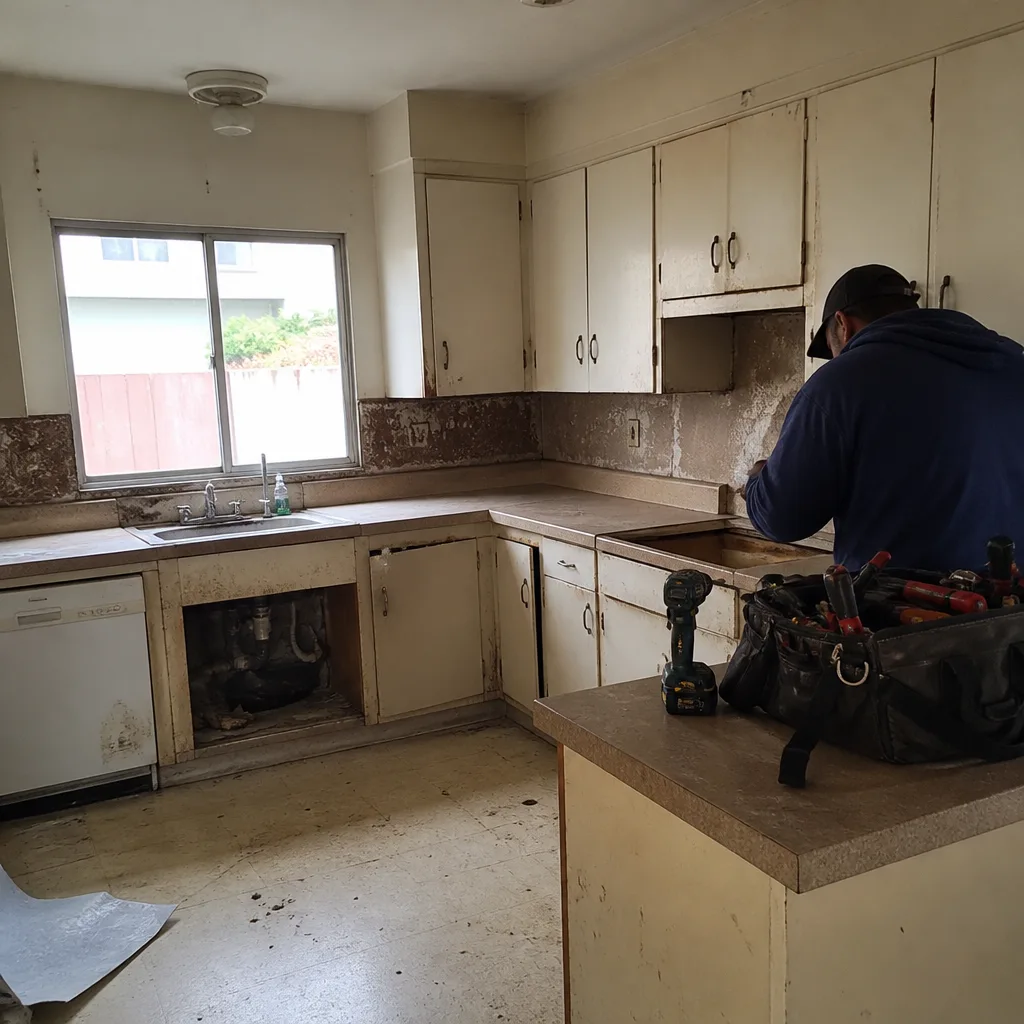
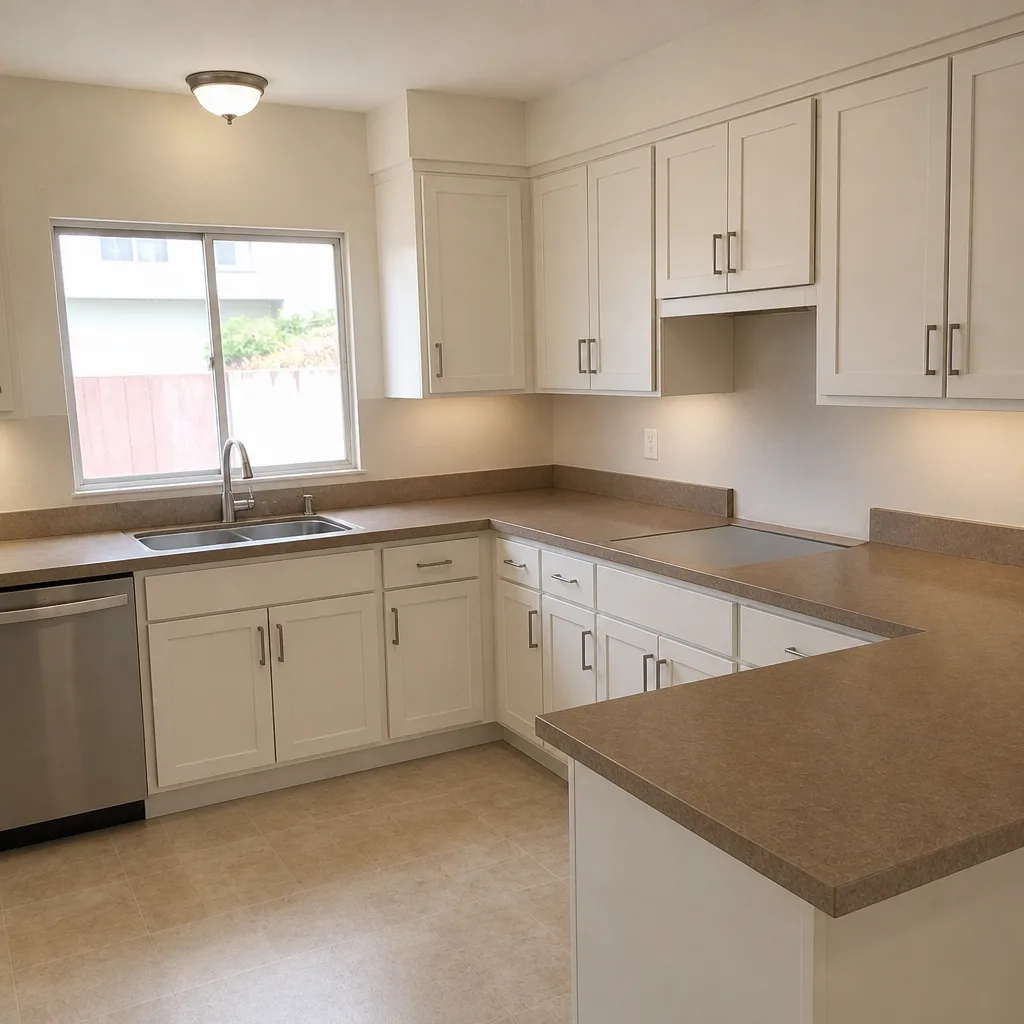
See the difference
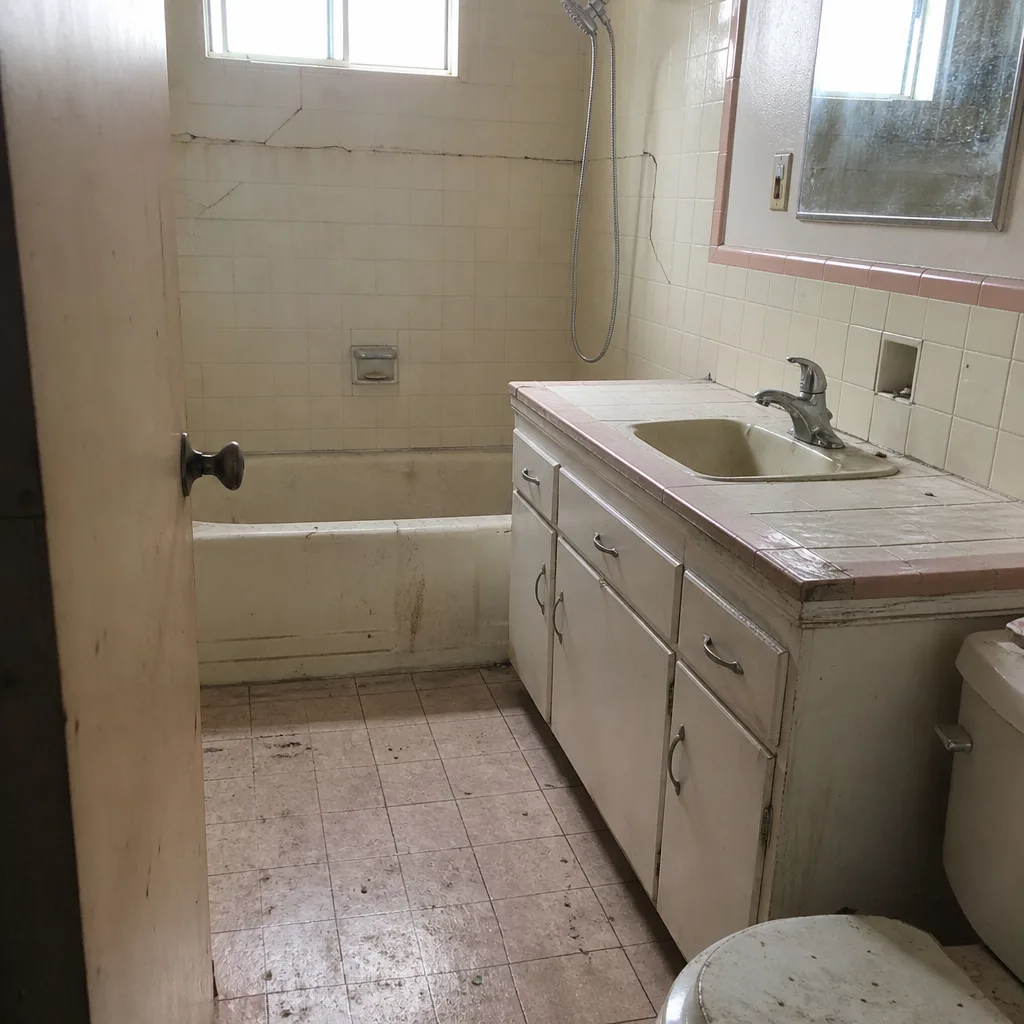 Before
 After
 Before
 After
 Before
 After
Replacement Cost & What’s Included

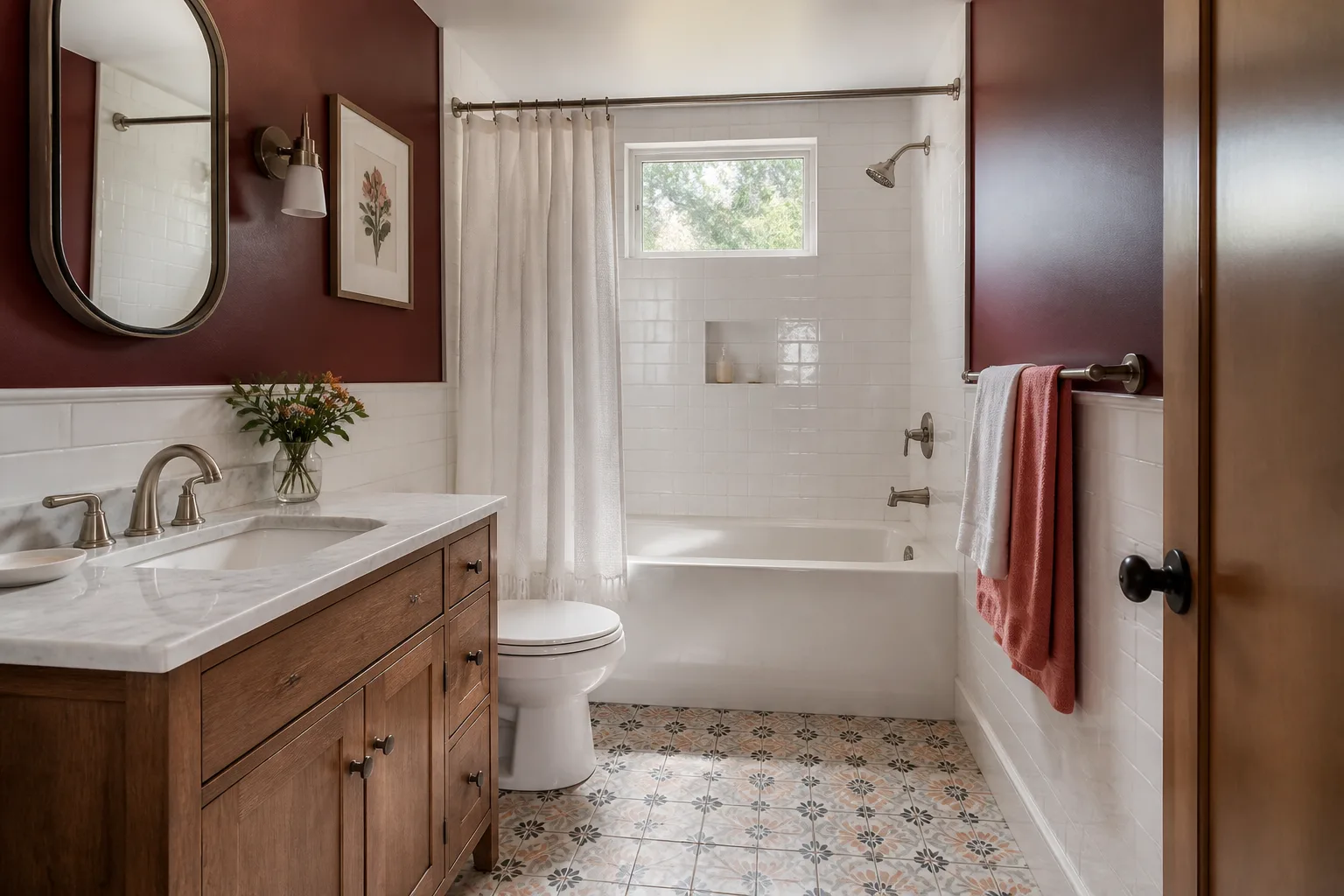
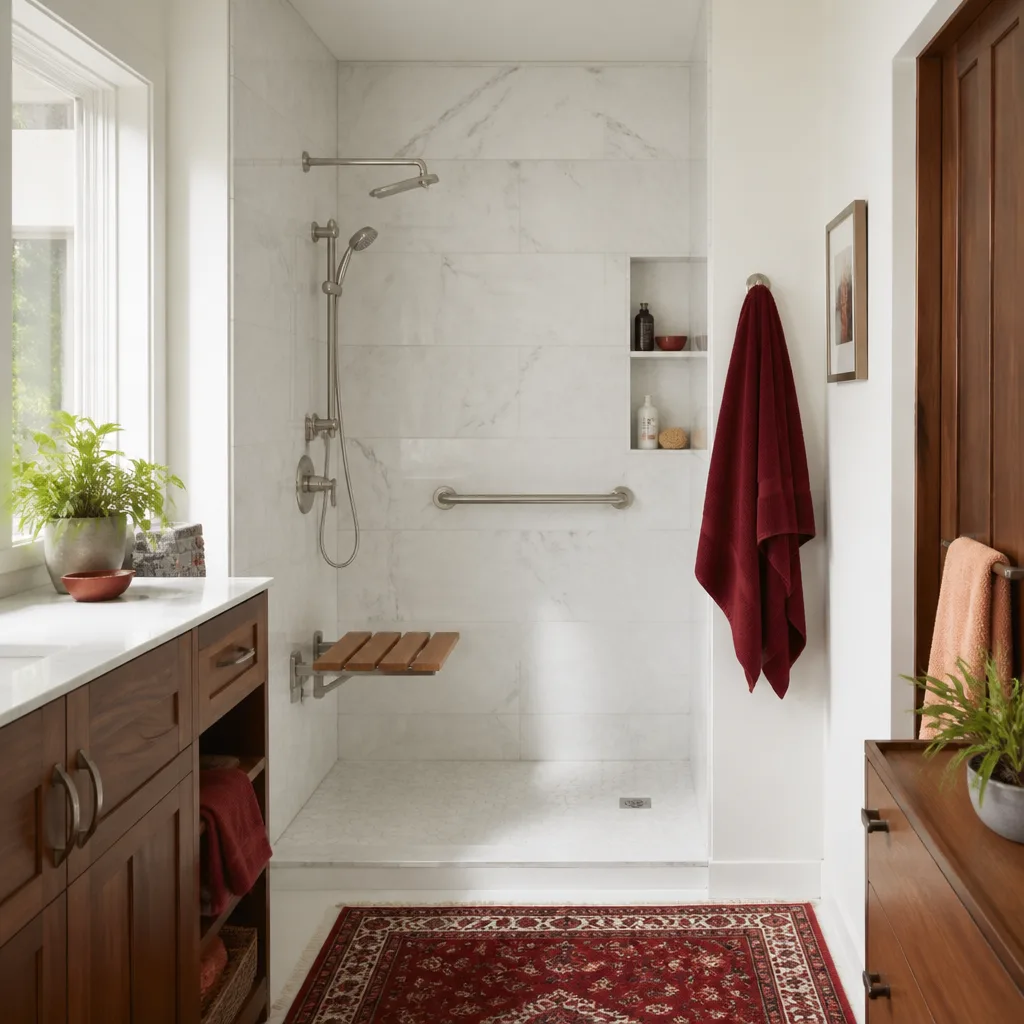
Bathroom remodeling in Long Beach runs $9,000 – $28,000 installed, and small bathroom remodels land at $5,000 – $12,000. A walk-in shower installation is $4,500 – $12,000, a tub-to-shower conversion is $3,500 – $10,000, and a straight shower replacement is $3,000 – $8,500. A vanity installation by itself is $800 – $3,000.
What moves the number: square footage, how much tile you’re replacing, whether the layout changes, and the fixture line you choose. The substrate is a smaller line item than most owners expect, but it’s the one that decides whether the job lasts. We price parts and labor separately on the written quote so you can see what the board and trim cost versus the install.
Every project gets a written price before work starts, a defined arrival window, and a clean site each day. Workmanship is backed by the 365-Day Done Right Promise, and the products carry their own warranties on top of ours.
DIY or Call Us?
Some checking is safe. You can press for soft spots, tap tile, look at the caulk lines, and confirm your exhaust fan actually vents outdoors. Those are diagnostic and won’t hurt anything.
Where DIY goes wrong: cutting and installing cement board yourself. It’s heavy, dusty, and demands correct fastening and a waterproofed seam at every joint. One skipped layer of waterproofing behind a shower wall means water reaches the framing, and the tile you just set has to come out. That’s the repair that cracks again six weeks later. We’d rather you spend the call than the second job. Call (833) 510-6967 for a free estimate and a written price before anything gets pulled.
FAQs
Fiber cement board installed correctly behind tile typically lasts decades, but the waterproofing layer and the caulk joints are what decide it. In Long Beach’s coastal humidity, resealing caulk every few years extends the life of the whole assembly. Call (833) 510-6967 for an exact quote, and the estimate is free.
Sometimes. If the damage is confined to one wall or a section of trim, a targeted repair is often enough and much cheaper than a full remodel. If the soft spot spreads or the tile is hollow over a wide area, replacement is the honest answer. A free second visit covers any repair that fails, so you’re not gambling on the first attempt.
A single-wall substrate repair or trim replacement is usually a one- to two-day job. A full bathroom remodel with new substrate, tile, and fixtures runs two to four weeks, depending on tile drying time and fixture lead times. We give you a real schedule, not a range that slips.
We buy from trade suppliers, and for fiber cement board and trim we specify the product line rather than a generic substitute so you know exactly what’s going behind your tile. We install James Hardie products, KraftMaid cabinetry, and Cambria and Silestone countertops, so the materials are backed by their own warranties alongside our written guarantee.
If your bathroom shows the signs above, get a number before you get a surprise. Call Penhallow Remodeling Long Beach at (833) 510-6967. A real person answers any hour, we give you a written price before work starts, and the 365-Day Done Right Promise covers the work in writing.
Written by the team at Penhallow Remodeling Long Beach, serving Long Beach and nearby areas.