
Free written scope consultation - allowances, timeline, and change-order rules on paper before a single trade is scheduled
James Hardie Home Additions & ADU: The Long Beach Owner’s Guide
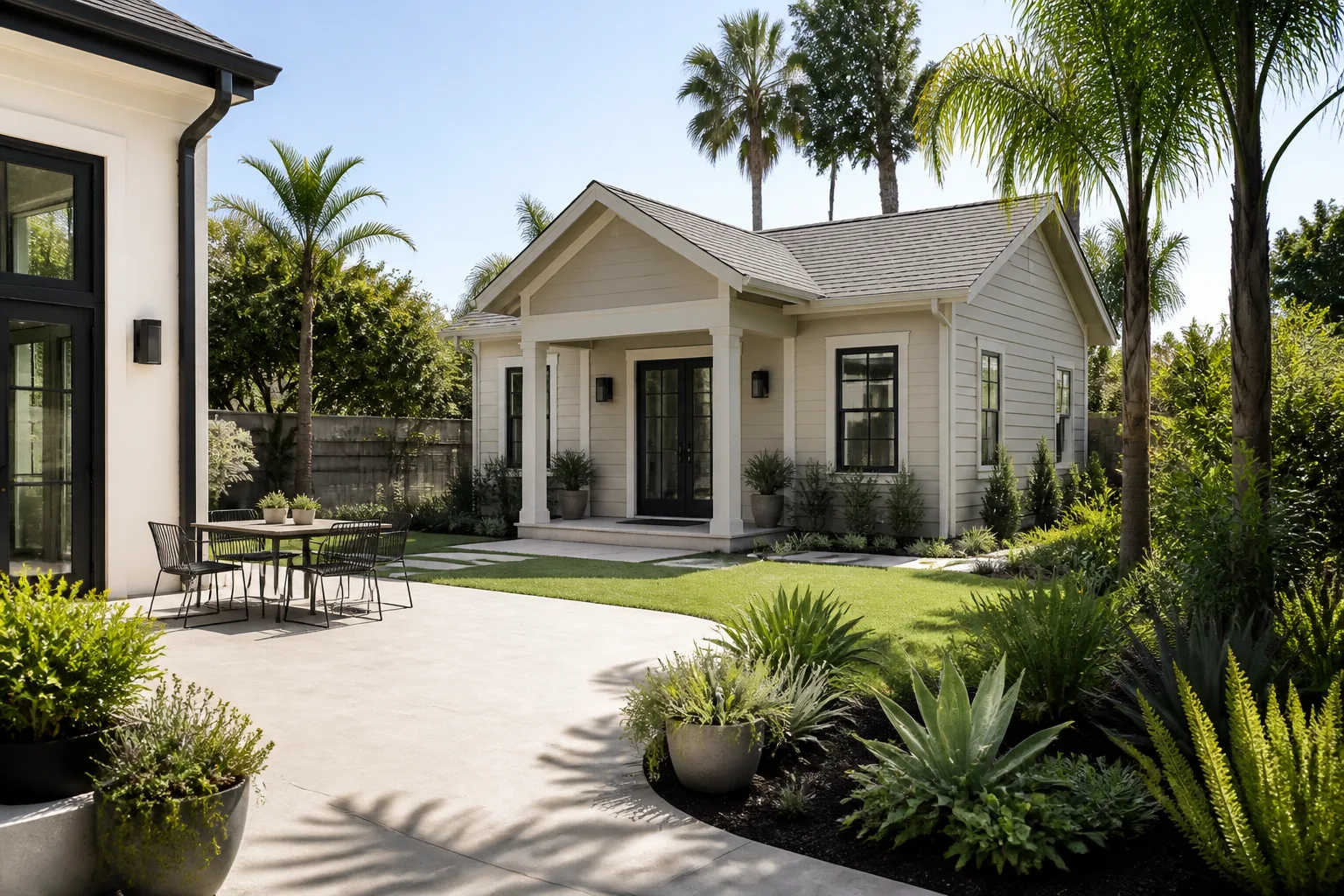
We install James Hardie-clad home additions and ADUs in Long Beach, and most run $45,000 – $130,000 for an addition and $90,000 – $220,000 for a detached or attached ADU, depending on square footage, foundation type, and whether you need a kitchen or bath inside. An addition is not a part that fails overnight; the call usually comes years after someone else’s build, when HardiePlank laps start cupping at the corner boards or a hairline crack opens along a frieze board where the addition ties into the original house. By the time a Long Beach homeowner calls us, the siding is telling them something about the framing behind it.
Which James Hardie Models This Applies To
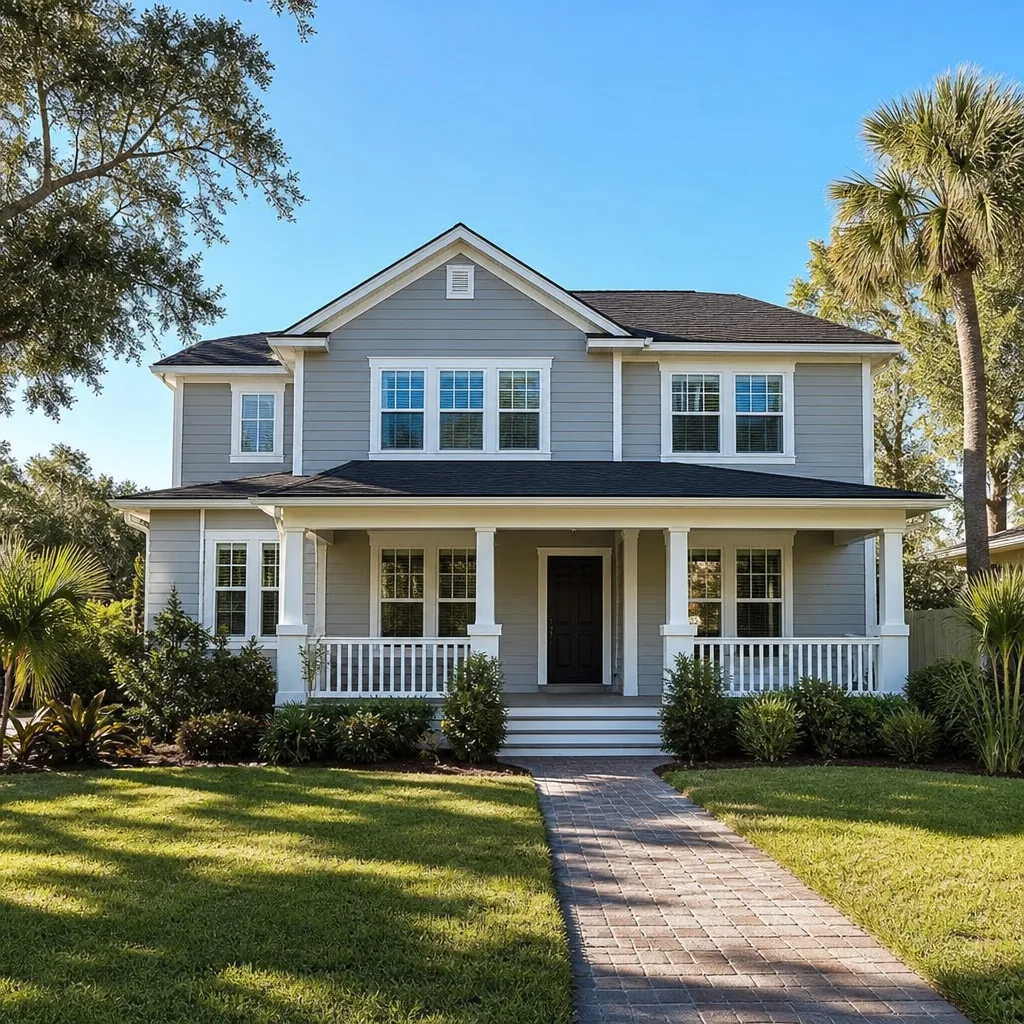
James Hardie doesn’t sell additions, so the “model” question really means which siding product is on the addition and which one has to match it. In Long Beach we see three types on ADU and addition exteriors: HardiePlank lap siding (most common, in 5/16-inch and 7/16-inch thickness), HardiePanel vertical siding, and the prefinished Hardie Architectural Collection lines. Each has a stamp or print on the back face of every board with the product name and dimensions; pull a loose course at a corner or look behind an outlet-box J-block and you’ll find it.
The compatibility gotcha: a 5/16-inch HardiePlank cannot be matched course-for-course to 7/16-inch without a visible step at the transition, and the thinner board is the one most often discontinued from a color collection. Matching the profile matters less than matching the thickness and the trim reveal, because that seam is where water gets in. On the OEM-versus-aftermarket question, we use genuine James Hardie board on any wall we rebuild or extend, but we’ll use a quality fiber-cement equivalent for a hidden backer or utility-wall patch where it’s never seen. We’re an independent remodeling company in Long Beach and not affiliated with James Hardie; the brand name just tells you what we’re installing.
Styles & brands we work with
- Kitchen remodeling
- Bathroom remodeling
- Home additions & ADU
- Roofing
- Windows & doors
- Driveway & pavers
- Fence
Signs Your James Hardie Home Additions & ADU Is Failing
- Cupping or wavy lap courses along the south and west walls. Long Beach’s marine air and summer sun load the south face hardest; when the primer fails at a cut end and water wicks in, the board swells and cups within a season or two.
- Chalking that streaks the paint below windows. Hardie holds paint for years, but UV breakdown on an unshaded ADU wall creates a fine white chalk that runs down over sills and trim.
- Hairline cracks radiating from nail heads or corner boards. Those often trace back to over-driven fasteners or a missing control joint on a long run, which is a framing and detailing problem as much as a siding one.
- Soft or crumbly board at the bottom course. Fiber cement is water-resistant, not waterproof; if the board is crumbling where the addition meets grade, the flashing or drainage plane behind it is failing, not the panel itself.
- Visible gaps at the trim or a step where the addition meets the original house. This is the seam that matters most in Long Beach – a poorly flashed tie-in lets water into the wall cavity long before the siding shows damage.
See the difference
 Before
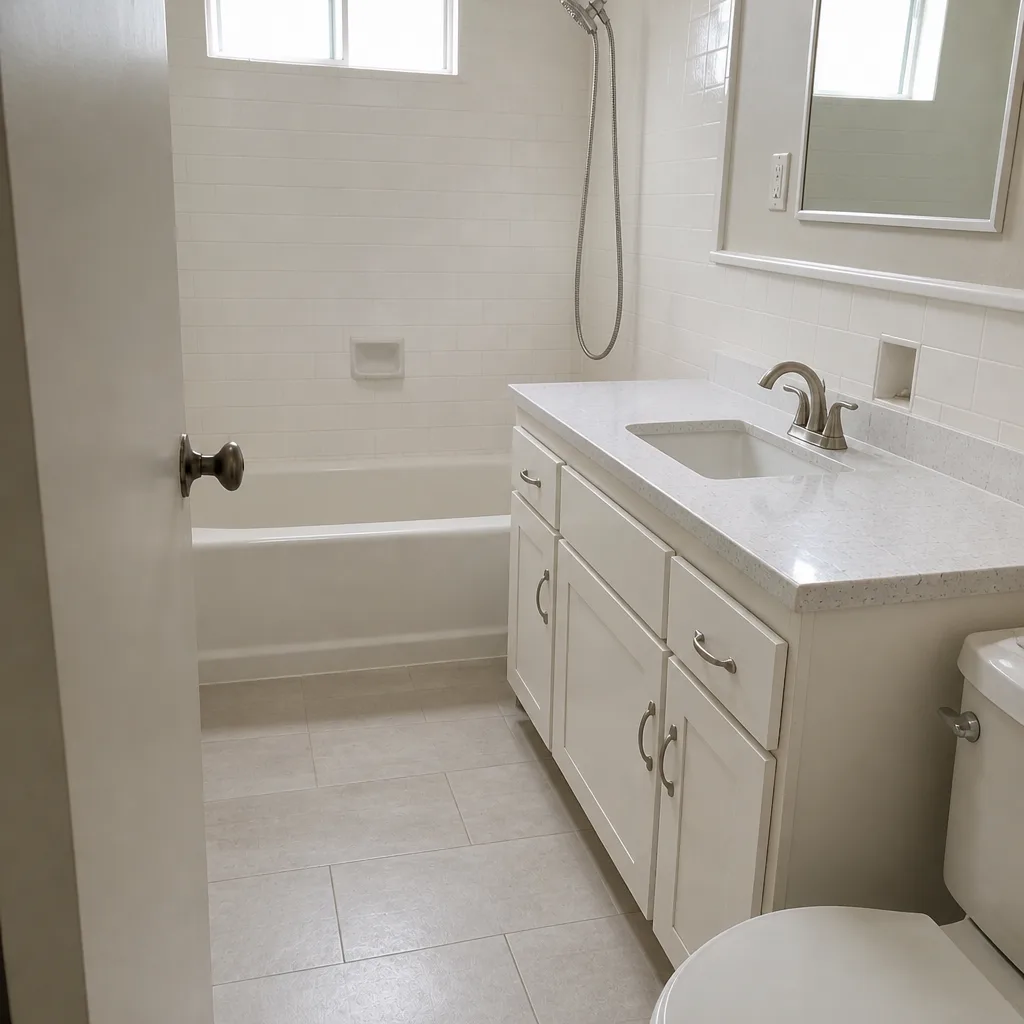 After
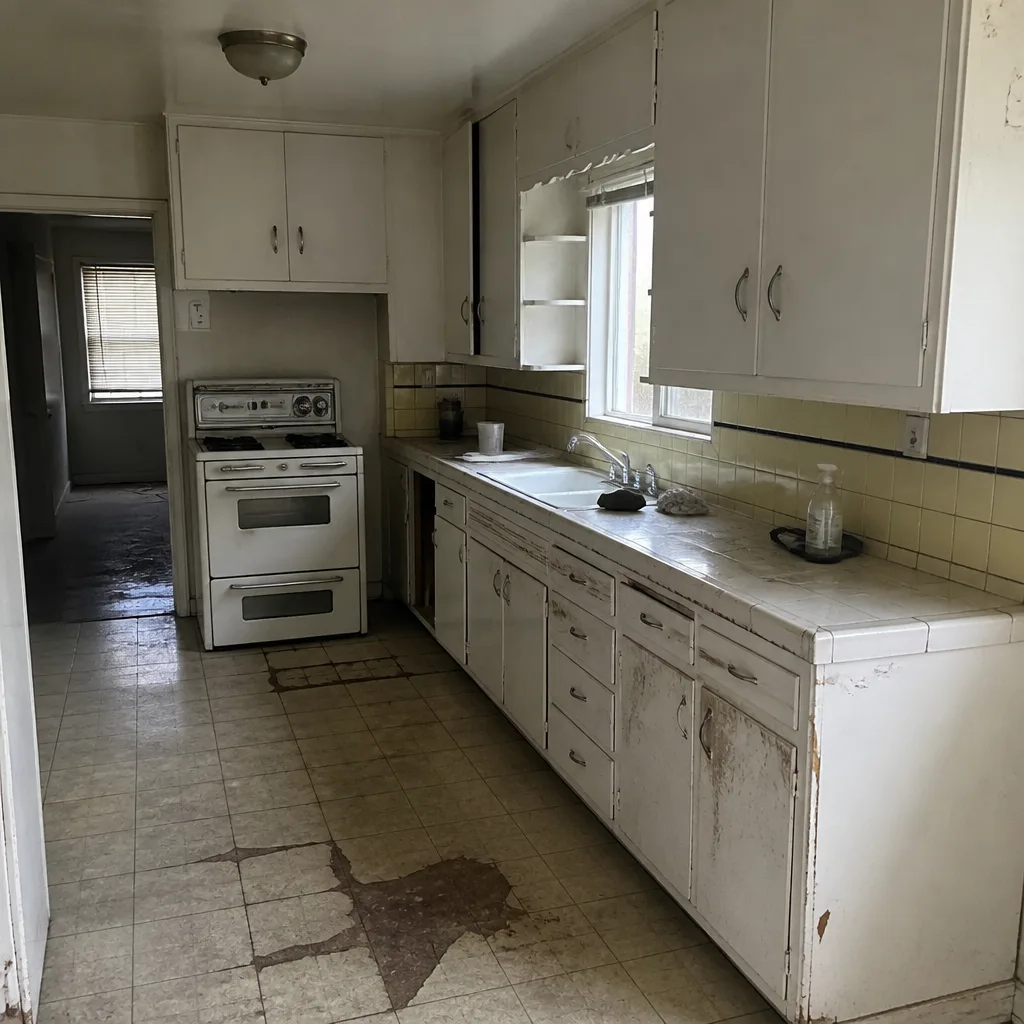 Before
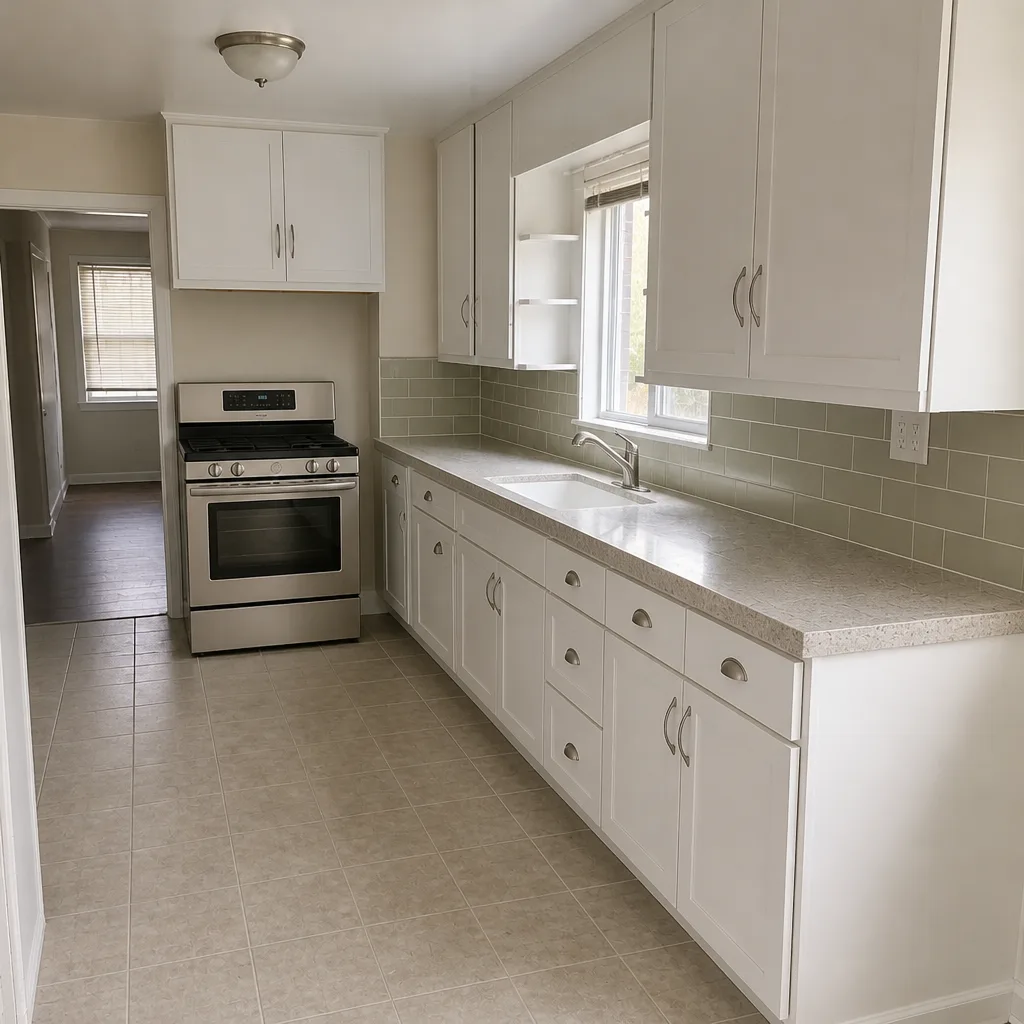 After
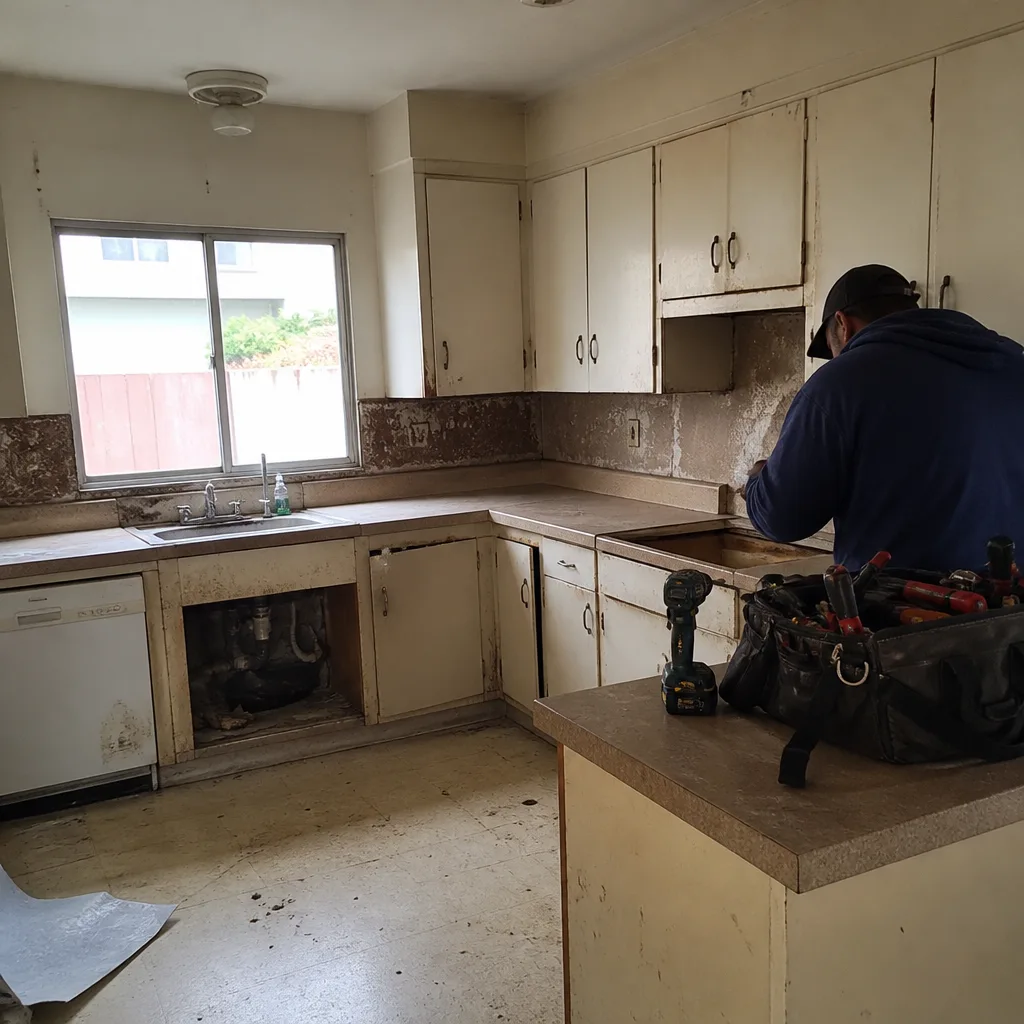 Before
 After
Replacement Cost & What’s Included
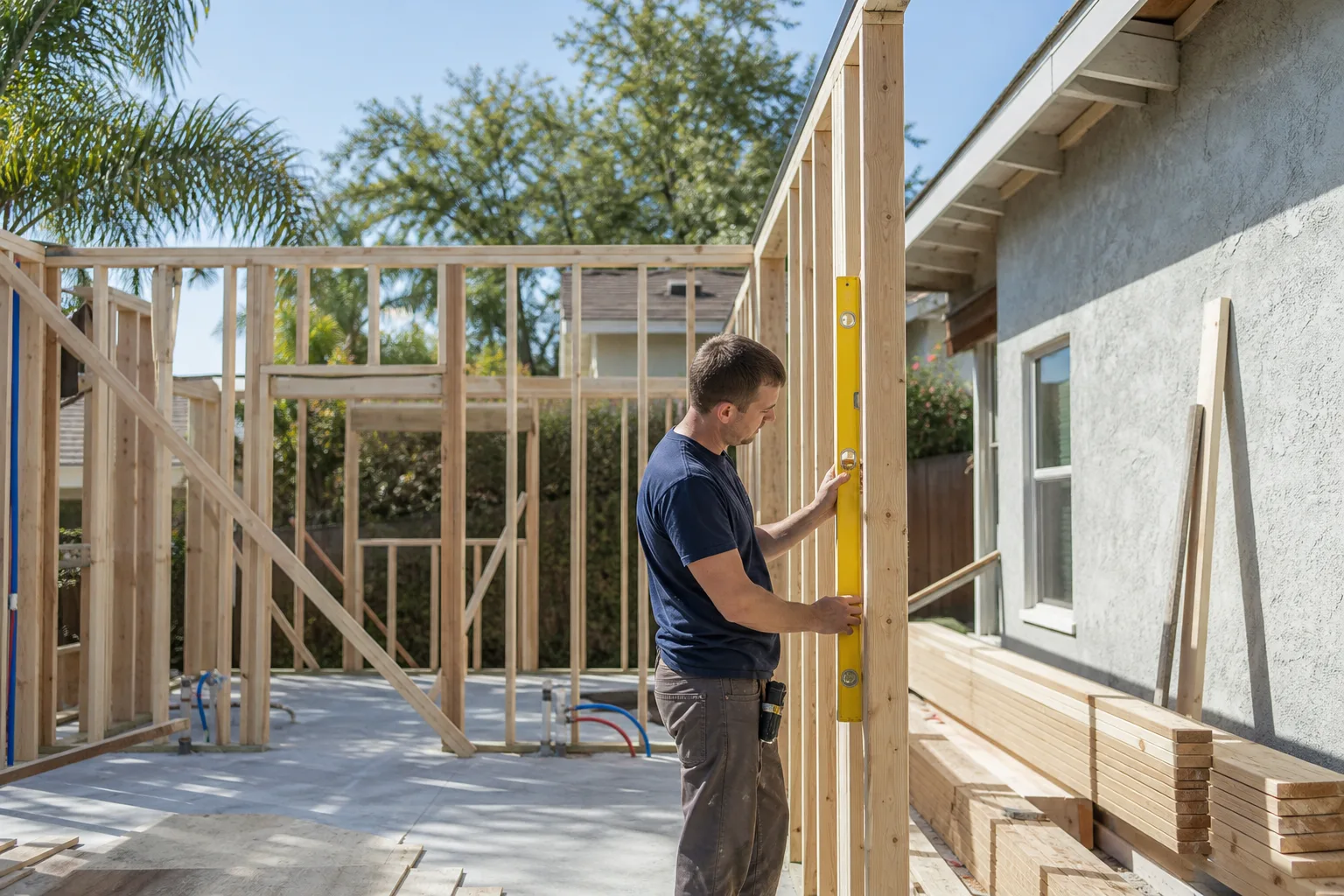
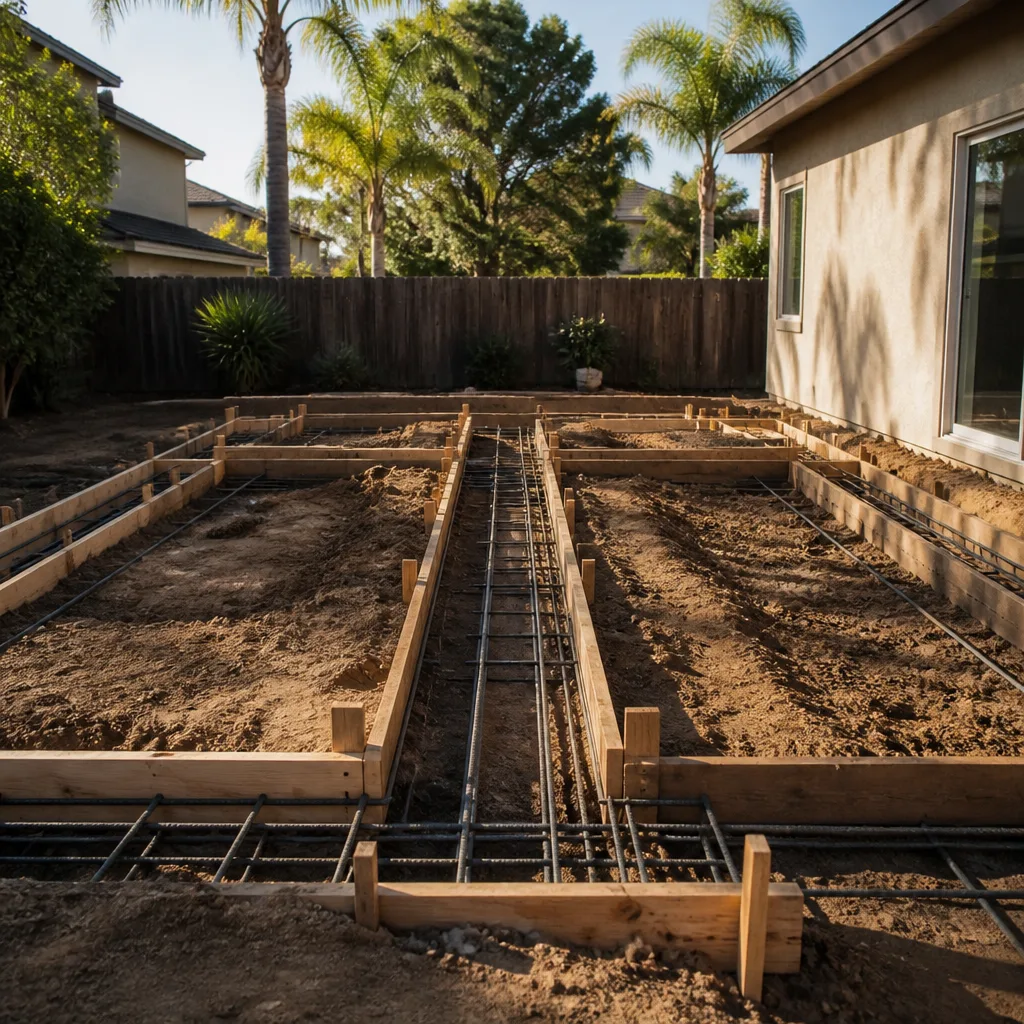
Re-cladding a failed wall on a Long Beach addition typically runs $8 – $18 per square foot installed, and patching a small section with matching HardiePlank is $450 – $1,400. A full addition build starts at $45,000 and climbs toward $130,000 for larger footprints or a second story; an ADU runs $90,000 – $220,000 depending on size, whether it’s attached or detached, and the utility trenching. Converting an existing garage to a livable unit is $30,000 – $80,000.
What drives the number up: matching a discontinued color collection, adding a control joint or re-flashing a bad tie-in, structural repair behind soft board, and HardiePanel versus lap on a tall gable. What’s included: removal, new moisture barrier and flashing, new board cut to the correct reveal, caulk and touch-up, and the price in writing before we start. Our 365-Day Done Right Promise backs the work – if a seam fails or water gets in, we come back and fix it at no charge, and the written guarantee comes with the job.
DIY or Call Us?
The safe owner check: run a hand along the bottom course for softness, look at the back of a loose board for the stamped product name, and snap photos of any chalky streaks or cracks. That’s information, not repair. Where DIY goes wrong on an addition or ADU is the tie-in – re-flashing a seam between an addition and the original house is a wall-detail job, not a siding swap, and a bad corner board lets water into the framing for a year before you see it. It’s also real height work on a two-story ADU gable.
We’ll tell you honestly when a patch is enough and when the flashing behind the board is the real culprit. Call (833) 510-6967 to schedule a free estimate – a live person answers, and our technicians have up to 22 years of experience.
FAQs
How long does James Hardie siding last on a Long Beach addition or ADU? The board itself holds 20 – 30 years or more when it’s detailed right, but in Long Beach’s marine climate the paint and caulk at seams need attention every 8 – 12 years, and any wet-wall or poor-flashing problem cuts that lifespan short no matter how good the board is. Call (833) 510-6967 for an exact look at yours.
Can a failing addition wall be repaired instead of re-clad? Often, yes. A patch of one or two courses with matching board is far cheaper than a full re-clad, and we only recommend the full tear-off when the moisture barrier or flashing behind it has also failed. We’ll tell you which one you’re looking at before quoting either.
How long does the swap take? A single-wall patch is usually one to two days; re-cladding a full addition wall runs three to five days once material is on site, and a full new addition or ADU is measured in weeks, not days. A written schedule comes with the written price.
How do you source the James Hardie board? We order genuine James Hardie product through the supplier channel that carries your profile and color, and pull a sample board to confirm thickness and dimension match before we tear anything off. That avoids the most common re-clad failure: a board that looks right until the courses don’t line up.
We also install KraftMaid cabinetry, Cambria and Silestone countertops into the kitchens and baths inside our Long Beach additions and ADUs, so the finish inside and out matches the same standard.
Call (833) 510-6967 for a free estimate on your James Hardie addition or ADU in Long Beach. You’ll get a written price before any work starts, a real arrival window, and the 365-Day Done Right Promise in writing – and a live person answers every call.
Written by the team at Penhallow Remodeling Long Beach, serving Long Beach and nearby areas.