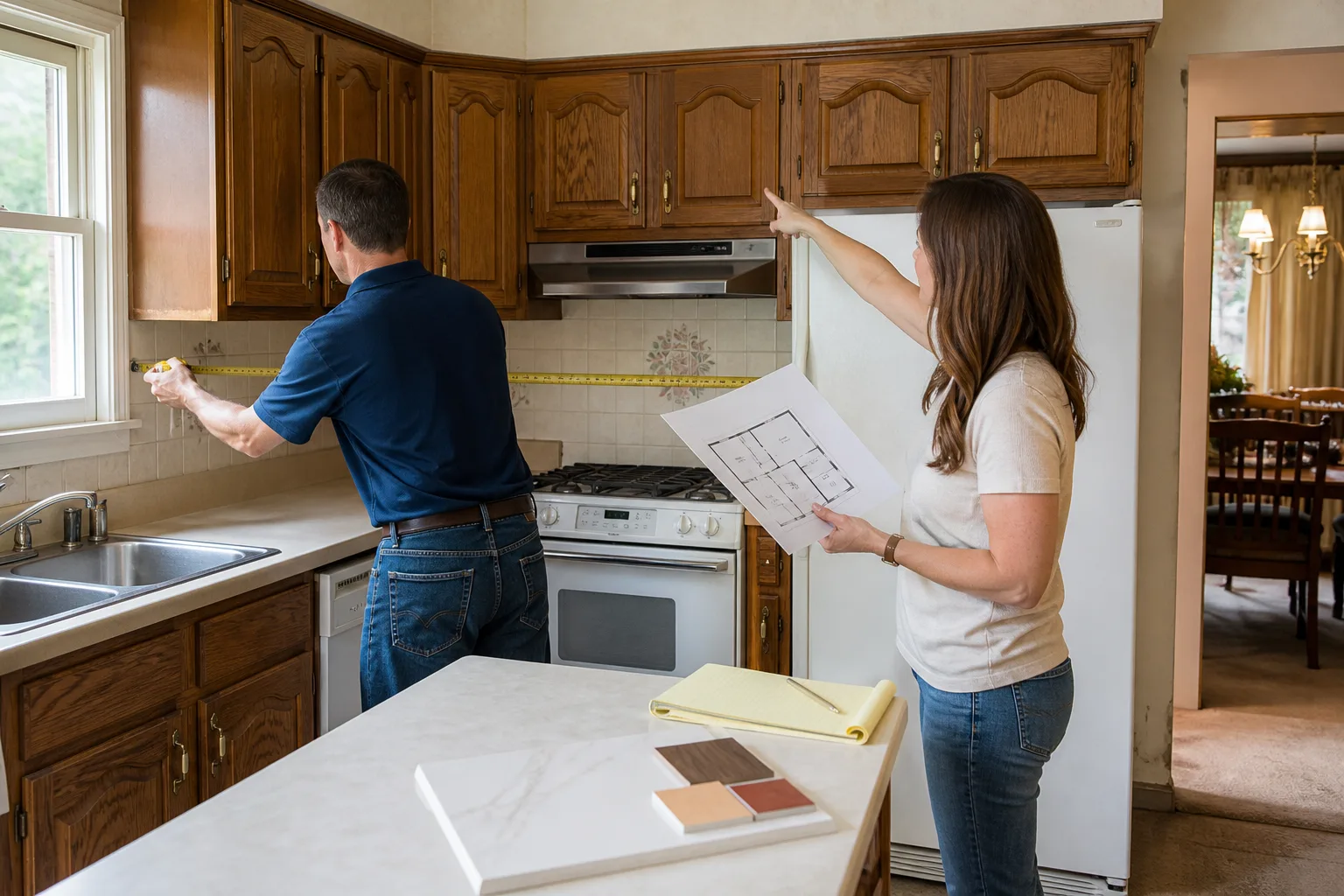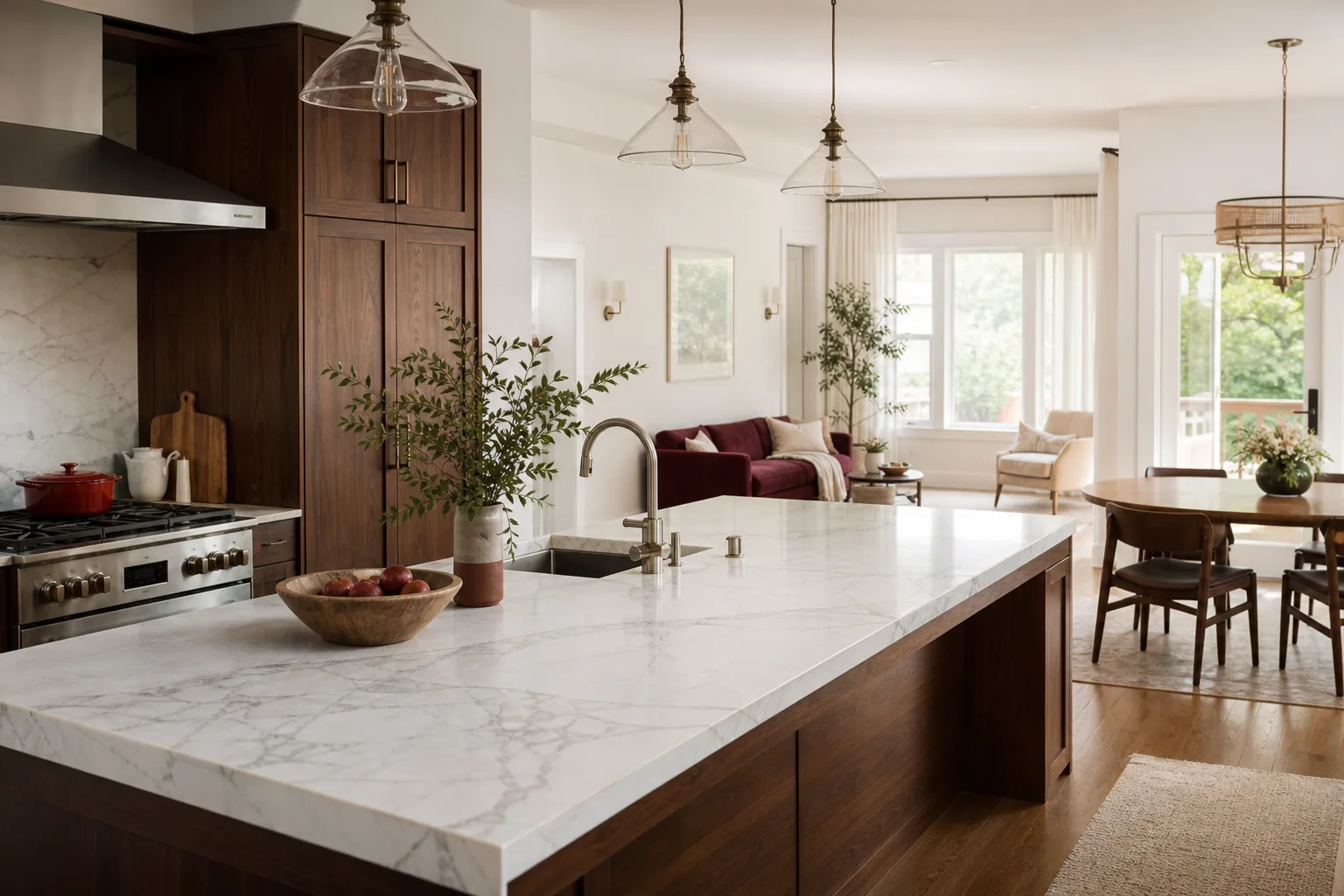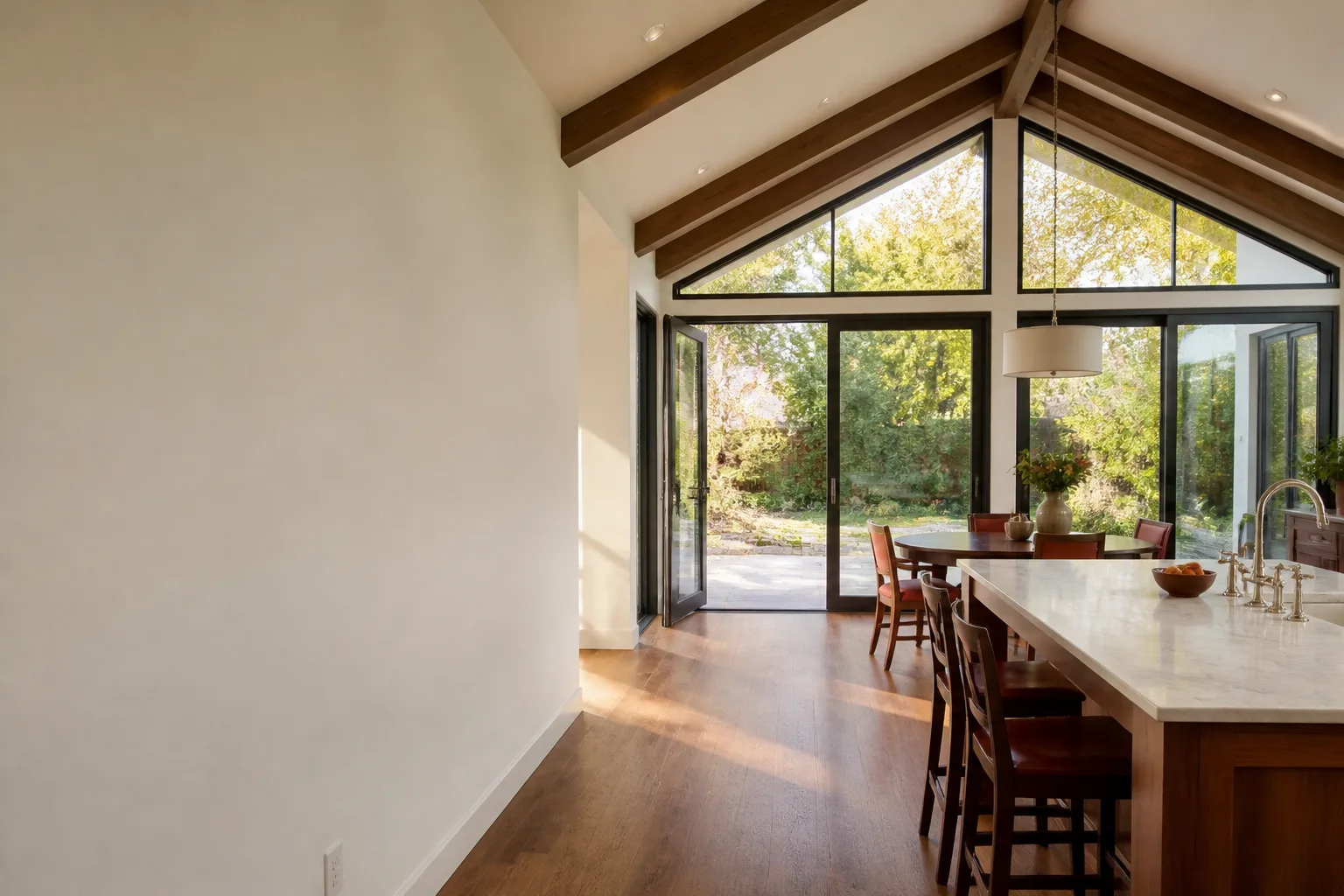
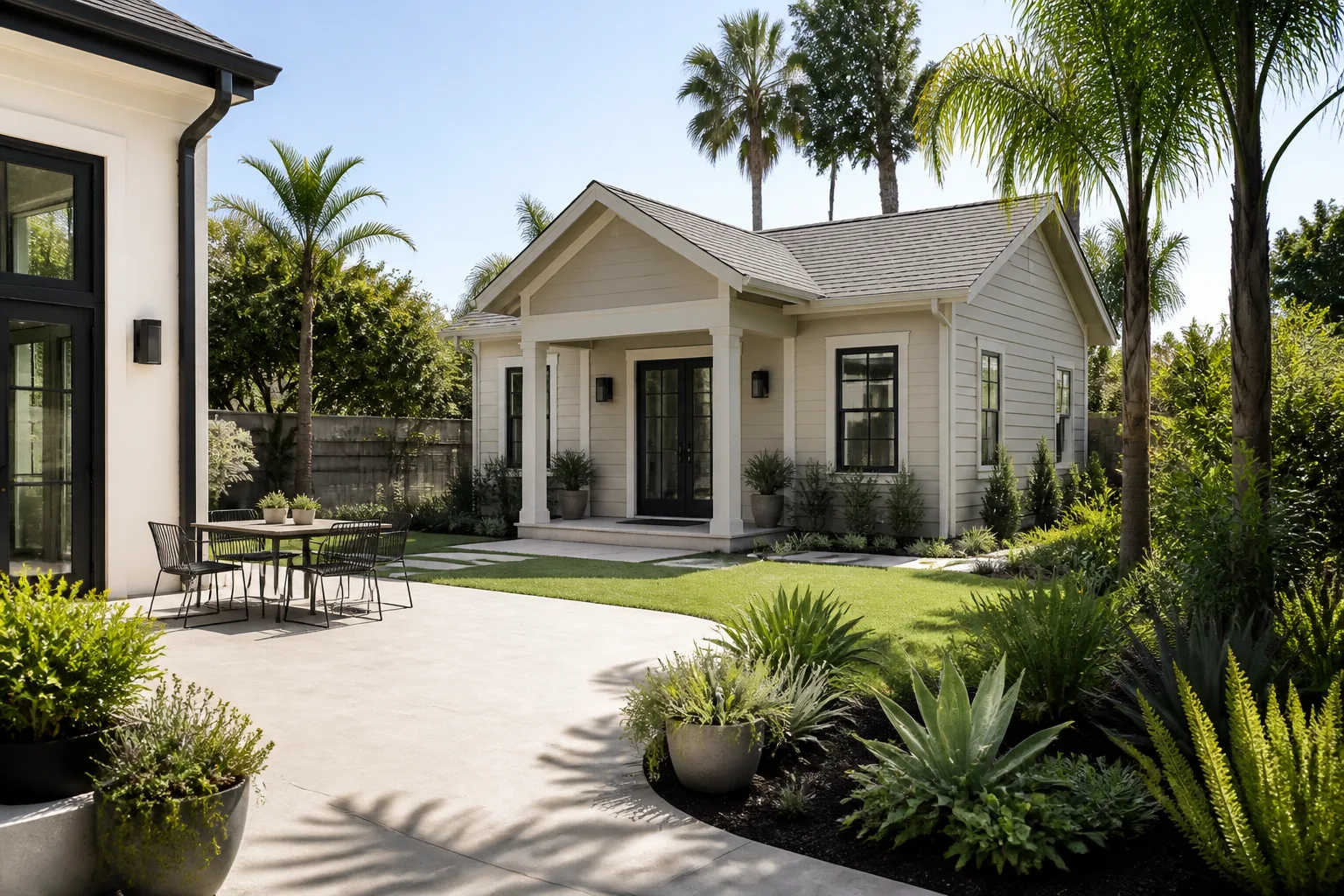

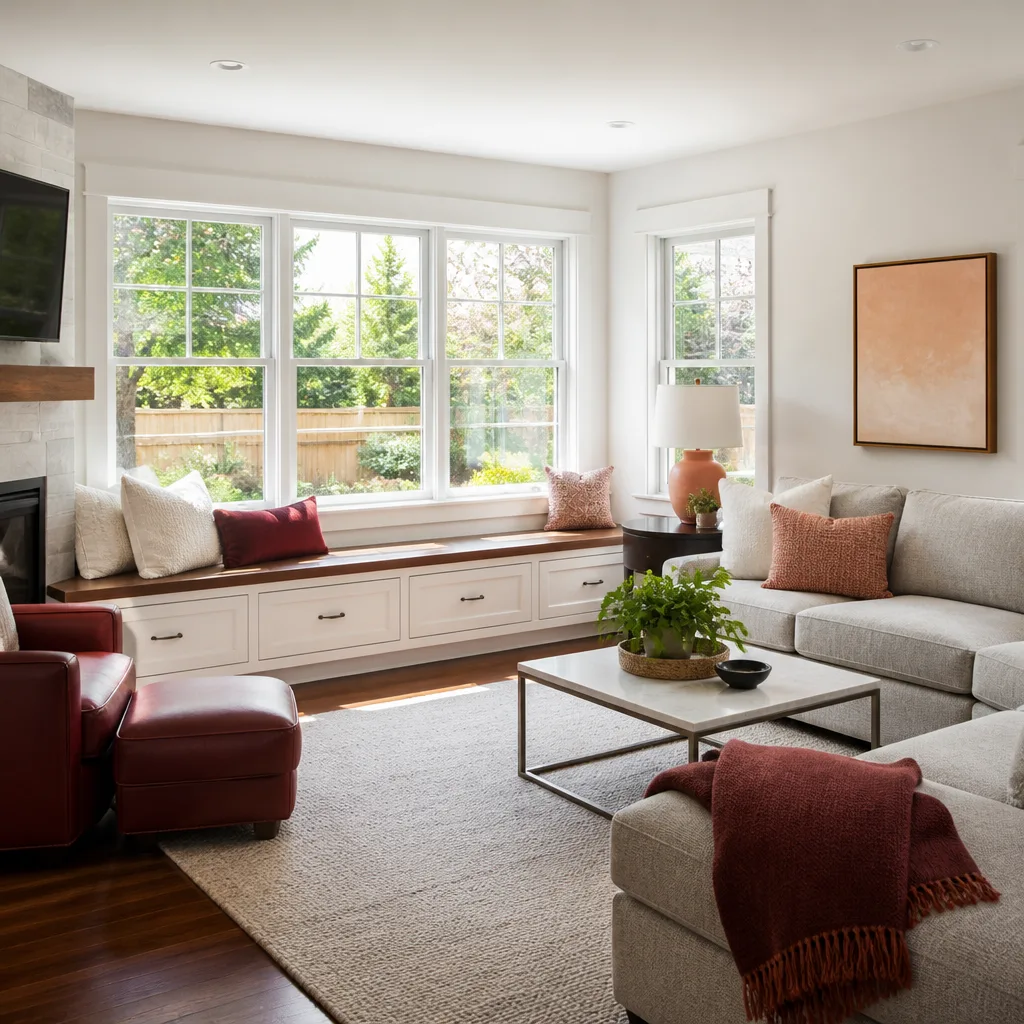

Free written scope consultation - allowances, timeline, and change-order rules on paper before a single trade is scheduled
Styles & brands we work with
- Kitchen remodeling
- Bathroom remodeling
- Home additions & ADU
- Roofing
- Windows & doors
- Driveway & pavers
- Fence
See the difference
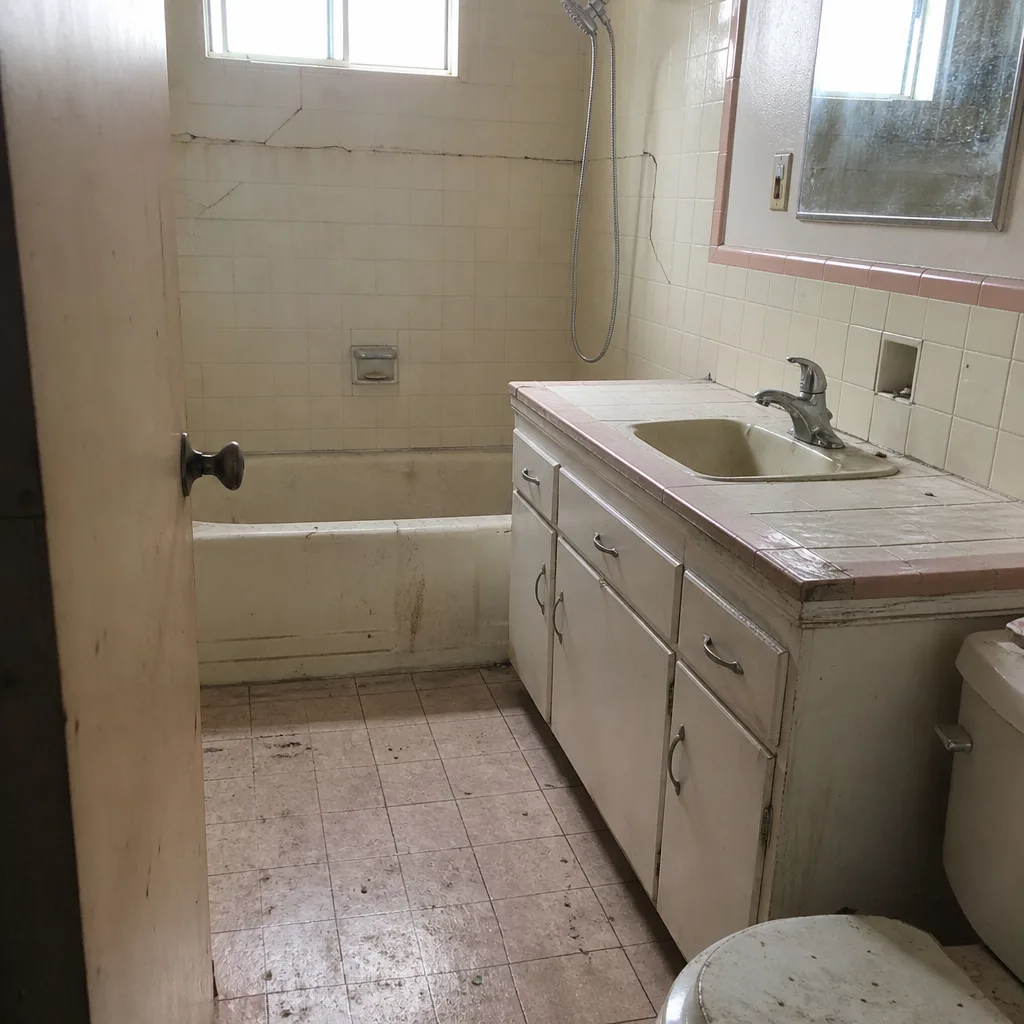 Before
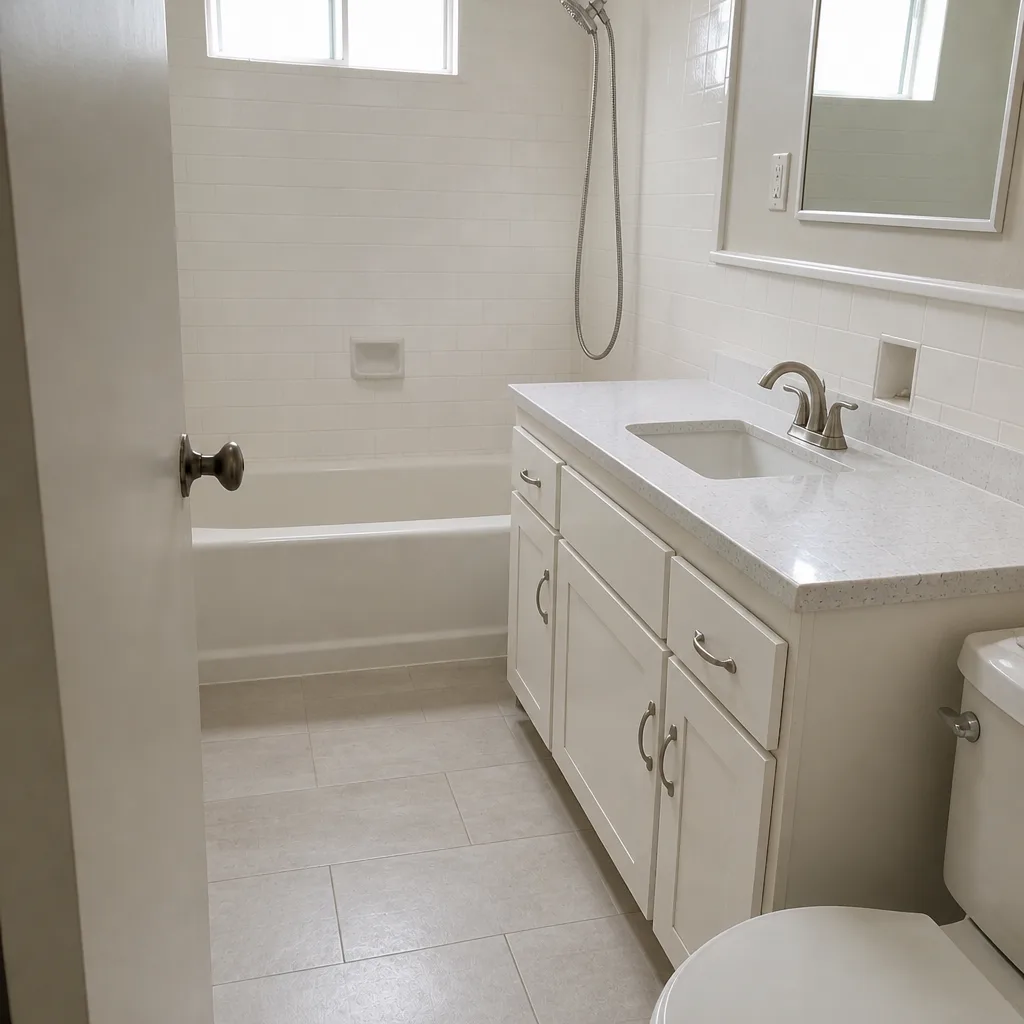 After
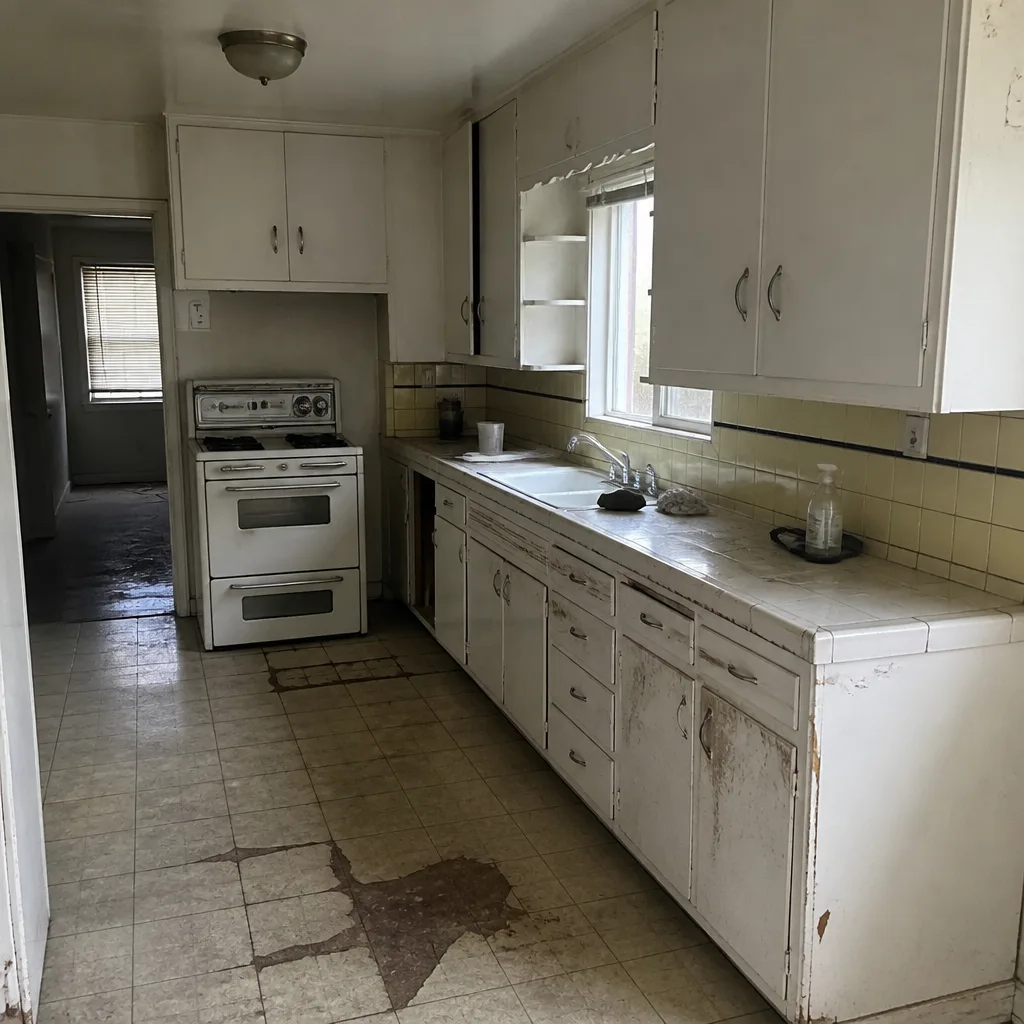 Before
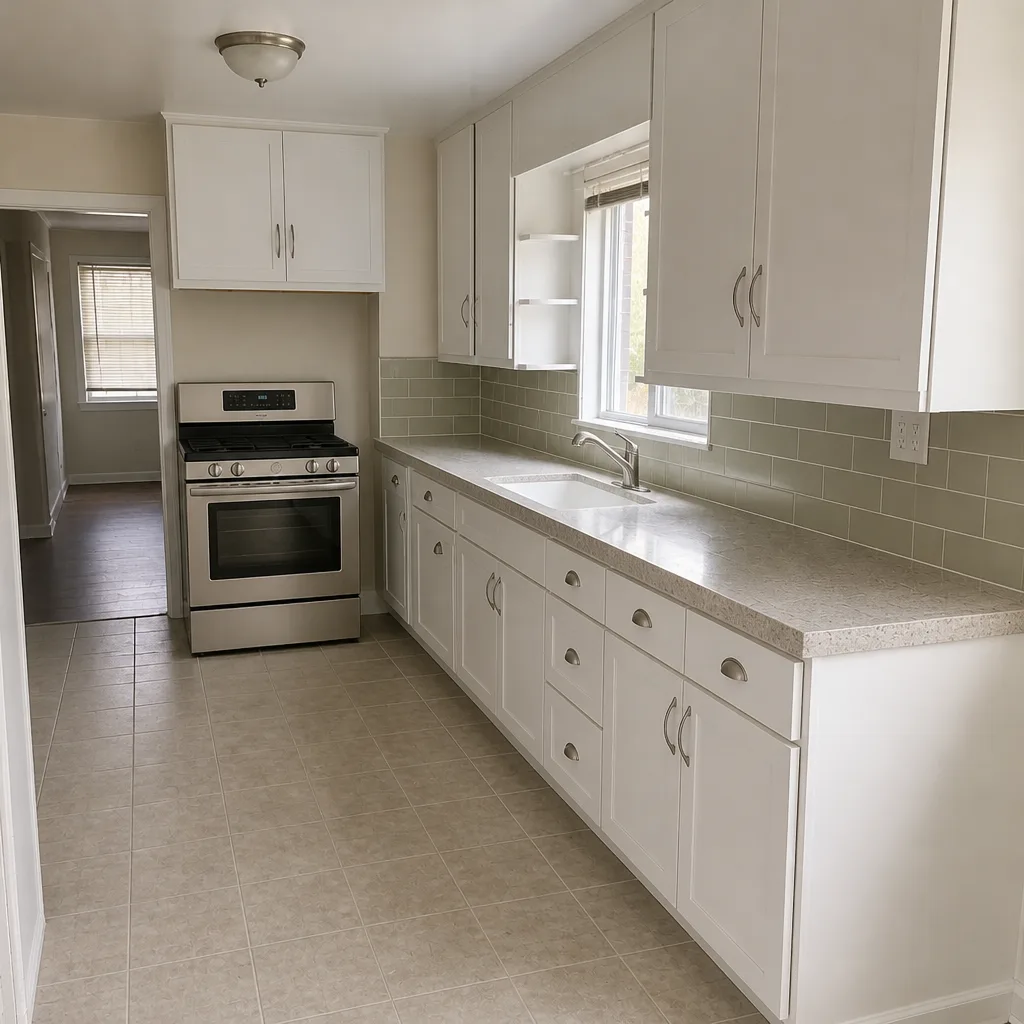 After
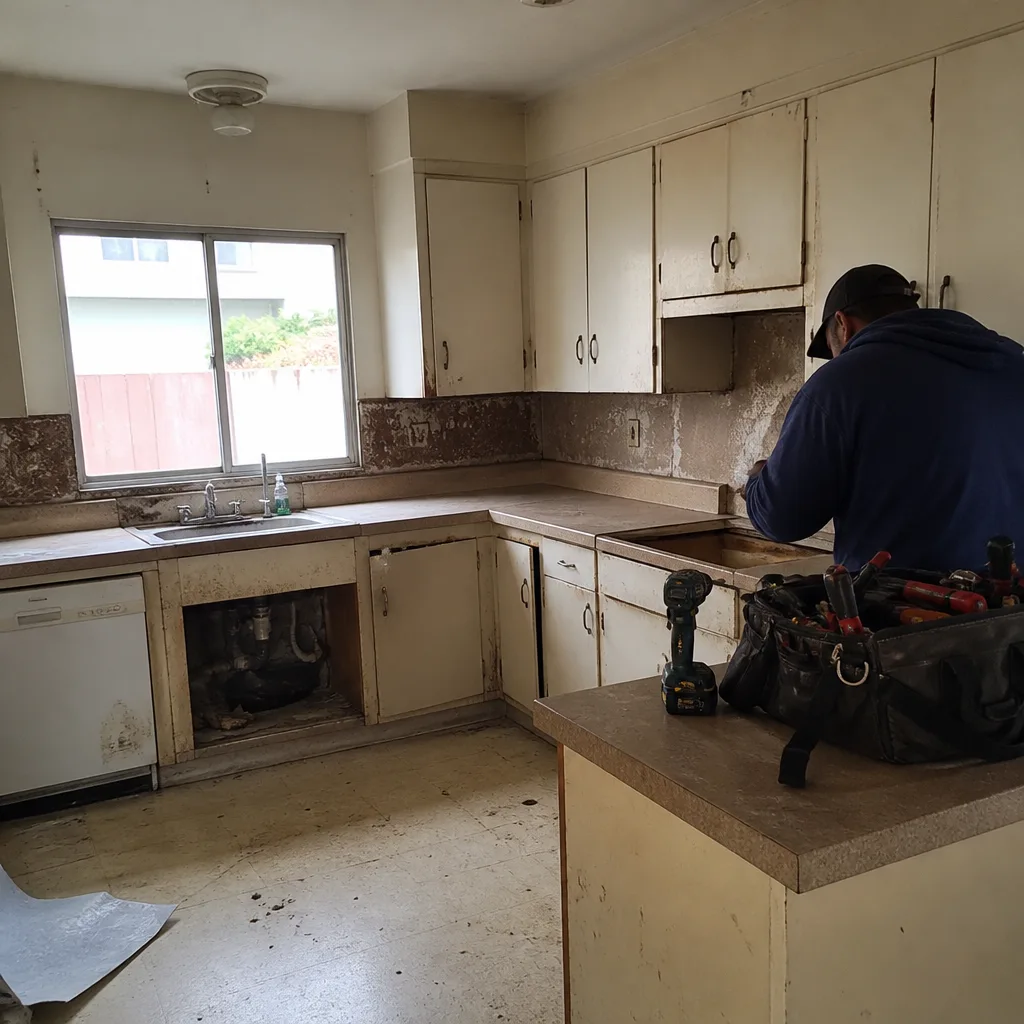 Before
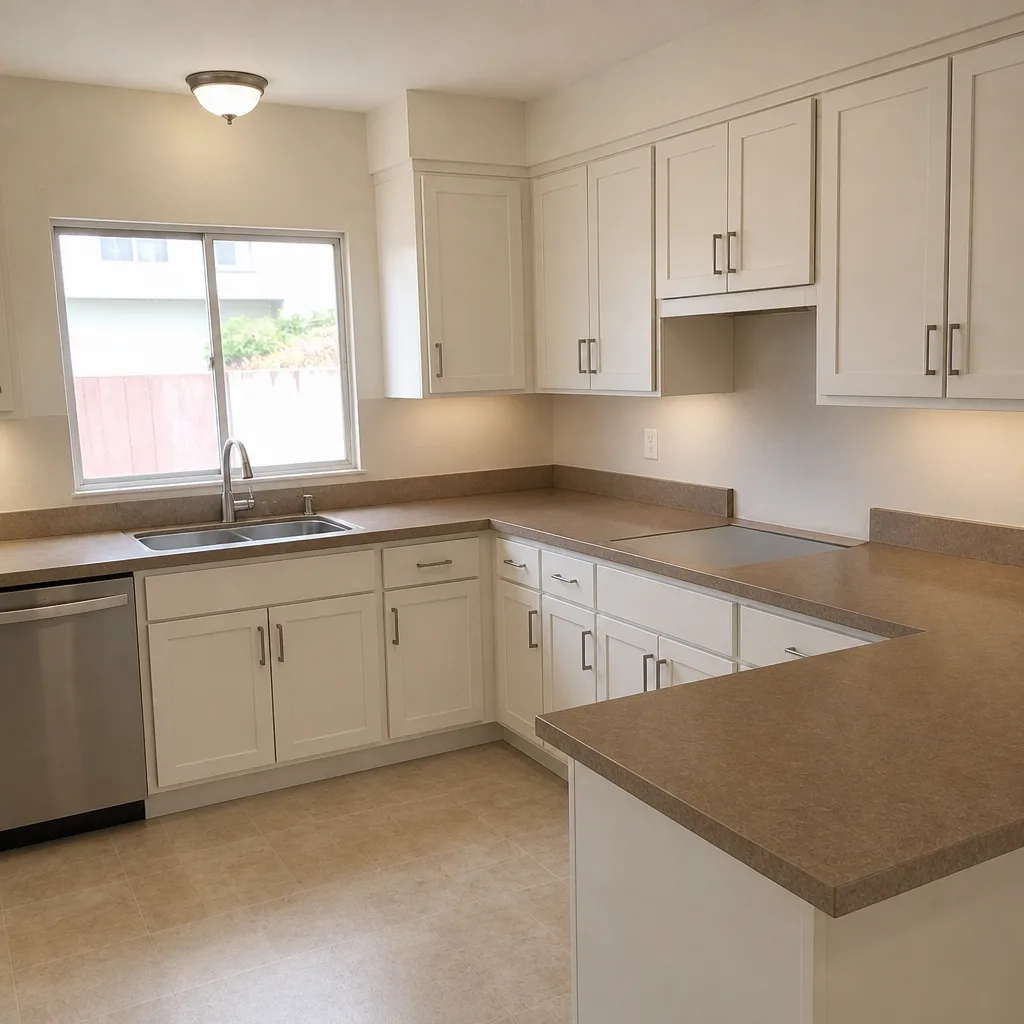 After
ADU Rules and Requirements in Long Beach, CA: The Three-Layer Rule Stack Explained
ADU rules and requirements in Long Beach come from three separate layers that all have to be satisfied at once: California’s state ADU law sets the floor, Long Beach has its own municipal standards for setbacks, height and owner-occupancy, and if your lot sits inside the Coastal Zone, the California Coastal Commission adds a Coastal Development Permit requirement that survives state preemption. Most online ADU guides cover the first layer only. For Penhallow Remodeling Long Beach, the practical upshot is that two ADU projects on the same block can face wildly different review paths, costs and timelines. Call (833) 510-6967 and we’ll walk you through which layers apply to your parcel before you spend a dollar on plans.
The Problem, As It Actually Shows Up on Long Beach Lots
California’s 2020 ADU law removed most local barriers to building an accessory dwelling unit. It made ADUs a by-right use in most residential zones, capped the fees cities could charge, and stripped design review down to objective standards. That’s the floor. And it’s the part most homeowners read and think they’re done.
They aren’t. Long Beach layered its own standards on top. So did the California Coastal Commission, whose jurisdiction extends inland from the shoreline through a mapped boundary that includes large swaths of the city. A garage conversion in Wrigley might sail through over-the-counter review while a similar conversion three miles toward the water needs a Coastal Development Permit, a geotechnical report and a longer approval runway. Neither state law nor the city’s general ADU page explains all three layers in one place, which is exactly the gap that costs homeowners time and money.
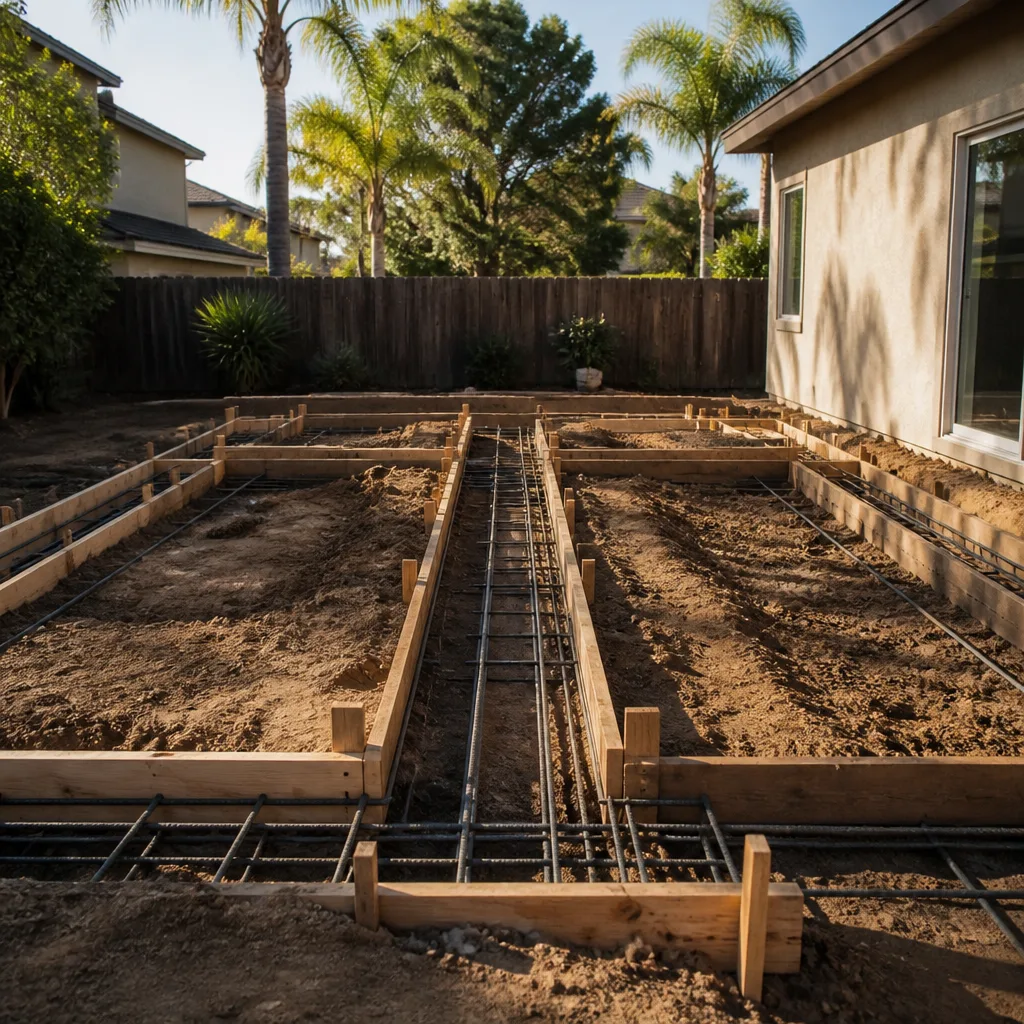
The housing stock makes it harder. Long Beach is full of pre-war Craftsman bungalows near the older core, mid-century tract homes across the east and north, and dense multi-family near downtown. Converting a detached garage on a 1930s lot usually means upgrading the existing foundation, the electrical panel and, often, the sewer lateral to meet current code. Those aren’t optional fixes. They’re the difference between a clean inspection and a red tag.
Which Rule Wins When the Layers Conflict
When state law and local standards disagree, state law prevails on the items it preempts. Cities can’t impose minimum lot size requirements, can’t require owner-occupancy on most ADUs, and can’t demand parking replacement in many cases. Long Beach’s municipal code reflects those limits. But state law says nothing about the Coastal Zone, which is why the third layer still applies.
The Coastal Development Permit is the layer that surprises even experienced local builders. For a parcel inside the mapped coastal boundary, a new detached ADU or a garage conversion can trigger CDP review regardless of what the ADU statute allows. That review runs on its own schedule and its own fee structure. It also brings design standards around visual resources, drainage and habitat that don’t exist inland.
Inside that coastal band, liquefaction risk matters too. Large parts of the near-shore and Port-adjacent areas sit in mapped liquefaction zones, and a detached ADU in those areas may trigger a geotechnical report requirement. Inland ADU guides never mention this. It adds cost and time, and it’s the kind of thing you want to know about before you order plans.
How the three layers stack for a Long Beach ADU
- State (California ADU law): sets the by-right baseline, caps fees, limits local discretion on certain standards.
- City of Long Beach: applies its own setback, height and parking replacement rules within the room state law leaves.
- Coastal Zone overlay: adds CDP review for parcels inside the mapped boundary, plus possible geotechnical requirements in liquefaction areas near the coast and Port.
Parking Replacement on Small Urban Lots
Garage conversions are the most common ADU path on Long Beach’s smaller lots, and they hit a specific snag: converting the garage eliminates the covered parking the property was originally required to provide. State law limits when a city can require replacement spaces, and Long Beach’s rules carve out exceptions for proximity to transit and for certain conversion types. The answer for your lot depends on where you sit relative to those exceptions and how the original parking was established.
This is the kind of question where a written feasibility answer beats a phone-call guess. If a replacement space is required, that’s a line item. If it isn’t, it’s real money saved. Either way, you should know before demo.
What an ADU Actually Costs in Long Beach
Construction is only part of the number. Permit fees, soils or geotechnical reports, CDP application costs and any foundation or panel upgrades all ride on top. That’s why Penhallow Remodeling Long Beach line-items each of these in the written price before any work starts, so the number on day one is the number on the invoice.
| Scope | Typical Long Beach Range |
|---|---|
| ADU construction (detached, full build) | $90,000-$220,000 |
| Garage conversion to ADU | $30,000-$80,000 |
| Home addition (for comparison) | $45,000-$130,000 |
| Foundation / electrical panel / sewer upgrades | Line-itemed per project |
| Permit fees, CDP application, geotechnical report | Line-itemed per project |
For context, our technicians have up to 22 years of experience with exactly this kind of layered-permit work, and our materials come from trade brands that hold up to coastal conditions: James Hardie siding and trim resist the salt-laden marine air, KraftMaid and Wellborn cabinetry carry their own warranties alongside ours, and Cambria quartz handles the humidity without the maintenance a natural stone would demand.
The Marine Layer, the Salt, and Why Fasteners Matter
Coastal Long Beach construction has to account for the marine layer, salt-laden air and occasional heavy winter rain. That means corrosion-resistant fasteners and metal, moisture detailing on coast-facing walls, and drainage designed for flat or low-slope roofs. An ADU built inland can get away with choices that fail in the near-shore band within a decade. Our Long Beach service area page walks through the neighborhood-by-neighborhood differences if you want the fuller picture.
What the 365-Day Done Right Promise Covers
Every project we complete comes with the 365-Day Done Right Promise: if the work fails inside the guarantee period, we come back and fix it at no charge, and the guarantee is in writing on every job. If a repair fails on a return call, there’s no service fee and no re-inspection charge. Background-checked, uniformed technicians arrive on every job, and a live person answers the phone 24/7. That’s the standard The Kingswell Way sets: say the price before the work, show up in the window we gave, leave the place cleaner than we found it.
FAQs
You need a Coastal Development Permit if your parcel sits inside Long Beach’s mapped Coastal Zone boundary, even though state ADU law preempts most other local review. The boundary extends well inland from the shoreline, so plenty of lots that don’t “feel” coastal are still inside it. Call our team at (833) 510-6967 and we’ll check your parcel against the boundary before you commission plans.
A detached ADU in Long Beach typically runs $90,000-$220,000, and a garage conversion runs $30,000-$80,000, with permit fees, geotechnical reports and CDP application costs added on top. The biggest price swings come from foundation condition, existing electrical service and coastal review requirements. Call (833) 510-6967 for a free written price.
Garage conversion is usually cheaper by a wide margin: $30,000-$80,000 versus $90,000-$220,000 for a detached build. But conversions on older Long Beach lots often require foundation, panel and sewer upgrades that narrow the gap. Get a written price that line-items those upgrades before you decide.
Sometimes, but state law limits when the city can require it and Long Beach applies its own exceptions based on transit proximity and conversion type. Whether it applies to your lot depends on how the original parking was established. We’ll check your parcel and tell you in writing.
Before You Pull a Permit
Long Beach ADU projects reward homeowners who know which layers apply before demo day, not after. If you’d rather have your parcel and lot conditions assessed than read through city pages, Penhallow Remodeling Long Beach offers a no-pressure assessment in Long Beach. We’ll map your rule stack, line-item the full cost and put it in writing. Call (833) 510-6967 to start.
Written by the team at Penhallow Remodeling Long Beach, serving Long Beach, CA.
Internal links to embed (12, one each, natural anchors - the two pillar links below are mandatory; the rest should point to pages you’ll confirm exist in your site structure before publishing):
1. `home`
2. `Long Beach service area`
3. `ADU construction services`
4. `garage conversion projects`
5. `home additions`
6. `kitchen remodeling`
7. `bathroom remodeling`
8. `permits and code requirements`
9. `coastal zone construction`
10. `ADU cost guide`
11. `foundation and structural upgrades`
12. `financing options`
Anchor text is descriptive; confirm each slug exists on your site before publishing (the two pillar URLs are the only ones fixed in this brief).