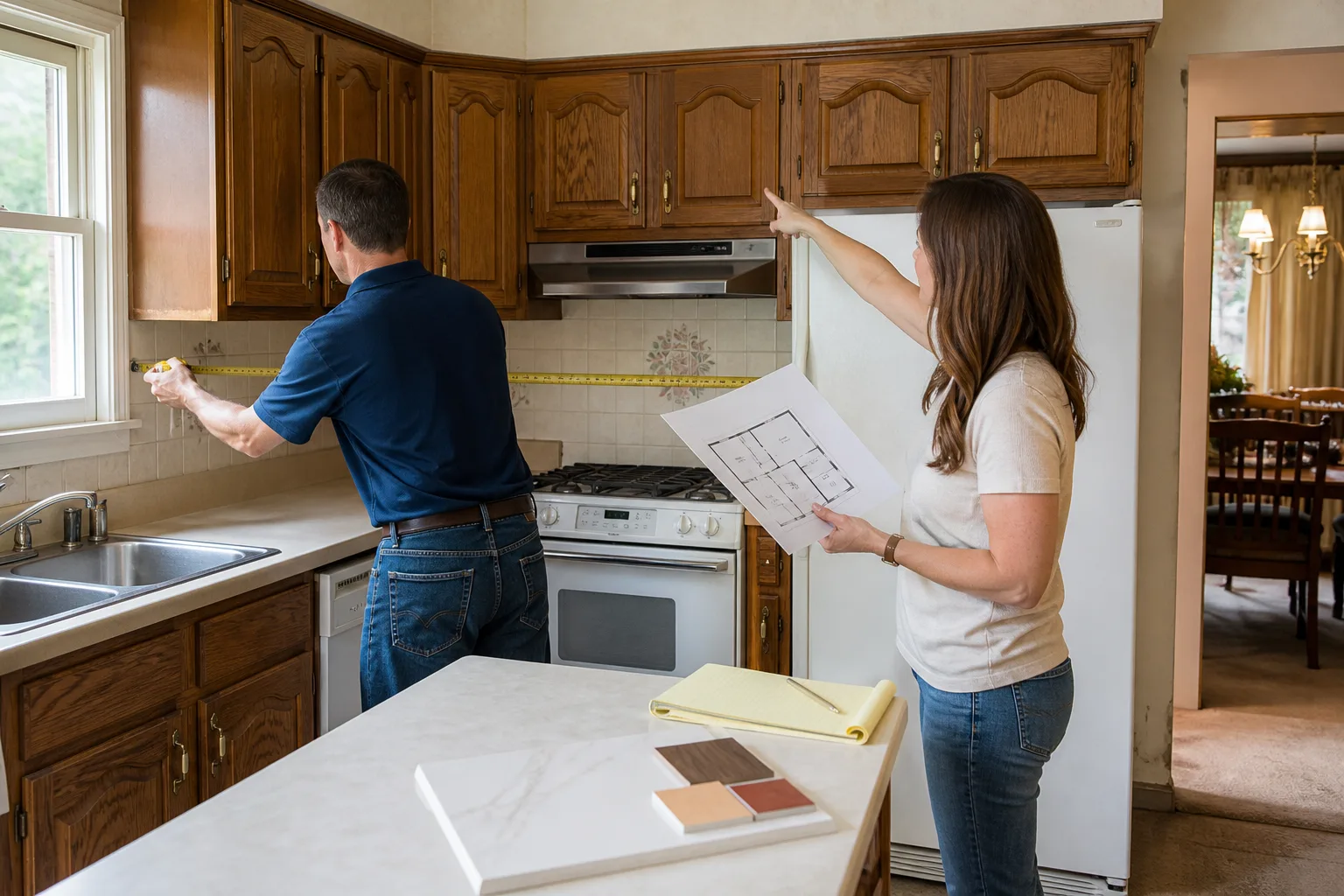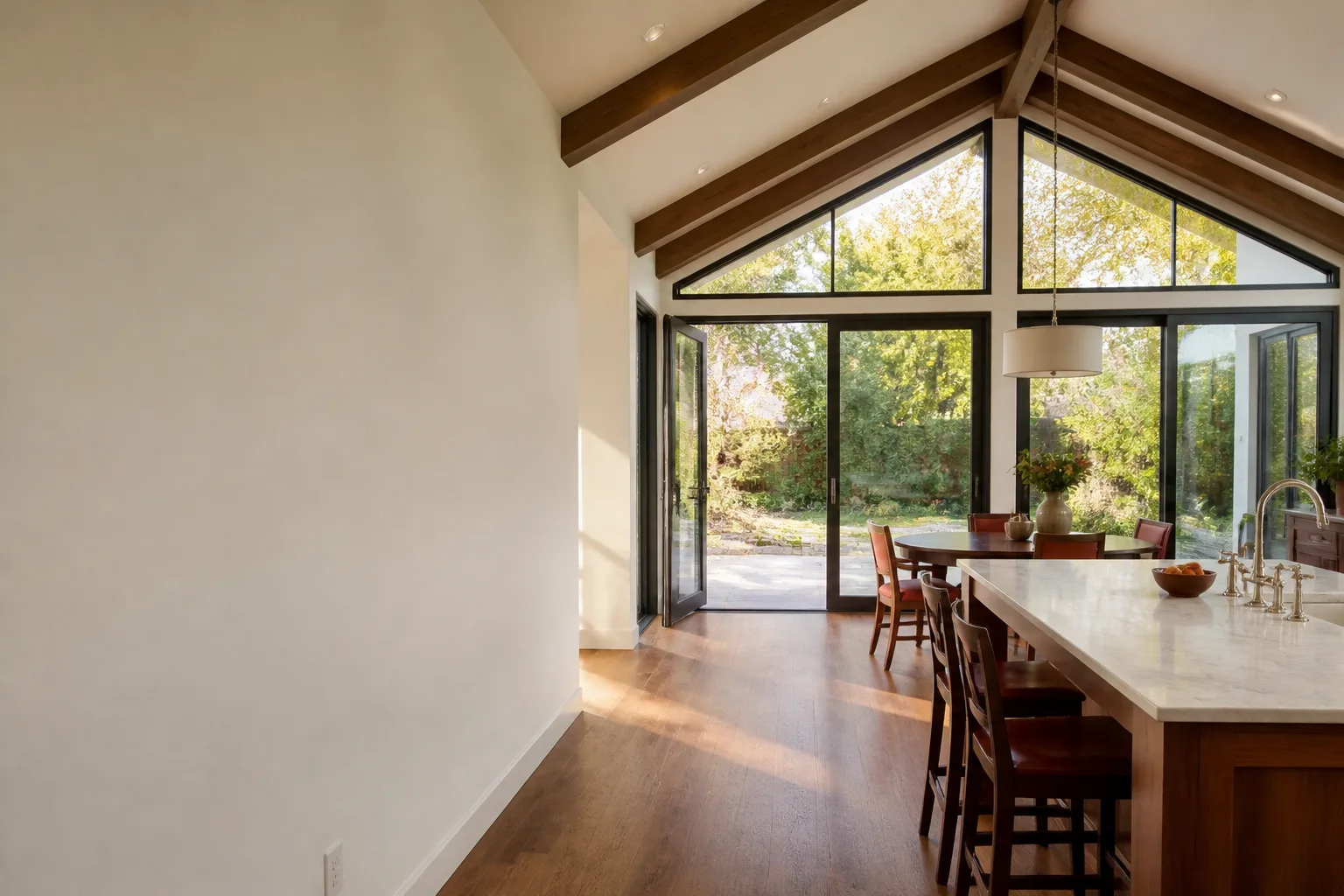






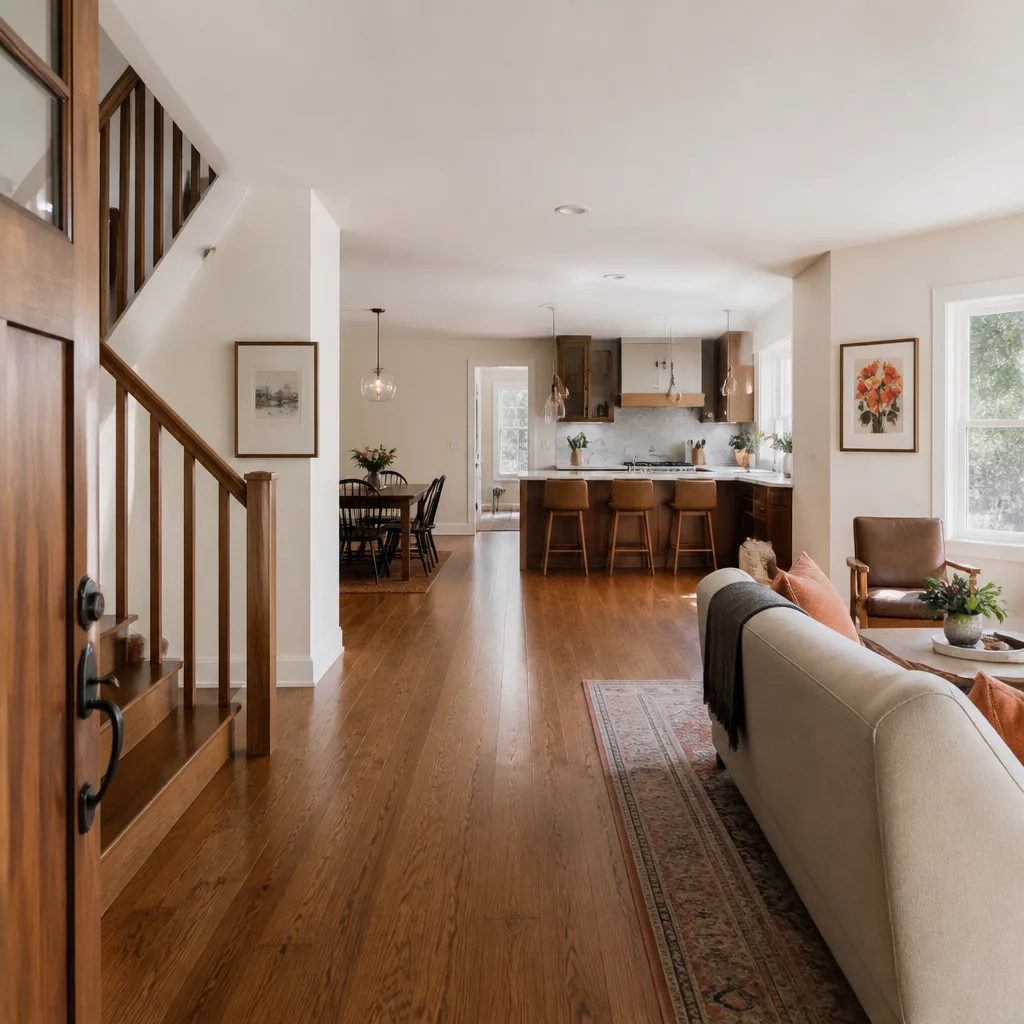
Free written scope consultation - allowances, timeline, and change-order rules on paper before a single trade is scheduled
Styles & brands we work with
- Kitchen remodeling
- Bathroom remodeling
- Home additions & ADU
- Roofing
- Windows & doors
- Driveway & pavers
- Fence
See the difference
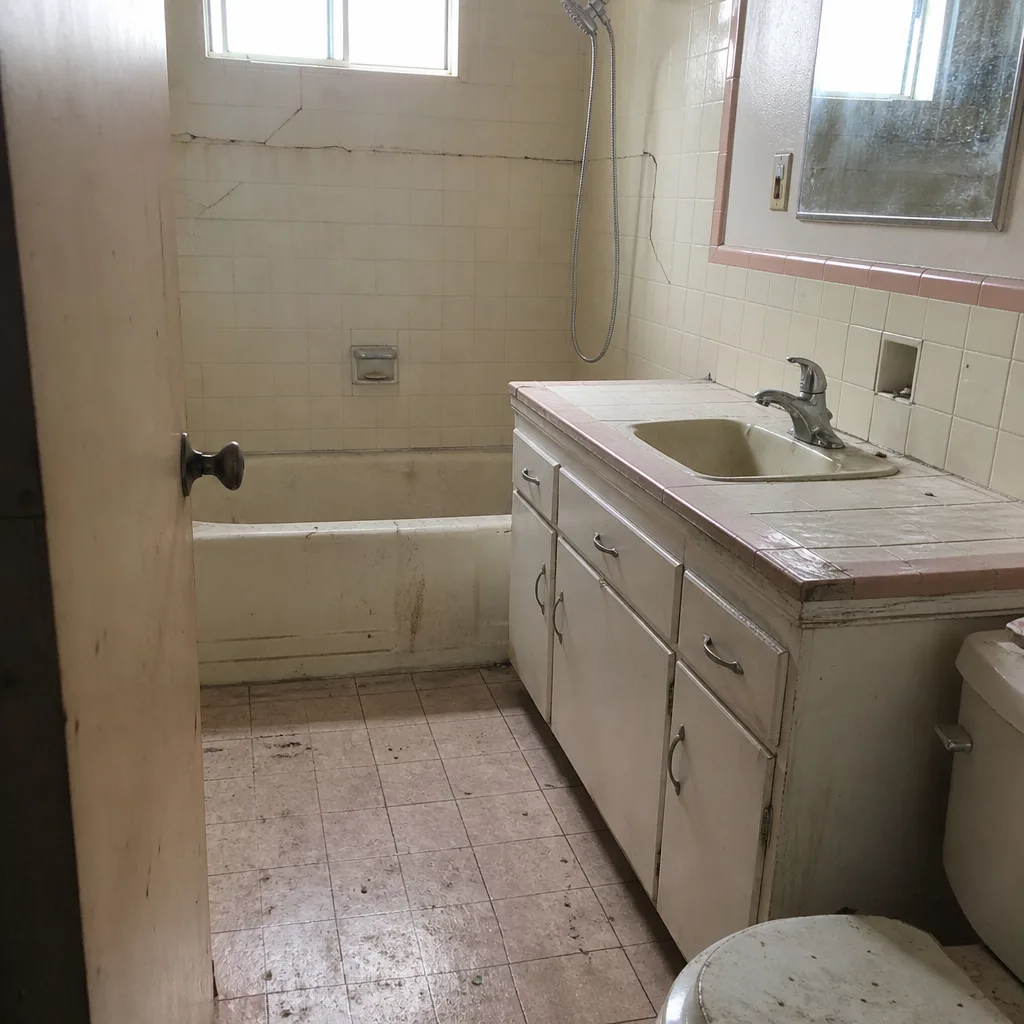 Before
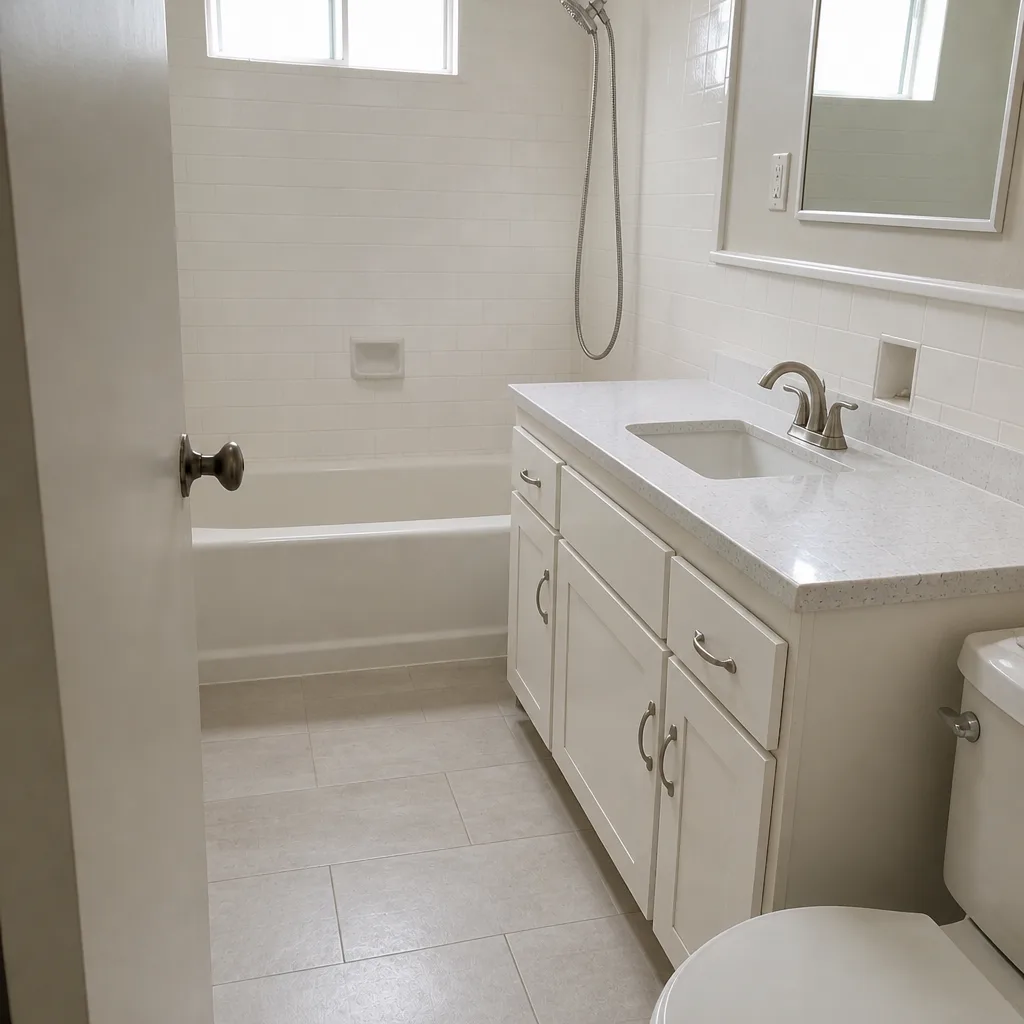 After
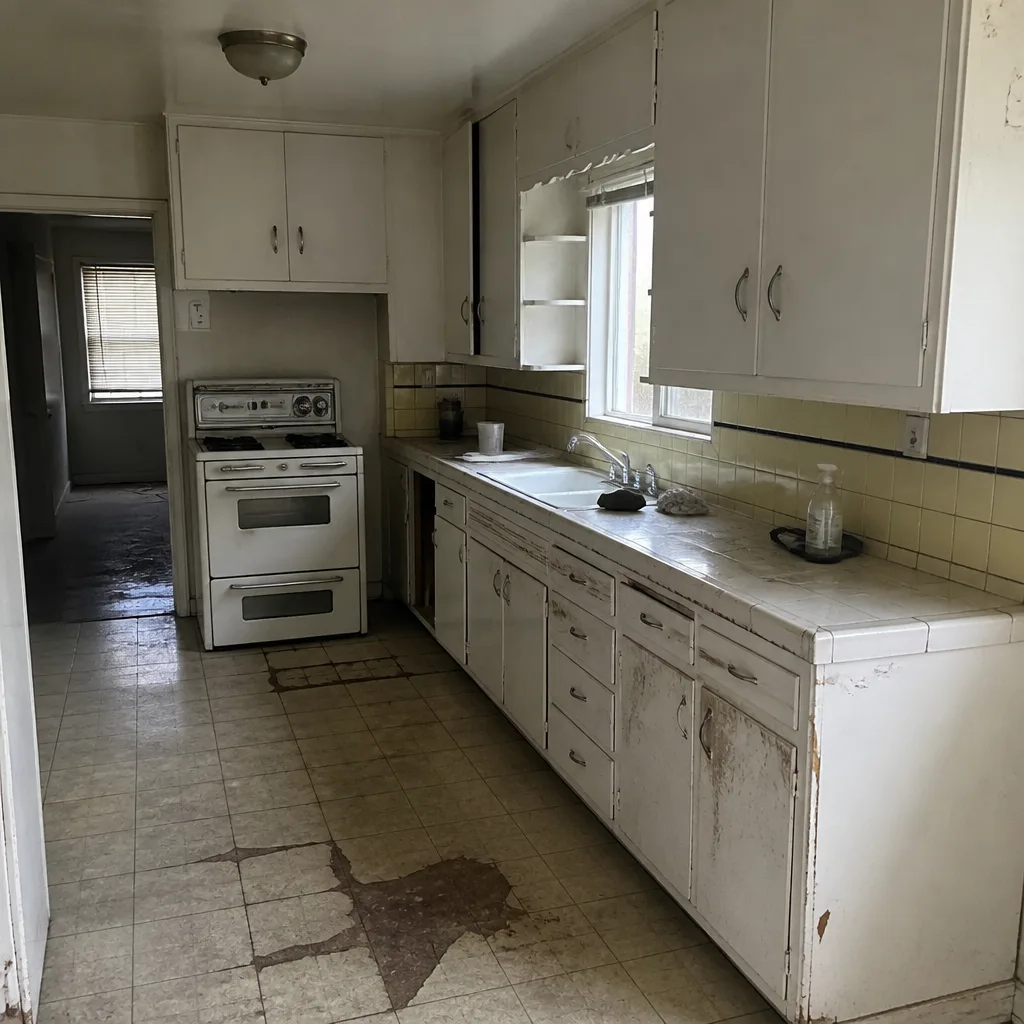 Before
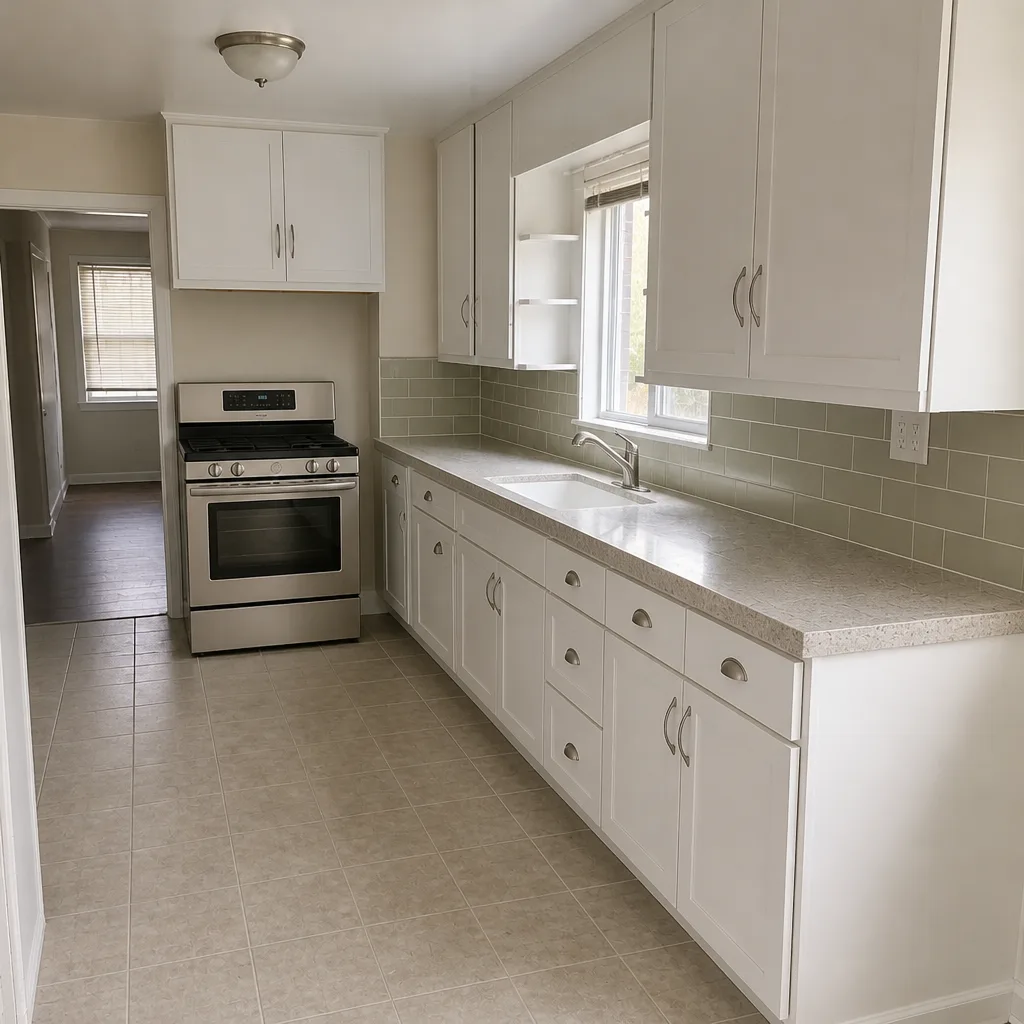 After
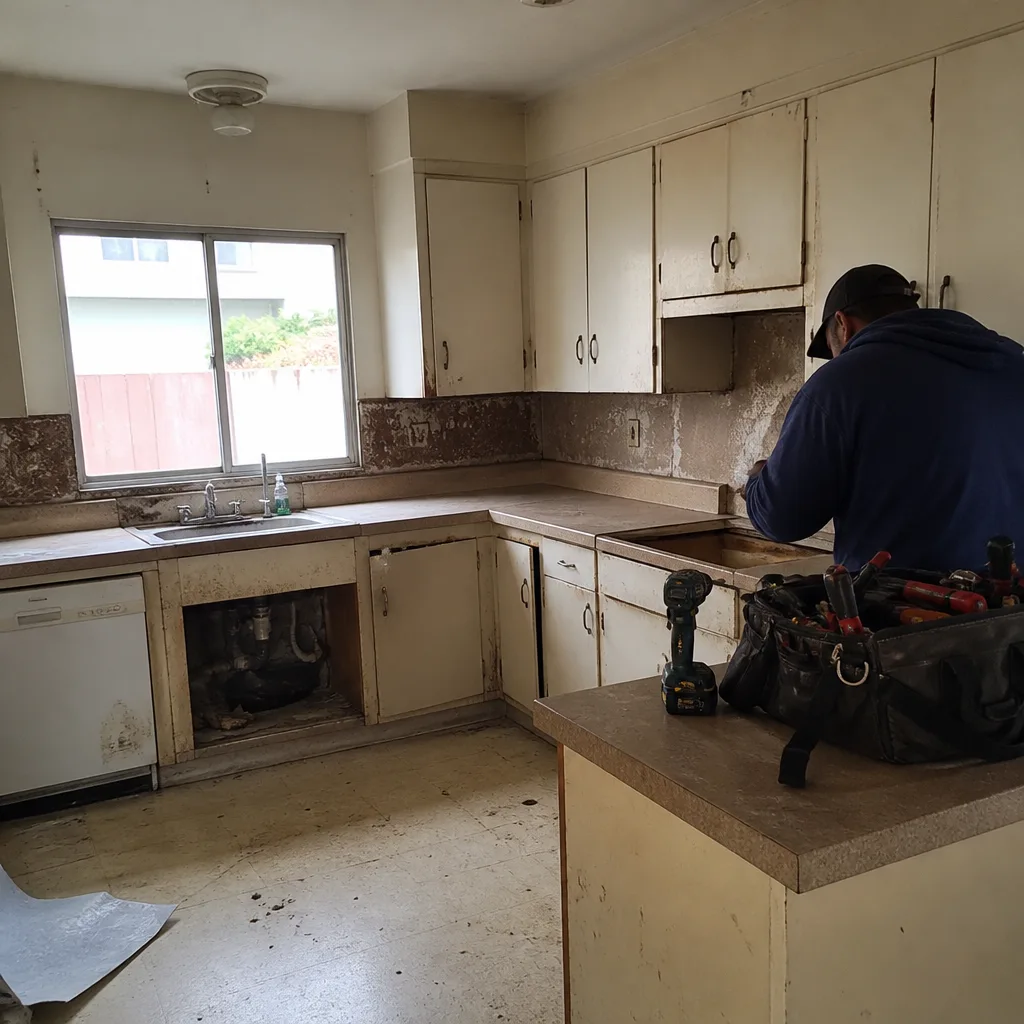 Before
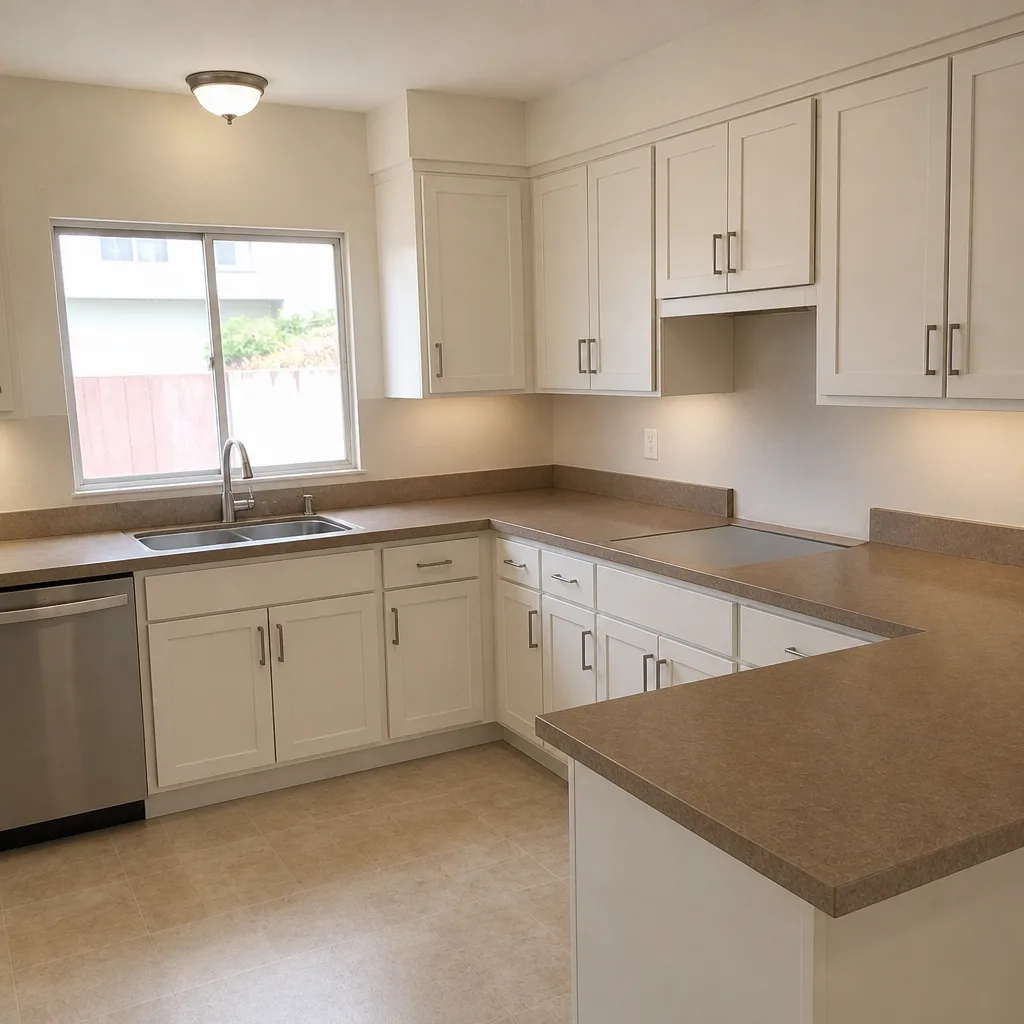 After
General Contractor vs Handyman in Long Beach, CA: Choose a Licensed General Contractor Whenever the Job Needs a Permit, Touches Structure, or Changes Your Home’s Footprint
For the small stuff (a sticking door, a shower head swap, a shelf that needs anchoring), a handyman is the sensible call. For anything that requires a permit (and in Long Beach that means structural, electrical, plumbing, or exterior changes), you need a licensed general contractor. The clean dividing line is California’s $500 rule: once combined labor and materials on a project pass $500, the state requires a licensed contractor, and only a licensed contractor can pull the permit. A handyman legally cannot pull one at all. Penhallow Remodeling Long Beach works on the permitted side of that line every day; if you’re unsure which side your project falls on, call (833) 510-6967 and we’ll tell you straight.
Here’s the part almost nobody explains before demo day: if a handyman opens a wall in your Long Beach Craftsman and no permit gets filed, the unpermitted work becomes your problem. Not his. You carry it to resale, to your insurer, and to the next inspector who walks the property.
Key Takeaways
- California’s $500 threshold (labor plus materials) is the legal trigger for a licensed contractor on any project.
- A handyman cannot pull a building permit in California. Any permit-required scope he performs is unpermitted by definition.
- Unpermitted work in Long Beach can complicate insurance claims and force remediation at sale.
- Coastal Zone and shoreline work can require a Coastal Development Permit. A handyman has no standing to apply for one.
- Written pricing and a written guarantee belong on the job before work starts, not after.

Why the Divide in Long Beach Is About Permits and Liability, Not Just a License Card
Long Beach is a port city stacked with layers of review. A project near the water or in a shoreline neighborhood may run through both city building review and a Coastal Commission overlay, while the same scope a few miles inland follows a different path entirely. Local contractors learn that distinction the hard way, usually on a job where somebody assumed the rules were uniform. Handymen who work across the city rarely have cause to learn it at all, because they aren’t the ones filing anything.
The housing stock makes it worse. Long Beach runs from pre-war Craftsman bungalows near the older core to mid-century tract homes across the east and north, plus dense multi-family and downtown high-rises. That range means the jobs that look simple often aren’t.
The “simple” jobs that aren’t
Widen a doorway in an older bungalow and you may be cutting into balloon-frame structure, where studs run the full height of the house in continuous runs and load paths don’t behave the way modern platform framing does. Reposition a bathroom fixture and you might be cutting into a circuit that predates grounded wiring. These are the exact jobs that come up constantly in Long Beach’s older homes, and they are the exact jobs that need a permit and inspection.
Add seismic and foundation retrofits (common on older Long Beach properties), ADU conversions, and additions, and the permit question stops being theoretical. The permitting review here can involve both city building review and coastal-zone or Port-area overlays, and a project near the water often takes a different review path than one a few miles inland. That’s before you factor in the marine layer, salt-laden coastal air, and heavy winter rain, which push construction toward corrosion-rated fasteners, moisture detailing on coastal-facing walls, and careful drainage on flat or low-slope roofs. None of that is handyman territory. It’s licensed, inspected work with a paper trail.
How California’s $500 Rule Actually Works
The rule is simple to state and easy to misread in practice. The $500 counts combined labor and materials for the whole project, not per task. A handyman can legally handle a qualifying small repair under that line. Cross it, and the state requires a licensed contractor. Some of that scope also requires a permit, which only a licensed contractor can pull.
| Job | Handyman (legal) | Licensed general contractor |
|---|---|---|
| Under $500 combined labor/materials, no permit required | Yes | Yes (usually overkill) |
| Over $500, no permit required (minor repairs, cosmetic work) | No | Yes |
| Structural change (header, wall removal, framing) | No | Yes, with permit |
| Electrical or plumbing changes | No | Yes, with permit |
| Exterior change to structure or footprint in the Coastal Zone | No | Yes, typically with a Coastal Development Permit |
What makes this concrete for a Long Beach homeowner: a small kitchen remodel here runs roughly $9,000-$20,000, and a bathroom remodel roughly $9,000-$28,000. A home addition runs $45,000-$130,000, and an ADU runs $90,000-$220,000. There is no version of those projects where a handyman is the legal path, regardless of his skill level. When you hire a licensed general contractor, permit handling is part of the scope, so you never have to wonder whether the work on your home is actually legal.
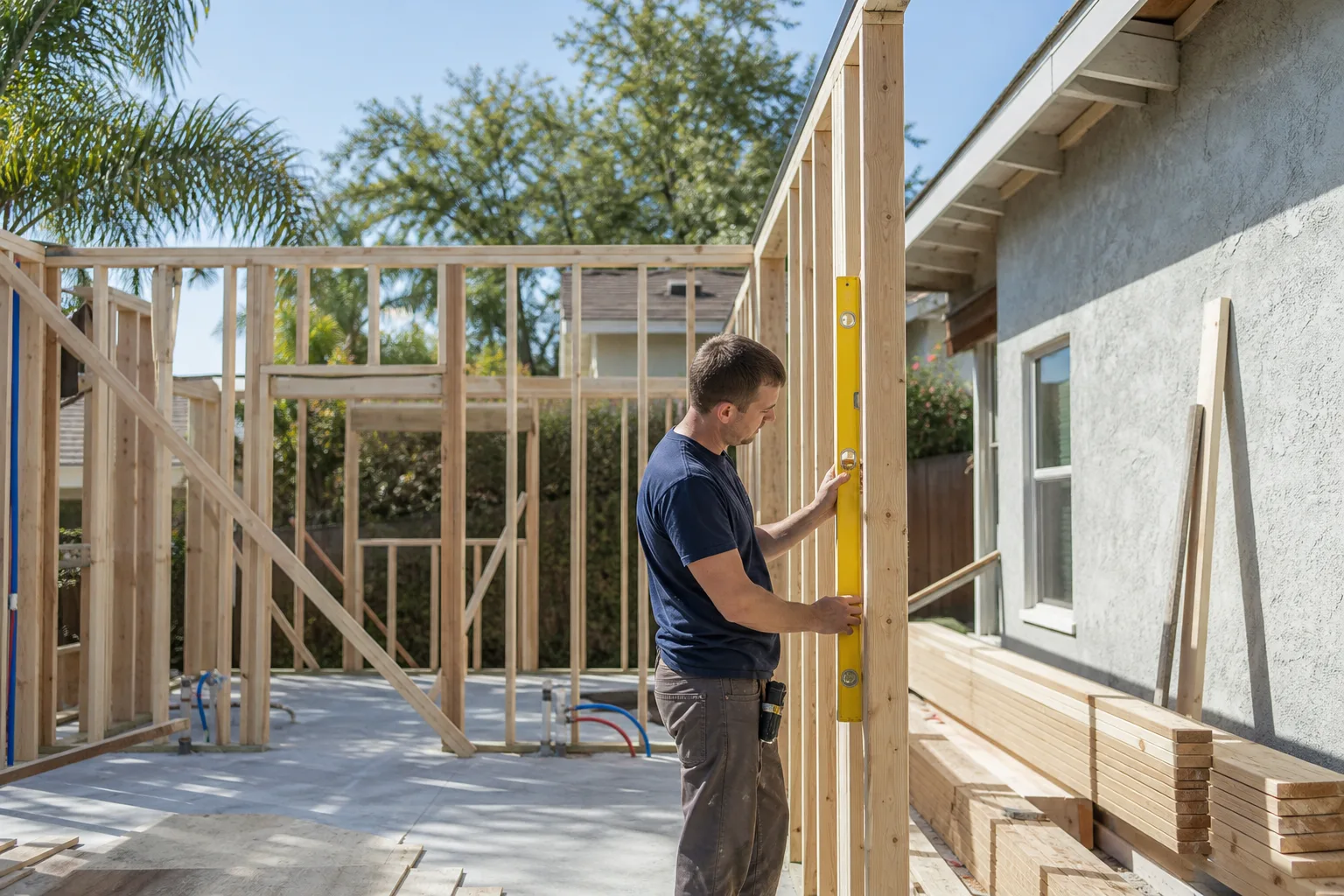
What Unpermitted Work Costs You as the Homeowner
This is the part of the decision that doesn’t show up on a handyman’s flyer. If work on your Long Beach home required a permit and didn’t get one, the exposure lands on you.
- Insurance: a claim related to unpermitted work can be denied or complicated. The carrier isn’t obligated to cover what was never inspected.
- Resale: the buyer’s inspector finds it during due diligence. Remediation, retroactive permitting, or rework at your expense is the usual outcome, and closing timelines can slip while it’s sorted out.
- Coastal Zone: if exterior work changed the structure or footprint and no Coastal Development Permit was pulled, you’re the one holding an unpermitted structure in a regulated zone.
- Future permits: unpermitted conditions can surface when you apply for your next permit, and the city can require you to bring the earlier work up to code before proceeding.
That’s the honest reason we hold the line we do. On our jobs, permits are handled as part of the scope, not tacked on later. Every project gets a written price before any work starts, so the number on day one is the number on the invoice. Our technicians are background-checked and arrive in uniform, and we draw materials from recognized brands like IKO, Atlas, and Tamko (and for cabinetry and counters, lines like KraftMaid, Wellborn, and Cambria) so the products behind the guarantee are as solid as the promise. The background-checked, uniformed standard matters as much as the paper does: you should know exactly who is walking into your home.
The Penhallow Standard: Written Price, Written Guarantee, Permits Handled
The contractor-vs-handyman question usually comes down to trust as much as legality. We try to make the trust easy to verify. The Kingswell Guarantee requires a written price before any work starts, a defined arrival window, a clean job site, and a written guarantee on every project. Our 365-Day Done Right Promise means if the work fails inside the guarantee period, we come back and fix it at no charge. And a live person answers the phone around the clock, so you’re never stuck in a voicemail maze waiting for a callback.
Penhallow Remodeling Long Beach handles kitchen remodels (typically $14,000-$45,000), bathroom remodels, and whole-home remodels under that same standard. Our technicians have up to 22 years of experience. You can see the full range of work on our home page, and we’re happy to talk through a specific scope before you commit to anything.
When a handyman is the right call
We’ll say it plainly: for a job under the $500 threshold that needs no permit, a good handyman is a perfectly reasonable choice, and we’d rather you spend your money wisely than overhire. Swap the fan, fix the sticky door, patch the drywall. When the scope touches structure, electrical, plumbing, or your home’s footprint, that’s when the licensed general contractor path becomes the only legal one, and the safest one for your wallet long-term.
FAQs
No. A handyman cannot pull a building permit in California, so any permit-required scope is off-limits regardless of skill. Anything structural, electrical, plumbing, or footprint-changing on your Long Beach home belongs with a licensed contractor who can file the permit and see the inspection through. If you’re not sure which side your job falls on, call (833) 510-6967 and we’ll walk you through it. Estimates are free.
A handyman typically charges by the hour or by the small job and is the cheaper option for minor, permit-free work under California’s $500 threshold. A licensed general contractor prices by project, and in Long Beach that looks like roughly $14,000-$45,000 for a kitchen remodel, $9,000-$28,000 for a bathroom, and $45,000-$130,000 for an addition. The gap is real, but unpermitted work that has to be remediated at resale usually costs more than doing it right the first time. Call (833) 510-6967 for a written price before any work starts.
Yes. Unpermitted work can void or complicate an insurance claim related to that work, because the work was never inspected or approved. The same exposure shows up at resale, when a buyer’s inspector flags it and remediation lands on you. A licensed contractor pulling the permit is the line of defense. Call (833) 510-6967 and we’ll tell you what your project actually requires.
Possibly. Any exterior work in Long Beach’s Coastal Zone that changes the structure or footprint may require a Coastal Development Permit, and a handyman has no authority to apply for one. That leaves the homeowner exposed. Our team handles permitting as part of the scope, so this is one question you won’t have to chase down alone. Call (833) 510-6967 for a free assessment.
It depends on how much of the existing layout and substrate you can keep. Reusing the footprint and cabinet boxes keeps a Long Beach kitchen in the lower end of the $14,000-$45,000 range; moving plumbing and reconfiguring the layout pushes it up. A bathroom in the $9,000-$28,000 range follows the same rule. We’ll give you the honest read before you spend a dollar. Call (833) 510-6967 for a written price.
If you’d rather have it looked at, Penhallow Remodeling Long Beach offers a no-pressure assessment in Long Beach. We’ll explain what your project legally requires, put the price in writing before any work starts, and stand behind it with the 365-Day Done Right Promise. Call (833) 510-6967.
Written by the team at Penhallow Remodeling Long Beach, serving Long Beach, CA.