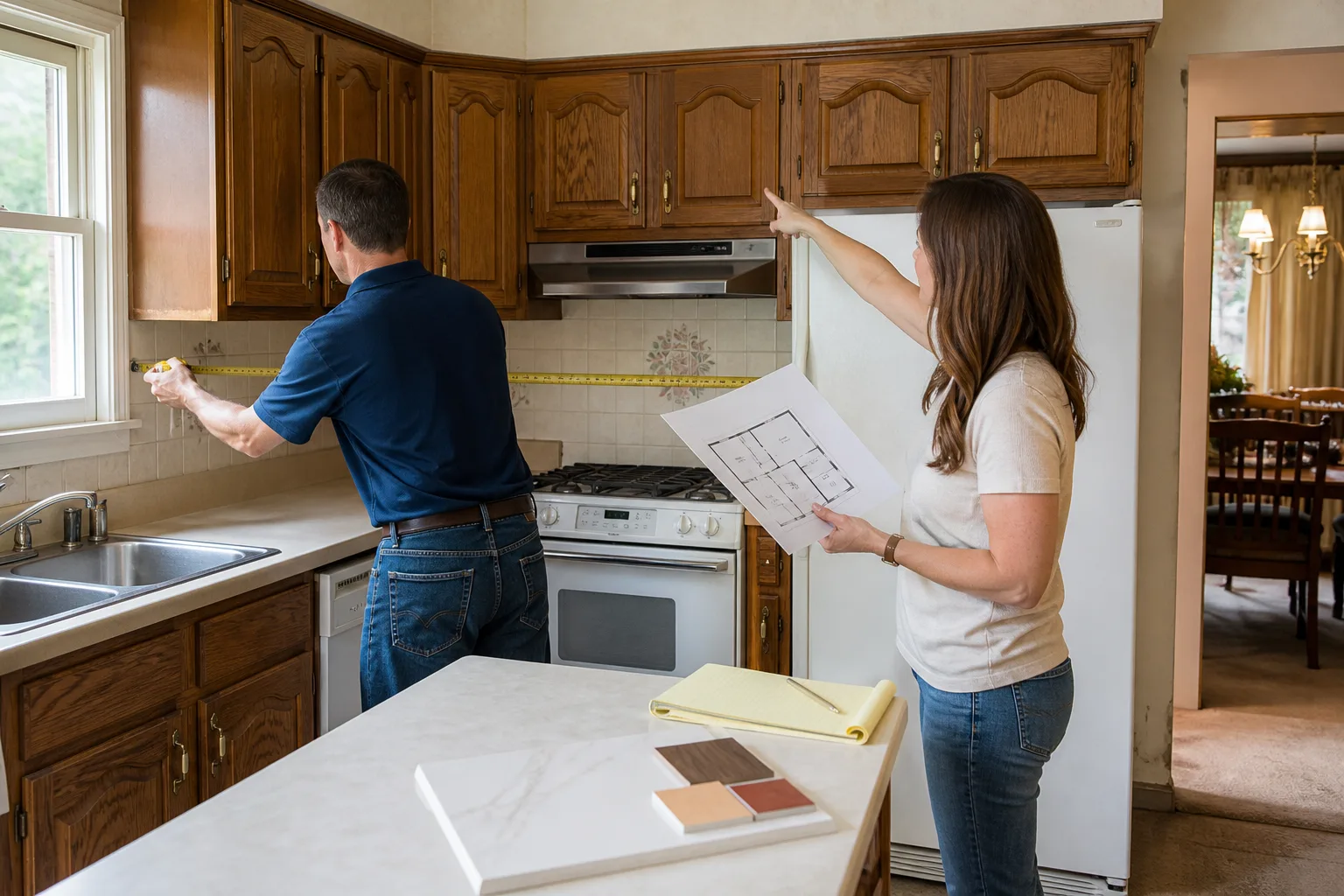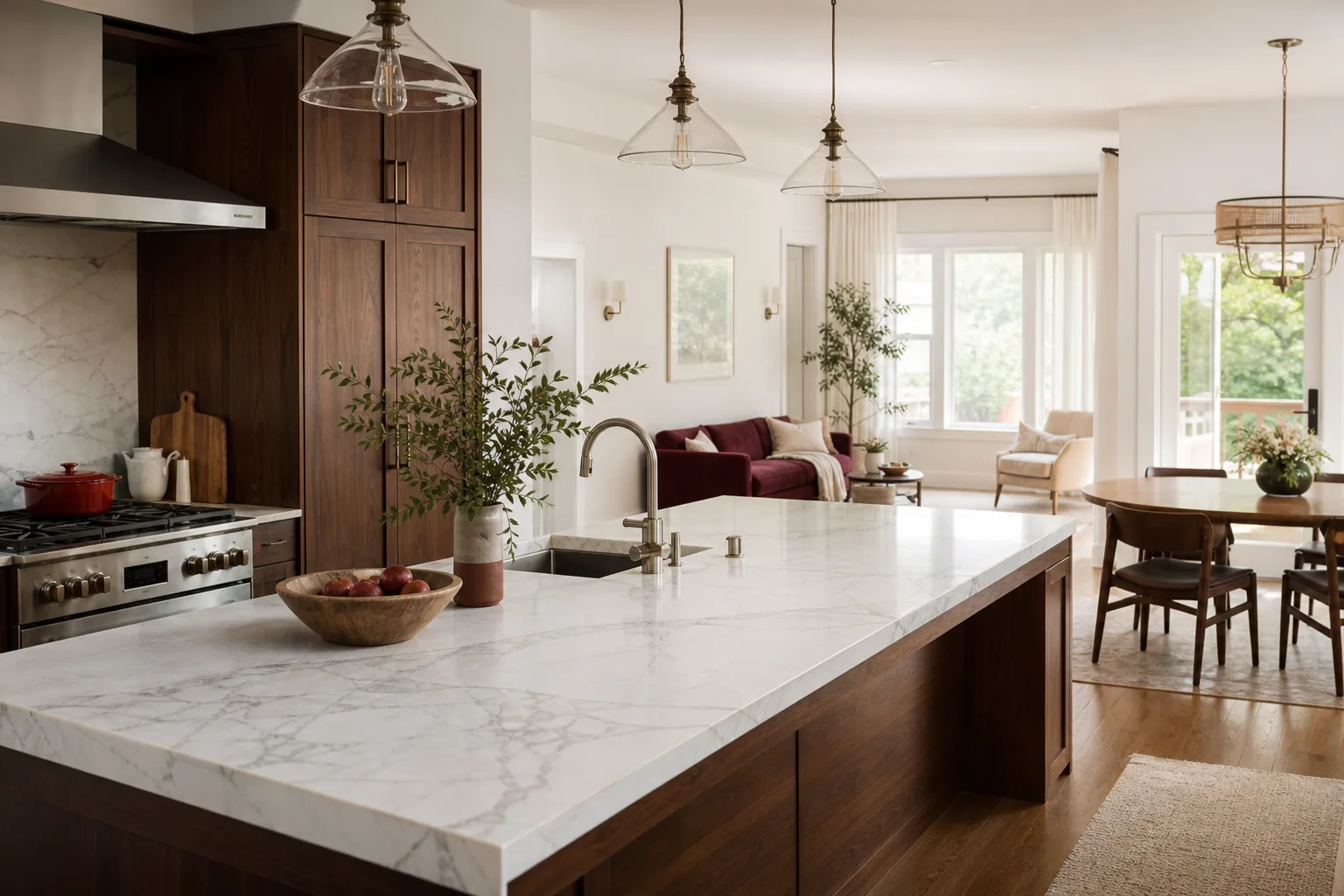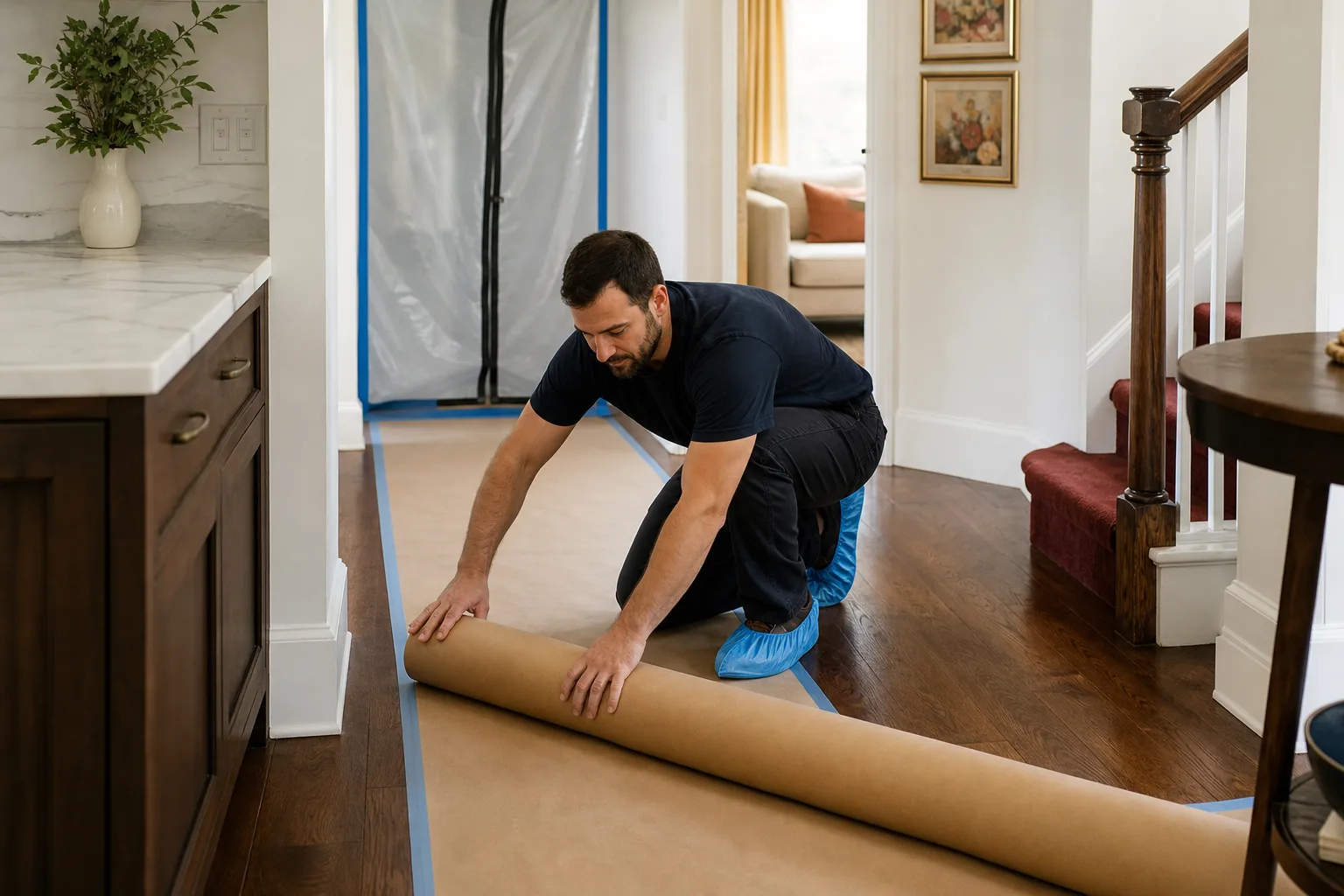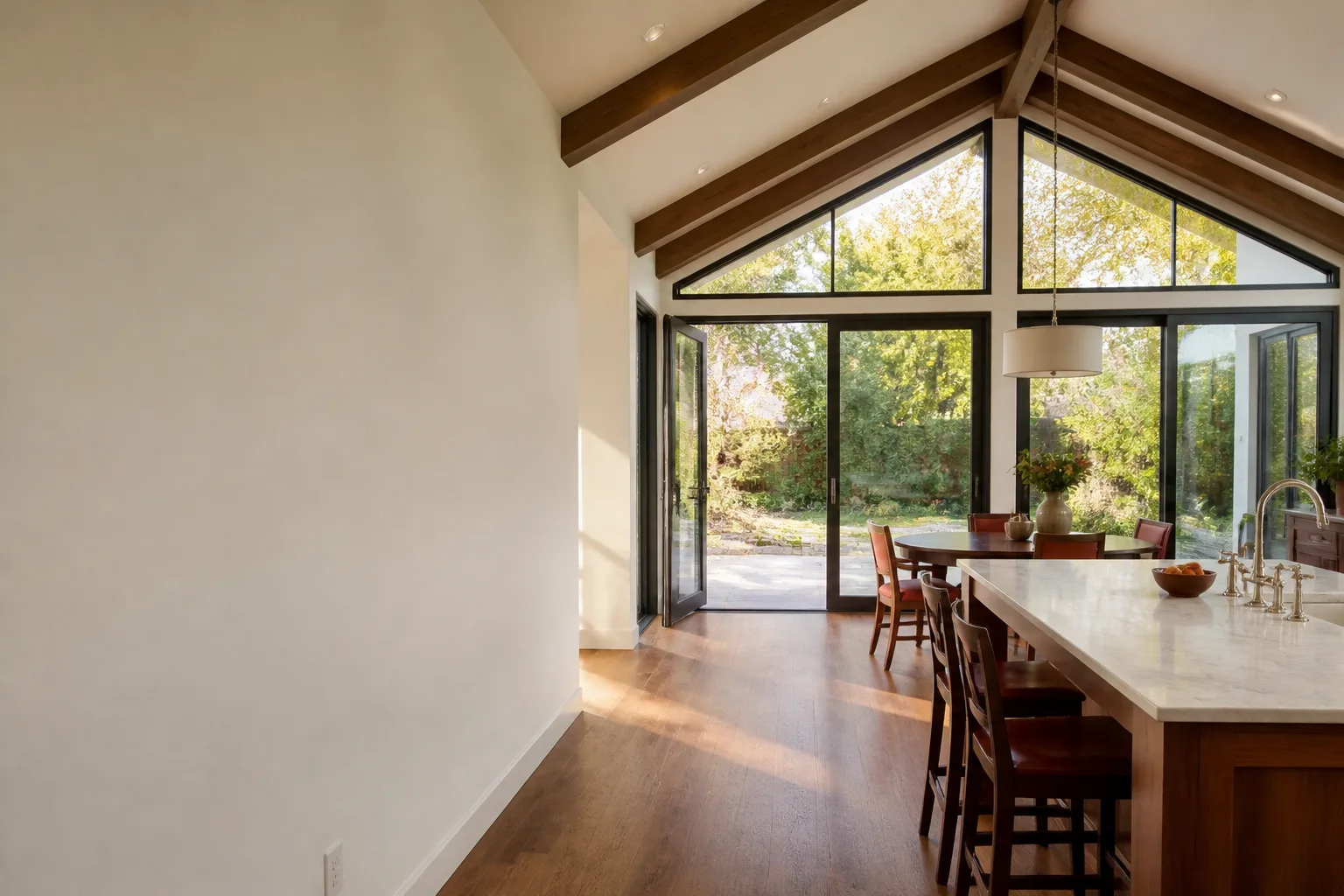
Free written scope consultation - allowances, timeline, and change-order rules on paper before a single trade is scheduled
Styles & brands we work with
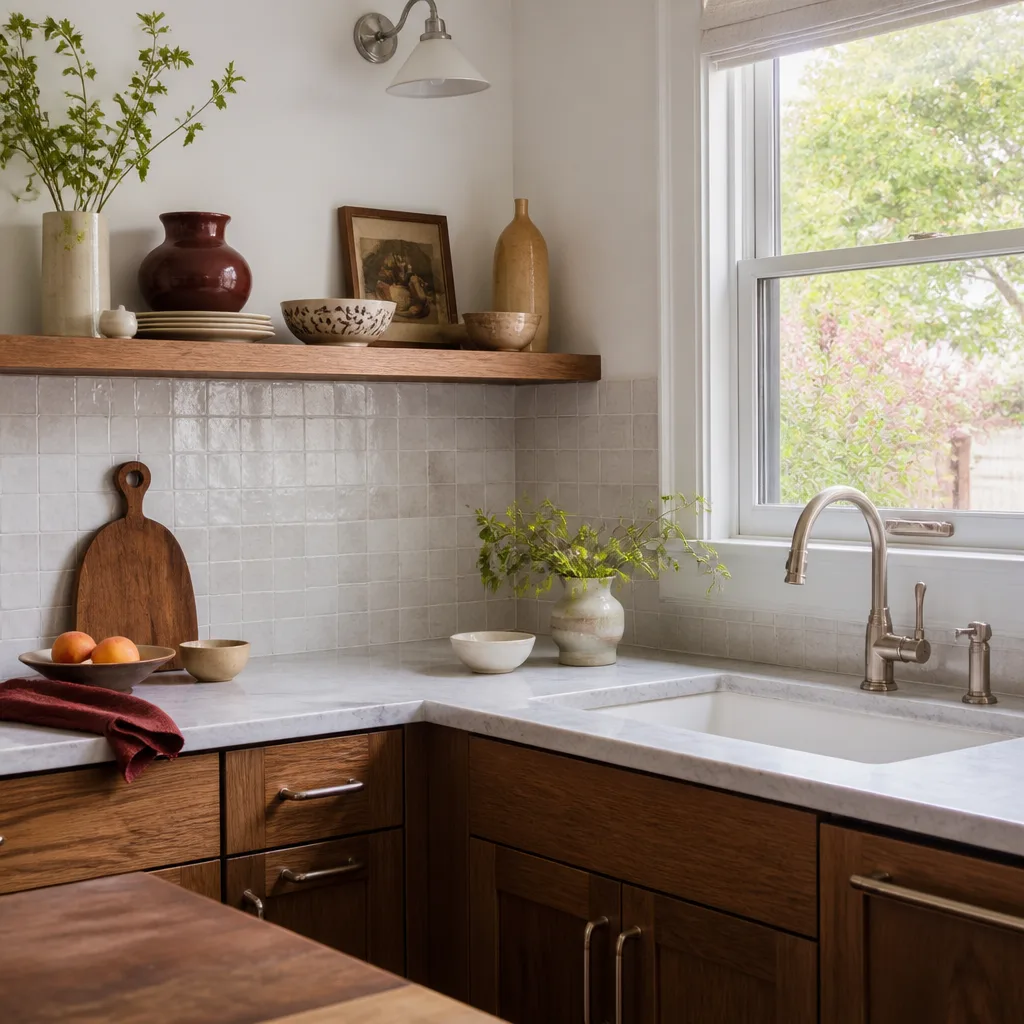
- Kitchen remodeling
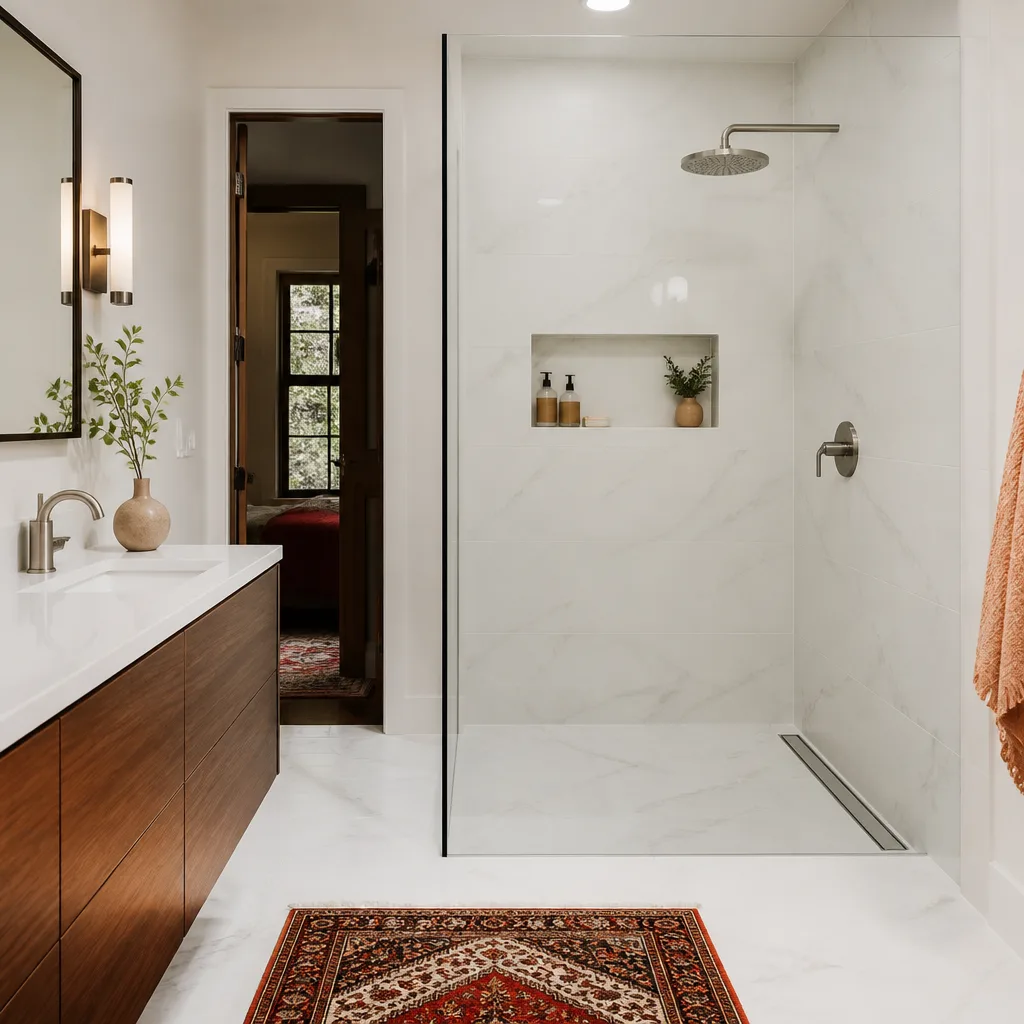
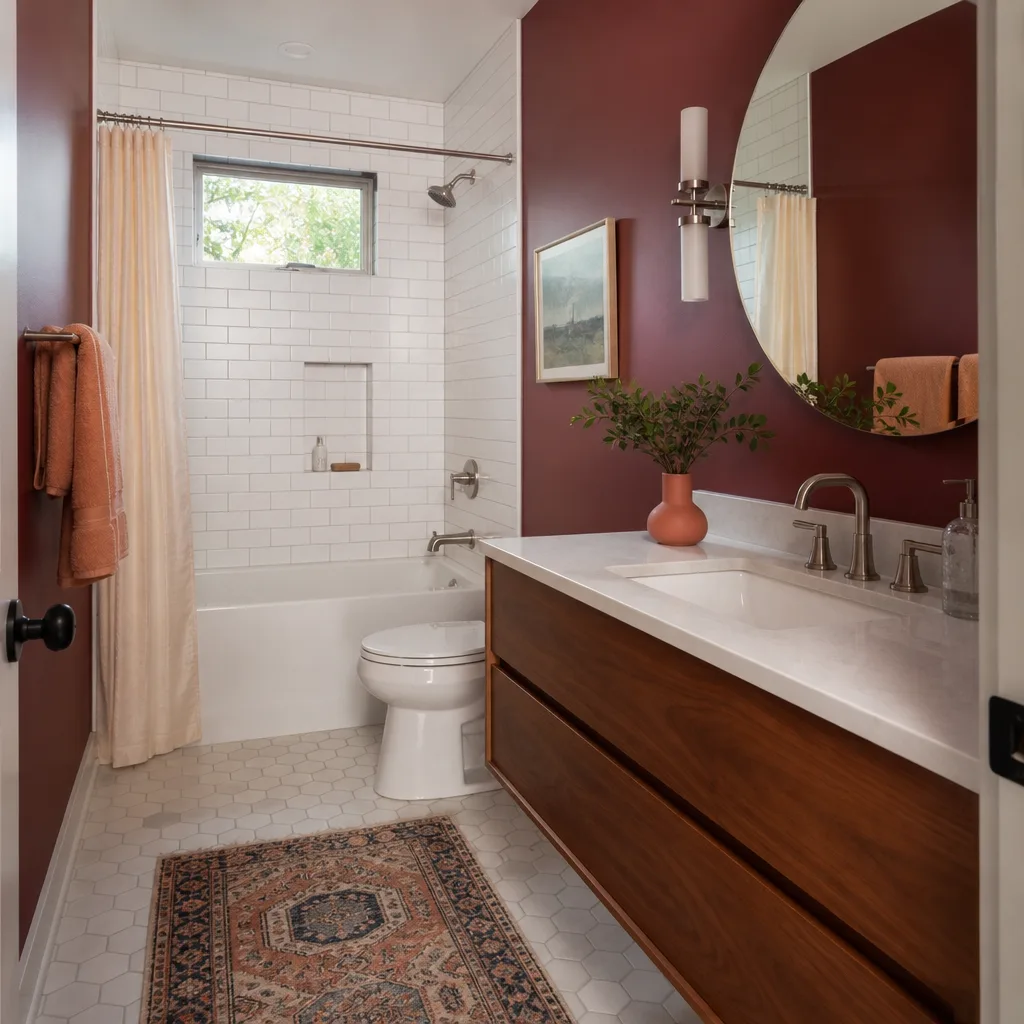
- Bathroom remodeling
- Home additions & ADU
- Roofing
- Windows & doors
- Driveway & pavers
- Fence
See the difference
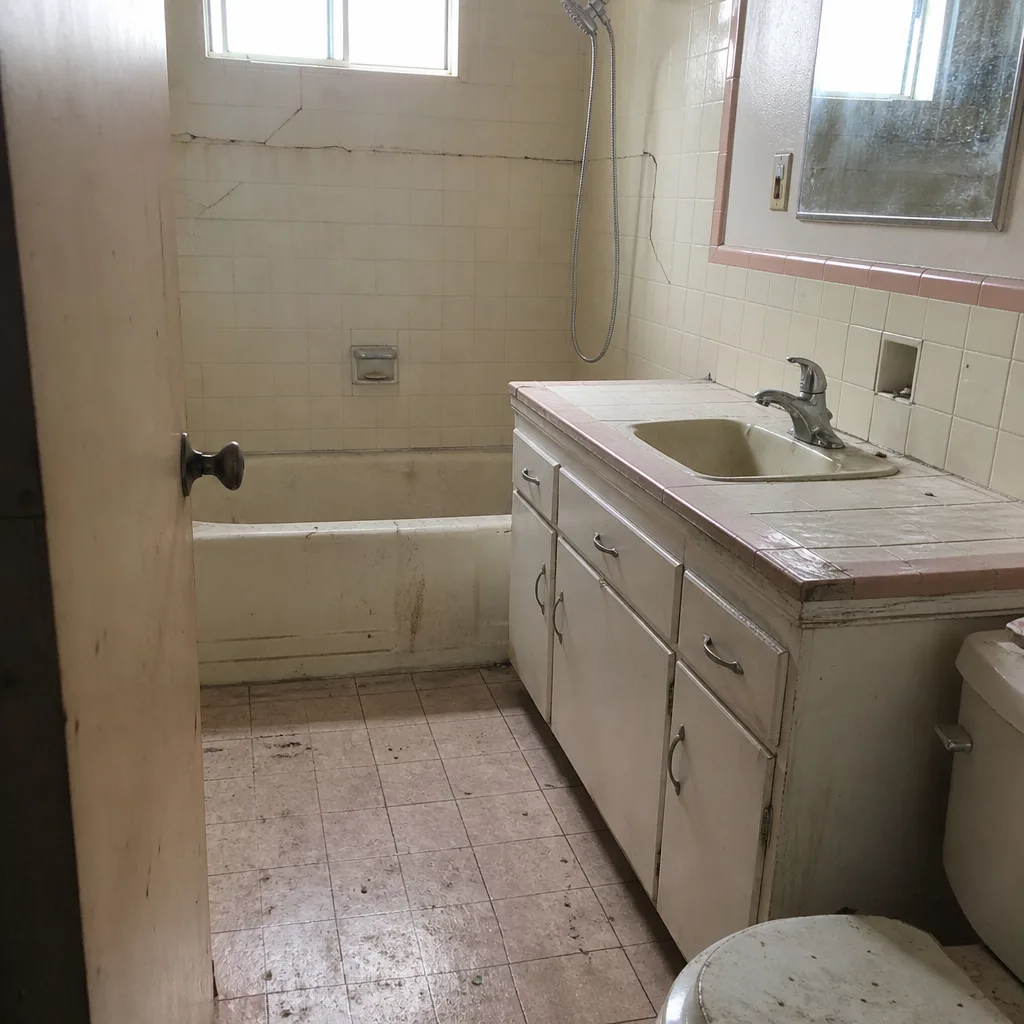 Before
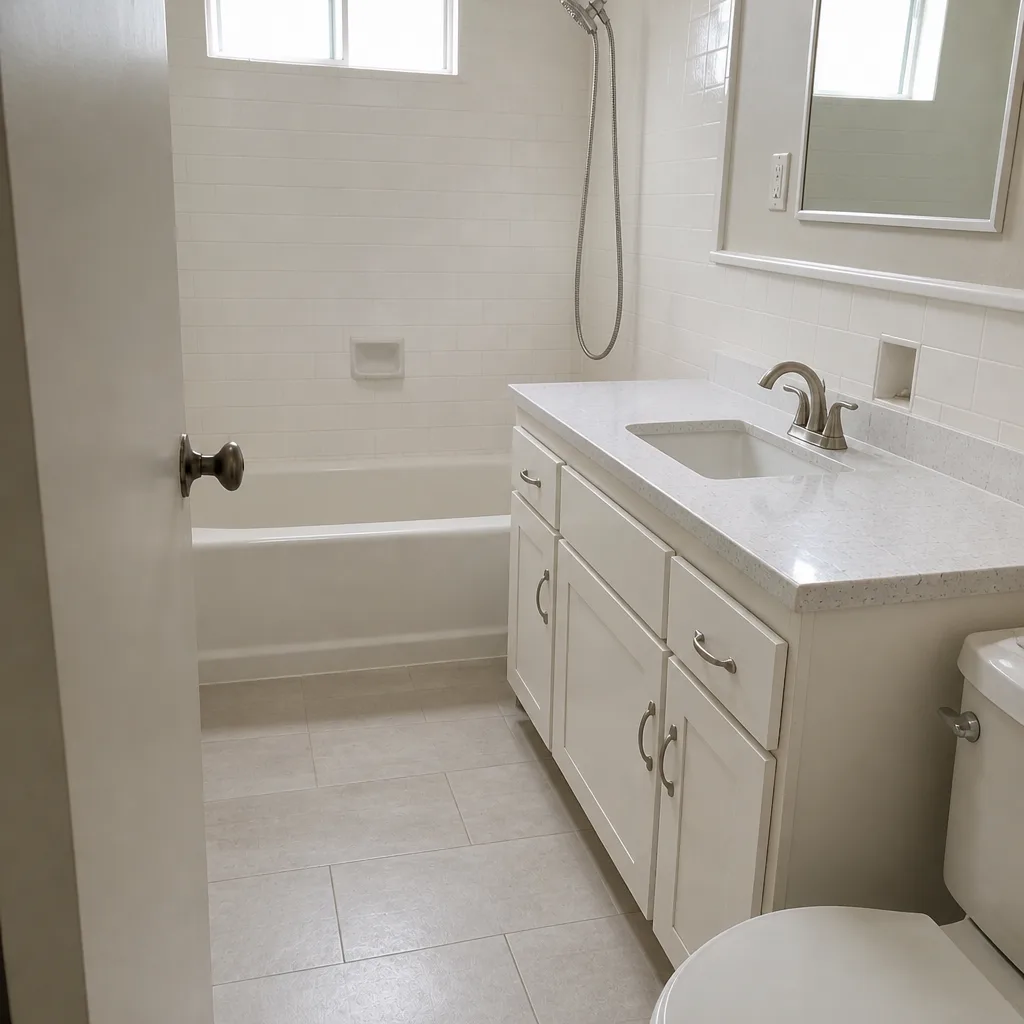 After
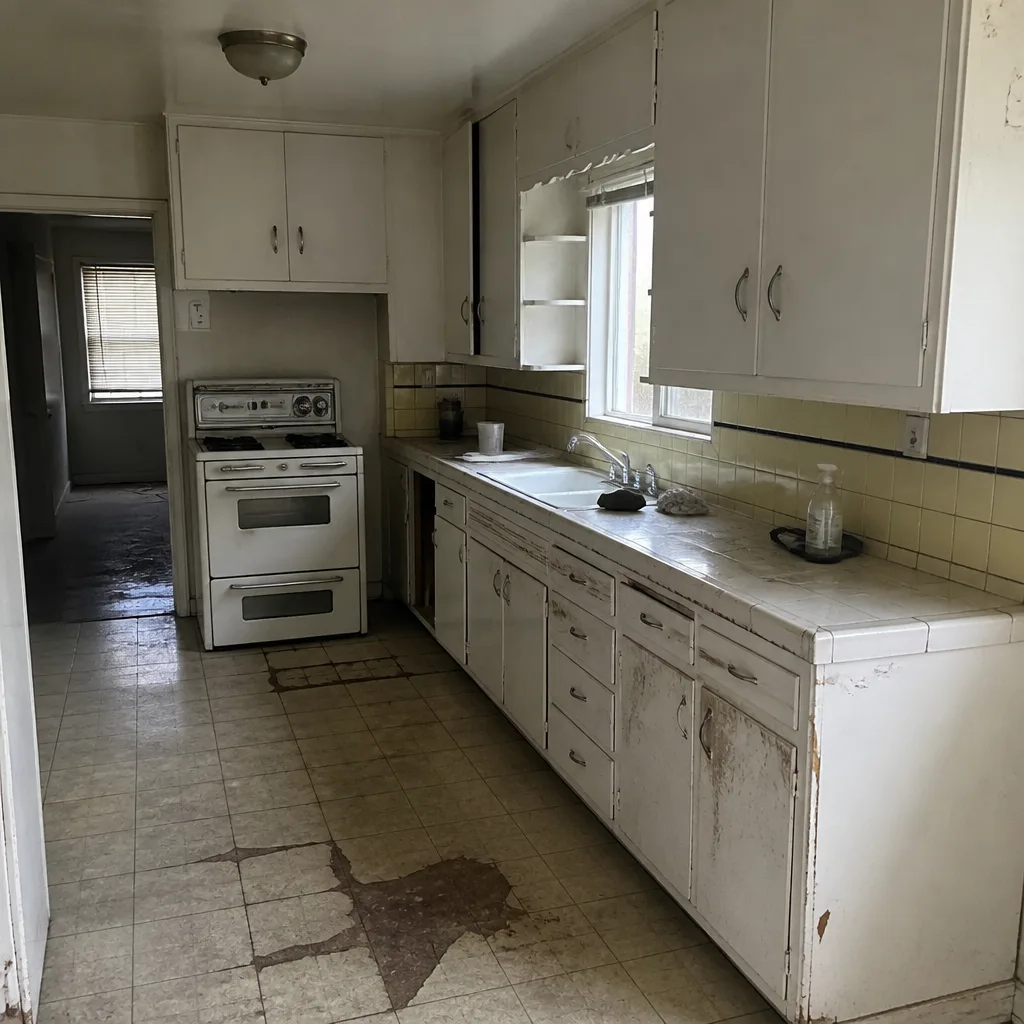 Before
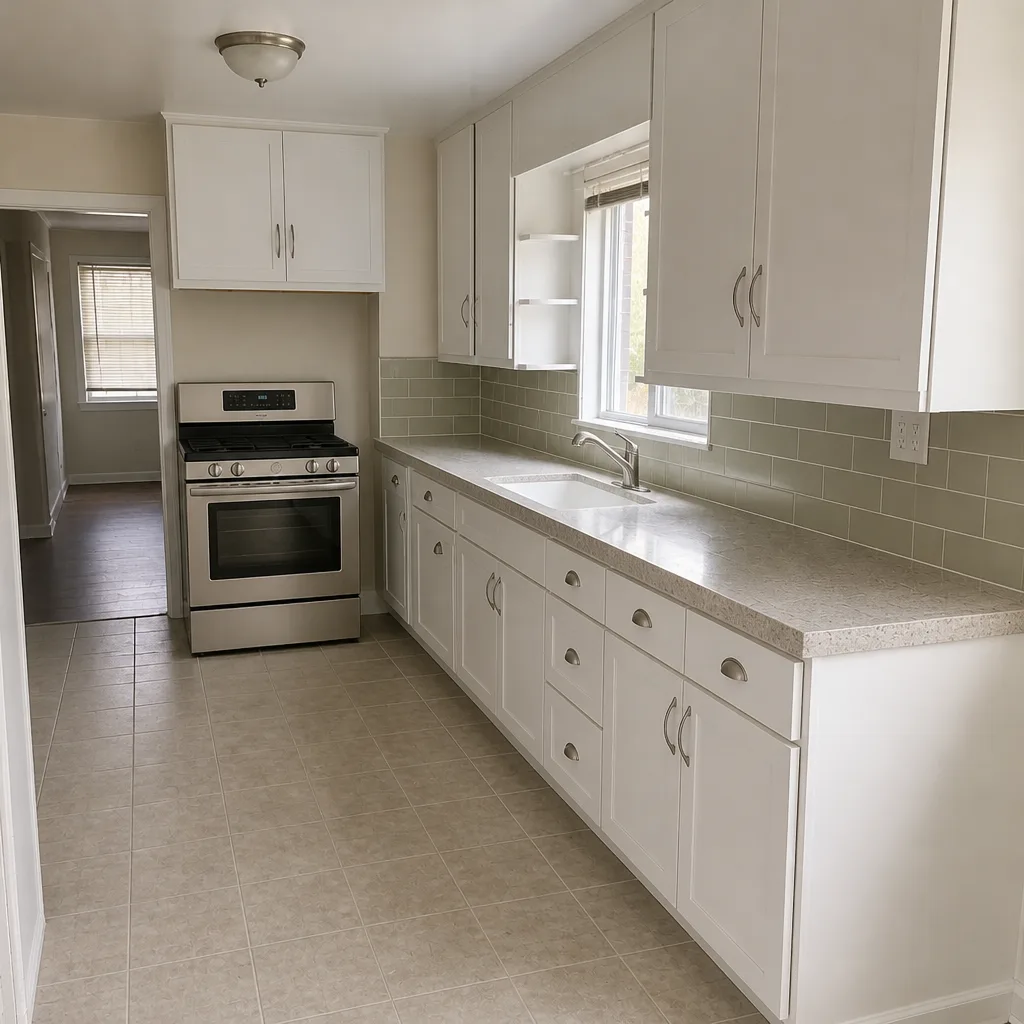 After
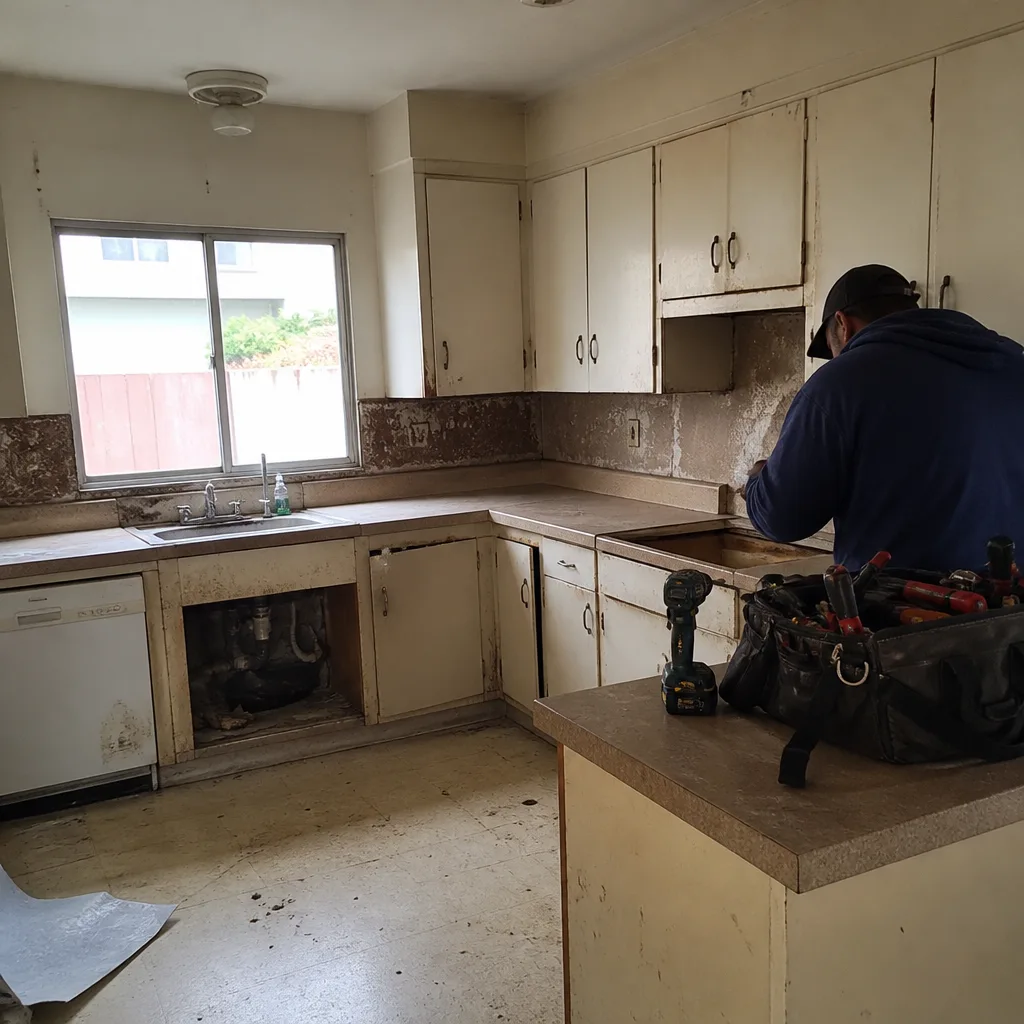 Before
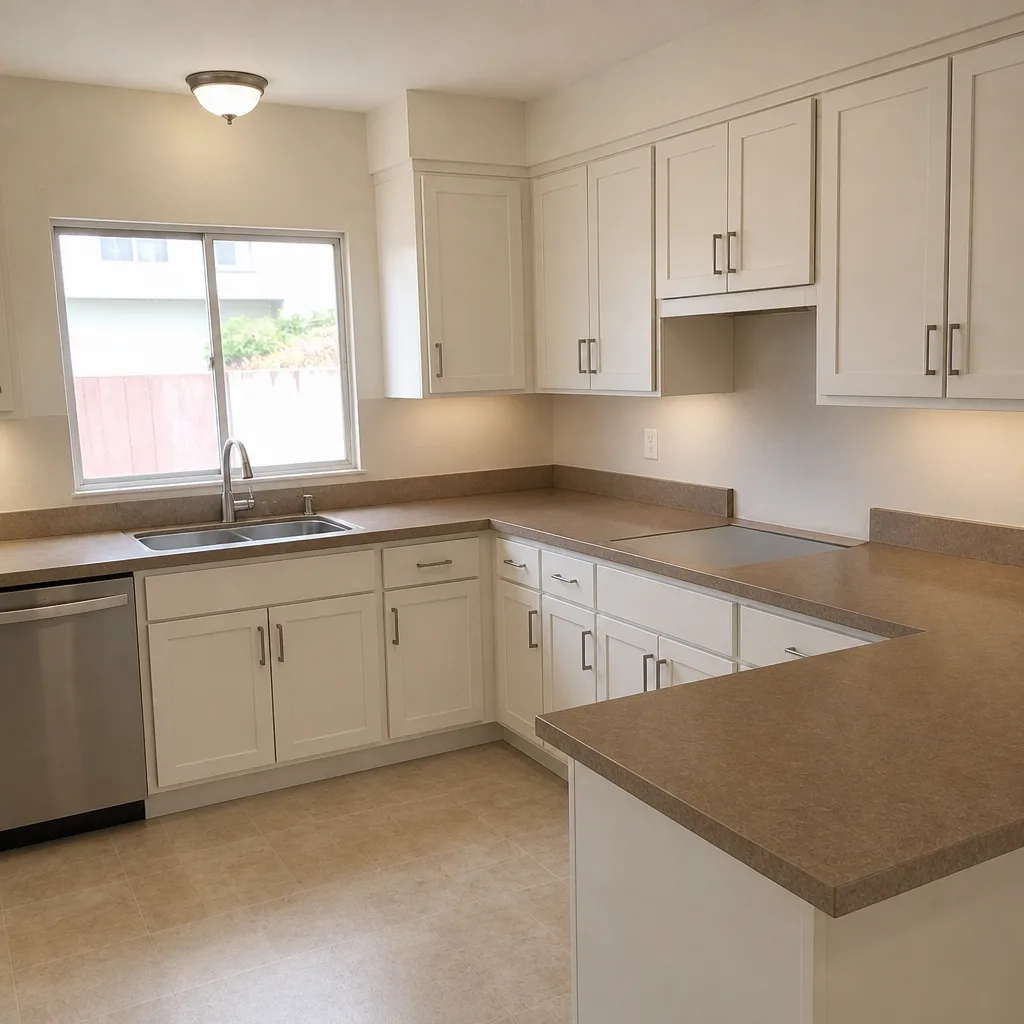 After
Home Addition vs ADU in Long Beach, CA: Which One Your Lot Can Actually Support
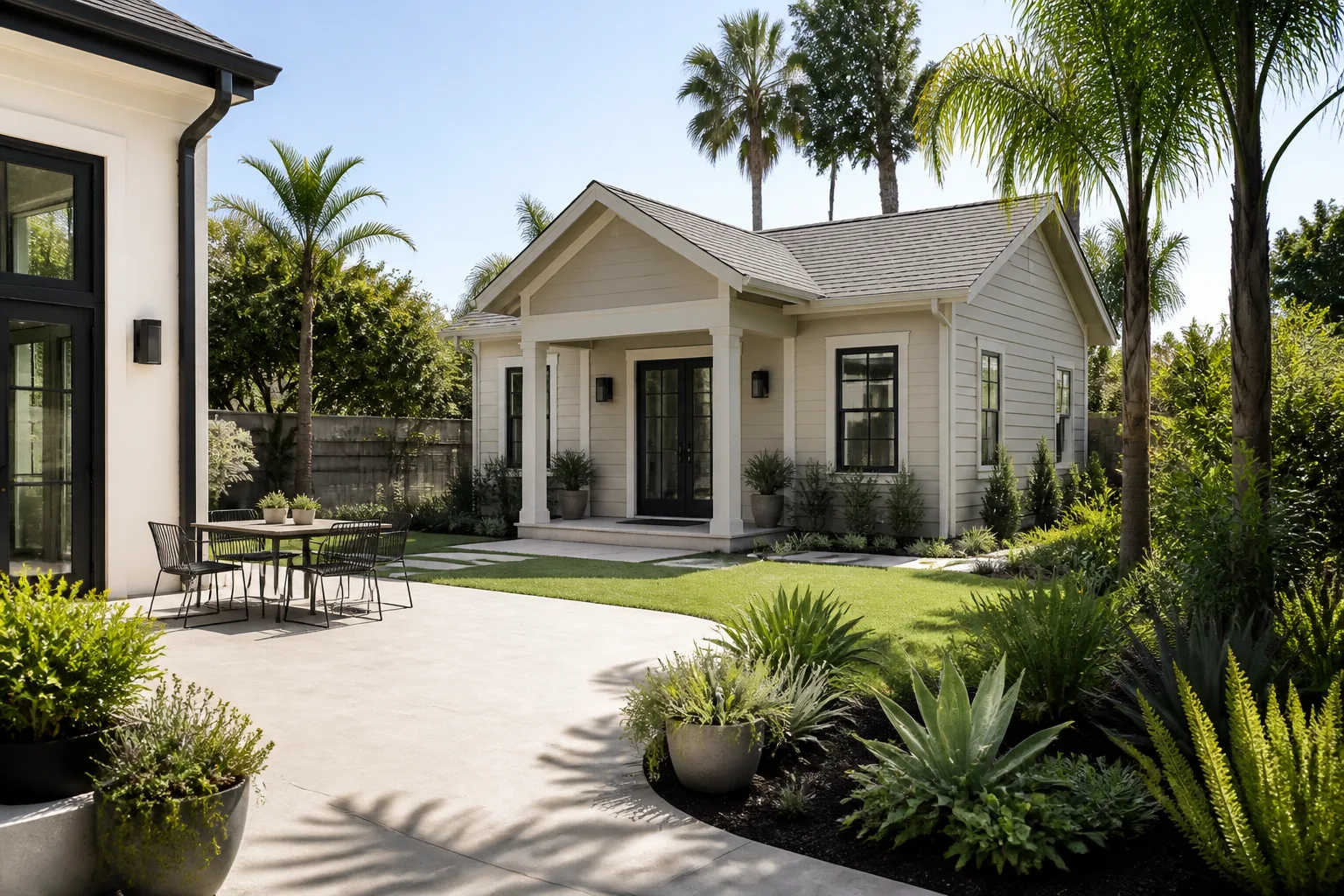
Choose an ADU if your goal is rental income, your lot has room for a code-compliant rear unit, and your parcel sits outside the coastal zone. Choose a home addition if you want integrated living space, your lot is small, and structural work on the existing house makes more sense than a second structure. In Long Beach, home additions typically run $45,000-$130,000 and ADU construction runs $90,000-$220,000, but the permitting path – not the budget – is what usually decides the answer first. Call (833) 510-6967 for a free written assessment of what your parcel supports.
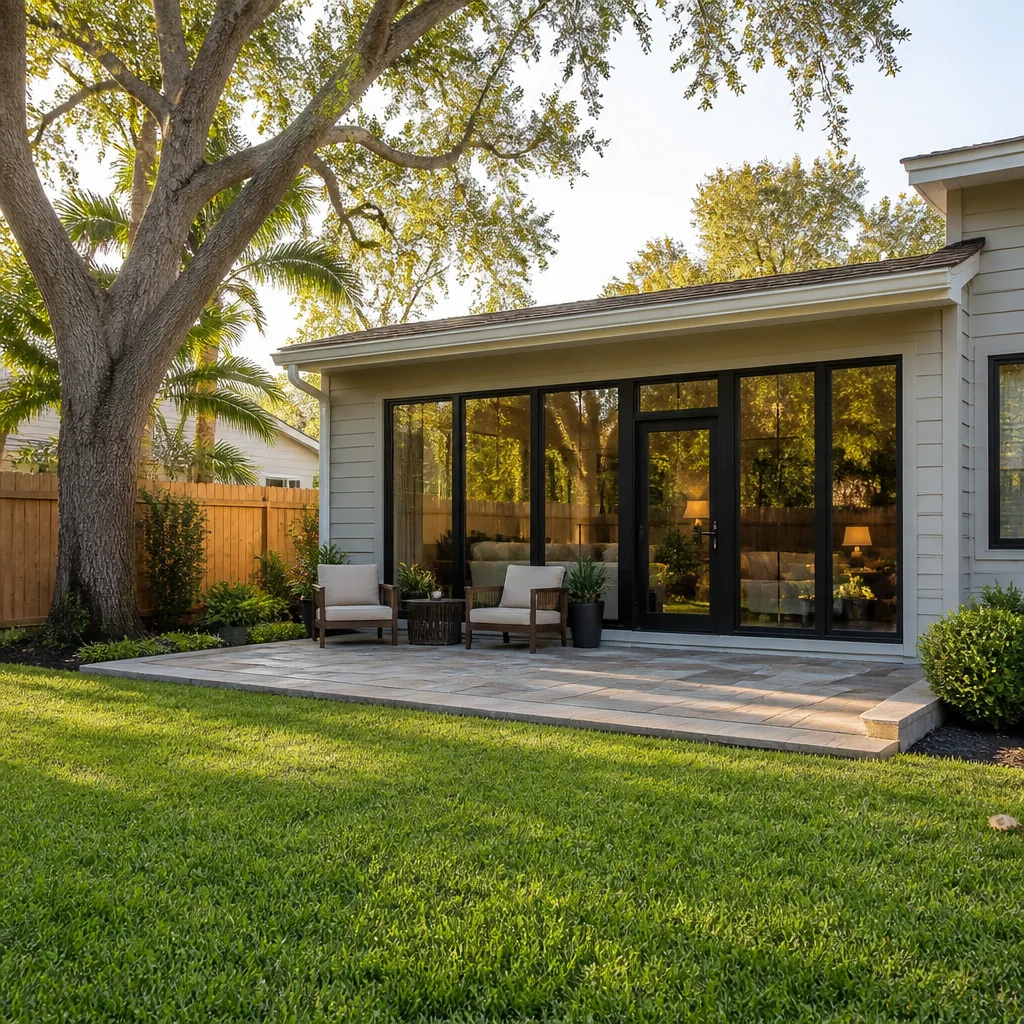
Why the Permit Path Decides Before Design Does
A homeowner in Belmont Heights asked us about a primary suite addition. Their parcel sat roughly 15 feet from the coastal zone boundary. That proximity didn’t kill the project, but it changed which option moved faster and cost less to permit. The design conversation came second, and that’s the order we’d recommend to almost anyone in Long Beach weighing a home addition vs an ADU.
Here’s the core difference, plainly: a home addition is reviewed as a modification to an existing permitted structure. An ADU is reviewed as a brand-new accessory dwelling unit under California state ADU law. Those are two different fee schedules, two different setback rulebooks, and two very different relationships with coastal permitting. A coastal zone lot near the shoreline or a port-area overlay may require a review path that a lot three miles inland never touches. This is the part Long Beach contractors learn the hard way, and the part most comparison articles skip.
Because [Penhallow Remodeling Long Beach] operates under The Kingswell Way, every project starts with the price on paper before any tool comes out. That matters most here: when the permit path is uncertain, a written number tells you what the project really costs before demo day, not after.
The Lot-Coverage Math on Long Beach’s Small Urban Lots
Many pre-war parcels in Rose Park and Zaferia run 5,000-6,000 square feet. On a lot that size, Long Beach’s lot-coverage maximums can rule out a large addition – the kind of square footage a primary suite or expanded kitchen would need – while still permitting a small detached ADU in the rear yard under the streamlined state approval process. That single math problem often answers the home addition vs ADU question on its own.
What to look at before you decide:
- Rear yard depth. A detached ADU needs roughly 8 feet of clearance from the rear and side lot lines under state rules. A shallow lot in Rose Park may not accommodate one, while a deeper lot in East Long Beach will.
- Lot coverage calculation. Your total footprint – house, garage, hardscape – against the allowed maximum. A big addition pushes against that ceiling; a small rear ADU often fits under it.
- Coastal zone line. Whether your parcel sits inside or outside the coastal zone changes which review path applies. A shoreline parcel in Belmont Heights can need a different review than one a few miles inland near the port.
- Foundation condition. Older Long Beach homes targeted for an addition often need foundation or seismic retrofit work first. We price that as a written line item up front, not a surprise that surfaces mid-project.
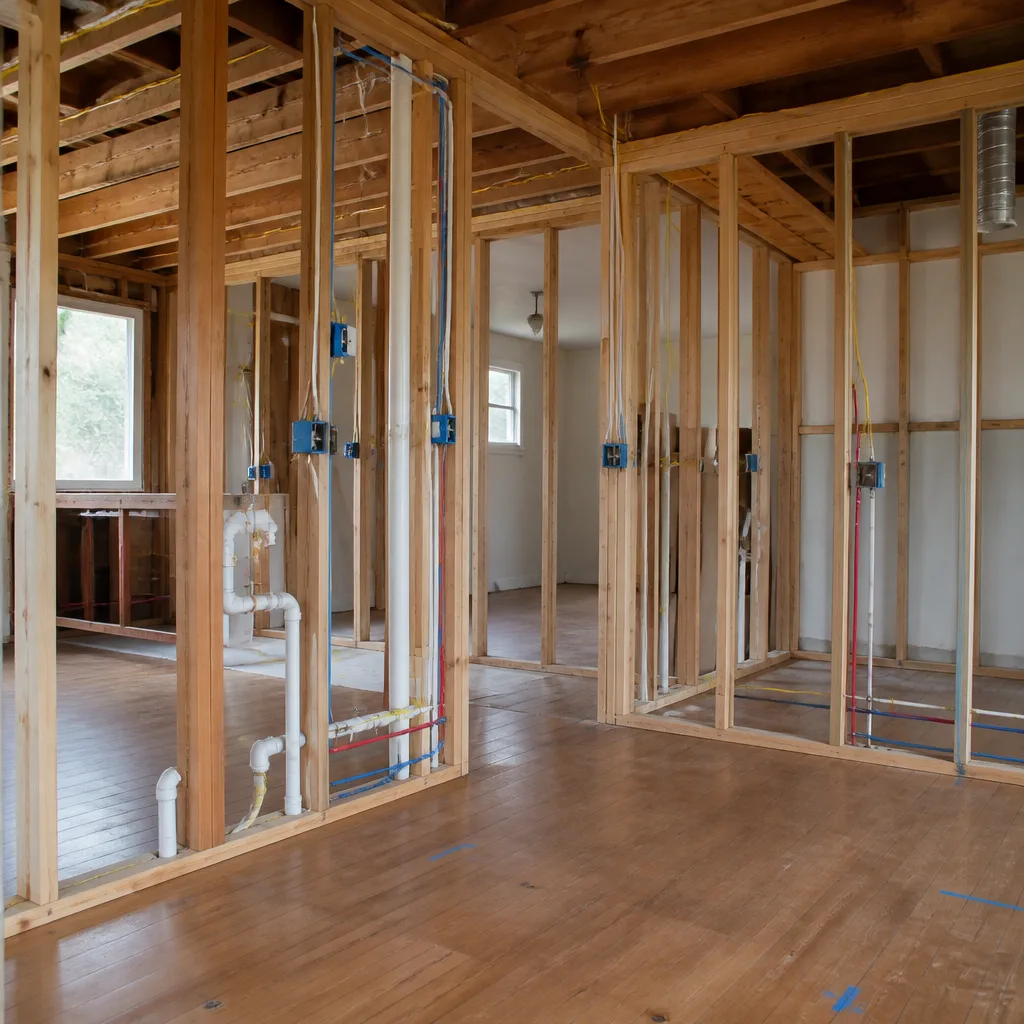
Side-by-Side: Home Addition vs ADU in Long Beach
| Factor | Home Addition | ADU |
|---|---|---|
| Typical cost | $45,000-$130,000 | $90,000-$220,000 |
| Permit review | Modification to existing permitted structure | New unit under state ADU law |
| Setback rules | Standard local zoning | State ADU setback allowances (often more lenient) |
| Coastal zone impact | Depends on parcel distance to boundary | Detached units frequently hit additional coastal review |
| Rental income | None (integrated space) | Legally separate unit, rentable |
| Loan amortization on build cost | Not income-offsetting | Often 6-8 years of rent covers the build |
The Rental Income Question, Answered Honestly
An ADU generates rental income because it’s a legally separate unit with its own address and meter. An addition – a bedroom, a sunroom, an expanded kitchen – does not, no matter how much you love it. In a coastal rental market like Long Beach, that income difference is real and often pays off the construction cost in 6-8 years depending on location. On the east side, where rental demand stays strong, that math looks different than it does near the port.
But income isn’t the whole story. An addition gives you integrated living space you actually use every day. If you’re adding a primary suite because the family is growing, a rentable unit in the backyard doesn’t solve that. We tell homeowners the same thing every time: decide what you’re actually trying to solve first, then let the lot and the permit path tell you which option is available.
How Older Long Beach Homes Change the Math
Long Beach’s housing stock spans pre-war Craftsman and bungalow homes near the older core, mid-century tract housing across the east and north, and dense multi-family downtown. That means we work across very different eras of framing, wiring, and foundations. An older home targeted for a room addition often needs foundation work or a seismic retrofit first – a cost that applies to either path but that a written estimate should surface before work starts. Salt-laden coastal air and the marine layer also mean corrosion of fasteners and metal, plus moisture intrusion on coastal-facing walls, need to be addressed in the design. We price those as explicit line items, not vague allowances, so the number on day one is the number on the invoice.
Where We Fit as Your Contractor
Penhallow Remodeling Long Beach is a general contractor, and we do kitchen remodeling, bathroom remodeling, and whole-home remodels – including additions and ADU build-outs. We’re part of the Kingswell family of companies, and each location is independently owned and operated. Our technicians have up to 22 years of experience, arrive in uniform, and are background-checked on every job. When we quote a home addition or an ADU in Long Beach, we hand you a written price before any work begins, and it’s backed by our 365-Day Done Right Promise – if something fails inside that year, we come back and fix it at no charge, in writing, with a free return visit.
We source materials from brands with their own track records, which matters when you’re building for coastal conditions: James Hardie siding for moisture resistance, Therma-Tru doors, and Mr-Glass and ViewLux windows rated for the salt air. Those products behind the guarantee make the guarantee worth more.
| Project | Long Beach Price Range |
|---|---|
| Home Addition | $45,000-$130,000 |
| ADU Construction | $90,000-$220,000 |
| Garage Conversion | $30,000-$80,000 |
| Kitchen Remodel (if you expand the existing kitchen instead) | $14,000-$45,000 |
| Bathroom Remodel (for an added primary bath) | $9,000-$28,000 |
FAQs
A home addition is usually cheaper up front – $45,000-$130,000 versus $90,000-$220,000 for a full ADU – but the ADU’s rental potential can offset that gap over 6-8 years in Long Beach’s coastal rental market. The cheaper option depends on whether you need living space or income. Call (833) 510-6967 for a written comparison for your parcel.
Often yes – state ADU law provides streamlined approval that can permit a small detached unit in the rear yard even when a large addition would exceed Long Beach’s lot-coverage maximums on a 5,000-6,000 square foot parcel. Whether your specific lot qualifies depends on rear yard depth and setback clearance. Call (833) 510-6967 to find out.
Yes – proximity to the coastal zone boundary can change which permitting path applies and which option moves faster. A parcel near the shoreline may require additional review that an inland parcel three miles away never touches. That’s why we check your parcel’s position before we recommend either option. Call (833) 510-6967 to confirm your lot.
Frequently yes – pre-war homes near the older core often need foundation or seismic retrofit work before an addition, a cost that applies to either path. We price that as a written line item before any work starts, so it doesn’t surface mid-project. Call (833) 510-6967 for a full assessment.
If you’d rather have it looked at, Penhallow Remodeling Long Beach offers a no-pressure assessment in Long Beach – call (833) 510-6967. We’ll review your parcel, check the coastal zone line, and hand you a written comparison of both options before any tool comes out.
Written by the team at Penhallow Remodeling Long Beach, serving Long Beach, CA.