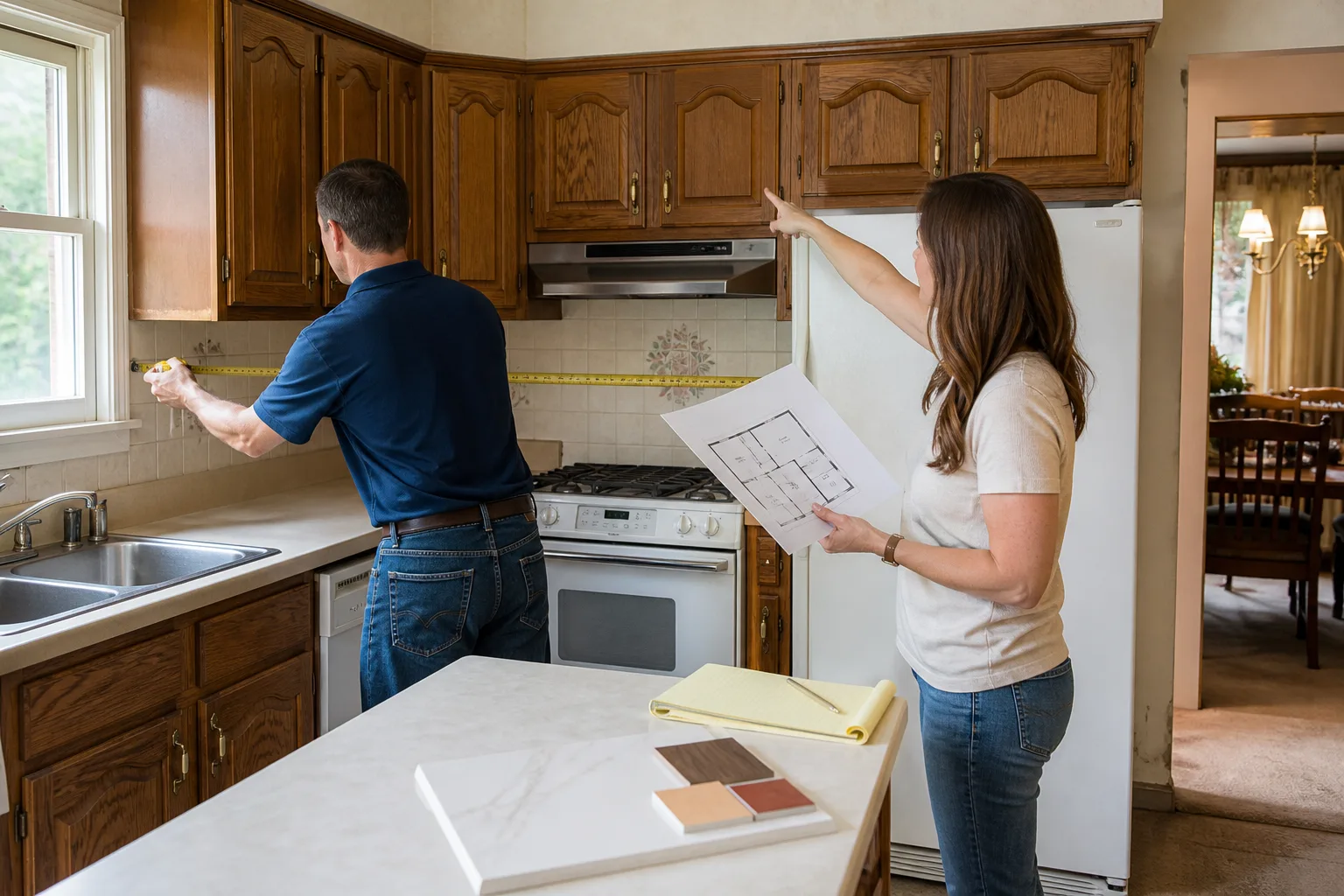
Free written scope consultation - allowances, timeline, and change-order rules on paper before a single trade is scheduled
Styles & brands we work with
- Kitchen remodeling
- Bathroom remodeling
- Home additions & ADU
- Roofing
- Windows & doors
- Driveway & pavers
- Fence
See the difference
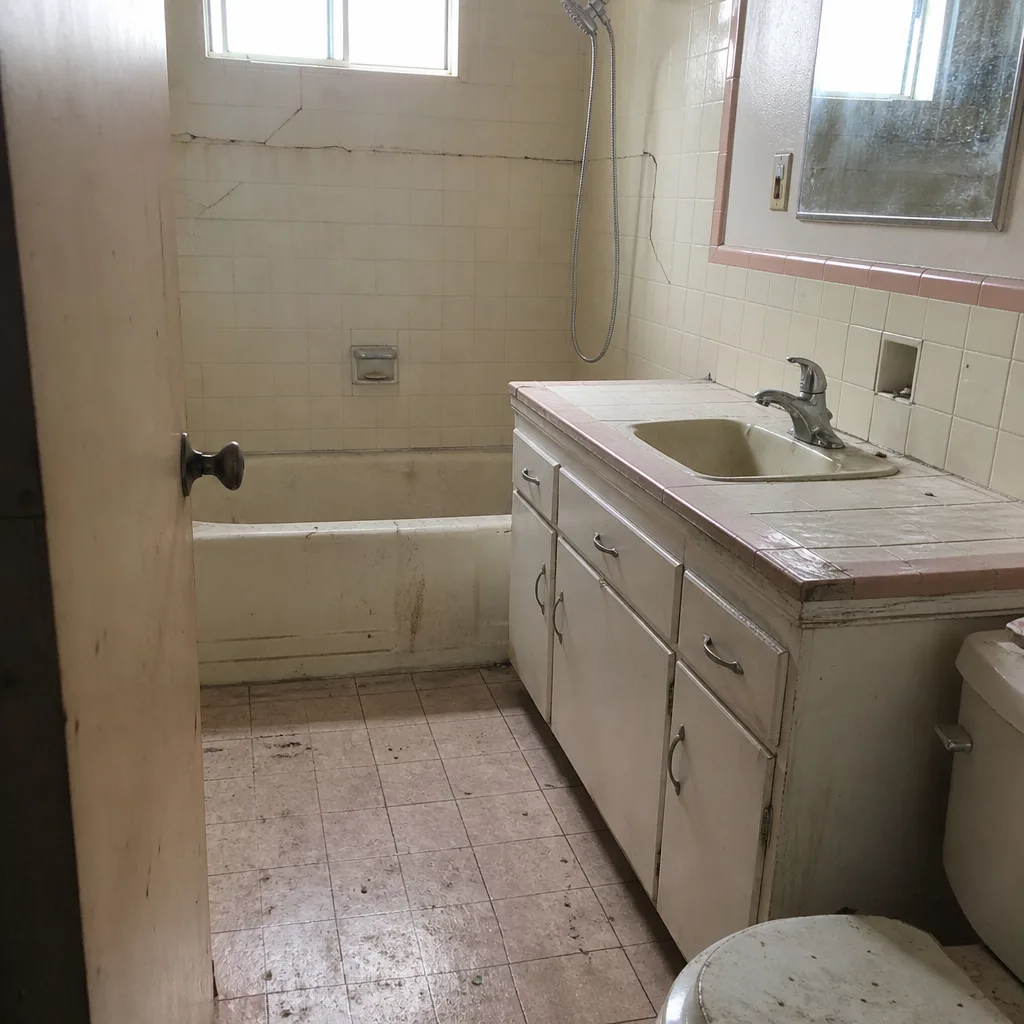 Before
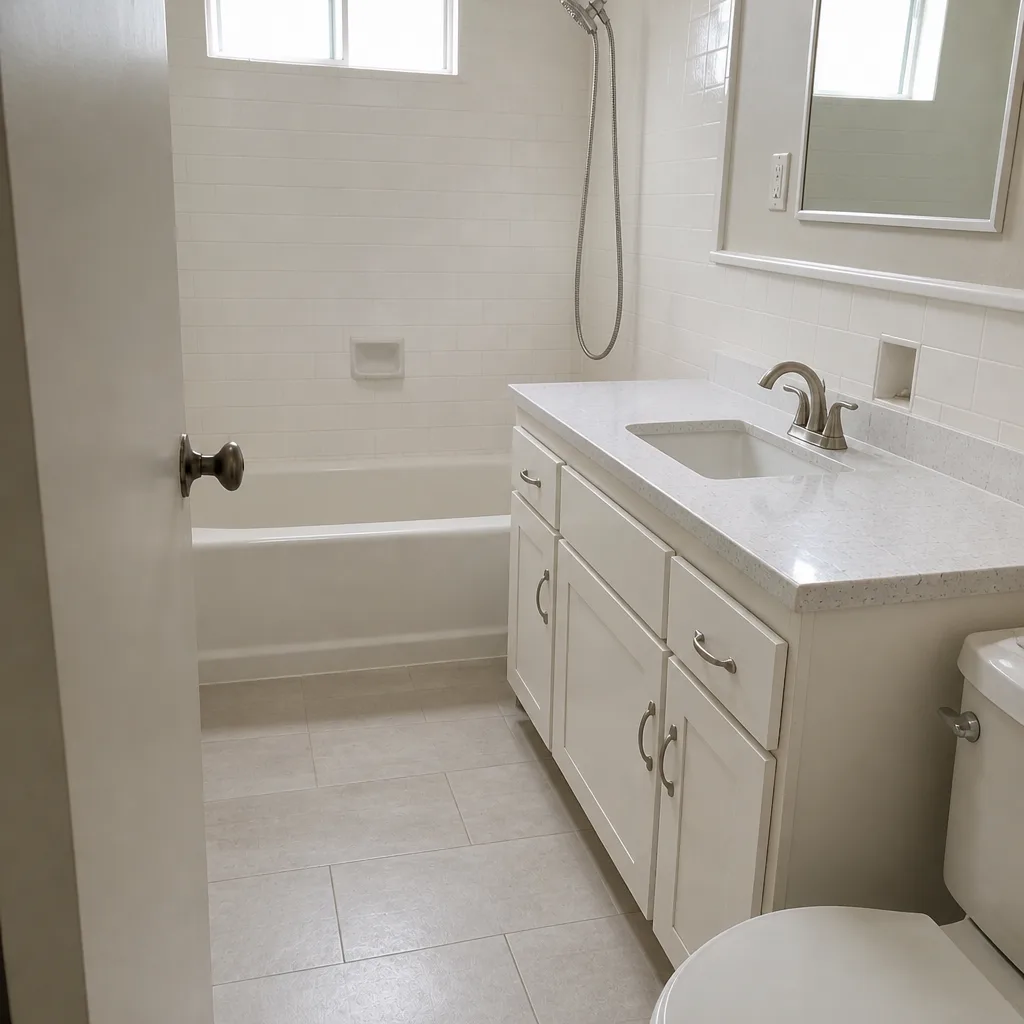 After
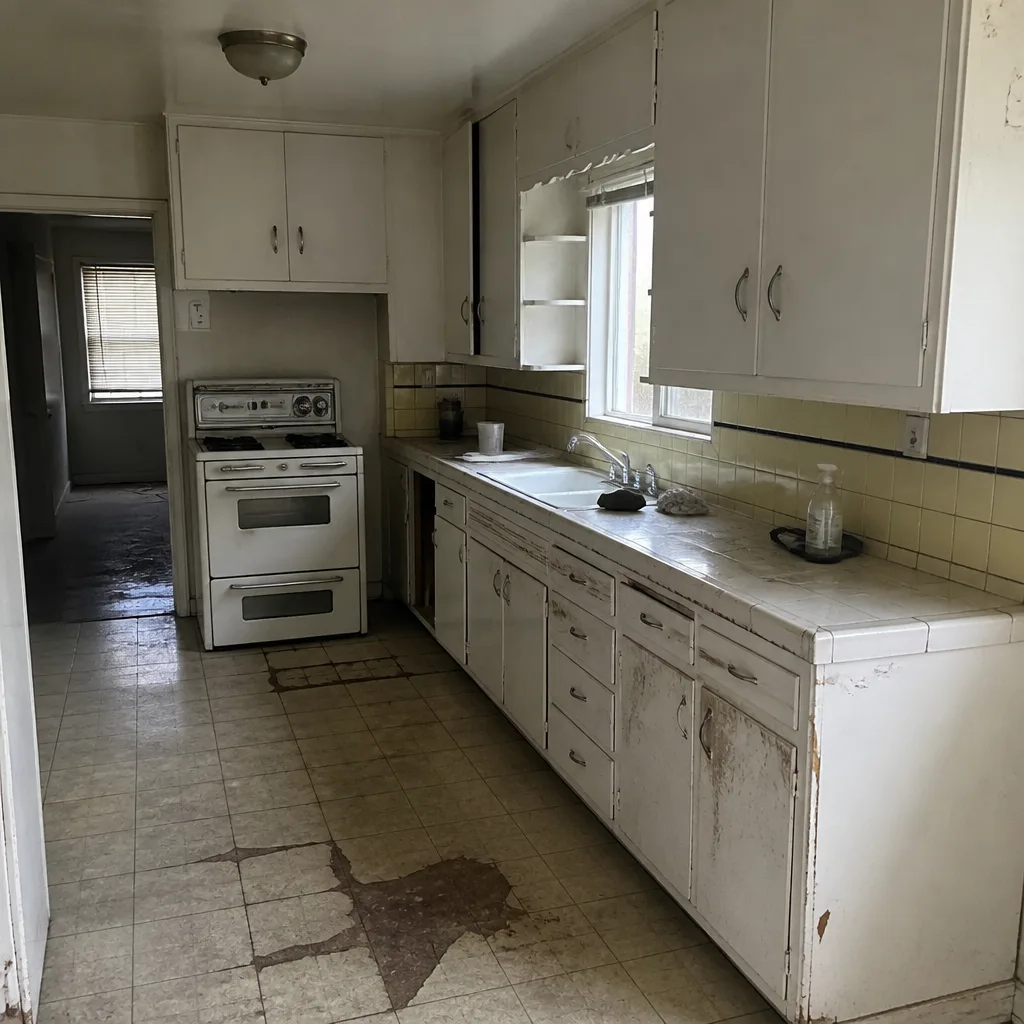 Before
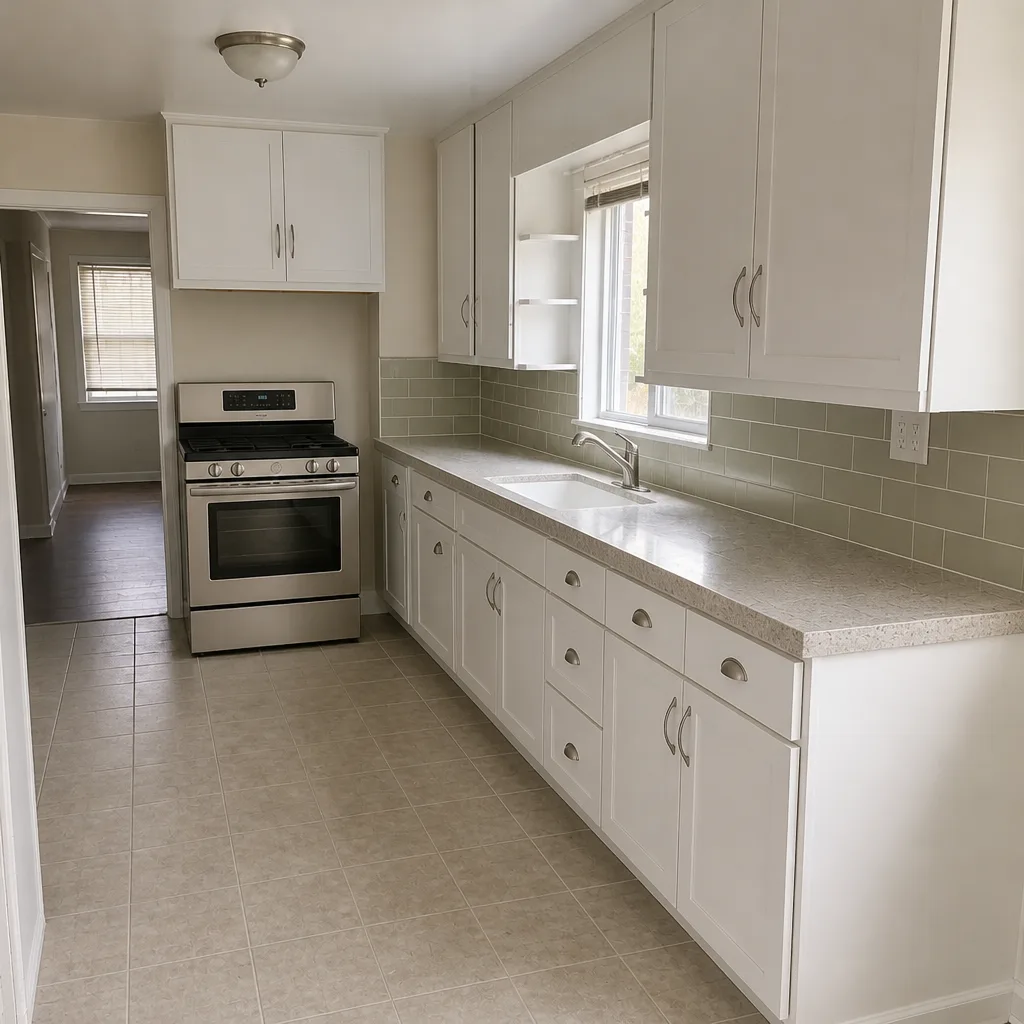 After
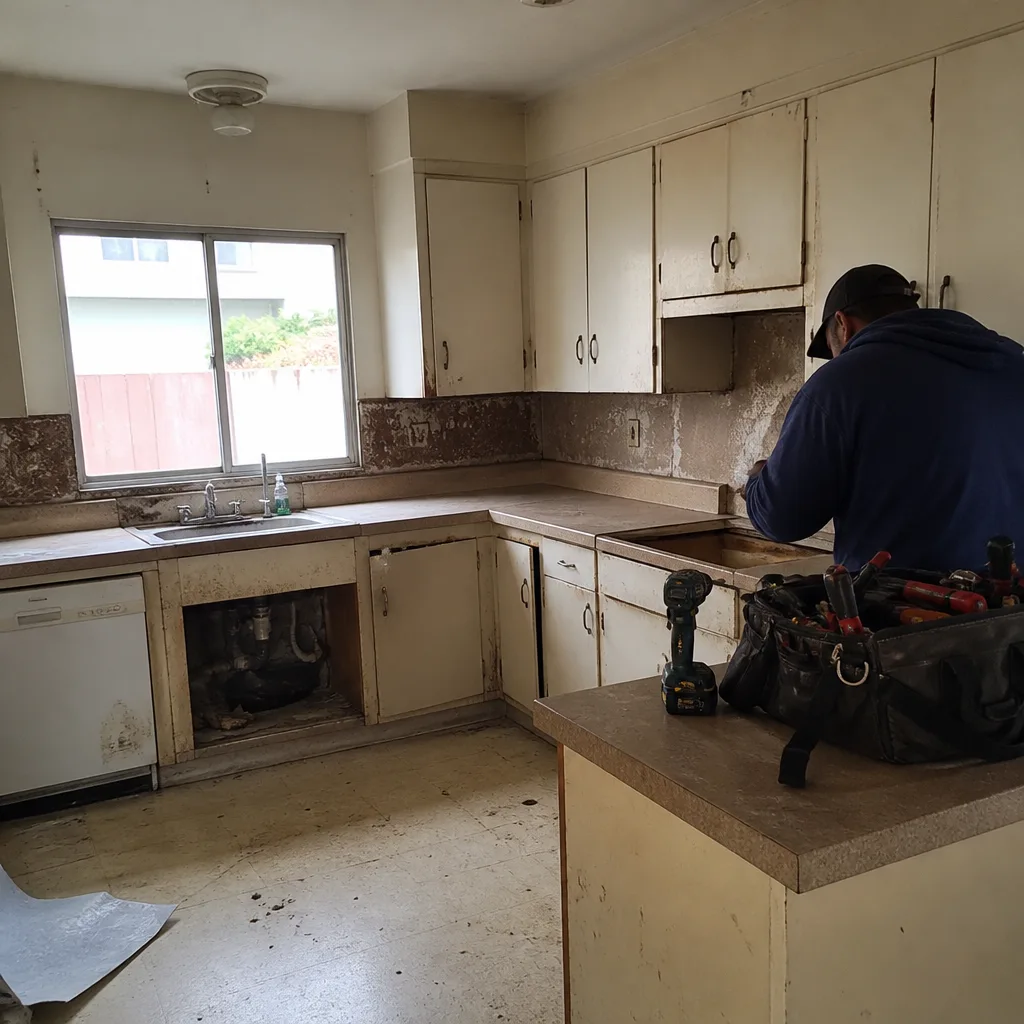 Before
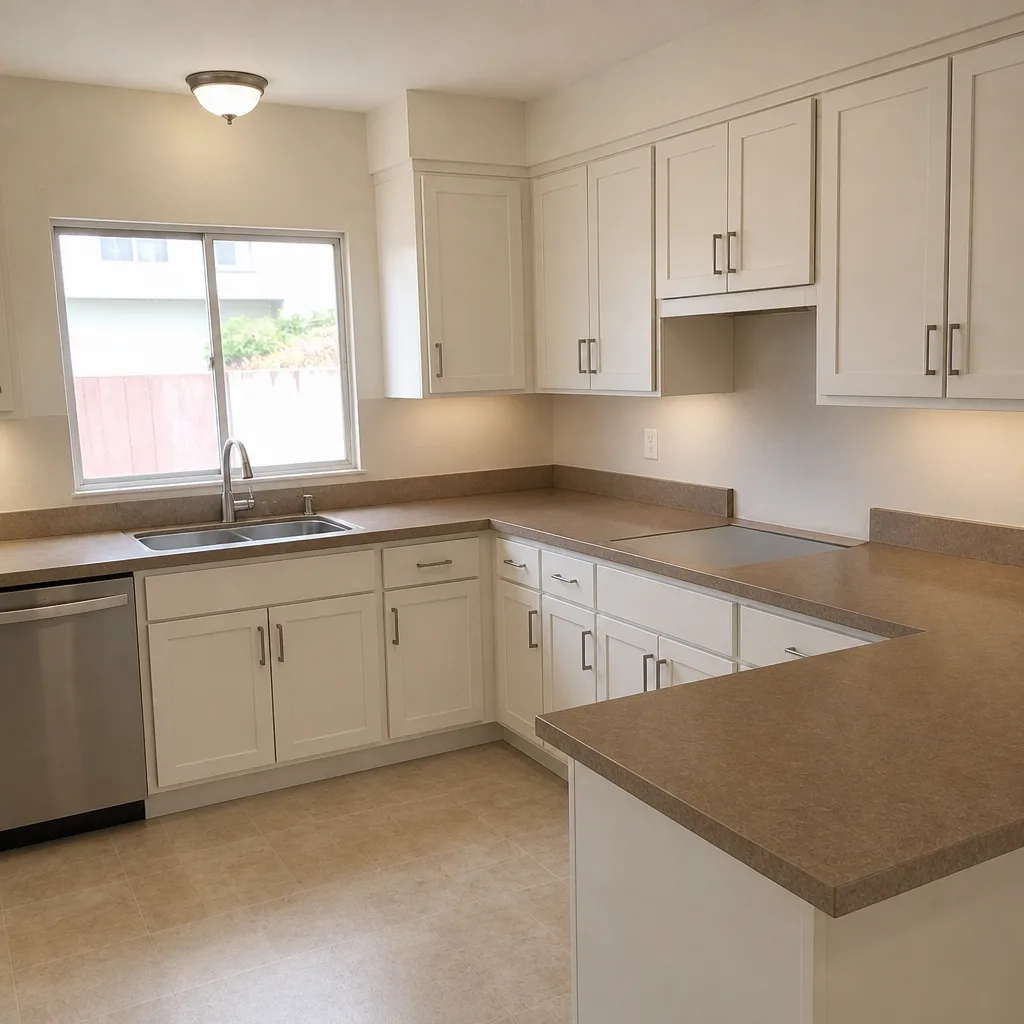 After
Attached vs Detached ADU in Long Beach, CA: Choose Detached Unless You Need Speed
Choose detached if your lot has room and you want a unit that stands on its own systems and value. Choose attached if you need the lower upfront cost or your lot can’t fit a separate structure. In Long Beach, that choice is really a foundation and utility question, not a style preference. On a 1950s slab-foundation tract home in East Long Beach, a detached ADU needs a new independent foundation, and if the parcel sits in a liquefaction-risk zone that foundation may trigger a geotechnical report. That one fact shifts the cost comparison by $8,000-$15,000 before framing even starts. Call (833) 510-6967 and we’ll price both paths in writing so you can decide with real numbers.
Key takeaways
- Detached ADUs build their own foundation and separate utility paths; attached ADUs share the main home’s systems.
- Utility separation alone typically adds $3,000-$7,000 to a detached build depending on trenching distance.
- Garage conversions are the cheapest detached route, but cracked slabs and low ceilings on 1940s-1950s stock get discovered at demo.
- On Coastal Zone parcels, a detached ADU that raises lot coverage can face more review than an attached second-story addition.
- Full ADU construction in Long Beach runs $90,000-$220,000; garage conversions run $30,000-$80,000.
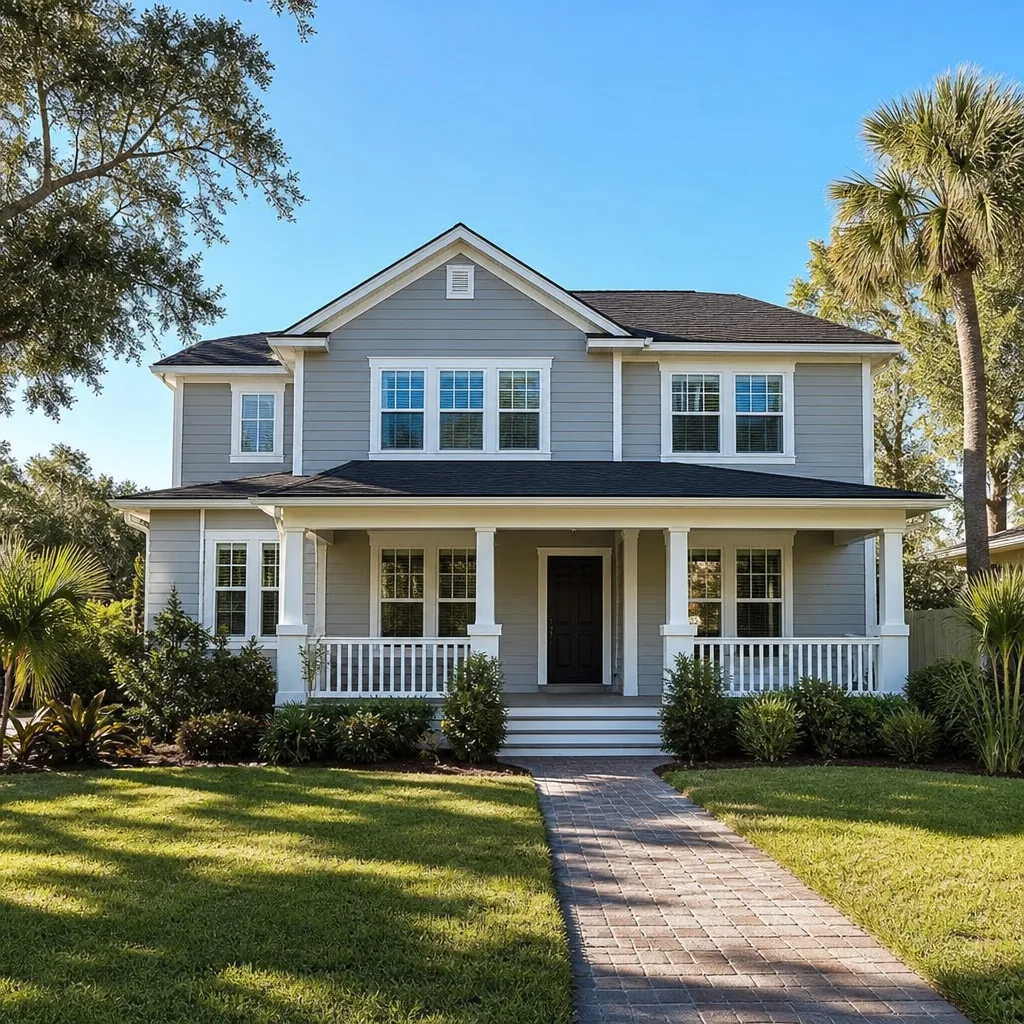
Why Long Beach Lots Make This a Foundation Question First
Long Beach housing spans pre-war Craftsman bungalows near the older core to mid-century tract homes across the east and north. That means we work across very different eras of framing, wiring, and foundations, and the ADU decision lands right on top of that. A detached unit has to stand on its own foundation, sized to your soil. An attached unit ties into whatever the main house already has, for better or worse.
Coastal-adjacent and liquefaction-mapped parcels raise the stakes. If your lot is mapped for liquefaction risk, a new independent foundation may require a soils or geotechnical report before the city will review it. That report is a cost and a schedule item, and it applies to the detached build only. The attached route sidesteps it because you’re sharing the existing slab or foundation.
There’s an upside to the separate foundation, though. Marine air and salt-laden coastal air corrode fasteners and metal over time. A new foundation built with modern corrosion-resistant hardware and proper drainage gives you a known quantity under the unit, where an attached addition inherits whatever the main house has been doing for 70 years. If the main home needs a seismic or foundation retrofit anyway, that cost lands in the attached column too.
What Do Utilities Add to the Detached ADU Equation?
Most detached ADUs in Long Beach need separate utility meters for water, gas, and electric. That means connection fees plus trenching, and the trenching cost scales with distance from the main panel to the new unit. Expect $3,000-$7,000 for that separation depending on how far the run has to go and what the trench crosses.
Attached ADUs can often share the main electrical panel through a sub-panel instead, skipping the second meter set and most of the trenching. Here’s the catch: if your main panel is already loaded or dated, the sub-panel work can pull you into a panel upgrade. We flag that in the written price before work starts, not after the electrician opens the wall.
This is where our written pricing matters. A verbal ballpark on utility work is worthless until someone has walked the panel and measured the trench. Every Penhallow Remodeling Long Beach homeowner gets a written number before any work starts, so the figure on day one is the figure on the invoice. That written guarantee is part of The Kingswell Way: say the price before the work, show up in the window we gave, leave the place cleaner than we found it.
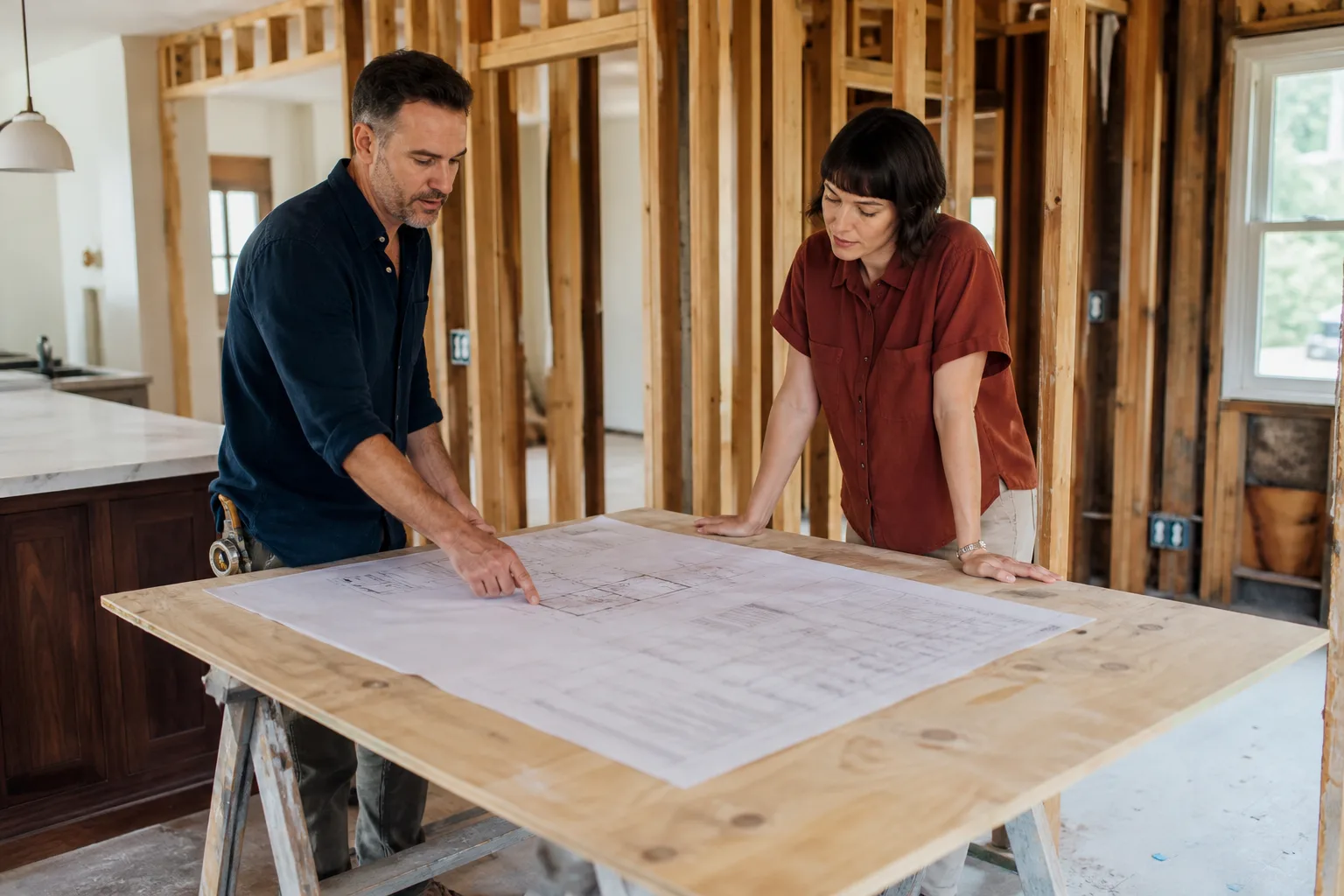
Is a Garage Conversion the Cheapest Detached Route in Long Beach?
Yes. Converting an existing detached garage is the most cost-efficient detached ADU path, and it benefits from state law’s streamlined approval process. A garage conversion in Long Beach typically runs $30,000-$80,000, which lands well under the $90,000-$220,000 range for ground-up ADU construction.
But older Long Beach garages carry hidden deficiencies. Cracked slabs are common in 1940s and 1950s stock, and ceiling heights sometimes fall short of what a habitable unit needs. Those problems surface at demo, which is exactly when an unprepared homeowner gets a mid-project surprise. Our rule is simple: if we can’t see it, we say so, and we price the likely repairs into the written number up front so there’s no discovery-day balloon. If the work fails inside our 365-Day Done Right Promise, we come back and fix it at no charge, and a failed repair gets a free return visit with no service call or re-inspection fee.
Materials follow the same standard. We work with recognized trade brands for the finishes and systems that go into a unit, and we’d rather explain the layers of protection than hand you a spec sheet. Background-checked, uniformed technicians show up on every job, so you know exactly who’s in your backyard and who’s touching your utilities.
Side-by-Side: Attached vs Detached ADU in Long Beach
| Factor | Attached ADU | Detached ADU |
|---|---|---|
| Foundation | Shares main home’s slab or foundation | Needs its own foundation; soils report possible on liquefaction-mapped parcels |
| Geotech report | Usually not triggered | May be required in liquefaction zones ($8,000-$15,000 with foundation impact) |
| Utilities | Often shares main panel via sub-panel | Separate meters and trenching: $3,000-$7,000 |
| Permit path | Standard additions review | Garage conversion gets streamlined state review |
| Coastal Zone | Second-story addition draws standard CDP review | Increased lot coverage can draw extra CDP scrutiny |
| Typical cost | Home Addition range: $45,000-$130,000 | ADU range: $90,000-$220,000, or $30,000-$80,000 for a garage conversion |
A quick note on permitting, because it’s where things stall. Some Long Beach projects sit near the shoreline or Port-area overlays and take a different review path than a project a few miles inland. Ask about the Coastal Development Permit early. A detached ADU that increases lot coverage may face more CDP scrutiny than an attached second-story addition, even on the same block. That distinction changes your timeline, and a contractor who only learns it the hard way costs you months.
How Do You Decide When Both Are Priced?
You decide with two written numbers side by side, not a verbal estimate that moves at the door. Because foundation type, utility separation, and permit path all affect the final cost, we price both scenarios in writing before you commit. That’s the whole point of removing the guesswork: you compare what a detached unit really costs on your lot against what an attached addition really costs against your existing home, and you decide from there.
When you’re ready to talk, call us. A live person answers 24/7, and our technicians bring up to 22 years of experience to the walk-through. For more on how we work across the city, see our Long Beach service area page, or start at our home page to see what else we build.
FAQs
Attached is usually cheaper up front because it skips the new foundation, the geotechnical report, and the separate utility runs. A detached ADU in Long Beach commonly lands $8,000-$15,000 higher on foundation and soils costs before framing, plus $3,000-$7,000 for utility separation. Call (833) 510-6967 and we’ll price both in writing so the comparison is exact.
Yes. A detached unit needs its own foundation system, and on liquefaction-mapped parcels near the coast that can trigger a mandatory soils report. An attached ADU shares the main home’s existing foundation and avoids that requirement. Call (833) 510-6967 to find out whether your parcel is affected before you commit to a design.
Yes, and it’s the most cost-efficient detached route in Long Beach, with streamlined state approval. Conversions typically run $30,000-$80,000, but cracked slabs and low ceilings on older garages surface at demo, so they need to be in the written price from the start. Call (833) 510-6967 for a free assessment so we can price the unknowns up front.
If your lot sits inside the Coastal Zone, both attached and detached ADUs may require a Coastal Development Permit, and a detached unit that raises lot coverage can draw extra scrutiny. That can add review time to your schedule. Call (833) 510-6967 and we’ll tell you which permit path applies to your block.
If you’d rather have it looked at, Penhallow Remodeling Long Beach offers a no-pressure assessment in Long Beach. We’ll walk the lot, check the foundation and panel, and put both the attached and detached options in writing before you choose. Call (833) 510-6967 for a free estimate.
Written by the team at Penhallow Remodeling Long Beach, serving Long Beach, CA.