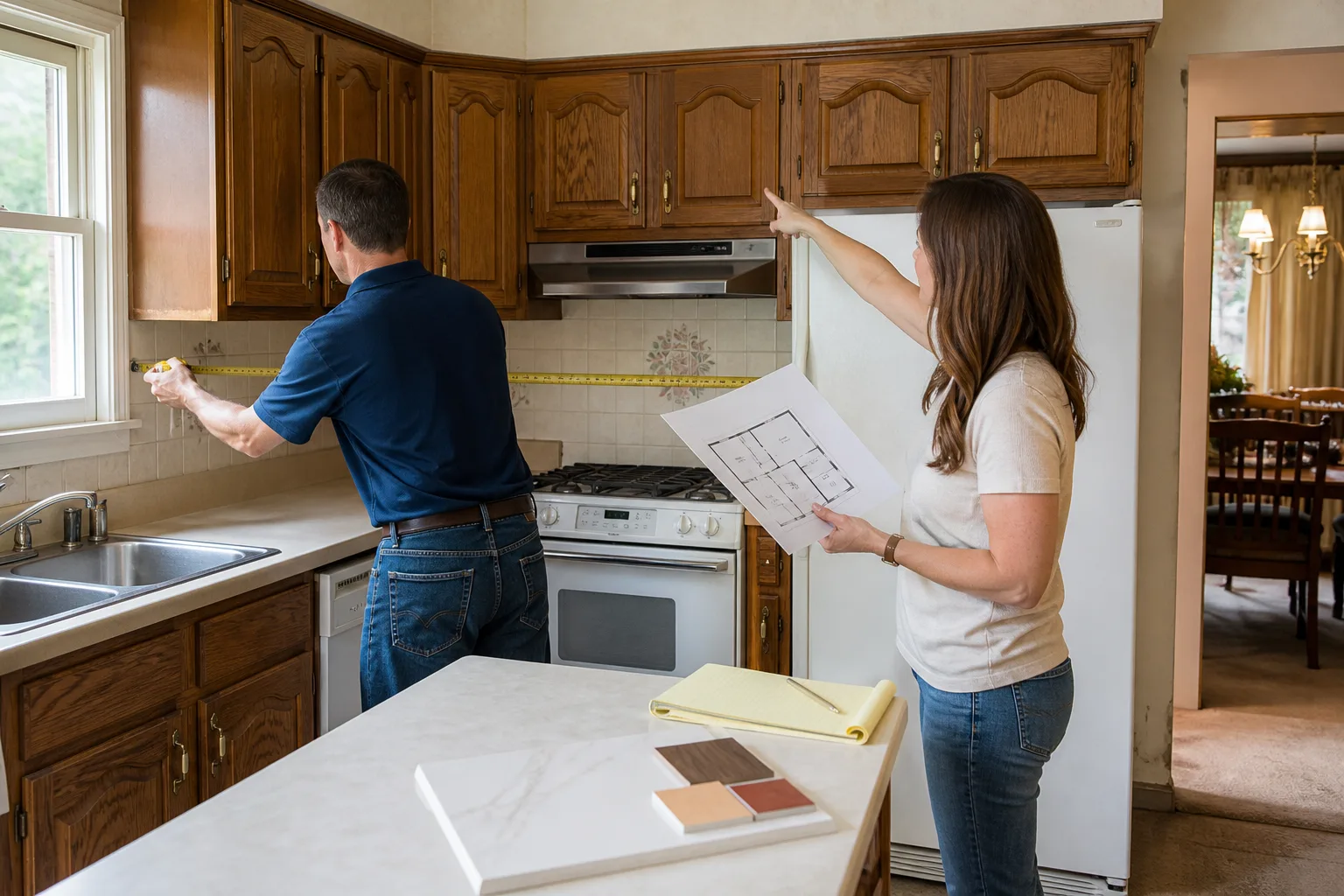

Free written scope consultation - allowances, timeline, and change-order rules on paper before a single trade is scheduled
CertainTeed Home Additions & ADU: The Long Beach Owner’s Guide
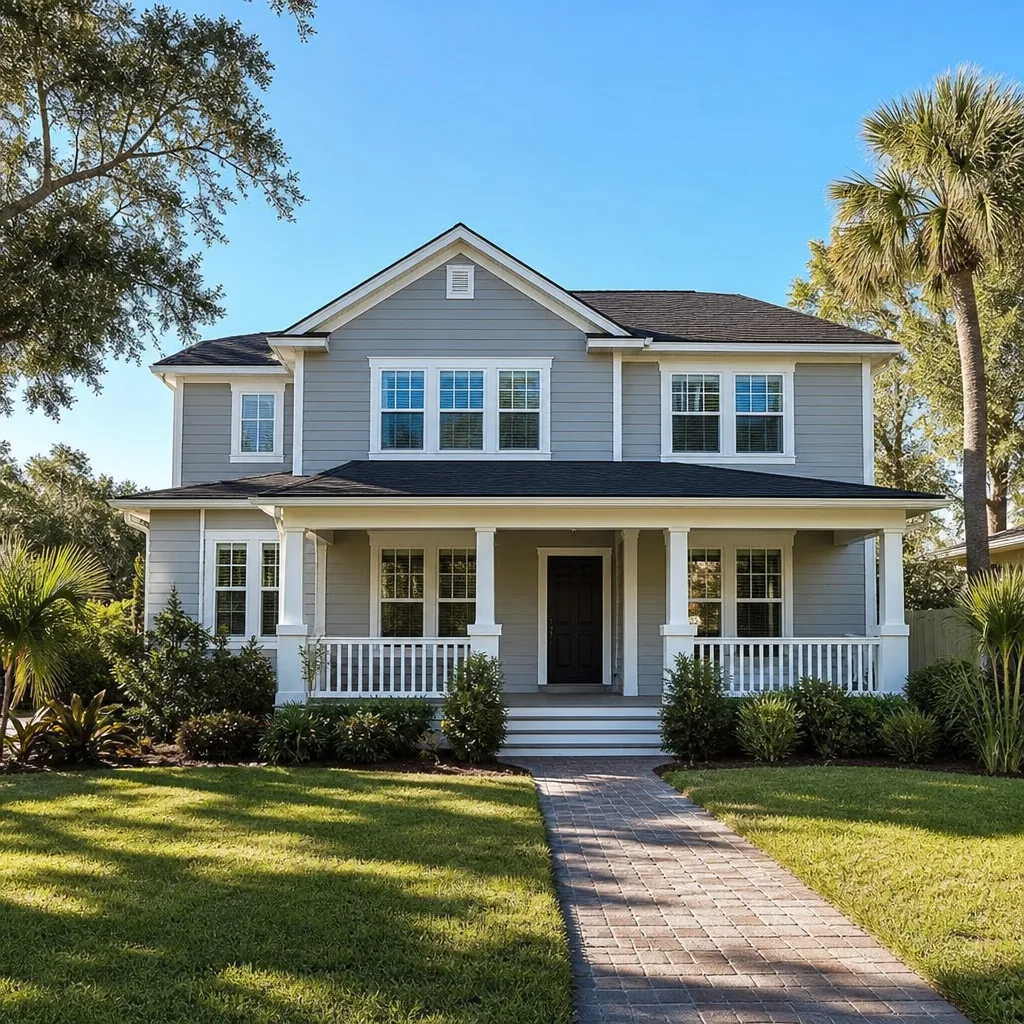
If you’re planning a CertainTeed home addition in Long Beach, expect an installed price of roughly $45,000 – $130,000 depending on size, foundation work and finish level. A detached or attached ADU runs higher, typically $90,000 – $220,000. Those numbers are for the whole project, not a single part, and every job starts with a written line-item price before we pull a permit.
Most Long Beach owners don’t start with a part number. They start with a symptom: a hairline crack that reappears at the same corner every rainy season, a wall that reads cold to the touch in a 1962 bungalow, or a contractor’s verbal ballpark that grew by $20,000 after demo. CertainTeed makes the exterior envelope components behind many additions here – siding, trim, and the weather barrier system that keeps a new room dry through a marine-layer spring. When one of those layers fails, you don’t replace the whole room. You match the part.
Key Takeaways
- CertainTeed building products for additions and ADUs are matched by product line and profile, not by color name alone.
- Long Beach’s salt air and coastal fog shorten the life of exterior trim and barrier components compared with inland installs.
- Written price before work starts, and a 365-Day Done Right Promise on every project.
- Live person answers the phone 24/7: (833) 510-6967.
Which CertainTeed Models This Applies To
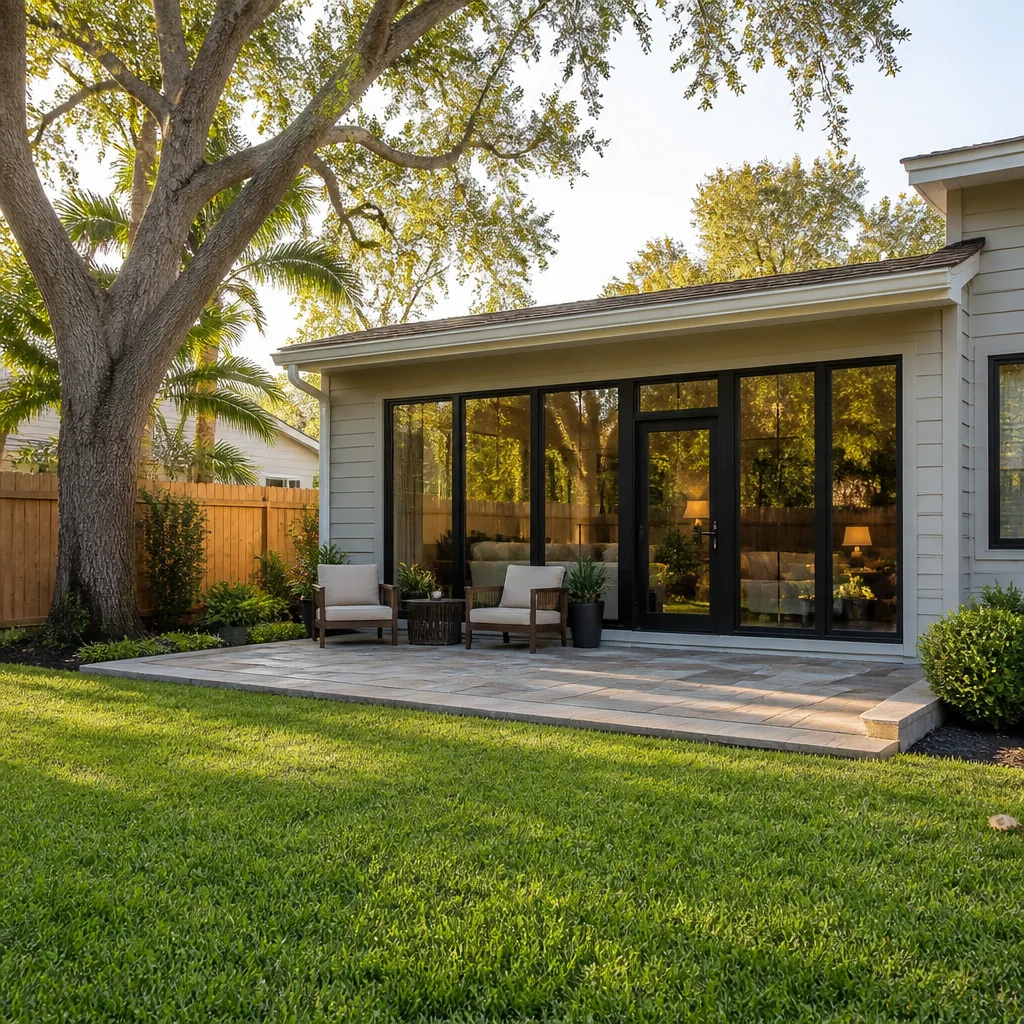
CertainTeed’s exterior lines aren’t interchangeable. Their siding comes in distinct profiles and locking systems – lap, vertical, and insulated versions each carry their own panel thickness and nailing hem. The weather barrier and trim accessories are matched to those specifications. If you’re trying to identify what’s on your Long Beach addition, look first at the panel edge or the back stamp; CertainTeed typically molds the product line and a profile code into the panel or prints it on the accessory wrap. Measure the exposed face width and the panel thickness. A 0.044-inch panel and a 0.046-inch panel look identical on a wall and are not the same part.
This is the compatibility gotcha that costs homeowners the most: color names repeat across product lines, but the profile and thickness don’t. A “Cape Cod Gray” in one CertainTeed line won’t seat into the locking hem of another. For a repair, matching the exact line matters more than matching the shade name. On the OEM-versus-aftermarket decision, the honest answer is that CertainTeed’s own accessories guarantee a fit to their system, while a quality aftermarket equivalent can serve fine on a small patch if the profile and thickness match precisely. For a full room addition, we spec the CertainTeed system as a whole so the layers work together. We’re an independent service provider and not affiliated with CertainTeed; we install and repair to their specifications.
Styles & brands we work with
- Kitchen remodeling
- Bathroom remodeling
- Home additions & ADU
- Roofing
- Windows & doors
- Driveway & pavers
- Fence
Signs Your CertainTeed Home Additions & ADU Is Failing
Exterior envelope problems on a CertainTeed-clad addition usually show up in a predictable order. Here’s what each symptom is actually telling you.
- Recurring hairline cracks at corners and seams. The trim or barrier behind the joint is moving or has lost adhesion, so the finish cracks at the same spot each season. Patching the paint hides it for a year and never fixes the cause.
- Soft or chalky trim under the eaves. Coastal moisture wicks into a barrier or trim component that wasn’t lapped correctly. In Long Beach’s salt air this accelerates; inland it might take a decade, here it can show in a few seasons.
- Paint peeling in sheets rather than flakes. That pattern usually means moisture is trapped behind the finish, so the surface can’t bond. It’s a barrier problem, not a paint problem.
- Cold interior walls or drafty outlets on the new room. Air is moving through a gap in the envelope. On an addition this often traces to a barrier seam that was never taped or lapped.
- Visible waviness or oil-canning on siding panels. The panels are under-fastened or the substrate has shifted, which stresses the locking hem. Left alone, the panel edge can crack.
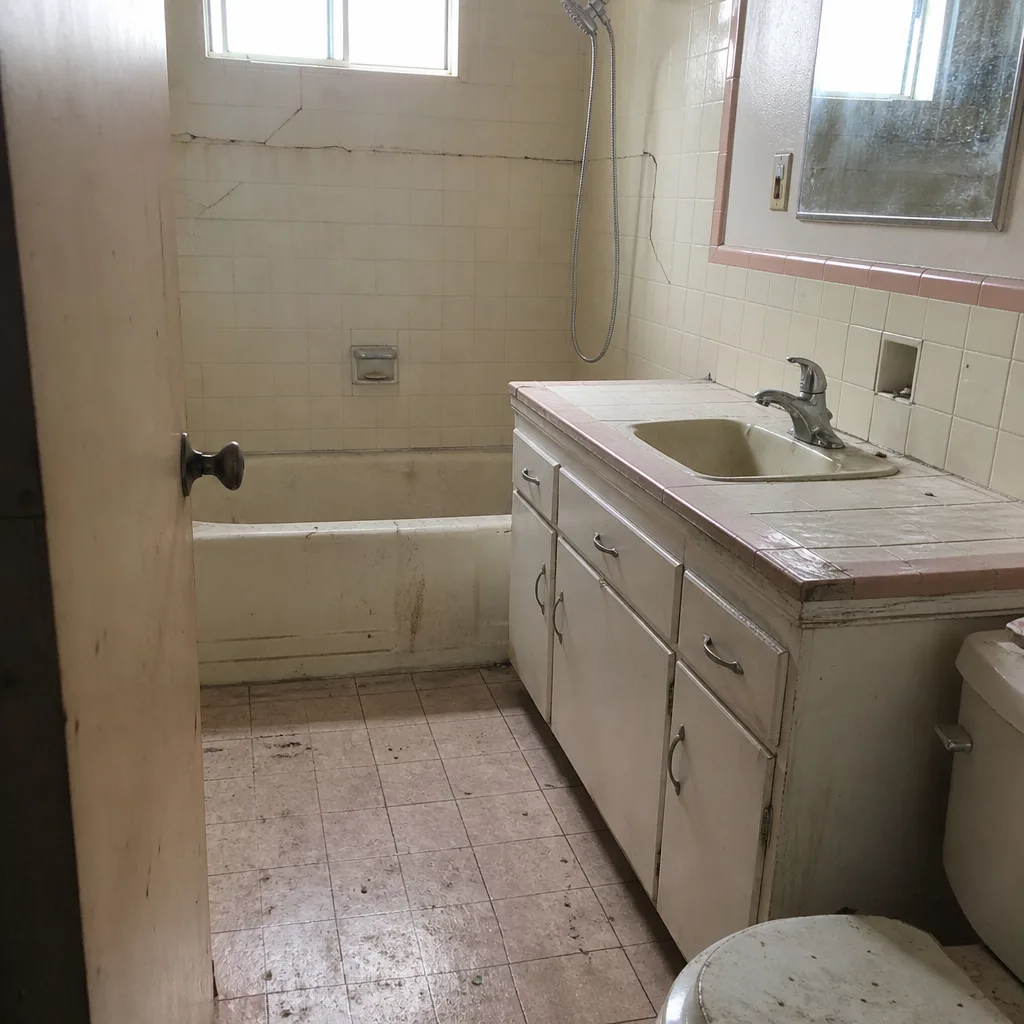
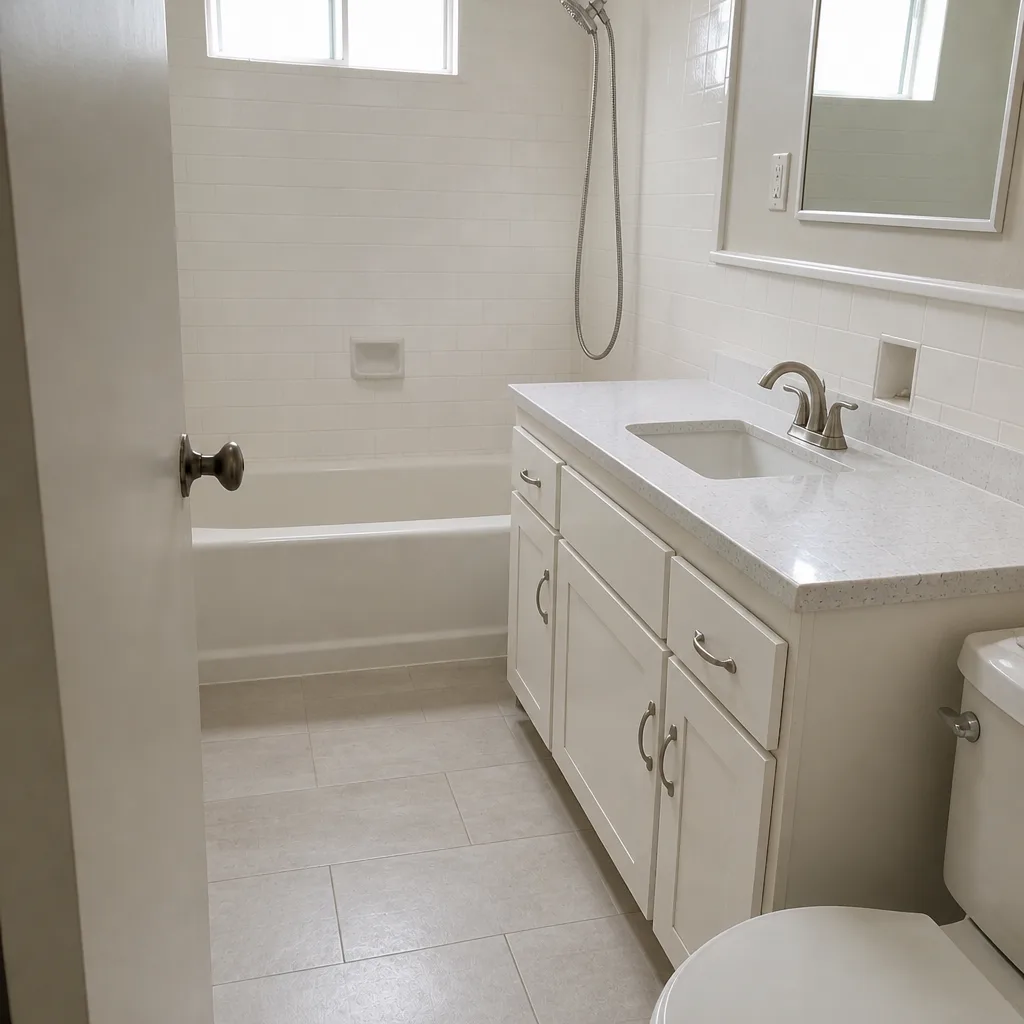
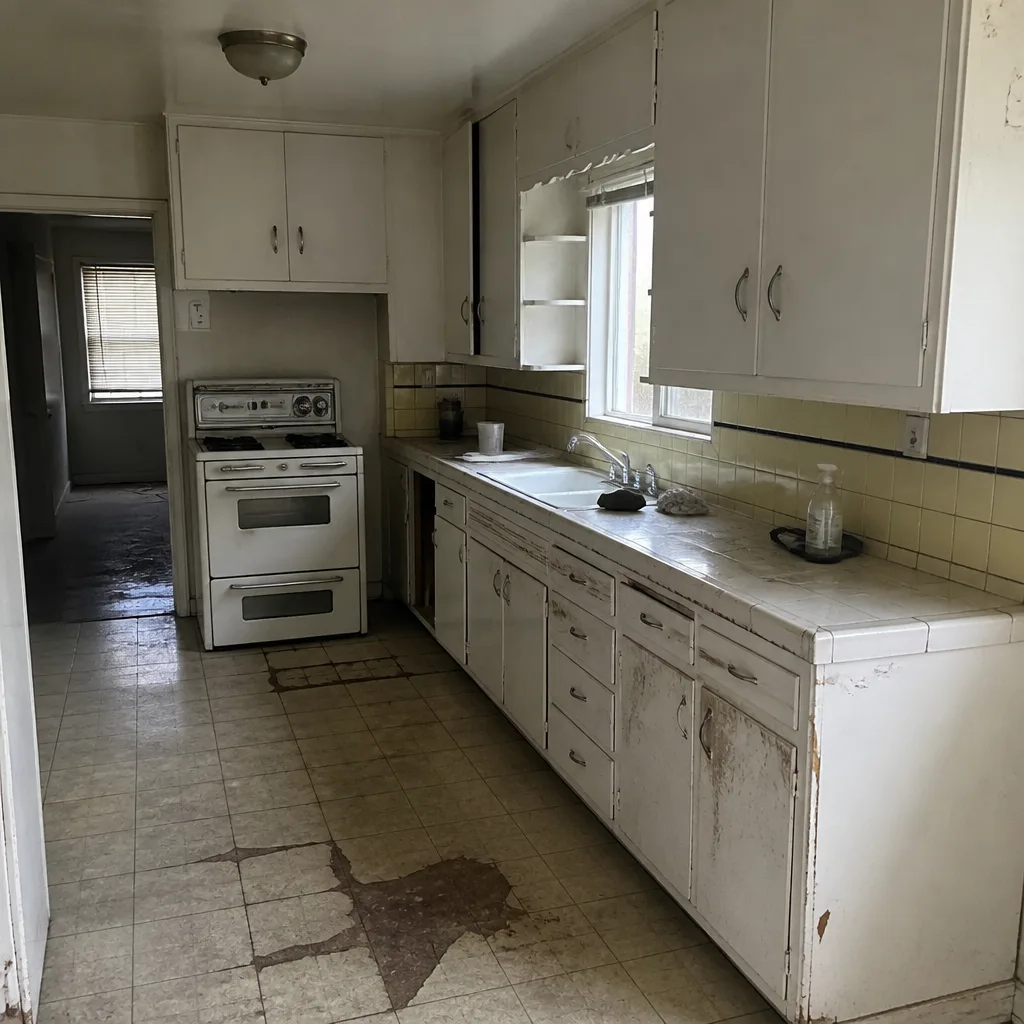
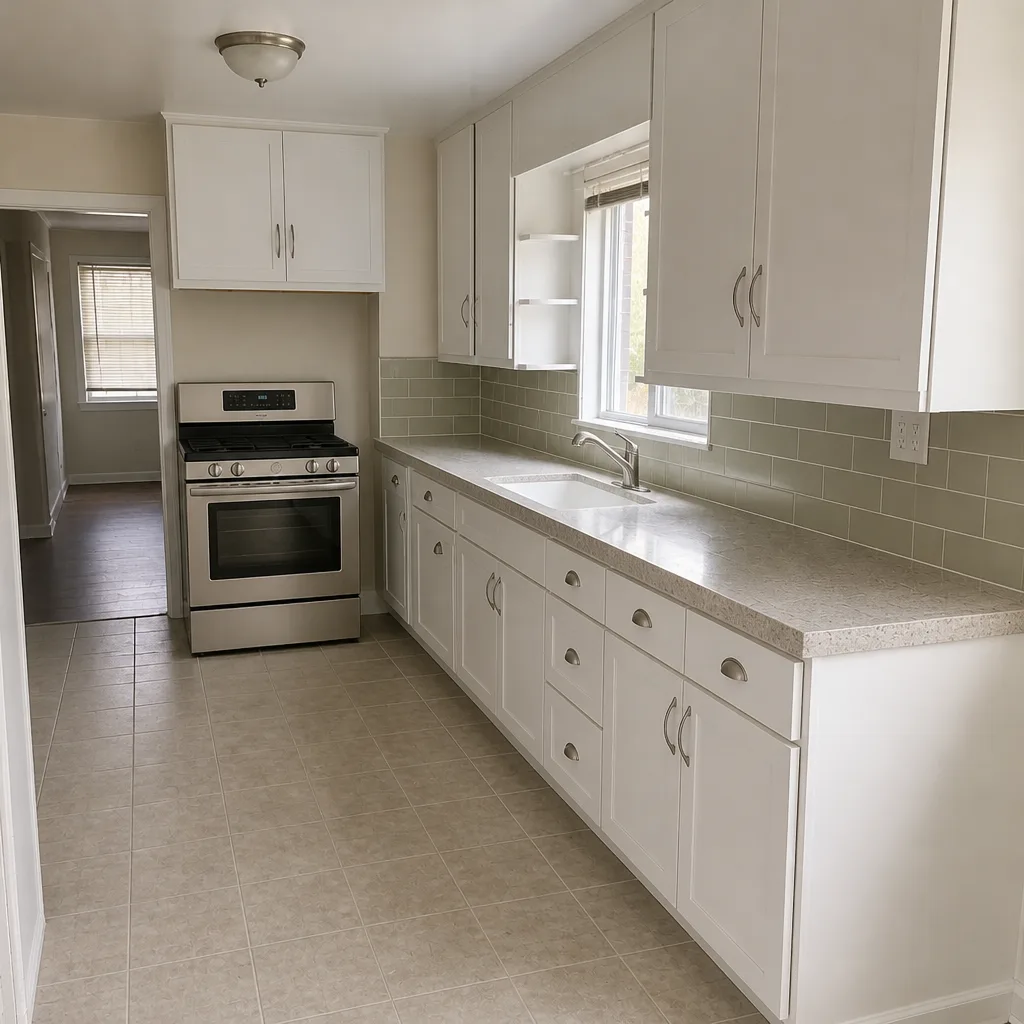
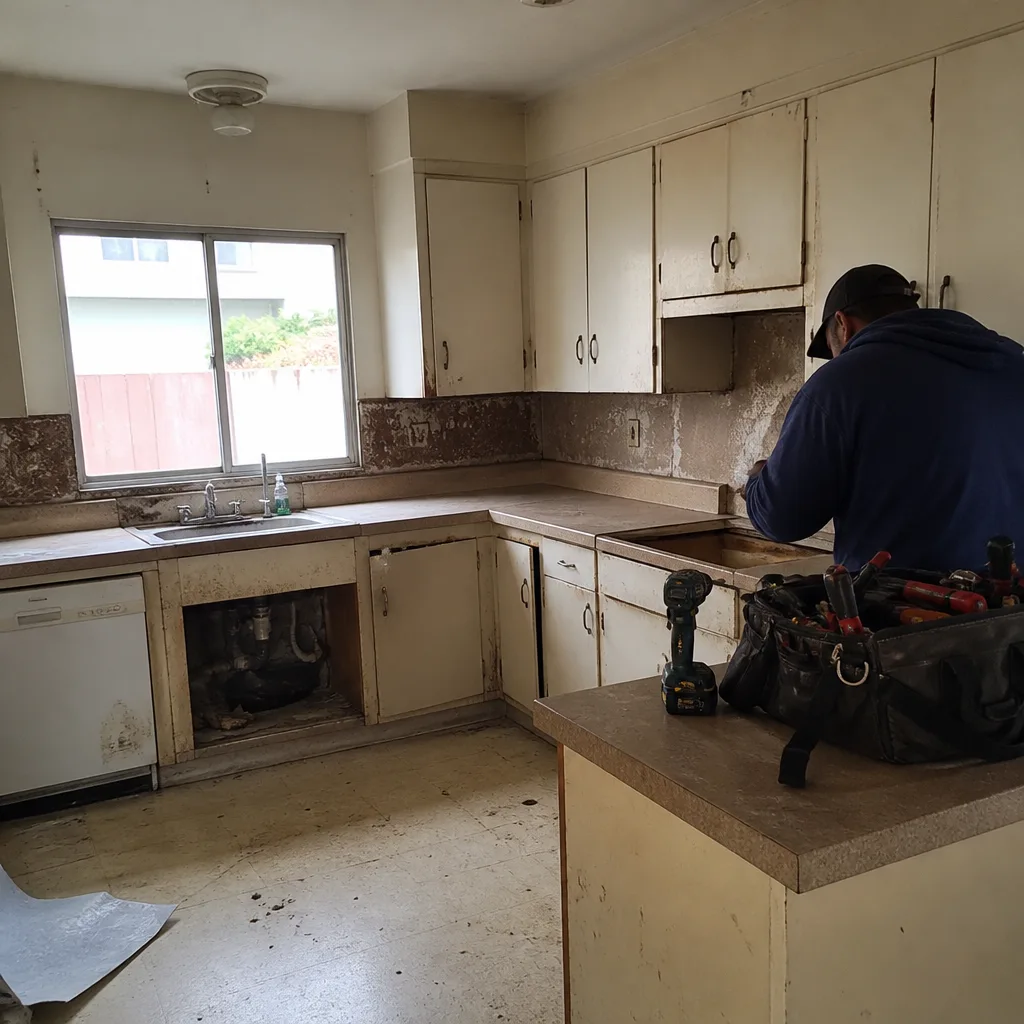
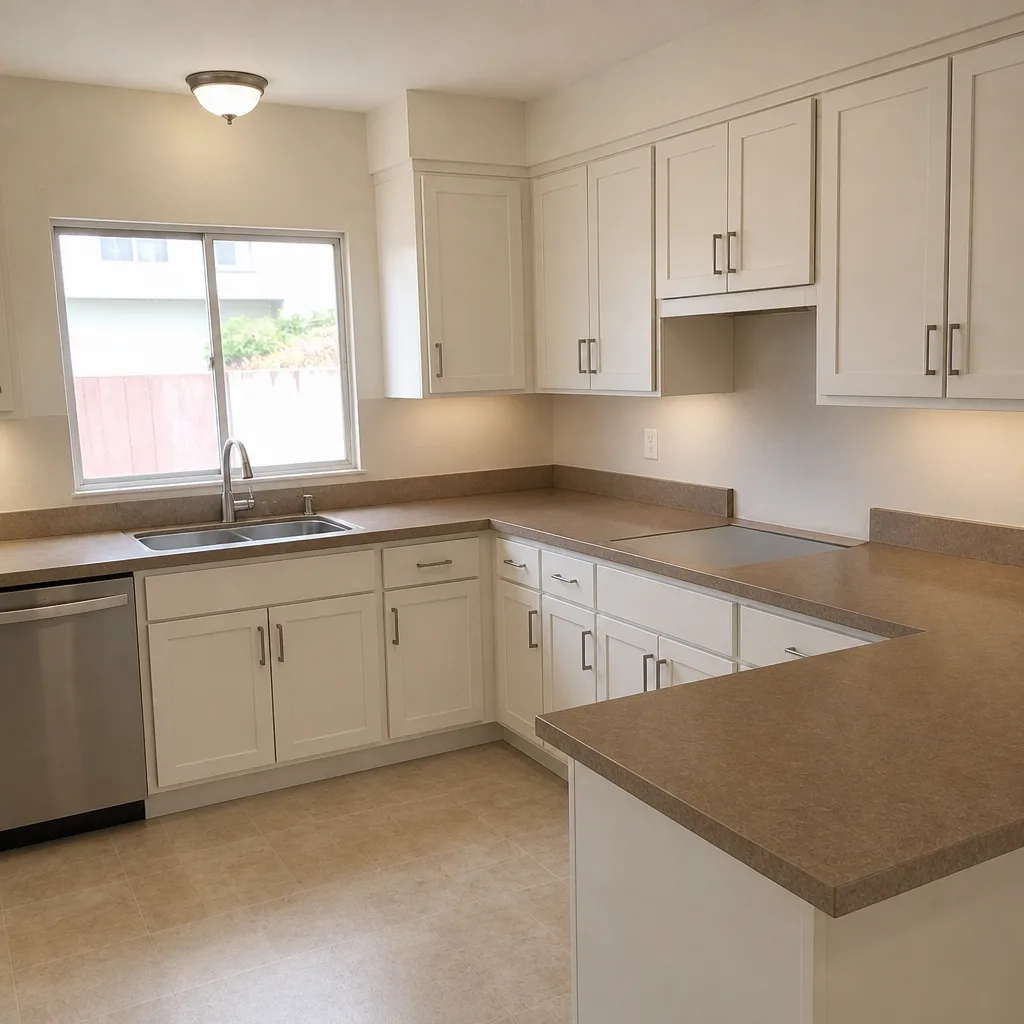
See the difference
 Before
 After
 Before
 After
 Before
 After
Replacement Cost & What’s Included
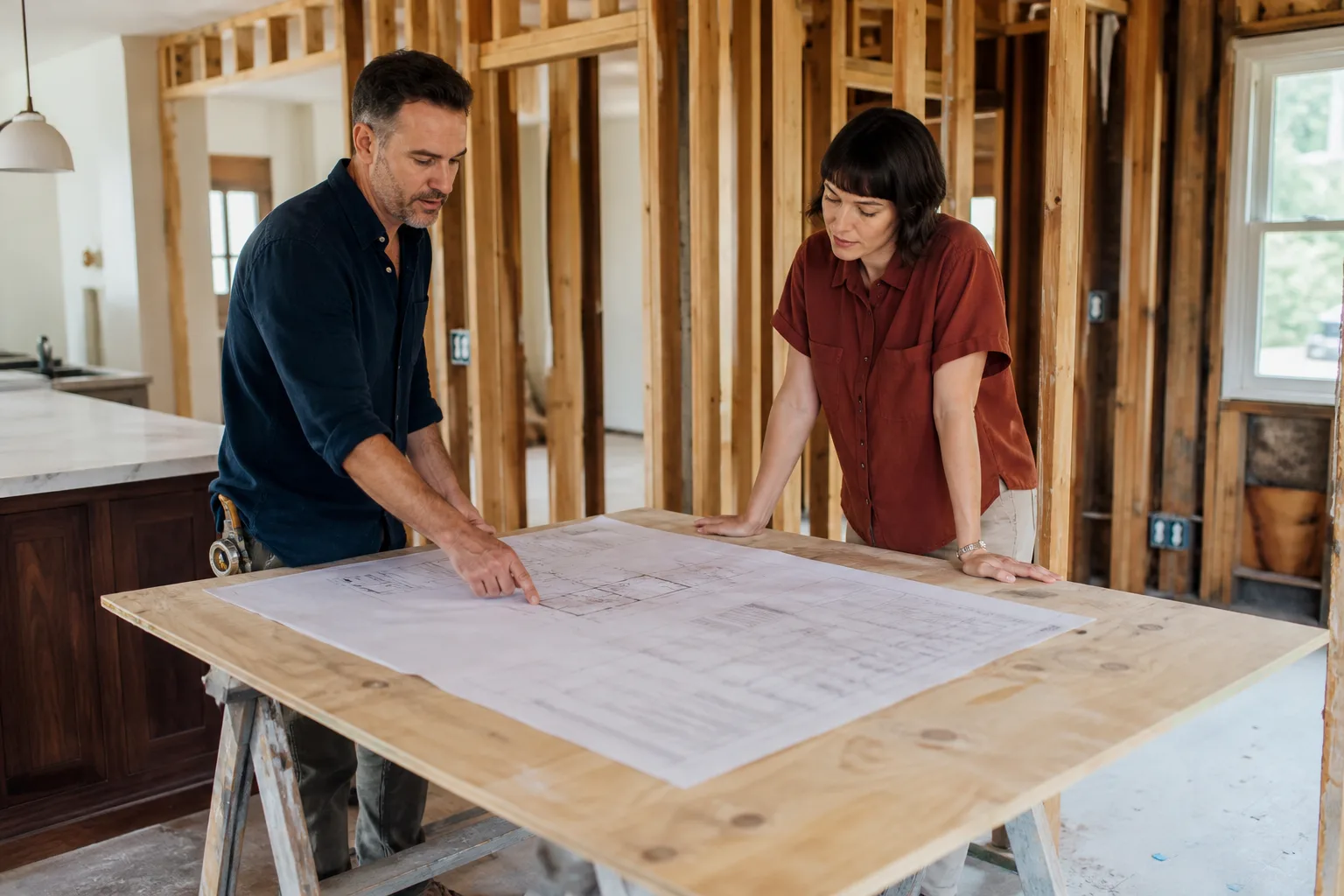
A focused exterior repair or component replacement on a Long Beach addition typically lands well under the full project range, while a complete addition stays in the $45,000 – $130,000 band and an ADU in the $90,000 – $220,000 band. What drives the number is how much of the envelope has to come off to reach the failed layer: a single trim run is one job, a barrier replacement behind a whole wall is another. We separate parts and labor on the written quote so you can see exactly what the CertainTeed component costs versus the install.
| Scope | Typical Long Beach range |
|---|---|
| Full home addition | $45,000 – $130,000 |
| ADU construction | $90,000 – $220,000 |
| Garage conversion | $30,000 – $80,000 |
Every repair carries a written guarantee, and the 365-Day Done Right Promise means if the work fails inside the year, we come back and fix it at no charge. Call (833) 510-6967 for a written number you can hold us to.
DIY or Call Us?
There’s real work you can do safely to diagnose the problem: photograph the panel edge for a product code, measure the exposed face and thickness, note where cracks return each year, and check for soft spots with a press of the thumb. What we don’t recommend is opening up the weather barrier or re-securing siding panels on a finished wall yourself. Getting the lapping and fastening wrong traps moisture, and on a coastal Long Beach addition that trap shows up fast. The layer behind the surface is where the job is won or lost, and that’s where an experienced installer earns the call.
Our technicians have up to 22 years of experience, they’re background-checked and arrive in uniform, and a live person answers the phone 24/7. Call (833) 510-6967 to schedule your free estimate.
FAQs
A properly installed CertainTeed siding or barrier system can serve 20 to 30 years, but Long Beach’s salt air and coastal fog shorten that compared with an inland install, so expect the low end of that range on exposed west-facing walls near the water. Call (833) 510-6967 for an exact assessment.
Often yes, if the failure is a localized trim run or a single panel and the barrier behind it is still sound. A full-section replacement is the right call when the barrier itself has failed, because patching the surface just moves the problem. Call (833) 510-6967 and we’ll tell you which one you’re looking at – estimates are free.
A focused component replacement is usually a one- to two-day job; a barrier replacement behind a full wall or room takes longer and depends on how much finish has to come off. We give you a written arrival window and a defined completion date before we start. Call (833) 510-6967 for a timeline.
We match by product line, profile and panel thickness, not by color name, then confirm against the back stamp or accessory wrap on your existing material. We source through recognized trade suppliers and pull the permit where the scope requires it. Call (833) 510-6967 to start your free estimate.
Ready to get a written number for your CertainTeed addition or ADU repair in Long Beach? Call Penhallow Remodeling Long Beach at (833) 510-6967 for a free estimate. We also work with KraftMaid, Cambria and Silestone on interior finishes when your project touches the rooms inside.
Written by the team at Penhallow Remodeling Long Beach, serving Long Beach and nearby areas.