
Free written scope consultation - allowances, timeline, and change-order rules on paper before a single trade is scheduled
Owens Corning Home Additions & ADU: The Long Beach Owner’s Guide
If you’re planning an Owens Corning home addition or ADU in Long Beach, an added bedroom or a full standalone unit typically comes in between $45,000 and $130,000 for the addition and $90,000 and $220,000 for a detached ADU, depending on size, foundation, and finish level. The “part” that fails on these projects isn’t a switch or a spring; it’s the building enclosure. Owens Corning systems (their foam sheathing, house wrap, and weather-barrier components) are great products, but Long Beach’s marine air, with morning fog that soaks a wall for weeks and then dries it in the afternoon, works against any envelope that was flashed wrong or left exposed too long. Owners usually find out the hard way: a soft spot at the base of a new wall, a musty smell in a finished ADU, or a stucco crack that keeps filling with water no matter how many times it’s patched.
Key Takeaways
- An Owens Corning home addition in Long Beach runs $45,000 – $130,000; a detached ADU runs $90,000 – $220,000.
- The failure point is usually the weather barrier and flashing, not the foam board itself.
- Penhallow Remodeling Long Beach is an independent general contractor. We’re not affiliated with Owens Corning; we build to their published specs like we would for any manufacturer.
- Every project gets a written price before work starts, a defined arrival window, and our 365-Day Done Right Promise.
Which Owens Corning Models This Applies To
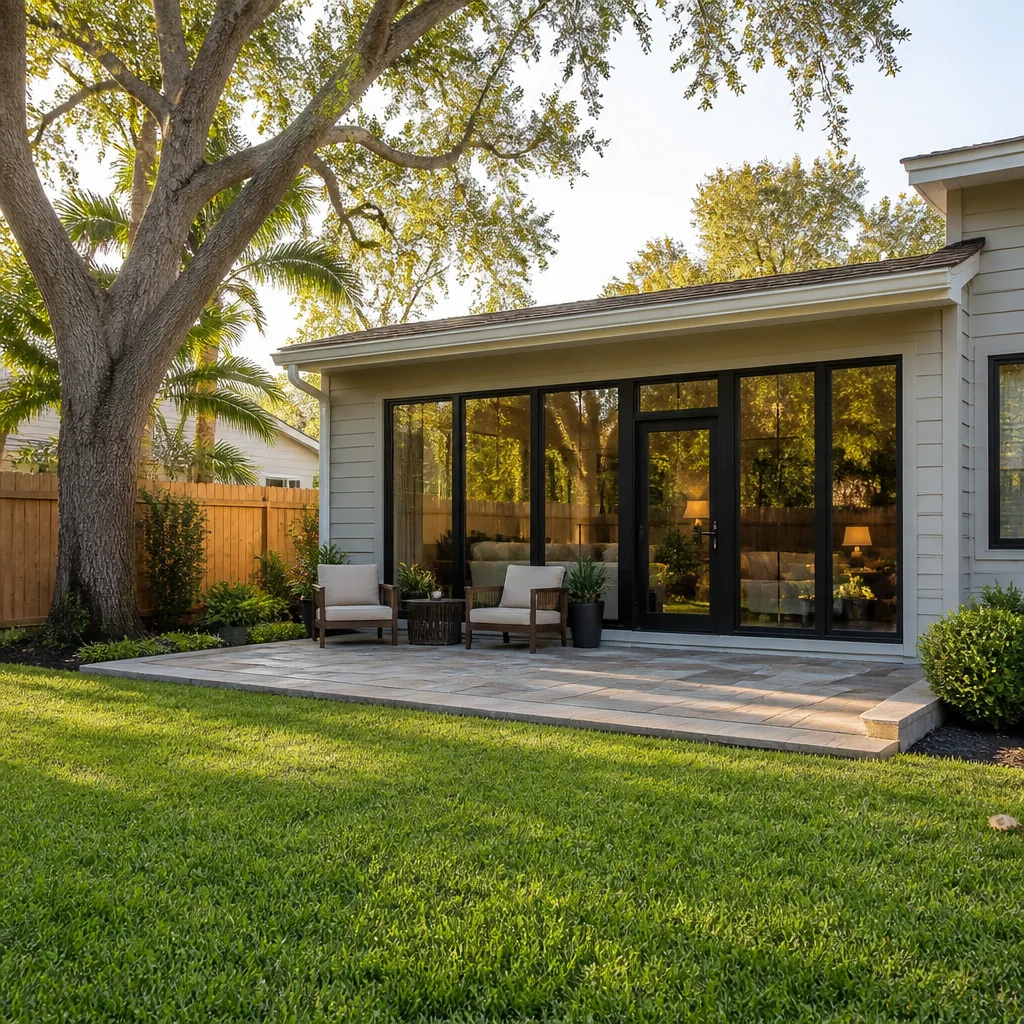
Owens Corning doesn’t sell home additions the way a garage-door company sells a model number, so “which model” really means which enclosure product you have or which one your plans specify. The foam sheathing family is where most Long Beach projects land. Foamular NGX (the newer, lower global-warming-potential version) replaced the older Foamular 150, 250, and 400 lines in many spec books, so a set of plans drawn in 2019 may call out a product name that’s been rebadged. Check the stamp printed on the board or its face tape: it gives the product, the compressive-strength class (150, 250, 400), and the thickness. The WeatherLock line covers the house wrap and flashing tape side of the assembly.
Here’s the gotcha that costs people money on Long Beach jobs: mixing a foam board’s published R-value with a wall cavity that has no WRB (weather-resistive barrier, the layer that sheds liquid water behind the siding) turns a well-intentioned wall into a moisture trap. For Owens Corning-specific assemblies, follow their published compatibility guidance for sealants and tapes rather than a generic product. OEM Owens Corning tape costs more than the box-store equivalent, but the tapes are tested as a system with the foam and wrap, and on a coastal wall that matters. We don’t carry parts on a truck or stock Owens Corning components locally. We build to the manufacturer’s spec for your project and source materials through recognized trade channels.
Styles & brands we work with
- Kitchen remodeling
- Bathroom remodeling
- Home additions & ADU
- Roofing
- Windows & doors
- Driveway & pavers
- Fence
Signs Your Owens Corning Home Additions & ADU Is Failing
Most of what we see on Long Beach enclosure failures traces back to flashing, sequencing, or a barrier that got damaged and never repaired. Here’s what to watch for, and why it happens.
- Soft or damp drywall at the base of a new wall or ceiling corner. That’s a water-management failure, usually a missing or reversed kick-out flashing or a WRB that laps the wrong way. Foam board hides it until the paper and framing behind are wet.
- Interior paint bubbling or blistering near the ceiling in an ADU. In Long Beach, this often shows up after a cool, foggy spring, when condensation forms on a poorly air-sealed wall assembly. It’s a vapor and air-sealing issue, not a fresh paint problem.
- Stucco or siding cracks that water follows every rain. If the barrier behind the finish was skipped or torn during installation, the crack becomes a channel. Patching the surface hides the problem without fixing the path.
- A recurring musty smell inside a finished addition or ADU. That’s moisture trapped in the assembly, often from a foam board installed without a proper drainage plane between it and the finish. Ventilation may help, but the source is usually the wall.
- Gaps or lifting seams in the weather-barrier tape. Tape adhesion fails on dusty, damp, or cold surfaces, and the tape manufactures put specific temperature and cleanliness windows on the label for a reason. A seam that let go is a leak waiting for the next storm.
How Much Does an Owens Corning Home Addition or ADU Cost in Long Beach?
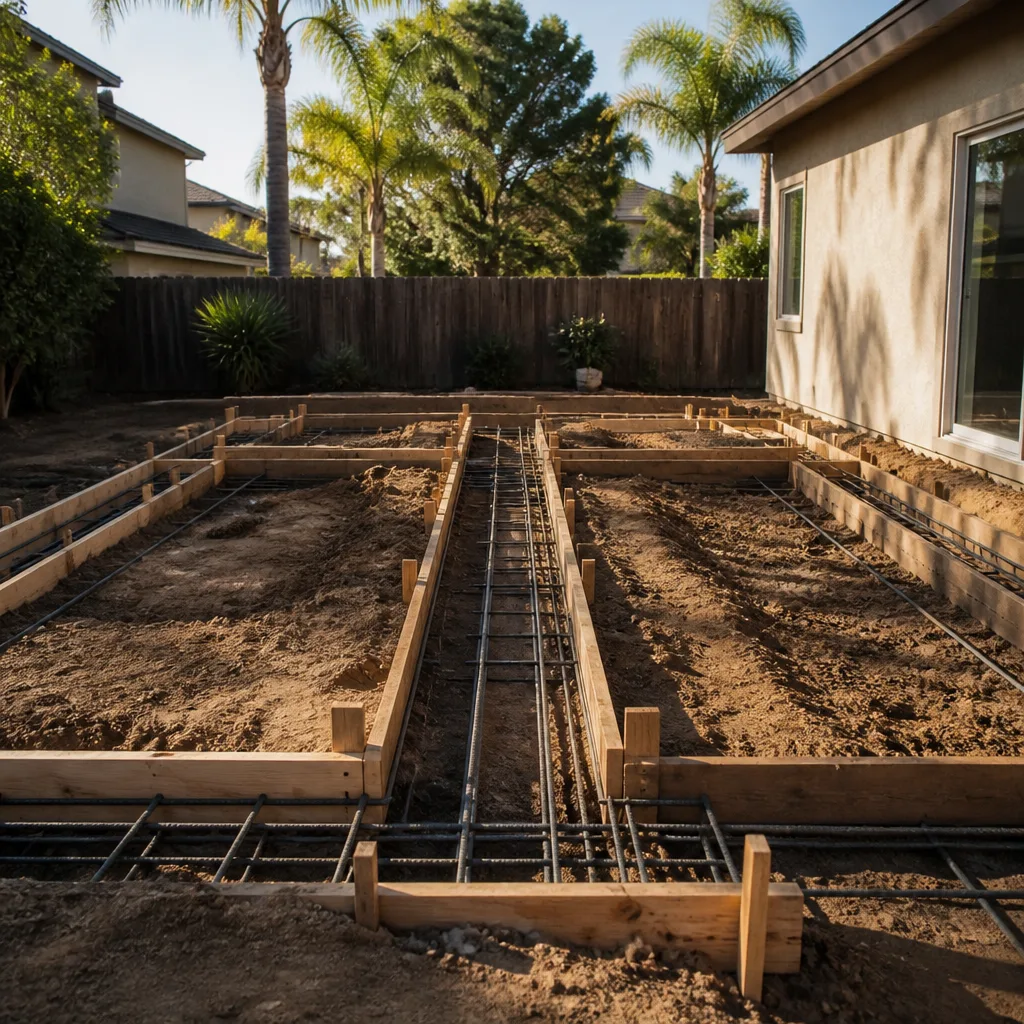
An Owens Corning-spec home addition in Long Beach generally lands between $45,000 and $130,000, and a detached ADU runs $90,000 to $220,000. The number swings on the same things every time: foundation type (a raised foundation is common in older Long Beach neighborhoods and costs more than a slab), square footage, roof complexity, and finish level. Here’s the line-item breakdown for planning:
| Project | Long Beach price range |
|---|---|
| Home addition (attached room, full build) | $45,000 – $130,000 |
| ADU (detached, full build) | $90,000 – $220,000 |
| Garage conversion (to living space) | $30,000 – $80,000 |
What drives it up or down: site access in tight Long Beach lots (a rear ADU on a narrow lot moves material by hand), whether the design needs full structural upgrades, and the envelope assembly you choose. The Owens Corning foam and barrier components are a small fraction of the total; labor and foundation are the big lines. Those numbers are planning ranges from our published Long Beach pricing, not a quote for your address. Call (833) 510-6967 and we’ll give you a written price before any work starts, so the number on day one is the number on the invoice.
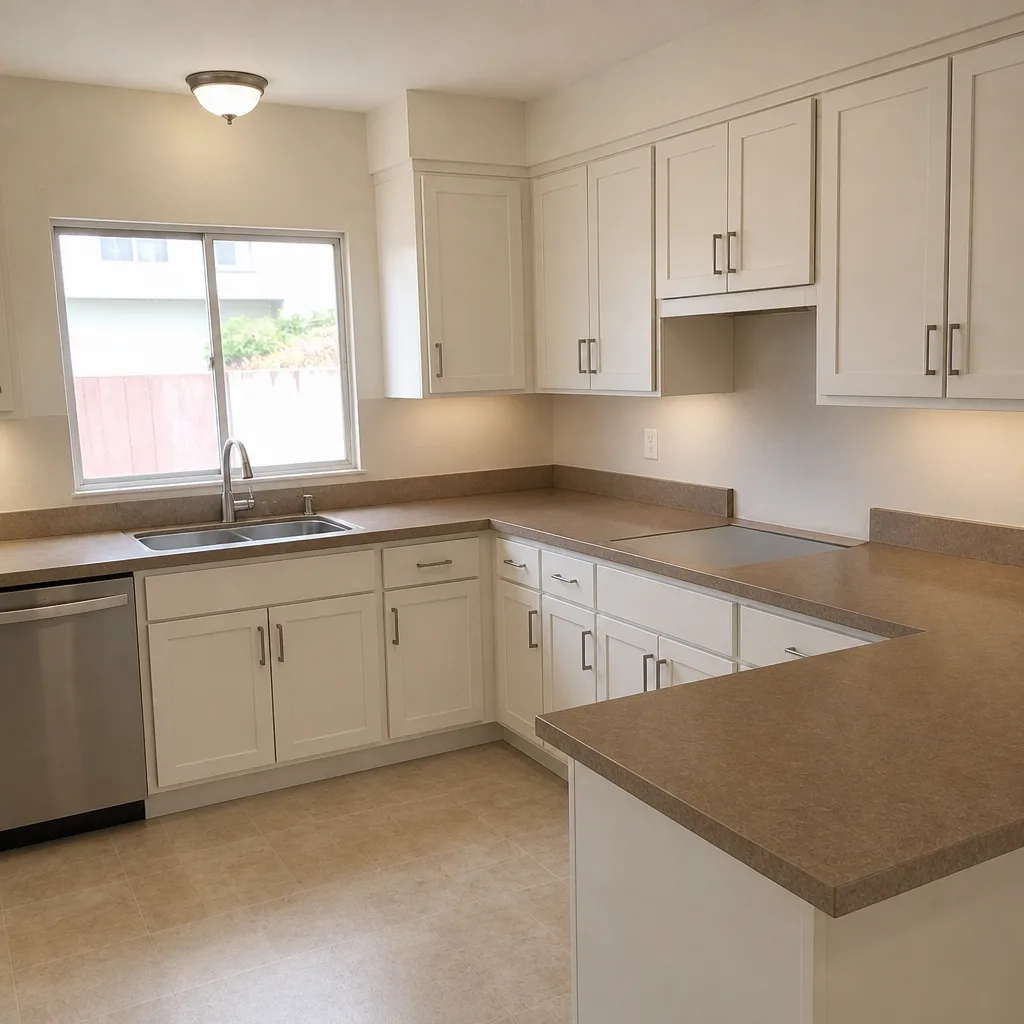
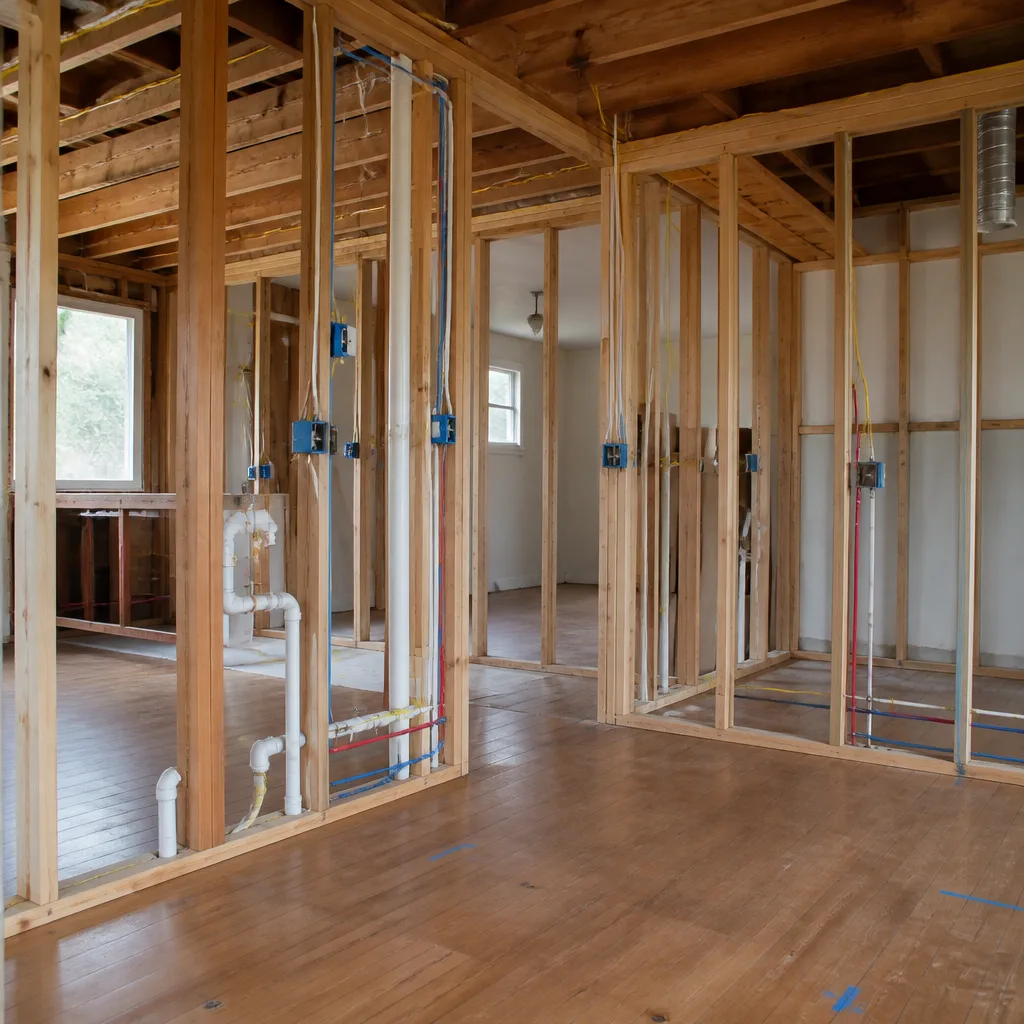
See the difference
 Before
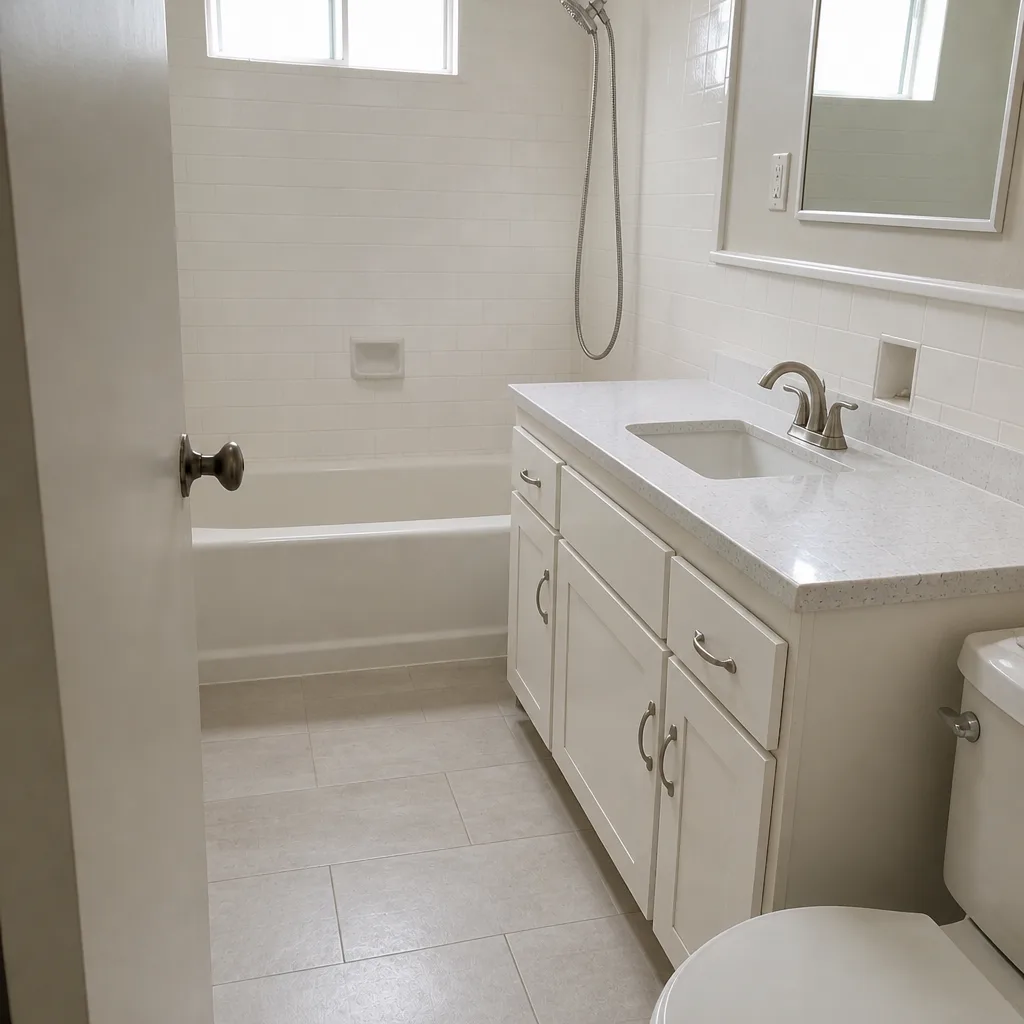 After
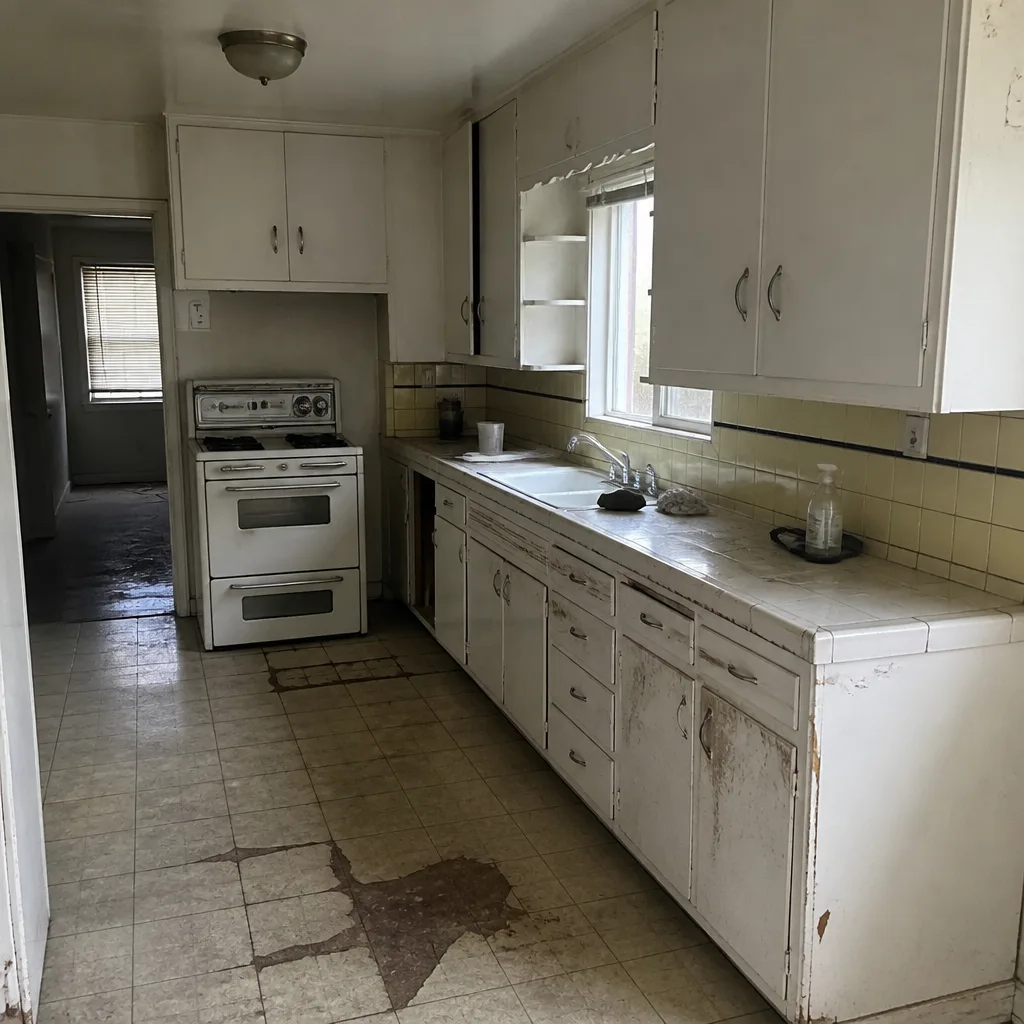 Before
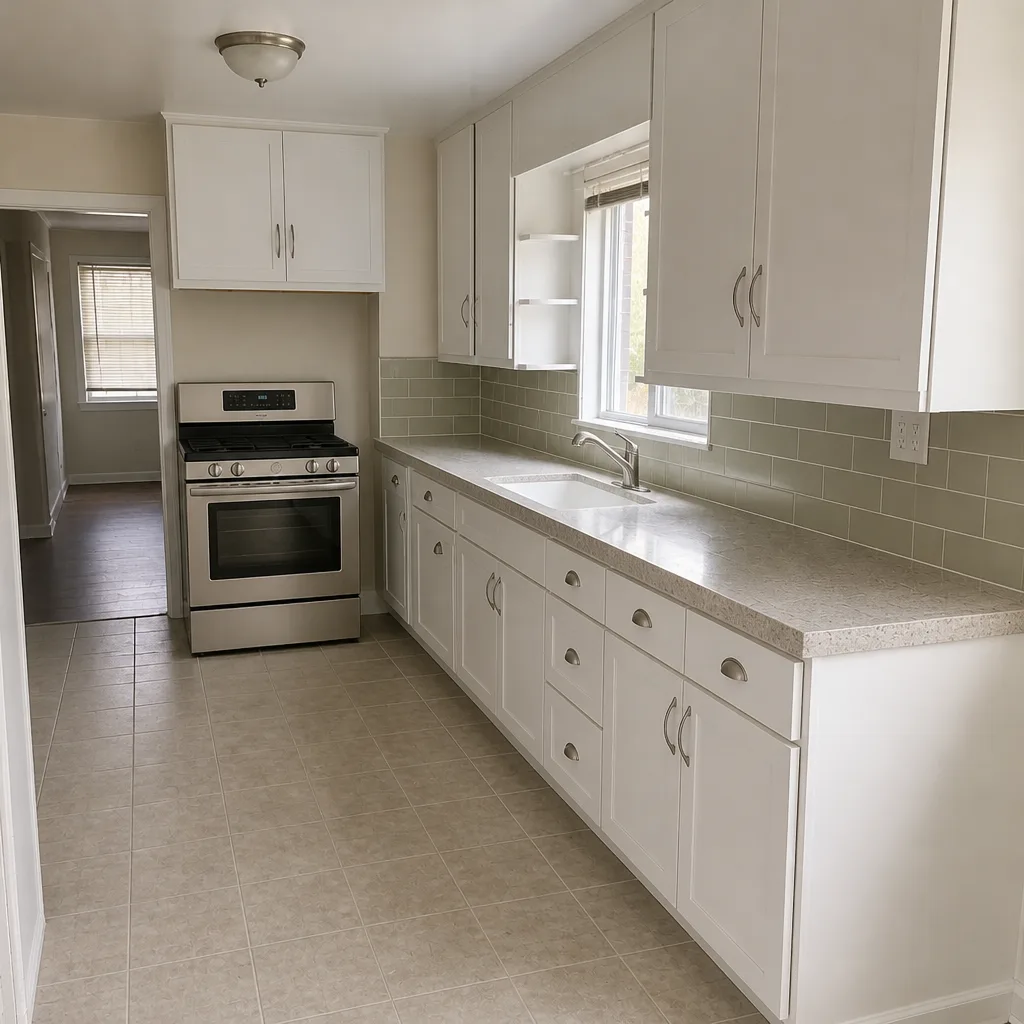 After
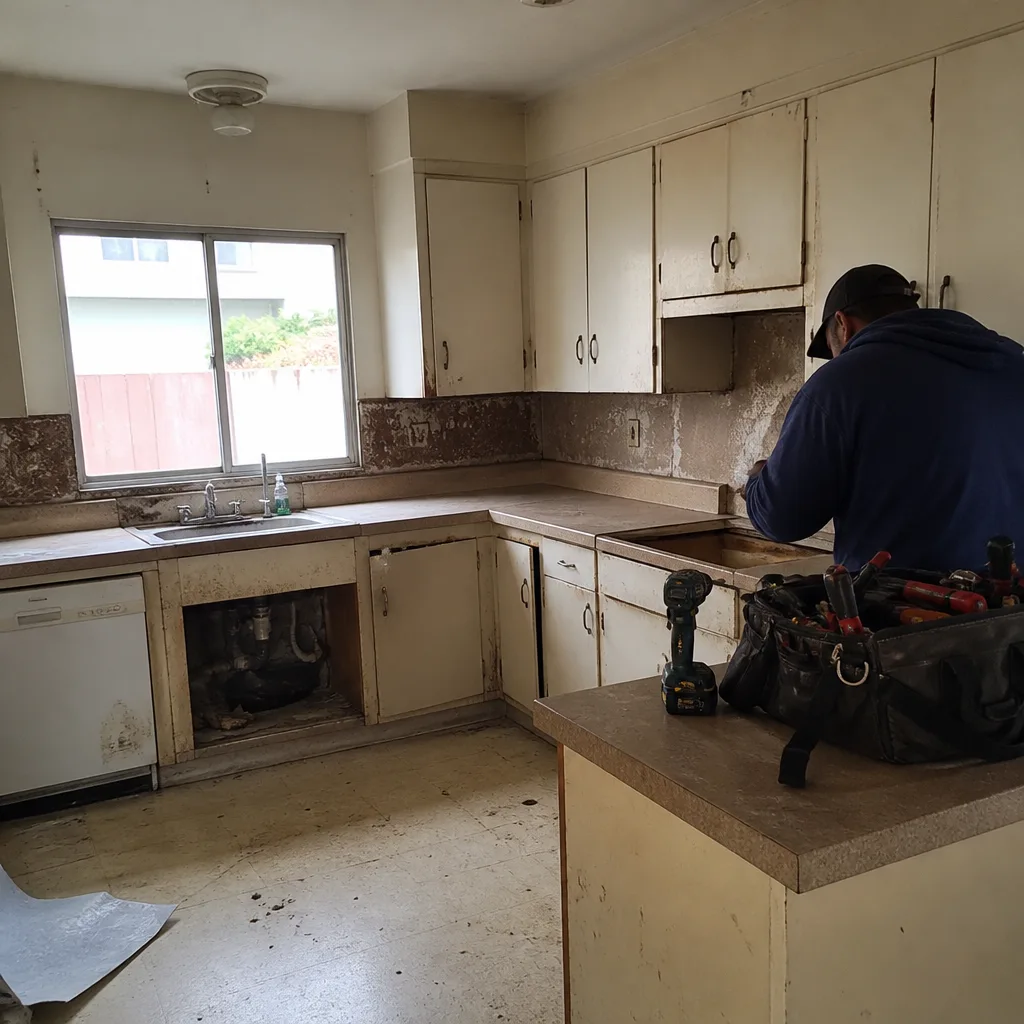 Before
 After
Replacement Cost & What’s Included
On an enclosure repair within a new addition or ADU, the work usually breaks down into the same buckets: remove finished surface, repair or replace the damaged barrier and flashing, rebuild the wall assembly to Owens Corning’s published spec, then refinish. Because the price depends on how far the water traveled, we don’t quote a repair number blind. What we do is give you a written, line-item price before the first tool comes out. Parts and labor are both itemized, and the workmanship carries our 365-Day Done Right Promise: if it fails inside that year, we come back and make it right at no charge, and if a repair fails, the return visit is free, with no service-call fee. Materials come from trade-recognized brands (Owens Corning enclosure products alongside KraftMaid, Cambria, and Silestone finishes for the interior side), so the products behind the promise match the promise.
DIY or Call Us?
An owner can safely do several things on an enclosure problem: look for loose tape seams and photograph the product stamp before anything is covered, check gutters and downspouts for water running back against the wall, and note where dampness or smell shows up and when. That information is genuinely useful, and it helps us price a repair. Where it goes wrong is the assembly itself. A weather barrier is a system – foam, tape, WRB, flashing, and how they lap – and one upside-down or missing piece lets water in behind the finish where you can’t see it. Getting it wrong is the reason a “small” repair turns into a wall tear-out. If you’ve got damp drywall, a recurring smell, or a crack that keeps coming back, call us. We’ll explain exactly what we’d do and give you a written price up front. Call (833) 510-6967; a real person answers 24/7, not a voicemail prompt.
FAQs
Installed correctly, the foam board and weather barrier system is designed to last the life of the building, and there’s no fixed replacement clock. The reality on the Long Beach coast is that the failing parts are almost always the flashing and tape, which see the marine layer’s constant wet-dry cycling. Well-installed seams can hold for decades; one bad lap at a low corner can leak within a single rainy season. Call (833) 510-6967 if you’re seeing water where it shouldn’t be – estimates are free.
Often yes, if the damage is caught early and limited to a section of barrier or flashing. We open the finish, assess how far water reached, repair the assembly to the manufacturer’s spec, and refinish. When the framing or sheathing behind the foam has been soaked through, a partial rebuild is the honest call; patching over it just restarts the clock. Call (833) 510-6967 for a written assessment before deciding.
A localized barrier and flashing repair is typically a few days, including the finish work and drying time. A repair that needs framing or sheathing replacement, or that touches most of a wall, runs longer; on a full addition or ADU build, the enclosure phase is a distinct stretch of the schedule. We give you a defined arrival window and a written scope so you know what’s coming. Call (833) 510-6967 to schedule a free estimate.
We source Owens Corning enclosure products through recognized trade suppliers and build to their published installation specs, then pull the permits and pass the inspections the work requires. We’re an independent contractor, not affiliated with Owens Corning, so we install their products as one recognized line among others rather than because of any parts inventory. Call (833) 510-6967 and we’ll tell you exactly which components your plan calls for.
Every Penhallow Remodeling Long Beach project starts with a written price, a defined arrival window, and a written guarantee. Our technicians have up to 22 years of experience, arrive background-checked and in uniform, and leave the site cleaner than we found it. If you’ve spotted the warning signs, call (833) 510-6967 for a free estimate and we’ll walk the wall with you, explain what’s happening, and put the number in writing before anything starts.
Written by the team at Penhallow Remodeling Long Beach, serving Long Beach and nearby areas.