

Free written scope consultation - allowances, timeline, and change-order rules on paper before a single trade is scheduled
Atlas Driveway & Pavers: The Long Beach Owner’s Guide
If your Atlas driveway or paver system has shifted, cracked, or started holding water, you’re likely looking at either a failed base layer or worn joint sand, and in Long Beach the fix typically runs $7,000 – $18,000 installed for a paver driveway and $3,500 – $11,000 for a paver patio, depending on square footage, base depth, and how much of the existing surface can be reused. We’re an independent contractor and not affiliated with Atlas, but our technicians have up to 22 years of experience working with Atlas-format pavers and the systems they sit on.
Most owners discover the problem the same way: a paver in the driveway apron at the curb line starts rocking when the tires roll over it, or a low spot in front of the garage holds a puddle for two days after a rain and the joint sand washes out. In Long Beach, that pattern usually traces back to our clay-heavy soil and the seasonal wet-dry cycle, not to the paver itself. The block is almost always fine. The base underneath it is what fails.
Key Takeaways
- Atlas paving failures in Long Beach are usually base or joint problems, not broken pavers.
- Installed paver driveway replacement: $7,000 – $18,000. Paver patio: $3,500 – $11,000.
- Concrete or asphalt alternatives: $4,500 – $12,000 concrete, $3,500 – $9,000 asphalt, $5,000 – $14,000 full driveway replacement.
- Every job comes with a written price before work starts and our 365-Day Done Right Promise.
Which Atlas Models This Applies To
Atlas systems aren’t uniform, and the format matters more than most homeowners expect. Atlas pavers come in interlocking and non-interlocking profiles, and the nominal dimensions vary by series. A 60mm paver is common for driveways; a 40mm or 50mm profile is often designed for patios and walkways where vehicle load isn’t a factor. If you’ve had a paver replaced and it sits proud of its neighbors or sinks below them, a mismatched thickness is one of the first things to check.
To identify what you actually have, look at three things:
- The paver edge and surface texture – stamped or molded profile, chamfer style, and color line.
- A physical measurement – length, width, and thickness to the millimeter. Write the numbers down; don’t eyeball it.
- The joint spacing in the existing field – this tells you what size joint sand and chamfer profile the system was laid with.
If the original spec is gone, measuring a single intact paver from your field is the most reliable path. We don’t claim to stock Atlas parts or carry them on a truck, but we can source compatible replacements through trade channels when the original profile is still in production.
On the OEM-versus-aftermarket question: for pavers, matching the profile and thickness matters more than matching the manufacturing brand. A quality compatible block at the same nominal dimensions will seat correctly. A cheaper block at a slightly different thickness will not, and you’ll feel every one of them under your tires. Original Atlas replacements make sense when you want a seamless field with no visible patching. Compatible profiles make sense when the original line has been discontinued. Either way, the base under the paver is what determines whether it holds. We source from recognized trade brands including Belgard and Unilock, alongside Atlas-compatible profiles.
Styles & brands we work with
- Kitchen remodeling
- Bathroom remodeling
- Home additions & ADU
- Roofing
- Windows & doors
- Driveway & pavers
- Fence
Signs Your Atlas Driveway & Pavers Is Failing
- Rocking pavers. A single paver moves when walked or driven on. The bedding layer beneath it has lost contact, usually from water working its way into a failed joint.
- Persistent ponding. Water sits in a low spot for more than a day after rain. The base has settled or the original slope was too shallow for Long Beach’s heavier winter storms.
- Joint sand washing out. The joints between pavers open up and sand disappears. Without joint sand locking the field, individual pavers begin to shift and the whole surface loosens.
- Edge and curb-line movement. Pavers at the driveway apron or along the street edge spread outward. The edge restraint has pulled loose or the base at the perimeter was never deep enough.
- Hairline cracks or chipped corners. Surface cracks appear on more than one paver. That points to a base that flexed under load, not to a defective block.
See the difference
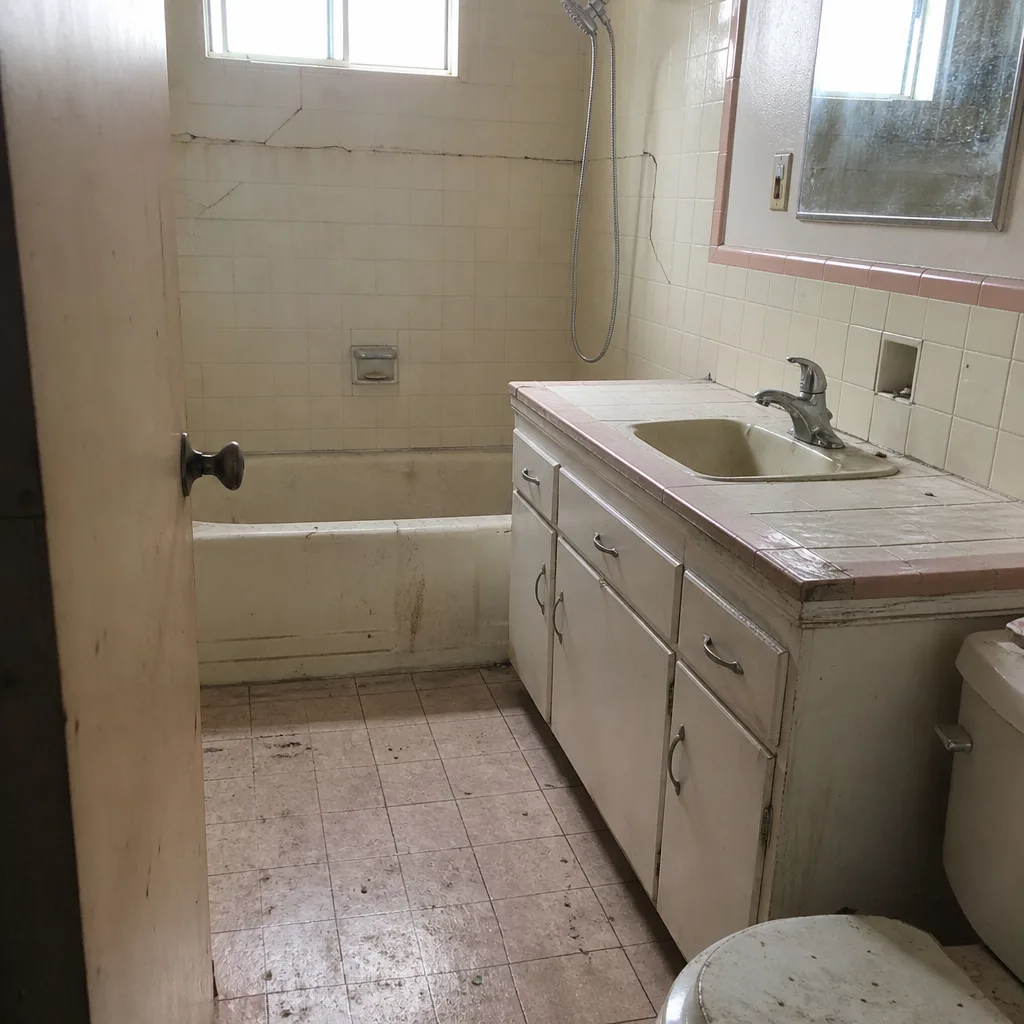 Before
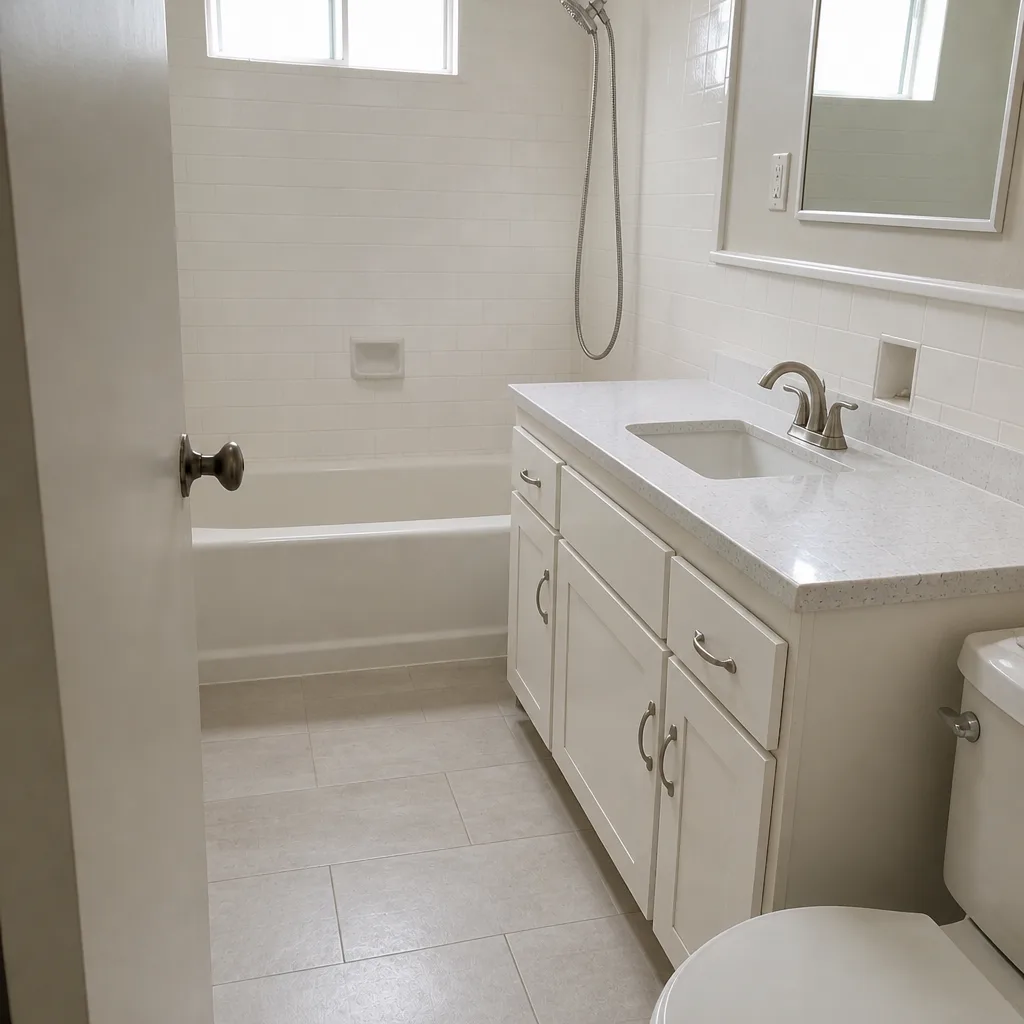 After
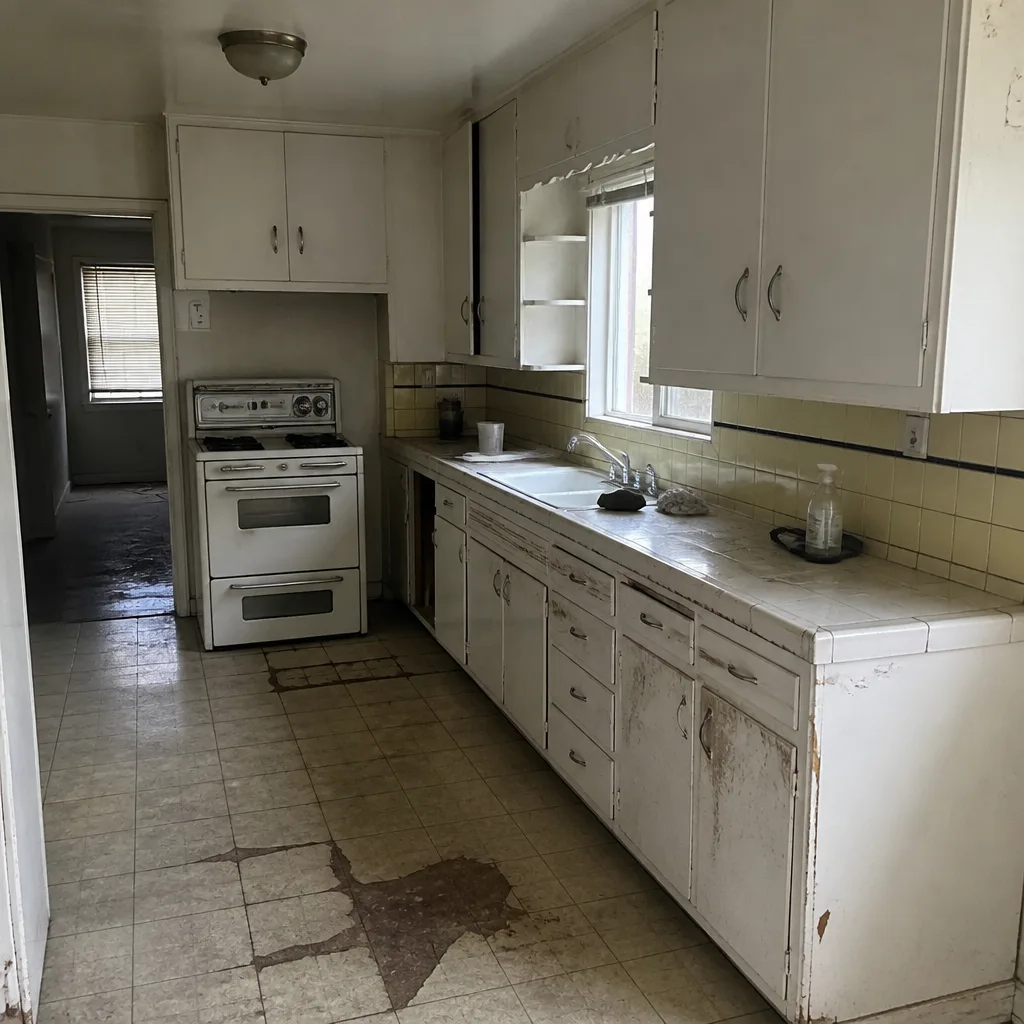 Before
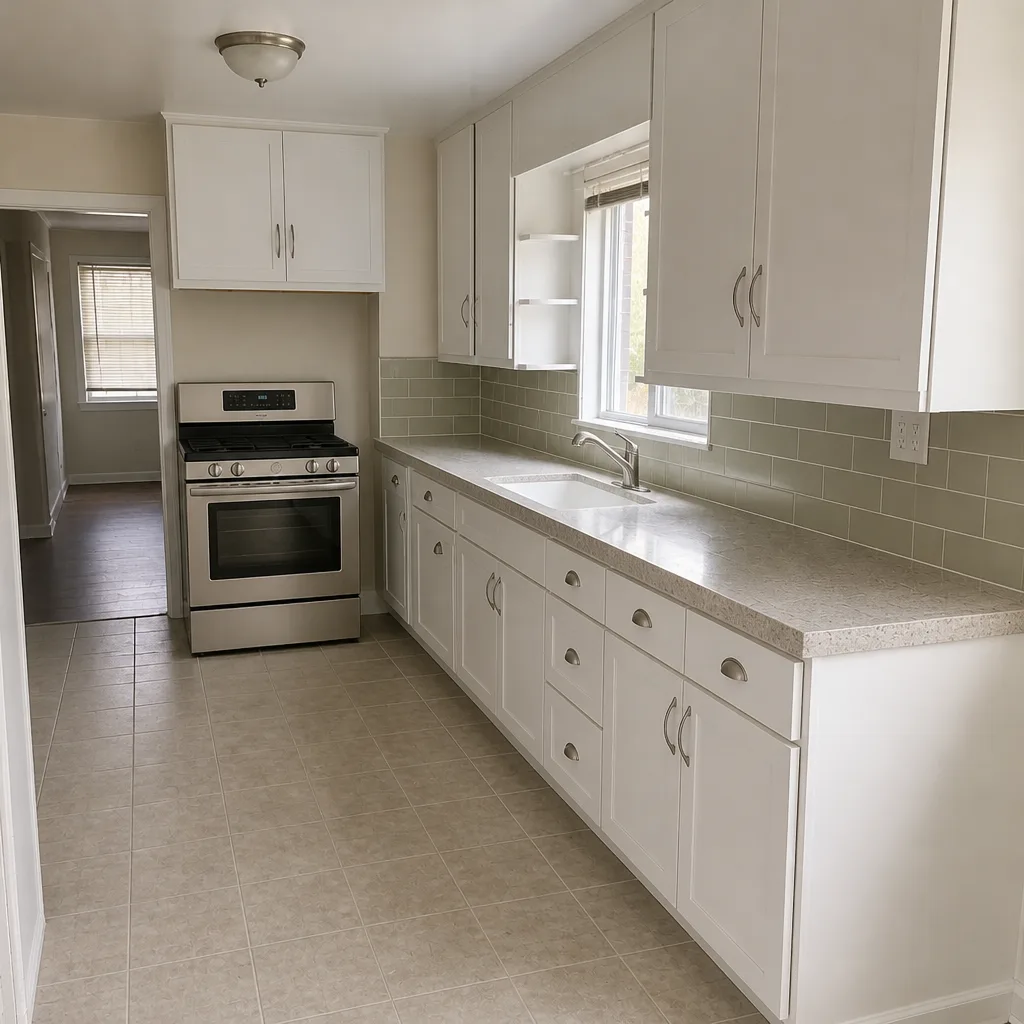 After
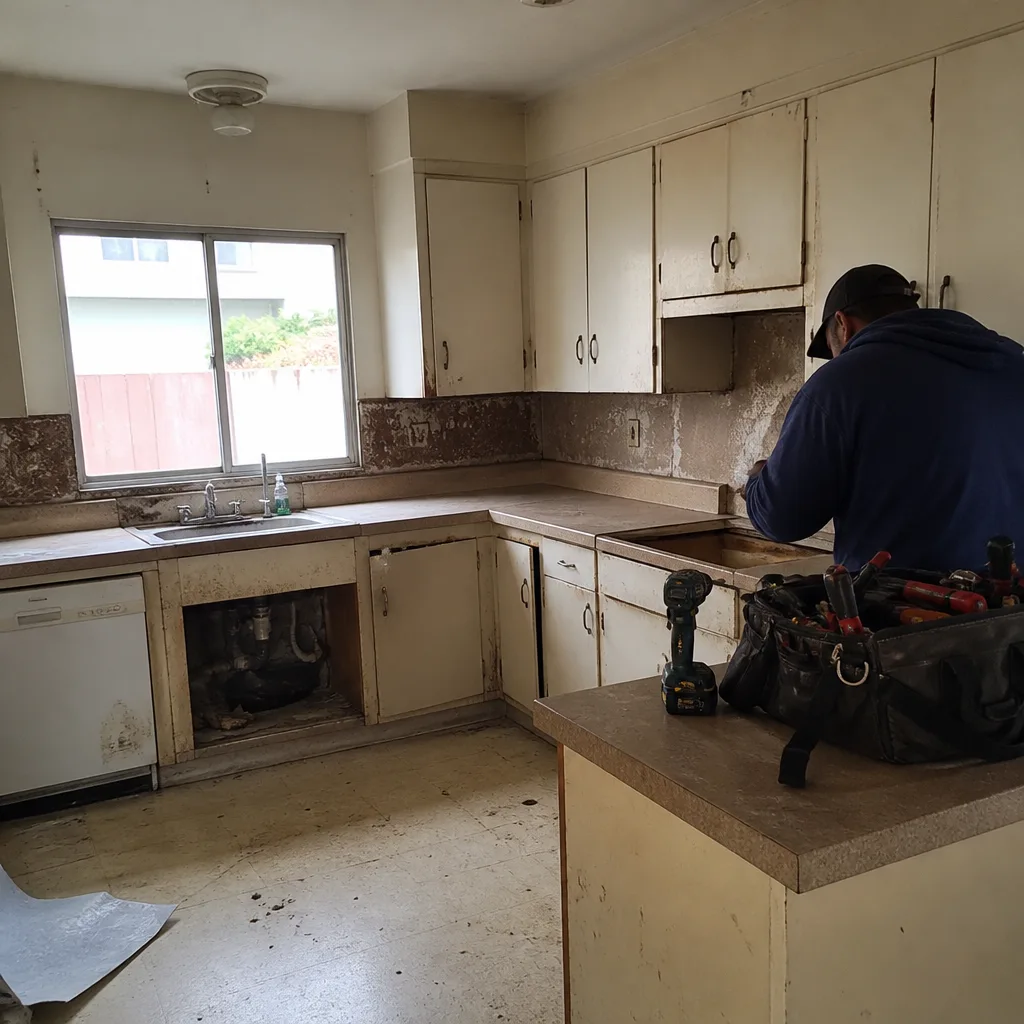 Before
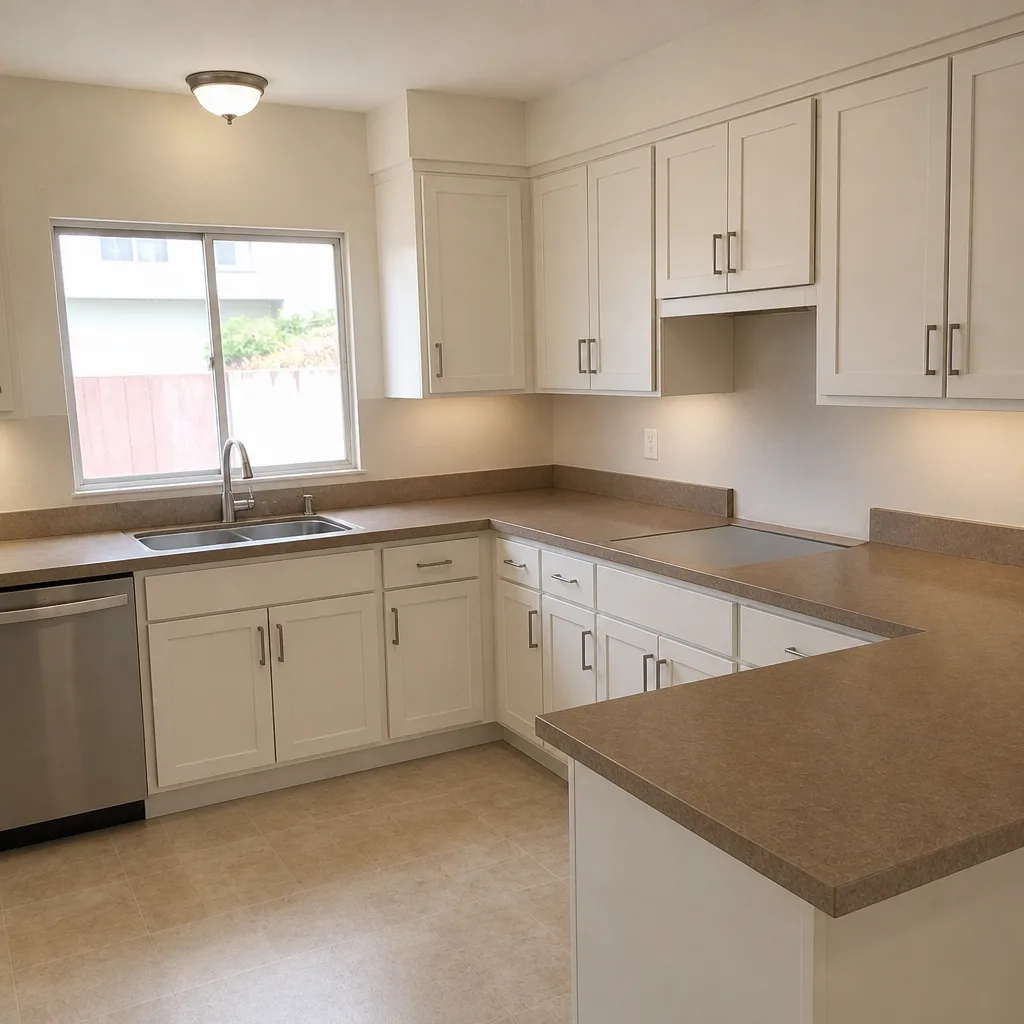 After
Replacement Cost & What’s Included
In Long Beach, a paver driveway replacement runs $7,000 – $18,000 installed, and a paver patio runs $3,500 – $11,000. If you’re comparing alternatives, a full driveway replacement runs $5,000 – $14,000, concrete driveway installation runs $4,500 – $12,000, and asphalt paving runs $3,500 – $9,000. Sealing an existing paver surface runs $250 – $700 and is not a fix for a failed base.
What moves the number up: deeper excavation, hauling off existing material, edge restraint work, drainage corrections, and the paver profile you choose. What keeps it down: reusing intact pavers, a smaller square footage, and a base that only needs partial repair.
We quote labor and materials as separate line items so you can see exactly what you’re paying for. You receive a written price before any work starts. The 365-Day Done Right Promise backs the work in writing: if something fails inside the guarantee period, we come back and fix it at no charge, and the return visit doesn’t carry a service call fee.
DIY or Call Us?
An owner can safely handle a few things: re-sanding open joints, sweeping in new joint sand, and pulling up a single loose paver to look at the base underneath. Those checks are useful and they cost very little.
Where DIY goes wrong on pavers is the base. A paver driveway needs a properly compacted, graded aggregate base at the right depth for the load, and a bedding layer that’s leveled, not just filled in. Getting that wrong looks fine on day one and hollow underneath by spring. The pavers shift, the joints open, and the repair costs more than the original job would have. This isn’t a scare tactic. It’s the most common reason we’re called back out to redo a surface that was laid over an uncompacted base.
If a paver is rocking, a joint has opened, or water is pooling, call (833) 510-6967. We’ll look at it and give you a written number before we touch a shovel.
FAQs
A properly installed Atlas paver driveway should hold up 25 to 30 years or more in Long Beach’s climate. The pavers themselves often outlast the installation, and most failures we see are base and joint problems, not worn block. If the base was under-compacted or the drainage was wrong, you’ll see failures in five to ten years. Call (833) 510-6967 and we’ll tell you which problem you’re looking at.
Yes, often it can. If the failure is limited to a small area or a single joint line, we can lift the affected pavers, fix the base beneath them, and re-set them with new joint sand. A full replacement only makes sense when the base has failed across the whole field or the drainage was never right. Call (833) 510-6967 for an honest read on which one you need.
A typical paver driveway in Long Beach takes two to four working days, and a patio usually takes two to three. Excavation and base prep are the slow parts, and finish work moves fast once the field is laid. Weather can add a day. We give you a written schedule with the price before work starts.
We match your existing paver by measuring its dimensions and profile, then sourcing an equivalent through trade channels. If the original Atlas profile is still in production, we use it. If it isn’t, we match the closest compatible profile at the same thickness so it seats flush with the existing field. We don’t stock parts or carry them on a truck, so matching happens before the job, not during it.
If your Atlas driveway or pavers have started shifting, holding water, or losing joint sand, call (833) 510-6967 for a free estimate. You’ll get a written price before any work begins, a real arrival window, background-checked technicians in uniform, and our 365-Day Done Right Promise on the work.
Written by the team at Penhallow Remodeling Long Beach, serving Long Beach and nearby areas.