Free written scope consultation - allowances, timeline, and change-order rules on paper before a single trade is scheduled
ES Windows Driveway & Pavers: The Long Beach Owner’s Guide
If your ES Windows driveway or paver system has failed, you’re looking at a real repair number: paver driveway installation in Long Beach runs $7,000 – $18,000, and the smaller element – a settled section, a heaved border, a drainage line that stopped draining – usually comes in well below that. We install and repair ES Windows-compatible driveway and paver work as an independent contractor, and we’re not affiliated with ES Windows.
Owners usually find the problem the same way. A paver lifts after a winter rain and the base underneath is mush. An edge course walks out toward the curb. A low spot in the drive holds water three days after a storm and starts growing algae in the shade. Or the driveway that looked fine at purchase now tells you, every time you pull in, that the base was never built to Long Beach’s water table.
Which ES Windows Models This Applies To
ES Windows driveway and paver systems show up across their residential exterior lines, and the parts aren’t interchangeable across all of them. The first thing we do on any service call is identify the actual system – not the color, not the pattern, but the underlying construction. Most Long Beach owners have one of three setups: interlocking concrete pavers over a compacted aggregate base, permeable pavers on an open-graded base for rainwater, or a poured concrete apron with a paver border. Each one takes different parts and a different repair approach.
To identify what you have, lift one paver from a corner where there’s no traffic. Look at the edge profile – chamfered, square, or tumbled – and the thickness. Residential pavers are commonly 60mm or 80mm thick, and the difference matters: an 80mm paver is what you want on a driveway, not a 60mm that was meant for a patio. Write down the nominal size (common sizes are 4×8, 6×6, 6×9, and 12×12 inches), the color, and whether the surface has a spacer bar on the sides. That’s what makes an OEM or aftermarket match possible without tearing out the whole drive.
On the OEM-vs-aftermarket decision: for ES Windows systems where the paver profile is still in production, we go OEM when the dye lot and edge profile matter – which is most visible driveways. For sub-base materials, joint sand, polymeric jointing, and edge restraints, quality aftermarket equivalents from recognized manufacturers (Belgard and Unilock make products in this class) perform at least as well and often cost less. You don’t need OEM sand. You do need the right aggregate gradation.
Styles & brands we work with
- Kitchen remodeling
- Bathroom remodeling
- Home additions & ADU
- Roofing
- Windows & doors
- Driveway & pavers
- Fence
Signs Your ES Windows Driveway & Pavers Is Failing
- Paver movement or rocking when you walk on it. The bedding layer underneath has lost its fines, usually from water intrusion or a failed edge restraint. Once a paver rocks, the bedding under it is already gone.
- Heaving, especially at the apron or along the curb. Long Beach’s usually-mild winters still deliver enough rain to saturate a base that wasn’t drained. Expansive clay soils in areas like Bixby Knolls make it worse – the soil swells, pushes up, then shrinks and leaves a void.
- Standing water 48 hours after a storm. The drive has lost its designed slope toward the street or a drainage line. This is the fastest path to base failure and a much bigger repair.
- Joint sand washing out repeatedly. Fine sand eroding from joints is a sign the joint sand wasn’t polymeric or wasn’t installed correctly. Every re-sand cycle is a symptom, not a fix.
- Cracks in the concrete apron or along a paver border. The transition between poured concrete and pavers takes the worst of the settling. A crack there usually means the two materials have moved differently, and the fix is at the transition, not the surface.
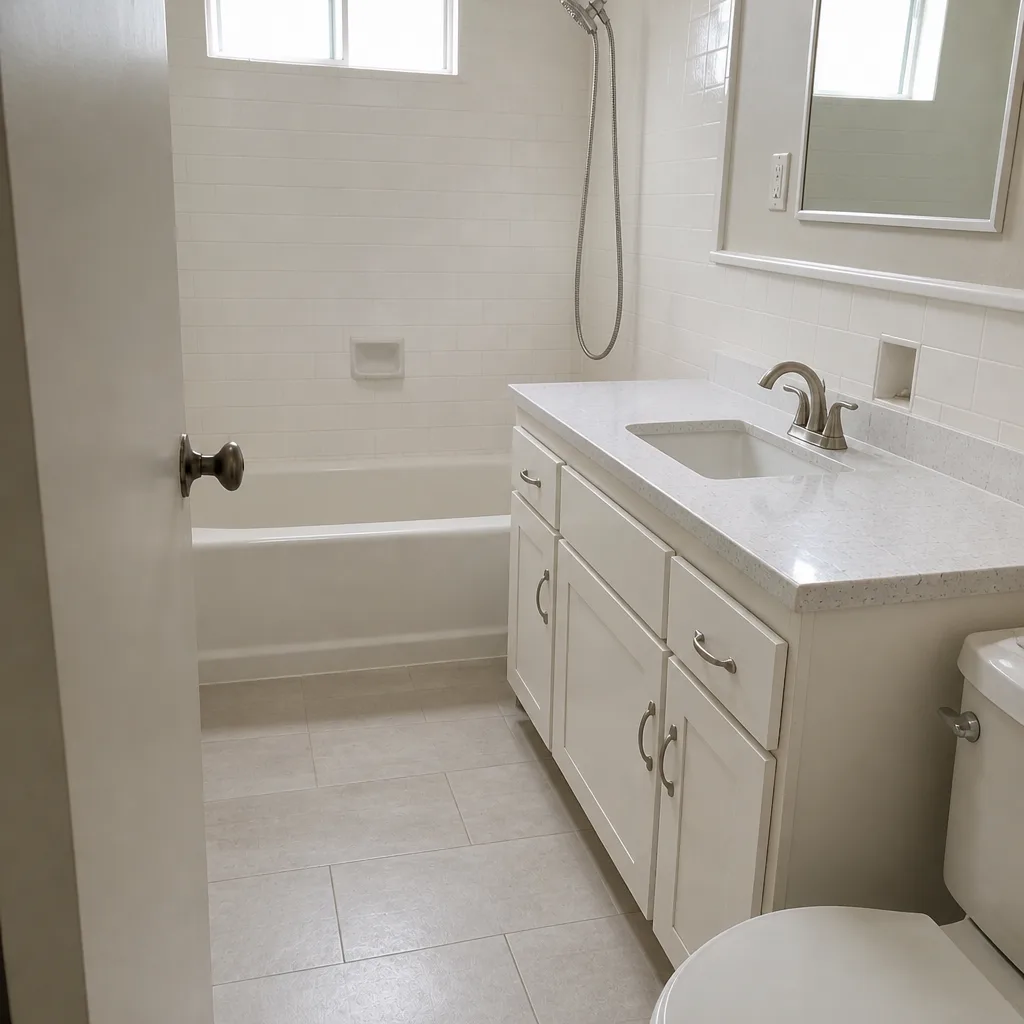
See the difference
 Before
 After
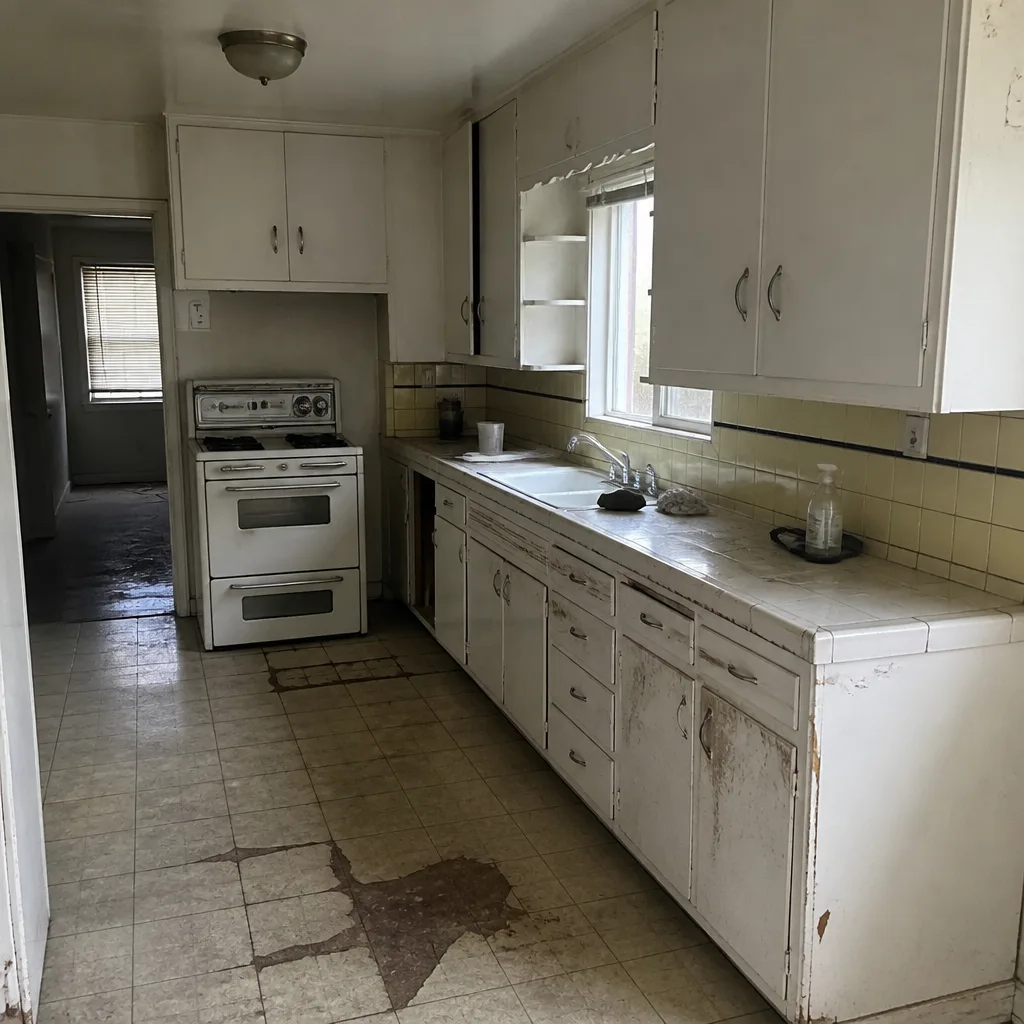 Before
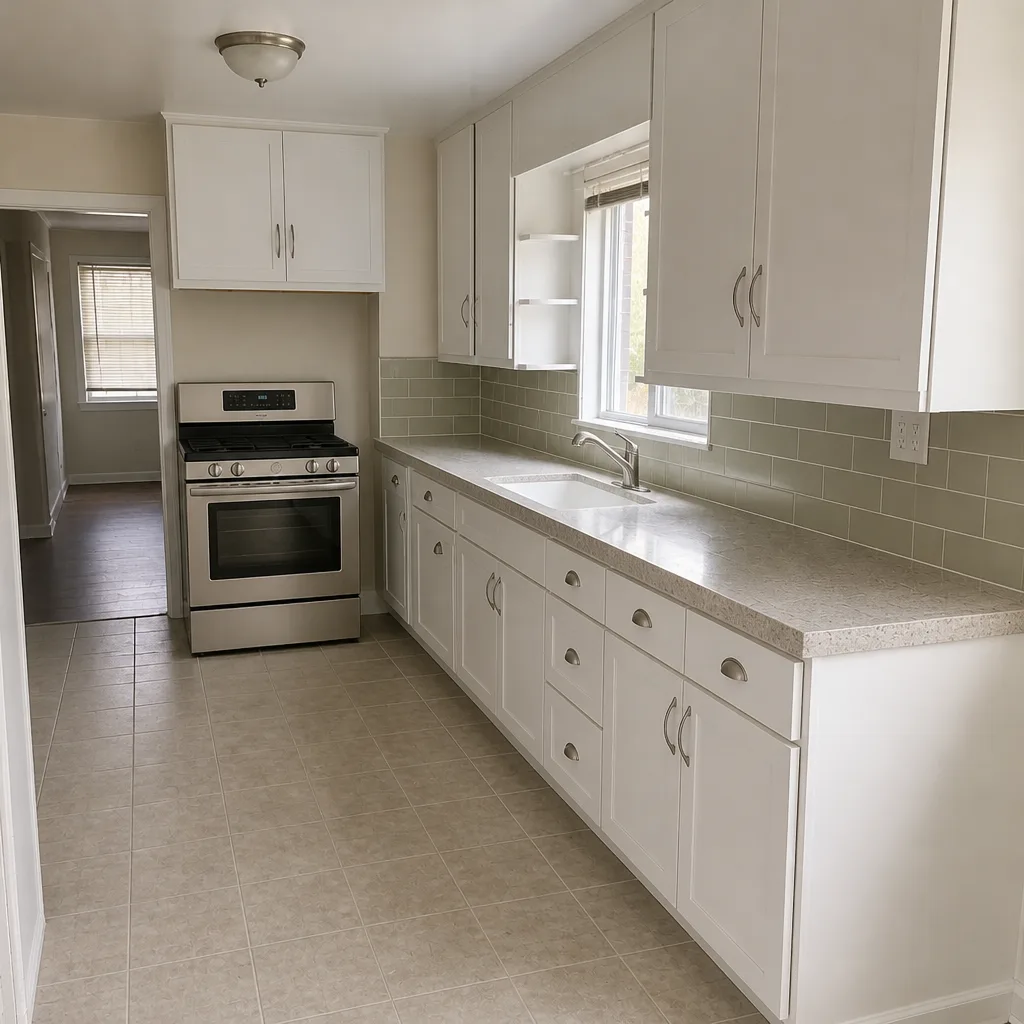 After
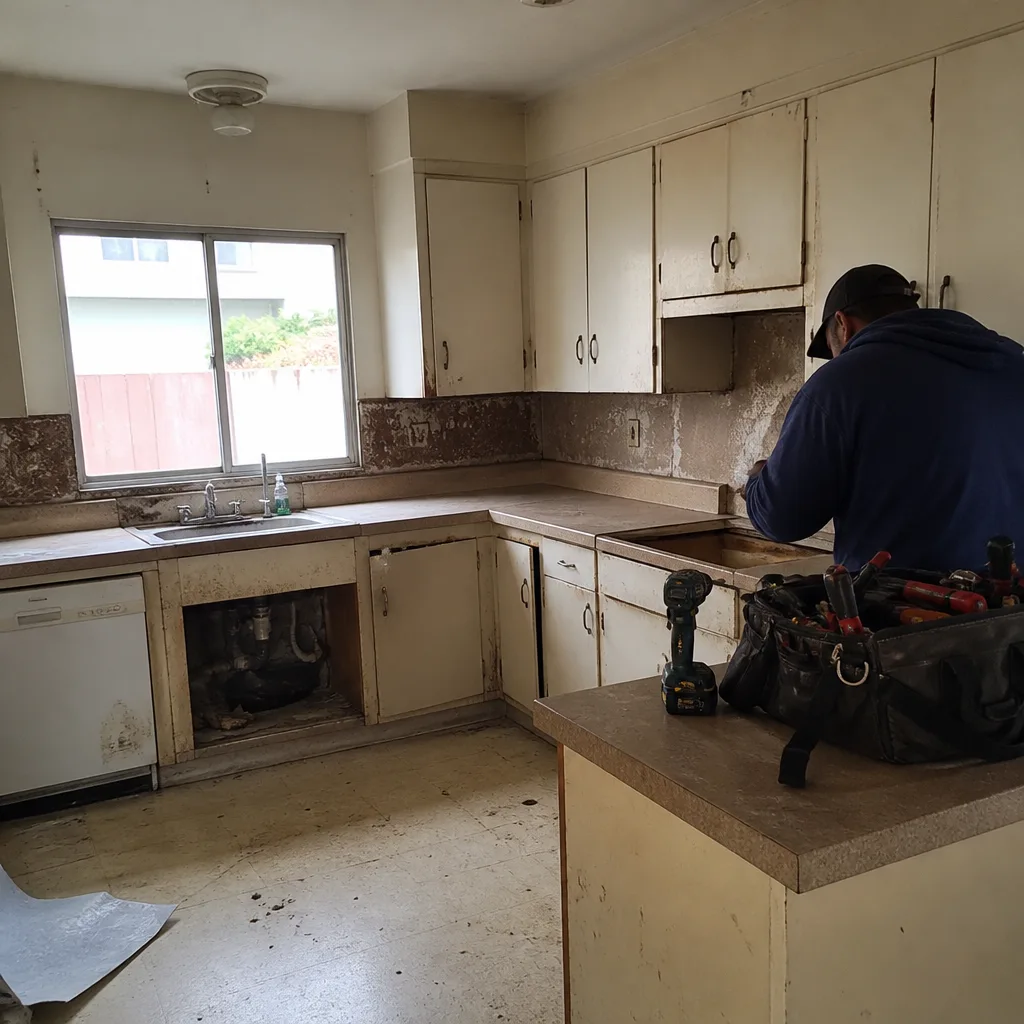 Before
 After
Replacement Cost & What’s Included
Here’s the range you’re likely facing in Long Beach. Paver driveway installation runs $7,000 – $18,000 for a typical two-car drive. Concrete driveway installation is $4,500 – $12,000. Asphalt paving sits at $3,500 – $9,000. A full driveway replacement is $5,000 – $14,000. Driveway sealing alone, if you catch things early, is just $250 – $700.
What drives the number up or down: total square footage, the base depth required after we expose what’s under the existing surface, whether drainage has to be added, and whether the edge restraints and transitions survive the repair. What’s included in our written price: tear-out, haul-away, base preparation, parts, labor, and cleanup. We give you the number in writing before any work starts – the number on day one is the number on the invoice. Every drive we build or repair carries the 365-Day Done Right Promise: if it fails inside that year, we come back and fix it at no charge. That’s backed in writing, and a return visit doesn’t cost you a service call.
DIY or Call Us?
There’s a real line here, and it’s honest to draw it. What you can safely do: re-sand one section of joints with polymeric sand, clear weeds, hose off algae, and photograph the failure so a pro can see it before showing up. What goes wrong with DIY: lifting pavers to “just replace one” almost always damages the bedding bed and the edge restraint. Resetting a paver without re-compacting the base means it rocks again within weeks. And adding base material under a paver without re-leveling the entire run telegraphs the patch to the street.
We’ve also seen homeowners try to fix a drainage slope by adding sand at the low point, which pushes the water somewhere worse. And still, with a Long Beach permit and inspection process for driveways, doing it yourself often means re-doing it to code anyway.
Call us at (833) 510-6967 for a free estimate. We’ll tell you whether your ES Windows drive needs a section repair or a full replacement before you spend anything.
FAQs
A well-installed paver drive with a proper base and restraint should last 25 to 30 years in Long Beach’s mild coastal climate – the failure point is almost always the base and drainage, not the paver itself. In areas with expansive clay soils, expect to inspect the base every 8 to 10 years. Call us at (833) 510-6967 if you want an honest read on the drive you have.
Yes, more often than not. A section repair on an ES Windows-compatible drive usually replaces the affected pavers, the bedding bed underneath, and the edge restraint – and it’s a fraction of a full replacement. If the failure is localized to one 10-by-10 section, repair makes sense. If the whole drive is rocking, the base has failed everywhere, and a full replacement is the right call. Call us for a written number on both options before you decide.
A section repair on a typical Long Beach driveway takes one to two days once the paver is matched. A full paver driveway installation runs three to five days, weather and scope depending. The part that takes the longest is base prep, not the surface – and skipping it is what makes drives fail again. Call us at (833) 510-6967 for a scheduling window on your specific drive.
We identify the system first – size, thickness, edge profile, and whether the surface has a spacer bar – then source from current-production lines when the dye lot and profile are still in production, or from quality aftermarket equivalents from Belgard and Unilock when the original is discontinued. We don’t claim to stock parts or carry them on a truck. We do coordinate with the manufacturer or a distributor on your specific match. Call us at (833) 510-6967 and have one paver from a corner accessible so we can identify the part correctly on the first visit.
Written by the team at Penhallow Remodeling Long Beach, serving Long Beach and nearby areas.