
Free written scope consultation - allowances, timeline, and change-order rules on paper before a single trade is scheduled
Cambridge Pavers Home Additions & ADU: The Long Beach Owner’s Guide
If you own a Long Beach home with Cambridge Pavers hardscape already on the property, and you’re now planning a home addition or an ADU that will meet, tie into, or run alongside that paving, this guide covers what actually matters: how the Cambridge system constrains your addition footprint, what fails at the paver sub-base over time, and what a real project costs in Long Beach. Installed home additions in Long Beach typically run $45,000 – $130,000; detached ADUs run $90,000 – $220,000, and the paver interface is usually the piece that catches homeowners off guard.
Penhallow Remodeling Long Beach is an independent general contractor and is not affiliated with Cambridge Pavers. We work with homeowners across Long Beach who already have Cambridge product on the lot and need the addition planned around it rather than trenched through it.
The symptom picture is consistent. Long Beach owners usually discover a problem when a paver course bordering the planned addition has started to settle, a downspout has scoured the sub-base under a Cambridge field, or the contractor bidding the addition proposes to cut the Cambridge field and re-lay a partial border rather than reset the full pattern. That reset decision is where most Long Beach projects either hold up or start drifting on price.
Key Takeaways
- Cambridge Pavers is a permeable and structural paver system; the sub-base spec matters more than the paver face for an addition tie-in.
- Long Beach additions and ADUs typically run $45,000 – $130,000 and $90,000 – $220,000 respectively, before hardscape reset.
- Written price before work starts, fixed at estimate, is the only number you should sign against.
- Penhallow Remodeling Long Beach carries a 365-Day Done Right Promise in writing on every project.
Which Cambridge Pavers Models This Applies To
Cambridge Pavers makes several paver lines – Cambridge Pavingstones with ArmorTec, the Ledgestone series, the Town Hall series, and the Cambridge Permeable system among them – and each has different nominal thickness, joint width, and base course depth. The addition tie-in problem is not the paver face; it’s the base course. A Cambridge permeable installation is typically built over an open-graded aggregate base sized for infiltration, while a standard ArmorTec installation sits on a compacted dense-graded base. If your Long Beach addition contractor doesn’t know which one is under the existing field, the tie detail will fail within a season or two of first rain.
To identify which you have, pull a paver at a corner (they lift cleanly), measure the base depth and aggregate type, and check the underside of the paver for the Cambridge mark and the series name molded into the bottom. That tells you thickness (Cambridge standard is 2 3/8 in for most lines, 3 1/8 in for Cambridge’s heavier-duty profiles) and lets you match replacement pavers against the correct series rather than a visual near-match.
On the OEM-versus-aftermarket question for Cambridge product specifically: matching pavers from another manufacturer will not marry to a Cambridge field, because the dimensional tolerances and the joint geometry are proprietary. Cambridge replacements come through authorized distributors; there is no meaningful generic equivalent. Where you do have a genuine aftermarket choice is the bedding sand, joint sand, and edge restraint – those don’t need to be Cambridge branded, but the specification does need to match what’s under the rest of your paving.
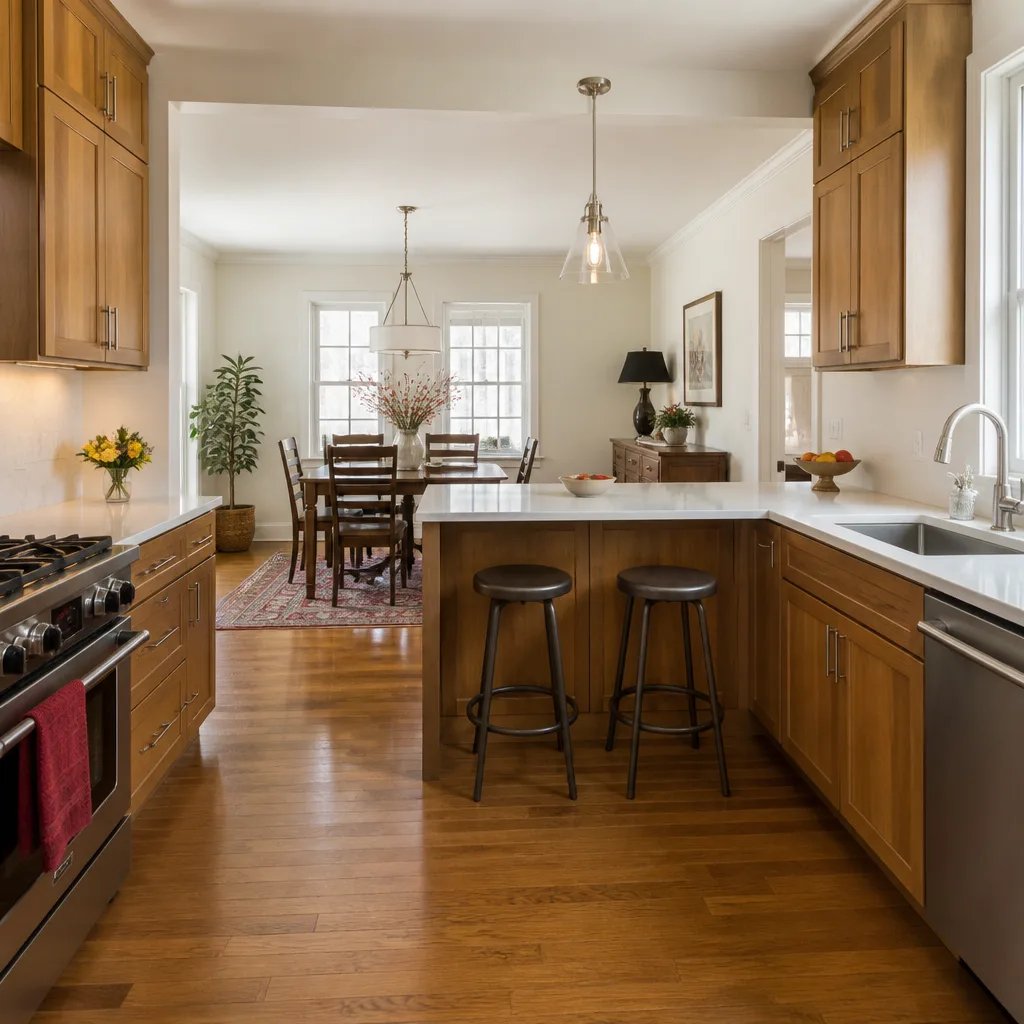
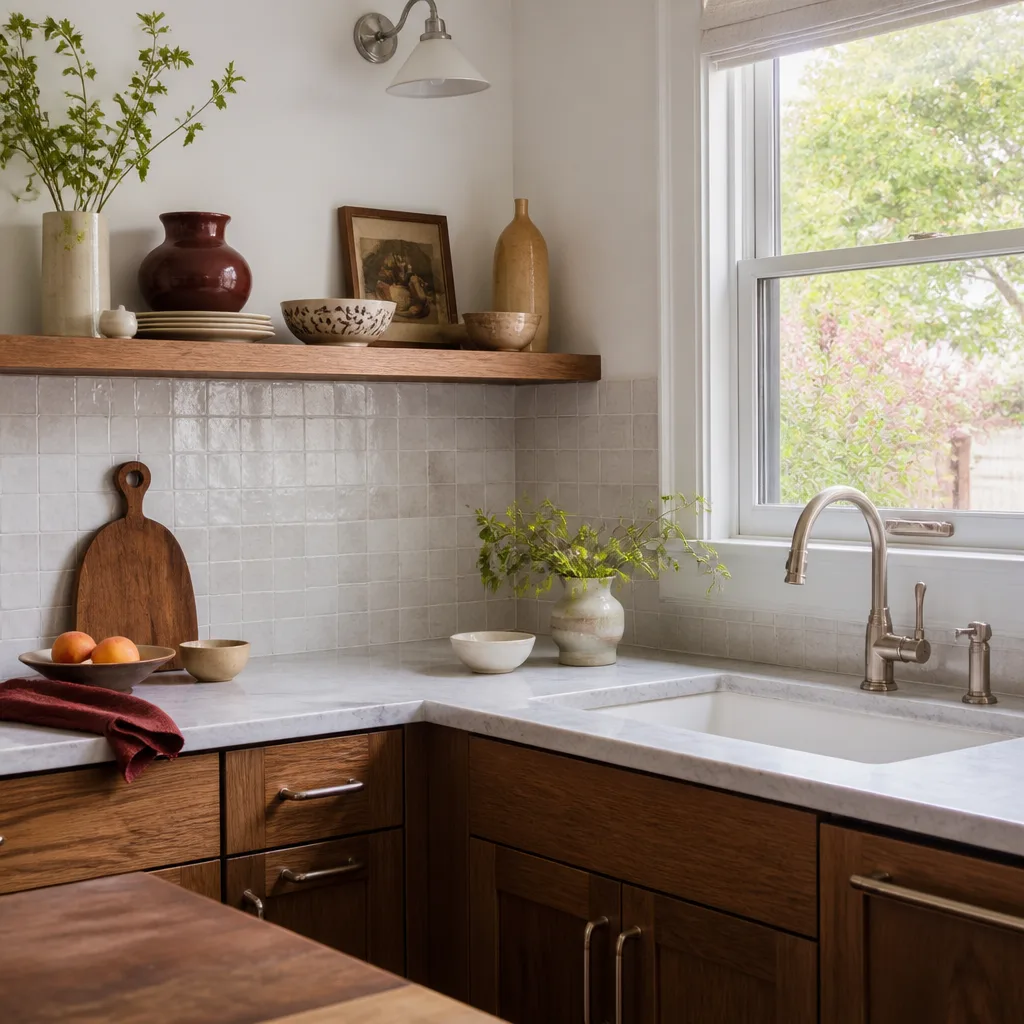
For cabinetry, countertops, and finish materials in the addition itself, we source from recognized trade lines including KraftMaid, Cambria, and Silestone, alongside James Hardie for exterior cladding and Therma-Tru for doors.
Styles & brands we work with
- Kitchen remodeling
- Bathroom remodeling
- Home additions & ADU
- Roofing
- Windows & doors
- Driveway & pavers
- Fence
Signs Your Cambridge Pavers Home Additions & ADU Is Failing
Owners in Long Beach usually call us when one of these five shows up:
- Paver settlement along the addition line. The base course has lost compaction, usually because an addition footing was excavated too close to the edge of the paving without an edge restraint rebuilt on the new line. You’ll see a dip you can feel underfoot before you see a crack.
- Joint sand washing out after winter rain. Cambridge permeable installations can lose joint aggregate seasonally, and a poorly tied addition detail accelerates it. If you’re refilling joints twice a year near the addition, the base is moving.
- Standing water at the new downspout. A ground-floor or first-floor addition moves the roof plane, and the downspout that used to discharge onto the paver field now dumps a concentrated load onto a smaller area. Pooling at the discharge point means the infiltration capacity is exceeded.
- Efflorescence on the Cambridge field adjacent to the new wall. White mineral bloom on the paver face near the addition usually indicates moisture being held in the base because the new wall footing has interrupted drainage. It will keep returning if you only wash it.
- Visible heave or a raised paver course. Most often a tree root or a swollen edge restraint pushing against the new footing line. This one needs investigation before the addition framing goes up, not after.
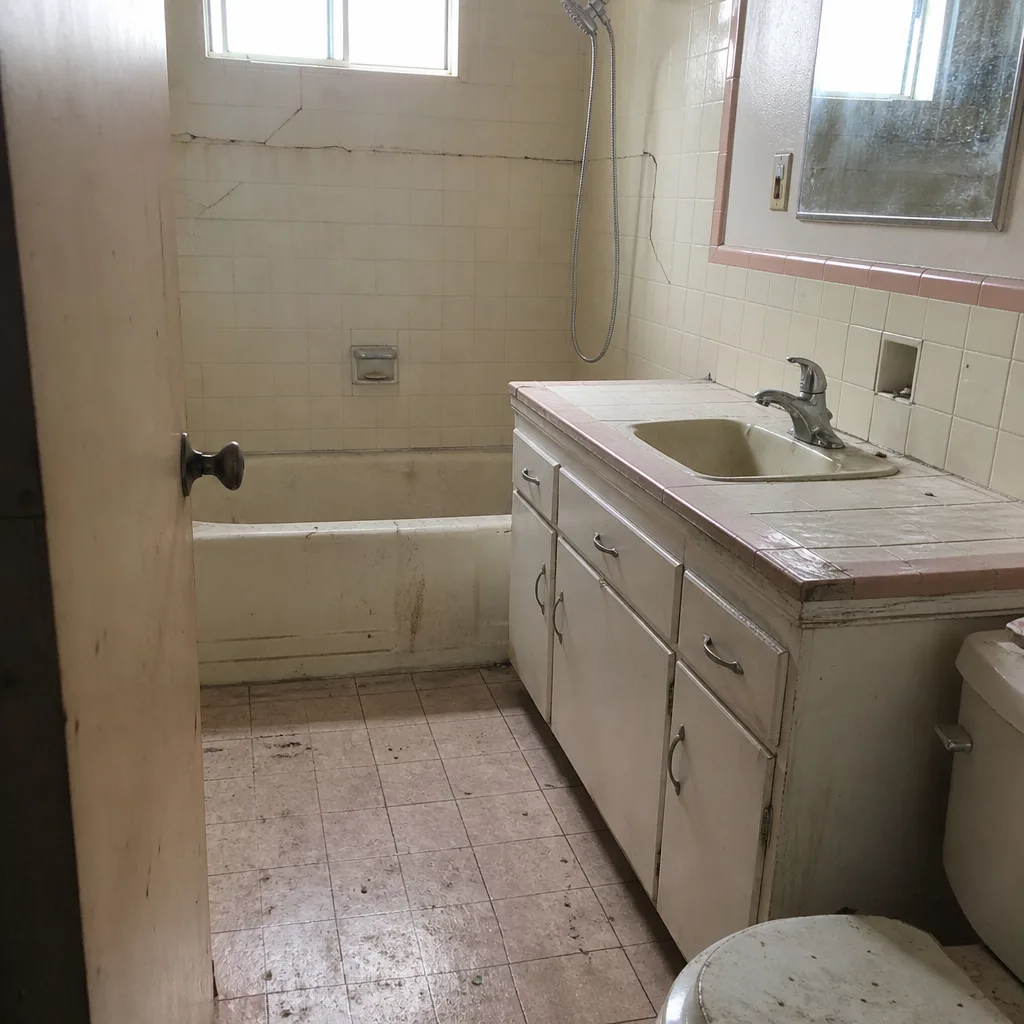
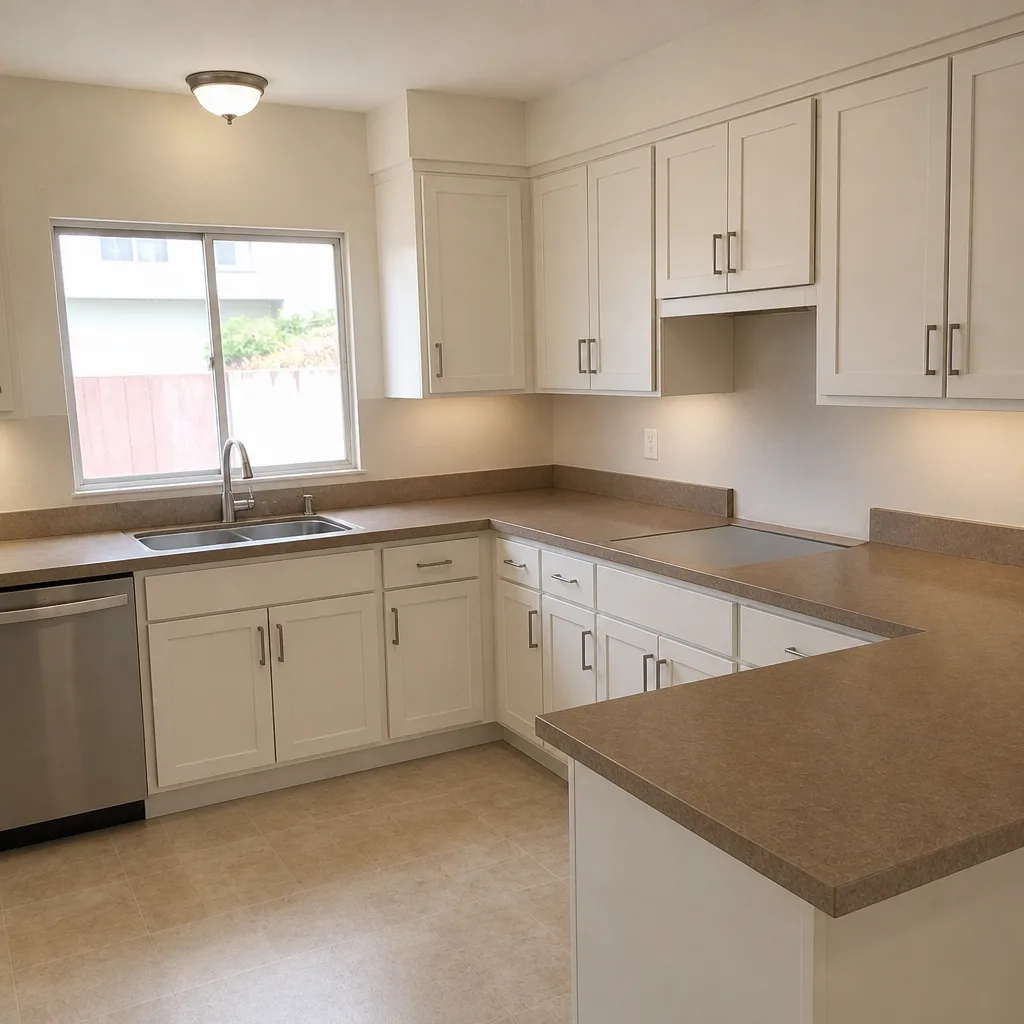
See the difference
 Before
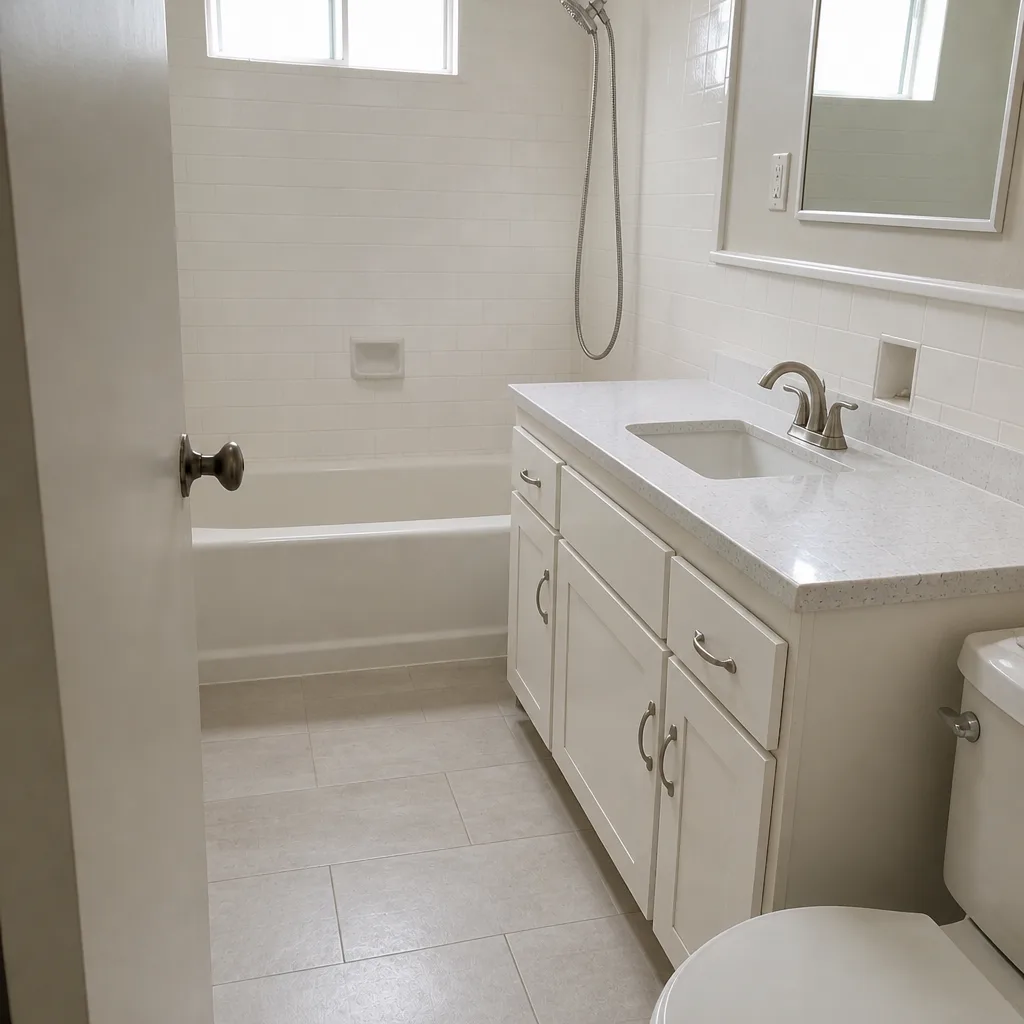 After
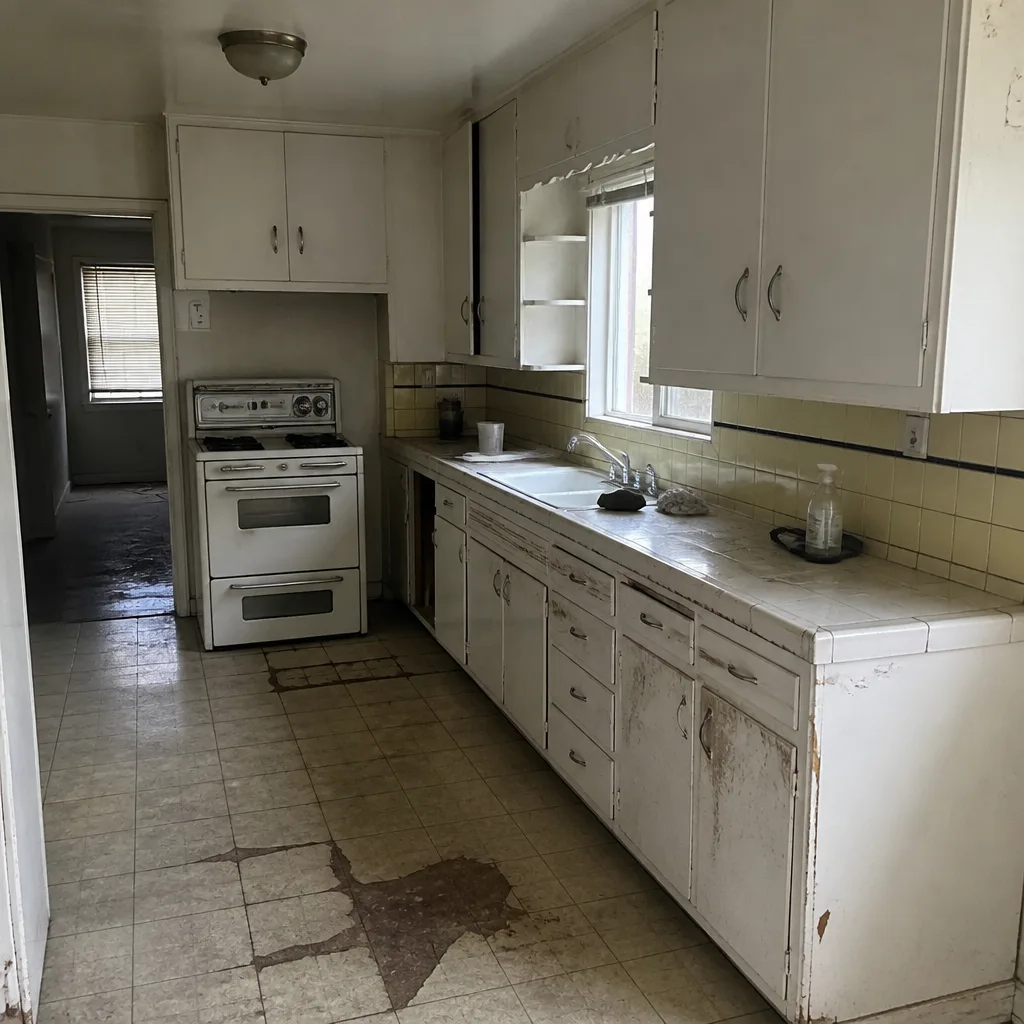 Before
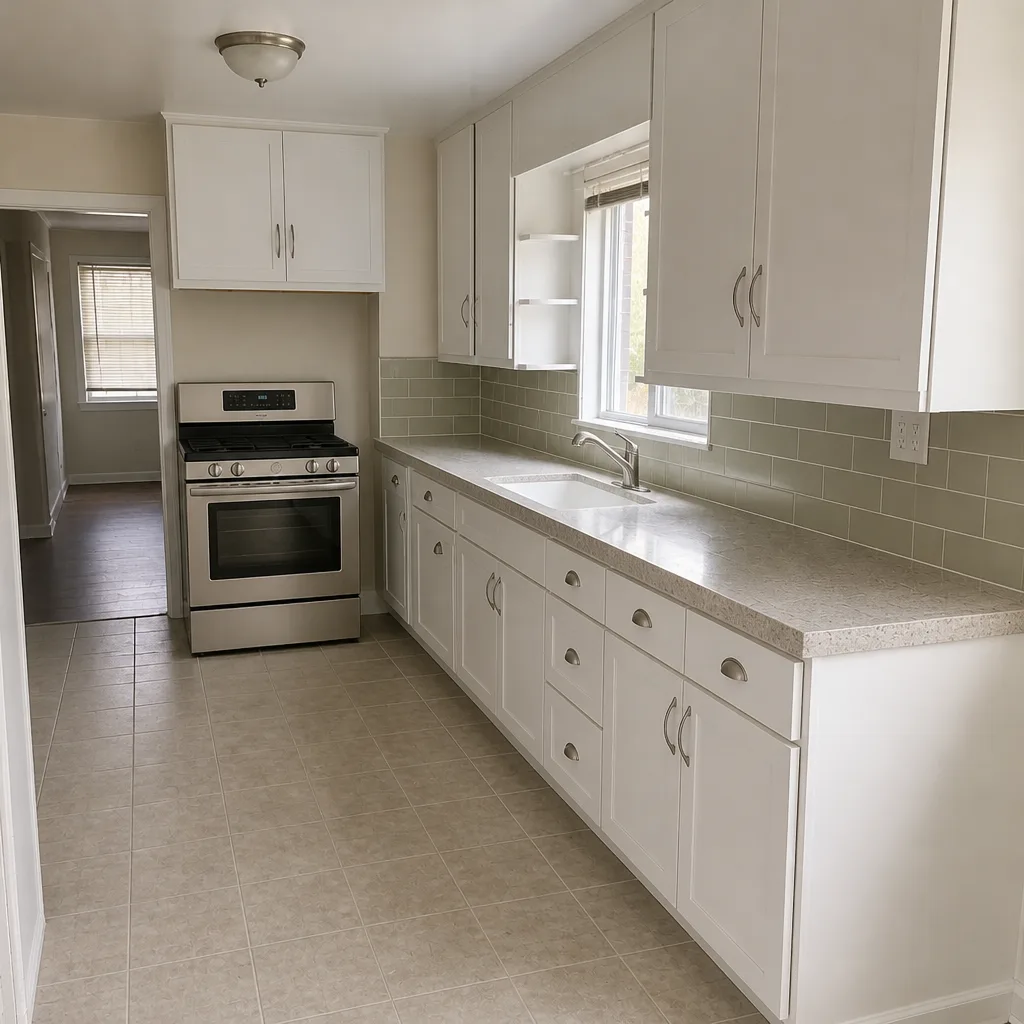 After
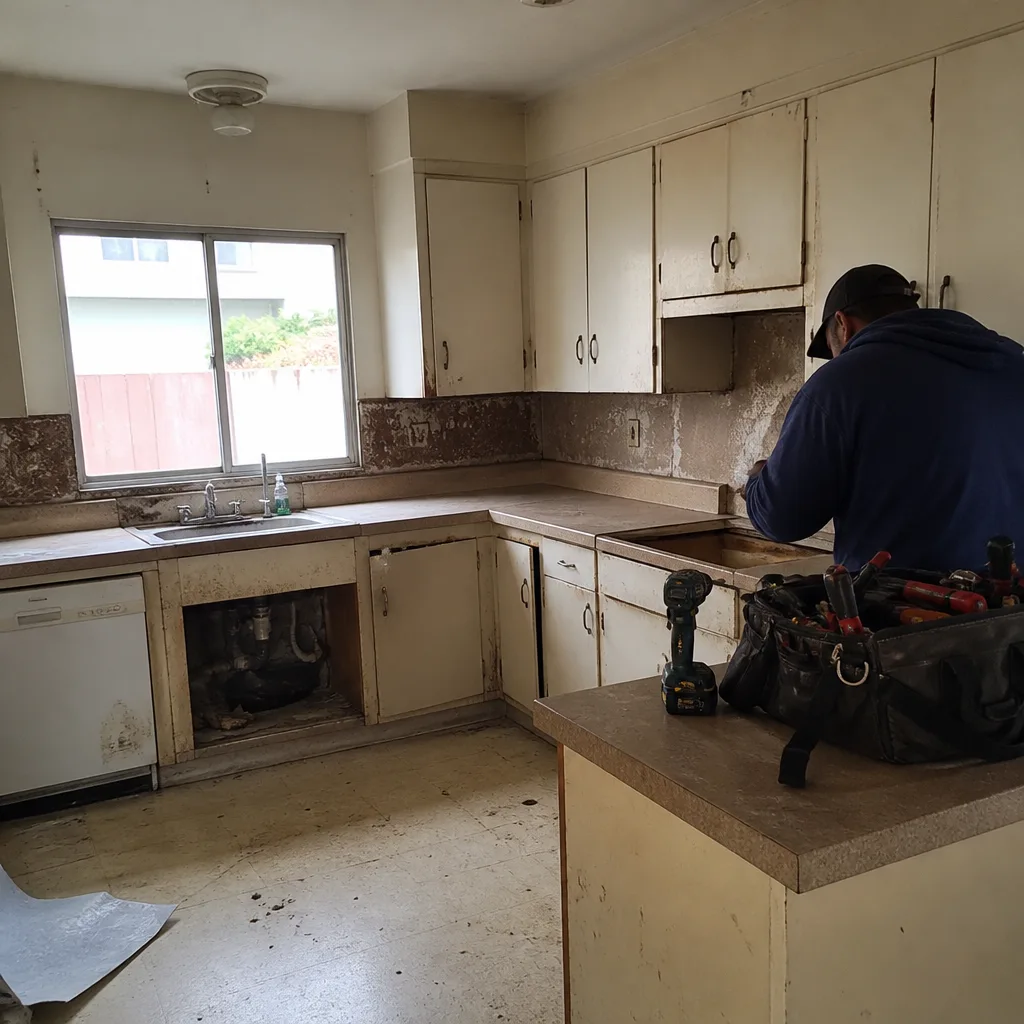 Before
 After
Replacement Cost & What’s Included
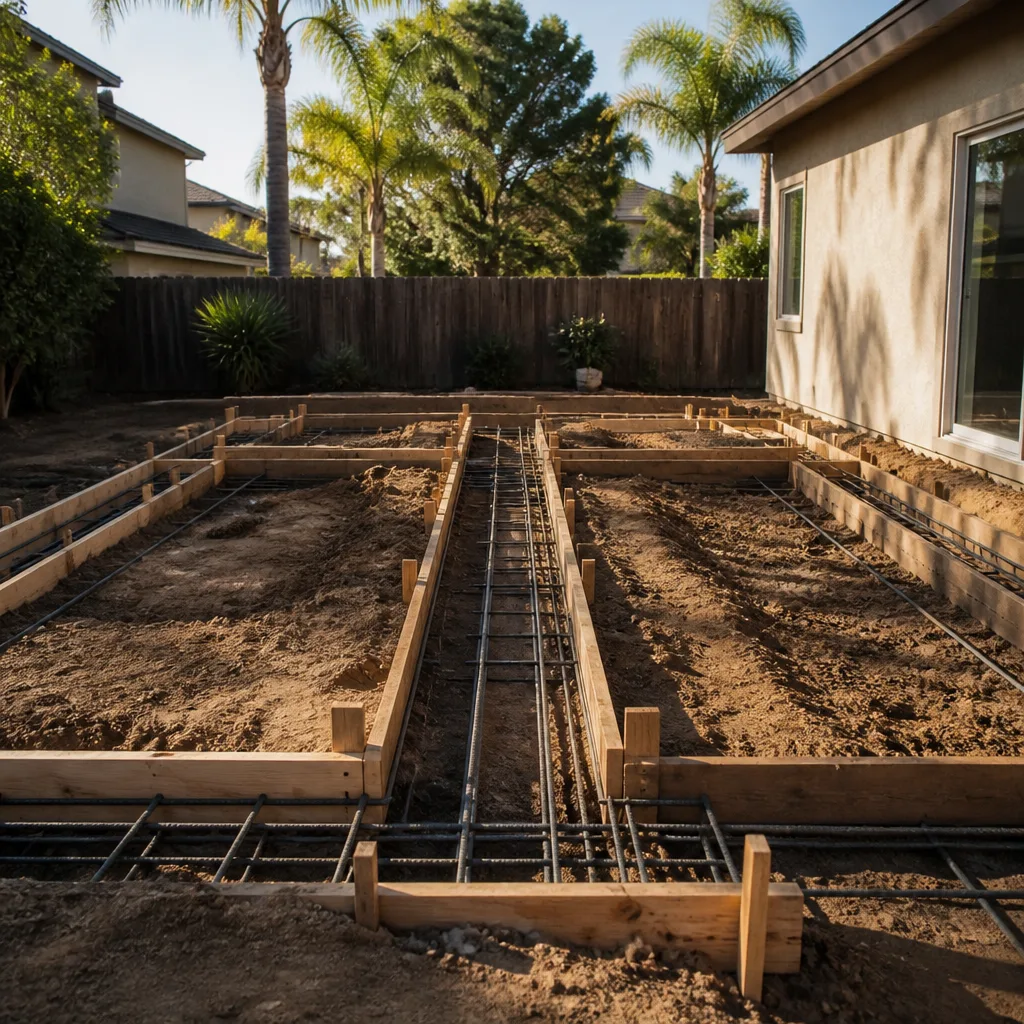
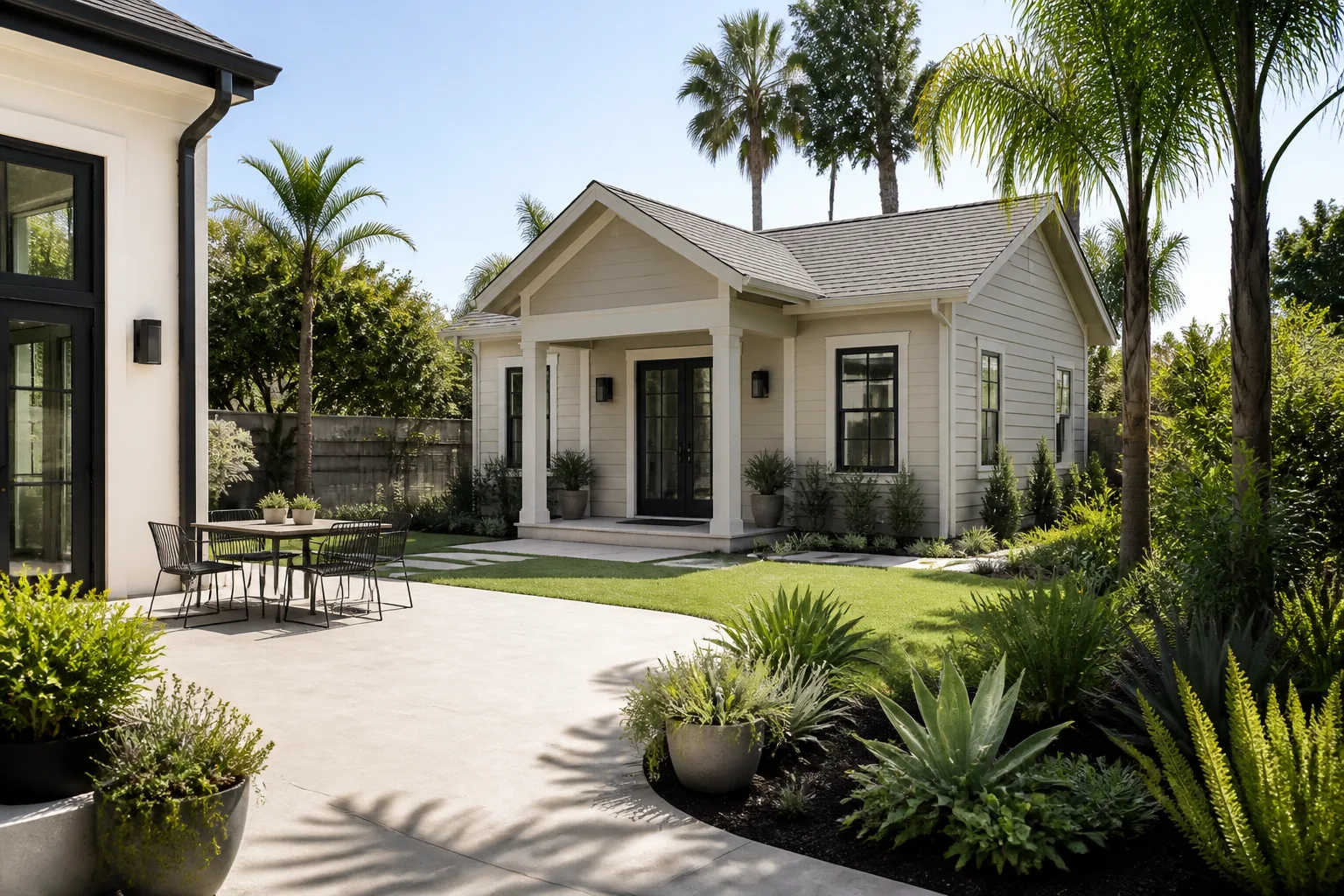
Here’s the honest range for Long Beach. Home additions run $45,000 – $130,000 installed, and ADU construction runs $90,000 – $220,000. If the paver field has to be lifted, re-based, and reset around the new footprint, budget an additional $3,500 – $11,000 for paver patio reset and re-lay, or $7,000 – $18,000 if a driveway is in the reset scope. A garage conversion – often the more economical ADU path on a Long Beach lot – runs $30,000 – $80,000.
What drives the number up: base course replacement rather than reset over existing (common where the Cambridge field has settled), footing depth if the addition sits over a former planting bed, and any requirement to preserve the permeable infiltration design through the new hardscape. What drives it down: a garage conversion rather than a detached ADU, and a paver field that lifts and resets over a sound base.
Every quote we write is line-itemed – paver lift, base prep, reset, and the addition scope separated – so you can see what the hardscape portion actually costs versus the build. That written price is the number on day one and the number on the invoice. Every project carries a written guarantee, and the 365-Day Done Right Promise means if the work fails inside the first year, we return and make it right at no charge.
DIY or Call Us?
You can safely do three things yourself: photograph the settled or heaving area with something straight laid across it so the deflection is measurable, lift a paver at the corner to identify the series and base type, and note which downspouts now discharge onto the Cambridge field. Those three items together tell a contractor most of what they need to price the tie-in accurately.
What you should not do is reset the base course or rebuild an edge restraint at an addition footing. A Cambridge field is a structural system; a homeowner-rebuilt edge that looks right will fail the first wet season, and the cost of doing it twice exceeds doing it once. Footing excavation, drainage tie-in, and any work at a shared wall are squarely a licensed-trade job. Our technicians have up to 22 years of experience across addition and hardscape tie-ins, and every technician who enters your home is background-checked and arrives in uniform. Call (833) 510-6967 to schedule your free estimate – a live person answers any hour.
FAQs
The paver face itself lasts decades – Cambridge ArmorTec pavers carry a manufacturer’s limited lifetime warranty – but the tie-in detail at an addition footing is the weak point, and that’s measured in seasons, not decades. If the base course and edge restraint are rebuilt correctly at the addition line, the tie-in should hold for the life of the addition. If the original contractor simply cut and butted the new field against the old, expect settlement within two to three wet seasons. Call (833) 510-6967 for an exact quote on the reset – estimates are free.
Often, yes. If the pavers themselves are sound and only the base course and joint sand have failed near the addition, we can lift the affected courses, re-compact or replace the base, rebuild the edge restraint, and relay the original Cambridge pavers. That’s typically 30 – 50 percent of a full replacement cost. Full replacement is only necessary where the paver faces have spalled, the series is discontinued and can’t be matched, or the failure runs the length of the field rather than sitting at the addition line. Call (833) 510-6967 and we’ll tell you which scenario you’re in before you commit to anything.
The paver lift-and-reset for a typical Long Beach addition tie-in runs two to four working days, and it happens at a defined point in the build schedule rather than floating. We give you the arrival window in writing before work starts, and the paver scope is sequenced so the addition framing isn’t waiting on it. Whole-project timelines depend on the addition size and permit cycle; the reset itself is a short, scheduled piece, not an open-ended one. Call (833) 510-6967 for a written schedule against your specific project.
Cambridge replacements come through Cambridge’s authorized distributor network, not generic hardscape supply – the paver dimensions and joint geometry are proprietary, so there’s no true aftermarket substitute. We match the series by pulling a sample paver and reading the molded mark on the underside, then order against that series and profile. Bedding sand, joint aggregate, and edge restraint are specified to match the existing installation rather than Cambridge branded, since those aren’t proprietary. We don’t carry parts on a truck; each order is placed to the specific job. Call (833) 510-6967 for a free estimate and we’ll walk through the sourcing timeline with you.
Written by the team at Penhallow Remodeling Long Beach, serving Long Beach and nearby areas.