



Free written scope consultation - allowances, timeline, and change-order rules on paper before a single trade is scheduled
Sakrete Fence Installation: The Long Beach Owner’s Guide
Sakrete-compatible fence installation in Long Beach typically runs $3,500 to $9,000, depending on post count, fence height and whether we’re anchoring into new footings or working around existing hardscape. This isn’t a part swap in the usual sense – Sakrete is the setting material that holds your fence posts, so “installation” means re-pouring footings and re-setting the line, not click-in replacement. Most Long Beach owners discover the failure after a wind event: a post starts leaning, a gate drags, or the concrete collar around a post cracks and lifts out of the soil. That’s the sakrete footing giving up, and it rarely fixes itself.
Which Sakrete Models This Applies To
Sakrete isn’t a fence brand – it’s the concrete mix used to set posts, and the product that matters on your property is whichever bag was used (Fast-Setting, High-Strength, or Post Setting Mix). To identify what’s there, look at the collar around each post: Fast-Setting cures in roughly 20 to 40 minutes and reads slightly darker and smoother; Post Setting Mix expands and often leaves a visible lip; High-Strength reads denser and takes longer to set. Measure the collar width and post depth before you order anything – a footing 8 inches across and 30 inches deep is common in Long Beach, but a pre-1990s install may be shallower than the 24-inch minimum most of the city’s soil conditions now demand. OEM is easy here: Sakrete is a commodity bag, and any Sakrete mix is the OEM product. Aftermarket equivalents exist (Quikrete Fast-Setting is the closest match), and we’ll tell you plainly when one is a better fit – but on fence footings we stay with a known-bag mix and a stated cure time, not a guess.
Styles & brands we work with
- Kitchen remodeling
- Bathroom remodeling
- Home additions & ADU
- Roofing
- Windows & doors
- Driveway & pavers
- Fence
Signs Your Sakrete Fence Installation Is Failing
- Posts leaning after rain. Long Beach’s clay-heavy soils swell and shrink with seasonal moisture, and a footing poured too shallow or without drainage will tilt within one wet season. A lean of more than an inch usually means the collar has separated from the post, not just settled.
- Visible cracks or crumbling at the collar. Surface spider-cracking is normal; a crack you can push a dime into is not. That’s a sign the mix was too wet at pour or the footing is cracking from ground movement.
- A gate that drags or binds. The gate post is the hardest-working post on the fence, and it fails first. When it goes, the whole gate line sags – usually within weeks of the first drag.
- Fence panels racking out of square. Panels pulling away from posts usually trace back to a post that’s holding but moving slightly. This is the stage where a repair is still cheap; ignore it and the panels start to crack.
- Wobbly or hollow-sounding posts. Tap the post with a wrench – a dull thud with no ring means the post has pulled loose from its sakrete collar. A post that rings clean is still set.
Two things about Long Beach specifically. First, the marine layer keeps the soil moisture cycling more evenly than most of Southern California, which actually extends sakrete footing life on the coast side of town – we regularly see 15 to 20 years out of a well-poured footing near Belmont Shore. Inland neighborhoods like North Long Beach and Bixby Knolls run hotter and drier, and shrunken soil opens cracks faster. Second, city code for fence footings in Long Beach typically requires footing depth to meet the frost-line minimum – effectively 24 inches on long-run fences – and any fence over 6 feet, or freestanding sections along a property line, needs a permit. We pull the permit and pass the inspection on every job that needs one; we won’t hide a footing with fence panel to skip that step.
See the difference
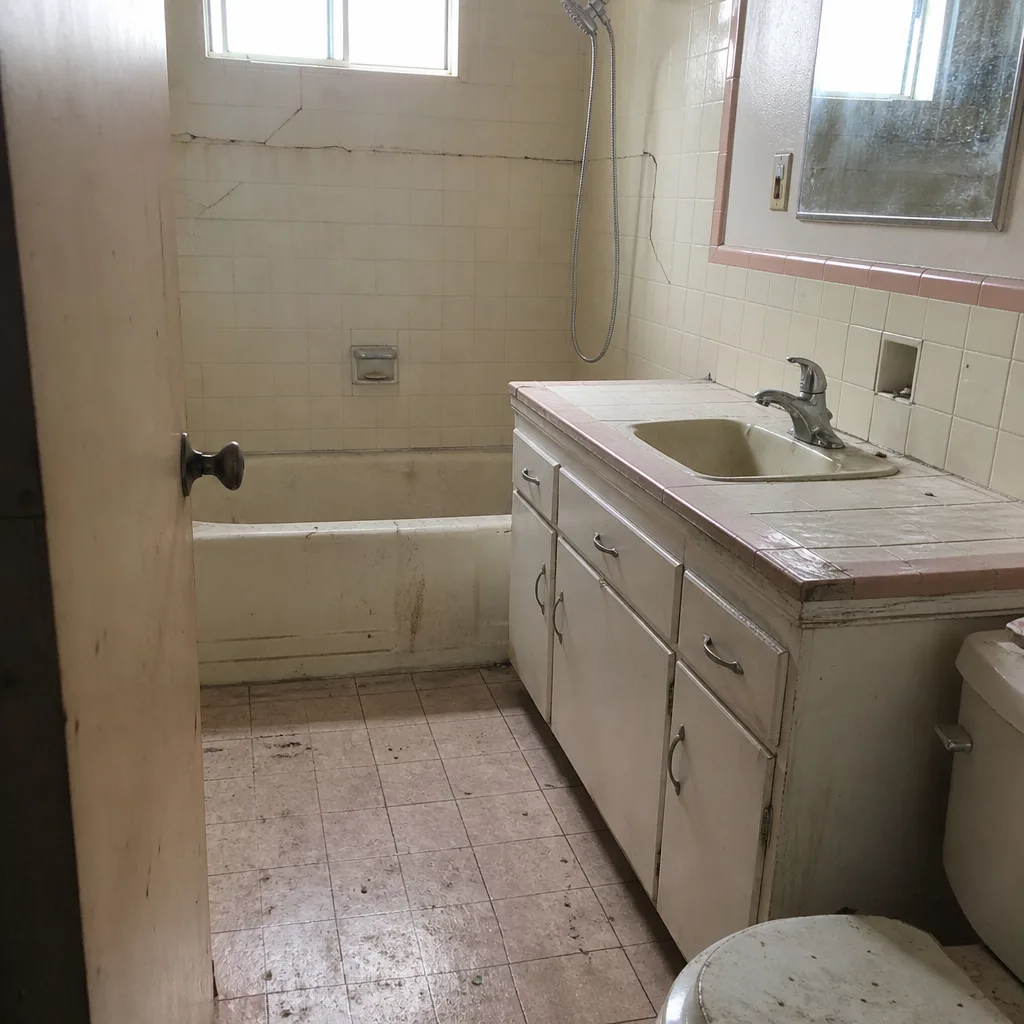 Before
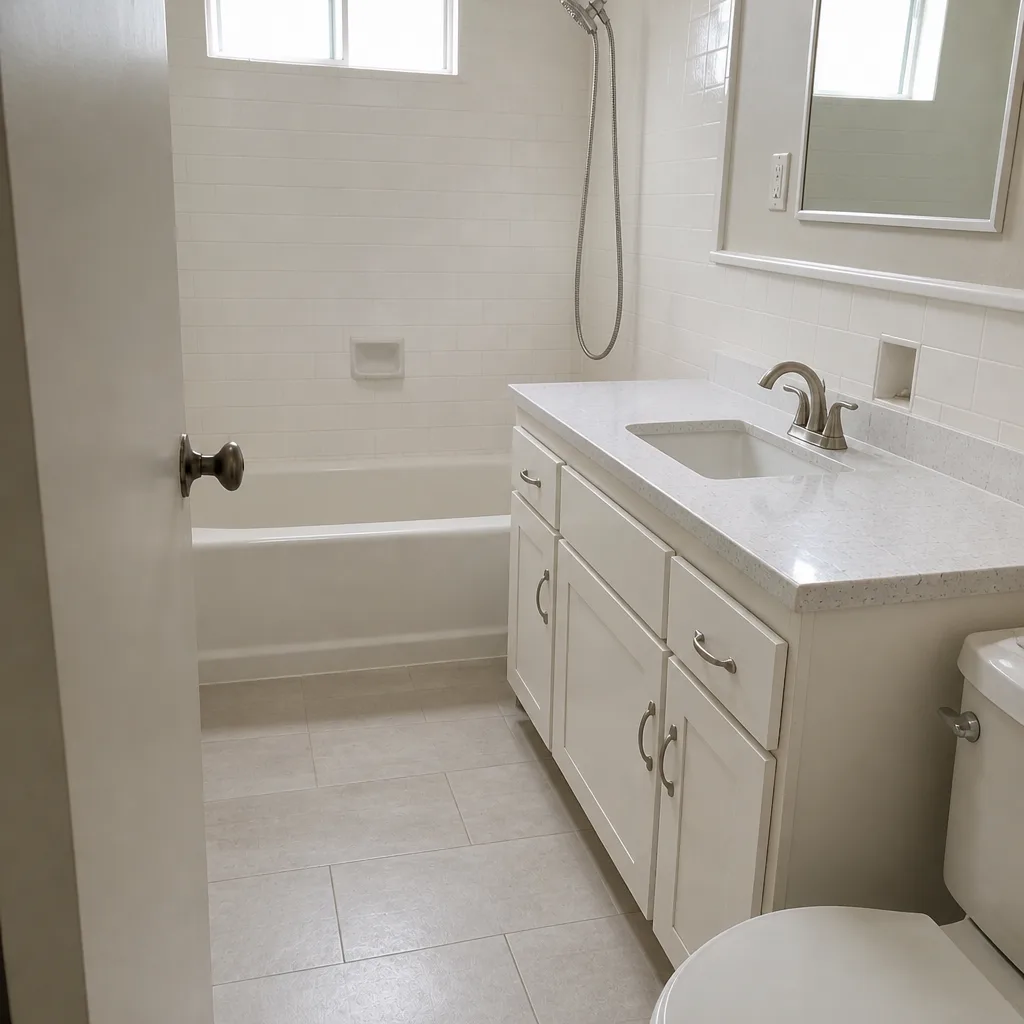 After
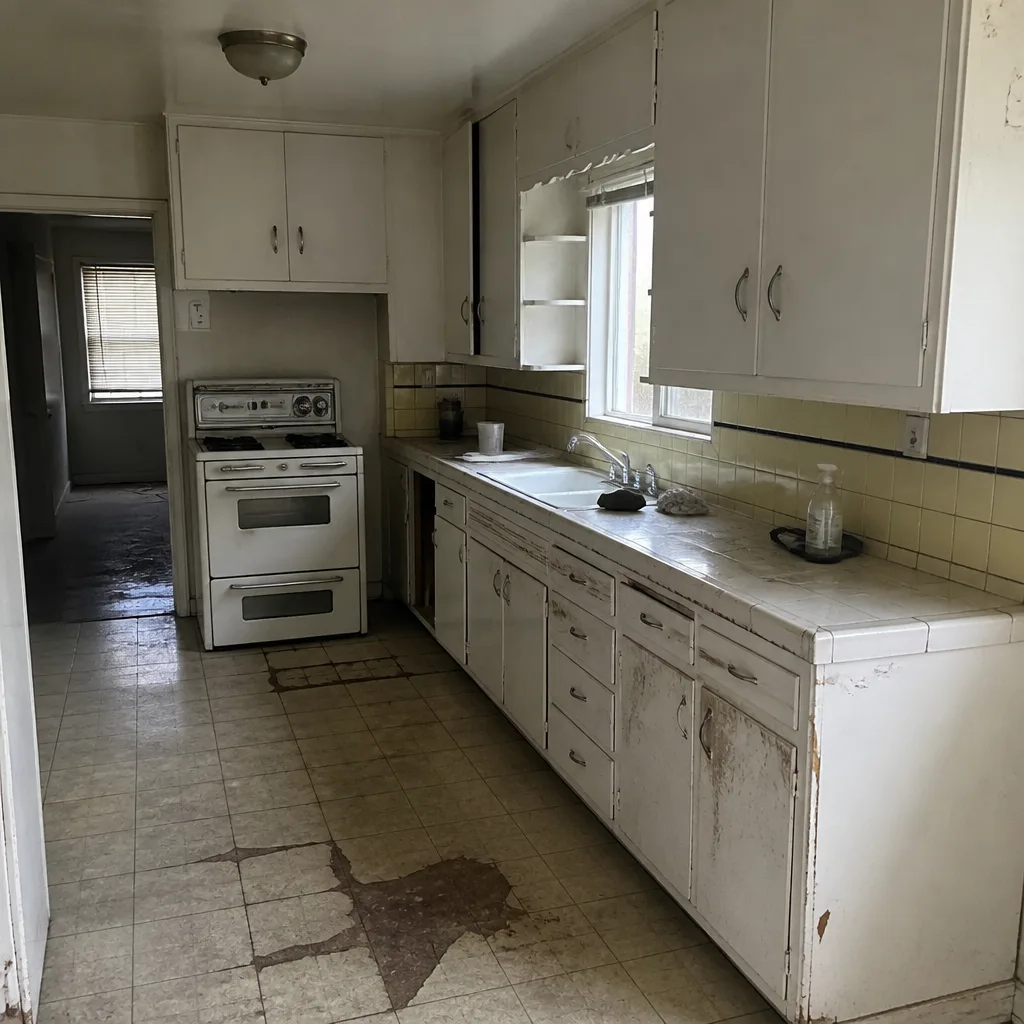 Before
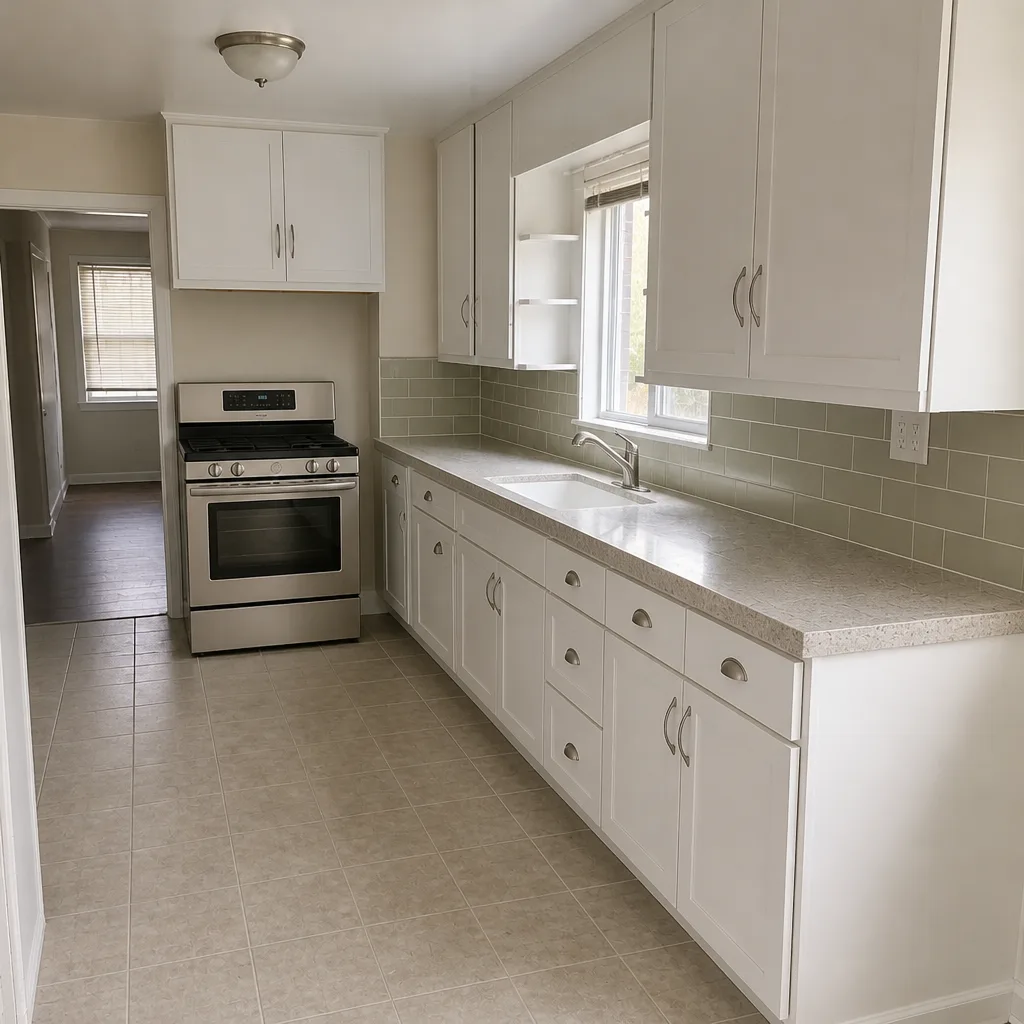 After
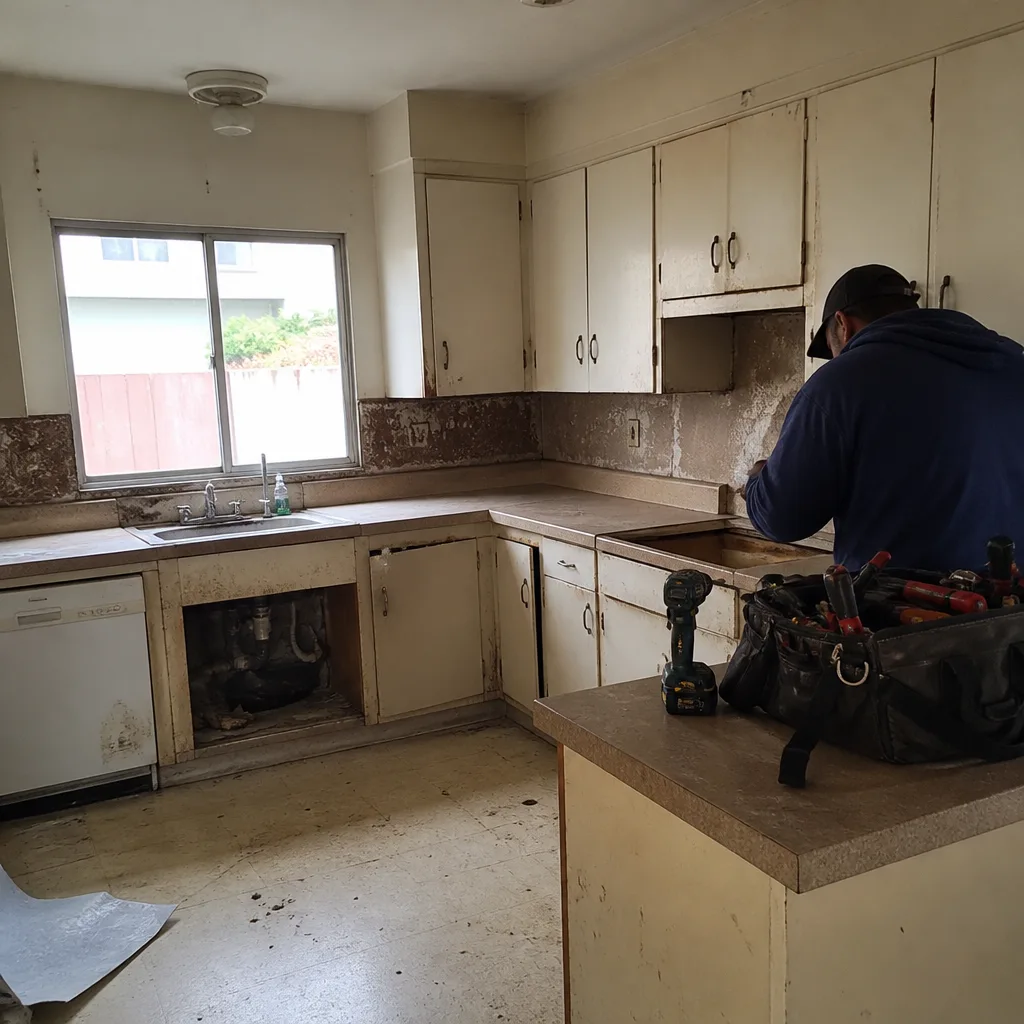 Before
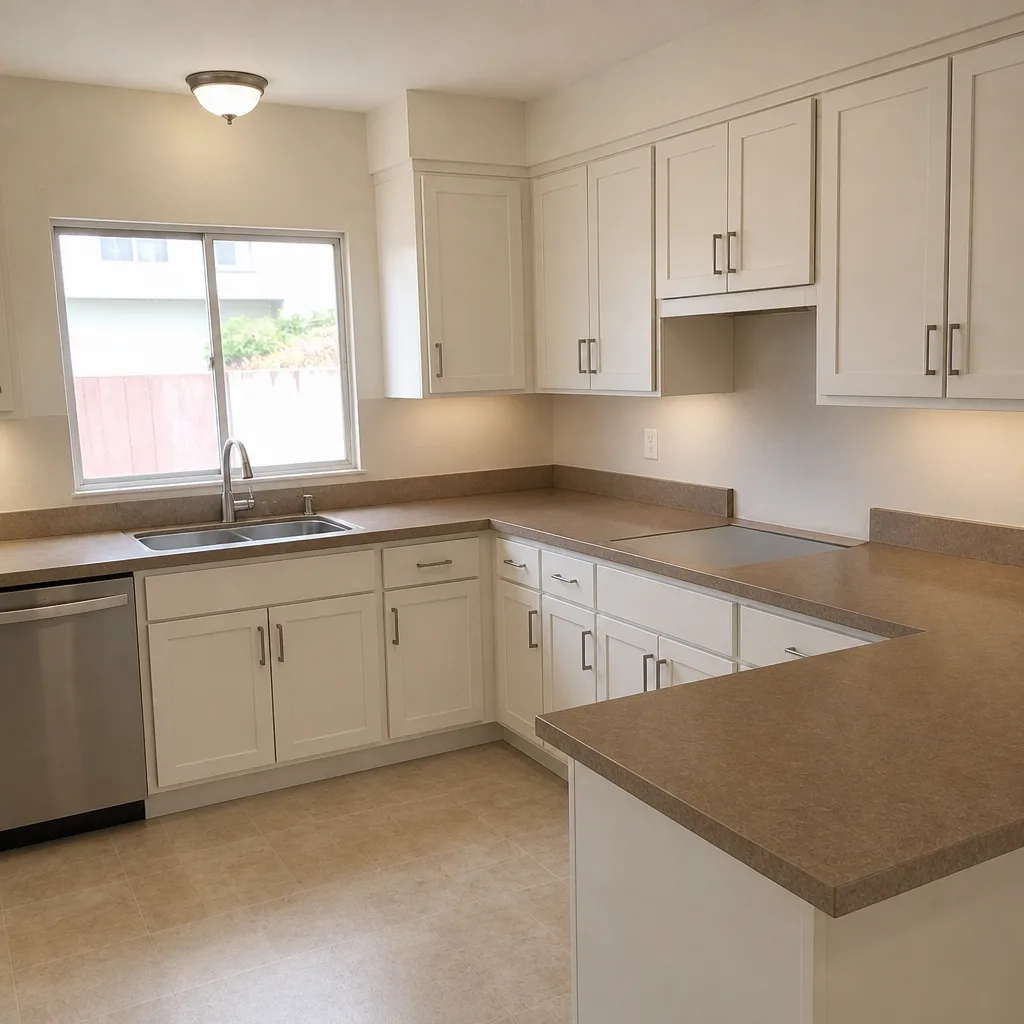 After
Replacement Cost & What’s Included

Here’s what fence installation in Long Beach costs, line-item, before we pick up a shovel:
- Re-pour a single footing (dig out, set new sakrete collar, reset post): $180 to $340
- Re-pour 3 to 5 footings along one fence run: $600 to $1,400
- Full fence section re-set (typical 6- to 8-foot run, new footings plus panel reset): $1,200 to $3,200
- Full fence installation, standard wood or vinyl, up to 100 linear feet: $3,500 to $9,000
- Permit and inspection (when required): $250 to $600, quoted separately and shown on the written price
The range moves with three things: how many posts are actually failed versus just loose, whether we’re anchoring into existing concrete or breaking it out, and the fence material – a vinyl fence weighs more per panel and needs a heavier footing set than cedar. We give you a written price before any work starts under the Kingswell Guarantee, and that number is the number on the invoice. Every fence repair we do carries the 365-Day Done Right Promise: if a footing we set starts to move inside that year, we come back and fix it at no charge, and there’s no service-call fee for the return visit.
One clarification: Penhallow Remodeling Long Beach installs and repairs fence footings as part of whole-yard and exterior remodel work, and we’re an independent service provider – not affiliated with Sakrete. We source our mixes, and our countertop and cabinet materials, from recognized trade brands; on kitchens and baths that’s Cambria quartz, KraftMaid and Silestone cabinetry and stone, and we hold the same sourcing standard on every bag that goes into your ground.
DIY or Call Us?
The honest split: if a single post is wobbling and there’s clear space to dig, an owner can safely dig out the collar, pull the old sakrete and reset it over a weekend with a bag of mix and a level. What goes wrong in Long Beach is the scale of the job – nine out of ten fence failures we see involve 3 or more posts, a run tied to an existing wall, or a footing that shares a footing with a neighboring property line. That’s where the weekend job turns into a permit question, a broken panel, and a footer that looks fine until the next Santa Ana wind. On retired or fragile post sections, or where a post is under tension from a leaning panel, we recommend a professional – it’s not a dangerous job like a high-tension garage door spring, but a fence that fails mid-dig can drop 8-foot panels on you fast. If the fence is tied to a pool enclosure, call us; those need inspection compliance and we handle the paperwork. Call (833) 510-6967 and we’ll tell you over the phone whether your fence is a re-set or a full install, before anyone comes out.
FAQs
A properly poured footing in Long Beach runs 15 to 20 years on the coastal side and 10 to 15 years inland, where the soil dries out more sharply. Footing depth is the deciding factor: anything shallower than 24 inches tends to fail earlier, and that’s the single most common reason we see posts lean.
Yes, in most cases – if the post itself is sound, a re-set footing is a fraction of the cost of a full fence line. We dig out the old collar, level the post, re-pour and set it. The post gets replaced only when the wood or vinyl has cracked or rotted at the base.
A single footing re-set is a half-day job. A full fence section or a run of 3 to 5 posts is one to two days, plus the cure time on the sakrete before the panels go back on – Fast-Setting is load-bearing in a few hours, standard mix overnight. We schedule the panels for the next visit so you’re never left with a loose fence.
We buy the mix for each job from a local supplier and match it to your fence and soil: Fast-Setting for single-post repairs, High-Strength for full runs and heavier vinyl panels. The bag, the mix type and the quantity show up on your written price before we set a post, so there’s no mystery charge on day one.
If you’re pricing a fence repair or a full install in Long Beach, call (833) 510-6967 for a free estimate. A live person answers 24/7 – no voicemail, no callback window. You’ll get a written price and a written guarantee before any work starts.
Written by the team at Penhallow Remodeling Long Beach, serving Long Beach and nearby areas.