Last updated November 17, 2026
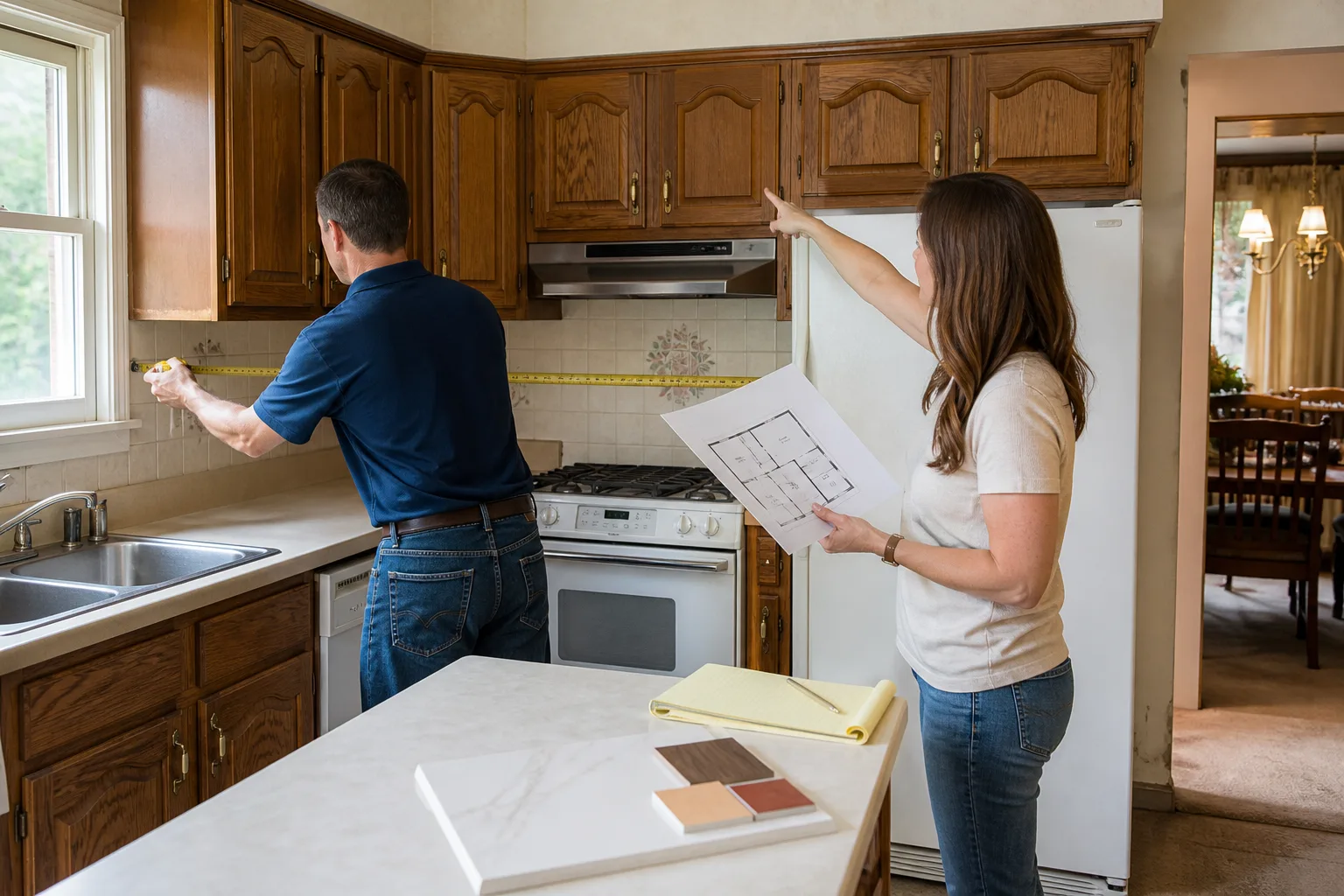
Free written scope consultation - allowances, timeline, and change-order rules on paper before a single trade is scheduled
The Complete Bathroom Remodeling Guide for Long Beach Homeowners
Long Beach homes built before 1978 – a large share of the city’s bungalow and craftsman stock in neighborhoods like Belmont Heights, Bluff Park, and Wrigley – frequently hide asbestos tile adhesive under existing bathroom flooring. That single discovery costs $800 to $2,500 to remediate, and if the original bid didn’t account for it, a fixed-price contract blows open on demo day. A Long Beach bathroom remodel runs higher than the national average and takes longer than most contractors quote, but the difference between a smooth project and a costly one comes down almost entirely to what’s written in the contract before the first tile is pulled. This guide walks through every decision in the right order.
Quick Answer
A Long Beach bathroom remodel typically costs $12,000 to $28,000 for a mid-range hall bath and $35,000 to $70,000 or more for a full gut of a primary bathroom, depending on layout changes, plumbing and electrical upgrades, and finish level. Older Long Beach homes often add $3,000 to $8,000 for surprises like asbestos adhesive, galvanized supply lines, or knob-and-tube wiring found after demolition. The single biggest predictor of whether your project stays on budget is a written contract that spells out scope, allowances, exclusions, and the change order process before work begins.
Styles & brands we work with
- Kitchen remodeling
- Bathroom remodeling
- Home additions & ADU
- Roofing
- Windows & doors
- Driveway & pavers
- Fence
Table of Contents
- Why Long Beach Bathrooms Cost More Than the National Average
- How Long Beach’s Older Housing Stock Affects Demo Scope
- What a Written Bathroom Remodel Contract Must Specify
- Realistic Cost Ranges by Scope Tier
- Permits and Inspections: What Long Beach Requires
- How to Evaluate Tile and Fixture Allowances
- A Realistic Remodel Timeline
- Common Mistakes to Avoid
Why Long Beach Bathrooms Cost More Than the National Average
Long Beach sits in a coastal climate with salt air, marine humidity, and a winter wet season that punishes poorly built bathrooms. That reality changes what a durable remodel actually requires. Ventilation has to be sized correctly – a builder-grade 50 CFM fan won’t clear steam from a Long Beach shower on a foggy June morning, and the mold that follows lands on the drywall behind your tile. Exterior walls facing the ocean need proper moisture barriers and rot-resistant framing, not the standard paper-faced drywall used inland.
Price-wise, Long Beach labor runs higher than inland California markets because demand outpaces the supply of licensed trades in the South Bay and Long Beach corridor. Material delivery to a third-floor walk-up in Belmont Shore or a tight alley in Naples adds time and cost. And the permit and inspection process in Long Beach takes longer than most homeowners expect, which adds carrying costs for anyone living out of a temporary setup.
In our experience, a bathroom remodel in Long Beach comes in roughly 15 to 25 percent higher than the same scope in Riverside or the Inland Empire, driven almost entirely by labor rates, coastal-grade materials, and permit timelines. None of that is negotiable. What is negotiable is how much of that variance gets baked into the written price up front versus discovered mid-project.
How Long Beach’s Older Housing Stock Affects Demo Scope
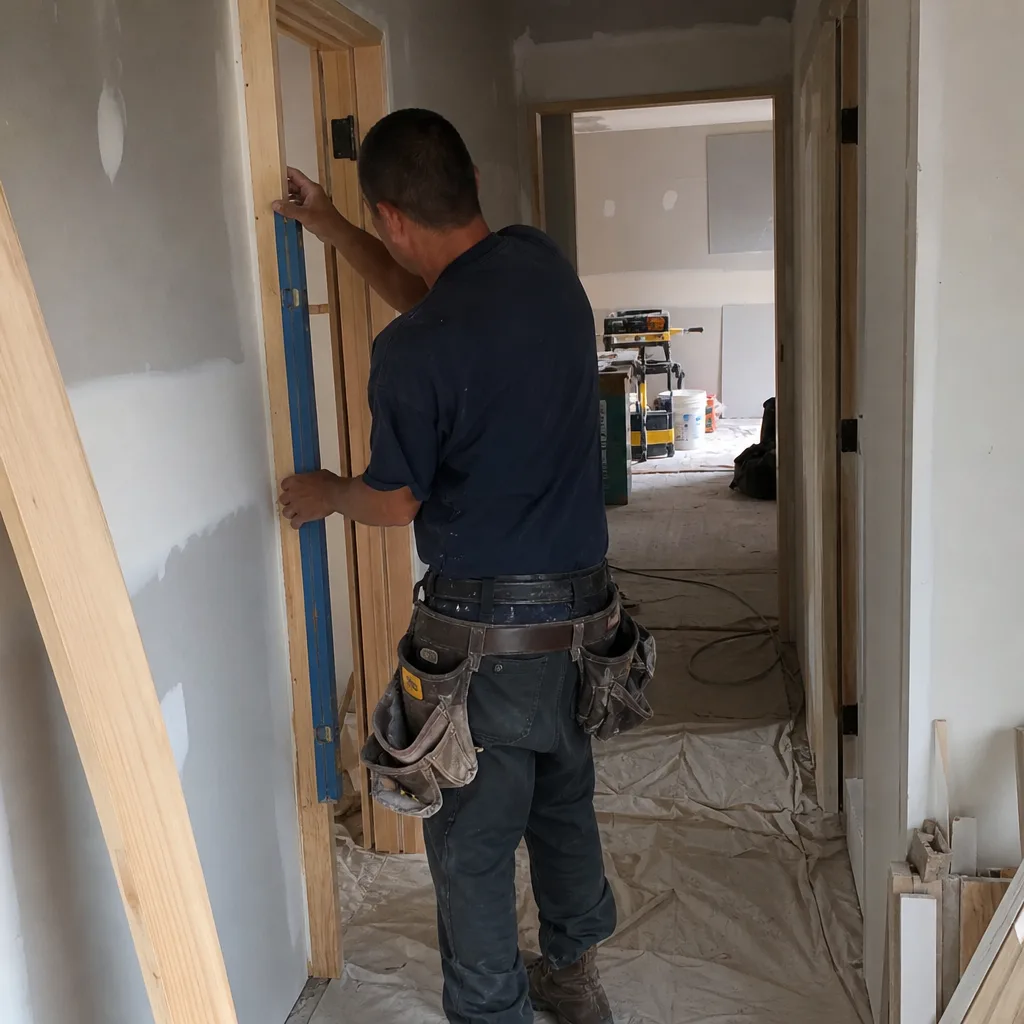
Walk through Wrigley, Rose Park, or California Heights and you’ll see a lot of 1920s and 1930s homes with their original bathroom footprints. Those bathrooms were built for a different era of plumbing, wiring, and materials, and demolition almost always turns up something the original bid couldn’t see. Knowing what tends to surface in Long Beach is the difference between a bid that holds and one that balloons.
Asbestos in Flooring and Wall Adhesive
Pre-1978 construction is the standard cutoff, and a large chunk of Long Beach residential stock falls under it. Asbestos tile, mastic underneath it, and sometimes asbestos-containing drywall joint compound show up routinely. Remediation by a licensed abatement contractor runs $800 to $2,500 depending on square footage and accessibility. A responsible bid either includes a sampling allowance or explicitly states what happens if asbestos is found – and that language needs to be in writing before demolition.
Galvanized Supply Lines and Old Drain Assemblies
Homes built before 1960 in Long Beach frequently still have galvanized steel supply piping behind the walls. Those pipes corrode from the inside out, restrict flow, and often fail once disturbed by demo. Replacing the run inside the bathroom typically adds $1,200 to $3,500. Cast iron drain assemblies under older tubs and toilets often have decades of scale and joint failures and should be scoped as part of a full-gut remodel rather than discovered mid-project.
Knob-and-Tube and Undersized Electrical
Bathrooms in older Long Beach homes sometimes still have knob-and-tube wiring or 2-wire circuits without a ground. Modern bathroom code requires GFCI protection, dedicated circuits for the vanity and any heated fixtures, and proper ventilation on its own circuit. Bringing a small bathroom to current electrical code typically runs $1,500 to $4,000 depending on how far the panel is and whether a subpanel upgrade is needed.
What a Written Bathroom Remodel Contract Must Specify
The single most important document in a Long Beach bathroom remodel is the contract – not the renderings, not the showroom visit, not the bid. A written, itemized contract with clearly defined scope, allowances, exclusions, and change order process is what separates a smooth project from a six-month argument. Everything else is downstream of it.
Every bathroom contract should specify the following in writing before any work begins:
- Line-item scope of work. Each phase – demo, rough plumbing, rough electrical, framing, drywall, waterproofing, tile, fixtures, trim, paint – spelled out with materials and quantities.
- Allowance amounts and what they cover. A tile allowance of “$8 per square foot” means nothing if it doesn’t say whether that’s material only or installed, and whether freight, tax, and trim are included.
- Exclusions. Asbestos testing, dry rot repair beyond a stated square footage, foundation damage, and hazardous material abatement should be named explicitly with pricing for common scenarios.
- Change order process. Written approval required before extra work is performed, with a fixed price per change rather than a “time and materials” blank check.
- Payment schedule tied to milestones. Progress payments tied to specific completion points, not a large deposit and no structured schedule.
- Guarantee terms in writing. What’s covered, what isn’t, how long it lasts, and what happens if a repair fails.
- Permit responsibility. Who pulls the permit, who pays the fee, and who manages inspection scheduling.
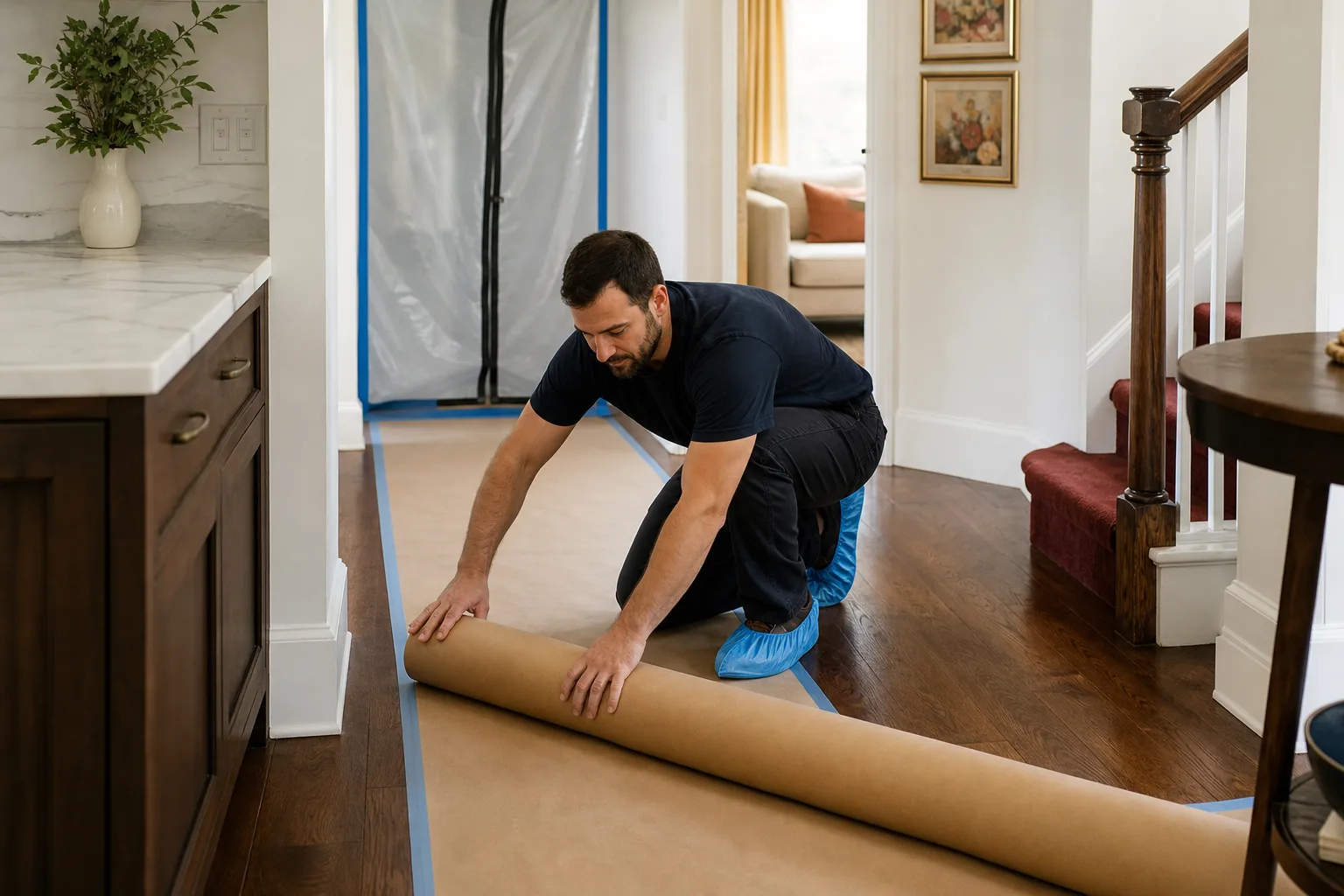
- Arrival window and job site standard. Defined start time range, daily cleanup expectation, and what happens to floors and air quality outside the work area.
This is where the Kingswell standard does the heavy lifting: say the price before the work, show up in the window we gave, leave the place cleaner than we found it. A written price on day one and a written guarantee before demo are not marketing language – they’re the difference between a number you can hold someone to and a number that drifts.
Realistic Cost Ranges by Scope Tier
Not every Long Beach bathroom needs a full gut. Cost depends heavily on scope tier, and quoting a single range for every project misleads homeowners. Here’s what Long Beach pricing typically looks like across the three common tiers:
- Cosmetic refresh ($8,000 to $15,000): New paint, vanity, mirror, lighting, toilet replacement, and refinishing or regrouting existing tile. No layout change, no plumbing moves, no permit typically required.
- Mid-range remodel ($18,000 to $35,000): New tile floor and shower surround, new vanity and fixtures, updated lighting, ventilation upgrade, minor layout adjustments. Plumbing and electrical permit typically required.
- Full gut with layout change ($40,000 to $75,000+): Complete demolition to studs, new plumbing and electrical, new waterproofing system, tile throughout, new tub or walk-in shower, possibly a curbless entry and relocated fixtures. Plumbing and electrical permits, plus building permit for structural or layout modifications.
What Drives the Number Up or Down
Material choices at the fixture and tile level can swing the total by $10,000 or more. A standard porcelain tile floor runs $3 to $8 per square foot material; a natural stone or designer porcelain can run $15 to $30. A stock vanity from a recognized line like KraftMaid or Wellborn keeps the price predictable; a custom cabinetry build pushes it well past that. Kohler and Moen fixtures sit in the middle band and are what we typically install because their parts availability and warranty support are dependable. Cambria and Silestone quartz countertops last decades, and the material carries its own manufacturer warranty alongside any contractor guarantee.
Moving plumbing – relocating a toilet, shifting a shower drain, adding a second sink – adds substantially to the number because drain slope and venting need to be rebuilt. Keep the plumbing where it is and the price drops fast.
Permits and Inspections: What Long Beach Requires
Long Beach inspectors look at specific things, and knowing what they care about before framing goes up saves a failed inspection and a two-week delay. Permits aren’t a bureaucratic formality – they’re the mechanism that forces the work to be built to code and protects you if you sell the home later.
Bathroom permits in Long Beach generally fall into three categories:
- Plumbing permit: Required for any relocation or replacement of supply lines, drain lines, or the water heater if touched. Inspected at rough-in (before drywall) and final.
- Electrical permit: Required for any new circuit, panel change, or major fixture work. Inspected at rough-in and final.
- Building permit: Required when walls are moved, a load-bearing element is altered, a window is added or enlarged, or a shower is converted to a curbless configuration.
Long Beach inspectors typically verify a few things closely: proper waterproofing behind tile (they want to see the membrane at rough-in), GFCI protection at every bathroom receptacle, ventilation ducted to the exterior rather than into the attic, and shower pan pitch with a flood test if applicable. A general contractor who pulls permits properly and schedules inspections in the right order avoids the “we failed because nobody called for the rough-in” scenario that adds two weeks and a re-inspection fee.
In our experience at our general contractor page for Long Beach, permit timelines run three to six weeks from submittal to first inspection, so any remodel timeline that doesn’t account for that is already wrong.
How to Evaluate Tile and Fixture Allowances
Allowances are where a low bid hides its real cost. A bid that says “$600 tile allowance” for a full bathroom sounds generous until you walk into the showroom and realize $600 covers about 40 square feet of builder-grade porcelain and not the designer look you pictured. Suddenly you’re paying $4,000 out of pocket on top of the “low” bid.
Ask these questions before signing anything:
- Is the allowance material-only or installed? A $15 per square foot “tile allowance” that only covers material is a very different number from an installed price that includes setting materials, waterproofing, and labor.
- What’s included in the allowance? Freight, tax, trim pieces, shower niche material, and grout are often excluded and add up fast.
- What happens if you exceed the allowance? A written contract should specify a fixed upcharge rate for overage, not an open-ended “we’ll figure it out.”
- Are fixture allowances realistic? A $200 faucet allowance might cover a basic Moen, but a Kohler Purist or a Grohe shower system will run several times that. Know which brand tier the allowance is based on.
- What’s the selection window? If you haven’t picked finishes by a certain date, does the schedule slip?
Honest bids in Long Beach tend to build in real allowances – $8 to $15 per square foot for tile material, $300 to $600 for a vanity faucet, $400 to $800 for a shower trim system. When someone quotes you an allowance well below those numbers, the rest of their bid deserves a second look too. Browse the full bathroom remodeling services we offer in Long Beach to see how a written, itemized estimate is structured.
A Realistic Remodel Timeline
Most contractors quote a Long Beach bathroom remodel at four to six weeks. In our experience, a mid-range hall bath runs five to seven weeks from the first day of demolition to the final walk-through, and a full gut with layout change runs eight to twelve weeks. The schedule gap is almost never labor speed – it’s permit timing, material lead times, and inspection scheduling.
A typical sequence looks like this:
- Week 1: Demolition, dumpster delivery, protection of adjacent rooms, and discovery of any hidden conditions (rot, asbestos, old wiring).
- Week 2: Asbestos remediation if needed, rough plumbing, and rough electrical. Rough-in inspection scheduled.
- Week 3: Framing adjustments, blocking for grab bars and future fixtures, drywall, and waterproofing membrane installation.
- Week 4: Tile setting, grouting, and curing time. Shower pan flood test if applicable.
- Week 5 to 6: Fixture installation, vanity, countertop, mirror, lighting trim, paint, and final inspection. Final walk-through and punch list.
A cabinet or countertop lead time can add one to three weeks on top of that. If your bathroom shares a wall with a kitchen remodel happening at the same time, coordinating the two projects through a Long Beach kitchen remodeling plan saves substantial time and inspection scheduling.
Common Mistakes to Avoid
- Signing a bid without an itemized scope. A one-page bid with a lump-sum number and no line items is the most common cause of budget blowout in Long Beach bathrooms. Require line items before you sign.
- Assuming asbestos won’t be a factor. If your home was built before 1978 and it’s in a neighborhood like Belmont Heights or Rose Park, have it sampled before demolition. A $300 sample beats an $800 to $2,500 remediation surprise.
- Picking a “low” allowance without asking what it covers. The lowest bid is often the one with the most optimistic allowances. Verify the allowance amounts against real material prices before signing.
- Moving plumbing unnecessarily. Relocating a toilet or shower drain adds thousands to the number and often forces a longer permit review. Keep the fixtures where they are unless the layout demands the move.
- Skipping the ventilation upgrade. Long Beach marine humidity punishes cheap fans. A proper 80 to 110 CFM fan ducted to the exterior is standard; if it’s not in your scope, add it.
- Paying a large deposit before the permit is pulled. A reasonable deposit covers material mobilization; a large upfront payment with no permit in hand leaves you with no leverage if the project stalls.
- Hiring without verifying the guarantee in writing. A verbal promise to “fix anything that goes wrong” isn’t a guarantee. Ask for the written terms before work starts.
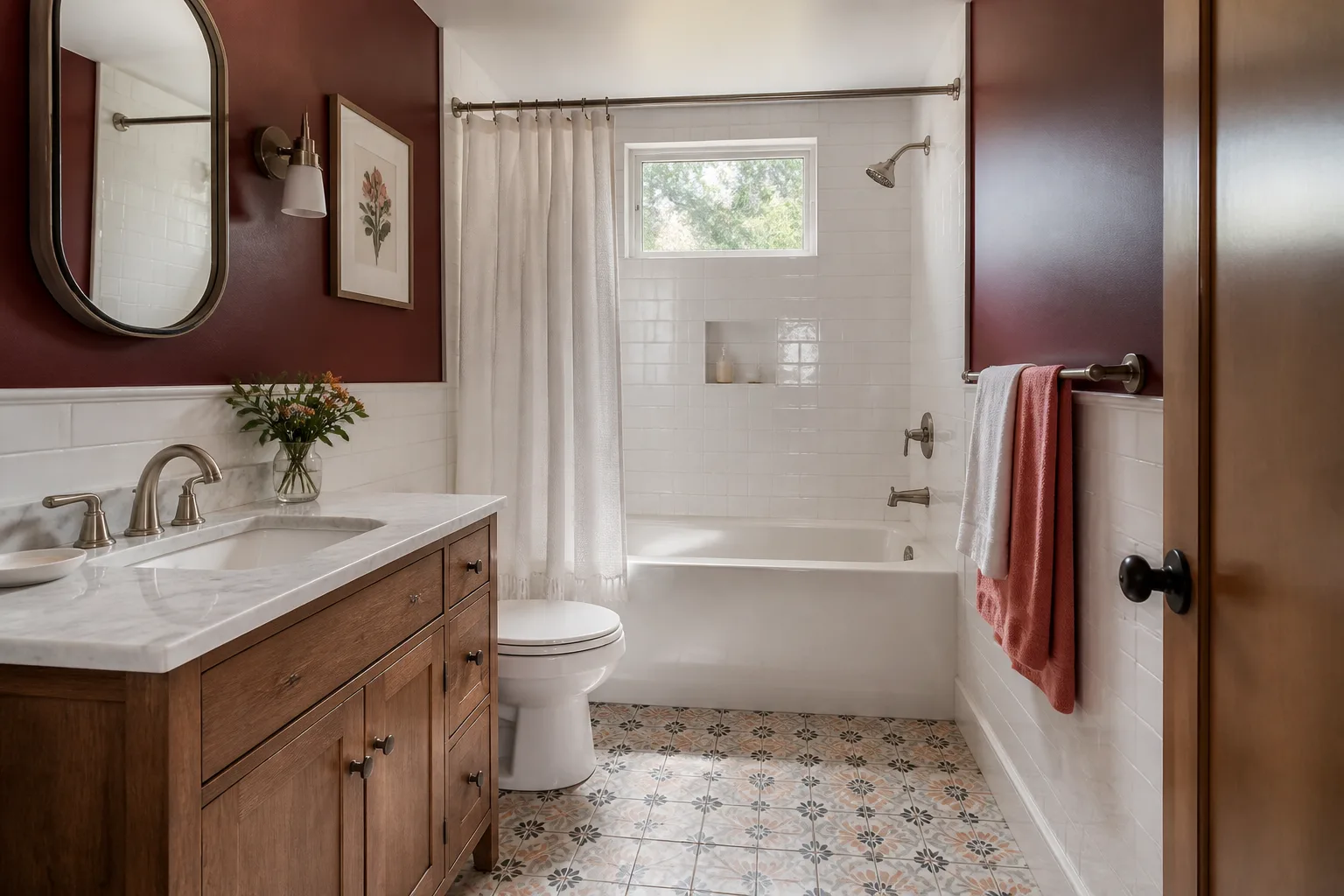
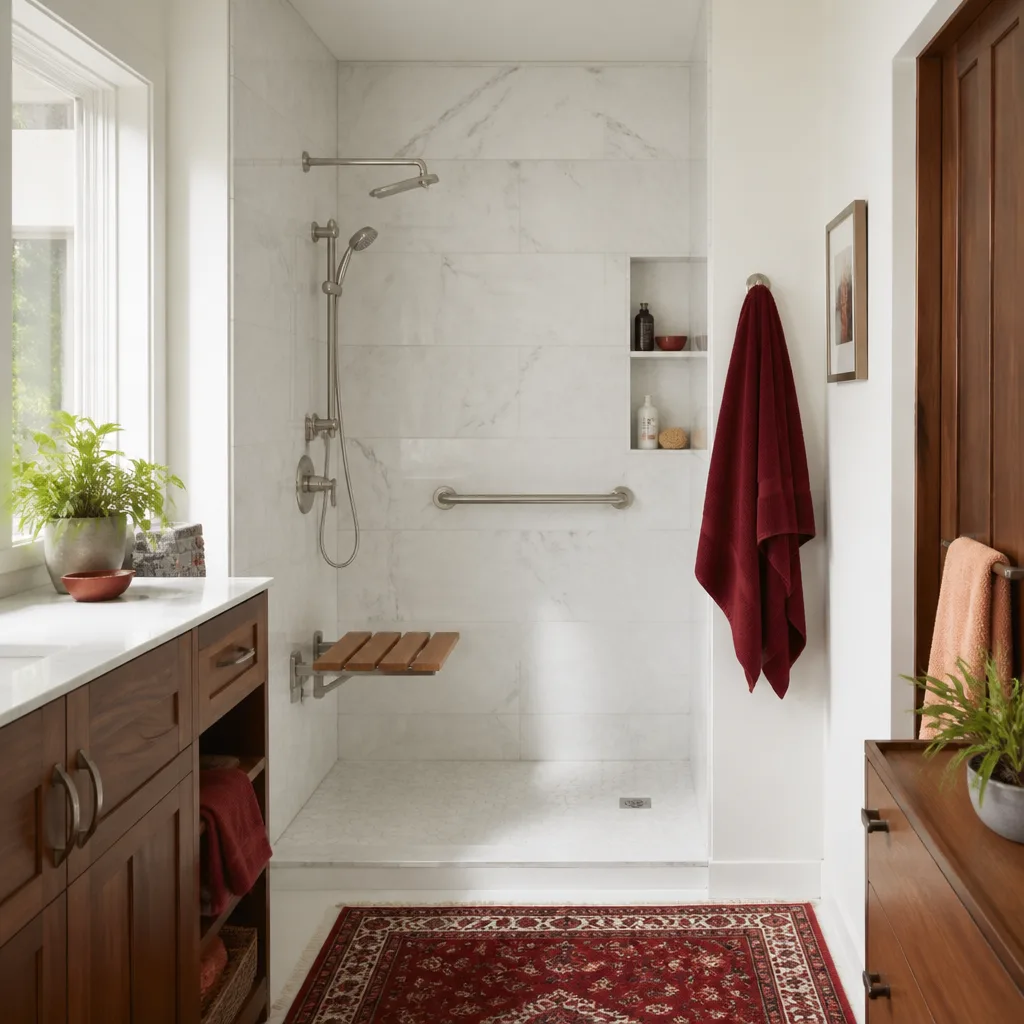
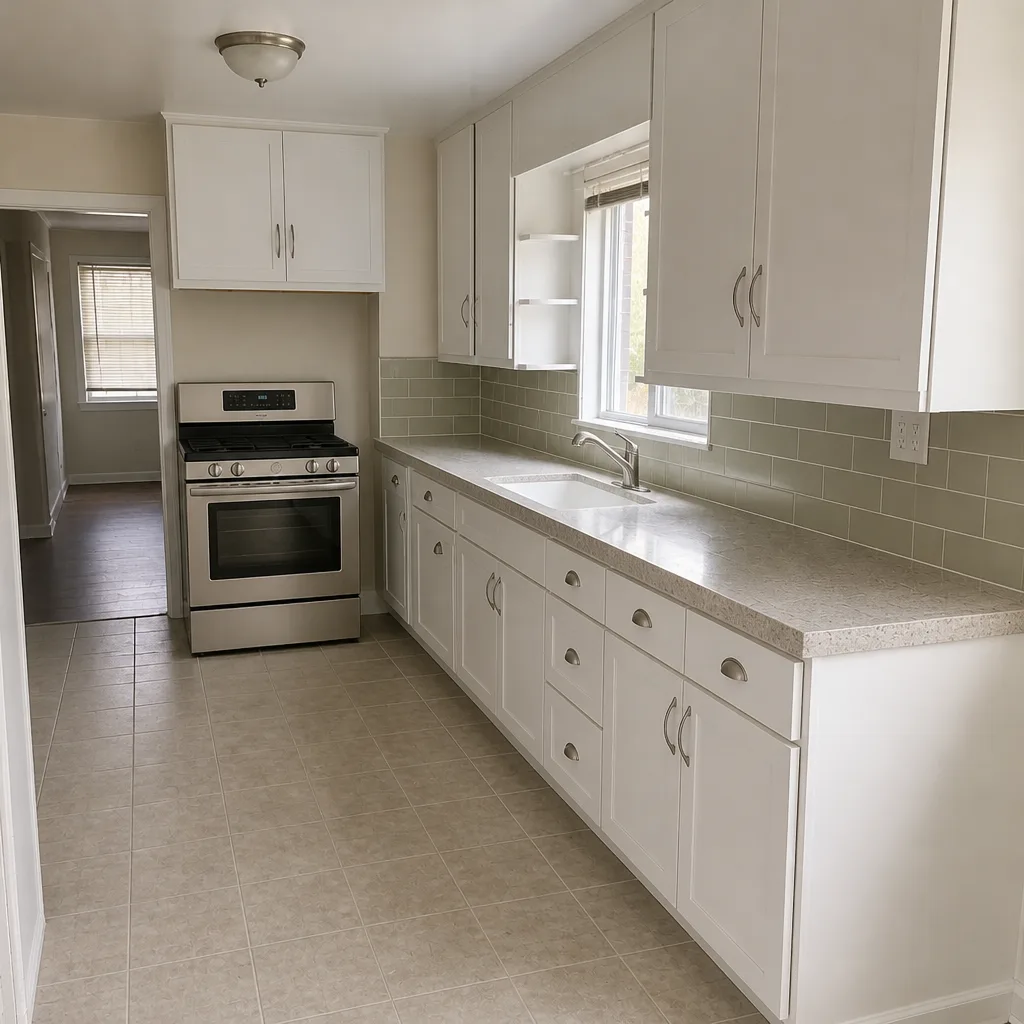
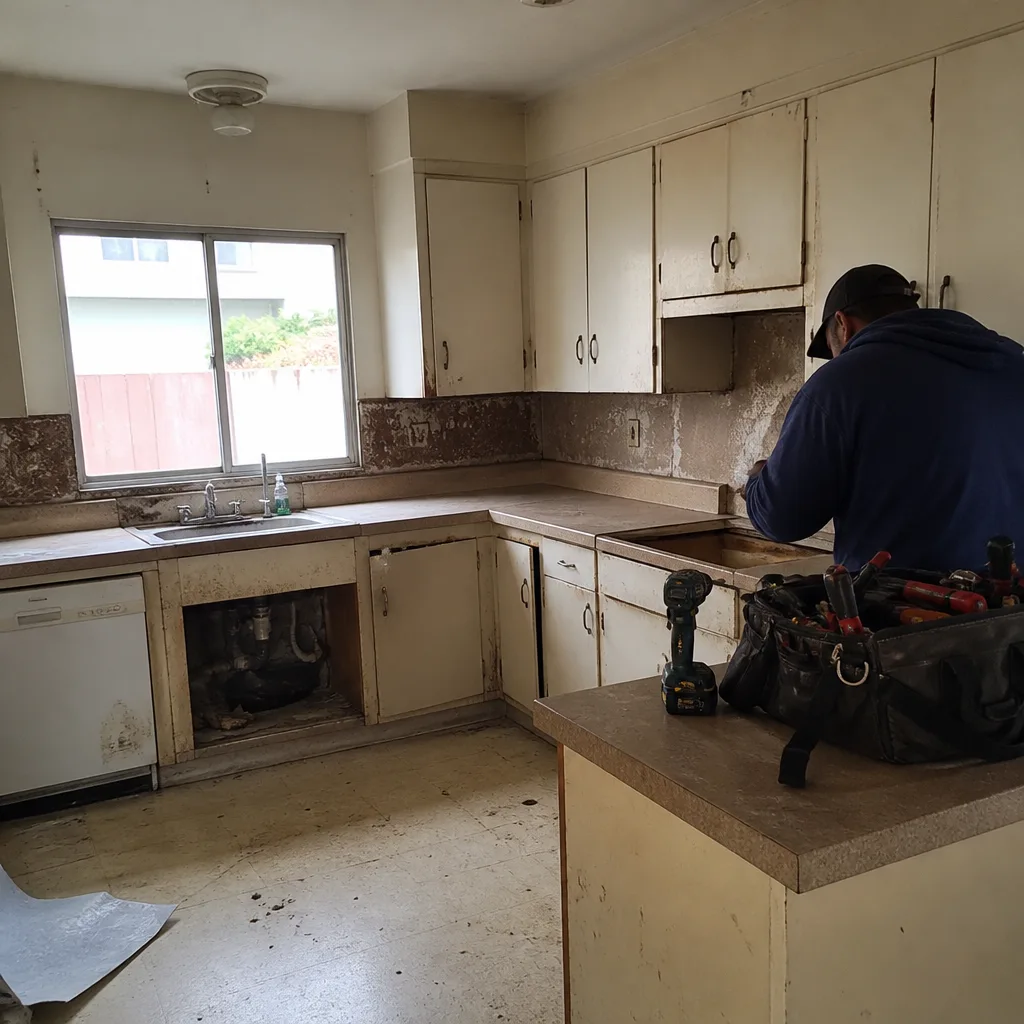
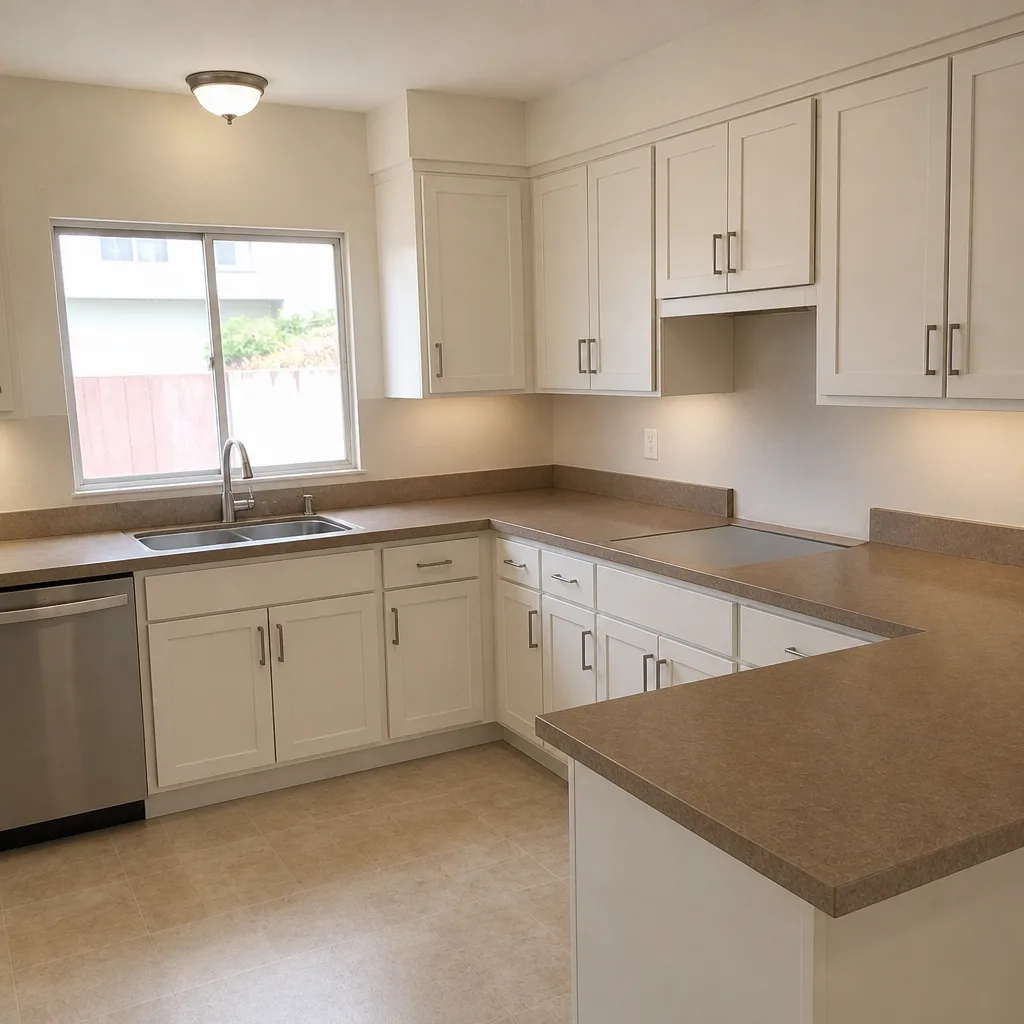
See the difference
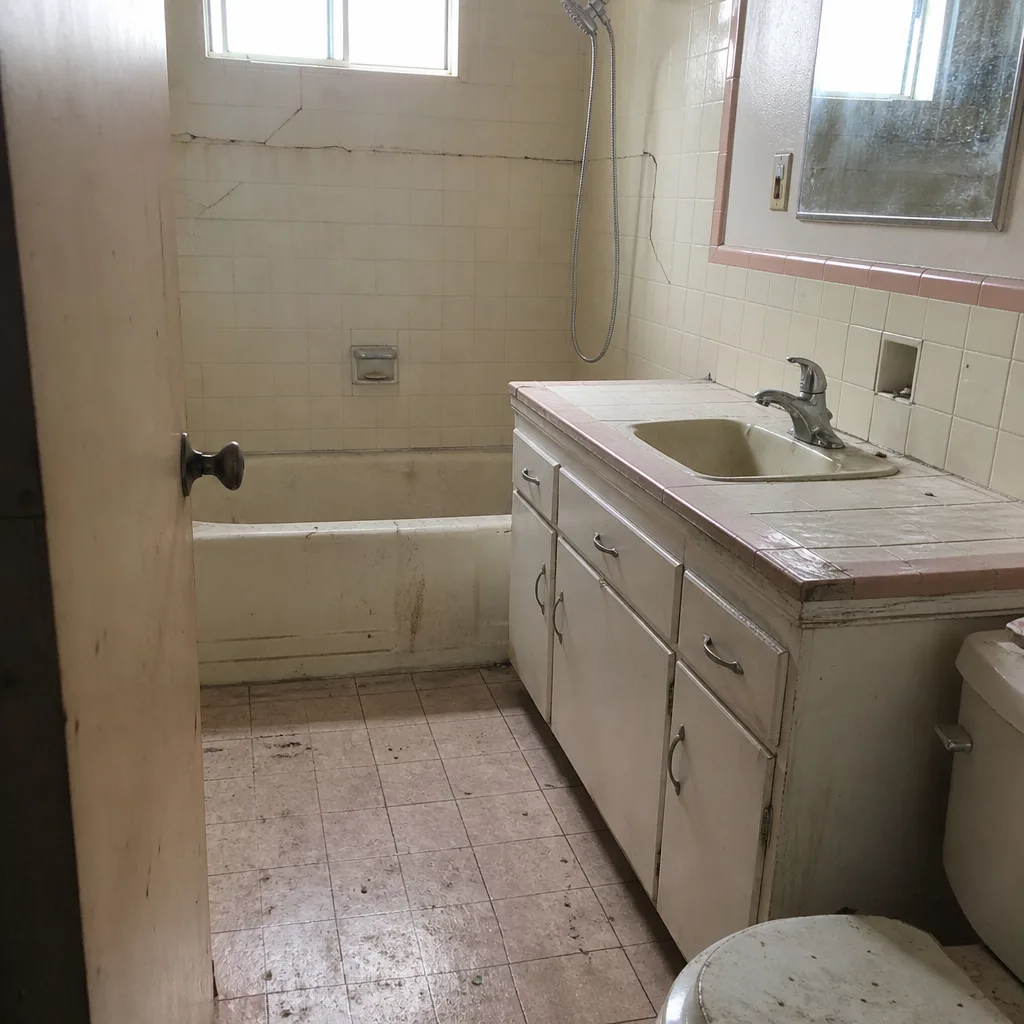 Before
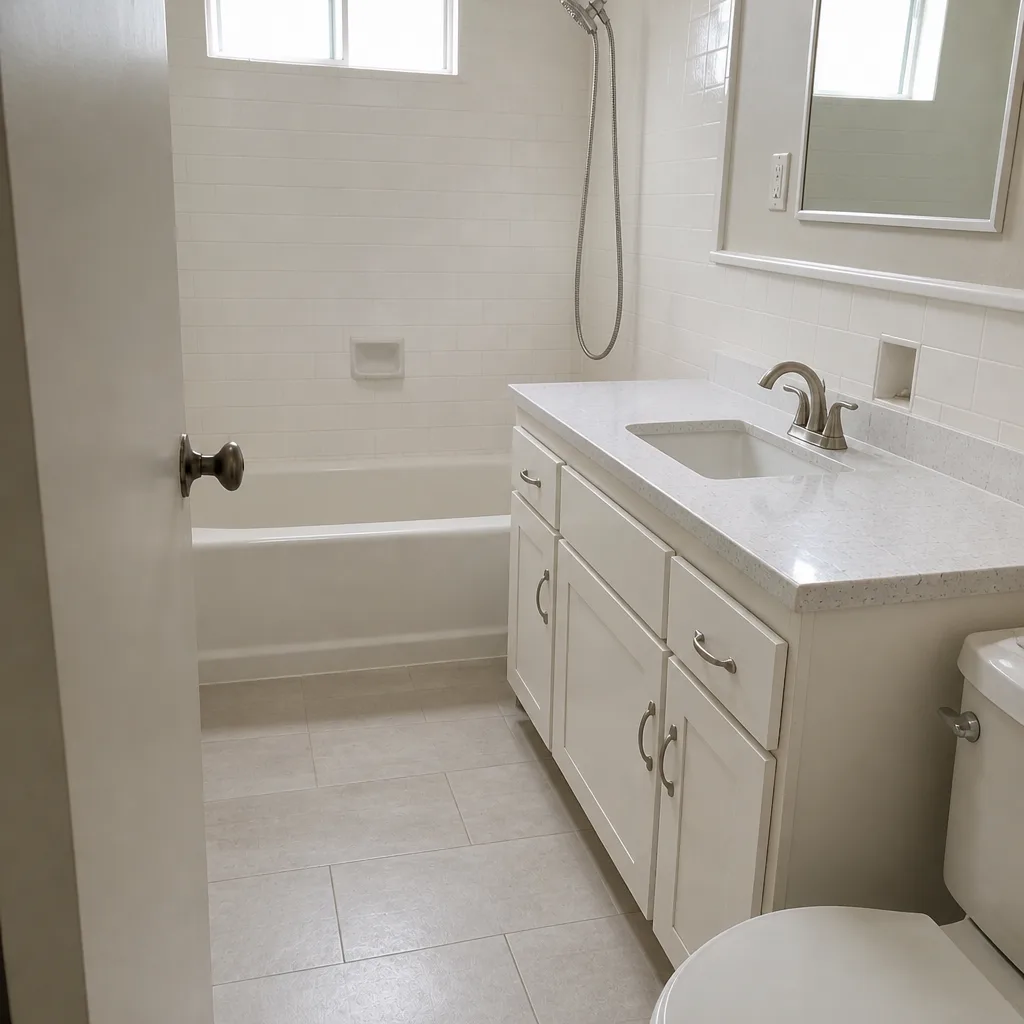 After
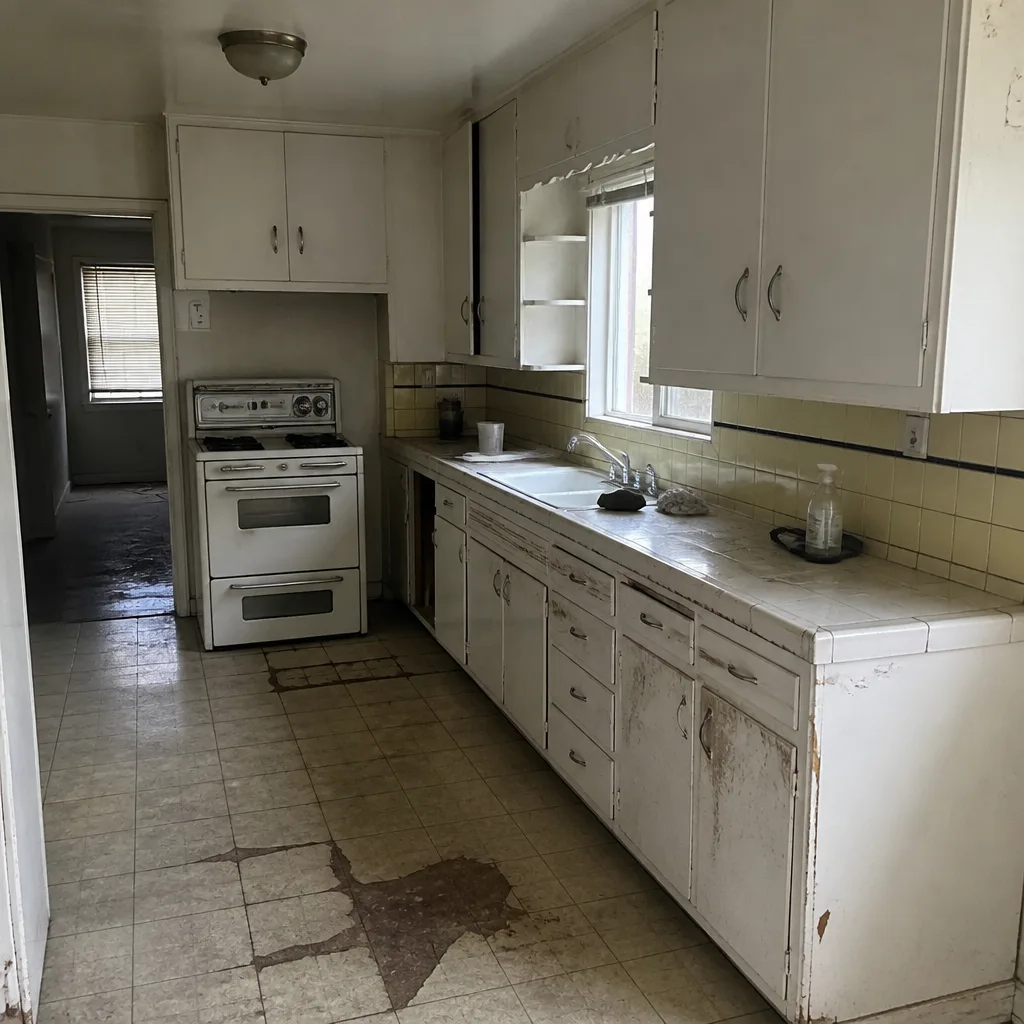 Before
 After
 Before
 After
When to Call a Professional
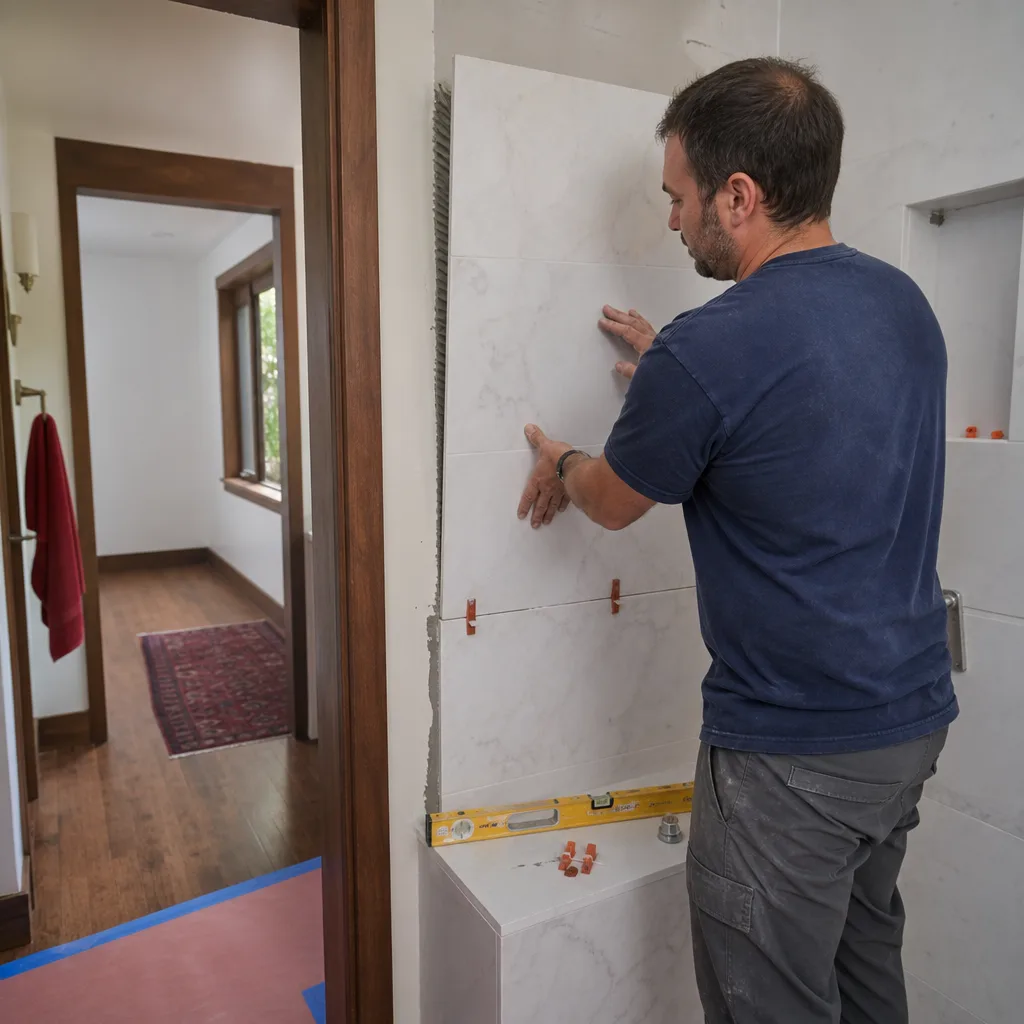
Some bathroom work is genuinely DIY territory – painting, swapping a vanity, replacing a towel bar. But three scenarios in a Long Beach home should get a licensed professional involved without delay. First, any plumbing relocation or rough-in work, because Long Beach inspectors want to see the work at rough-in and a failed inspection forces the drywall back off. Second, any project where the home is pre-1978 and demolition is planned, because asbestos adhesive and old wiring surface without warning. Third, any full-gut remodel involving a shower pan, waterproofing membrane, or tile work – the failures that come from improper waterproofing show up two years later as a $5,000 repair, not a $200 one.
Penhallow Remodeling Long Beach offers free estimates in Long Beach – call (833) 510-6967 to schedule one and get a written, itemized price before any work begins.
Frequently Asked Questions
A bathroom remodel in Long Beach typically runs $8,000 to $15,000 for a cosmetic refresh, $18,000 to $35,000 for a mid-range remodel, and $40,000 to $75,000 or more for a full gut with layout change. Pre-1978 homes often add $3,000 to $8,000 for hidden conditions like asbestos, galvanized piping, or knob-and-tube wiring. Call (833) 510-6967 for an exact written quote on your bathroom – estimates are free.
It shouldn’t, if the contract is written correctly. A properly written bid itemizes scope, allowances, and exclusions, and states upfront how hidden conditions like asbestos or rot will be priced if they surface. At Penhallow, the written price before work starts is the price on the invoice, with any change order approved in writing before the extra work is performed. Call (833) 510-6967 to see an example estimate.
Yes, if you’re moving plumbing, adding or changing electrical circuits, altering walls, or converting a tub to a walk-in shower. Cosmetic work like paint, tile replacement over existing substrate, and vanity swaps usually doesn’t require a permit. Long Beach inspectors verify rough plumbing, rough electrical, waterproofing, and ventilation at multiple stages, so permits need to be pulled before demolition rather than after. Call (833) 510-6967 to confirm what your specific project requires.
A mid-range hall bath typically takes five to seven weeks from demolition to final walk-through, and a full gut with layout change runs eight to twelve weeks. Permit review in Long Beach adds three to six weeks before demolition can start, and cabinet or countertop lead times can add two to three more. Call (833) 510-6967 to get a realistic schedule for your specific project.
Stop work immediately and have the material sampled by a licensed abatement professional. If confirmed, the affected flooring and adhesive must be removed by a licensed abatement contractor before remodeling proceeds. Long Beach remediation for a typical bathroom runs $800 to $2,500 depending on square footage and accessibility. Call (833) 510-6967 if you want to talk through pre-1978 bathroom scoping before you start.
Yes. On every bathroom remodel we manage, permits are pulled by the contractor of record and inspections are scheduled as part of the project timeline, not as an afterthought. That means rough-in inspections get called before drywall goes up and final inspections happen before the punch list closes, so you’re not chasing paperwork after the crew leaves. Call (833) 510-6967 for a written scope that names permit responsibility clearly.
The Bottom Line
A Long Beach bathroom remodel costs $8,000 to $75,000 depending on scope, with the biggest cost swings coming from hidden conditions in older homes and the allowances written into your bid. Pre-1978 homes in Belmont Heights, Wrigley, and Rose Park frequently turn up asbestos adhesive, galvanized plumbing, and knob-and-tube wiring that add $3,000 to $8,000 to the project if those possibilities weren’t priced in from day one. The one thing that keeps a project on budget is a written contract that names scope, allowances, exclusions, and the change order process before demolition. Everything else – the tile, the vanity, the fixtures – follows from that.
At Penhallow Remodeling in Long Beach, we write the price and the guarantee before the first cabinet is pulled. Every project gets a written, itemized price up front, a defined arrival window, background-checked technicians in uniform, and the 365-Day Done Right Promise in writing – if something fails, we come back and fix it at no charge. Live phone coverage is answered by a real person 24/7. Call (833) 510-6967 to schedule your free estimate.
Written by the team at Penhallow Remodeling Long Beach.