
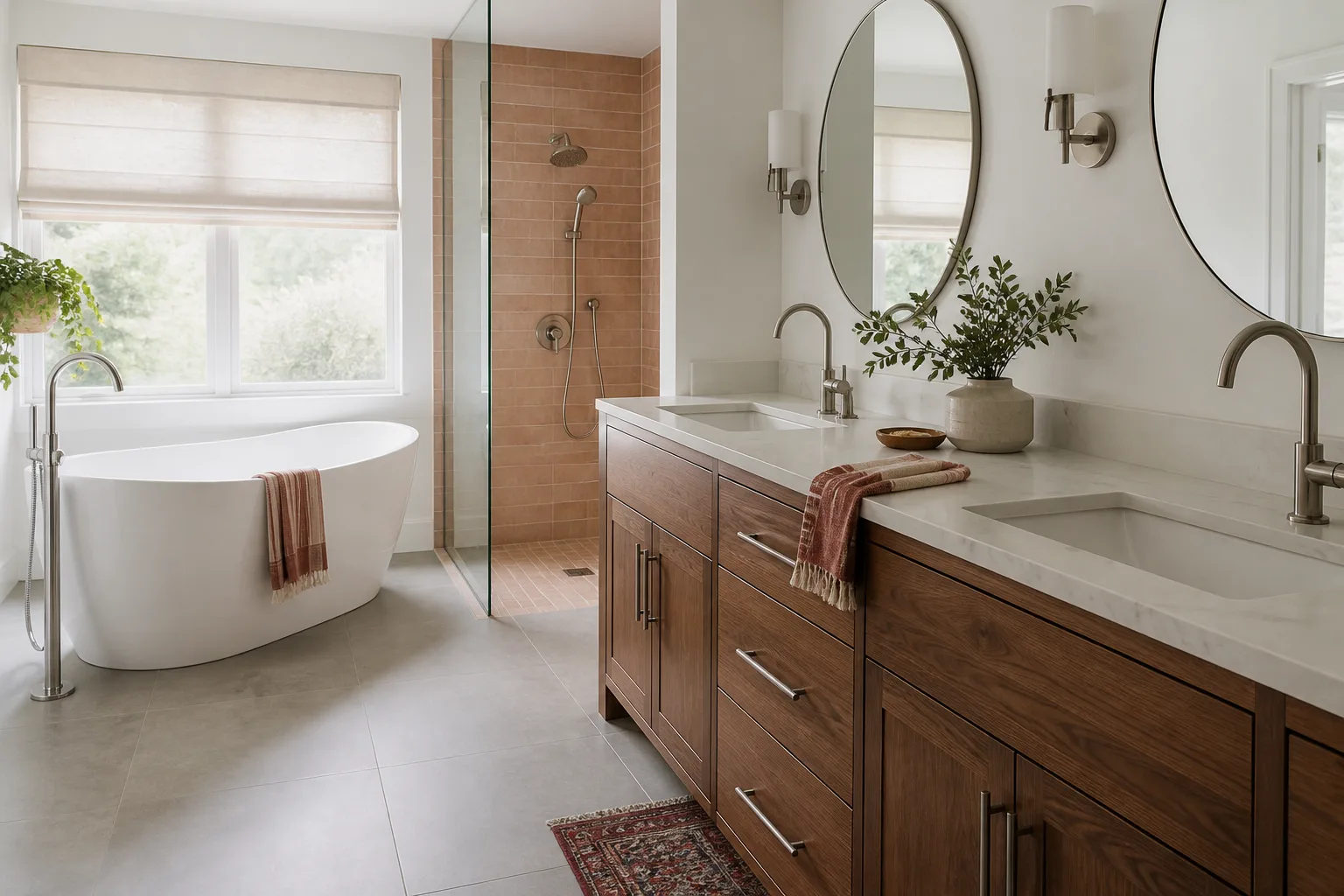
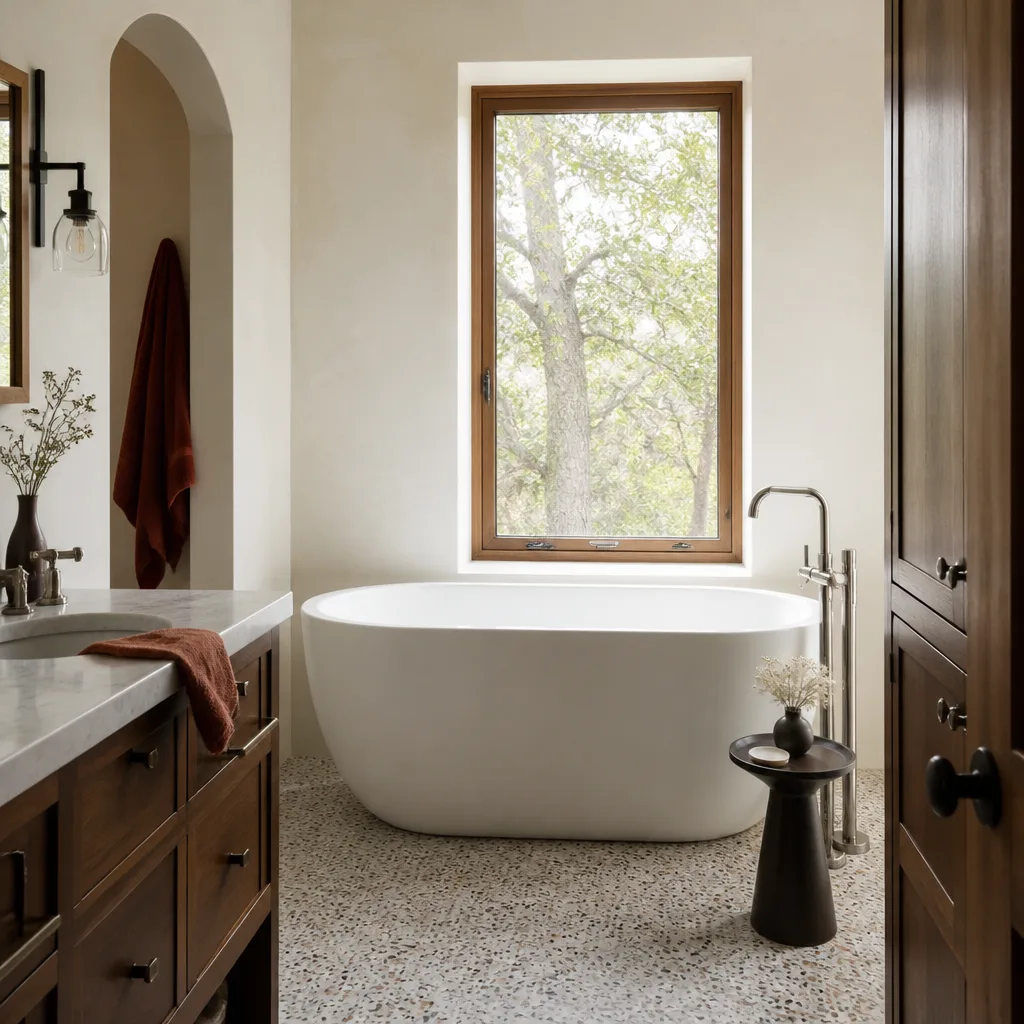
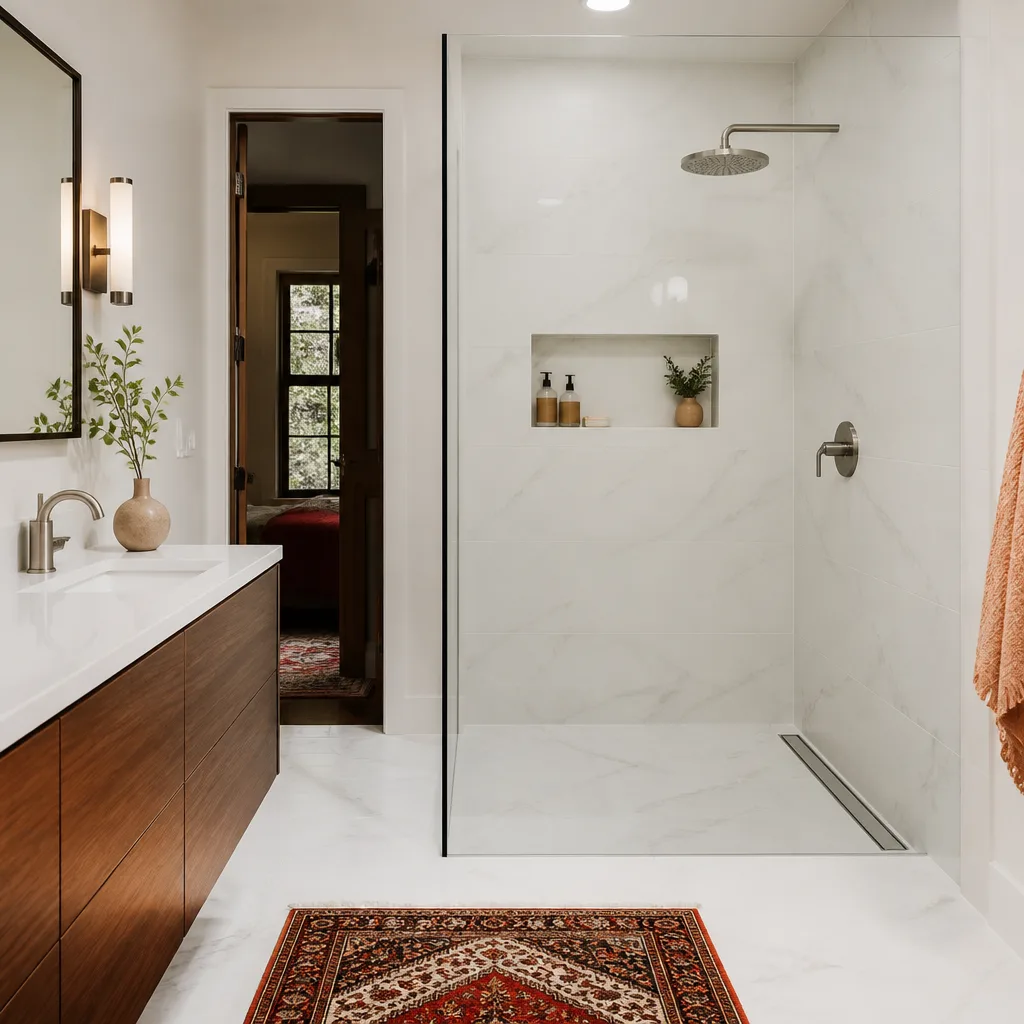
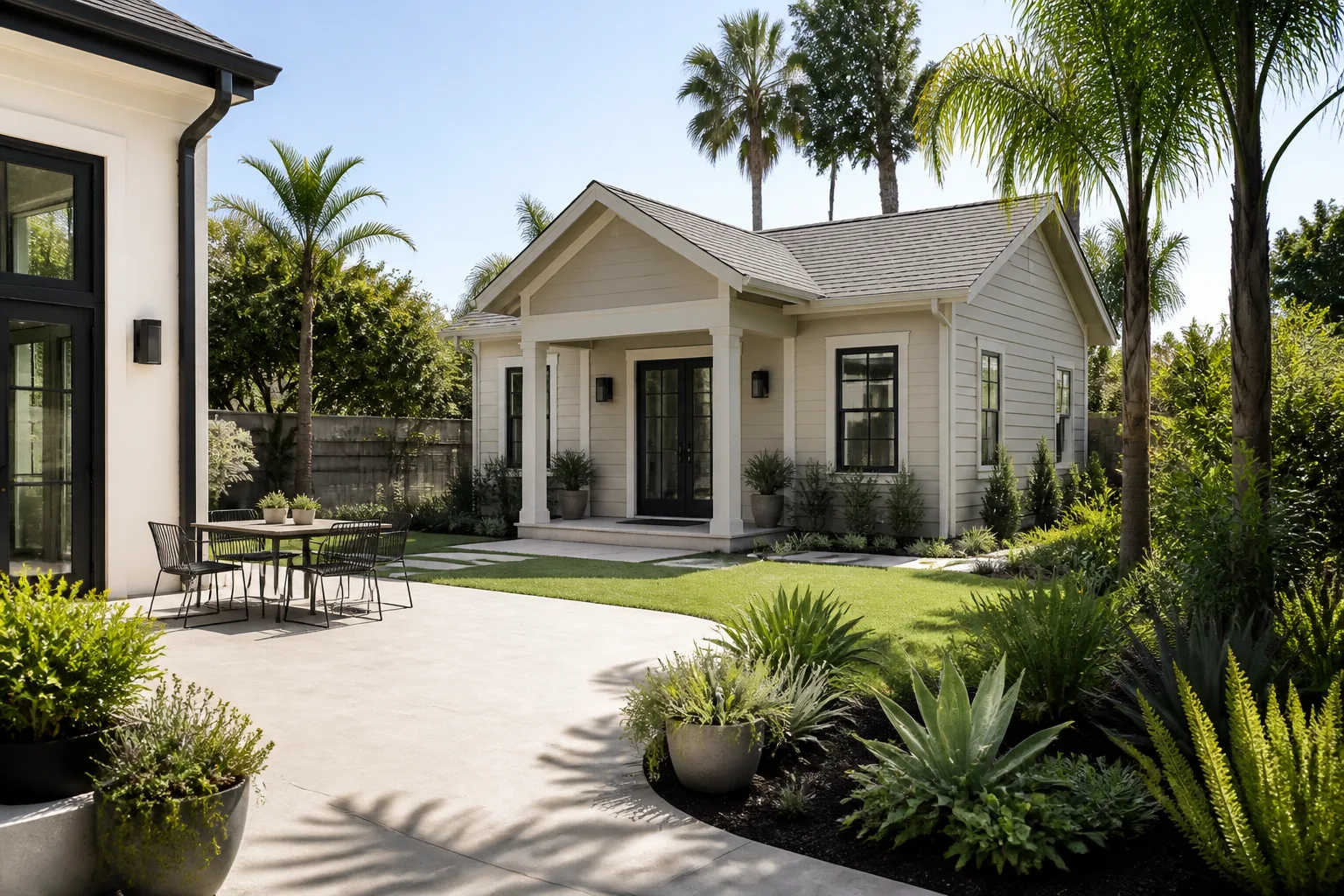
Free written scope consultation - allowances, timeline, and change-order rules on paper before a single trade is scheduled
American Standard Home Additions & ADU: The Long Beach Owner’s Guide
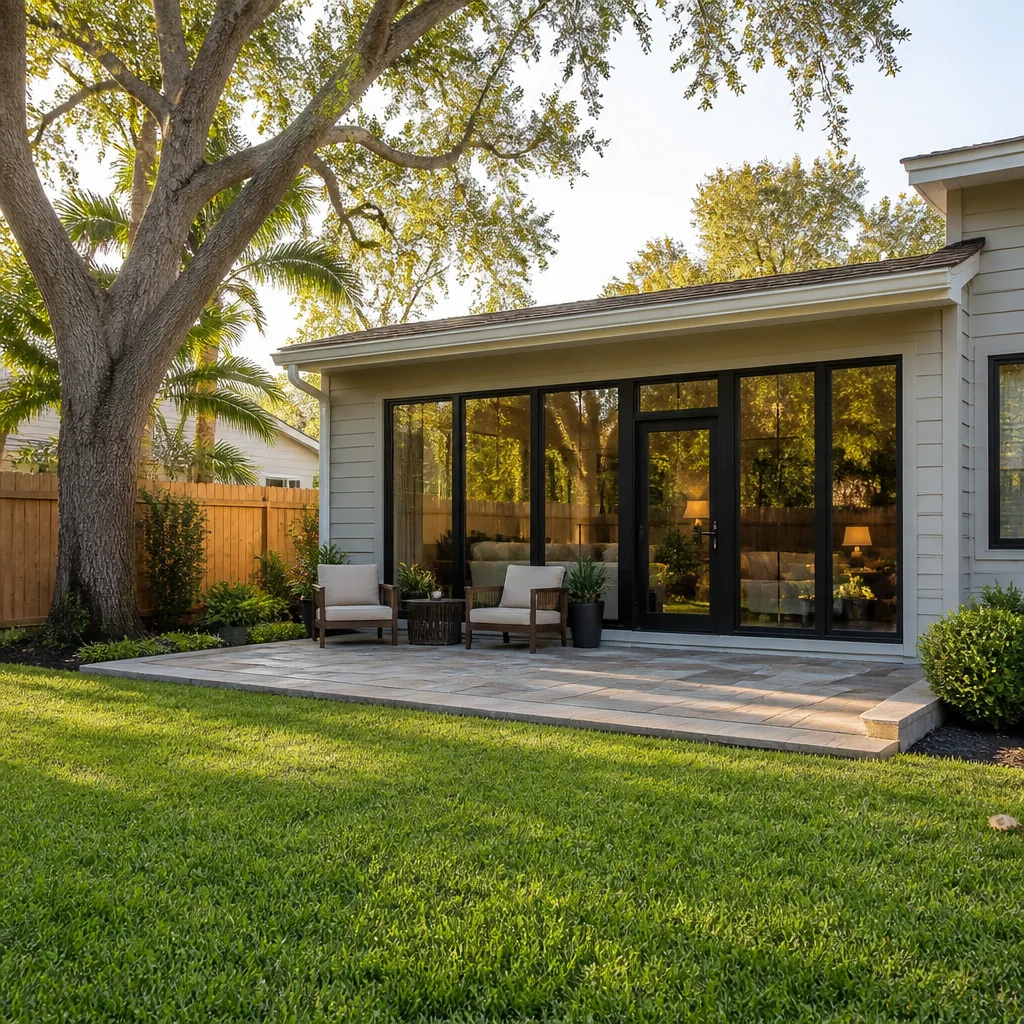
If you’re planning an American Standard home addition or ADU in Long Beach, the installed cost typically runs $45,000 – $130,000 for an addition and $90,000 – $220,000 for a detached or attached ADU, depending on square footage, foundation type, and how the new space connects to existing plumbing and electrical. This isn’t a same-day job, and we’ll never pretend it is. A real ADU or addition moves through design, permitting with the City of Long Beach, foundation and framing, and finish work over months, not hours.
Owners usually land on this page after a different discovery: they’ve bought a Long Beach bungalow with an unpermitted addition that failed inspection, or an existing American Standard-equipped bathroom or kitchen addition has started leaking at the rough-in, showing cracked tile over a swelling substrate, or tripping a breaker every time the new circuit loads up. That’s when the questions start about what’s actually behind the wall and what it costs to make it right.
Key Takeaways
- Home additions in Long Beach typically run $45,000 – $130,000; ADUs run $90,000 – $220,000.
- Garage conversions sit at $30,000 – $80,000 and are often the fastest path to rental income.
- We’re an independent remodeler, not affiliated with American Standard, and we source fixtures through recognized brands like KraftMaid, Cambria, and Silestone.
- Every project gets a written price before work starts and our 365-Day Done Right Promise in writing.
Which American Standard Models This Applies To
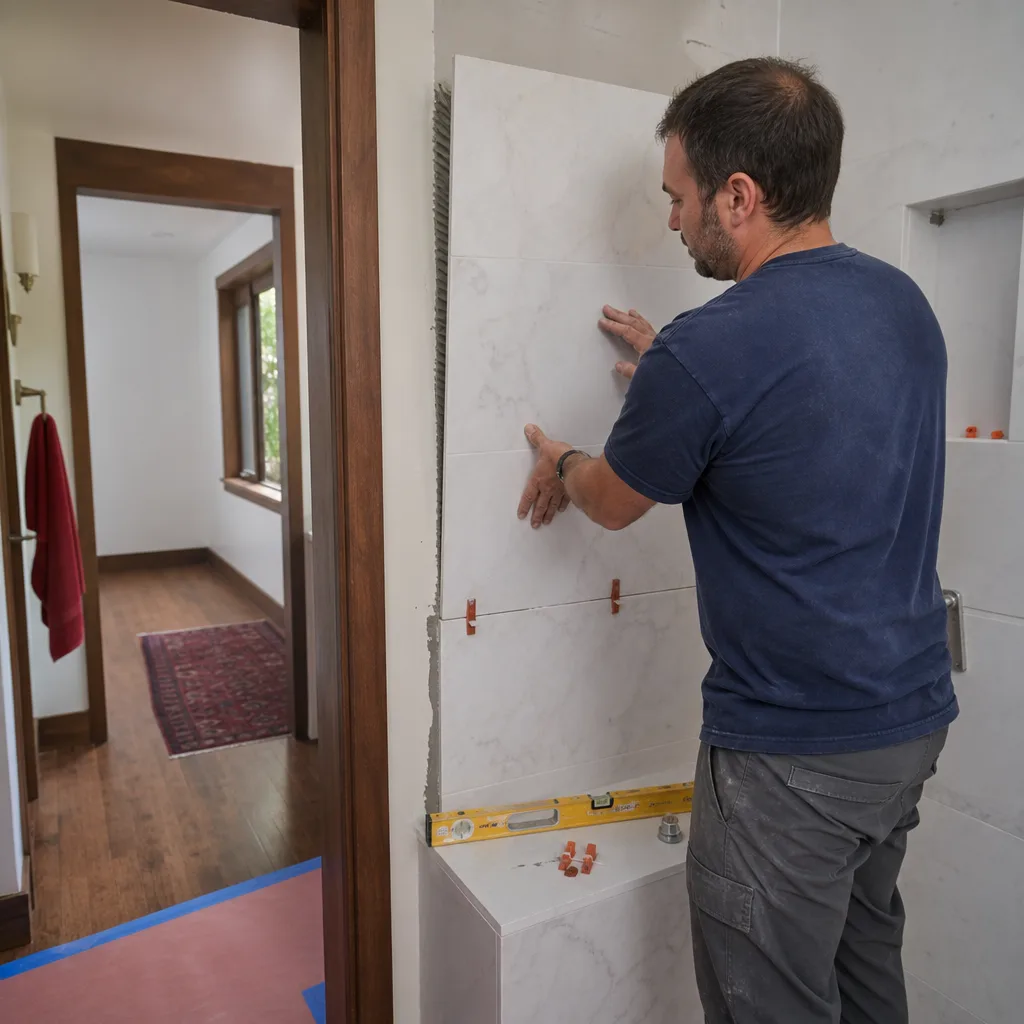
American Standard fixtures turn up throughout older Long Beach additions, especially in bathrooms added to 1920s – 1950s bungalows in neighborhoods like Bluff Park, Rose Park, and Belmont Heights. The company’s Town Square, Boulevard, and Studio line toilets, its Green Tea and Serin tubs, and its Colony and Portsmouth faucet families were common builder picks for decades, which means you’ll find them behind the drywall of a lot of permitted and unpermitted additions alike.
To identify what you’re working with, look for the model or serial plate in three places: inside the toilet tank lid, on the underside of a sink or tub rim, or stamped on the faucet body under the escutcheon. Measure the rough-in (the distance from the finished back wall to the center of the drain), the tub alcove length, and the faucet center spacing rather than trusting a model name alone. American Standard has kept the same model names across multiple generations with different internals, so matching by name only leads to the wrong part.
Where OEM parts carry a premium, quality aftermarket equivalents from brands like Fluidmaster or Korky are a defensible choice for flush valves and fill valves. For anything touching the tub drain shoe, the shower valve cartridge, or the rough-in plumbing inside a new wall, stick with OEM or a contractor-supplied equivalent that matches the original spec.
Styles & brands we work with
- Kitchen remodeling
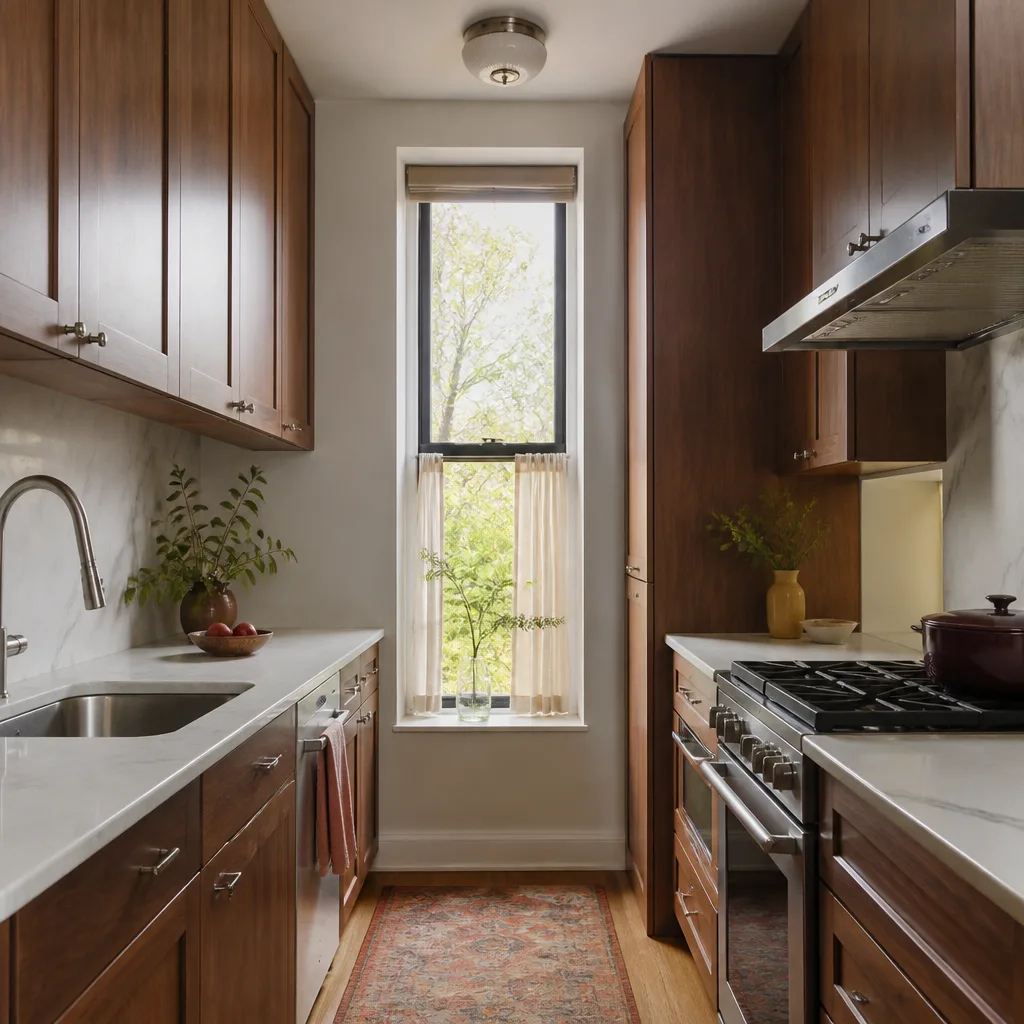
- Bathroom remodeling
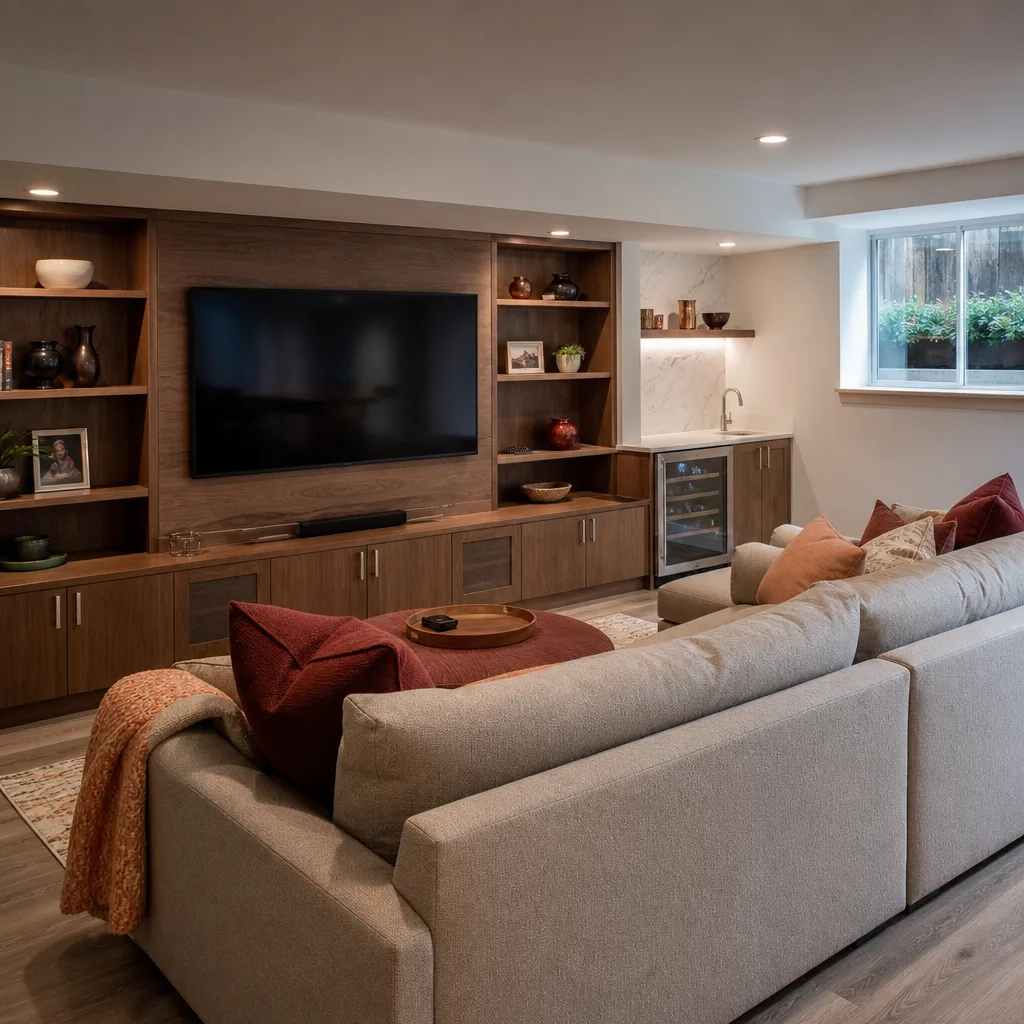
- Home additions & ADU
- Roofing
- Windows & doors
- Driveway & pavers
- Fence
Signs Your American Standard Home Additions & ADU Is Failing
When the plumbing or substrate behind an American Standard-equipped addition starts to go, the symptoms show up in predictable order. Here’s what each one is telling you.
- Cracked or lifted tile in the new bathroom floor. A substrate (the moisture-resistant layer behind tile) that wasn’t properly bedded or waterproofed moves underfoot, and the tile above it fails. In Long Beach’s marine air, cement board that wasn’t sealed at seams swells seasonally and telegraphs through.
- Water staining on the ceiling below the new bath or shower. The American Standard shower valve, drain assembly, or supply lines are leaking at a joint the original installer didn’t torque or didn’t pressure-test. Left alone, it rots the subfloor and framing faster here than in a dry climate.
- A wet spot or musty smell at the toilet base. The American Standard wax ring or the closet flange underneath it has failed, often because the toilet was reset on a floor with the wrong flange height after the addition’s finish floor went down.
- Breakers tripping when the new circuit loads. The addition’s electrical wasn’t sized for the fixtures and appliances actually installed, and the load is riding the edge of the breaker rating.
- Doors and windows that stick in the new space. Framing or foundation movement, common on Long Beach’s expansive clay soils near the coast, is showing up as binding at the exterior openings.
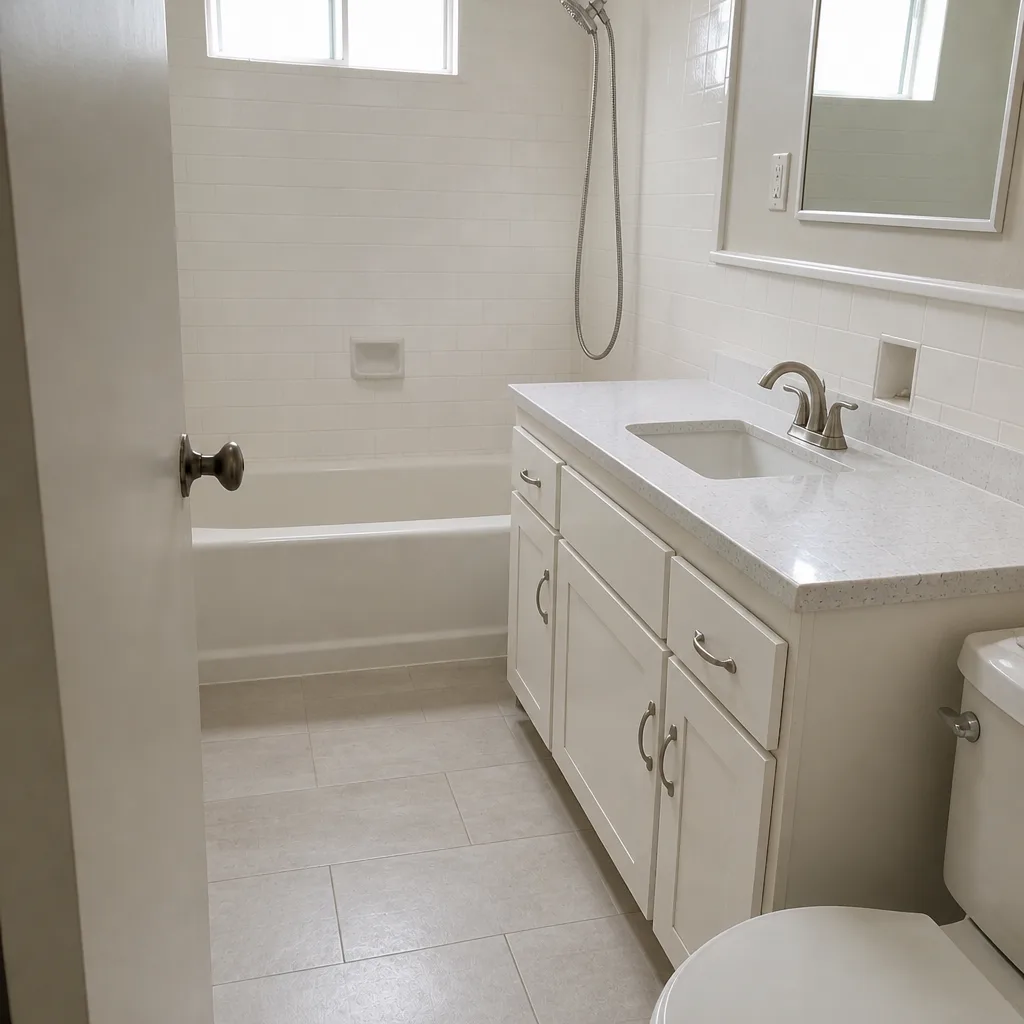
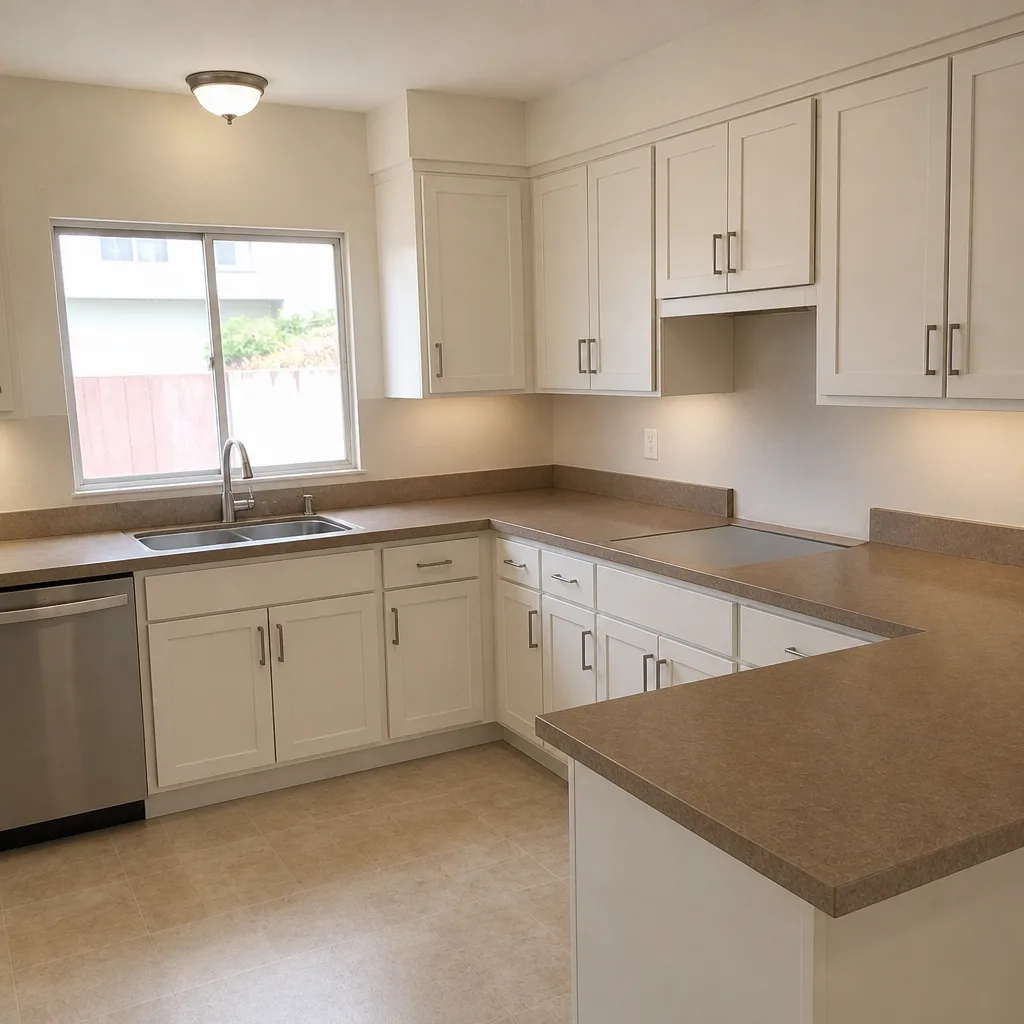
See the difference
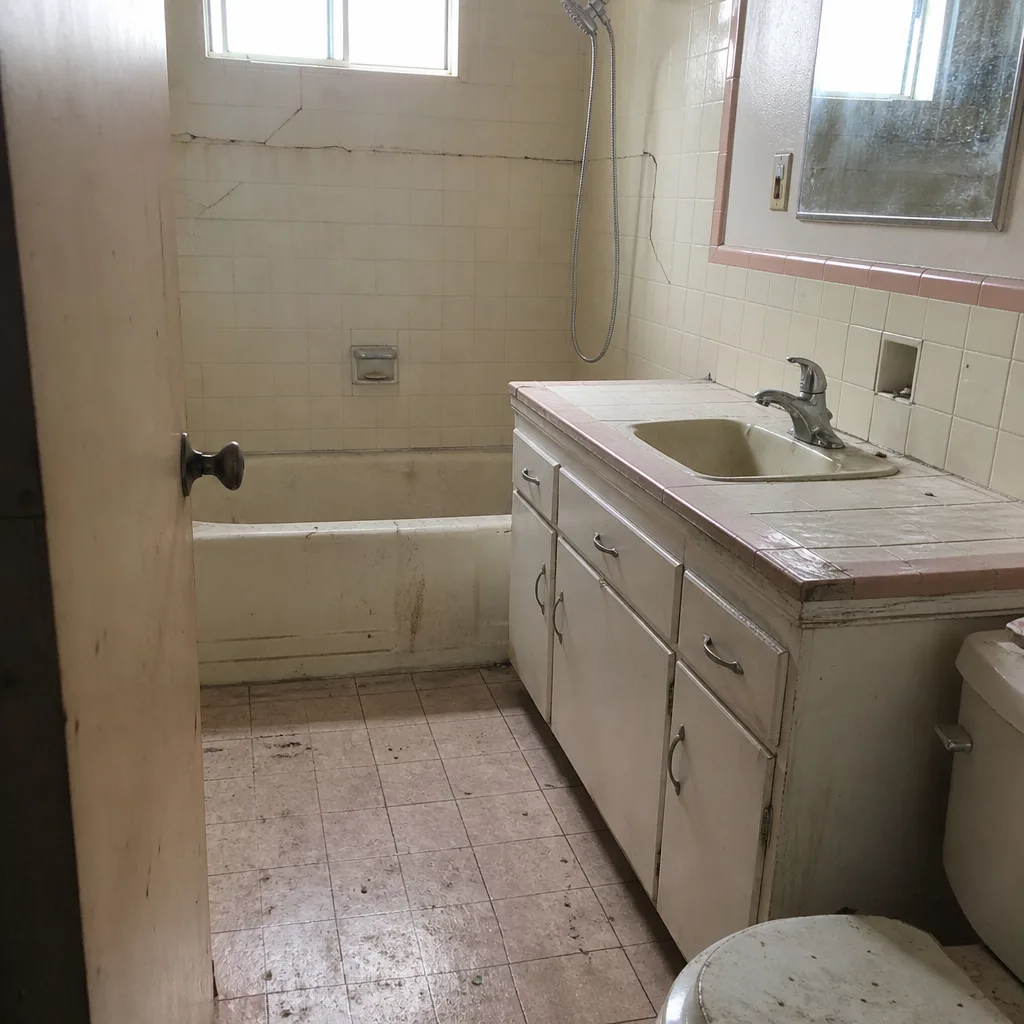 Before
 After
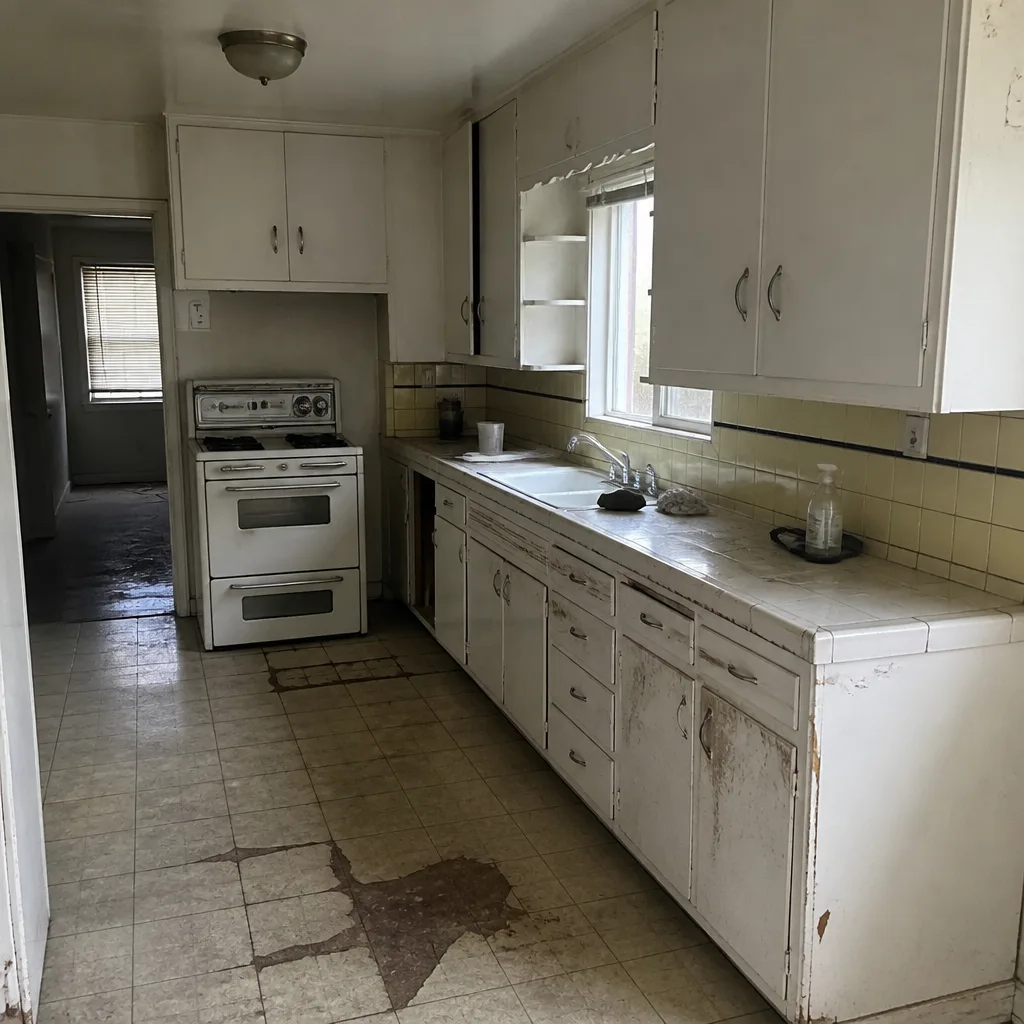 Before
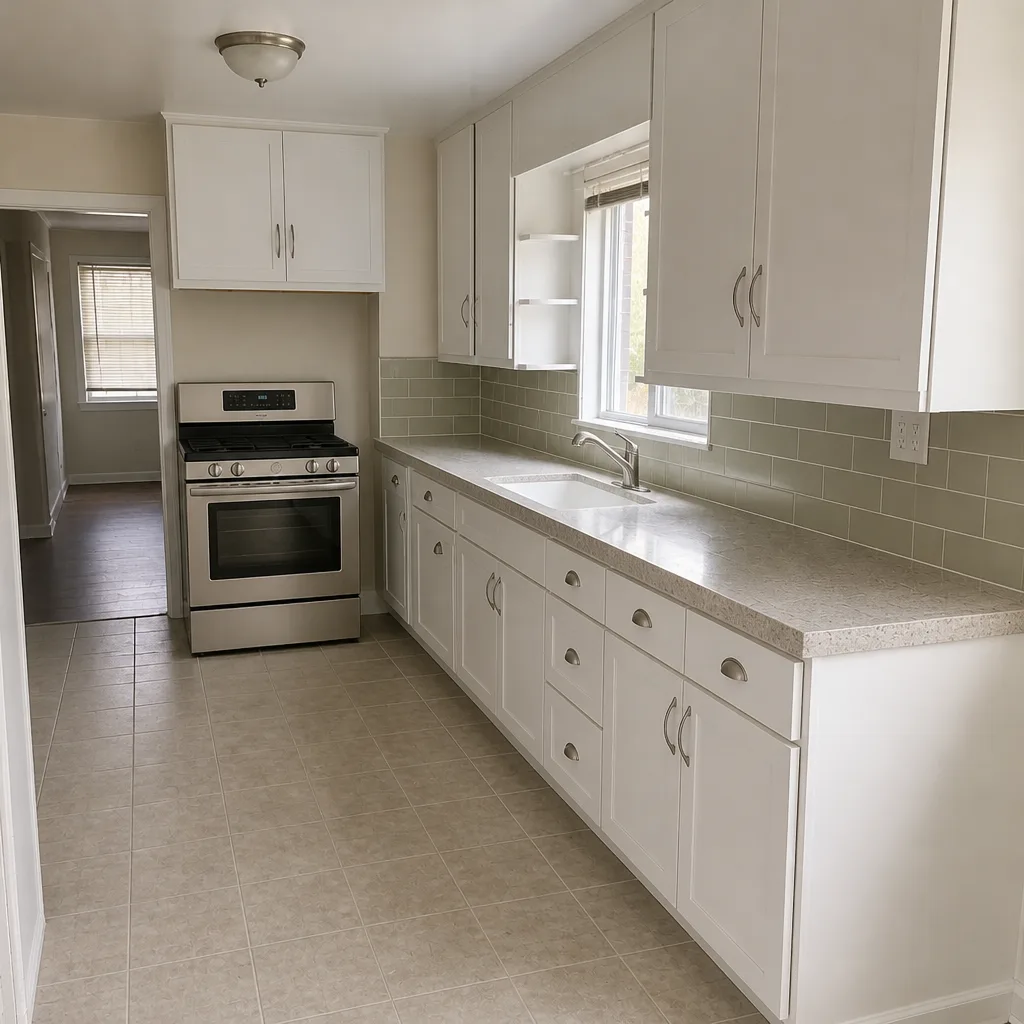 After
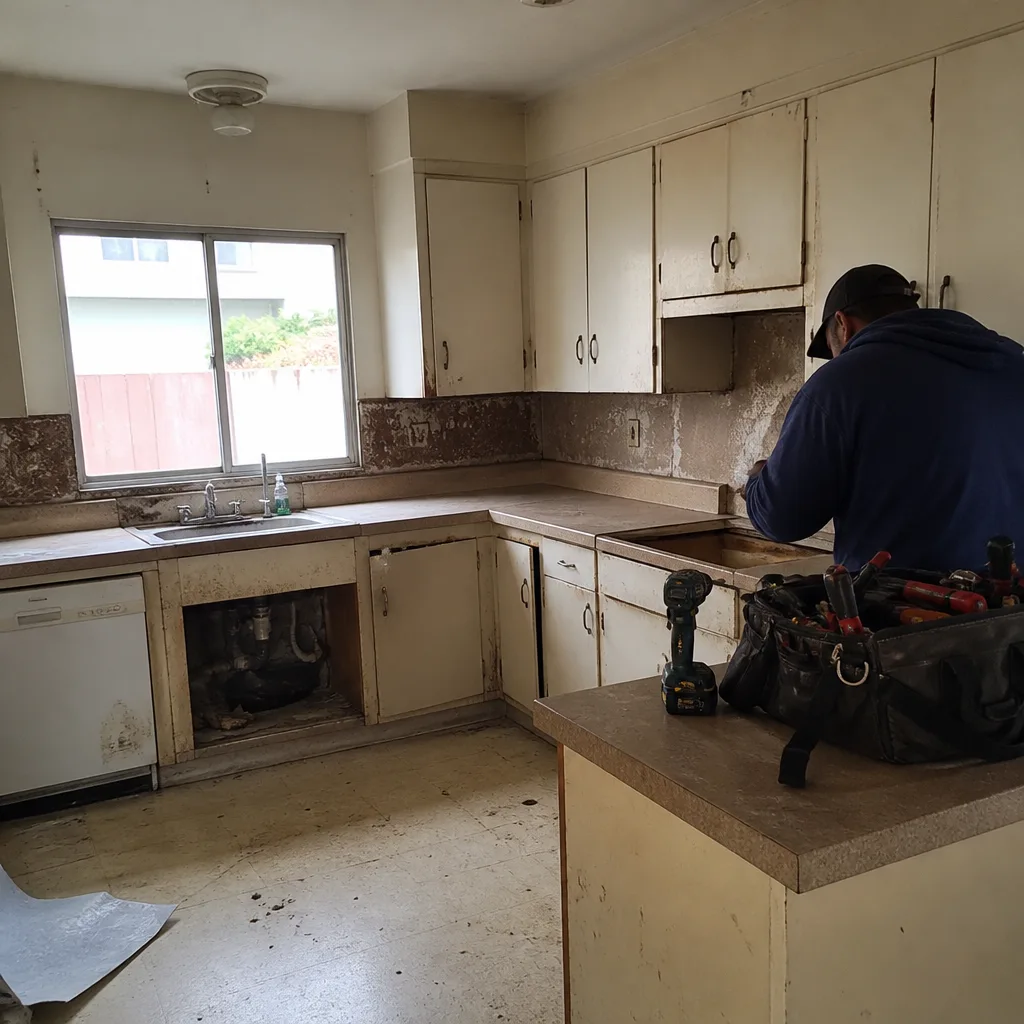 Before
 After
Replacement Cost & What’s Included
Here are the market-calibrated ranges we quote in Long Beach. Every one of these is a written price before work starts, not a verbal ballpark.
| Project | Typical Long Beach Price |
|---|---|
| Home Addition | $45,000 – $130,000 |
| ADU Construction | $90,000 – $220,000 |
| Garage Conversion | $30,000 – $80,000 |
| Bathroom Remodel (inside the addition) | $9,000 – $28,000 |
| Kitchen Remodel (inside the addition) | $14,000 – $45,000 |
| Walk-In Shower Installation | $4,500 – $12,000 |
What pushes a number toward the top of the range: a foundation that needs engineering, a lot that won’t take a standard footprint, permits that hit Long Beach’s Coastal Commission overlay, and a rough-in that has to be relocated. What keeps it near the bottom: a straight garage conversion on an existing slab, standard 8-foot ceilings, and a bathroom kept in its original location.
Our 365-Day Done Right Promise backs every project in writing. If something fails inside that year, we come back and fix it at no charge, and the return visit has no service fee.
DIY or Call Us?
There’s a short list of things a careful homeowner can check safely. You can shut off the water at the fixture stop, confirm the model number on the plate, measure the rough-in, and note where the staining or cracking appears. You can tighten a loose toilet bolt or swap a float in a toilet tank with basic tools.
What we don’t recommend is opening a wall to chase a supply leak, resetting a toilet on a flange you haven’t assessed, or adjusting the electrical load on an addition’s subpanel. Those are the calls where DIY goes from a weekend to a five-figure repair, especially when the framing is wet and the substrate behind it has to come out. Our technicians have up to 22 years of experience and carry background checks and uniforms on every job. Call (833) 510-6967 for a free estimate and we’ll tell you plainly whether it’s a swap or a full rough-in.
FAQs
A well-installed American Standard toilet or tub typically lasts 15 – 25 years before seals, valves, or finish fail, and a properly built addition’s plumbing should outlast that. In Long Beach’s coastal humidity, expect 10 – 15 years on any rubber or wax seal that sees seasonal movement. Call (833) 510-6967 for an exact quote – estimates are free.
Often yes. A failed American Standard fill or flush valve can be rebuilt for a fraction of replacement, and a leaky shower valve cartridge can usually be swapped without opening the wall. The lines where repair doesn’t pay: a cracked tub, a rotted wax ring you can’t reach without pulling the fixture, or a leak that’s already soaked the framing behind it. Call (833) 510-6967 and we’ll tell you which side of that line you’re on.
A toilet valve or faucet cartridge swap is a 1 – 2 hour visit. A toilet reset with a new flange ring runs 2 – 3 hours. Anything that requires opening a wall or pulling up flooring in the addition is a scheduled job measured in days, not hours, and we’ll tell you which one you’re getting before we start.
We source OEM American Standard parts through supply channels with confirmed model and serial matching, and we confirm the model plate before ordering. If a quality aftermarket equivalent is the right call, we say so and explain why. We don’t stock parts on a truck or claim a parts inventory; the part is ordered to your fixture.
Call (833) 510-6967 to schedule your free estimate. A live person answers around the clock, and you’ll get a written price before any work starts.
Written by the team at Penhallow Remodeling Long Beach, serving Long Beach and nearby areas.