Free written scope consultation - allowances, timeline, and change-order rules on paper before a single trade is scheduled
Boral Fence Installation: The Long Beach Owner’s Guide
Boral fence installation in Long Beach runs $3,500 – $9,000 installed, depending on the fence line, the Boral product series and whether old fencing and footings have to come out first. That price covers materials, labor, haul-away and a written guarantee. Long Beach homeowners usually find us when a fence board cracks at the nail head, a post starts leaning toward the neighbor’s side, or a panel that looked fine last spring racks sideways after a Santa Ana wind event. If you own a Boral fence product and something on it has given way, this page is written for you.
Boral isn’t a name most people attach to fencing. Boral is known widely for brick, stone and masonry veneer, and for fiber cement building products, and those wall and cladding lines get adapted to fence use around here more often than you’d think. So let’s be straight about what the name means on a fence: the answer changes depending on whether you have a true Boral fencing component, a Boral-faced masonry pier, or a fiber cement panel system that carries the Boral cladding name. We install and replace fence systems that use these products. We’re an independent service provider, not affiliated with Boral, so we won’t sell you a part by the wrong name and call it OEM.
Key Takeaways
- Installed Boral-compatible fence work in Long Beach typically lands between $3,500 and $9,000.
- Fiber cement and masonry-backed fence products fail at fasteners and footings first, not at the panel face.
- Salt air and marine humidity in Long Beach corrode cheap fasteners years before the panels themselves go.
- We hand you a written price before any work starts, plus a 365-Day Done Right Promise on the job.
Which Boral Models This Applies To
Identify what you actually have before pricing anything. That single step prevents most of the expensive mistakes we see on fence repair calls around Long Beach.
- Boral fiber cement cladding panels used in fence systems: These read as a smooth or wood-grain sheet, usually 5/16 inch thick, with Boral branding stamped or printed on the back face. Pull a board and check the back. The back stamp and the panel thickness are your two identifiers.
- Boral brick and stone veneer on fence piers: If your fence runs between masonry columns, the columns may be built with Boral manufactured stone or thin brick over a block or wood core. The stone box and mortar bag, not the fence panel, tell you the product line.
- Boral fiber cement trim and fascia profiles: Trim boards that cap a fence run or frame a gate often come from the same cladding family. Match the profile width and thickness, not just the color name.
Here’s the compatibility gotcha that costs people money: fiber cement panel thickness varies across product generations, and a 5/16-inch replacement panel will not seat cleanly into a rail milled for a thicker sheet. The rail gap, not the panel length, is what bites you. If your existing panels are stamped on the back, photograph that stamp before you order anything.
The OEM-versus-aftermarket decision matters less than people expect when it comes to fiber cement. A quality aftermarket fiber cement panel made to the same thickness and finish holds up as well as brand-name board in our Long Beach climate, and it often costs less and ships faster. Where we do steer you toward the original product line is masonry: matching manufactured stone from a different maker usually shows at the grout line and the shade. Either way, we don’t claim to stock Boral parts. We source what you need, then install it.
Styles & brands we work with
- Kitchen remodeling
- Bathroom remodeling
- Home additions & ADU
- Roofing
- Windows & doors
- Driveway & pavers
- Fence
Signs Your Boral Fence Installation Is Failing
Fence failures here follow patterns. If you’ve spotted one of the five symptoms below, you’re not imagining it.
- Cracks radiating from nail heads. Fiber cement panels crack at the fastener line when the nail or screw is driven too tight or the board is fixed rigidly against seasonal movement. The crack starts small and runs on every wind cycle.
- Posts leaning or twisting. Long Beach’s sandy, sometimes shallow soils and high water tables push posts that weren’t set deep enough or were set in a concrete collar that cracked. A leaning post usually means the footing, not the post material.
- Rust streaks below fasteners. Marine air corrodes standard steel fasteners far faster than most people expect. Once you see orange bleed lines, the holding power at that joint is already compromised.
- Panels racking or pulling out of the routing. When a fence panel sits in a routed rail, water trapped in the groove swells or degrades the rail seat until the sheet pops out at the top corner. This is the classic “why is my fence wavy” complaint.
- Efflorescence or white powder on masonry piers. Manufactured stone piers showing white powdery bloom are wicking moisture from a saturated core or a failed cap. Cosmetic to look at; a sign of water movement you want stopped.
The salt air is the common thread. Panels rarely fail first. Fasteners and footings do, and the panel damage is what you finally see.
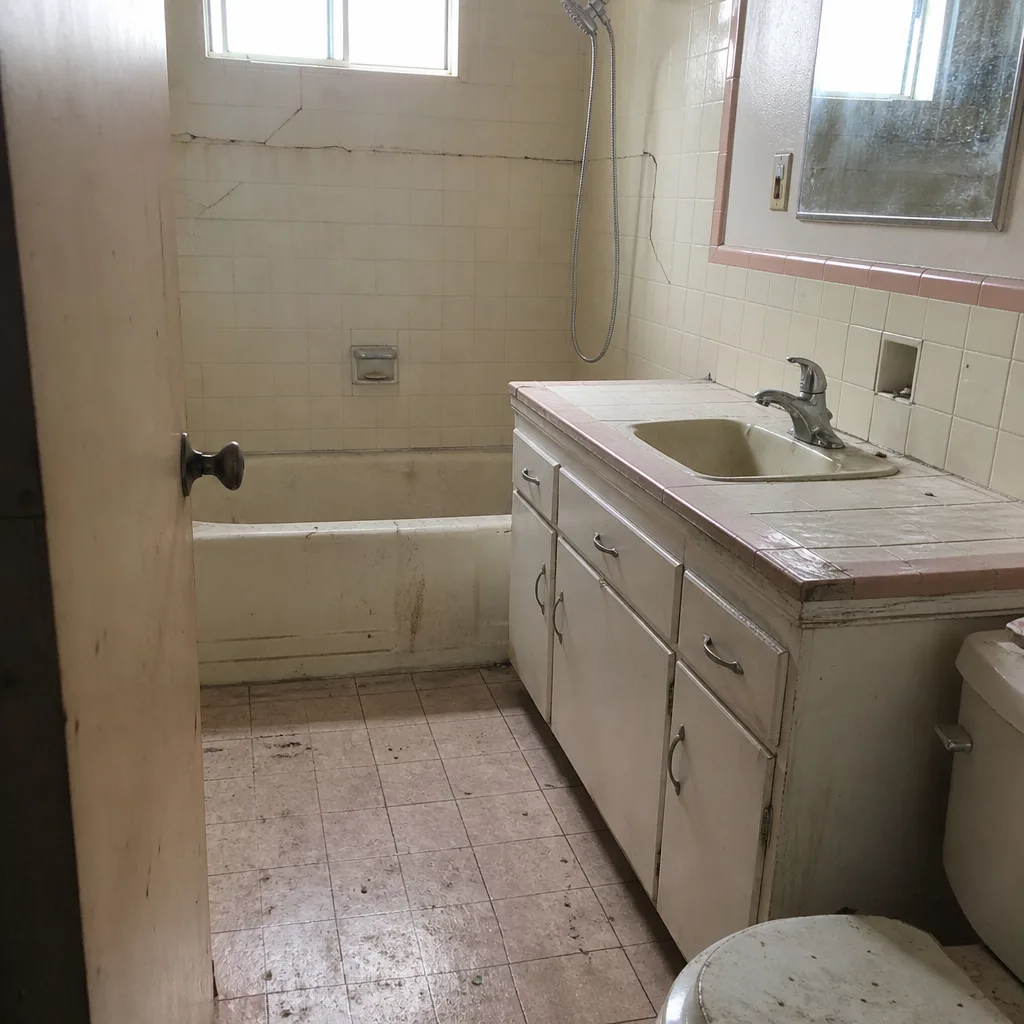
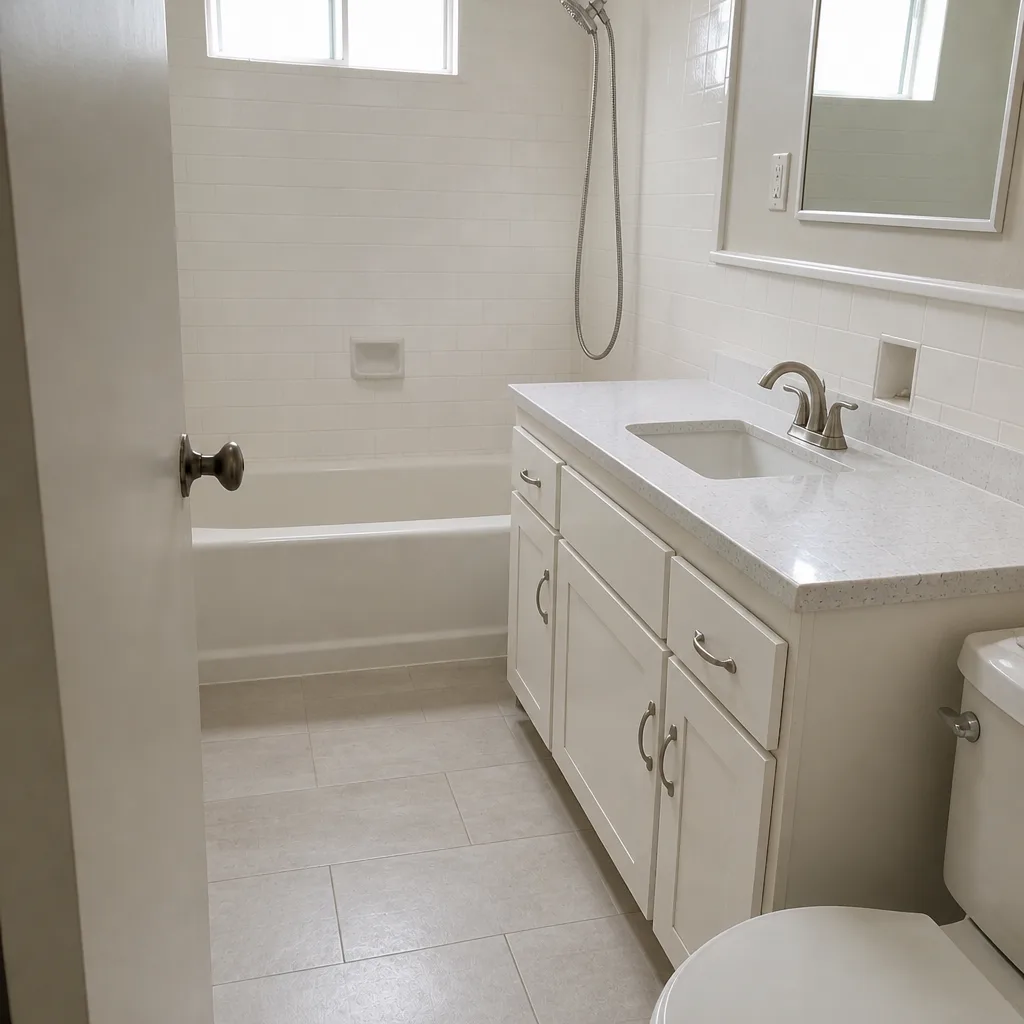
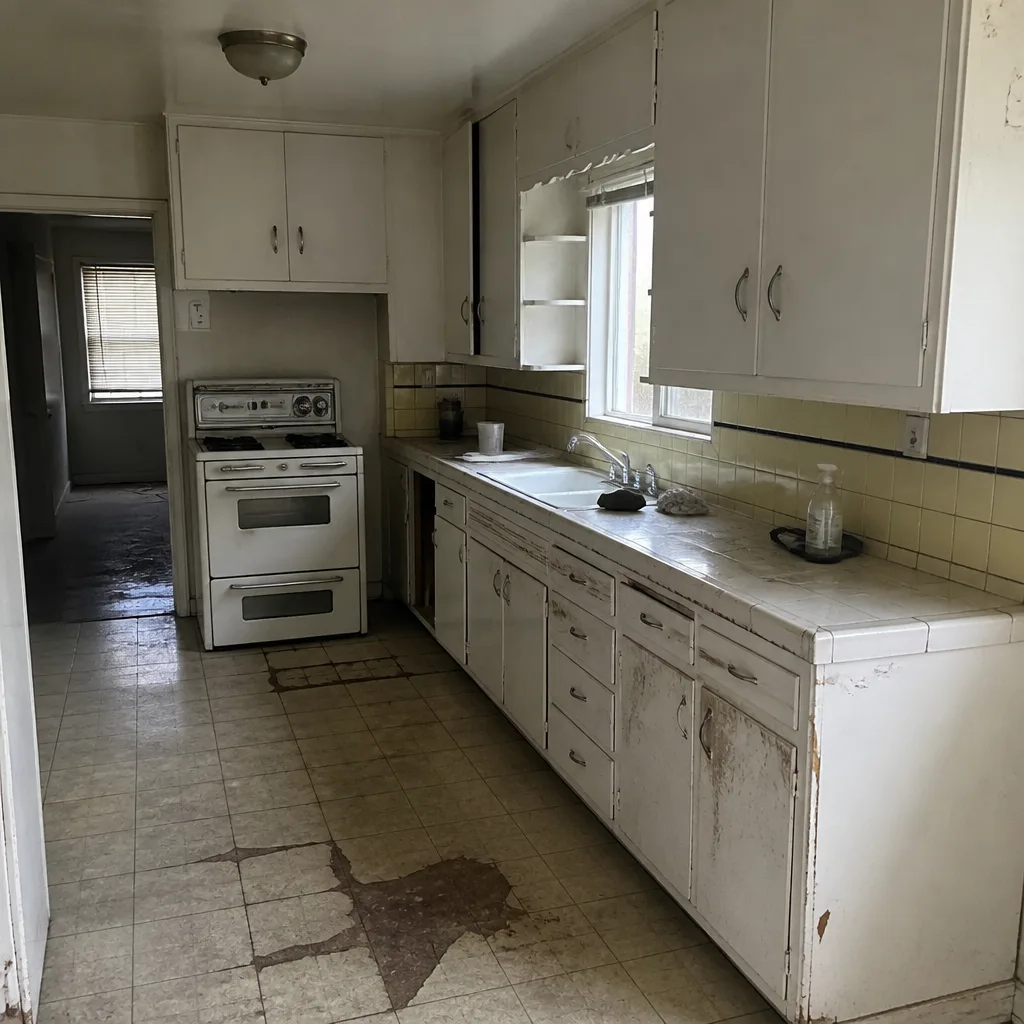
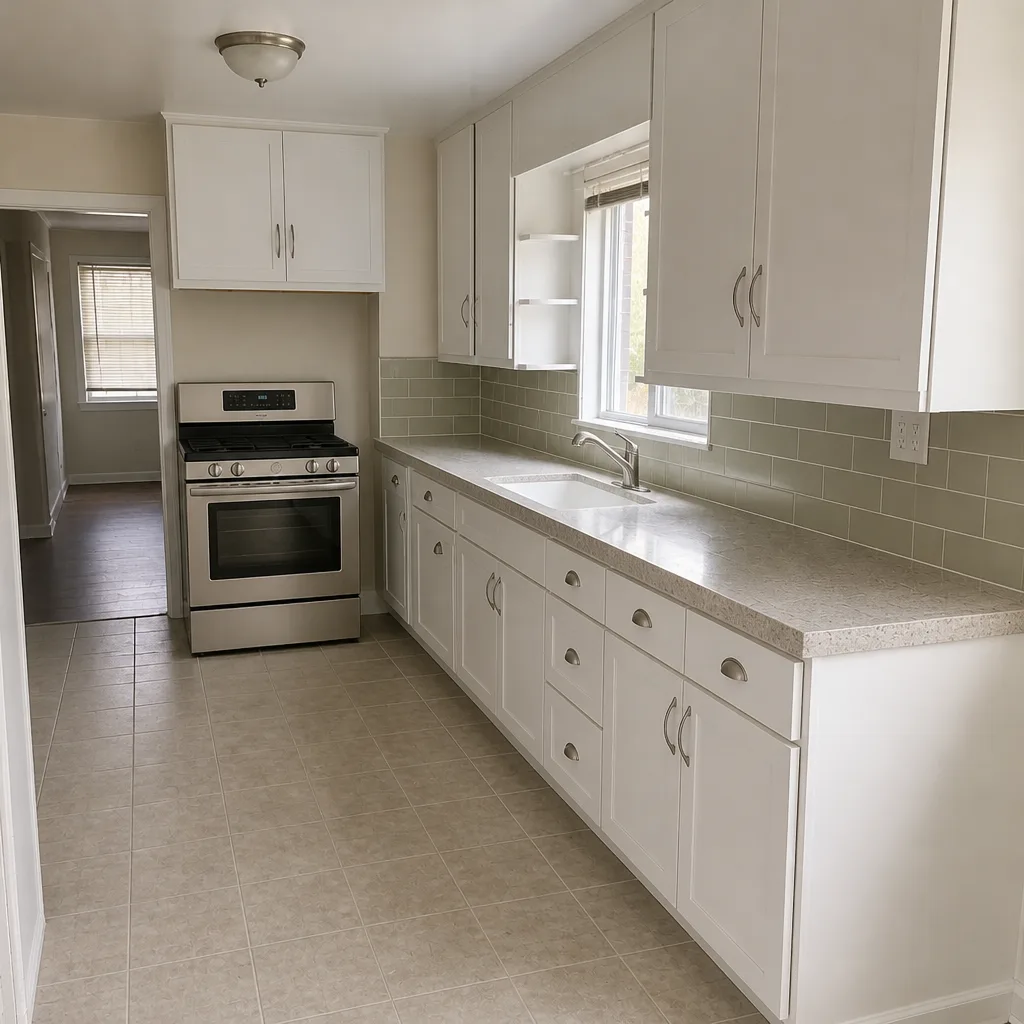
See the difference
 Before
 After
 Before
 After
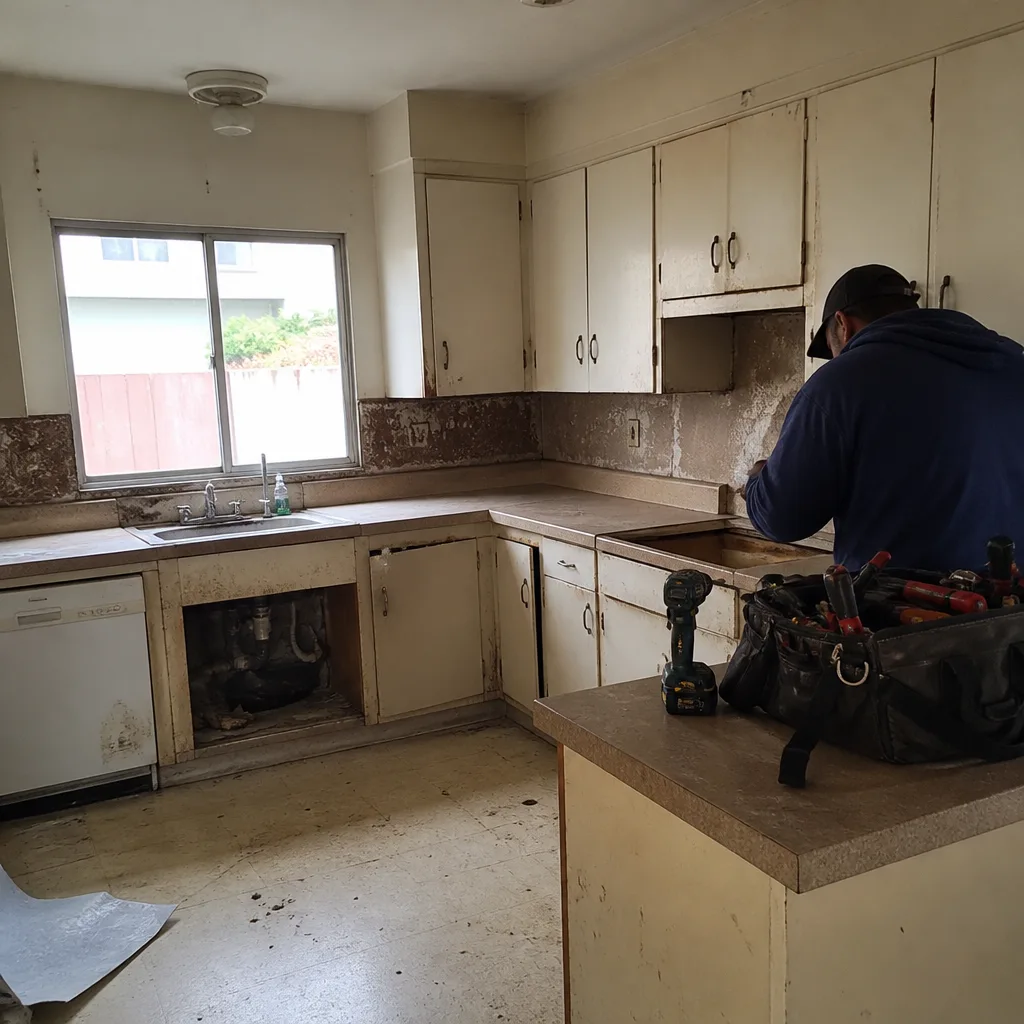 Before
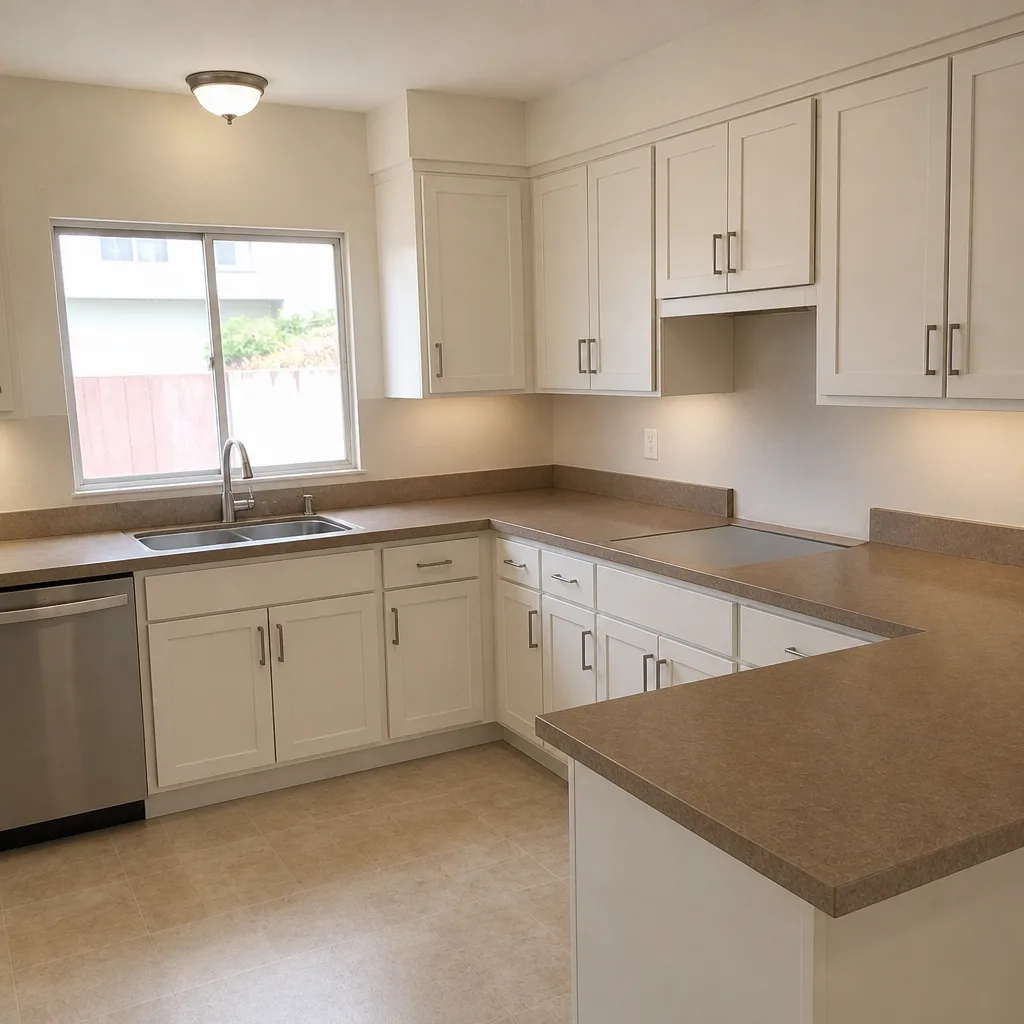 After
Replacement Cost & What’s Included
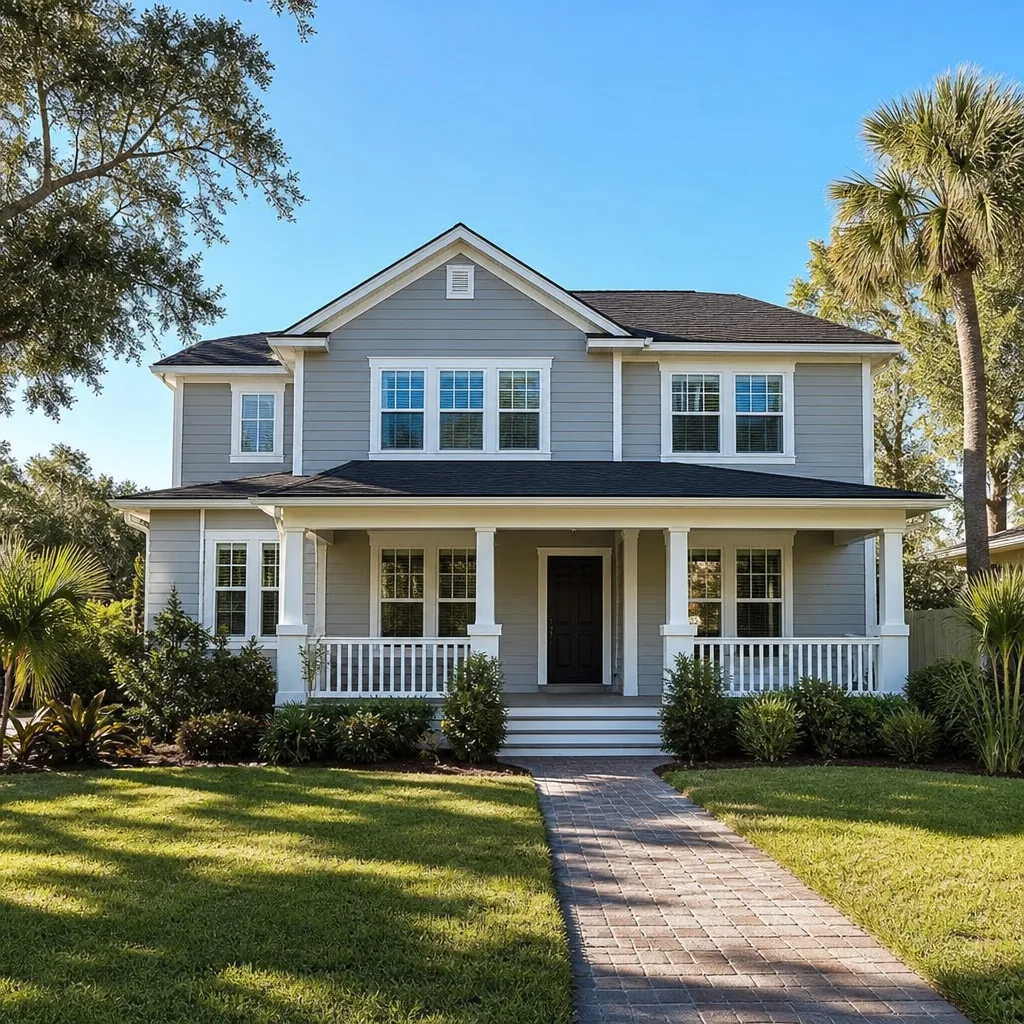
Boral-compatible fence installation in Long Beach typically runs $3,500 – $9,000, and a partial repair or single-section replacement is what sends people to this page, so here’s how that range breaks down.
| Work | Typical Long Beach Range |
|---|---|
| Single section or panel replacement | Lower end of the $3,500 – $9,000 range |
| Full fence line replacement, standard run | Upper end of the $3,500 – $9,000 range |
| Masonry pier repair or re-cap | Priced with the section work |
| Post footing reset or replacement | Priced with the section work |
Three things move the number. Fence length, because linear footage is linear footage. Site access, because a narrow side yard in a dense Long Beach block means material moves by hand. And footing condition. A fence hanging on failing footings costs more to correct than one where only the panels failed. You get a written, line-item price before any work starts. Not a ballpark on a handshake: the number on day one is the number on the invoice.
Every install carries our written guarantee plus the 365-Day Done Right Promise. If the work fails inside that year, we come back and fix it at no charge, and the second visit is free. Materials come from recognized trade brands. On interior projects we install KraftMaid, Cambria and Silestone; on exterior work we build to the same standard.
DIY or Call Us?
Some of this is safe to check yourself. Walking the fence line, taking photos of back stamps, measuring panel thickness with a caliper, and testing posts for wobble all cost nothing and tell us a lot. Clearing debris from where panels meet the ground is worth doing.
Here’s where DIY goes wrong on this product. Replacing a fiber cement panel without matching the rail gap produces the same racking failure within a season. Cutting and refastening without correct corrosion-resistant fasteners puts you back at the same rust streak in two or three years. And post footings are the real trap. Digging out an existing footing near utility lines without locating them first is a genuine hazard, and a fence panel is heavier and more awkward than it looks when you’re balancing it on a ladder. We recommend trained professionals for footing work and anything at height on a masonry pier. Most owners get exactly one attempt before the repair costs more than the original install.
Call us at (833) 510-6967 and we’ll talk through what you’re seeing. Estimates are free, and that includes the second look after a repair if something doesn’t hold.
FAQs
A properly built fiber cement fence run lasts 20 to 30 years in Long Beach; the panels themselves often outlast the fasteners and footings by a wide margin. In our marine climate, plan on checking fasteners and footing stability every few years, since salt air and winter moisture do their damage at the joints first. The panel face is rarely what ends a fence’s life. Call (833) 510-6967 for a free estimate on your specific line.
Yes, and it usually can be, if the failure is a single cracked panel, a handful of rusted fasteners or one leaning post. The deciding factor is the footings. If the posts are stable, section repair is the honest answer and costs far less than a full replacement. If multiple footings have failed, repairing panels alone just delays the same problem. Call (833) 510-6967 and we’ll tell you which one you’re looking at at no charge.
A single section or panel replacement is typically an afternoon’s work, while a full fence line can take several days depending on length and site access. Footing work and masonry pier repair add time, since concrete and mortar need to cure before the panels go back in. We give you a defined arrival window and hold to it. Call (833) 510-6967 for a written timeline with your quote.
We identify it from the back stamp, the panel thickness and, for masonry, the stone profile. Those three markers usually pin down the product line close enough to match, and if your panel is an older generation we’ll tell you what substitutes cleanly and what won’t. We don’t claim to carry stock or arrive with parts on hand, so we source to your actual spec. Call (833) 510-6967 to start with a free estimate.
If you’re standing in your side yard looking at a cracked panel or a post that’s given way, you already have what you need to get started. Call Penhallow Remodeling Long Beach at (833) 510-6967 for a free estimate. A real person answers, day or night. You’ll get a written price before any work starts, background-checked technicians in uniform on the job, and the 365-Day Done Right Promise behind the work.
Written by the team at Penhallow Remodeling Long Beach, serving Long Beach and nearby areas.