Free written scope consultation - allowances, timeline, and change-order rules on paper before a single trade is scheduled
IKO Home Additions & ADU: The Long Beach Owner’s Guide
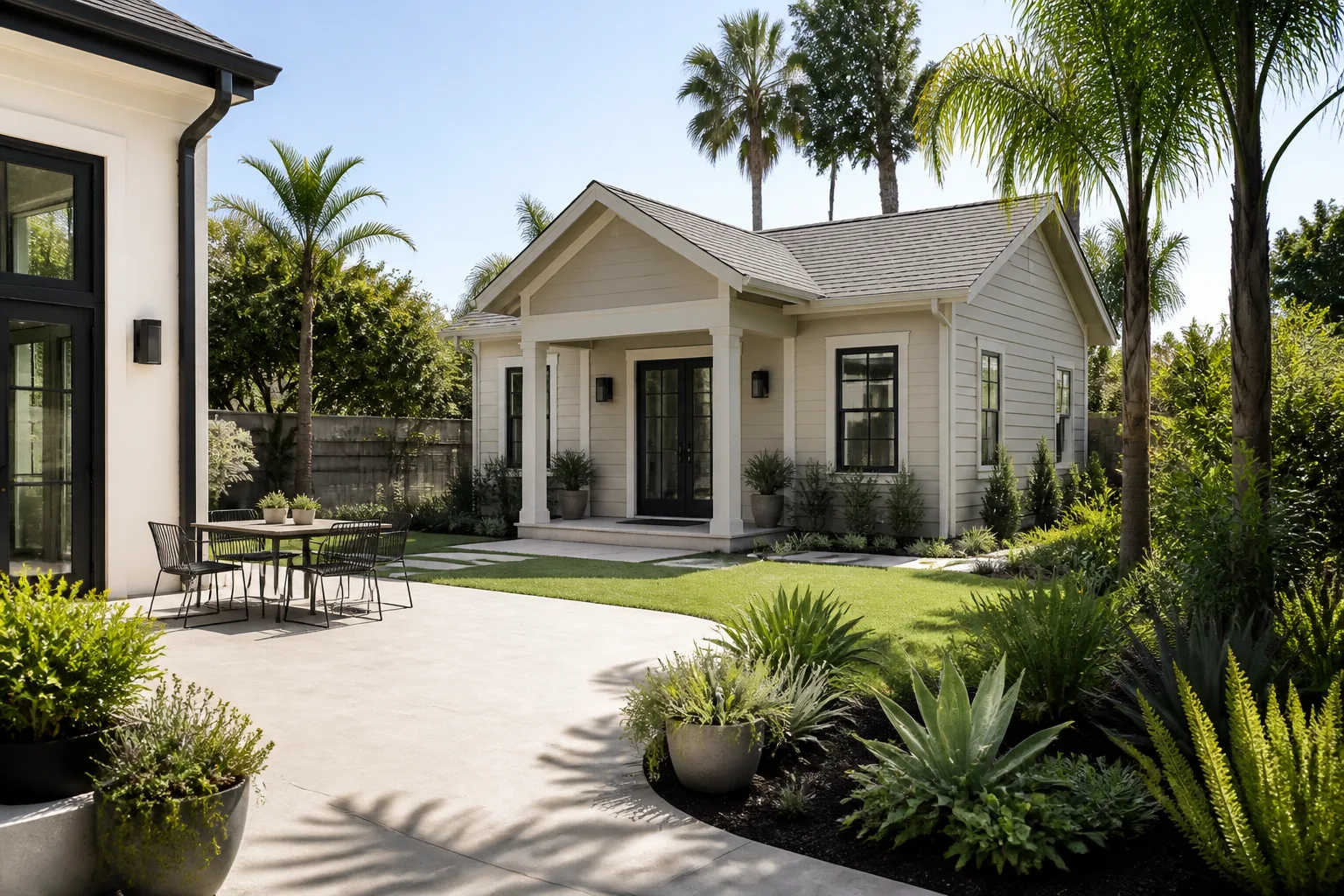
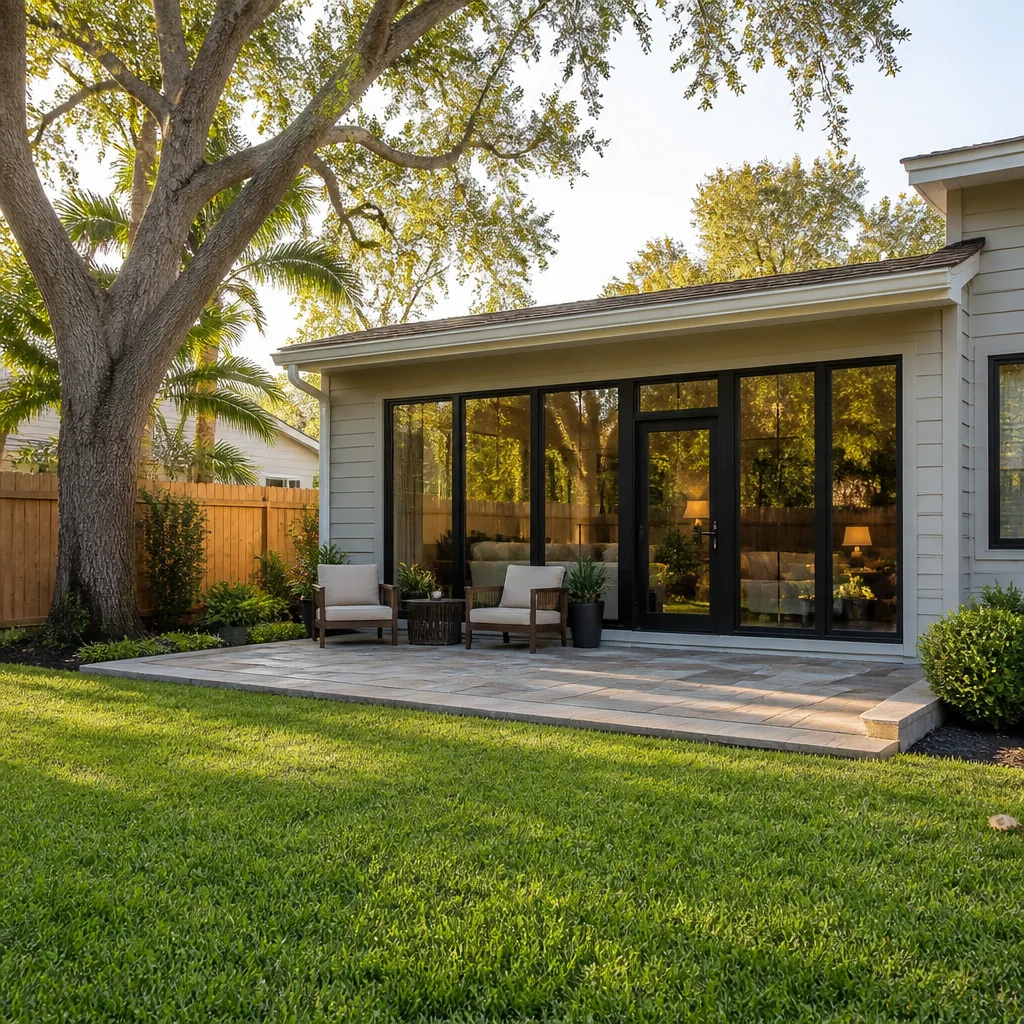
Home additions and ADUs built around IKO roof systems are a common combination in Long Beach: IKO’s architectural shingles carry a solid name in coastal southern California, and homeowners building a back unit or a second-story bump-out want a roof above it that will hold up to the marine layer. If you’re here because something on an existing IKO-roofed addition is failing, the honest answer is that this isn’t a part swap. A home addition runs $45,000 – $130,000 in Long Beach and an ADU runs $90,000 – $220,000, and what looks like a failing component is almost always a sign of how the addition was framed, flashed, or ventilated the first time.
Owners usually notice it in three ways. A damp smell in a new bedroom after a January rain. A brown ring spreading across the ceiling drywall near an exterior wall. Or a roofer walking the addition and pointing at the transition where the IKO shingles meet the main roof line. All three point to the same place: the seams and flashings that tie a new structure to an old one, and the roof system above it. We’re Penhallow Remodeling Long Beach, we’re an independent remodeling company (not affiliated with IKO), and we handle home additions and ADUs in Long Beach with a written price before any work starts. Our technicians have up to 22 years of experience, and every job is backed by our 365-Day Done Right Promise.
Key Takeaways
- Additions in Long Beach run $45,000 – $130,000; ADUs run $90,000 – $220,000; garage conversions run $30,000 – $80,000.
- An IKO roof over a new addition fails at flashings and transitions first, not at the shingles themselves.
- IKO architectural shingle warranties are typically transferable once; the number is invalidated by poor ventilation, which is why the roof system on a new addition has to be spec’d as a whole.
- Every Penhallow project gets a written price up front, a defined arrival window, and a written guarantee.
Which IKO Models This Applies To
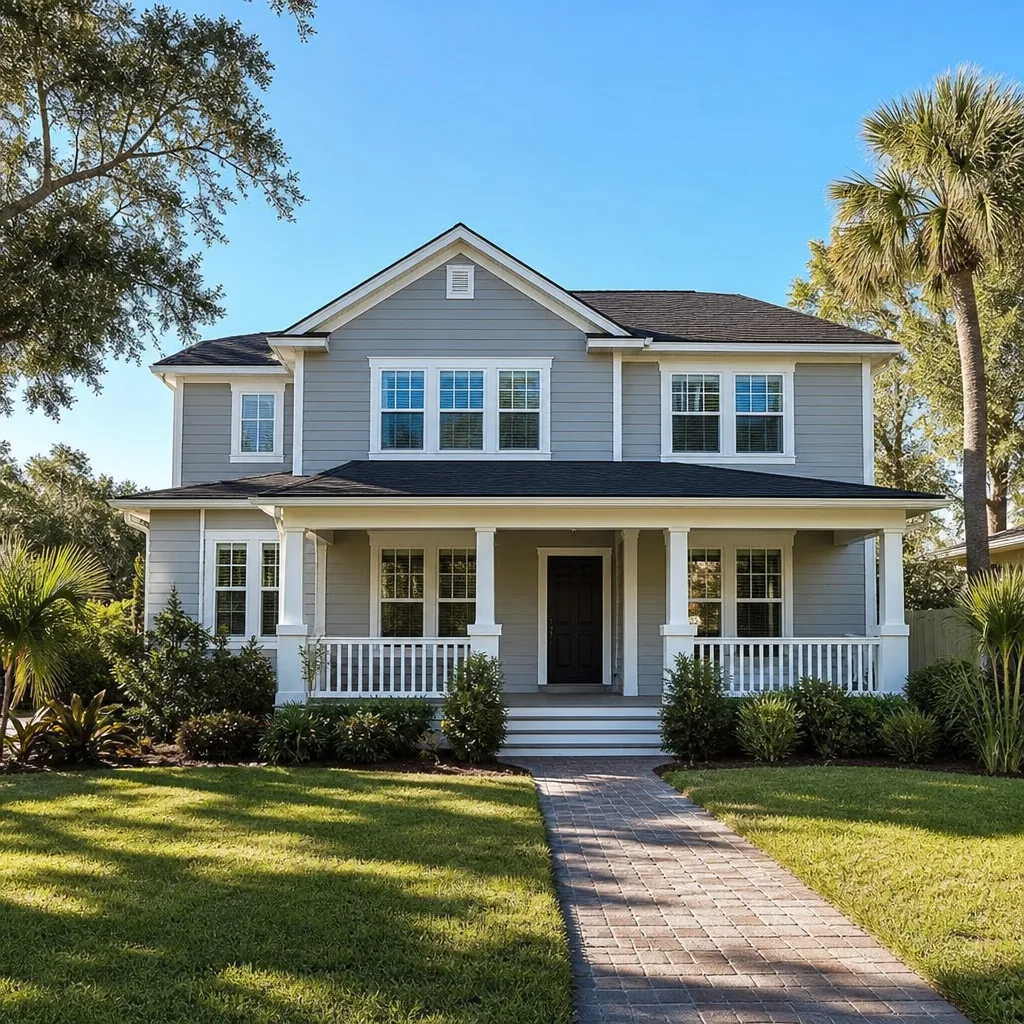
IKO’s residential line splits into two families: laminated architectural shingles (Cambridge, Dynasty, Nordic, and the Marathon line) and the older three-tab product (Marathon 20, which was discontinued but still shows up on additions built in the 1990s and early 2000s). If your addition has a box seam running up the roof at regular intervals, it’s three-tab. If the shingles look thick and you can see a dimensional cut, it’s architectural. Both take the same flashings at the transition to the main roof, but the underlayment and ventilation math differ, and that matters when you’re replacing or extending rather than starting fresh.
To identify what’s on the roof, look for the factory stamp on a ridge cap or a loose shingle edge, then measure the exposed course. Architectural shingles typically show 5-5/8 to 6 inches of exposure; three-tab shows closer to 5. A photo of the manufacturer’s label from inside the attic (nailed to a rafter near the ridge) settles it.
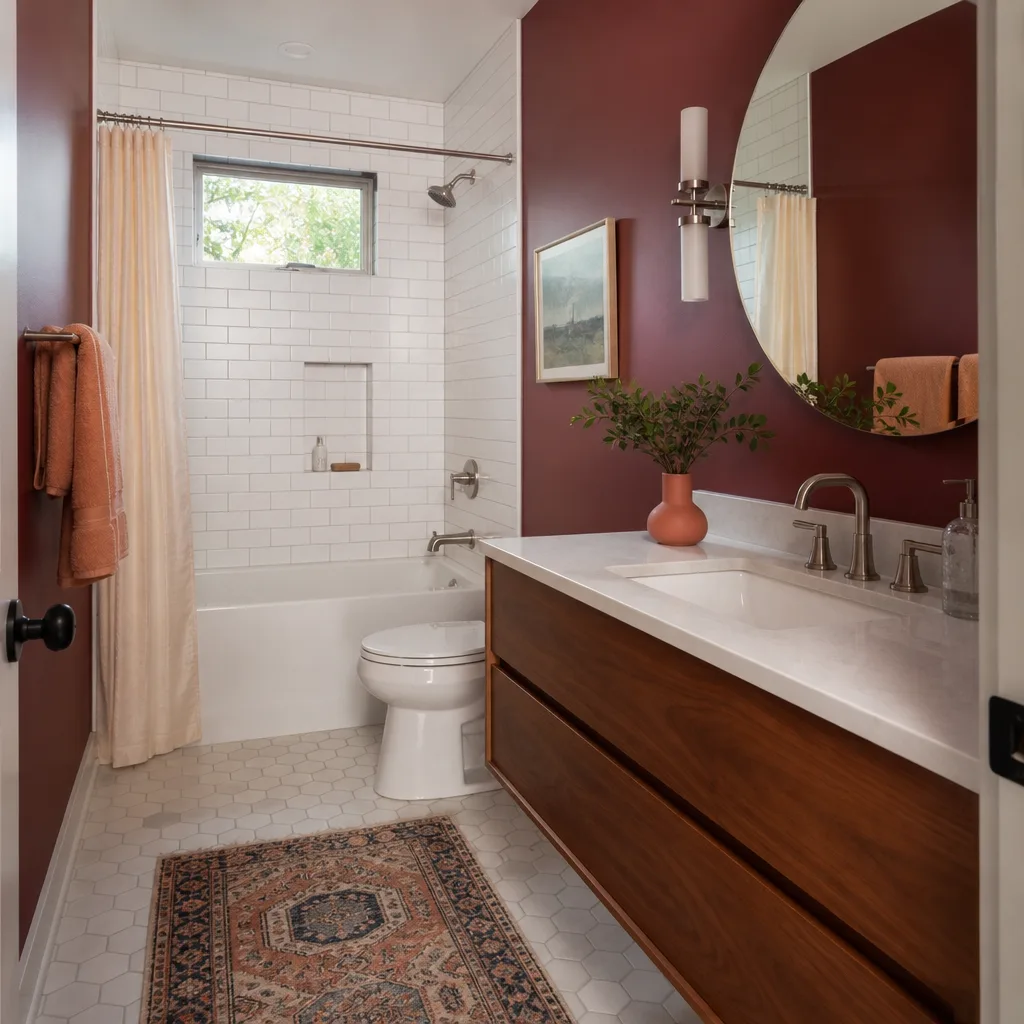
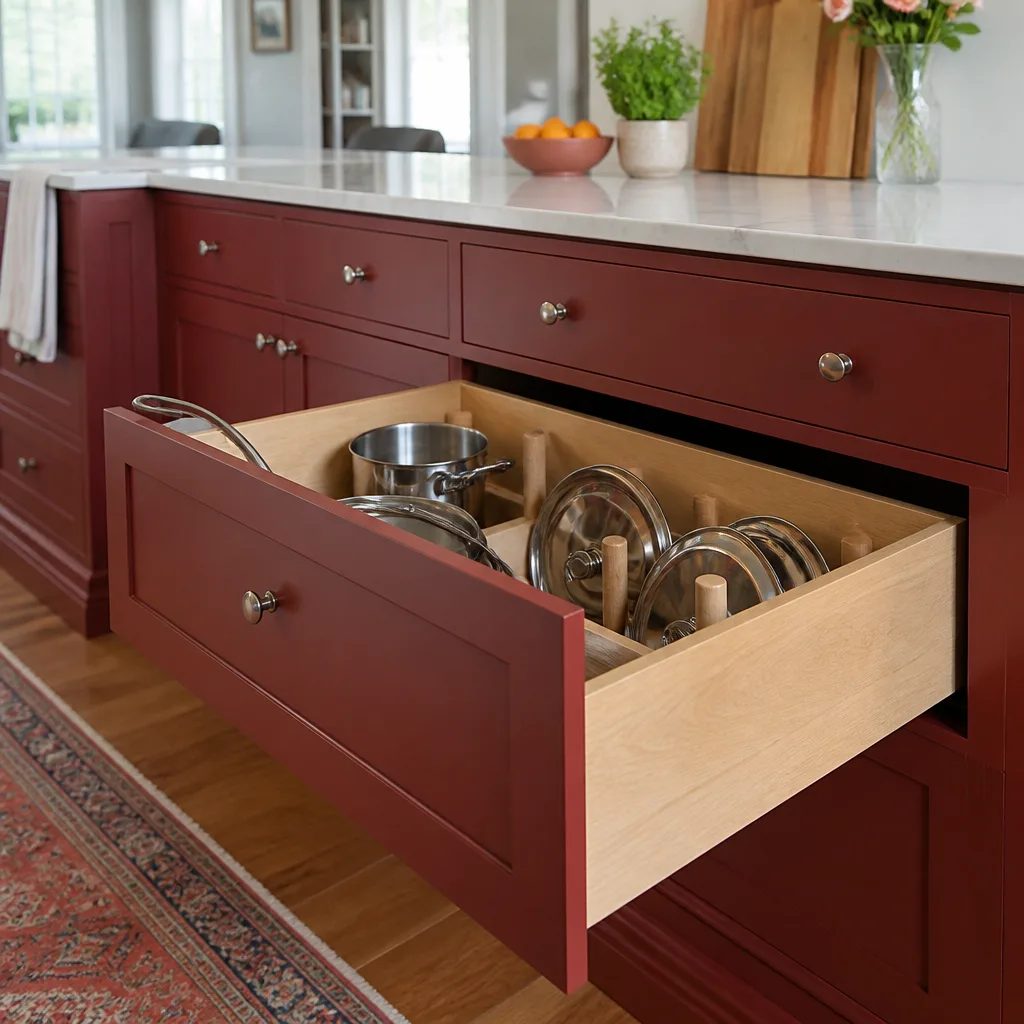
On an existing addition, the OEM-vs-aftermarket decision is mostly about the underlayment and flashing kit, not the shingles themselves. IKO’s own accessory products (its underlayments and starter strips) are engineered to work with IKO shingles; knockoff flashing metals are where failures start. We source from recognized trade brands and spec IKO-compatible accessories so the warranty layer holds. If your addition was built with a KraftMaid kitchen or Cambria quartz counters and you’re now extending the same space, the roof above it deserves the same standard of detail.
Styles & brands we work with
- Kitchen remodeling
- Bathroom remodeling
- Home additions & ADU
- Roofing
- Windows & doors
- Driveway & pavers
- Fence
Signs Your IKO Home Additions & ADU Is Failing
- Ceiling stains spreading from an exterior wall. Water is getting behind the flashing where the addition meets the original house. This is the single most common failure in Long Beach additions built within the last 15 years, because the step flashing was lapped wrong.
- Granules collecting in the gutter after the first winter. Architectural shingles shed some granules as they age, but a heavy flush in a single season means the shingles are nearing the end of their service life. IKO architectural shingles typically hold 20 – 25 years; Long Beach’s salt air and marine layer can pull that toward the low end.
- Sagging roofline or a soft spot when you press on the eave. That’s a decking problem, not a shingle problem. It usually points to chronic moisture trapped under the roof, often from inadequate ventilation in a tight addition cavity.
- Attic humidity or condensation on the rafters. An unvented or under-vented roof system on a new addition. Warm moist air hits a cold sheathing panel and condenses, and the shingles above start to blister at the seams.
- A visible gap or lifted edge at the transition. The step flashing or counterflashing has pulled away, or was never set under the shingle course in the first place. This is a rebuild, not a caulk-and-go repair.
See the difference
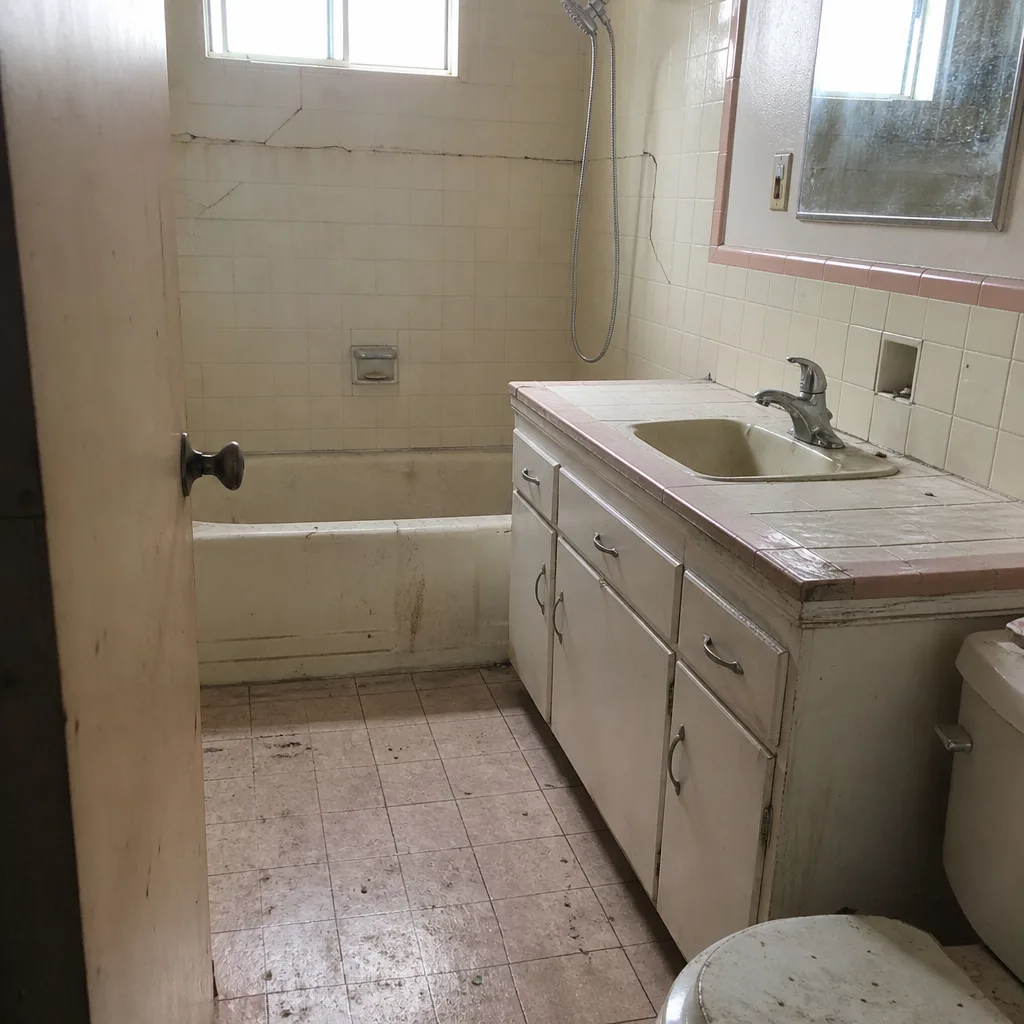 Before
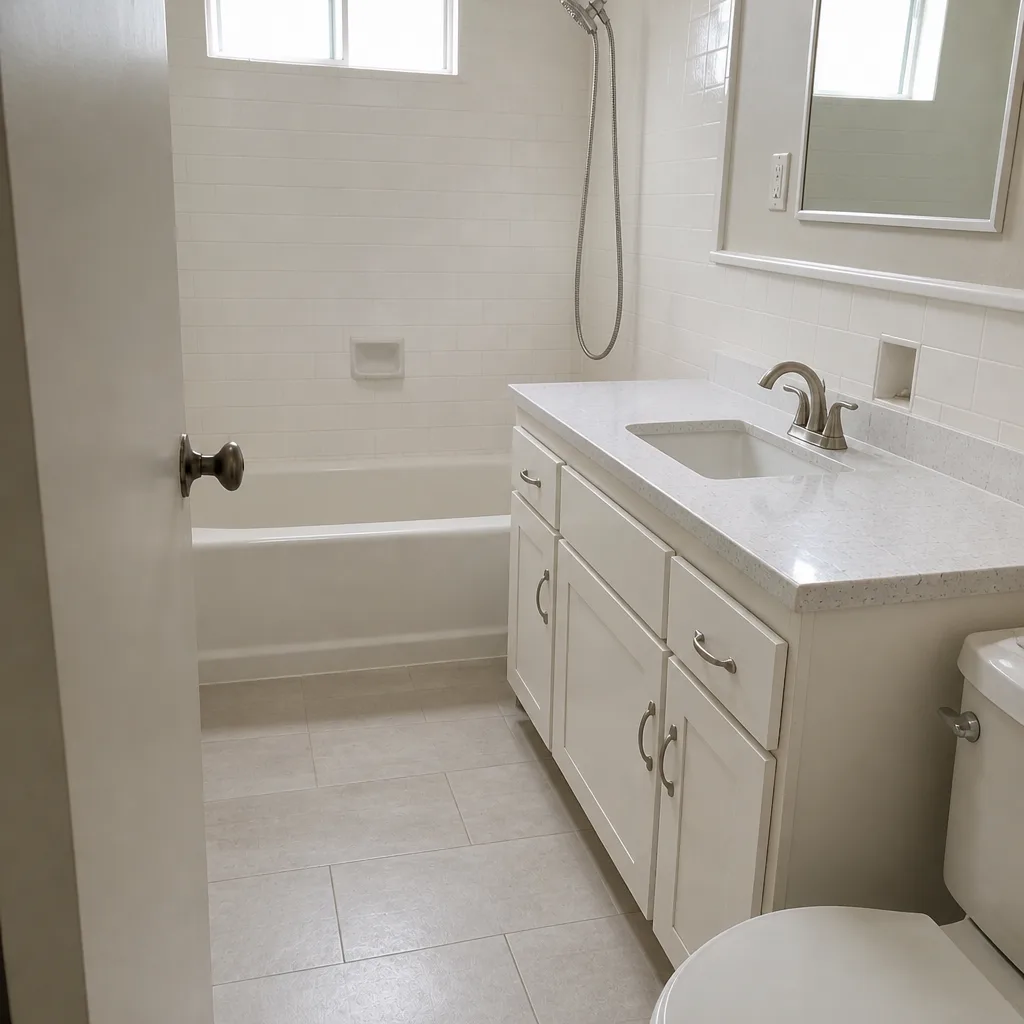 After
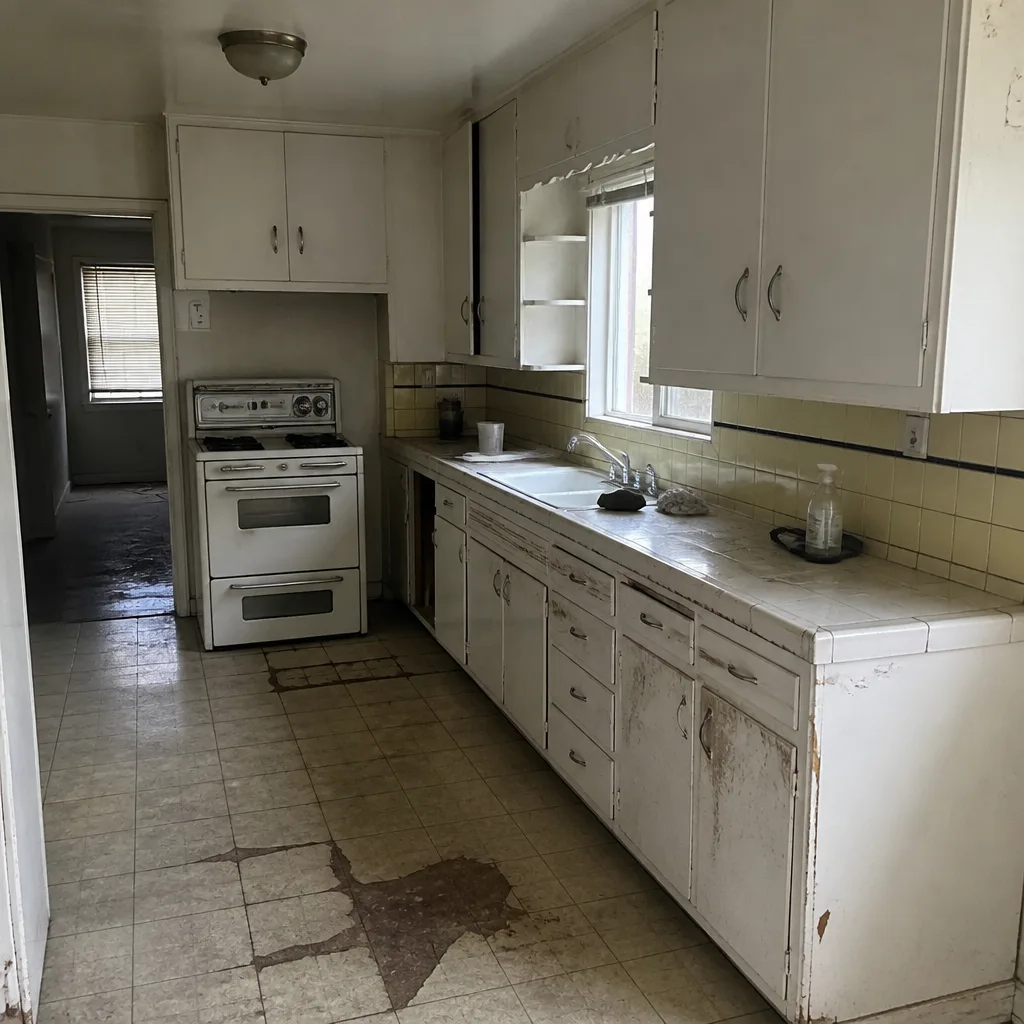 Before
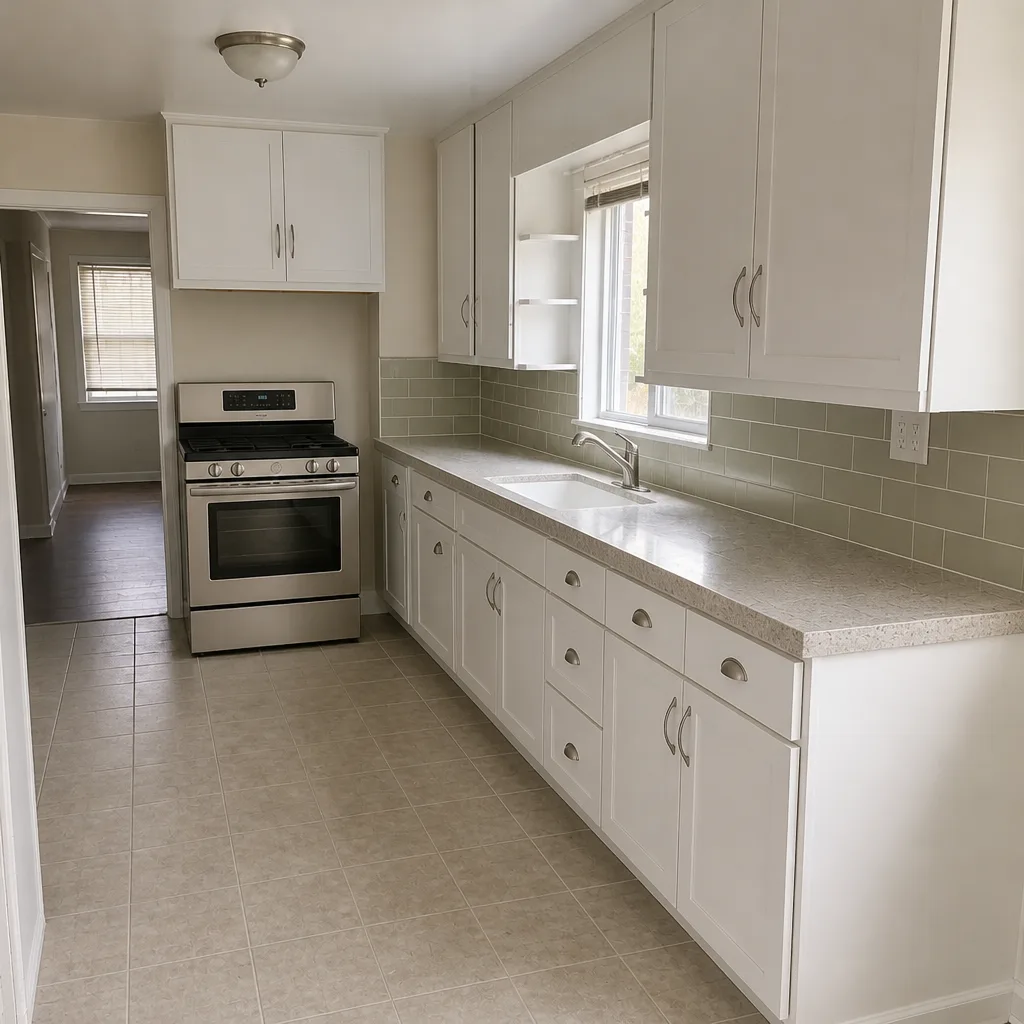 After
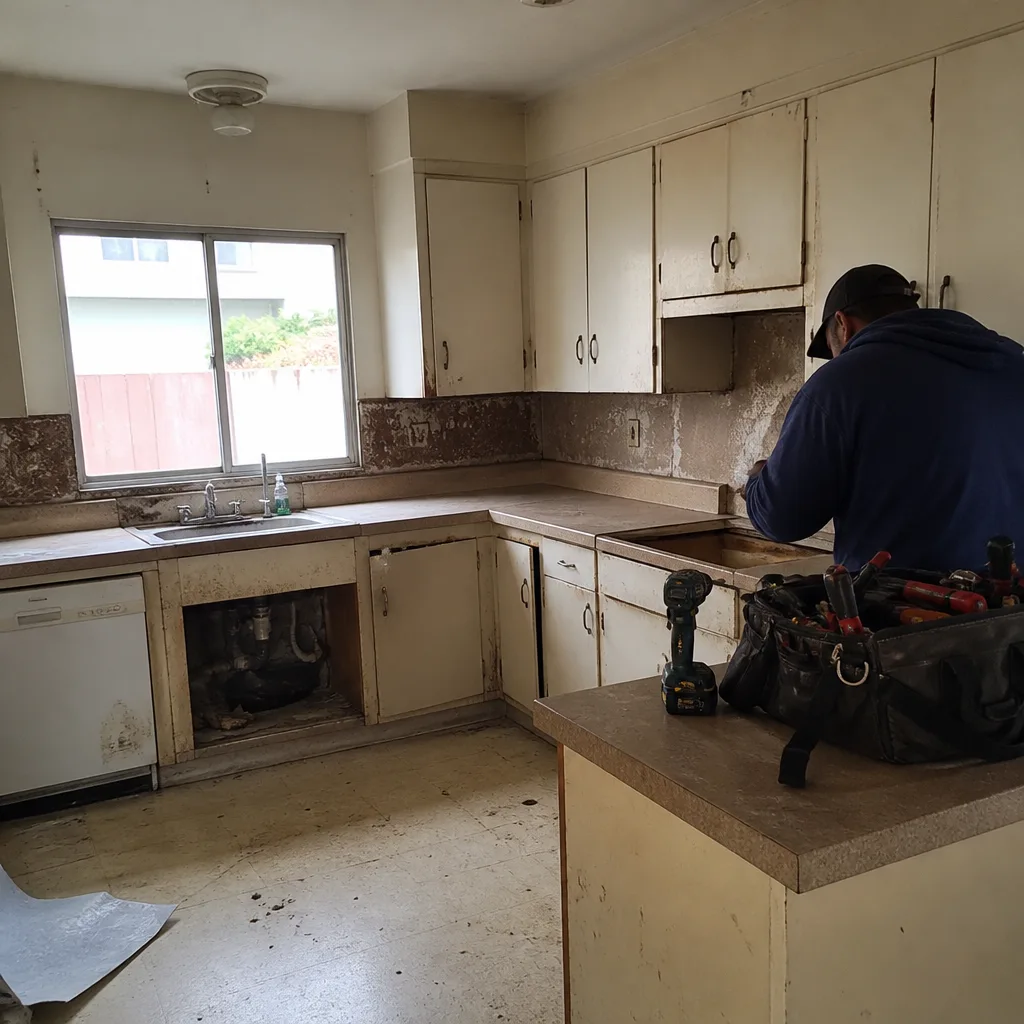 Before
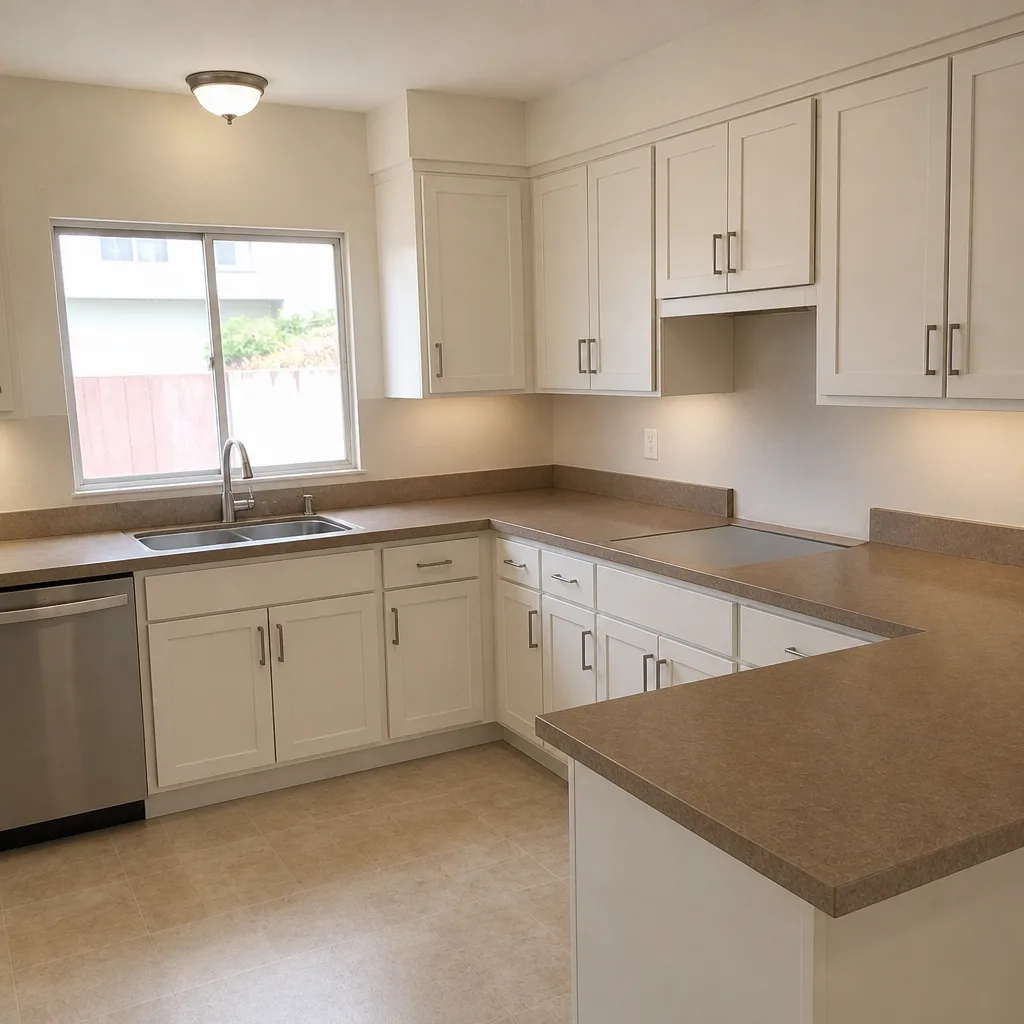 After
Replacement Cost & What’s Included
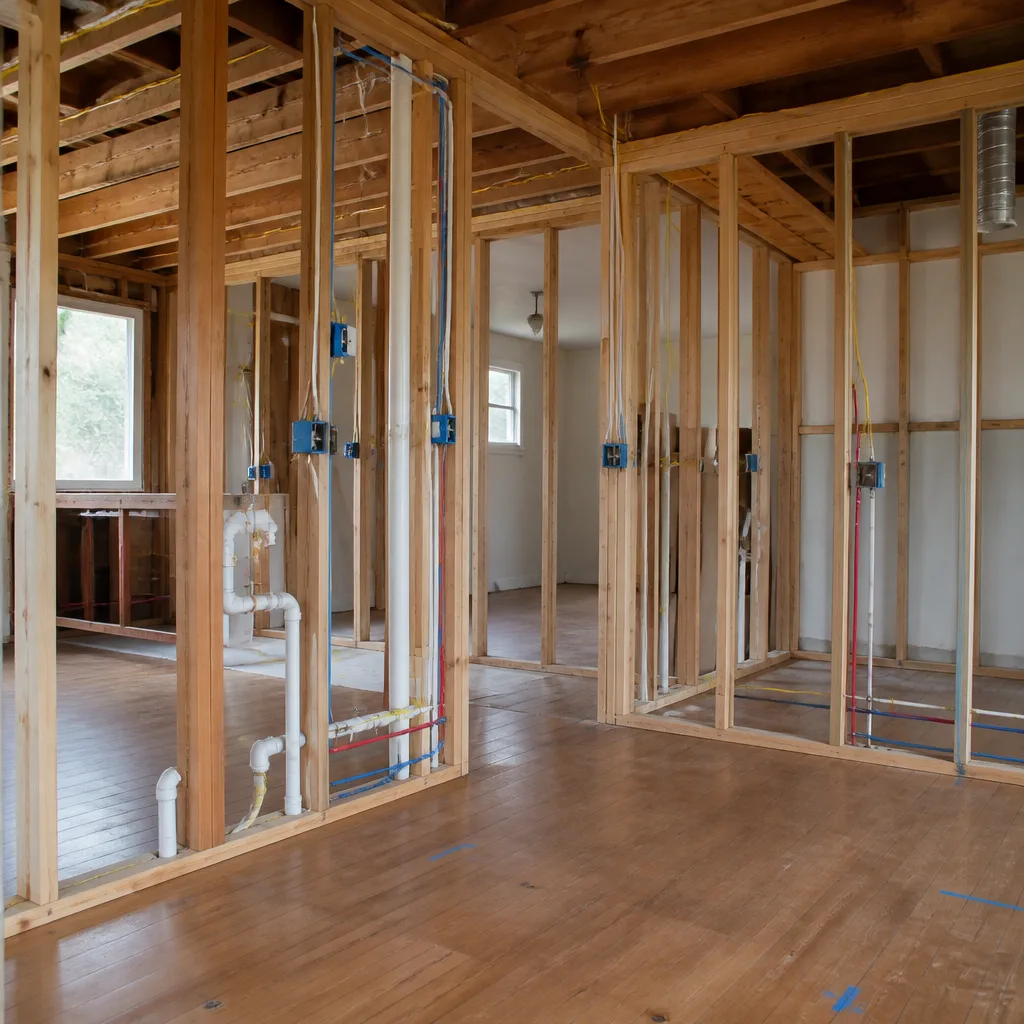
Home additions in Long Beach run $45,000 – $130,000, and ADU construction runs $90,000 – $220,000. A garage conversion runs $30,000 – $80,000. If you’re looking at repair rather than new construction, roof repair on the addition typically runs $400 – $1,800, and a full roof replacement on the addition alone runs $8,000 – $20,000.
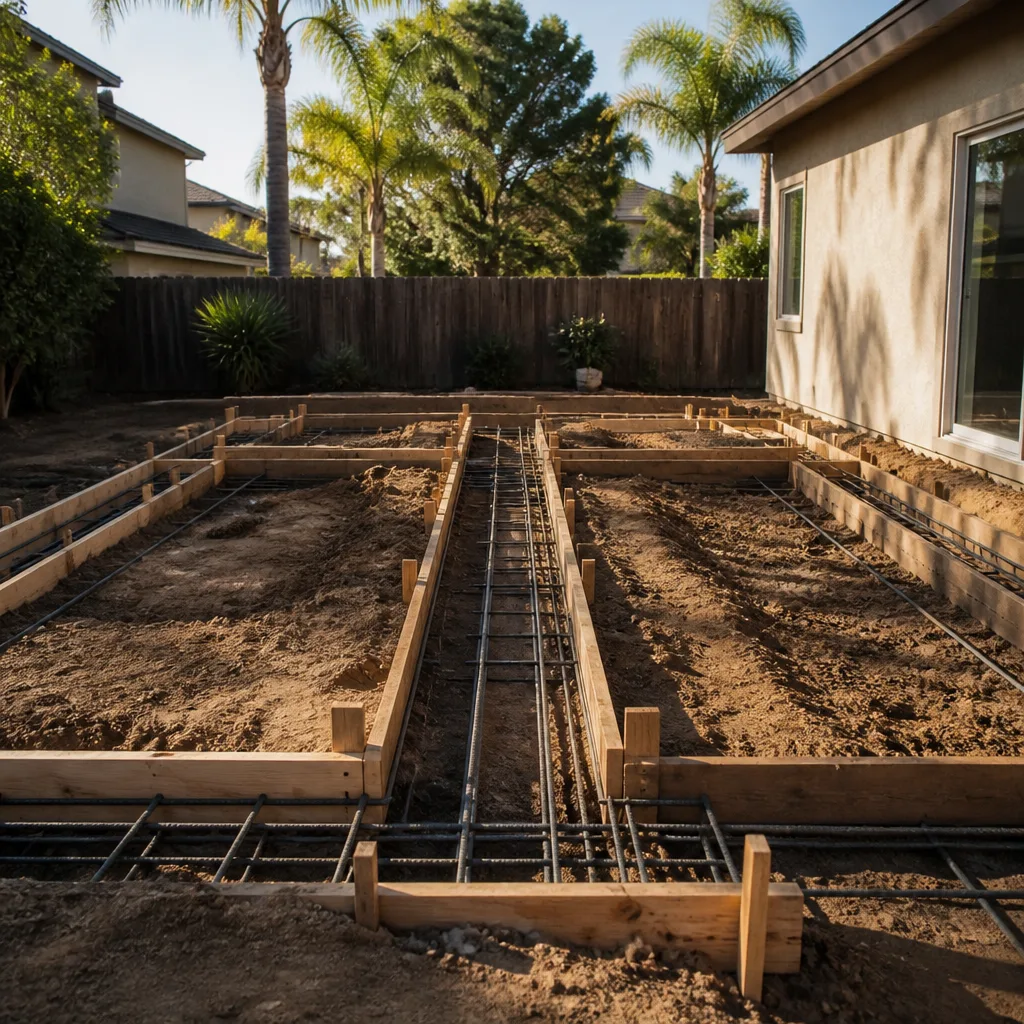
What drives the range on a full addition: square footage, foundation type (slab vs. raised), whether the electrical panel gets upgraded, and how much of the IKO roof system is spec’d as a single assembly versus pieced together with the existing house. A second story over an existing footprint costs more per square foot than a single-story bump-out; an ADU with a full kitchen and bath costs more than a studio.
Every Penhallow job starts with a written price: not an estimate range, a written number you can hold us to. That price holds through the job, and if the roof on your addition fails within 365 days of completion, we come back and make it right at no charge. The product warranty on IKO shingles layers on top of ours; the workmanship guarantee is ours alone and it’s in writing.
DIY or Call Us?
Here’s the honest split. You can safely go into the attic and look for water staining on the underside of the roof deck, photograph the manufacturer’s label, and check the ceiling for soft spots. That’s diagnostic, and it’s useful.
What you should not do is get on the roof of a two-story addition to pry shingles or work the flashing. Roof work at height is the leading cause of serious injury in residential construction, and a failed flashing repair usually means the shingle course has to come up, the metal reset, and the course relaid. There’s no safe shortcut, and a “quick fix” that fails again in six weeks is the exact outcome nobody wants. For anything above the eave line, call the professionals.
Call (833) 510-6967 and we’ll schedule a free estimate. A live person answers 24/7, and every technician who comes to your door is background-checked and in uniform; you’ll know who’s in your home before they knock.
FAQs
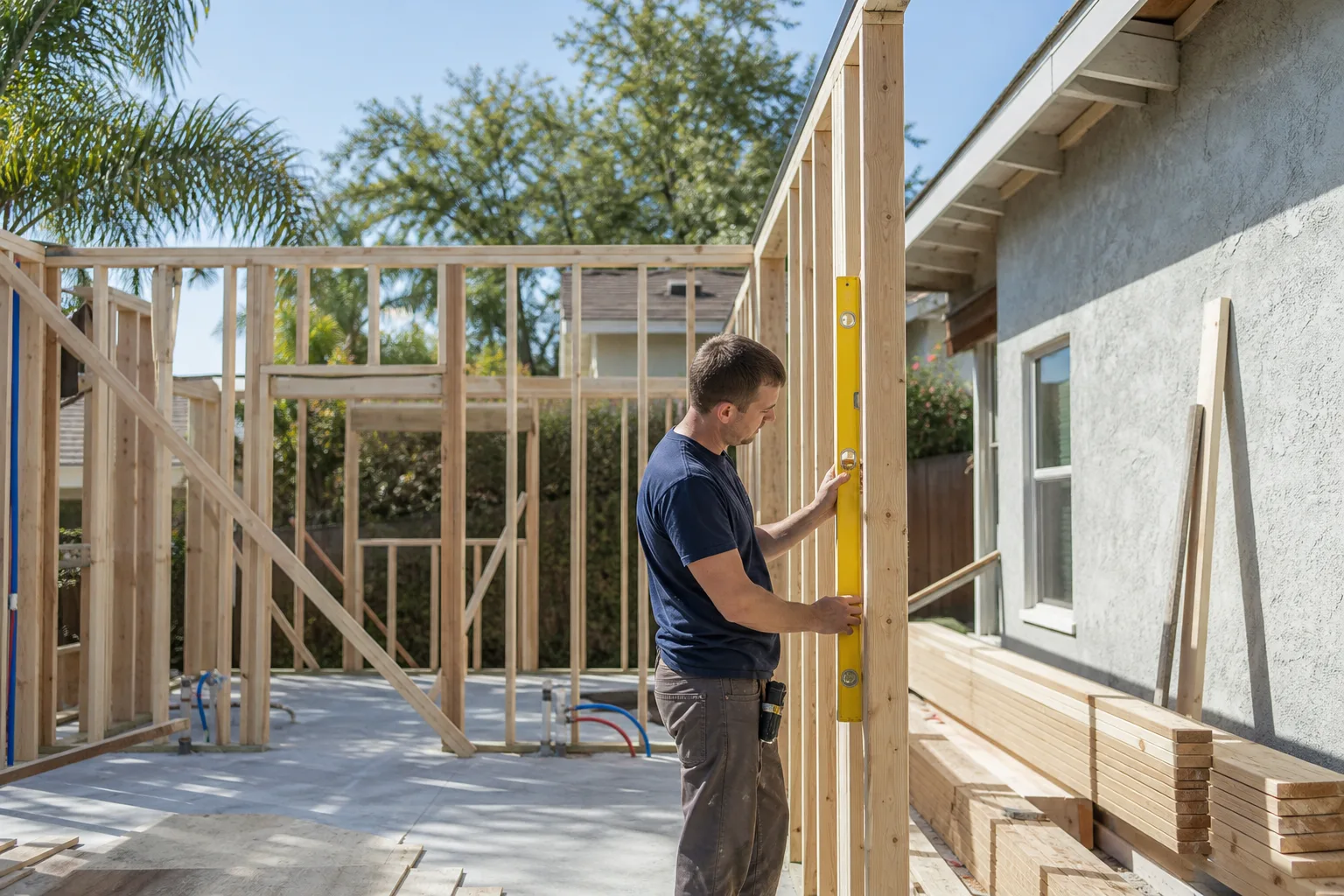
How long does an IKO roof on an addition last in Long Beach? IKO architectural shingles generally last 20 – 25 years, and the marine layer and salt air in Long Beach can pull the practical lifespan toward the low end on a south- or west-facing slope. A properly ventilated roof, spec’d flashing at the transitions, and annual gutter cleaning are the three things that extend it. If your roof is at the 18-year mark and you’re seeing granule loss in the gutter, it’s worth a free inspection before the rainy season; call (833) 510-6967.
Can I repair the flashing instead of replacing the whole roof? Usually yes, if the rest of the IKO shingles are sound. Step flashing at the addition-to-house transition can be reset or replaced by lifting the bottom shingle course, installing new metal, and relaying the course. Roof repair in Long Beach runs $400 – $1,800. If the shingles themselves are failing, though, the repair is temporary; call (833) 510-6967 and we’ll tell you honestly which one you’re looking at.
How long does an addition or ADU build take? A typical Long Beach home addition takes 4 – 7 months from permit to final inspection; an ADU takes 5 – 9 months, depending on utility tie-ins and whether the electrical panel needs an upgrade. Garage conversions run shorter, typically 2 – 4 months. We give a defined arrival window and a written schedule before work starts; call (833) 510-6967 for a free estimate.
How do you source IKO-compatible materials? We spec IKO’s own underlayment and starter products alongside the shingle line so the manufacturer’s warranty layer holds, and we source flashing and ventilation components from recognized trade brands rather than knockoff suppliers. If a specific IKO shingle line has been discontinued, we’ll tell you the closest current match and show you the spec sheet before you commit. Call (833) 510-6967 for a written price.
If you’re in Long Beach and something on your IKO-roofed addition is failing, or you’re planning a new addition or ADU and want a contractor who gives you the number before picking up a tool, call Penhallow Remodeling Long Beach at (833) 510-6967. We’ll schedule a free estimate, walk the roof and the attic with you, and hand you a written price you can hold us to. The 365-Day Done Right Promise comes with it, in writing, on every project.
Written by the team at Penhallow Remodeling Long Beach, serving Long Beach and nearby areas.