Free written scope consultation - allowances, timeline, and change-order rules on paper before a single trade is scheduled
Quikrete Roofing: The Long Beach Owner’s Guide
We install and repair Quikrete roofing for Long Beach homeowners, and installed pricing typically runs $8,000 – $20,000 for a full roof replacement and $400 – $1,800 for a targeted repair. We do not stop by same-day on planned roofing work, but we do answer the phone at (833) 510-6967 at any hour with a real person who can get a written price moving.
Most owners don’t go looking for a roofing part. They find it because something gave out first: a brown ring spreading across the ceiling after a Long Beach rain, granules piling up in a downspout, or shingles curling along a sun-hit south wall. Quikrete roofing products (their patching and repair line, plus the fiber-reinforced cement-based coatings and sealants that ship under the brand) often sit underneath those failures, either as the original patch someone applied years ago or as the current fix you’re trying to get right. When the first storm after a repair starts leaking again, you’re not usually dealing with a bad product. You’re dealing with a part that was matched wrong or applied to a surface that couldn’t hold it.
Quikrete is a materials brand, not a roof system. That single fact drives almost everything below. We are an independent service provider and are not affiliated with Quikrete, so we’ll tell you straight what the product does and doesn’t do.
Key Takeaways
- Quikrete roofing materials are patching and coating products, not a shingle or tile system. Matching the product to your actual roof surface is the whole game.
- Coastal Long Beach air speeds up the failure of patching compounds that weren’t prepped onto a clean, primed substrate.
- Installed roof replacement in Long Beach runs $8,000 – $20,000; small repairs run $400 – $1,800.
- An honest diagnosis and a written number come before any crew shows up.
Which Quikrete Models This Applies To
Quikrete’s roofing side is really two product families, and knowing which one you’re holding matters more than most people realize. The first is their patching and repair line: roofing cement, plastic roofing cement, and the fiber-reinforced patching compounds sold in tubs and tubes. These are meant for sealing seams, patching small holes, and setting flashing on asphalt shingle and some flat roof surfaces. The second is their cement-based coating and resurfacing side: the fiber-reinforced coating used on concrete and masonry surfaces, sometimes found on parapet walls, flat concrete decks, and old rolled roofing. These are not interchangeable, and a coating meant for a concrete deck will fail fast on an asphalt shingle slope that flexes all day.
Identifying the right match starts with the surface. Check the container label for the surface type it’s rated for (asphalt, concrete, masonry, metal), and read the coverage rate printed on it rather than guessing. A tub that claims 12.5 linear feet of joint at 1/8 inch isn’t going to seal a 40-foot ridge. If the label is gone, the product is a guess, and a guess is how you end up back on the ceiling with a bucket.
On the OEM-versus-aftermarket question: for Quikrete, there’s no real OEM path. The brand is the brand, and matching the correct Quikrete product for your roof surface is the priority. Where a quality aftermarket equivalent helps is on the accessories (fasteners, flashing, membrane tape), where solid commercial grades outlast the thin stuff. We source recognized trade brands for the rest of the roof envelope, the same way we install Cambria quartz in a kitchen because the warranty behind the material matters. We don’t carry parts on a truck or stock Quikrete locally. We bring the right product to your job on the day we schedule it.
Styles & brands we work with
- Kitchen remodeling
- Bathroom remodeling
- Home additions & ADU
- Roofing
- Windows & doors
- Driveway & pavers
- Fence
Signs Your Quikrete Roofing Is Failing
These are the failures we see most often on Long Beach roofs, and what’s usually underneath each one.
- Granule loss and bare patches. Asphalt granules shed as shingles age, but a sudden dump of granules in a gutter means the shingle mat is exposed and UV is eating it. Quikrete patching can’t restore a shingle that far gone. It’s a replace-or-monitor call.
- Recurring leaks at the same seam. A patch that fails twice in one season usually got applied over a damp or dirty surface. Quikrete cement won’t bond to a substrate that wasn’t prepped, and coastal humidity in Long Beach keeps a roof damp far longer than an inland one.
- Curled or lifted shingle edges. This is often a ventilation problem, not a roofing product problem. Heat trapped under the deck curls the shingles from below, and no patch on top will fix it.
- Chalking or powdering on a coated surface. On coated flat decks and parapets, that white bloom is the coating breaking down. UV exposure on an unshaded slope in Long Beach is hard on cement-based coatings, and once they chalk, they’re done.
- Water staining on ceiling drywall after a rain. By the time you see the stain, the leak has been running for a while. The stain is the symptom, not the failure point, and the actual breach is often a few feet away at a flashing or valley.
One honest safety note before you climb anything: roof work is fall work. A single-story Long Beach bungalow still puts you 10 feet up on a surface that’s often slick with morning marine layer. If you’re not comfortable on a roof and don’t have the right footing, this isn’t the job to learn on. A trained professional is the safer call, and we’ll say so plainly.
See the difference
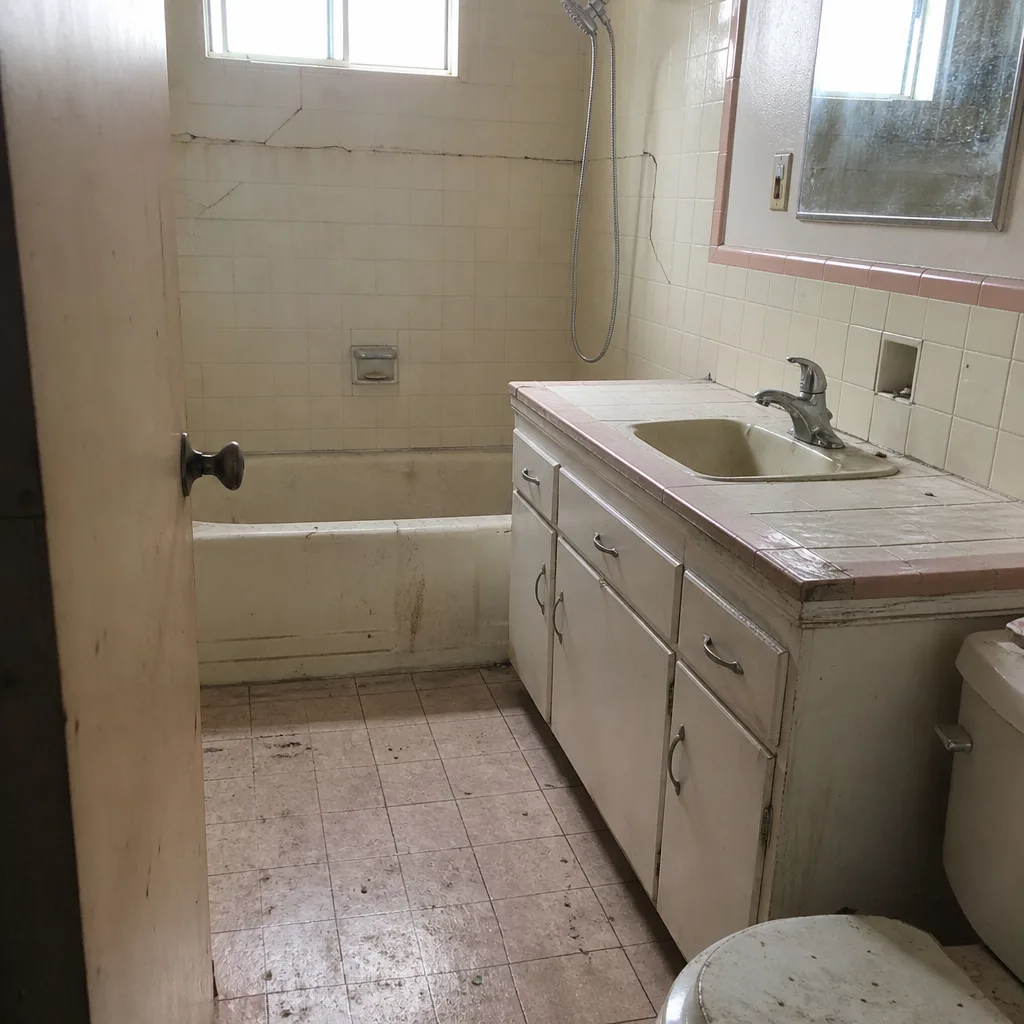 Before
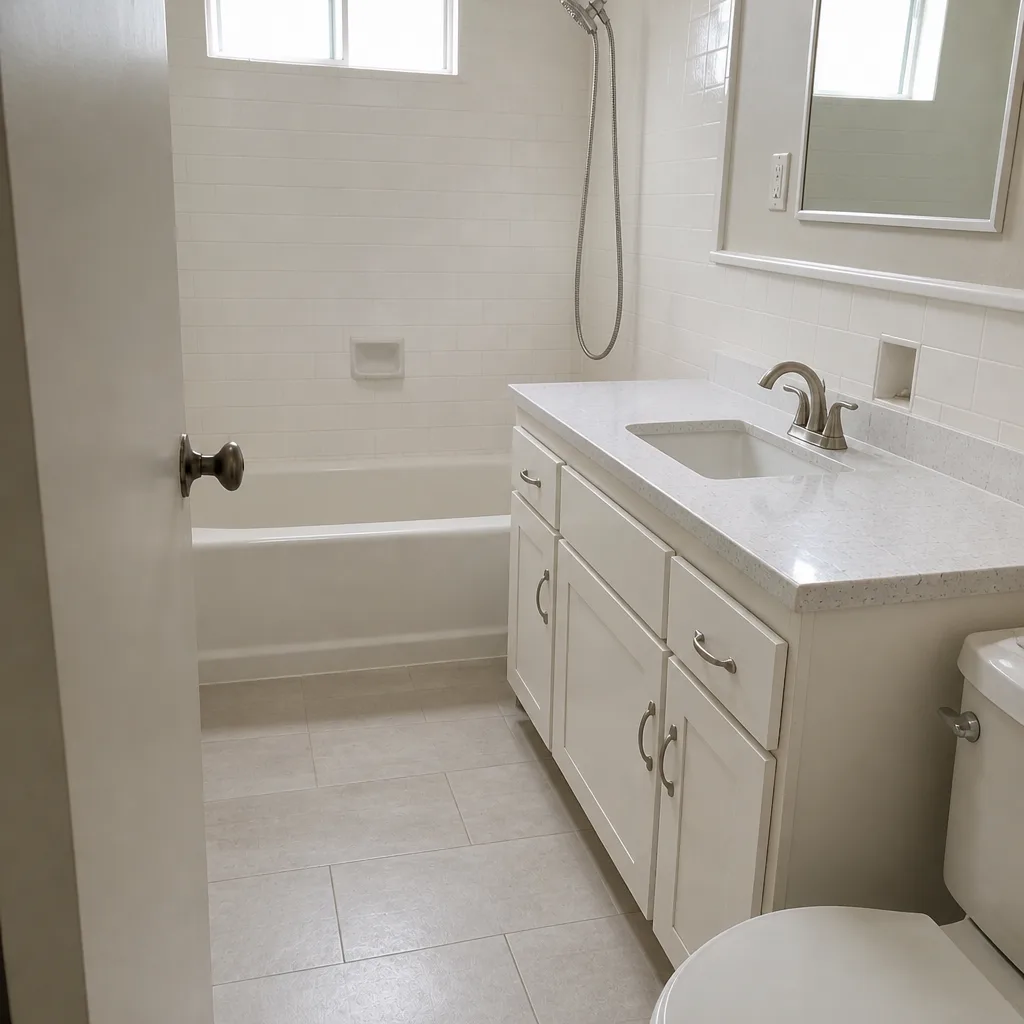 After
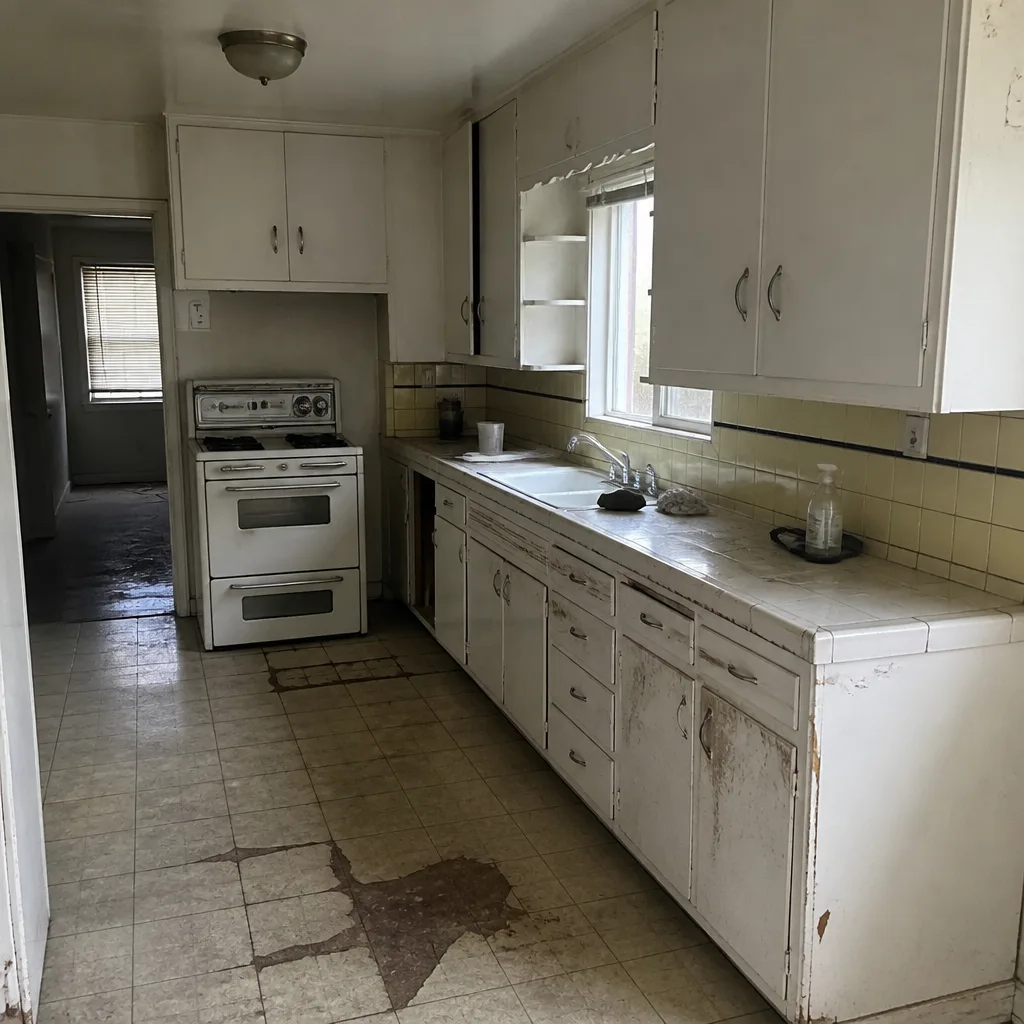 Before
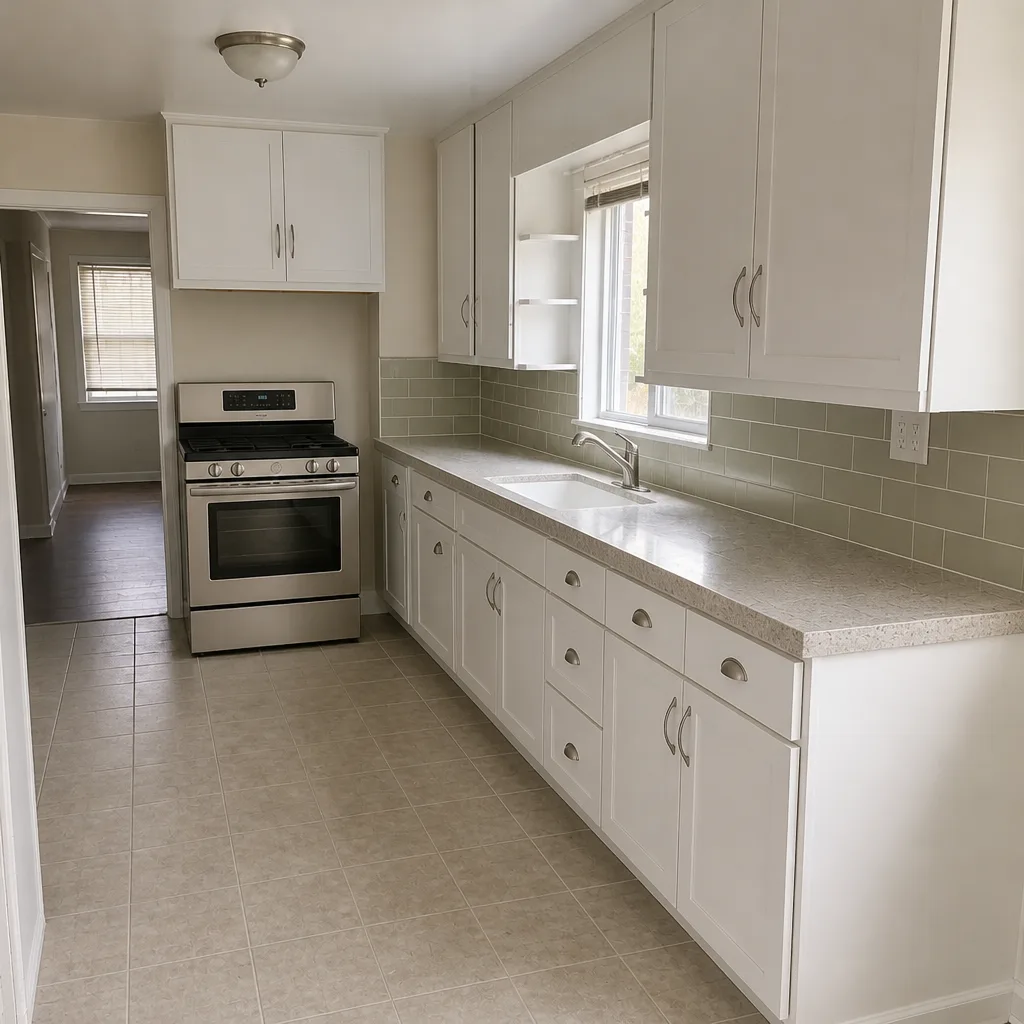 After
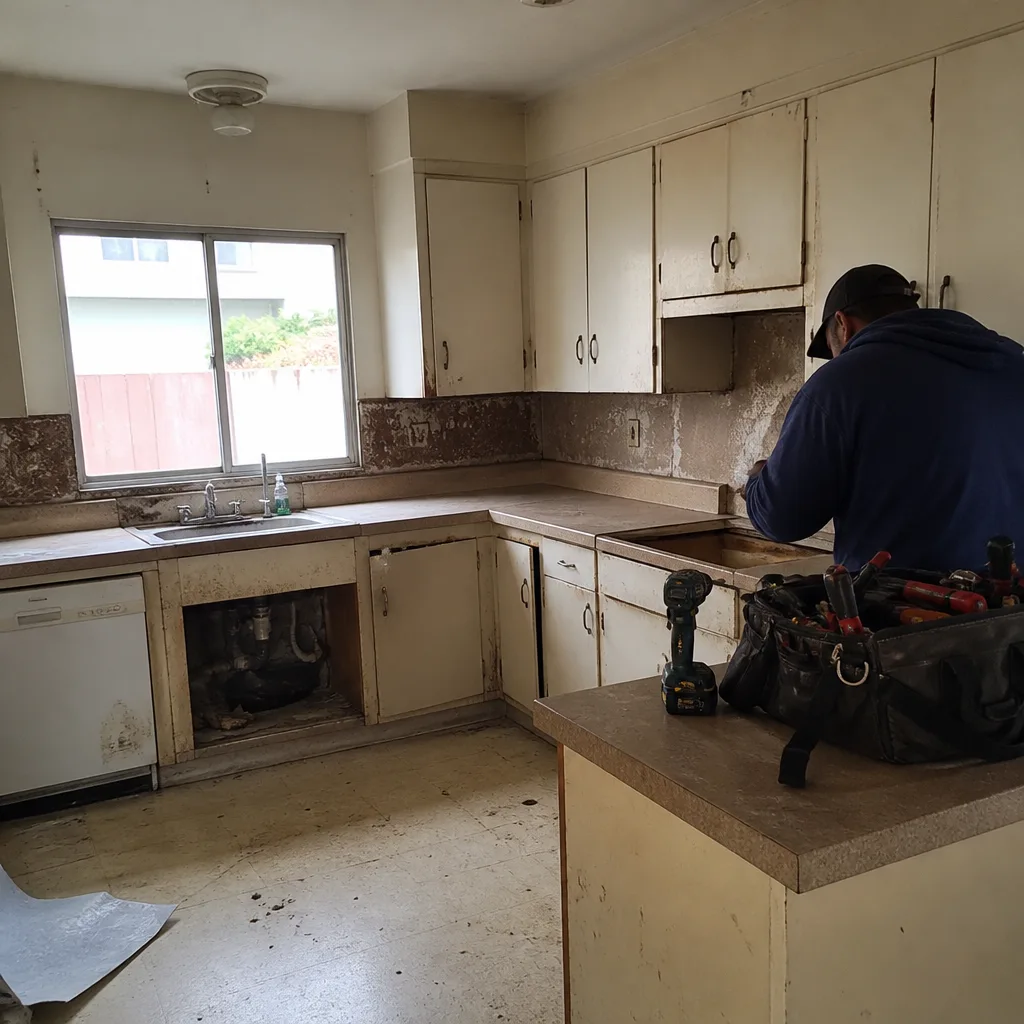 Before
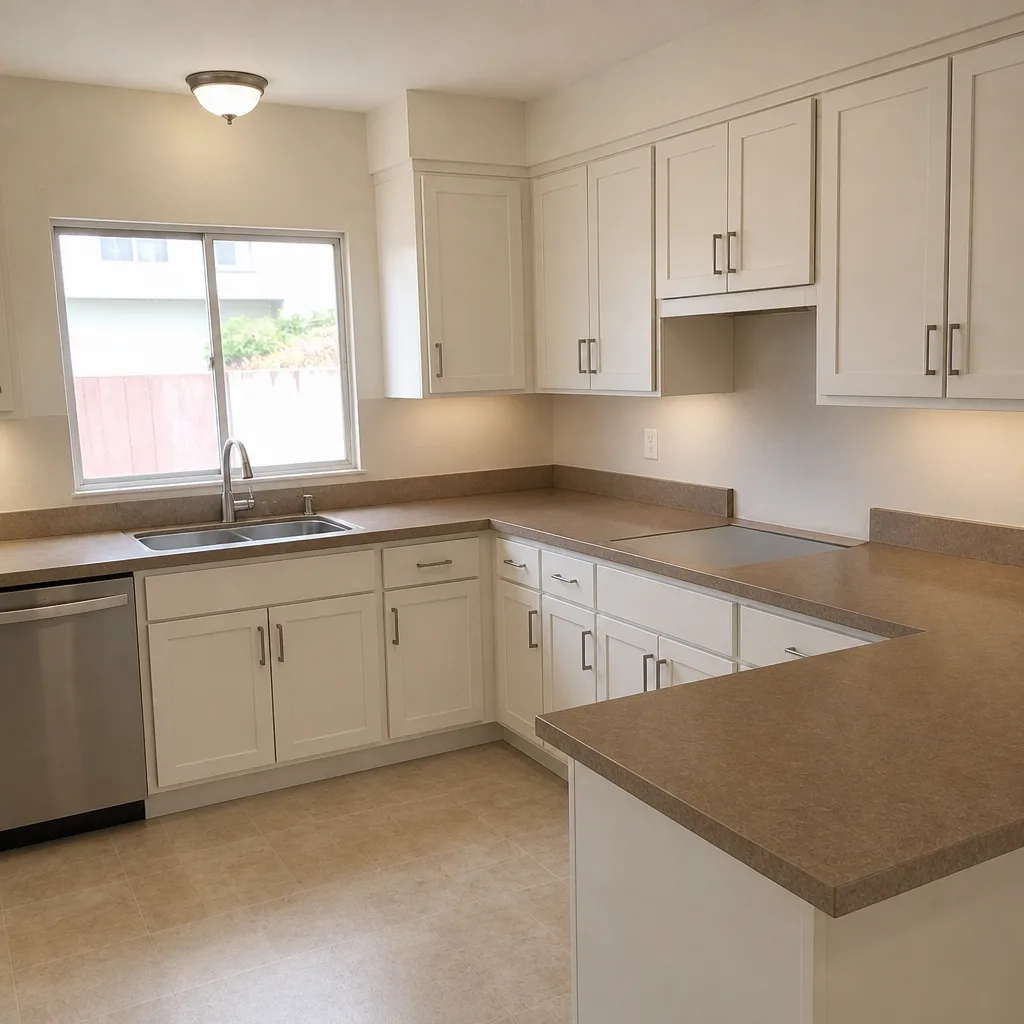 After
Replacement Cost & What’s Included
Here’s what roofing work tends to run in Long Beach, and what moves a job from the low end to the high end of the range. These are installed prices: labor, materials, cleanup and haul-away.
| Job | Installed Price Range | What Drives the Number |
|---|---|---|
| Targeted roof repair | $400 – $1,800 | Number of leak points, access, whether flashing has to be reset |
| Full roof replacement (asphalt shingle) | $8,000 – $20,000 | Roof square footage, pitch, layers to tear off, deck repair |
| Tile roof repair | $600 – $2,500 | Number of broken tiles, underlayment condition, valley work |
The low end of a replacement usually means a simple gable roof with one existing layer and sound decking. The high end means multiple layers to strip, steep pitch, or hidden rot once the old surface comes up. That last point is the one that bites people: rot under the old roof is not visible until demo, and it’s the classic place a verbal price balloons. We give you a written price before any work starts, so the number you’re quoted is the number you’re held to. Every job carries a written guarantee, and if the work fails within our 365-Day Done Right Promise, we come back and make it right at no charge, plus a free return visit if a repair fails. Roofing here also means flashing, ventilation, and gutter tie-ins; where those touch the rest of the house, we treat them the way we treat KraftMaid cabinetry and Silestone: the material has to be right before the install means anything.
DIY or Call Us?
What you can safely check yourself: from the ground, look for lifted shingles, missing granules in a downspout, and any staining on the ceiling inside after a rain. Photograph the fails from a safe spot and note where they are. That gives us a real starting point.
Where DIY goes wrong on Quikrete roofing is at the substrate. Applying a cement-based patch over a damp, dirty or chalky surface is the most common cause of a repair that fails twice. And the moment a repair involves climbing a slope, resetting flashing, or chasing a leak that’s already reached the ceiling, you’re past the check-and-call line and into fall-risk work. That’s the point to stop. Call us at (833) 510-6967 and we’ll get you a written price.
FAQs
How long Quikrete roofing lasts depends on the product and the surface. A properly applied roofing cement or patching compound on a clean, primed asphalt surface can hold 3 to 7 years in Long Beach’s coastal humidity, while a cement-based coating on an unshaded flat deck may break down faster. UV exposure and morning marine layer are the two things that shorten it most. Call (833) 510-6967 if you want an honest read on what you’re looking at instead of guessing at years.
Yes, if the failure is a single seam, a small hole, or a lift at a flashing, a targeted patch is the right answer and usually costs $400 – $1,800 installed. It’s a replacement you’re looking at when granules are gone across a whole slope, shingles curl from heat, or a patch has already failed twice. We’ll tell you which one is honest before you spend a dollar.
Most targeted Quikrete roof repairs take a few hours to a single day, depending on access, whether flashing has to be reset, and how much prep the substrate needs. Full replacement is a multi-day job, and we give you a defined arrival window rather than a vague “we’ll be by sometime.” Call (833) 510-6967 for a real timeline on your roof.
We match the product to your actual roof surface before anything is ordered, reading the surface rating and coverage from the spec sheet rather than a sales pitch. We don’t keep Quikrete stocked locally or carry it on a truck, so the right part comes to your job on the day we schedule it. That’s the way we source every material, whether it’s a roof patch or a Kohler fixture.
When you’re ready for a straight answer, call (833) 510-6967 for a free estimate. You’ll get a written price before any work starts, a defined arrival window, background-checked uniformed technicians, and a live person on the phone at any hour. If the work fails inside 365 days, we come back and fix it at no charge. That’s The Kingswell Way: say the price before the work, show up in the window we gave, leave the place cleaner than we found it. Penhallow Remodeling Long Beach is part of the Kingswell family of companies; each location is independently owned and operated.
Written by the team at Penhallow Remodeling Long Beach, serving Long Beach and nearby areas.