Free written scope consultation - allowances, timeline, and change-order rules on paper before a single trade is scheduled
Sakrete Driveway & Pavers: The Long Beach Owner’s Guide
Sakrete makes the bagged concrete, mortar, sand and jointing products that hold a driveway or paver surface together, and replacing or resurfacing one runs $7,000 – $18,000 for pavers and $4,500 – $12,000 for a concrete pour in Long Beach. We’re an independent installer, not affiliated with Sakrete, and we work with their products daily. Most owners don’t realize the Sakrete layer has failed until a sand joint washes out in a rainstorm, a paver rocks underfoot, or a hairline crack in the pour turns into a crumbling edge within one dry season.
Which Sakrete Products This Applies To
Sakrete isn’t a machine with a model number, so “which one” means matching the right bag to the right job. The products that come up most on Long Beach driveway and paver work are Sand/Topping Mix for bedding and patching, Paver Set or Polymeric Sand for joints, and High-Strength Concrete Mix or Crack-Resistant Concrete for slab pours and repairs. Each bag has a coverage figure and a cure time printed near the barcode, and those numbers drive how much you buy.
Getting the product wrong is the most common failure we see. Polymeric sand (the jointing product that hardens when wet) is not the same as plain mason sand, and using the wrong one on a Long Beach paver driveway means the joints open again after the first marine-layer damp spell. Read the bag label for the substrate it’s rated for: paver joints, slab overlay, or post setting. There’s no real aftermarket “equivalent” debate here like there is with a garage door opener; Sakrete is the brand, and generic bagged mixes vary widely in cement ratio. We buy the labeled product and don’t substitute on a homeowner’s surface.
Styles & brands we work with
- Kitchen remodeling
- Bathroom remodeling
- Home additions & ADU
- Roofing
- Windows & doors
- Driveway & pavers
- Fence
Signs Your Sakrete Driveway & Pavers Is Failing
Owners usually spot the problem in one of five ways. Each points to a specific cause:
- Joints washing out after rain. The polymeric sand has broken down or was never fully activated with water, so it lifts and runs. On a Long Beach paver driveway near the coast, salt air and humidity speed this up.
- Pavers rocking or sinking. The base wasn’t compacted properly or the bedding sand layer has shifted. One rocking paver usually means several are loose.
- Hairline cracks spreading across a concrete pour. Shrinkage cracks are normal, but if they widen or branch, the slab is moving and the mix or base prep missed the mark.
- Crumbling or spalling edges. Freeze-thaw isn’t the culprit in Long Beach, but sun, salt and poor drainage soften the surface and the edge breaks away.
- Standing water on the driveway. The slope or drainage was never set right, and pooled water works into every Sakrete joint and seam over time.
See the difference
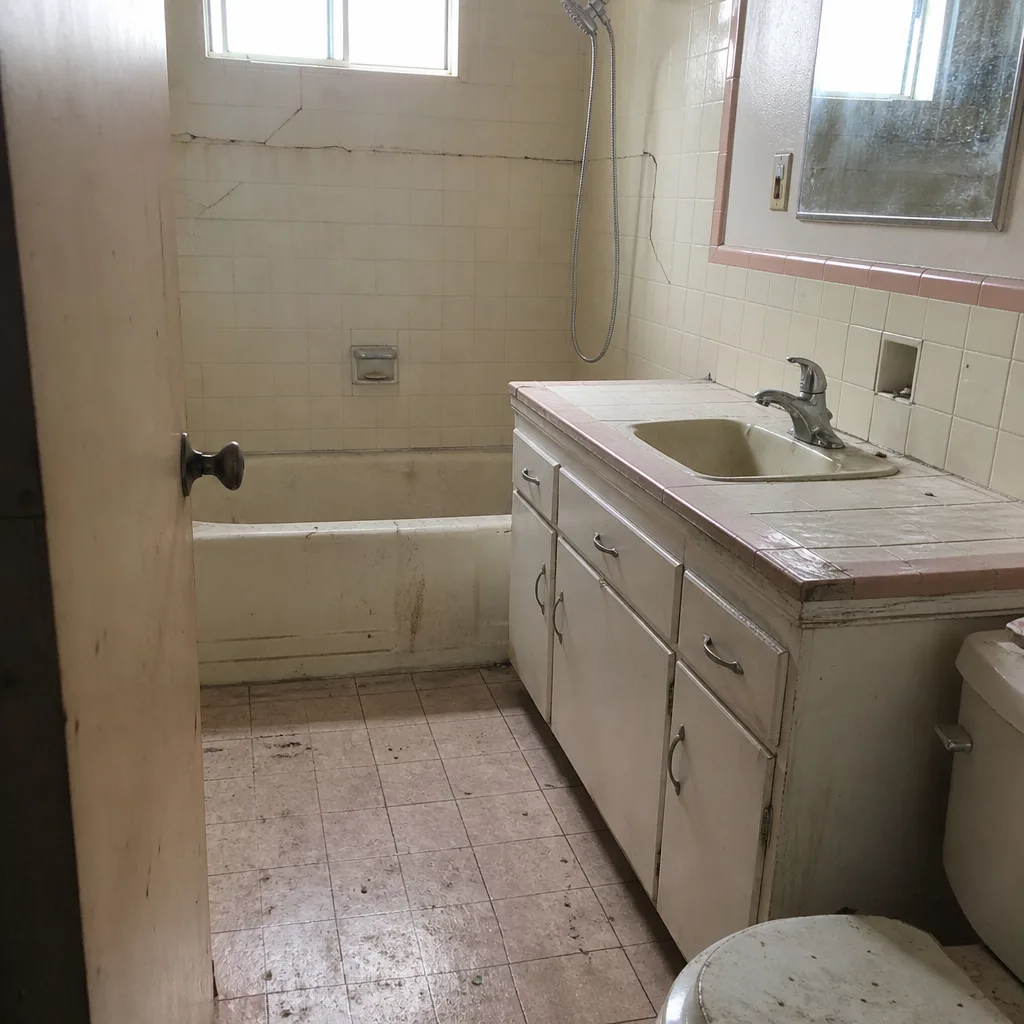 Before
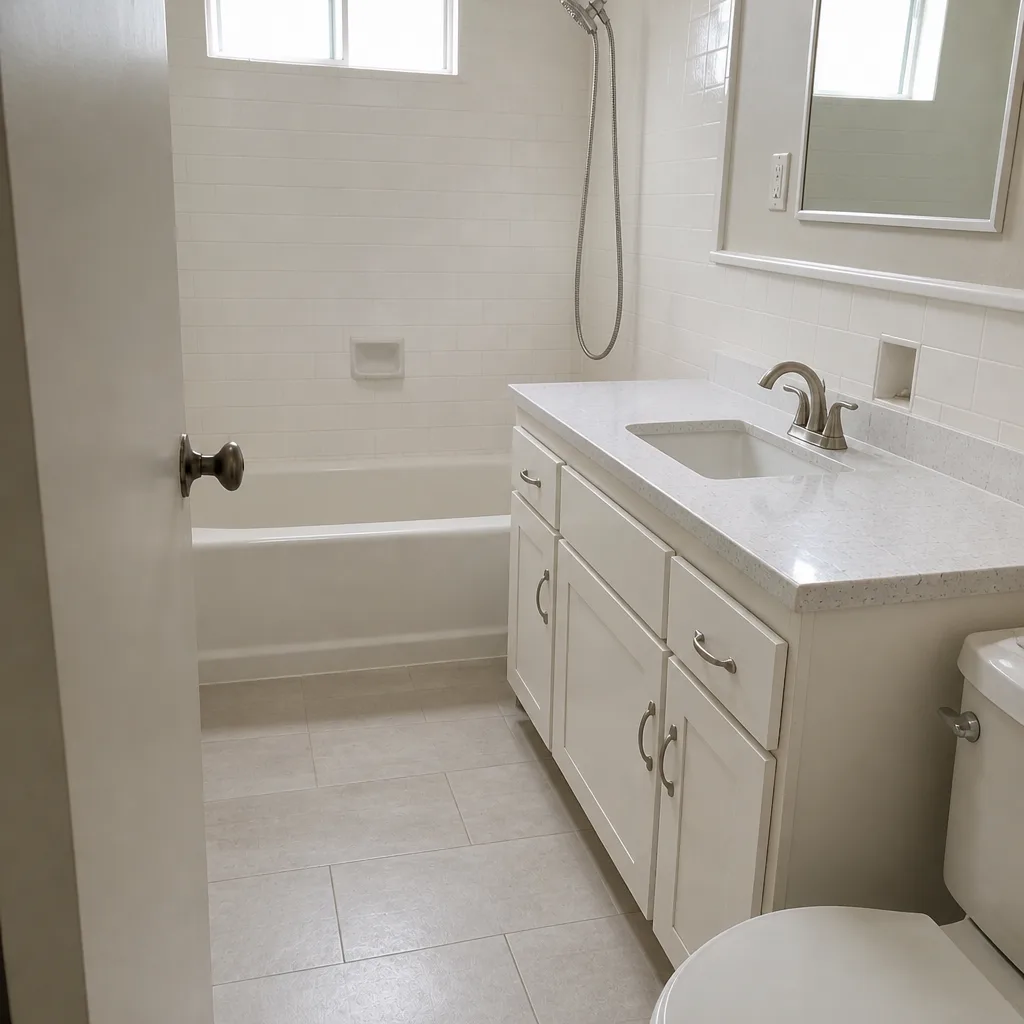 After
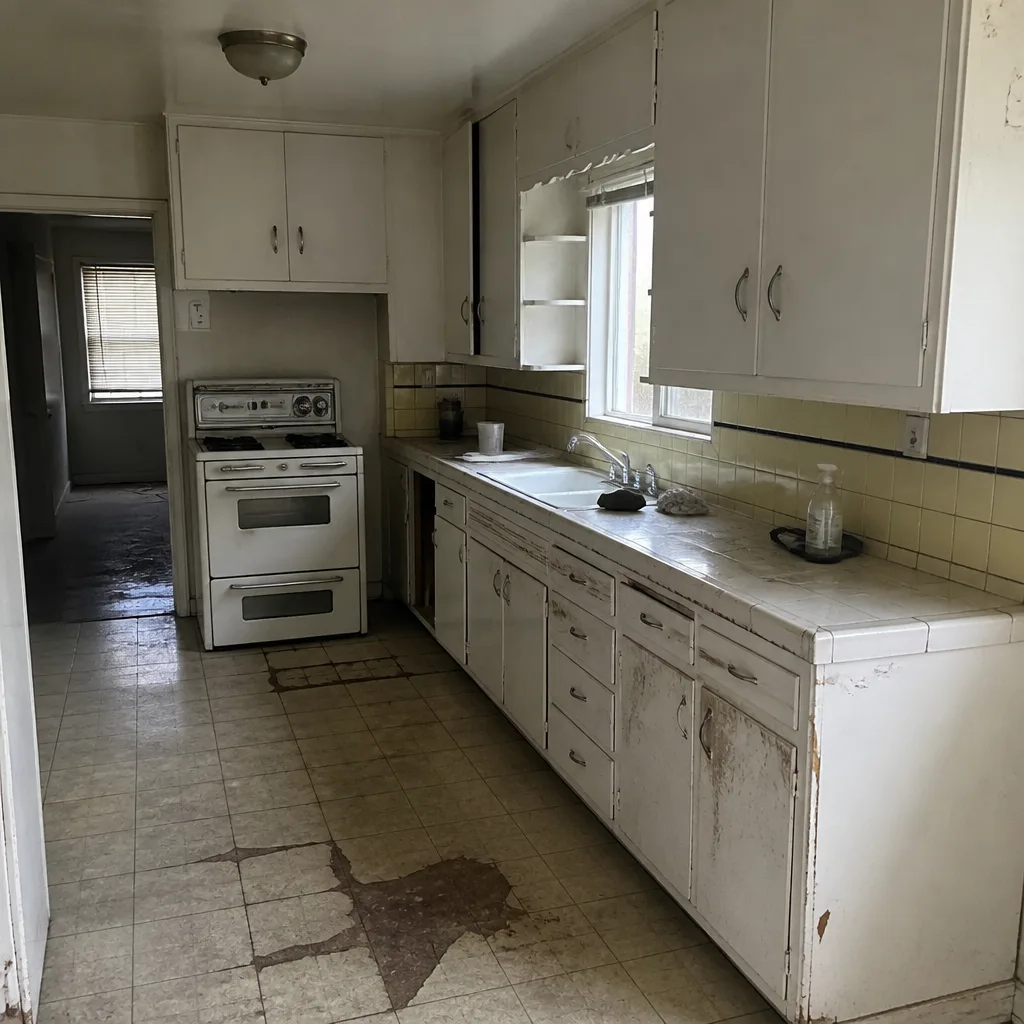 Before
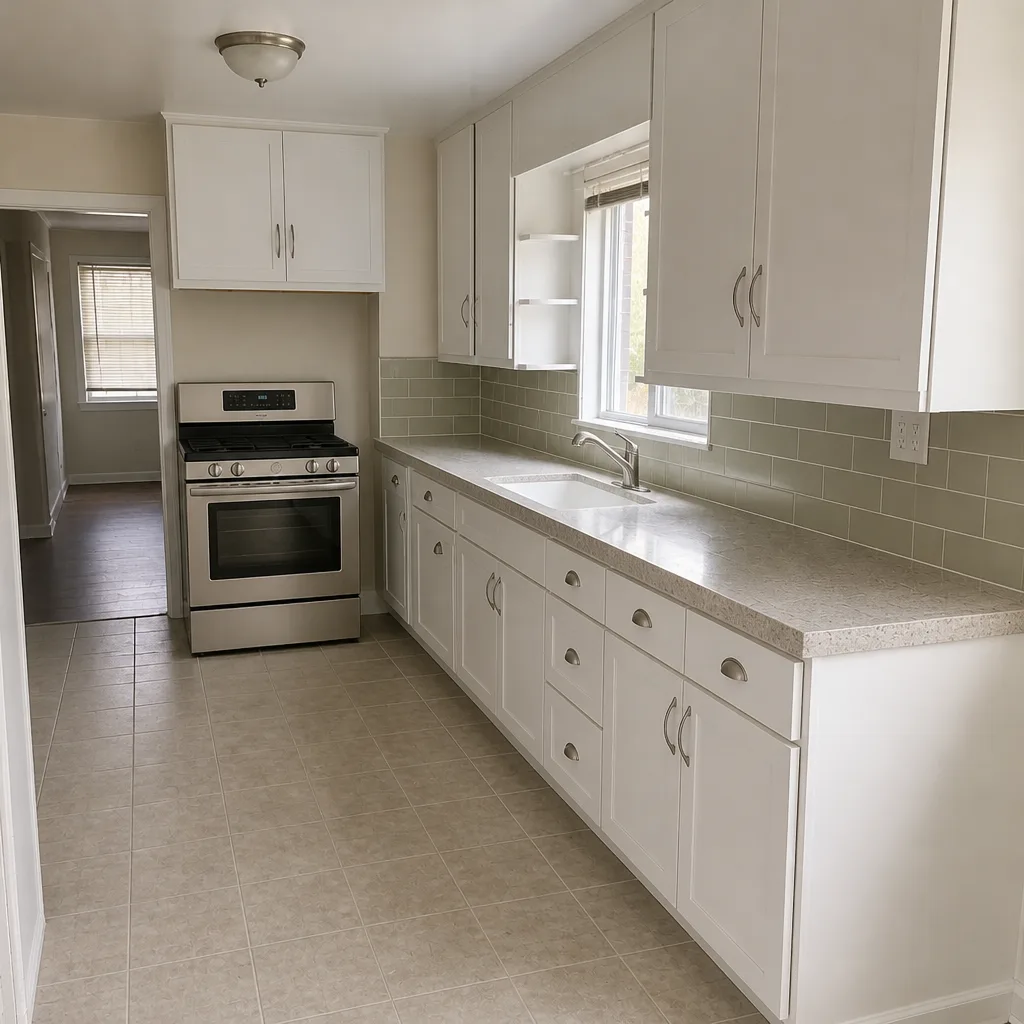 After
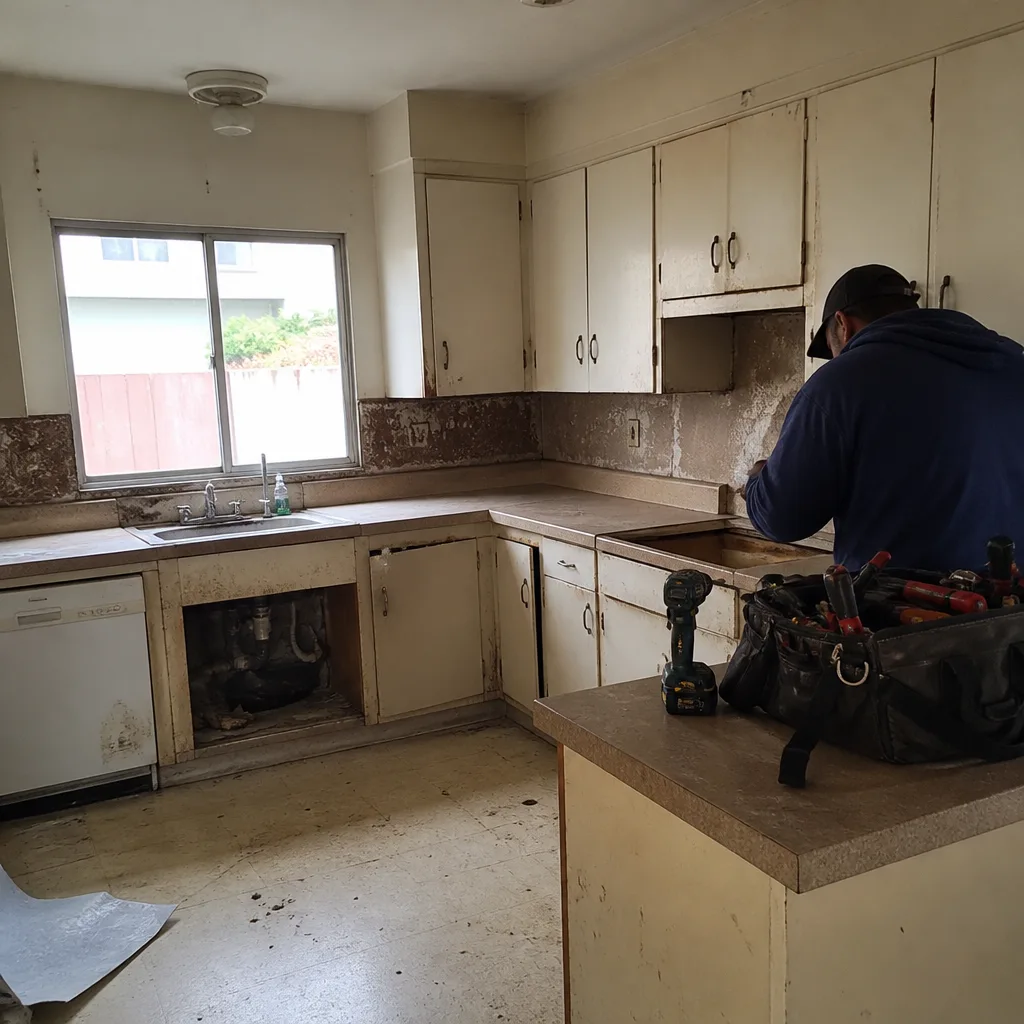 Before
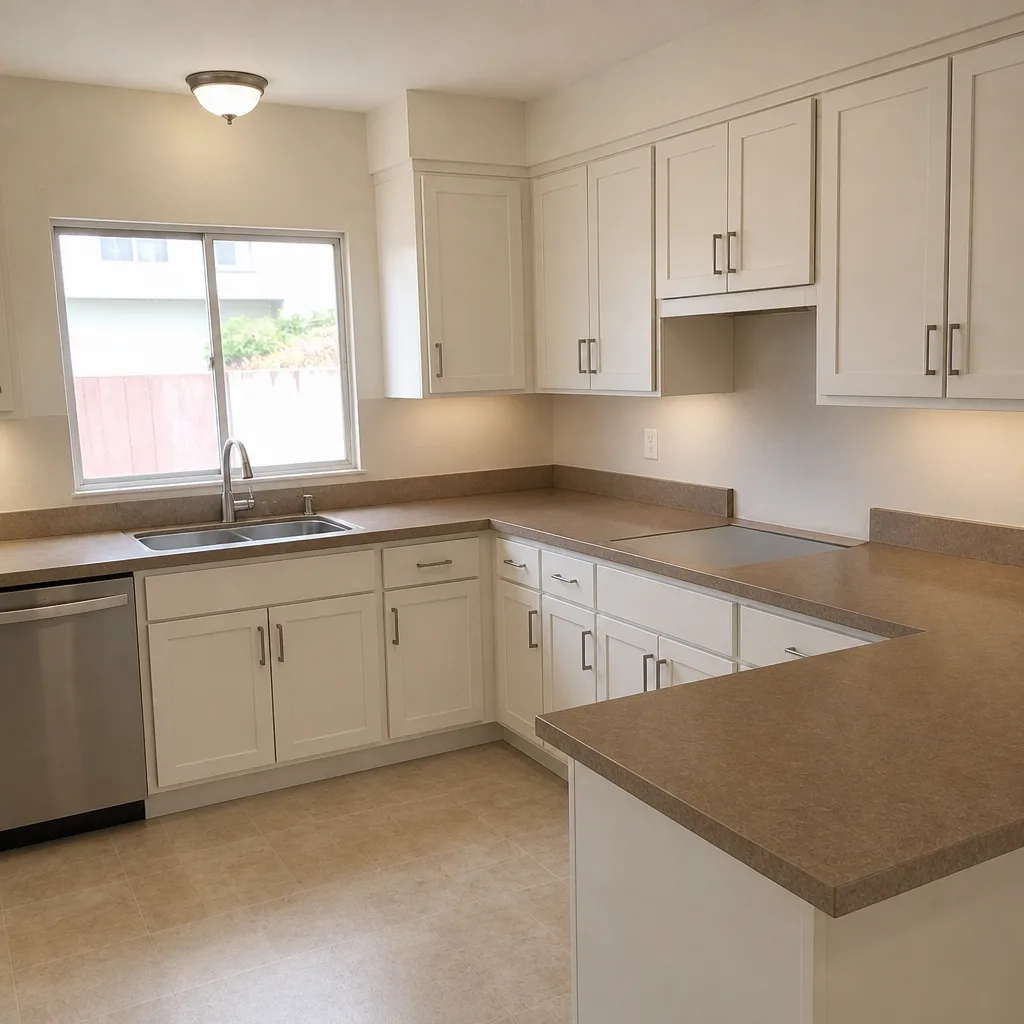 After
Replacement Cost & What’s Included
Here’s what the work actually runs in Long Beach, parts and labor together:
| Work | Installed price range |
|---|---|
| Paver driveway installation (full) | $7,000 – $18,000 |
| Concrete driveway installation | $4,500 – $12,000 |
| Asphalt driveway paving | $3,500 – $9,000 |
| Driveway replacement | $5,000 – $14,000 |
| Driveway sealing | $250 – $700 |
| Paver patio installation | $3,500 – $11,000 |
Three things move the number: square footage, how much base and removal the job needs, and the paver or surface material you pick. Sakrete materials are a modest line in the total; the labor and base prep are what carry the price. We give you a written price before any work starts, so the number on day one is the number on the invoice, and every install carries our 365-Day Done Right Promise in writing.
DIY or Call Us?
You can safely sweep a paver joint, hose down a slab, or check a bag label to confirm the product. What goes wrong on DIY is the base and the finish: mixing bagged concrete to the wrong water ratio, skipping compaction, or laying polymeric sand that never properly sets. Get the base wrong under a driveway and you’ll be pulling the whole surface up again the next spring. There’s no high-tension or electrical danger here, but the physical labor on a full driveway isn’t a weekend project for most homeowners. If you’re unsure which Sakrete product your surface needs or the repair keeps coming back, call us at (833) 510-6967 and we’ll tell you straight whether it’s a patch or a replacement.
FAQs
A well-installed paver driveway with properly activated polymeric sand and a compacted base typically holds 20 – 30 years; the sand joints need re-topping roughly every 3 – 5 years on a coastal Long Beach property. Call (833) 510-6967 for a free estimate if your joints are washing out.
Often yes. Sealing runs $250 – $700 and re-sanding joints is a smaller fix, while full replacement at $5,000 – $14,000 is only needed when the base has failed or the slab is crumbling. We’ll tell you which you’re looking at after a look.
A sealing or joint repair is a day or two; a full paver or concrete driveway replacement typically runs 3 – 7 working days depending on square footage and curing. We schedule a real arrival window and give you a written timeline before we start.
We purchase the labeled Sakrete product matched to your surface from trade suppliers; we don’t carry it on a truck and we don’t substitute generic mixes. Our technicians have up to 22 years of experience and we also install materials from KraftMaid, Cambria and Silestone alongside our exterior work.
Written by the team at Penhallow Remodeling Long Beach, serving Long Beach and nearby areas.