





Free written scope consultation - allowances, timeline, and change-order rules on paper before a single trade is scheduled
Schluter Kitchen Remodeling: The Long Beach Owner’s Guide
Schluter-compatible kitchen remodeling and tile work in Long Beach typically runs $14,000 – $45,000 installed, depending on layout, cabinet line, and countertop material. Most of that number is labor and finish, not the Schluter components themselves. The parts that matter are the waterproofing and edge-protection profiles under tile and around counters, and they’re the ones homeowners rarely see until something fails.
Owners usually discover a failure sideways, not head-on. A grout line along the backsplash turns dark and won’t clean up. A tile lifts by a quarter inch over the countertop joint. Caulk at the sink or range opening pulls loose twice in a year. A corner trim piece pops free and shows the substrate behind it. By the time any of those things is visible in a Long Beach kitchen, the thin-set or the substrate below has been holding moisture, which is exactly what the Schluter system is designed to stop. The parts aren’t glamorous, but they’re doing the structural work of keeping water out of a kitchen that gets humidity from cooking, dishwashing, and our coastal air.
Which Schluter Models This Applies To
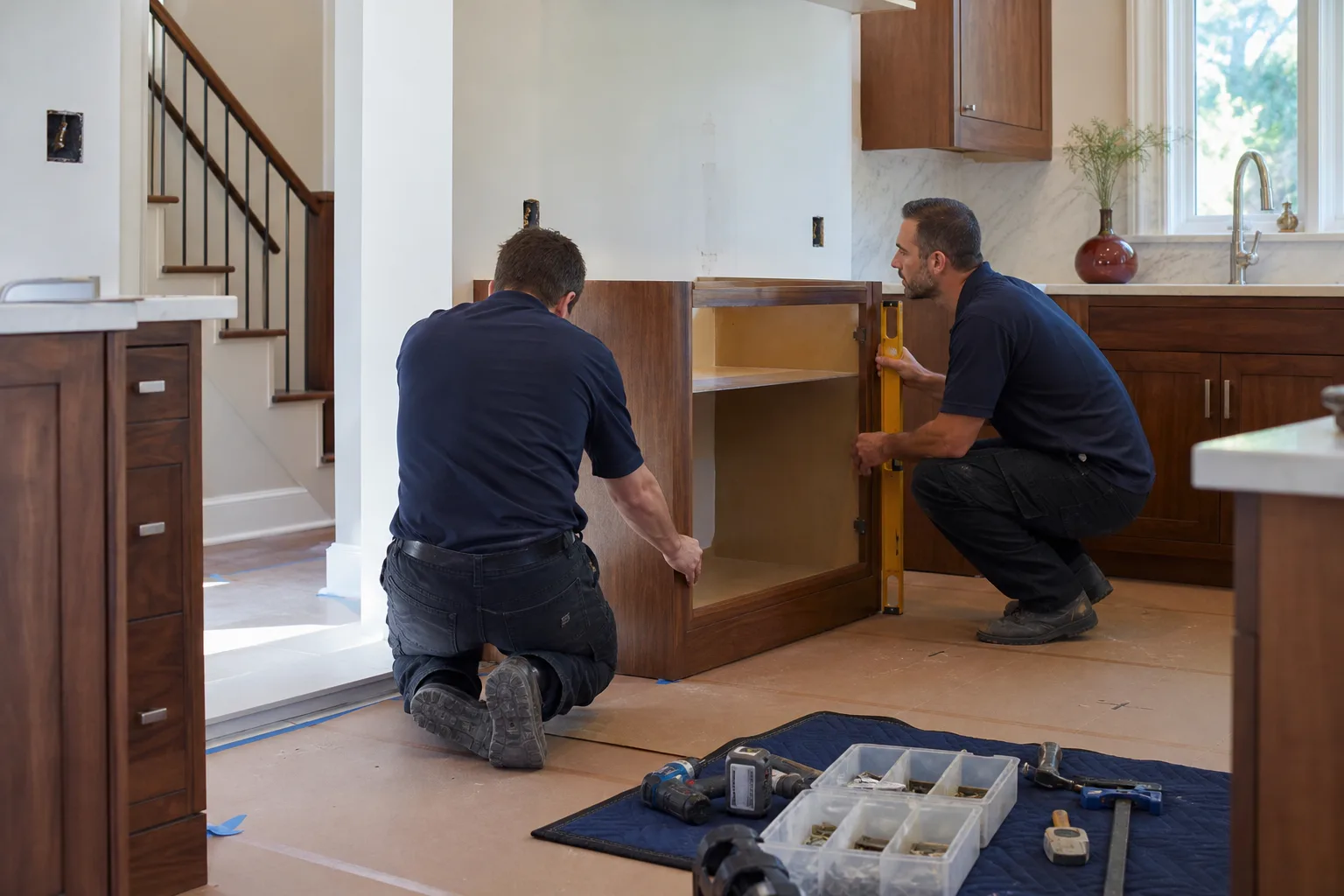
Schluter doesn’t sell “kitchen parts” as a single thing. What ends up in a Long Beach kitchen is usually one of four component families, and knowing which one you’re holding matters before you buy a replacement.
- KERDI and KERDI-BAND – the sheet waterproofing membrane and the seam band that gets embedded over it. Measured by roll width (typically 3′ 3″ for sheet, 5″ for band) and thickness (8 mil is the common residential spec).
- DITRA and DITRA-HEAT – the uncoupling membrane under floor tile. DITRA comes in 3′ 3″ x 32′ 10″ rolls; DITRA-HEAT has the mat format for electric heat cable, and the two are not interchangeable once the cable is set.
- SCHIENE, JOLLY, and RONDEC – the edge profiles at the end of a tile run. These are sized by the tile thickness they accept (usually 3/8″, 1/2″, or the metric equivalents), so a 3/8″ SCHIENE won’t sit flush on 1/2″ tile.
- KERDI-FIX and KERDI-SHOWER components – the sealant and drain-assembly pieces that tie the system together at penetrations.
The most common compatibility problem we see is thickness mismatch on edge profiles. A homeowner buys a SCHIENE based on the nominal tile size printed on the box, but the tile’s actual total thickness including the thin-set bed is different, and the trim sits proud or buried. The original Schluter label on the old piece is the reliable source, and it’s often still visible on a leftover piece in the garage or under a cabinet. On OEM versus aftermarket: Schluter’s own replacements carry the published warranty, and quality aftermarket equivalents exist for KERDI-BAND and some profiles, but the fit tolerances on the proprietary pieces are tight enough that we don’t substitute. Penhallow Remodeling Long Beach is an independent service provider and is not affiliated with Schluter. We specify the genuine component because it’s the one that matches the system already in your kitchen.
Styles & brands we work with
- Kitchen remodeling
- Bathroom remodeling
- Home additions & ADU
- Roofing
- Windows & doors
- Driveway & pavers
- Fence
Signs Your Schluter Kitchen Remodeling Is Failing
Each of these has a cause behind it, and the cause tells you what actually needs replacing.
- Dark grout lines along the backsplash, especially near the sink and range. Water is getting behind the tile at a seam where the KERDI-BAND wasn’t fully embedded or the sealant at a change of plane has aged out. Coating it with more caulk is a short fix.
- A hollow sound when you tap tile over the countertop joint. The thin-set has debonded from the substrate, often because the DITRA layer wasn’t rolled into the thin-set properly at install. Hollow tile will eventually crack on its own.
- An edge profile that has worked loose at the end of a tile run. The profile relied on thin-set to hold its anchoring leg, and the bond failed. SCHIENE and JOLLY don’t screw or nail in; they’re bedded, so a loose one means the bed failed.
- A soft spot or discoloration in the cabinet base under tile flooring. Moisture is getting past the KERDI or DITRA at a perimeter or penetration and wicking into the wood below. By the time it’s visible, the cabinet base is the concern.
- Lifted tile or hairline cracks radiating from a heater or appliance opening. Movement from heat cycling without an uncoupling layer beneath. In Long Beach we see this near wall ovens and under cabinet runs where a heat-producing appliance sits on tile.
Our technicians have up to 22 years of experience reading these symptoms, which usually means knowing whether the fix is a valve-stem-style swap or a full re-set before we start.
Replacement Cost & What’s Included

Here’s what the work runs in Long Beach, and what’s behind each number.
| Scope | Typical installed range |
|---|---|
| Kitchen remodel (full, with tile and Schluter system) | $14,000 – $45,000 |
| Small kitchen remodel | $9,000 – $20,000 |
| Cabinet installation | $4,000 – $13,000 |
| Countertop installation | $2,000 – $6,500 |
| Backsplash installation (with membrane and trim) | $800 – $2,500 |
| Kitchen island installation | $3,000 – $10,000 |
What drives the number up or down: the linear footage of tile, whether the substrate has to be rebuilt, whether the plumbing has to move for a sink or range change, and cabinet and countertop material. Cambria, Silestone, and Caesarstone countertops sit at the higher end of that countertop range; a laminate replacement sits at the bottom. The parts themselves (KERDI membrane, DITRA, profiles) are a small slice of the total, and we show you that slice as its own line. That’s the Kingswell Way: say the price before the work. You get a written number before demo day, and the number on day one is the number on the invoice. Every installation carries our 365-Day Done Right Promise in writing. If it fails inside that year, we come back and make it right at no charge.
See the difference
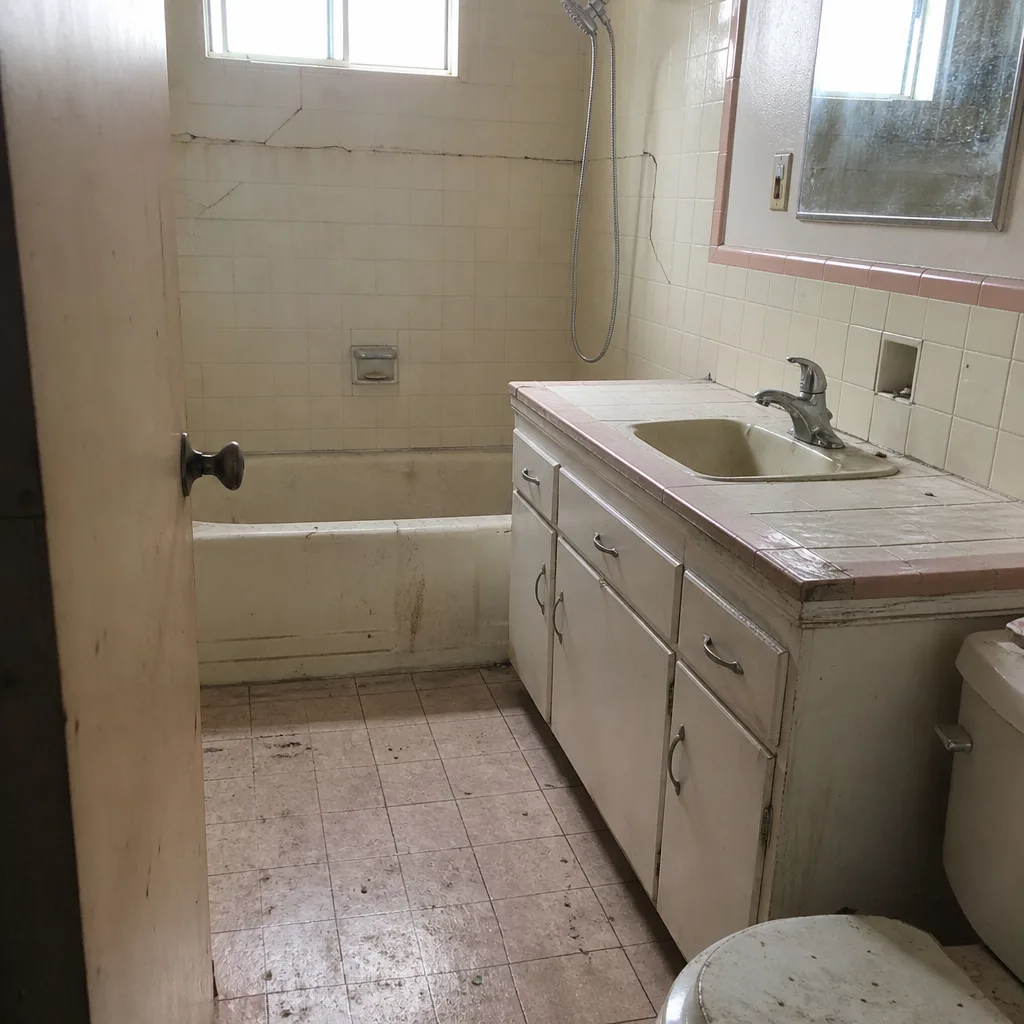 Before
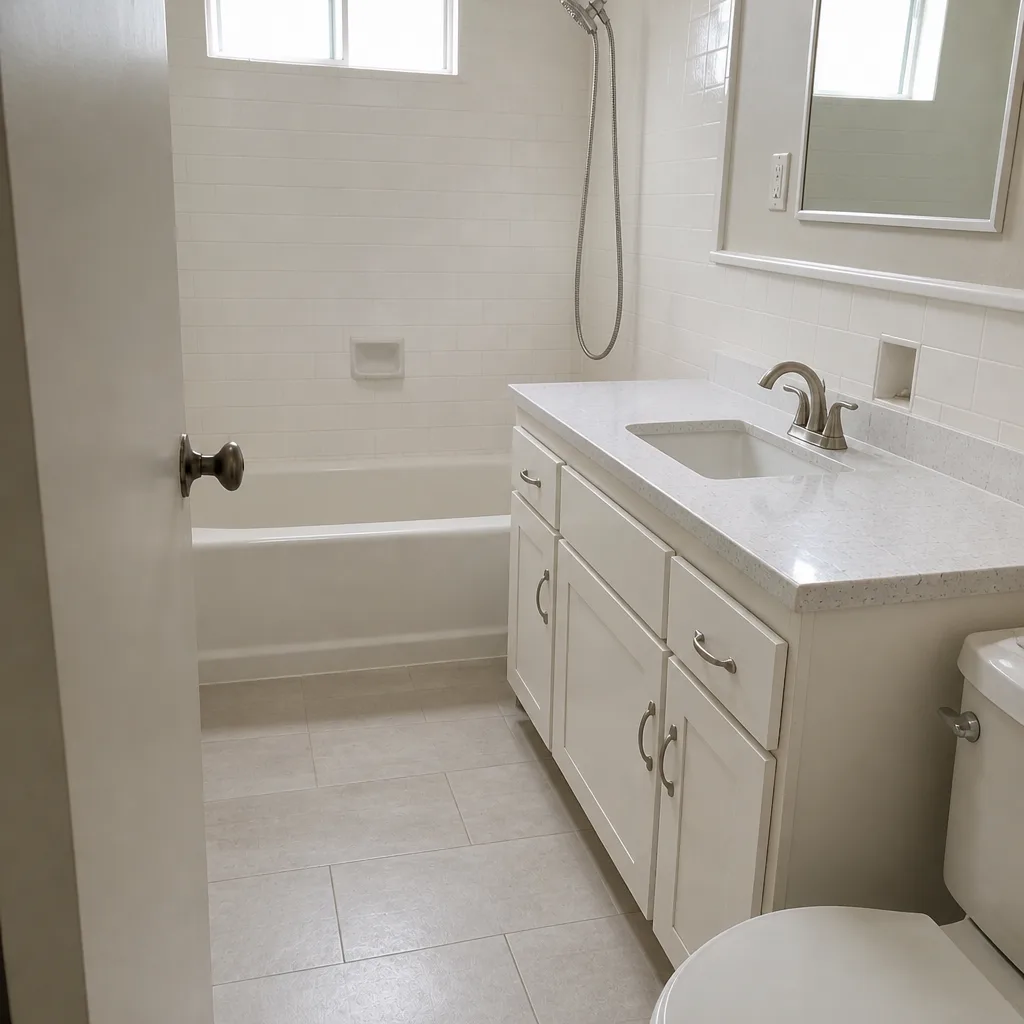 After
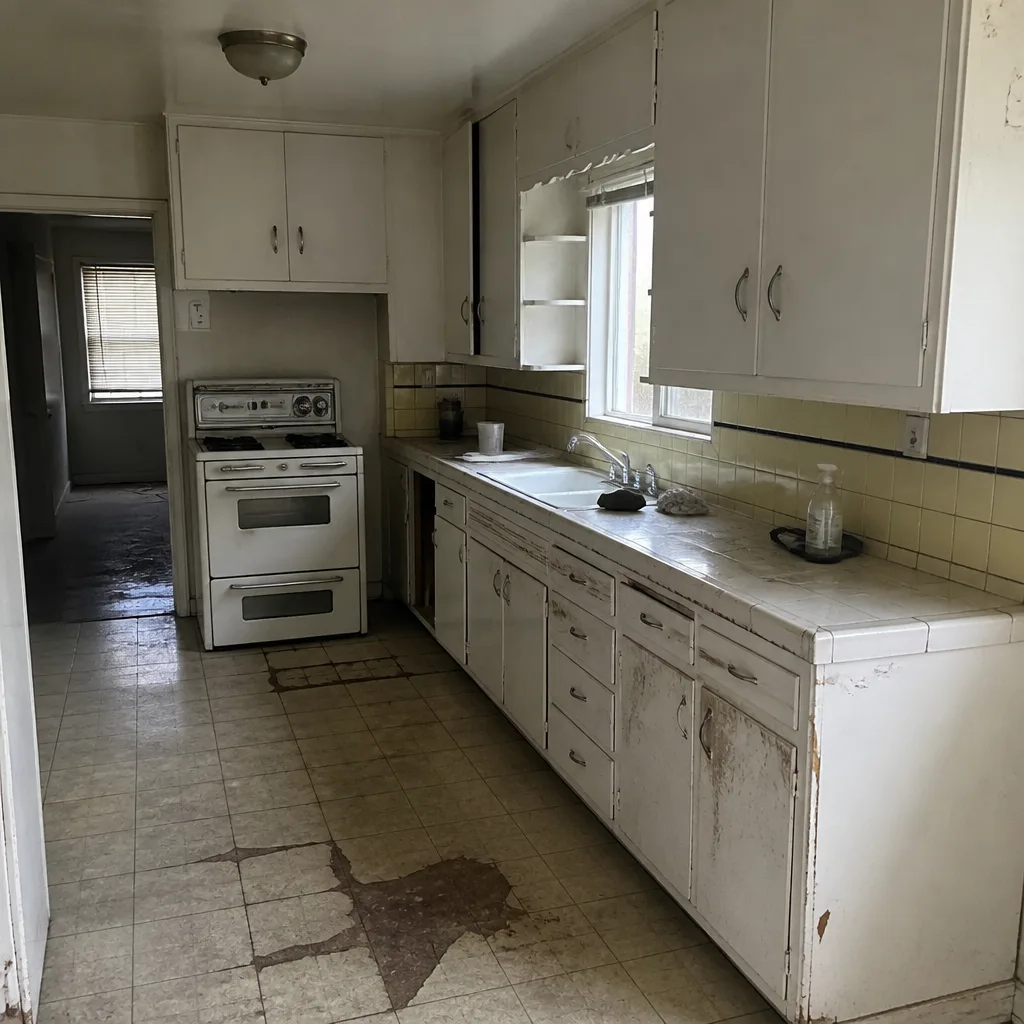 Before
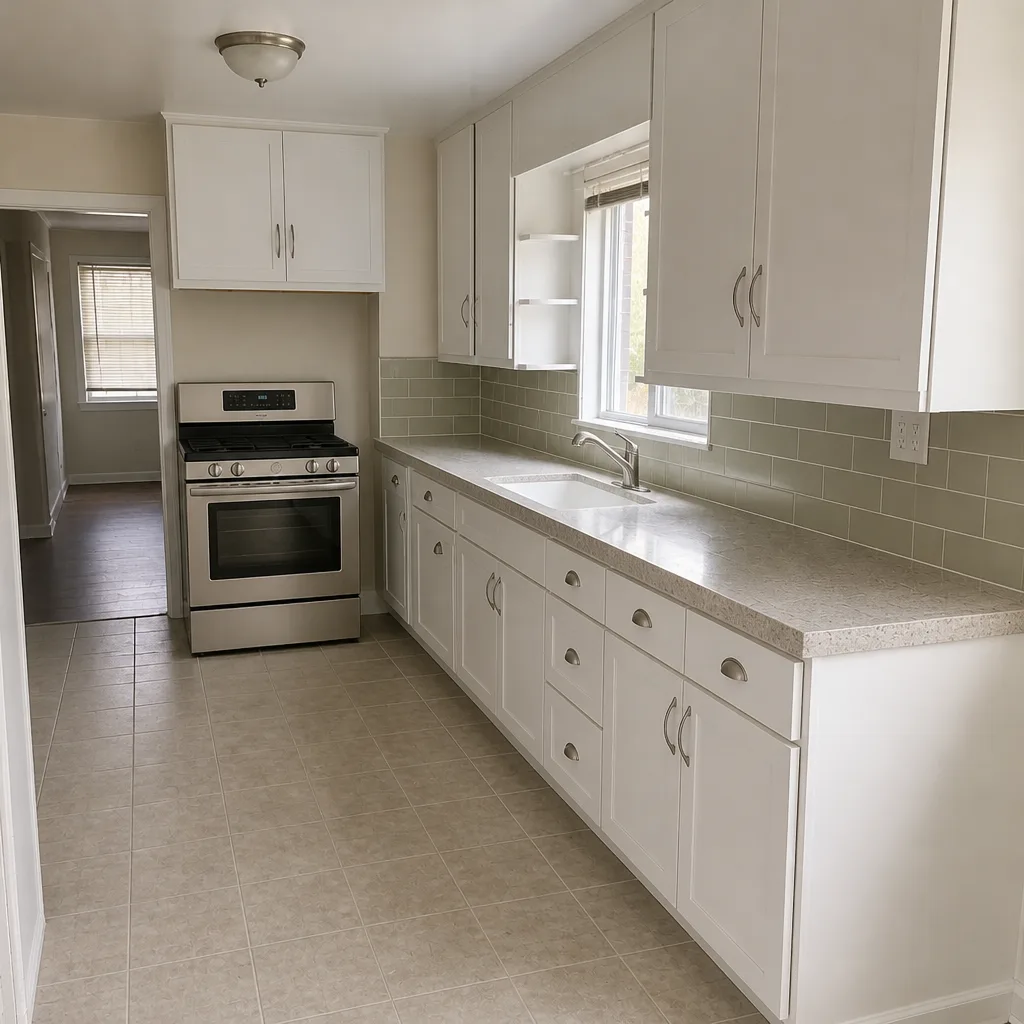 After
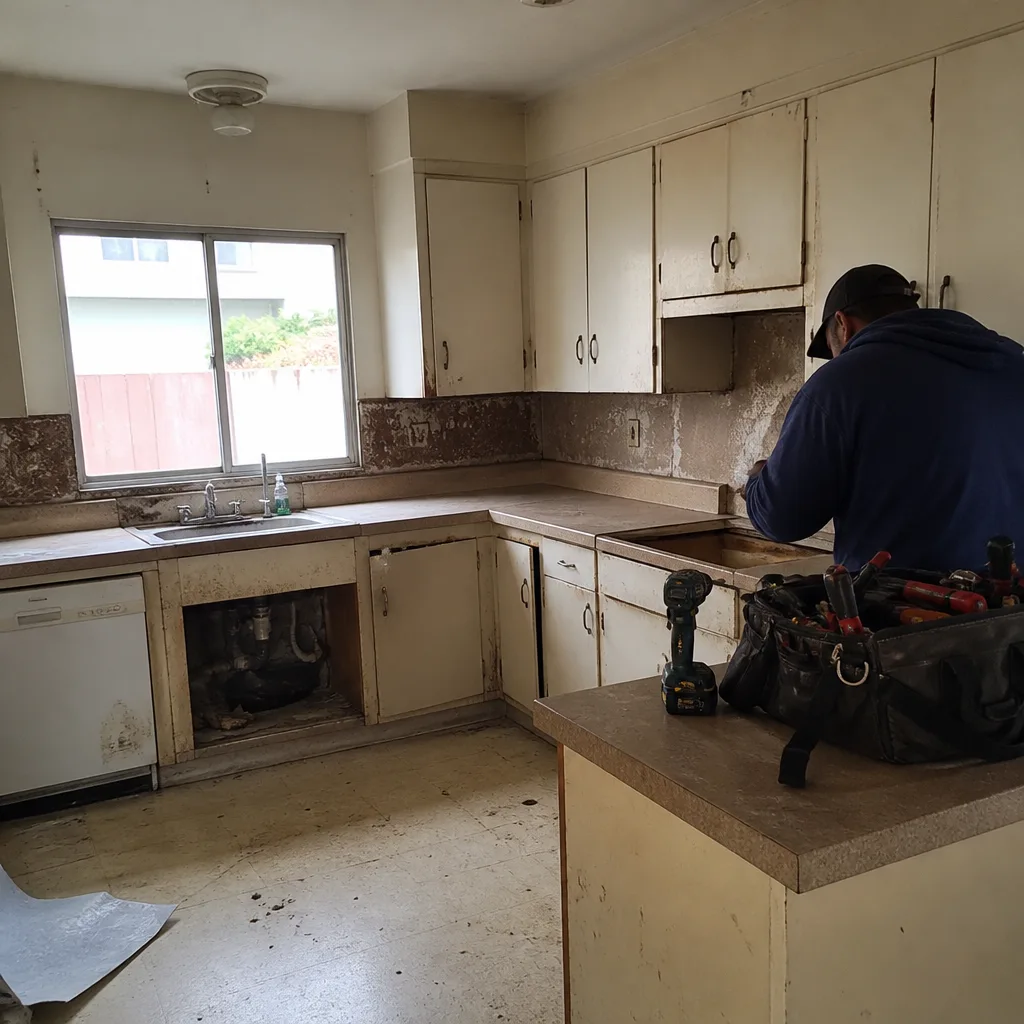 Before
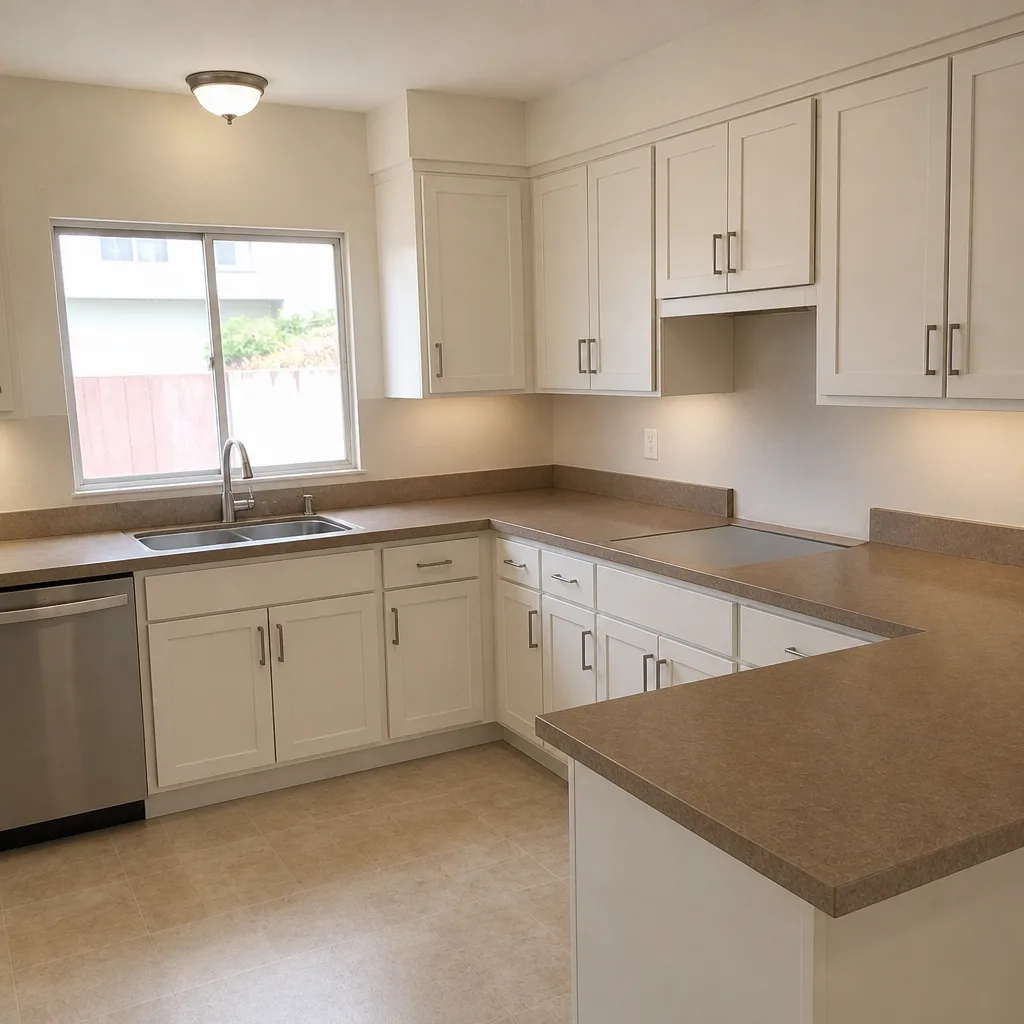 After
DIY or Call Us?
There’s a real split here, and it’s worth knowing which side of it you’re on.
What a homeowner can safely check: whether the edge profile is loose or snug, whether grout is cracking at a change of plane, whether a tile sounds hollow when tapped, and whether the original Schluter labels are still readable on a leftover piece. You can also read the thickness off your tile with a caliper or a careful ruler against the face. None of that involves cutting, and none of it risks injury.
Where DIY goes wrong is the re-set. Schluter is a system, and the parts only work as a system. Replacing a KERDI-BAND patch over a failed seam without properly embedding it into fresh thin-set just moves the leak a few inches. Setting a new edge profile without a full thin-set bed means it comes loose again in a season. The bigger risk is water damage, and water damage behind a kitchen counter is the kind of thing you only find when the cabinet base gives. We’re careful about it because we’ve cleaned up after it. If your back is telling you no, or your schedule is full, call us at (833) 510-6967 and we’ll give you a written number before anything starts.
FAQs
A properly installed Schluter KERDI or DITRA system carries the manufacturer’s lifetime warranty against failure when installed to spec, and in our experience the membrane and uncoupling layer outlast the tile and grout above them. The real lifespan limiter in Long Beach is the sealant at changes of plane and the thin-set bed, which is why we inspect those seams at year 10. Call (833) 510-6967 for a free assessment of your existing system.
Sometimes, yes. A failed KERDI-BAND seam or a loose edge profile can often be repaired without tearing out the whole run, provided the substrate underneath is still dry and intact. What can’t be patched is a debonded thin-set bed or a hollow tile over the countertop joint; those need a re-set. We look at the system, not just the symptom, and we tell you which side you’re on before we quote. Estimates are free.
A backsplash with membrane and trim is typically a 2 – 3 day job in a Long Beach kitchen, while a full kitchen remodel with cabinet and countertop replacement runs 3 – 5 weeks depending on material lead times. We give you a real arrival window at the start of the project, and we hold to it. Call (833) 510-6967 to schedule your free estimate and get a written timeline.
We source genuine Schluter components through trade distributors, matched to the model and thickness of what’s already in your kitchen, and we never substitute a proprietary piece with an aftermarket equivalent. We don’t claim to keep Schluter parts on hand or carried on a truck; we order what the job needs and we tell you the lead time up front. We also source cabinets from KraftMaid and countertops from Cambria and Silestone when the project includes them. Every job comes with a background-checked technician who arrives in uniform, and our 365-Day Done Right Promise in writing.
Ready to Get a Written Number?
Whether your Schluter system is showing a failed seam, a lifted edge profile, or a hollow tile you’re not sure about, the next step is a look and a written price. Penhallow Remodeling Long Beach schedules a real arrival window, arrives with a background-checked technician in uniform, and hands you a written number before any work starts. That number holds on the invoice, and if the work fails inside a year, the 365-Day Done Right Promise brings us back to fix it at no charge. Our technicians have up to 22 years of experience working with Schluter systems in Long Beach kitchens, and our team is part of the Kingswell family of companies, operating to The Kingswell Way since 2004. Call (833) 510-6967 for a free estimate, any time, and a live person will answer.
Written by the team at Penhallow Remodeling Long Beach, serving Long Beach and nearby areas.