Last updated November 17, 2026





Free written scope consultation - allowances, timeline, and change-order rules on paper before a single trade is scheduled
The Complete Guide to Construction in Long Beach
Long Beach sits in three separate seismic hazard zones depending on your ZIP code, and most homeowners only learn that after their contractor pulls a permit and the inspector adds a line item for a soils report. The city’s housing stock makes it more interesting still: blocks of 1920s bungalows in Belmont Heights sit a few miles from 1950s tract homes in Lakewood-adjacent neighborhoods, and both now have to meet 2026 code. This guide walks through permits, liquefaction zones, coastal corrosion rules, and what an ADU, kitchen, or bathroom project actually involves in Long Beach. Nothing gets touched until you understand each layer.
Quick Answer
Construction in Long Beach means working under the city’s own Building & Safety division plus California’s Title 24 energy code, on top of seismic zone and coastal corrosion requirements that inland Los Angeles projects skip. Foundation and structural work in harbor-adjacent neighborhoods often needs a soils report because of liquefaction risk, and that adds real cost before the first form is set. A written price before work starts is the only sane baseline for any Long Beach project.
Styles & brands we work with
- Kitchen remodeling
- Bathroom remodeling
- Home additions & ADU
- Roofing
- Windows & doors
- Driveway & pavers
- Fence
Table of Contents
- Why Long Beach Construction Starts With a Seismic Map
- Liquefaction Zones and What They Do to Foundation Costs
- Long Beach Building & Safety vs. Title 24: Who Regulates What
- Coastal Corrosion Rules Inland Projects Never See
- ADUs, Kitchens, and Bathrooms: Realistic Project Breakdowns
- How to Read a Long Beach Property Profile Before You Hire Anyone
- Why Scope of Work Comes Before the Estimate
- How to Choose a Contractor in Long Beach
Why Long Beach Construction Starts With a Seismic Map
Long Beach doesn’t have one seismic story. It has three. The city sits on portions of the Newport-Inglewood fault zone, and depending on where your property falls, the geotechnical requirements on your project range from routine to substantial. That’s not a scare tactic. It’s the reason two nearly identical kitchen remodels on the same street can price differently: one triggers structural reinforcement tied to a seismic hazard designation, the other doesn’t.
Before you get a single bid, pull your property’s zoning and hazard designation through the city’s online GIS tools. A licensed contractor will do this for you, but you’ll price the job more intelligently if you already know what you’re looking at.
Here’s what the three-zone reality means in practice:
- Zone designations drive geotechnical reports. Structural alterations in some areas require a soils investigation before permits are approved. That report typically adds time and cost before any framing begins.
- Foundation work is not uniform. A raised foundation retrofit in one neighborhood may need lateral bracing and anchor bolting tied to the hazard zone, while a similar home elsewhere may qualify for simpler measures.
- Second-story additions amplify the question. Adding a floor changes the load calculation, which triggers a re-examination of the base structure from the ground up.
The smart move is to request a permit history and hazard designation report before you sign anything, then hand that to your contractor so the bid reflects what the city will actually require. Our team at Penhallow Remodeling operates as a general contractor in Long Beach, which means we’re pulling these reports as standard practice, not as an afterthought.
Liquefaction Zones and What They Do to Foundation Costs
Liquefaction is what happens when saturated, sandy soil loses its strength during a seismic event and behaves like a liquid. In Long Beach, the neighborhoods closest to the harbor and the Port of Long Beach sit in the areas where these conditions matter most. If your property is in one of those zones, foundation and structural work isn’t just more expensive. It’s a different category of work.
What that means for real budgets:
- Soils reports become likely, not optional. A geotechnical engineer samples the ground and tells you what bearing capacity you’re actually working with. Budget for this as a line item on harbor-adjacent projects.
- Pile foundations replace conventional footings in severe cases. Driven or drilled piles reach past the liquefiable layer. This is a meaningful fraction of total project budget when it’s required.
- Slab-on-grade work in these zones requires engineering detail. Reinforcement schedules, moisture barriers, and subgrade preparation all get more specific, and the city reviewer knows what to look for.
- ADUs and additions hit the same rules. A detached accessory dwelling unit on a lot in a liquefaction zone is not exempt; it has its own foundation requirements.
One detail homeowners miss: pier-and-beam foundations common in older Long Beach homes can sometimes be retrofitted for lateral stability without a full foundation replacement, which is significantly cheaper than a new slab or piles. The only way to know which path applies is a real soils report and a structural engineer’s review. Anyone quoting a number before that work is guessing.
When we walk a Long Beach property in a high-risk zone, we explain what the reports will likely show before we commission them, so the homeowner isn’t surprised by the engineer’s invoice. That’s part of putting a written price in front of you before work starts, not after.
Long Beach Building & Safety vs. Title 24: Who Regulates What
Two regulatory worlds apply to every Long Beach construction project, and they overlap in ways that confuse homeowners. The city’s Building & Safety division enforces the Long Beach Municipal Code and issues your permits. California’s Title 24 sets energy standards that apply statewide, and they’ve gotten stricter with every cycle.
Building & Safety is where your project gets its local flavor. Plan check timelines, inspection scheduling, and the specific submittal requirements for additions and ADUs all run through the Long Beach office. A residential kitchen remodel of limited scope may qualify for an over-the-counter permit; a structural addition will not.
Title 24 governs things like insulation values, window performance, HVAC sizing, and lighting controls. When your kitchen remodel includes new lighting, Title 24 requires specific fixture counts and controls. When your bathroom project touches the building envelope, the energy compliance report may need updating. These aren’t optional recommendations. The inspector will flag them.
A clean Long Beach approval sequence looks like this:
- Pre-application research. Pull zoning, hazard zone, and permit history for the address.
- Design and engineering. Plans prepared by an architect or designer, structural letter from an engineer if required, Title 24 compliance documentation attached to the plan set.
- Plan check submittal. Long Beach Building & Safety reviews the complete package. Expect corrections; first-pass approval is uncommon for anything structural.
- Permit issuance and inspection scheduling. The permit card tracks each inspection stage: foundation, framing, rough-in, insulation, final.
- Final inspection and certificate of occupancy for additions and new dwellings. Remodels within existing footprint typically get a final inspection sign-off rather than a new certificate.
Understanding which agency governs which question saves weeks. Our team handles this sequence on every project, and we walk Long Beach homeowners through the plan check corrections before we submit them, so there are no surprises in the timeline.
Coastal Corrosion Rules Inland Projects Never See
Long Beach runs from the water’s edge at Alamitos Bay inland to the 605 freeway, and the corrosion rules change as you move. Salt air eats through fasteners, flashing, and structural connectors, and the city knows it. Coastal-adjacent projects require hot-dip galvanized or stainless fasteners, corrosion-resistant flashing, and exterior products rated for salt exposure. An inland Los Angeles project on the same house plan may skip all of it.
What that means for your materials:
- Siding matters more near the coast. Fiber cement products like James Hardie are widely used for their moisture and salt tolerance. We install James Hardie siding on coastal Long Beach projects specifically because it holds up where wood and vinyl don’t.
- Fasteners aren’t a corner to cut. Galvanized or stainless steel for anything exposed to the marine layer. Contractors who swap standard electro-galvanized for hot-dip to save a few hundred dollars are creating a callback that arrives in three years.
- Window and door selections shift. Therma-Tru fiberglass entry doors outperform wood in salt air; window frames should be rated for the exposure.
- Bathroom ventilation becomes critical. Coastal humidity plus interior moisture makes a proper exhaust fan and a moisture-resistant substrate like Schluter’s waterproofing system a genuine durability decision, not a luxury upgrade.
We see this on bathroom remodels in Naples and Belmont Shore routinely: tile that failed prematurely not because of the tile itself, but because the substrate behind it absorbed the marine moisture and the original installation skipped the waterproofing layer. The fix is always more expensive than the product upgrade would have been.
ADUs, Kitchens, and Bathrooms: Realistic Project Breakdowns
Accessory Dwelling Units (ADUs)
Long Beach has become one of the more active ADU markets in Southern California, and the city’s rules have generally moved toward streamlining. A detached ADU on a single-family lot can often qualify for a faster review path than a full new dwelling, but the seismic and liquefaction requirements still apply, and utilities (water, sewer, electrical) need their own connections and inspections. In our experience, ADU projects in Long Beach that go smoothly share one trait: the foundation and utilities were scoped before design was finalized, not after.
Kitchen Remodels
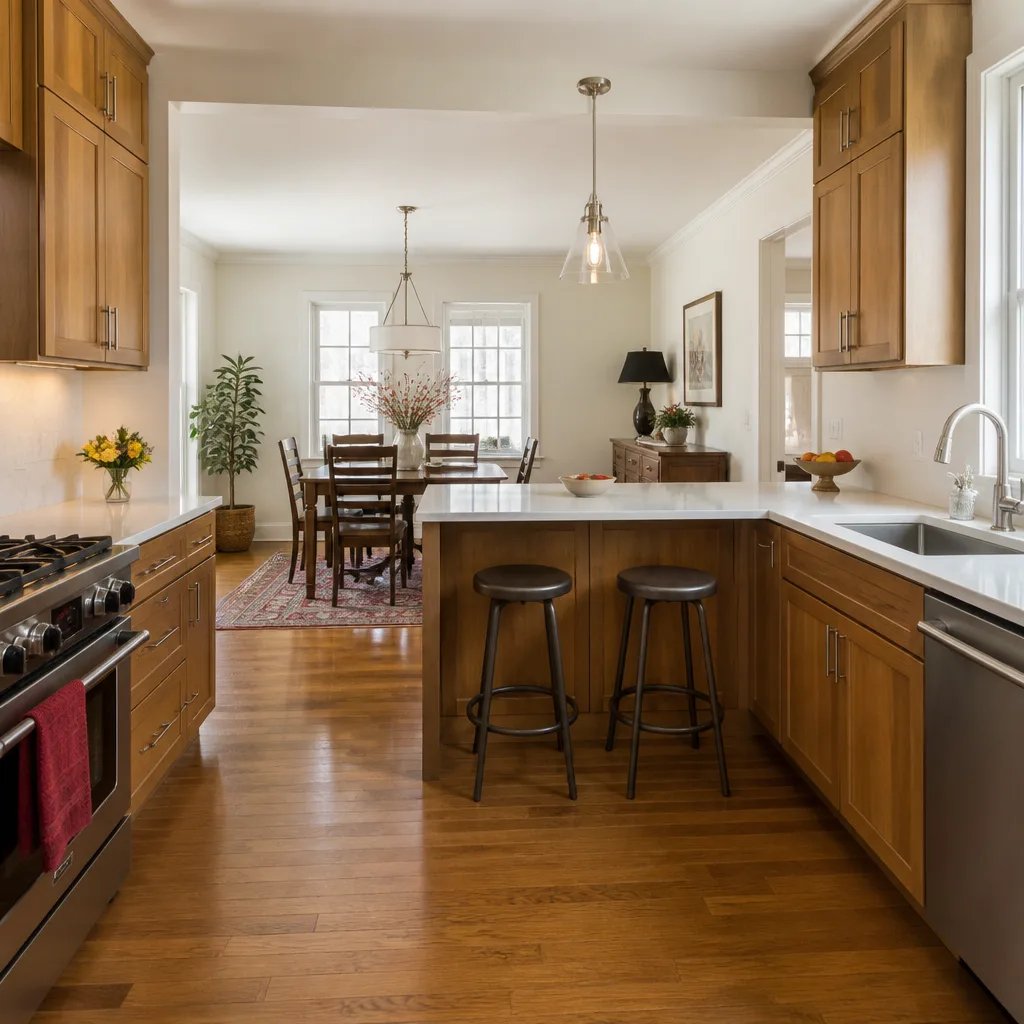
A Long Beach kitchen remodel typically covers cabinets, countertops, electrical, plumbing, and finishes. The variables that move the number most are cabinet line, countertop material, and how much the electrical panel needs to change. If the existing panel is undersized for a modern kitchen’s appliance load, that’s a separate permit and a real line item. Cabinet lines like KraftMaid and Wellborn carry meaningfully different price points, and the countertop choice between Cambria quartz and Silestone can shift the budget by thousands. You can read more in our kitchen remodeling in Long Beach guide.
Bathroom Remodels and Additions
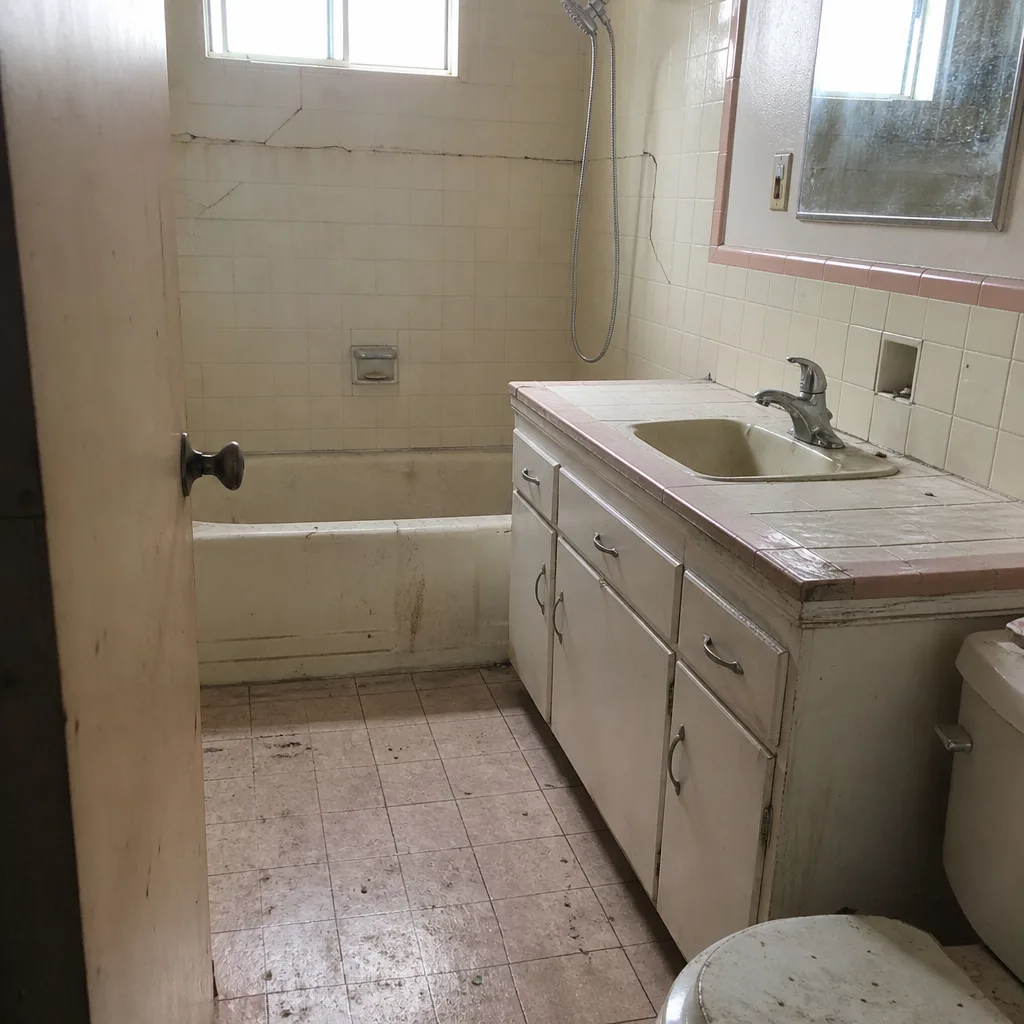
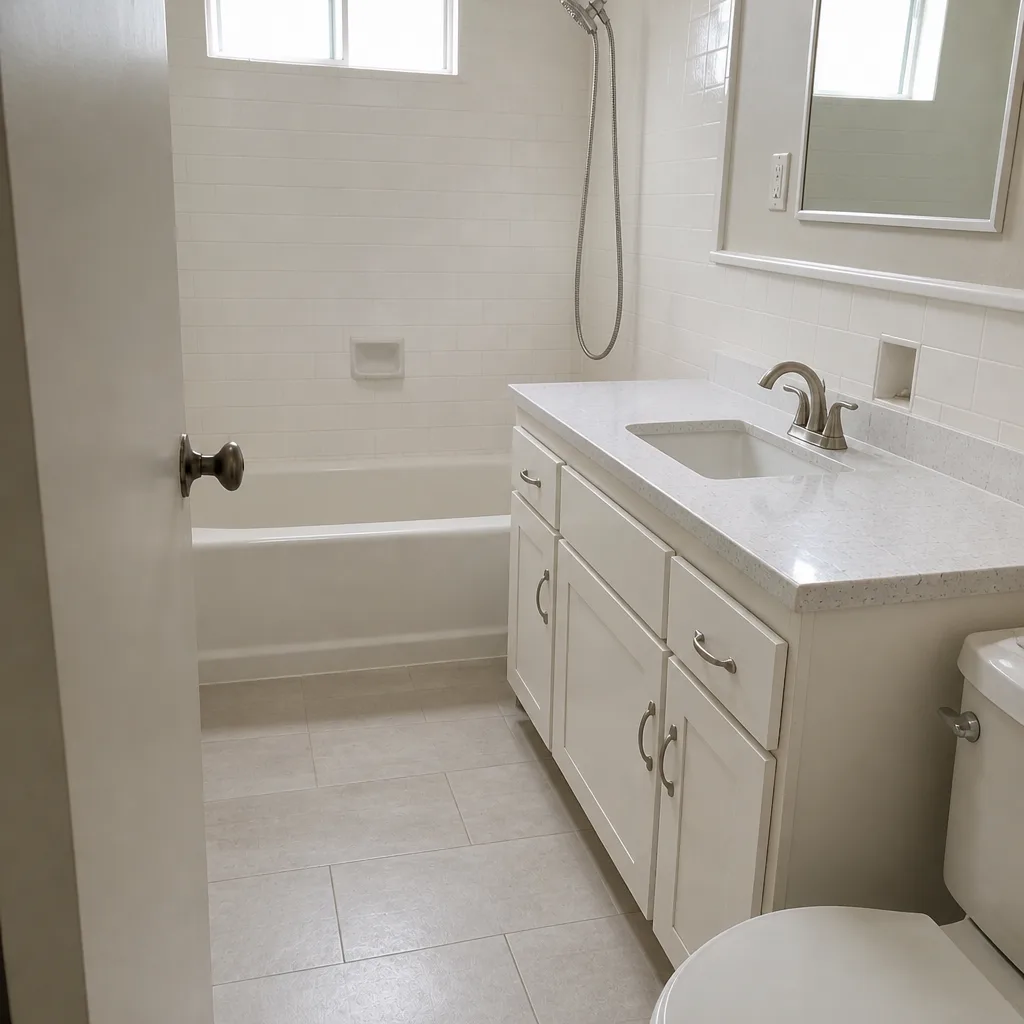
Bathrooms are where Long Beach’s older housing stock shows its age fastest. A bathroom addition (extending the footprint) triggers the same structural and seismic questions as any other addition. A bathroom remodel within the existing footprint is simpler, but the waterproofing detail is where the job succeeds or fails. Kohler and Moen fixtures are common choices on our projects because they carry their own manufacturer warranties alongside ours. Our bathroom remodeling in Long Beach page goes deeper on what drives cost by neighborhood.
How to Read a Long Beach Property Profile Before You Hire Anyone
Every property in Long Beach has a paper trail, and reading it before you get bids tells you more about your project than any contractor’s pitch. The four documents that matter:
- Soil and geotechnical report. If one exists, it tells you what your ground is doing. If it doesn’t and you’re in a liquefaction zone, you’ll need one. The report is a public record in many cases, available through the city or the county recorder.
- Prior permit history. Long Beach Building & Safety maintains a permit record by address. Unpermitted work from a previous owner is a real risk: an inspector can require it to be brought to current code, at your cost, when you pull your own permit. Knowing this before you buy or bid is the difference between a manageable project and a nightmare.
- Certificate of occupancy history. The original certificate of occupancy tells you what the city recognizes as legal use of the structure. An enclosed garage or a converted bonus room that was never permitted doesn’t count as living space even if it looks like it. Verify before you count it as square footage for your project scope.
- Hazard zone designation. The city’s GIS mapping tool shows seismic, flood, and liquefaction designations for your parcel. Print it. Hand it to your contractor. A bid that ignores it isn’t a bid, it’s a guess.
We review all four on every Long Beach estimate. It’s not extra diligence; it’s what protects both you and us from a number that changes mid-project.
Why Scope of Work Comes Before the Estimate
The most common reason Long Beach construction budgets blow up is a gap between what the drawing shows and what the work actually requires. A scope of work is the document that closes that gap. It lists what’s included: demolition, framing, rough-in, finishes, cleanup. It lists what’s excluded: structural reinforcement, hazardous material abatement, landscaping. And it does so in writing, before anyone starts.
When we hand a Long Beach homeowner a written price, it’s built on a defined scope. If the inspector finds something the scope couldn’t have anticipated (an unpermitted prior addition, an undersized electrical panel), you see that line item and we discuss it before proceeding. What you don’t see is a number that grew quietly during the project with no paper trail. The written price you receive at the start is the number you’re held to if the scope doesn’t change.
The 365-Day Done Right Promise works the same way. If something we installed fails within the year, we come back and fix it at no charge, in writing. That guarantee exists because the scope was defined clearly at the outset; a guarantee is only as strong as the documentation behind it.
How to Choose a Contractor in Long Beach
Long Beach has plenty of contractors. The questions that separate the ones who finish clean from the ones who disappear come down to three things: are they licensed and insured, is the price in writing before work starts, and will they put their guarantee in writing.
Ask directly:
- Are you licensed and insured? A legitimate contractor can provide a license number and certificate of insurance immediately. No excuses, no “it’s in the truck.”
- Is the estimate written, line-item by line-item? A verbal ballpark is not an estimate. A written price per scope line is.
- What happens if something fails after the job? A real answer is a written guarantee with defined terms. A vague reassurance isn’t.
- Who will be in my home? Background-checked, uniformed technicians on every job is a documented standard, not a marketing phrase.
- Can you reach a person right now? Call and see. If your call goes to voicemail during business hours, that’s information.
Our technicians have up to 22 years of experience, and every project is staffed to that standard: background-checked, uniformed, on-time within the arrival window we committed to. Our company operates as part of the Kingswell family of companies, and we follow The Kingswell Way on every job: say the price before the work, show up in the window we gave, leave the place cleaner than we found it. You can see our full service catalog on the Penhallow Remodeling Long Beach home page. If a repair fails inside the guarantee period, we come back at no charge, no service call fee.
Common Mistakes to Avoid
- Skipping the soils report in a liquefaction zone. The foundation you saved on today is the foundation that fails or gets flagged at inspection tomorrow. In harbor-adjacent Long Beach, get the report before you commit to any structural work.
- Assuming the prior owner’s permits are in order. Pull the Long Beach Building & Safety permit history before you buy or bid. Unpermitted work from a previous owner becomes your problem at your permit’s inspection.
- Using standard fasteners on coastal projects. Galvanized or stainless is not a detail. The salt air will find the difference; the callback arrives in a few years and costs more than the upgrade would have.
- Accepting a verbal estimate. A number told to you at the kitchen table with no paper trail is not a price, and it won’t hold. Insist on a written, line-item estimate before anything is signed.
- Forgetting that Title 24 applies to your remodel. New lighting in a kitchen triggers energy compliance documentation. New glazing in a bathroom remodel may require a title 24 update. Your contractor should factor this in from the start.
- Letting the scope go undefined. “Kitchen remodel” is not a scope. A scope lists what’s included and, importantly, what isn’t. Every project that goes sideways in Long Beach started with an unclear scope.
- Hiring on the low bid alone. The lowest number is often the one that skips the geotechnical report, uses standard fasteners, and has no written guarantee. The cost shows up later, quietly, in the change orders and the callbacks.
See the difference
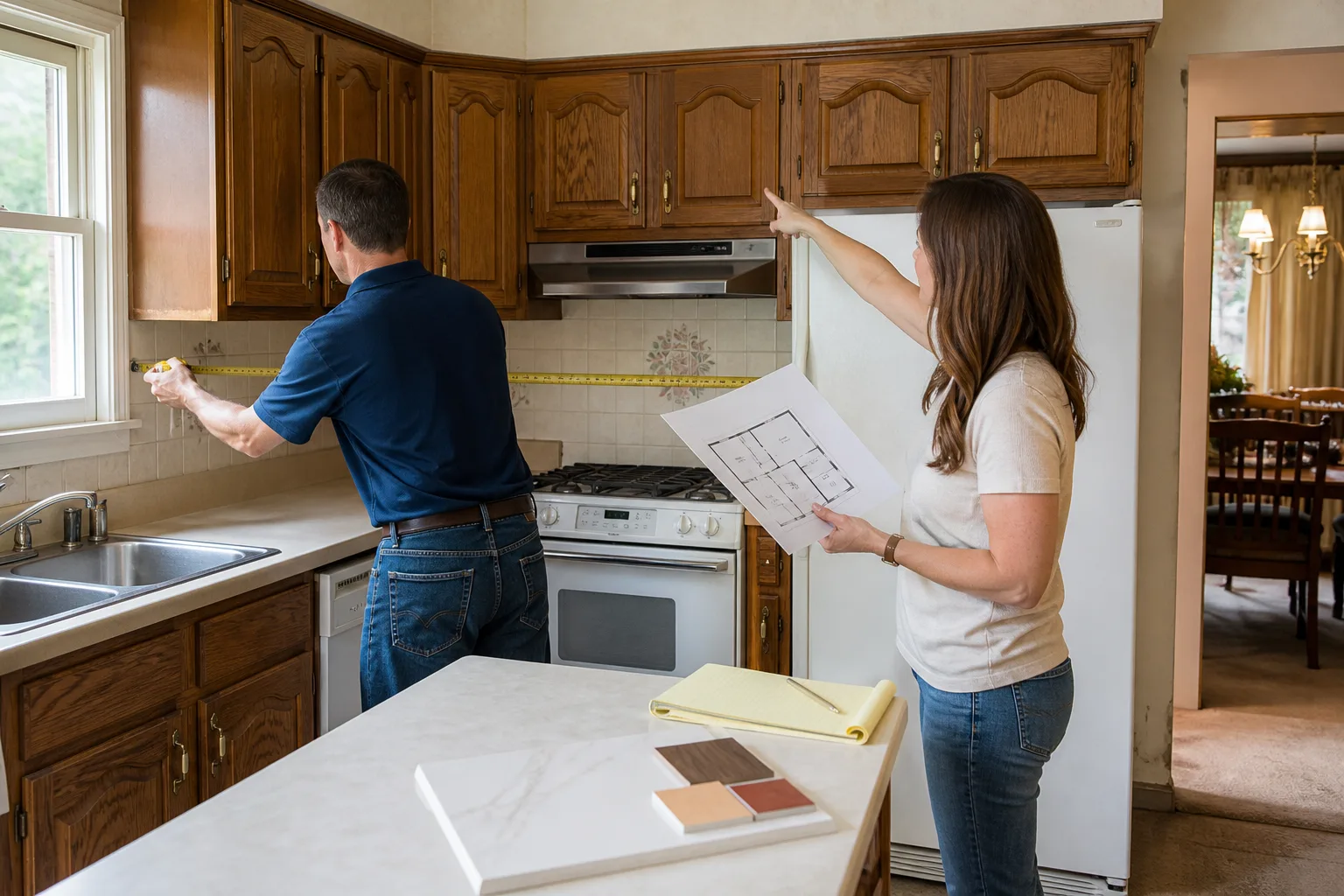
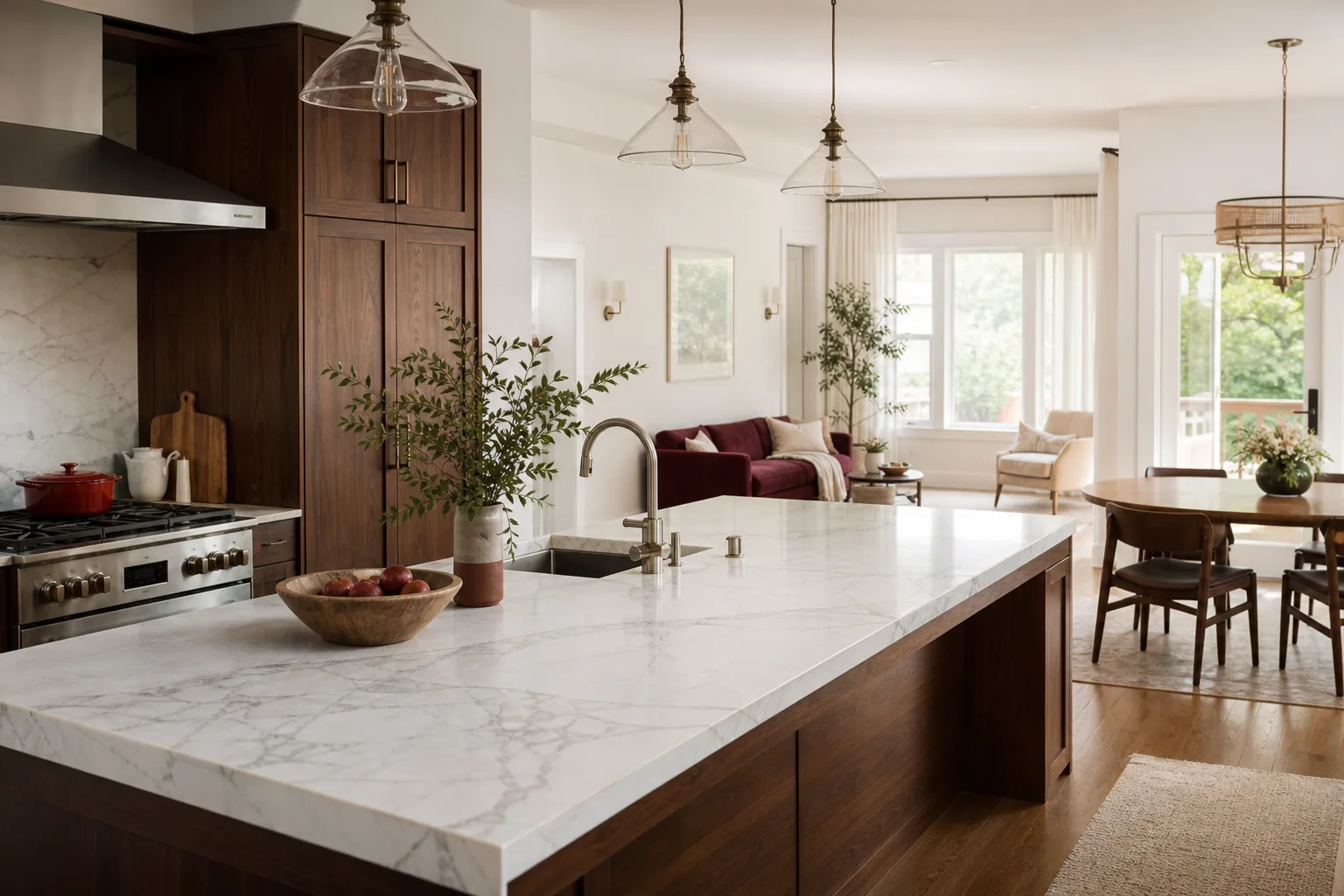
 Before
 After
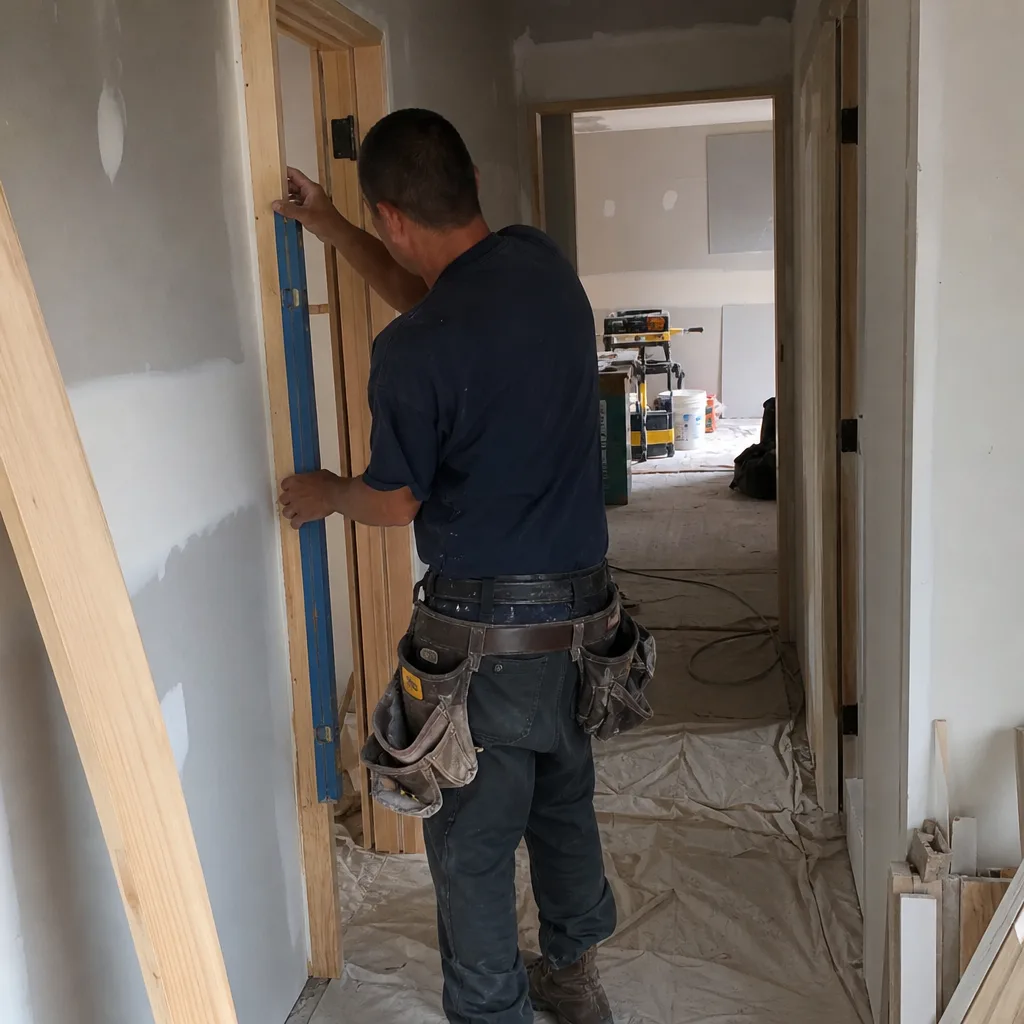
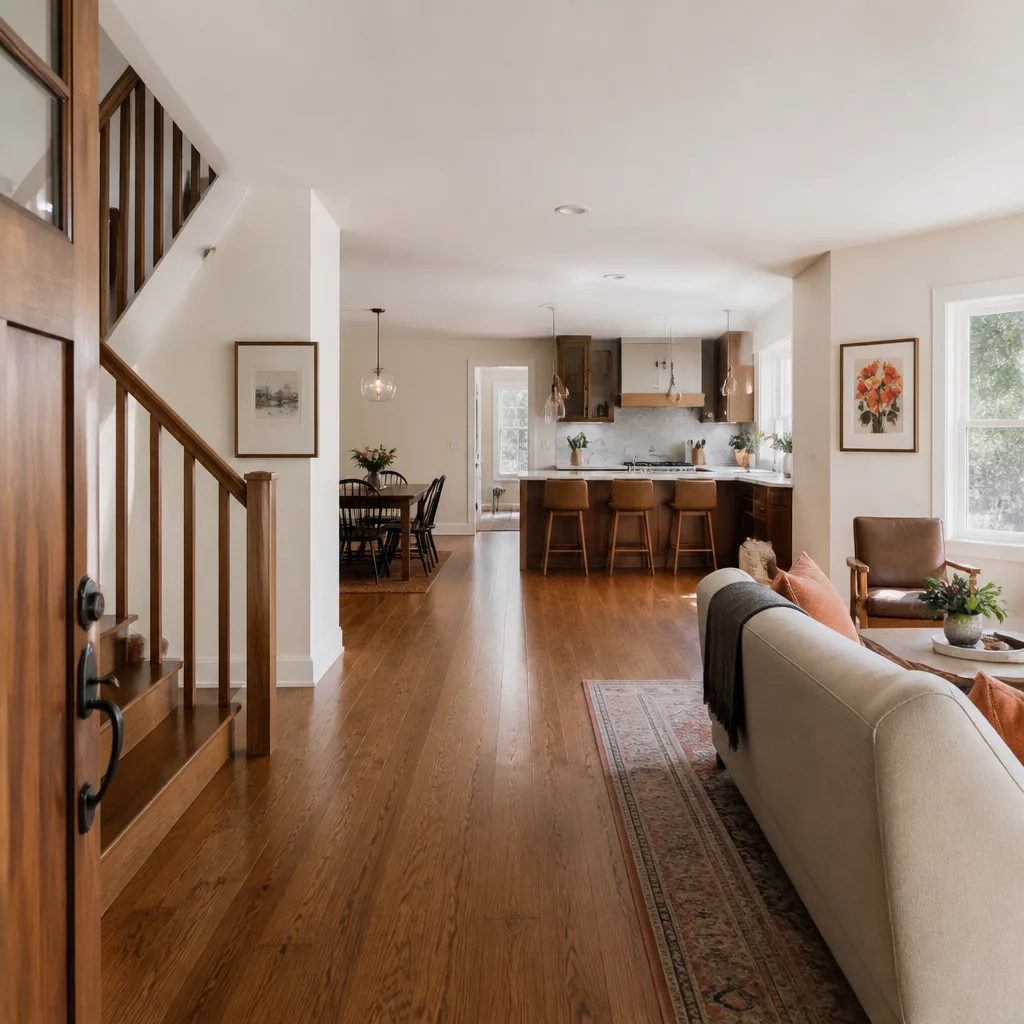
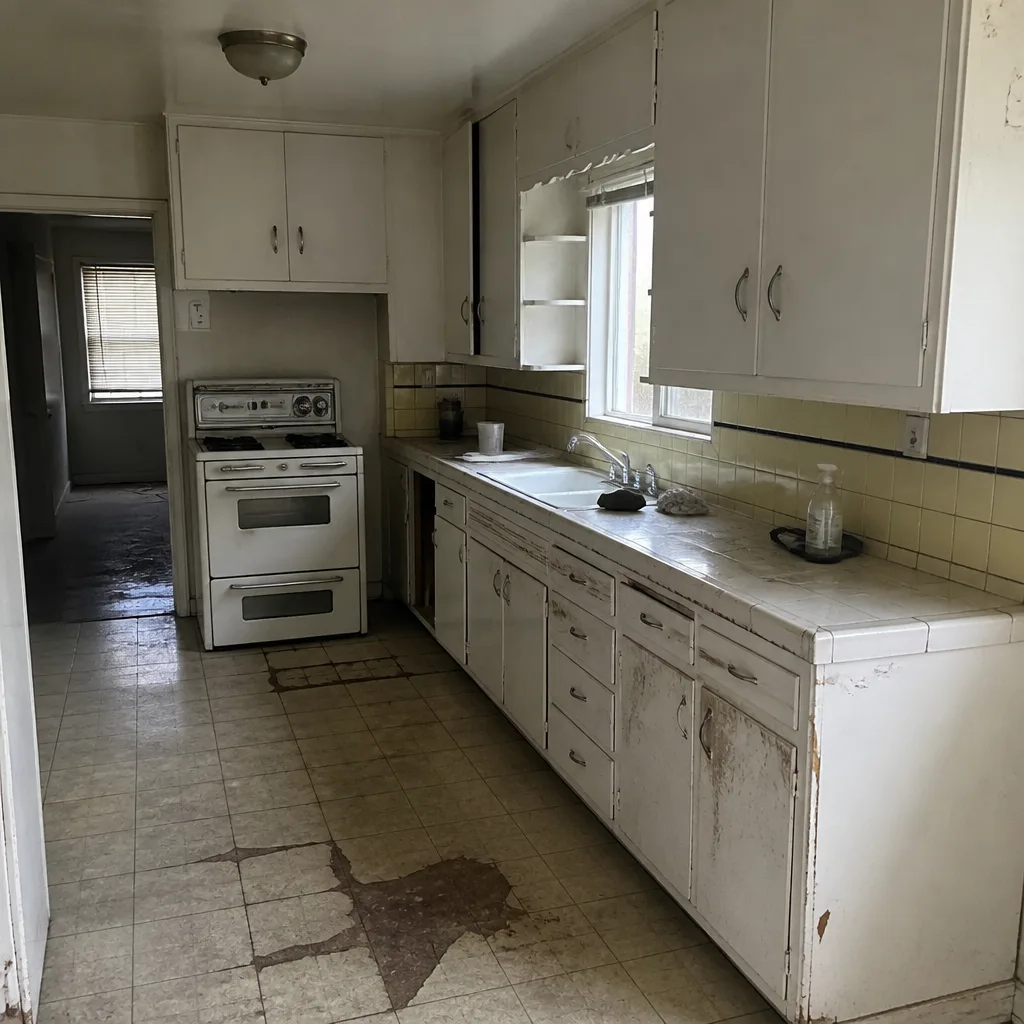 Before
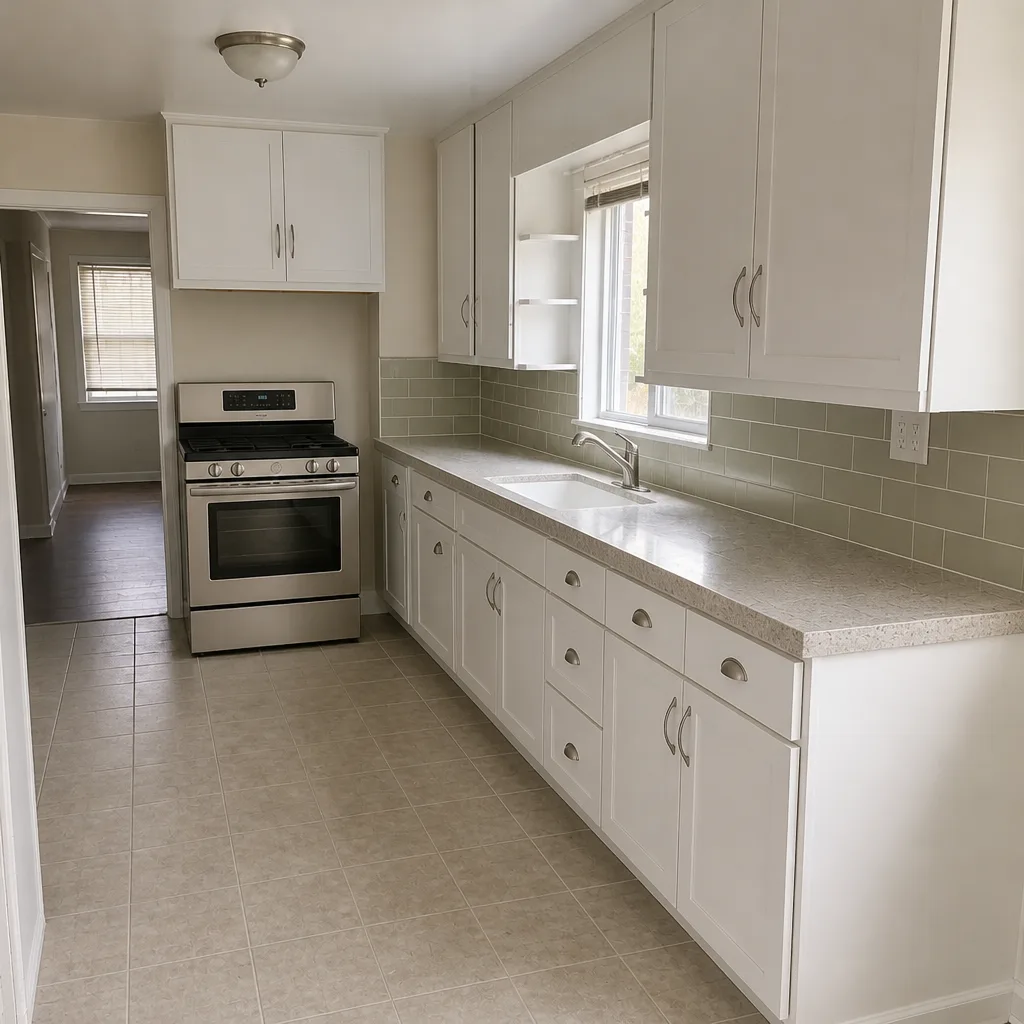 After
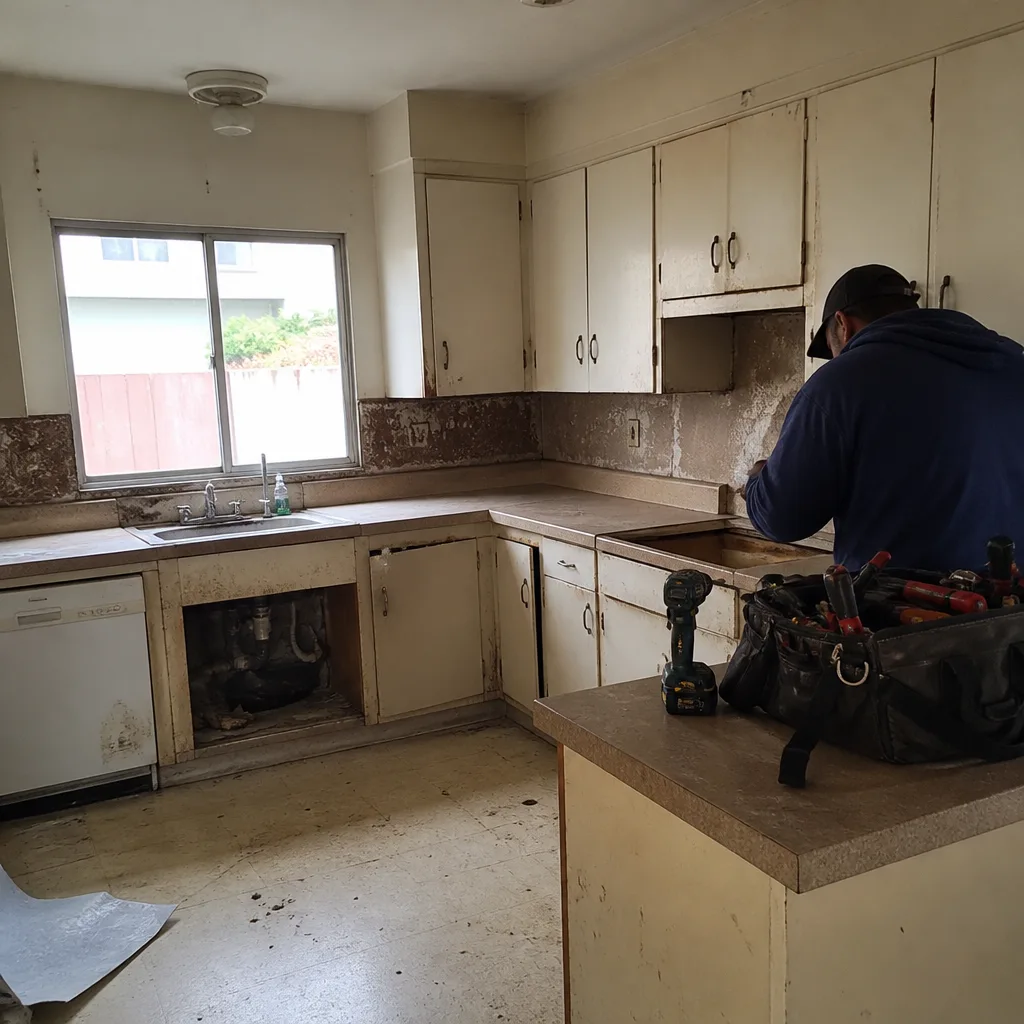 Before
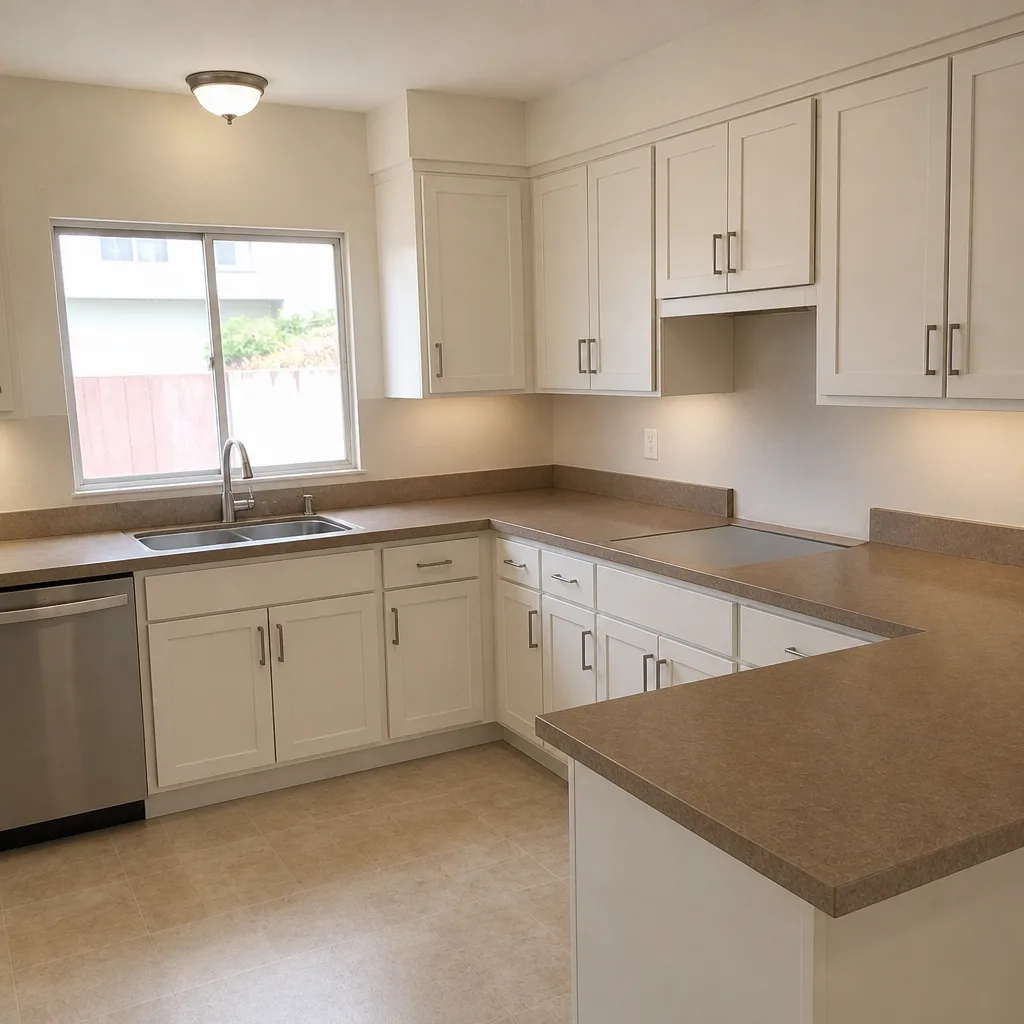 After
When to Call a Professional
Call a licensed general contractor when your project touches anything structural: moving or removing a wall, adding square footage, converting a garage, building an ADU, or altering a foundation. Call when you’re pulling a permit for any electrical panel upgrade, plumbing relocation, or gas line change. Call when the work involves a hazardous material question (asbestos in older Long Beach homes is a real possibility and requires abatement by a licensed abatement company, not a general contractor). And call when you’ve found corrosion, water intrusion behind tile, or signs that the original installation skipped the waterproofing layer.
If you’re in Long Beach and not sure whether your project crosses the line into “needs a permit,” that’s a question worth five minutes with a contractor who pulls permits every week. Penhallow Remodeling Long Beach offers free estimates in Long Beach. Estimates are written, line-item, and include the scope. Call (833) 510-6967 to schedule yours.
Frequently Asked Questions

California kitchen remodels typically run $18,000 – $55,000 depending on layout, cabinet line, and countertop material. Mid-range Long Beach projects with semi-custom cabinets and quartz countertops land in the middle of that range; full-gut projects with custom cabinetry and premium stone push toward the upper end. Electrical panel upgrades, Title 24 lighting compliance, and any structural work add on top. Call (833) 510-6967 for an exact quote – estimates are free.
Yes, most bathroom remodels in Long Beach require a permit, especially any work that moves plumbing, adds electrical circuits, or affects the building envelope. Cosmetic-only work (paint, tile replacement without changing the substrate, swapping a vanity without moving the plumbing) may not require one. Long Beach Building & Safety is the issuing office. When in doubt, ask your contractor to pull the permit. Call (833) 510-6967 for a written scope that clarifies what’s permitted.
A liquefaction zone is an area where saturated, sandy soil loses its bearing capacity during a seismic event; harbor-adjacent Long Beach neighborhoods are most affected. You can check your parcel on the city’s GIS hazard mapping tool before you call anyone. Foundation work in a liquefaction zone may require a geotechnical report before permits are approved. Call (833) 510-6967 and we’ll include that report in the written estimate.
Timelines vary by project type. Over-the-counter permits for minor work can be issued in days; structural additions and ADUs typically go through full plan check, which takes weeks and often includes one or more correction rounds. A complete, well-prepared plan set moves through faster than one with gaps. Build the plan check time into your project schedule. Call (833) 510-6967 to discuss what to expect for your specific project.
Long Beach Building & Safety is the local office that reviews plans, issues permits, and conducts inspections based on the Long Beach Municipal Code. Title 24 is California’s statewide energy code, governing insulation, windows, lighting, and HVAC performance. You need both: city approval of your plans, and Title 24 compliance documentation where applicable. A competent contractor handles both as a single package.
Get it in writing. A verbal promise from a contractor who later changes their phone number means nothing. Our 365-Day Done Right Promise is included in writing on every project: if something fails inside the year, we come back and fix it at no charge, and that commitment is documented before work begins. Call (833) 510-6967 for a copy of the scope and guarantee on your project.
The Bottom Line
Construction in Long Beach layers more requirements on a project than most homeowners anticipate: seismic hazard designations that trigger soils reports, liquefaction conditions in harbor-adjacent neighborhoods, corrosion-resistant materials required for coastal exposure, and Title 24 compliance layered on top of Long Beach Building & Safety plan check. None of this is unknowable. All of it shows up in the property record before anyone touches a wall, and none of it should appear as a surprise line item after demo day.
What protects you is the same set of commitments regardless of project type: pull the property history first, define the scope in writing, get a written price before work starts, and insist on a written guarantee. The rest of the decisions flow from those four. If a contractor won’t give you the first three in writing, you have your answer about the fourth.
Call Penhallow Remodeling Long Beach at (833) 510-6967 to schedule a free, written estimate. Our lines are answered by a real person 24/7, our technicians are background-checked and uniformed, and every estimate comes with a written price and a written guarantee before a tool is picked up.
Written by the team at Penhallow Remodeling Long Beach.