Last updated November 17, 2026

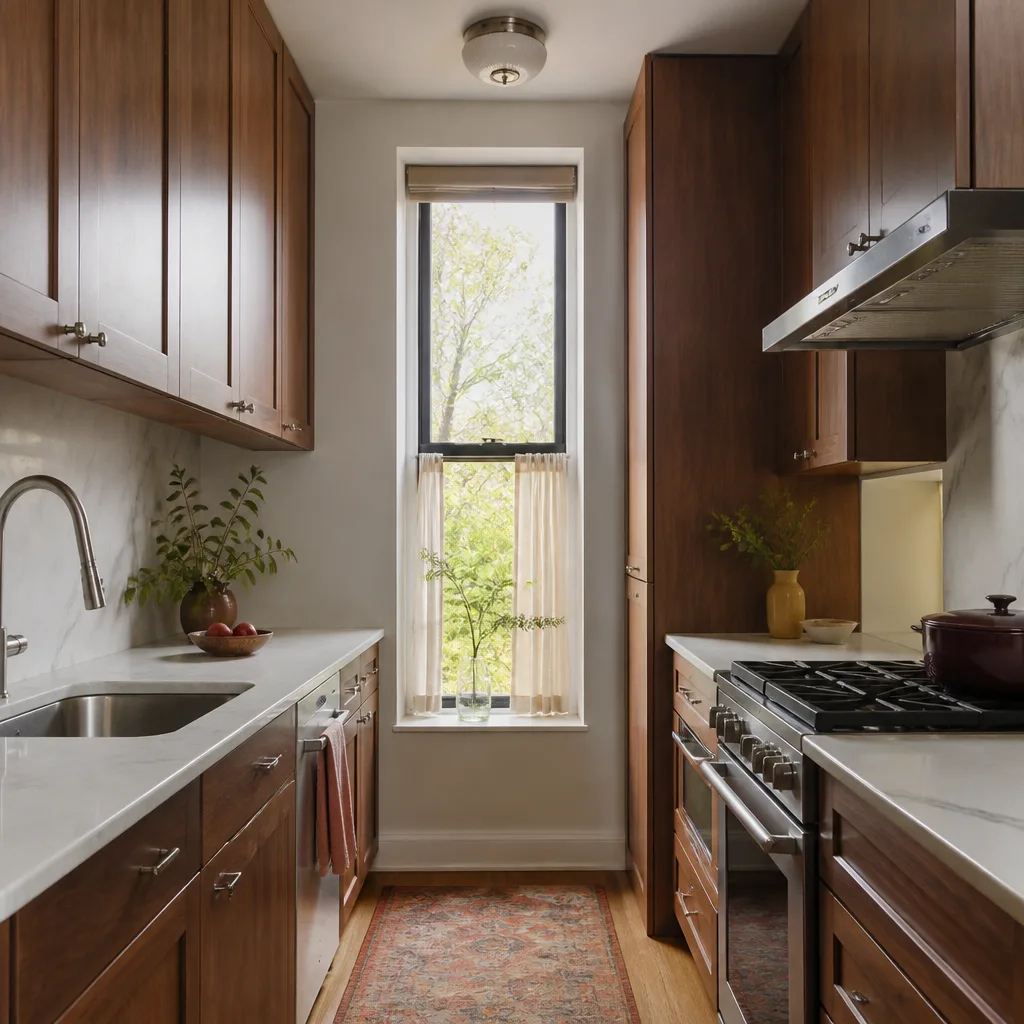

Free written scope consultation - allowances, timeline, and change-order rules on paper before a single trade is scheduled
The Complete General Contractor Guide for Long Beach Homeowners
Long Beach has an unusual permitting problem that catches even experienced homeowners off guard. Depending on where your house sits, your remodel may be reviewed under the City of Long Beach’s own municipal code or under LA County jurisdiction, and the two operate on different timelines, different plan-check queues, and different fee schedules. We’ve watched projects stall for weeks because someone assumed a single office handled everything. This guide covers what that split means for your schedule, what a real written scope of work has to contain before demo day, why the ocean air changes your material costs under Title 24, and how to tell a bid from an estimate from a fixed-price contract. Read it before you sign anything.
Quick Answer
To hire a general contractor in Long Beach, verify their license on the CSLB website, get a written fixed-price contract that lists every material and line item, confirm who is pulling the permit (city or county jurisdiction), and check that their bond and workers’ comp are current. The contract, not the finished photos, is the document that decides whether your remodel goes smoothly.
Styles & brands we work with
- Kitchen remodeling
- Bathroom remodeling
- Home additions & ADU
- Roofing
- Windows & doors
- Driveway & pavers
- Fence
Table of Contents
- How Long Beach’s Dual-Jurisdiction Permit Structure Works
- What a Written Scope of Work Must Include
- Coastal Codes, AQMD, and Title 24: What Changes Your Material Costs
- Bid vs. Estimate vs. Fixed-Price Contract
- How to Verify a Contractor’s License and What the Bond Covers
- A Step-by-Step Hiring Process
- Common Mistakes to Avoid
How Long Beach’s Dual-Jurisdiction Permit Structure Works
This is the part that surprises most homeowners, so start here. The City of Long Beach runs its own building department, but certain parcels, especially those near the port, in unincorporated pockets, and along some coastal zones, fall under LA County jurisdiction or require county review on top of city approval. Add in Coastal Commission review for anything in the coastal overlay, and a project that looked simple on paper can involve three agencies instead of one.
What does that mean for your schedule? Plan-check turnaround alone can run several weeks to a couple of months depending on which office has your file and how overloaded the queue is. A bathroom remodel in Belmont Shore follows a different path than a kitchen remodel in Bixby Knolls. If your contractor can’t tell you, in plain language, which office will review your plans, that’s a warning sign.
Here’s how the permit process usually breaks down:
- Confirm jurisdiction: city, county, or both, based on your parcel and zoning.
- Check for coastal overlay or historic district review, which adds a layer of approval.
- Submit plans to the correct office and expect a plan-check comment cycle, sometimes two.
- Pull the permit in the name of the licensed contractor who will do the work.
- Schedule inspections in the correct sequence: framing, rough trades, insulation, then final.
The takeaway: whoever pulls the permit should know Long Beach’s map of jurisdictions cold. A general contractor who runs projects in Long Beach regularly already knows this. Our general contractor page for Long Beach explains how we handle permit sequencing on our projects.
What a Written Scope of Work Must Include Before Demo Starts
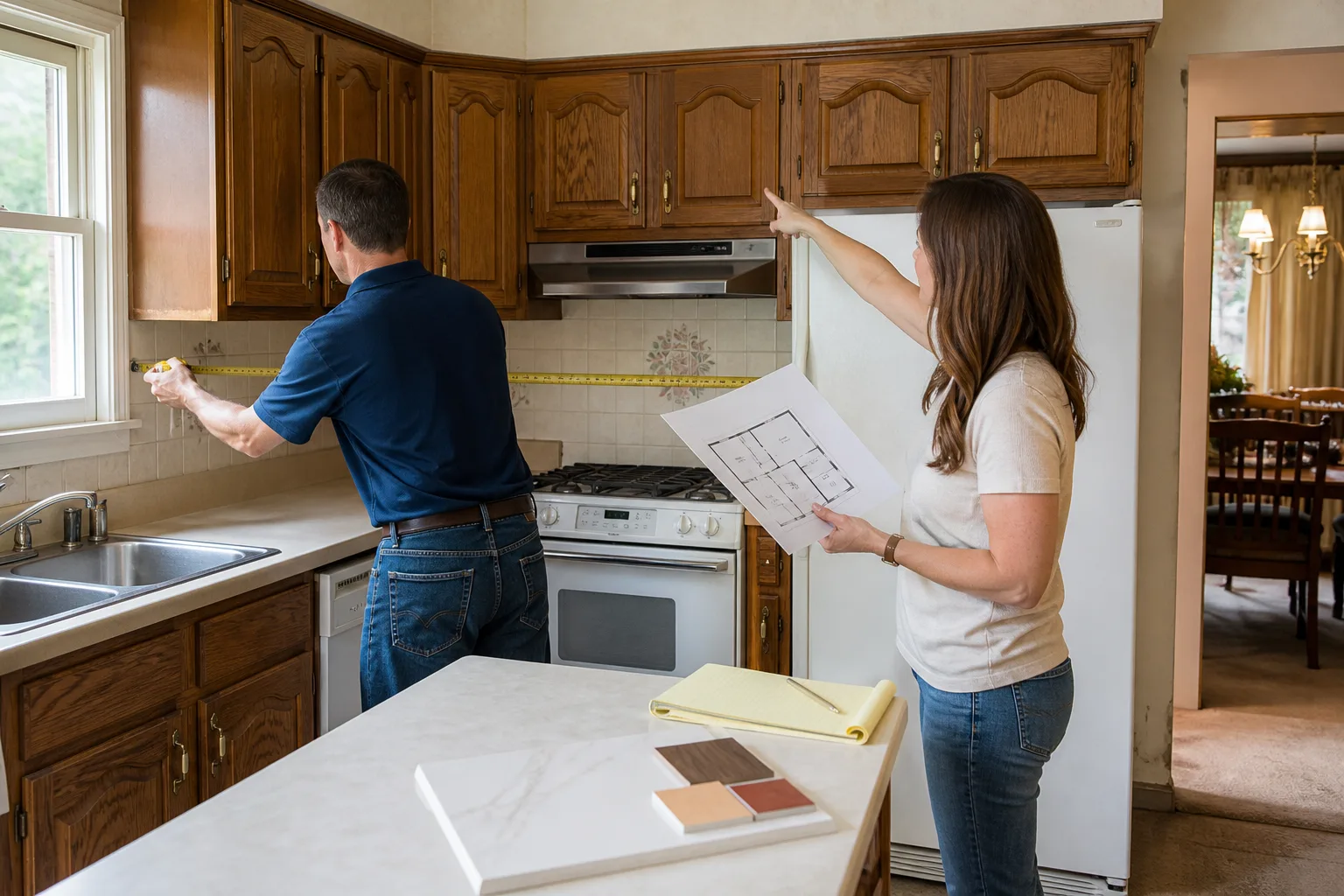
Demolition is the point of no return. Once a wall comes down, every “we assumed” becomes a change order. A real written scope of work protects both sides, and it should be in your hands before anyone swings a hammer.
A proper scope document covers:
- Rooms and square footage, named specifically: primary bath, galley kitchen, guest room.
- Materials by brand and line, not “mid-grade cabinets” but KraftMaid or Wellborn with the door style and finish specified.
- Countertop material: Cambria, Silestone, or Caesarstone, with slab thickness and edge profile.
- Fixtures: Kohler or Moen, by model, down to the faucet finish.
- Exterior materials where relevant, such as James Hardie siding with the profile named.
- What’s excluded, written as plainly as what’s included. Asbestos abatement, structural repairs, and hidden water damage should be addressed up front.
- Payment schedule tied to milestones, not a large deposit up front.
We’ve seen a Long Beach homeowner handed a one-page estimate that said “bathroom remodel, $30,000, materials extra.” That sentence is the entire problem. Materials extra, on a project with slab, tile, fixtures, and cabinets, can swing the final number by 40 percent. A written fixed price makes that swing the contractor’s problem, not yours.
Coastal Codes, AQMD, and Title 24: What Changes Your Material Costs
Living near the water is why people buy in Long Beach, and it’s also why your remodel costs more than a comparable job inland. Three forces drive that: the coastal climate, regional air-quality rules, and California’s Title 24 energy code.
Coastal climate means salt air and persistent moisture. That pushes you toward corrosion-resistant fasteners, marine-grade exterior hardware, and better waterproofing in bathrooms and kitchens. Windows need a higher corrosion standard; systems from ES Windows or ECO Window Systems are built for this environment, which is why they appear so often on coastal projects.
AQMD (the regional air-quality agency) restricts certain materials and methods: low-VOC finishes, limits on some adhesives, dust-control requirements during demo. These aren’t optional, and they add material and labor cost.
Title 24 is California’s energy code, and it’s stricter than what most homeowners expect. It governs insulation values, window performance (U-factor and SHGC), lighting, and ventilation. It changes what you can install and sometimes what you can keep. A window replacement that would be fine in another state may require higher-performance glass in Long Beach to pass.
Short version: budget a coastal premium. A kitchen that runs $30,000 in a dry inland market may run meaningfully higher on the coast once you factor in compliant windows, moisture-rated materials, and AQMD requirements. Our kitchen remodeling team in Long Beach prices these in on the front end rather than after the fact.
Bid vs. Estimate vs. Fixed-Price Contract
These three words get used interchangeably, and that’s a costly confusion. Here’s the difference that matters:
- An estimate is a rough guess. It’s usually a range, and it’s not binding. Fine for early budgeting, dangerous as a decision tool.
- A bid is a firm offer to do specified work for a specified price, but only for exactly what was specified. Anything outside those lines is a change order.
- A fixed-price contract is a signed agreement with a written price, a written scope, a schedule, and terms for how changes are handled. This is the document that protects you.
Only the fixed-price contract gives you a number you can hold someone to. Before work starts, you should have that number in writing. “We’ll ballpark it and settle up at the end” is how budgets collapse. The Kingswell Way puts it simply: say the price before the work, show up in the window we gave, leave the place cleaner than we found it. Every Penhallow Remodeling project gets a written price before work begins, and the number on day one is the number on the invoice.
Ask directly: “Is this a bid, an estimate, or a fixed-price contract?” A good contractor answers without hesitation.
How to Verify a Contractor’s License and What the Bond Covers
Verifying a general contractor in California takes about five minutes on the Contractors State License Board (CSLB) website. Do it before you sign anything.
- Go to the CSLB license lookup and search by license number or business name.
- Confirm the license is active and in the right classification for your project.
- Check the bond status and the workers’ compensation coverage.
- Look for any disciplinary actions or complaints on the record.
- Cross-check the name and business address against what’s on your contract.
What the bond actually covers is widely misunderstood. A California contractor’s bond is not an insurance policy for your project. It’s a limited fund, typically $25,000 for a general contractor’s license, that you can file a claim against if the contractor breaks the law or fails to pay for labor and materials. It won’t cover a blown budget or a poor finish. That’s what a written guarantee does. Workers’ comp is separate and covers injuries on the job, which is exactly why it matters if someone gets hurt in your house. Missing or lapsed workers’ comp is a hard stop.
When we send background-checked, uniformed technicians into a home, we know exactly who’s walking in. The same standard should apply to anyone you hire.
A Step-by-Step Hiring Process That Actually Works
Here’s the order that keeps homeowners out of trouble:
- Write your own scope first. Know what you want before anyone quotes it. A vague request gets a vague price.
- Get three written quotes. All three against the same scope, so you’re comparing apples to apples.
- Verify every license on CSLB. Including insurance and workers’ comp.
- Ask who pulls the permit. The answer tells you whether they know Long Beach’s jurisdictions.
- Require a written fixed price. Not a range, not a verbal ballpark.
- Read the guarantee. What does it cover, for how long, and what happens if something fails?
- Confirm a real arrival window. Contractors who won’t commit to a window won’t commit to a schedule.
- Sign only when the contract is complete. If anything’s missing, wait.
We go a step further. Every project carries a written guarantee, and if a repair fails inside the guarantee period, we come back and fix it at no charge. A free return visit, not a new service call. That’s the difference between a promise and a contract.
Kitchen and Bath Remodels: What Drives the Number in Long Beach

Most general contractor work in Long Beach falls into two categories: kitchens and bathrooms. The price ranges shift with layout, cabinet line, and material choices, but the drivers are consistent.
A kitchen remodel with a preserved footprint and mid-range cabinets usually runs less than one that changes the layout or moves plumbing. Cabinet line matters: KraftMaid and Wellborn sit at different price points, and the door style adds to it. Countertops swing widely between Silestone quartz and a large Cambria slab. Moving the sink or range means new rough plumbing and electrical, which is where budgets climb fastest.
A bathroom remodel is driven by waterproofing and tile. The cement board substrate behind your tile, the waterproofing membrane, and the shower pan are the parts you never see and the parts that fail first if corners get cut. Coastal moisture makes all of it more critical. Our bathroom remodeling page walks through the sequence we use. Whole-home remodels combine all of this and add sequencing complexity, which is where a written schedule earns its keep.
Common Mistakes to Avoid
- Accepting a verbal estimate. If it isn’t written, it isn’t a price. You have nothing to hold anyone to.
- Skipping the jurisdiction question. Assuming the city permit office handles your parcel when it’s actually LA County can cost weeks of stalled plan check.
- Choosing the lowest quote without a matching scope. A lower number on a smaller scope isn’t a better deal, it’s a different project.
- Paying a large deposit up front. Payments should follow milestones, not precede them.
- Ignoring Title 24 on windows and insulation. Coastal Long Beach projects that skip this face rework after failed inspections.
- Not verifying workers’ comp. If someone is hurt in your home and coverage is missing, you carry the risk.
- Treating the guarantee as an afterthought. If it isn’t in writing, in the contract, it doesn’t exist.
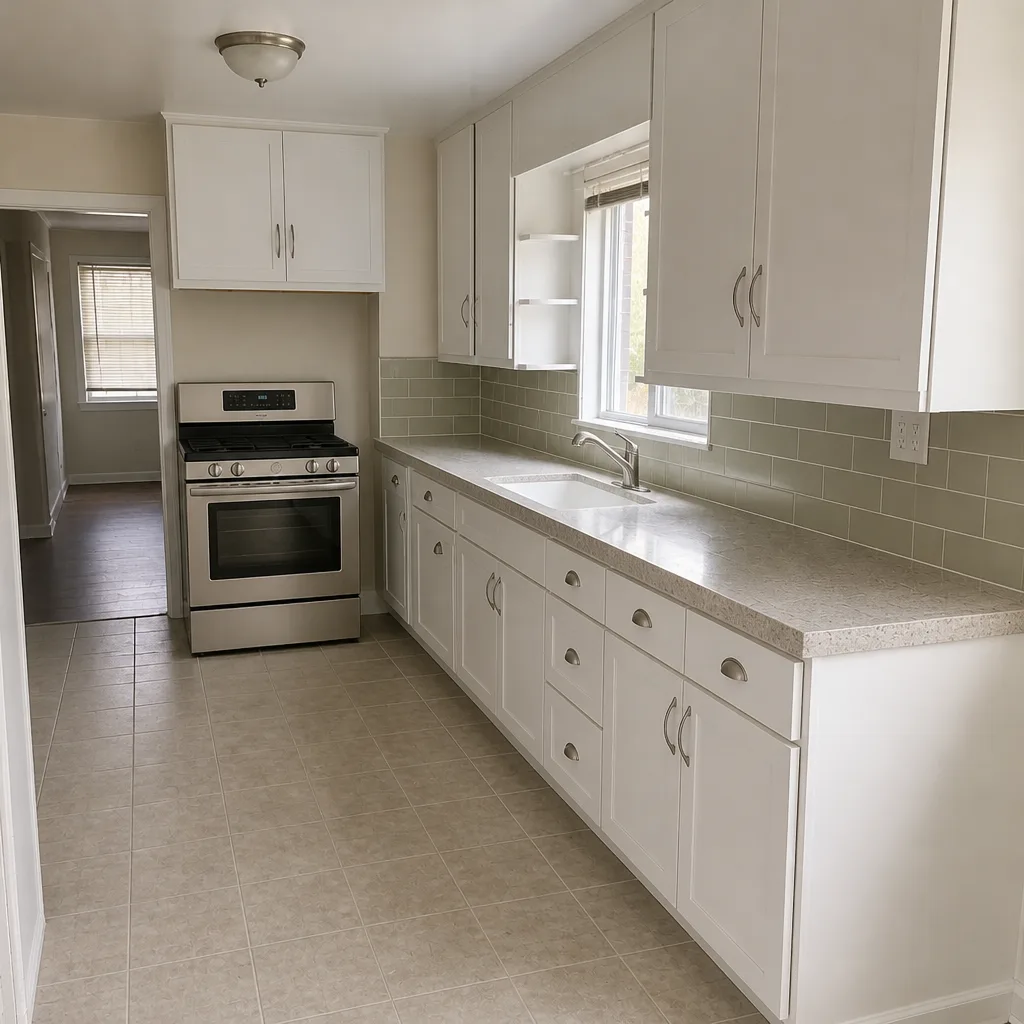
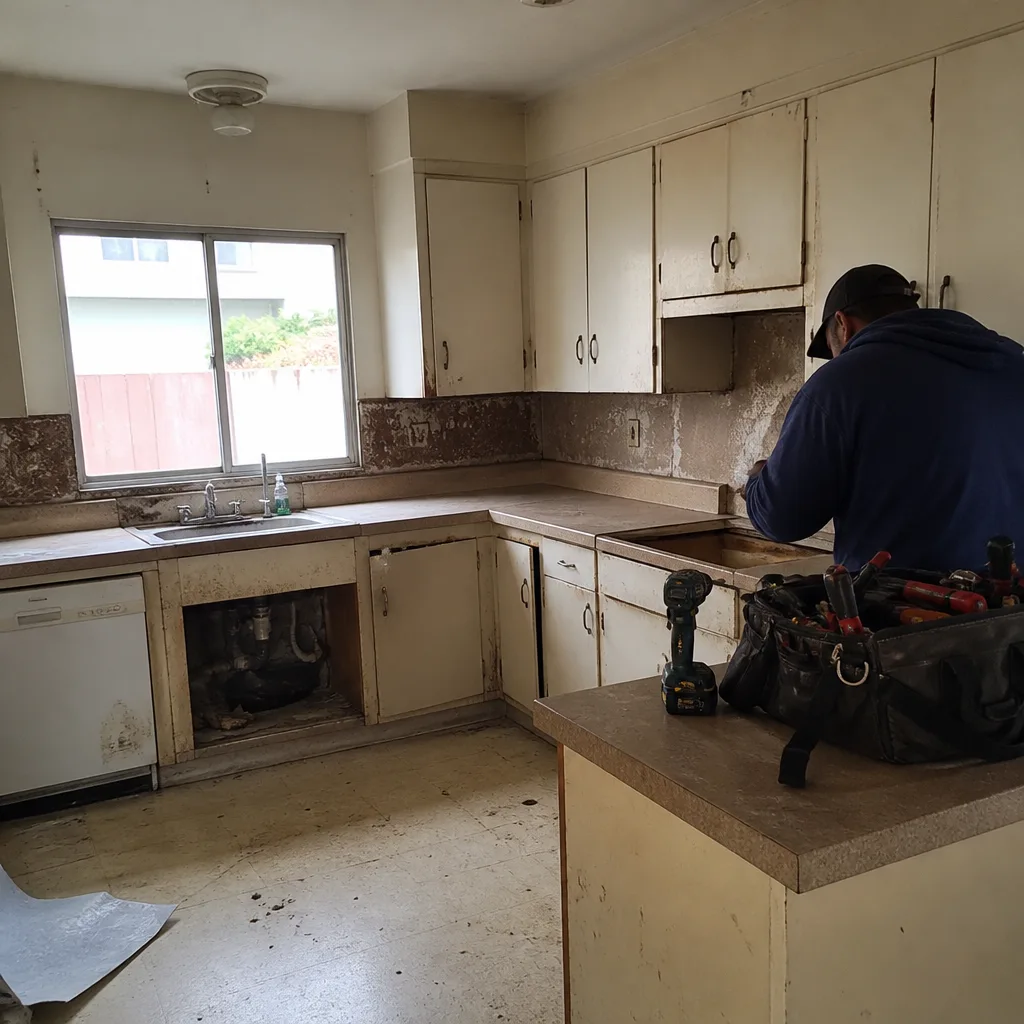
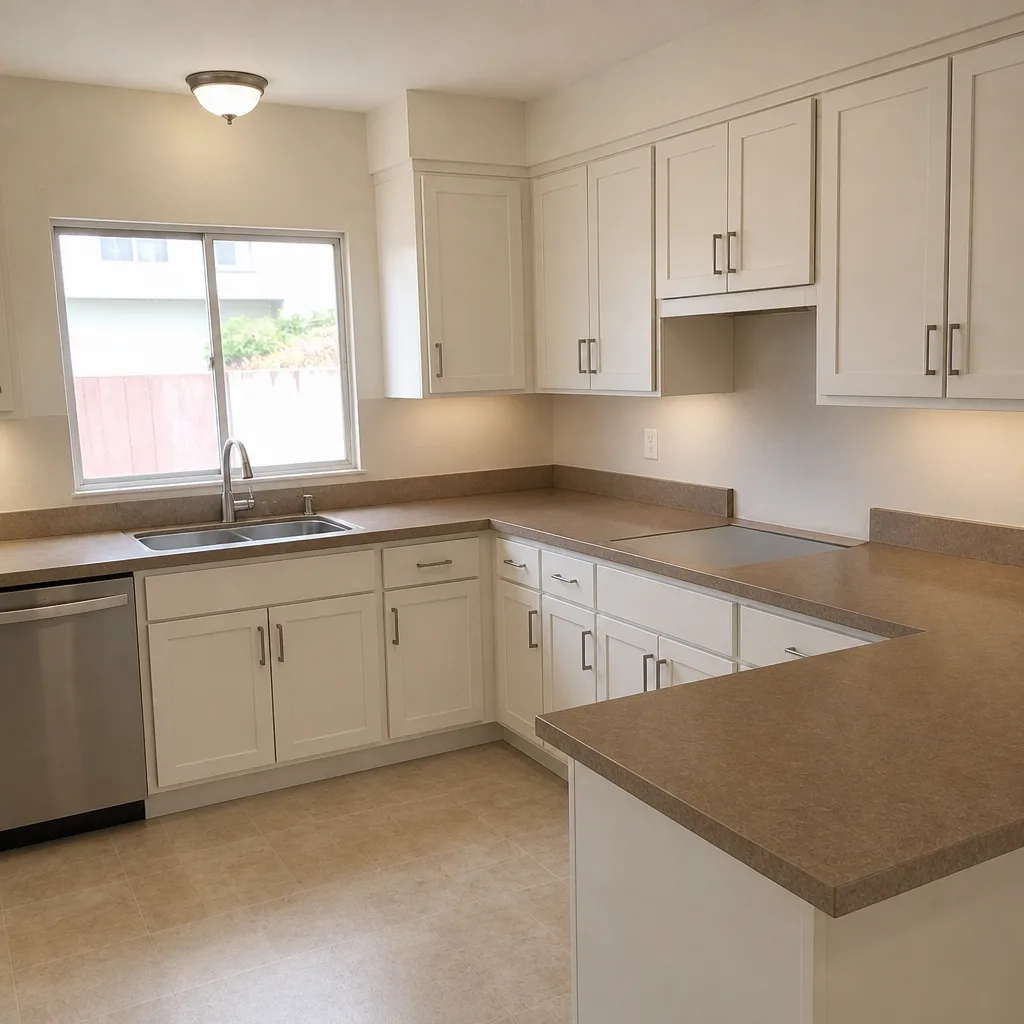
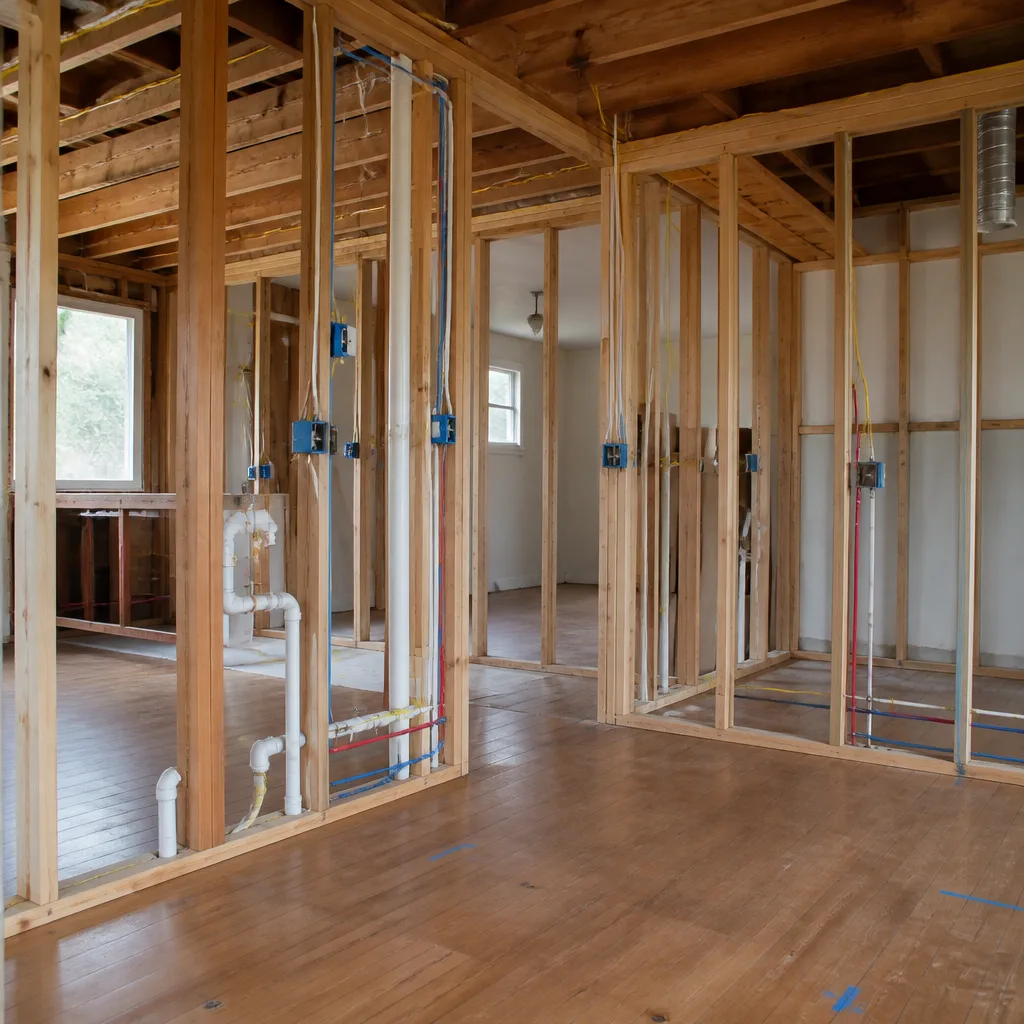
See the difference
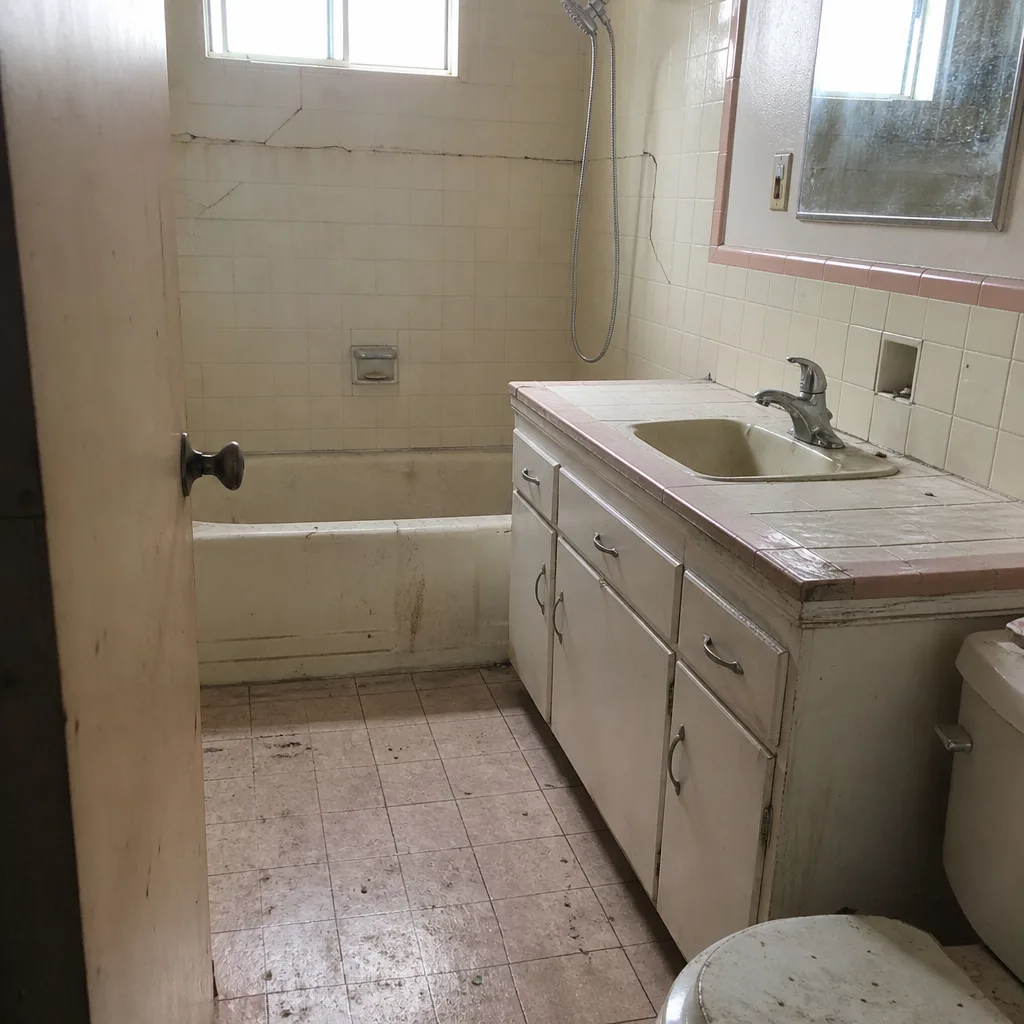 Before
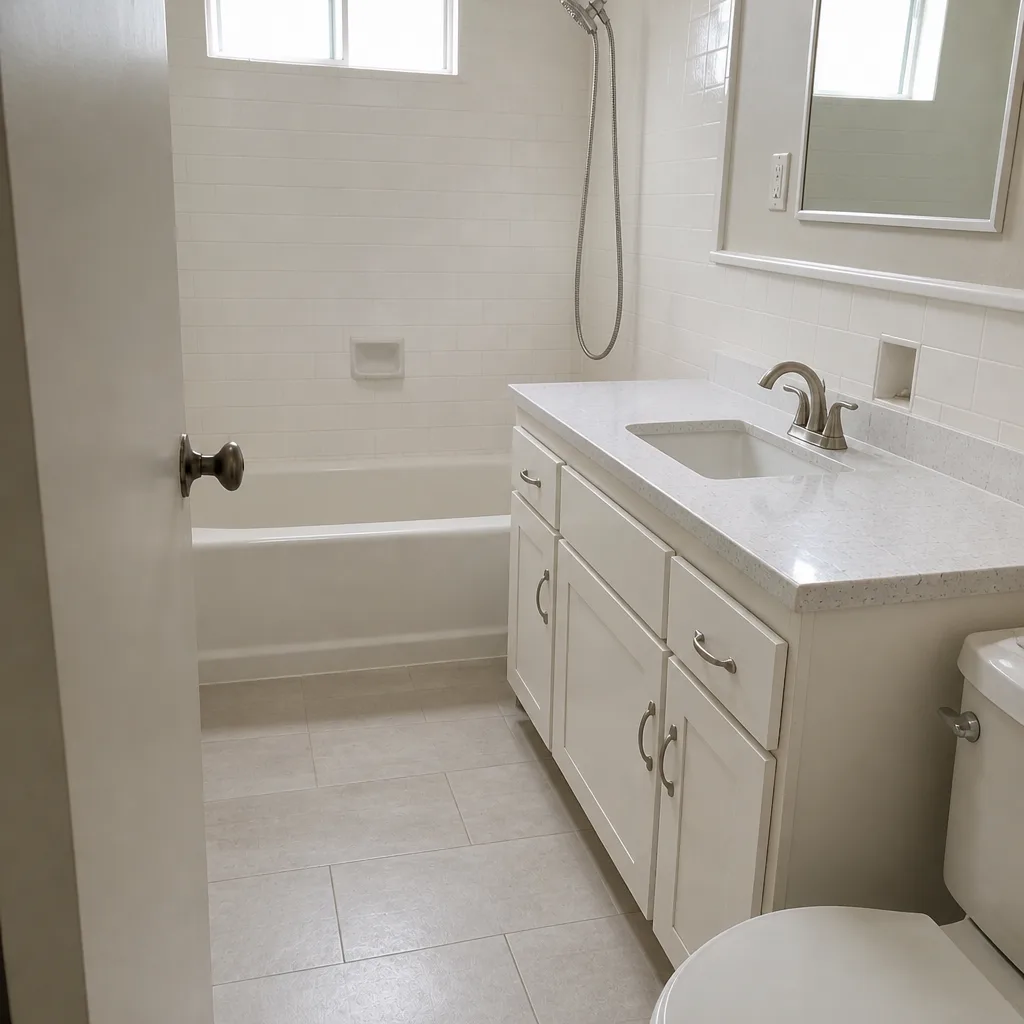 After
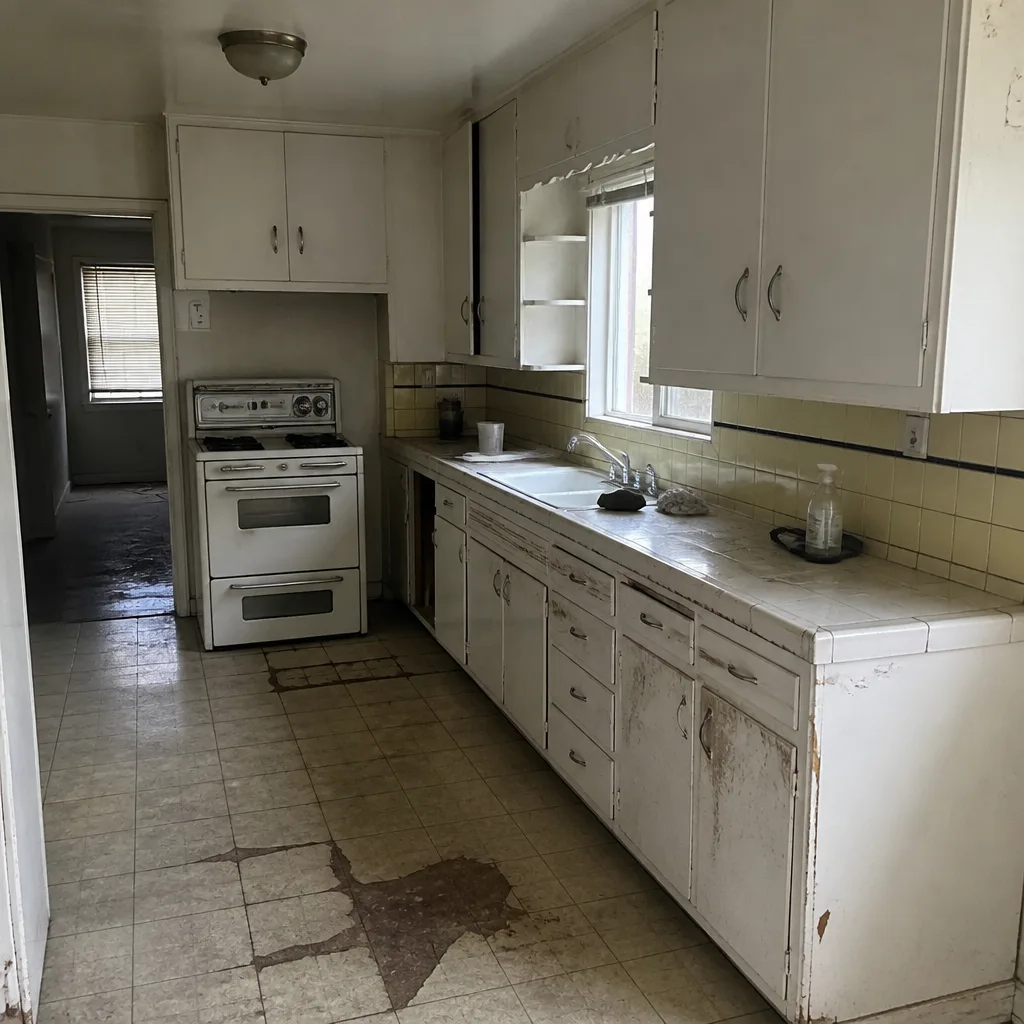 Before
 After
 Before
 After
When to Call a Professional
Some jobs shouldn’t be handled by a homeowner with a YouTube tutorial and a weekend. If your project involves moving a load-bearing wall, relocating plumbing or gas lines, changing electrical panels, or anything that requires a permit, you need a licensed general contractor. Same goes for kitchen and bathroom remodels where waterproofing, ventilation, and Title 24 compliance all come into play. And if your plan involves any work in the coastal overlay or historic district, call before you buy materials, because the approval process can change your design. Penhallow Remodeling Long Beach offers free estimates in Long Beach and gives you a written price before any work starts. Call (833) 510-6967 to schedule yours. A live person answers, day or night.
Frequently Asked Questions
Kitchen remodels in Long Beach typically run $30,000 to $75,000 depending on layout changes, cabinet line, and countertop material. Coastal material requirements and Title 24 compliance push the lower end of that range up. Call (833) 510-6967 for a written price specific to your kitchen; estimates are free.
Yes. Any bathroom remodel that moves plumbing, electrical, or involves structural changes requires a permit, and most jurisdictions require one even for a full gut renovation. Call (833) 510-6967 to confirm what your project needs.
The contractor should pull the permit in their name for any work they’re doing. That keeps the legal and inspection responsibility with the licensed professional. If a contractor asks you to pull the permit yourself, that’s a red flag.
It shouldn’t. A written fixed-price contract sets the number before work begins, and the number on day one is the number on the invoice. Changes only happen if you request a scope change, in writing. Call (833) 510-6967 to see how our pricing works.
Every Penhallow Remodeling project carries a written guarantee that if the work fails within a full year, we return and fix it at no charge. It’s written into the contract, not promised verbally. Call (833) 510-6967 if you’d like to see the guarantee language in writing before you commit.
Use the CSLB website to look up their license number, confirm it’s active, and check bond and workers’ comp status. Every licensed general contractor in California is listed there. Call (833) 510-6967 if you want help understanding what the record shows.
The Bottom Line
Hiring a general contractor in Long Beach comes down to the paperwork, not the photos. Verify the license on CSLB, confirm who pulls the permit and under which jurisdiction, demand a written scope of work before demo, and insist on a fixed price in a signed contract. Understand that coastal codes, AQMD rules, and Title 24 add real cost, and budget for it rather than discovering it mid-project. The contract protects you; everything else is decoration. If you’re ready to see a real written price for your project, Penhallow Remodeling Long Beach is here to walk through it with you.
Call (833) 510-6967 for a free estimate. We answer live, day or night, and we put your price and your guarantee in writing before a single cabinet is pulled or tile is set.
Written by the team at Penhallow Remodeling Long Beach.