Last updated November 17, 2026





Free written scope consultation - allowances, timeline, and change-order rules on paper before a single trade is scheduled
DIY vs Professional General Contractor: What’s Safe to Do Yourself
Unpermitted electrical work is the most common reason Long Beach home sales fall out of escrow at the inspection contingency, and most of it was done by careful, capable homeowners who simply didn’t know a permit was required. That’s the part nobody tells you. The question isn’t whether you can hang drywall or swap a light fixture. It’s whether the work you do yourself will pass a Long Beach building inspection, survive a homeowner’s insurance review, and add value instead of liability when you sell. This guide draws the line using permit requirements and insurance exposure, not skill level, and it’s written from a Long Beach general contractor‘s seat.
Quick Answer
In Long Beach, cosmetic work like painting, swapping cabinet hardware, replacing a faucet, or laying landscaping is safe to do yourself and needs no permit. Anything that touches structural framing, gas lines, the electrical panel, plumbing rough-in, or that adds or moves square footage requires a permit, and California law requires a licensed contractor to pull permits for most of that work. DIY is a liability question first, a skill question second.
Styles & brands we work with
- Kitchen remodeling
- Bathroom remodeling
- Home additions & ADU
- Roofing
- Windows & doors
- Driveway & pavers
- Fence
Table of Contents
- What Home Projects Require a Permit in Long Beach, CA?
- Which Projects Legally Require a Licensed Contractor?
- Where California Homeowner Exemptions Actually Apply
- How Unpermitted Work Gets Flagged at Resale
- The DIY Tasks That Genuinely Save Money
- When a GC Can Wrap Your DIY Work Into Their Permit
- What Remediation Actually Costs vs. Doing It Right
- Common Mistakes to Avoid
What Home Projects Require a Permit in Long Beach, CA?
Long Beach follows the California Building Standards Code, which means most work beyond a cosmetic resurfacing needs a permit from the city’s Community Development Department before anyone picks up a tool. The city’s inspection process is real, and inspectors do look at what was done, not just what was submitted. Here’s where homeowners most often guess wrong.
Work that requires a permit in Long Beach:
- Adding or removing any wall, even a “non-load-bearing” partition (you still need to prove it isn’t structural)
- Any electrical work beyond replacing a fixture or a switch, including new circuits, outlet additions, and panel changes
- Moving, adding, or replacing plumbing supply or drain lines (a like-for-like faucet swap is exempt)
- Water heater replacement (a straight swap still requires a permit and an inspection in California)
- Roof replacement, even a partial tear-off
- New windows and doors where the opening size changes
- Any gas line work, including running a line to a new range or outdoor grill
- Decks over 30 inches above grade, patio covers, and any accessory structure over 120 square feet
- Kitchen and bathroom remodels that move fixtures, add outlets, or change the layout
In older Long Beach neighborhoods like Belmont Heights and Bluff Park, where a lot of housing stock dates to the 1920s and 1930s, we regularly see remodels that turn up knob-and-tube wiring or galvanized supply lines behind the wall. That’s not a reason to skip the permit. It’s the reason the permit exists: the inspection is the moment those problems surface before they become a fire or a flood.
Which Projects Legally Require a Licensed Contractor?
California’s Contractors State License Board (CSLB) requires a licensed contractor for any project where the combined labor and materials exceed $500, and the license must match the trade. That threshold is low on purpose. It means nearly every project that requires a permit also requires a licensed professional to pull it.
This is the part homeowners underestimate. When you take out a permit as a homeowner doing your own work, you’re allowed to do that for the home you live in. But the moment you hire anyone to help, even a handyman for a few hundred dollars, that person needs a license if the job crosses the threshold. An unlicensed helper who gets hurt on your property can come after your homeowner’s policy, and most policies exclude injuries to paid, unlicensed workers. The savings on the labor rarely survive a single claim.
We’ve walked into Long Beach kitchens where a homeowner had carefully removed a wall, run new electrical, and tiled beautifully, all without a permit. The work looked good. But there was no record, no inspection, and no way to prove the framing header was sized correctly. When it came time to sell, the buyer’s inspector flagged the missing permit, and the remediation cost more than hiring a licensed team would have. For the full picture on how a licensed crew handles this from the first walkthrough, see our General Contractor in Long Beach page.
Where California Homeowner Exemptions Actually Apply
California does allow a homeowner to pull a permit and do their own work on a home they own and occupy. The exemption is real, but it’s narrower than most people assume, and it comes with disclosure obligations at resale.
- You must own and occupy the home. The owner-builder exemption doesn’t apply to rental properties or second homes.
- You must do the work yourself. You can’t pull a permit as an owner-builder and then hire unlicensed labor to do the work under your name.
- You must disclose at sale. California’s transfer disclosure statement requires you to tell a buyer about any work you did without a permit, and any work you did as an owner-builder.
- The exemption doesn’t waive code compliance. Your work must still pass inspection to the same standard a licensed crew would meet.
That disclosure requirement is the piece people forget. Even if you did the work correctly, the disclosure follows the property. A buyer’s agent will see it, and it can become a negotiation point or a reason to walk. In a competitive Long Beach market, a clean permit record behind a kitchen remodel is a selling feature. A disclosure of unpermitted work is a discount request.
How Unpermitted Work Gets Flagged at Resale
Unpermitted work surfaces in three ways during a Long Beach sale, and any one of them can stop the deal.
The title search. When a title company runs its search, it pulls the city’s permit history. A pool, a deck, a converted garage, or an addition that has no permit record will show up as a gap. That gap goes to the buyer’s attorney and the lender.
The home inspection. A good inspector knows the signs. A new electrical panel with no inspection sticker, a bathroom that doesn’t match the original footprint, a window opening that doesn’t align with the framing. Inspectors don’t need to prove it; they just flag it, and the flag becomes a contingency item.
The insurance review. This one catches people off guard. If your insurer discovers unpermitted electrical or plumbing work after a loss, they can deny a claim that traces back to that work. A fire that starts in an unpermitted circuit can become a fight about coverage instead of a covered loss. The work being “done well” isn’t the standard the policy applies.
For a homeowner planning to sell within a few years, the math is clear. Spending a few thousand dollars to permit and inspect a bathroom remodel now avoids a discount request of two or three times that at the closing table. Our Bathroom Remodeling in Long Beach page walks through how the permit and inspection schedule runs on a typical project.
The DIY Tasks That Genuinely Save Money
Plenty of work is safe for a careful homeowner and needs no permit. These are the jobs where the savings are real and the risk is low. We tell homeowners to take them on.
- Painting interior walls, ceilings, trim, and even exterior siding (with proper prep and the right exterior product) saves real money on labor, and it can’t fail an inspection because it isn’t inspected.
- Cabinet hardware. New pulls and knobs on kitchen cabinets cost a fraction of a refacing job and change the look of the room. Just measure twice before drilling.
- Landscaping and hardscape repair. Planting, mulching, replacing a broken paver, and tending the yard need no permit. Structural retaining walls over 4 feet do need one.
- Fixture swaps under the amperage threshold. Replacing a light fixture, a switch, or an outlet like-for-like on an existing circuit is exempt in California. Anything that adds a circuit or touches the panel is not, and that’s where you call a licensed electrician.
- Faucet and showerhead replacement. Swapping a faucet or a showerhead like-for-like is a straightforward DIY job. Running new supply lines behind the wall is not.
When you’re choosing fixtures for these swaps, the product matters as much as the install. We fit a lot of Kohler and Moen fixtures on our Long Beach projects because they carry their own warranty alongside ours, and a homeowner replacing a Moen cartridge years later can still find the part. For brand-name materials on the bigger projects, see our Kitchen Remodeling in Long Beach page.
When a GC Can Wrap Your DIY Work Into Their Permit
This is a question we get a lot: “I already did some of the work. Can you pull a permit and cover what I did?” The answer is sometimes yes, sometimes no, and it depends entirely on what was done and whether it can be inspected.
A GC can often wrap your work if:
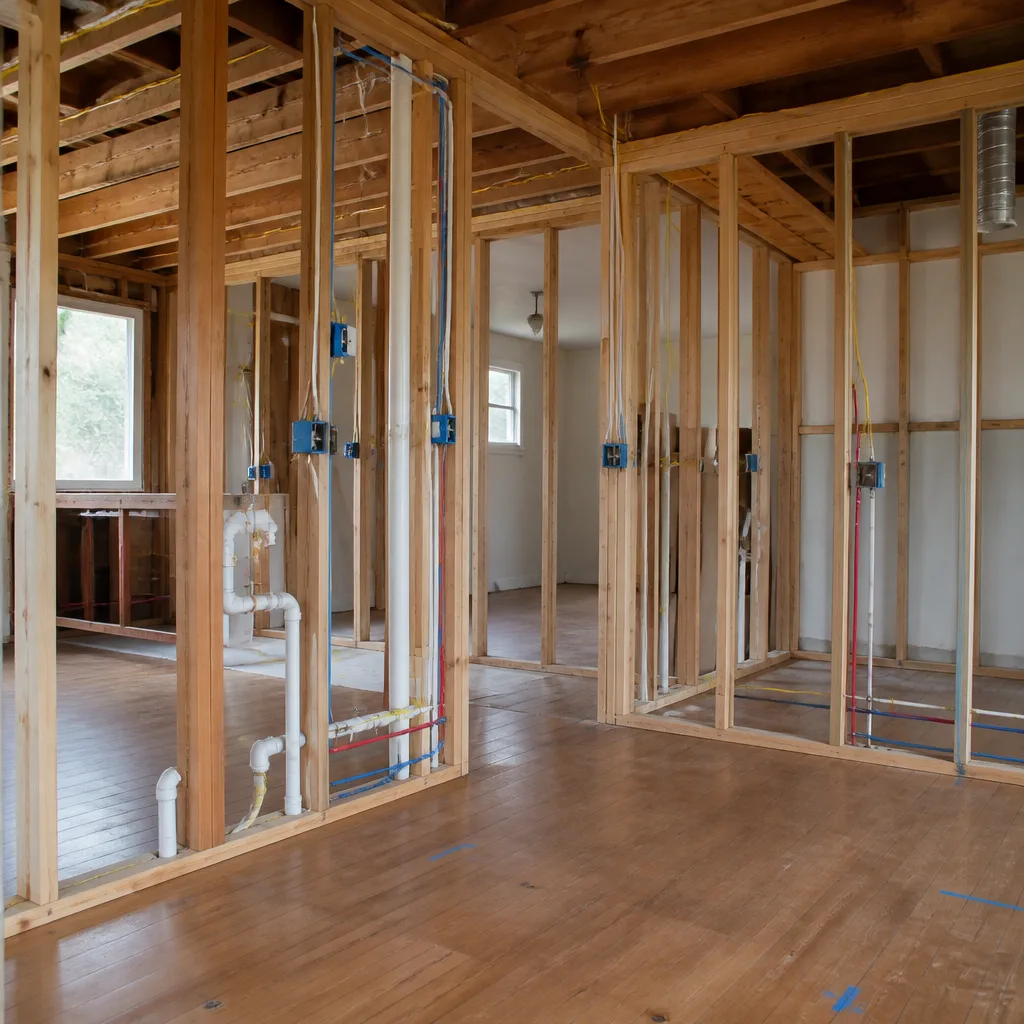
- The work is exposed and open to inspection (framing that hasn’t been drywalled over, plumbing that’s still accessible)
- The work meets current code and can be verified by the inspector
- You documented what you did and can describe it accurately
A GC legally cannot wrap your work if:
- The work is buried behind finished walls and can’t be inspected without opening them up
- The work involves a trade the GC isn’t licensed for in a way that puts the permit holder at risk
- The work was performed by unlicensed labor, which the GC would be signing off on
We’ve had homeowners call us after a DIY bathroom went wrong, asking us to permit work that was already tiled over. We can’t sign off on what we can’t see, and no honest contractor should. The fix is to open the wall, inspect, correct what’s wrong, and permit the corrected work. That’s a real cost, but it’s the only path that ends with a permit record and a saleable house. It’s also why we tell people to call before starting, not after.
What Remediation Actually Costs vs. Doing It Right
The spread between doing work right and fixing it later is wider than most homeowners expect. Here’s a realistic comparison from Long Beach projects, using ranges rather than a single number, because the actual figure depends on scope, age of the home, and what’s found behind the wall.
| Project | Doing it right (permitted & inspected) | Remediating unpermitted work later |
|---|---|---|
| Electrical panel upgrade | $2,200 – $4,500 | $4,000 – $8,000 (open walls, re-inspect, re-panel) |
| Bathroom remodel (fixtures moved) | $14,000 – $32,000 | $20,000 – $45,000 (demo to inspect, re-permit) |
| Garage-to-living conversion | $25,000 – $60,000 | $40,000 – $85,000 (structural verify, re-open) |
| Deck or patio cover (over 30 inches) | $4,000 – $12,000 | $6,000 – $18,000 (verify footings, re-permit) |
The pattern holds: remediation costs one and a half to two times what doing it right would have cost, because you pay for the work twice. And the numbers are just the hard costs. They don’t include the price knocked off at sale or the deals lost entirely. If you want a written number before any work starts, that’s exactly what we hand you, and it doesn’t change after demo day. Requesting a free estimate costs nothing and tells you where you stand. The Penhallow Remodeling Long Beach home page explains how the written price and the 365-Day Done Right Promise work on every project.
Common Mistakes to Avoid
- Assuming “cosmetic” means “no permit.” Adding an outlet to finish a media wall looks cosmetic but is a permitted electrical change. If in doubt, call the city before you start.
- Pulling an owner-builder permit and hiring unlicensed labor to “help.” That’s a violation of the exemption and lands the liability on you if anyone gets hurt or the work fails inspection.
- Trusting a handyman with permit-level work. A good handyman is worth having for the safe DIY list. A handyman running a new circuit or moving a drain line is a risk you’re carrying, not him.
- Skipping the water heater permit. It’s one of the most-missed permits in Long Beach. A straight swap still requires an inspection, and the missing record shows up at sale.
- Doing a garage conversion without checking zoning first. Long Beach has specific rules on accessory dwelling units and garage conversions, and the zoning review comes before the permit. Skipping it can mean tearing out finished work.
- Forgetting the disclosure requirement at sale. California’s transfer disclosure statement requires you to tell a buyer about unpermitted and owner-builder work. Hiding it isn’t a strategy; it’s a lawsuit waiting.
- Assuming your insurance covers unpermitted work. After a loss traced to unpermitted electrical or plumbing, coverage can be denied, and the repair falls entirely on you.
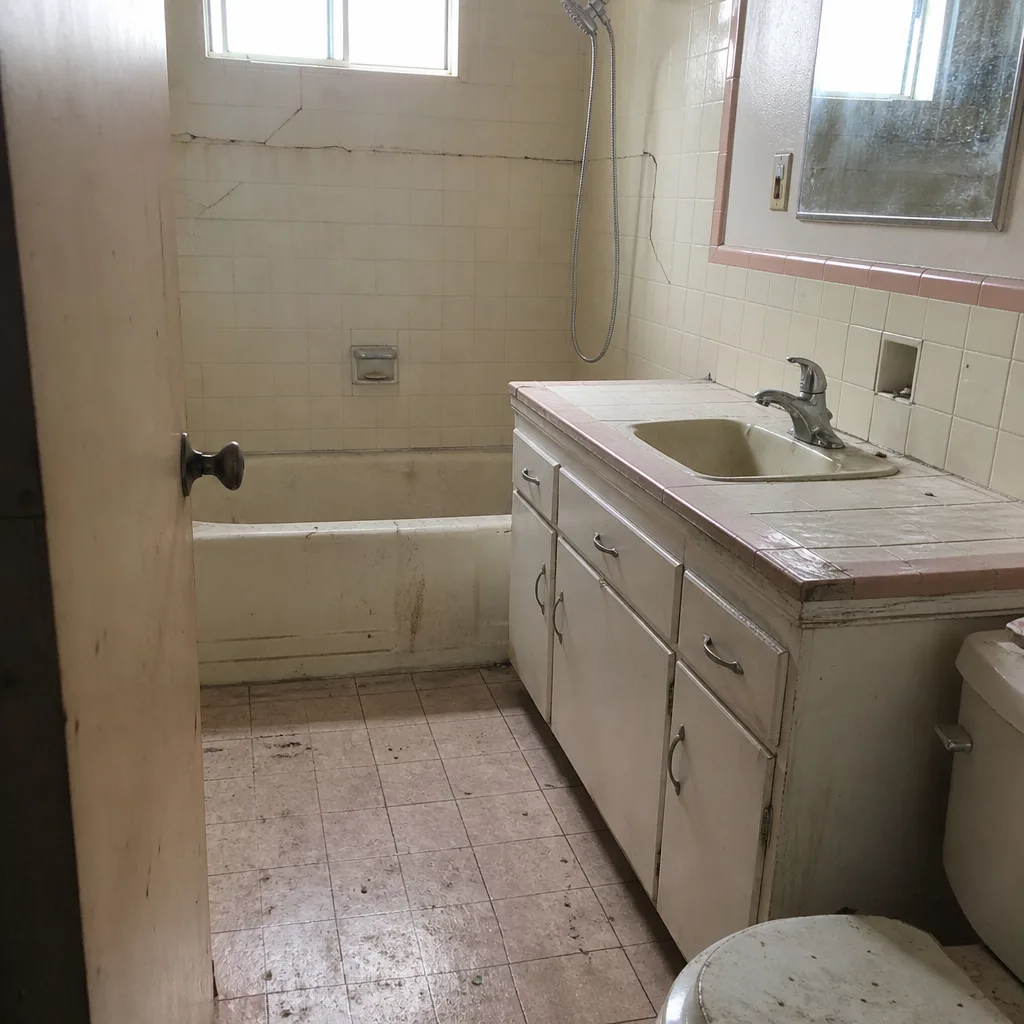
See the difference
 Before
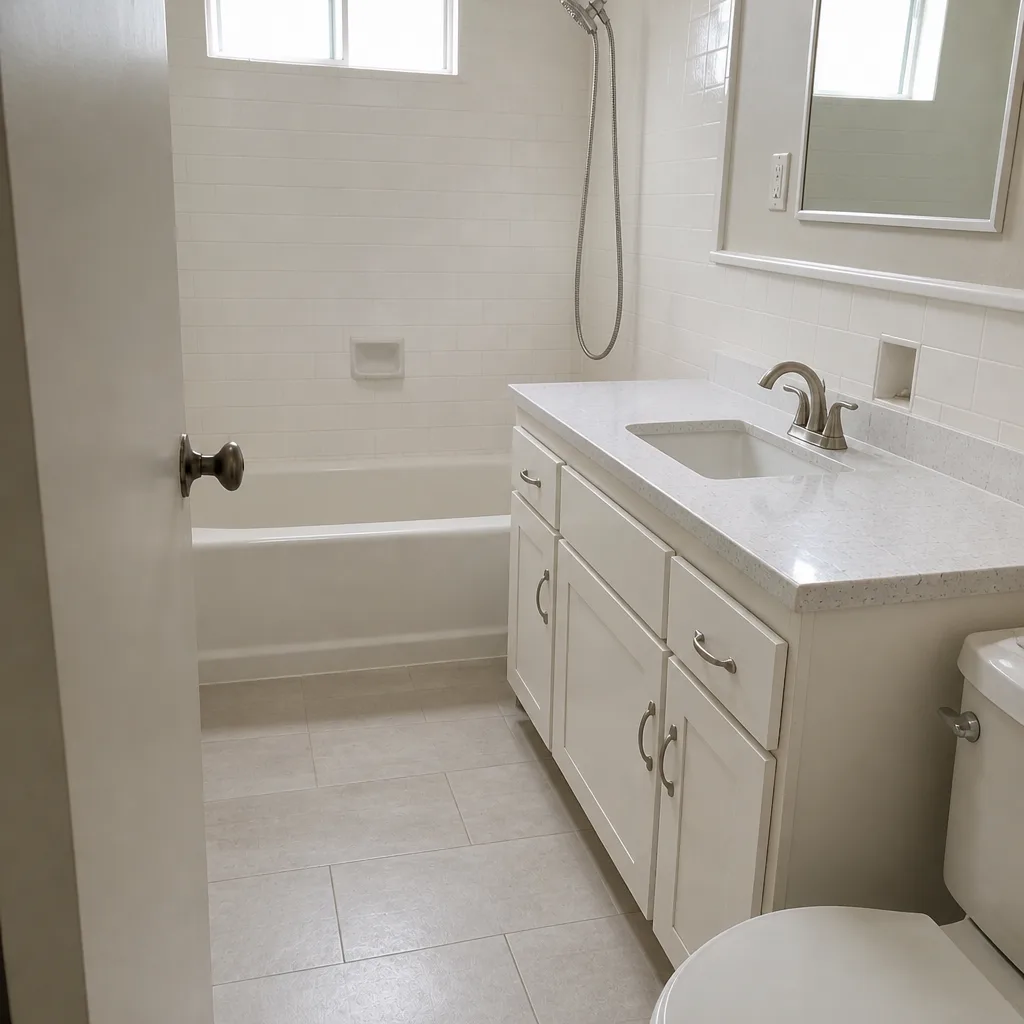 After
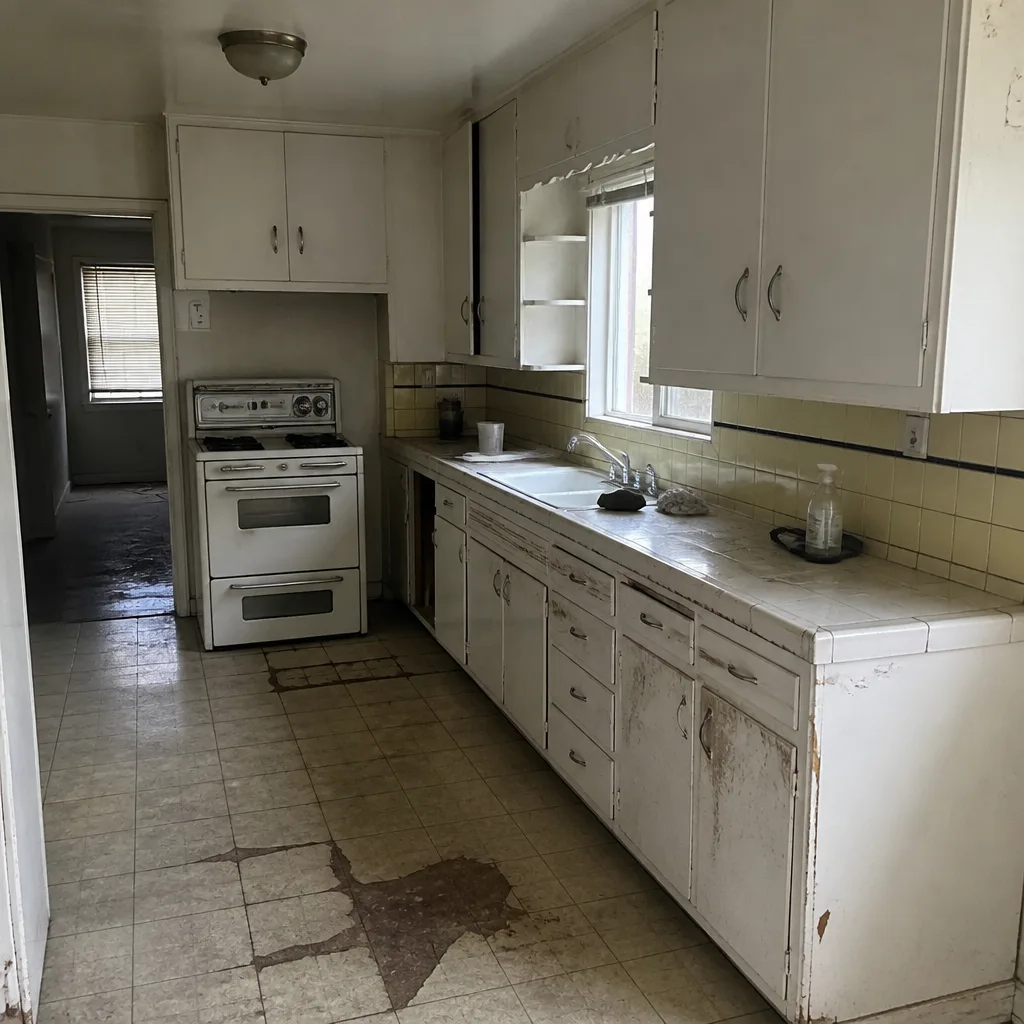 Before
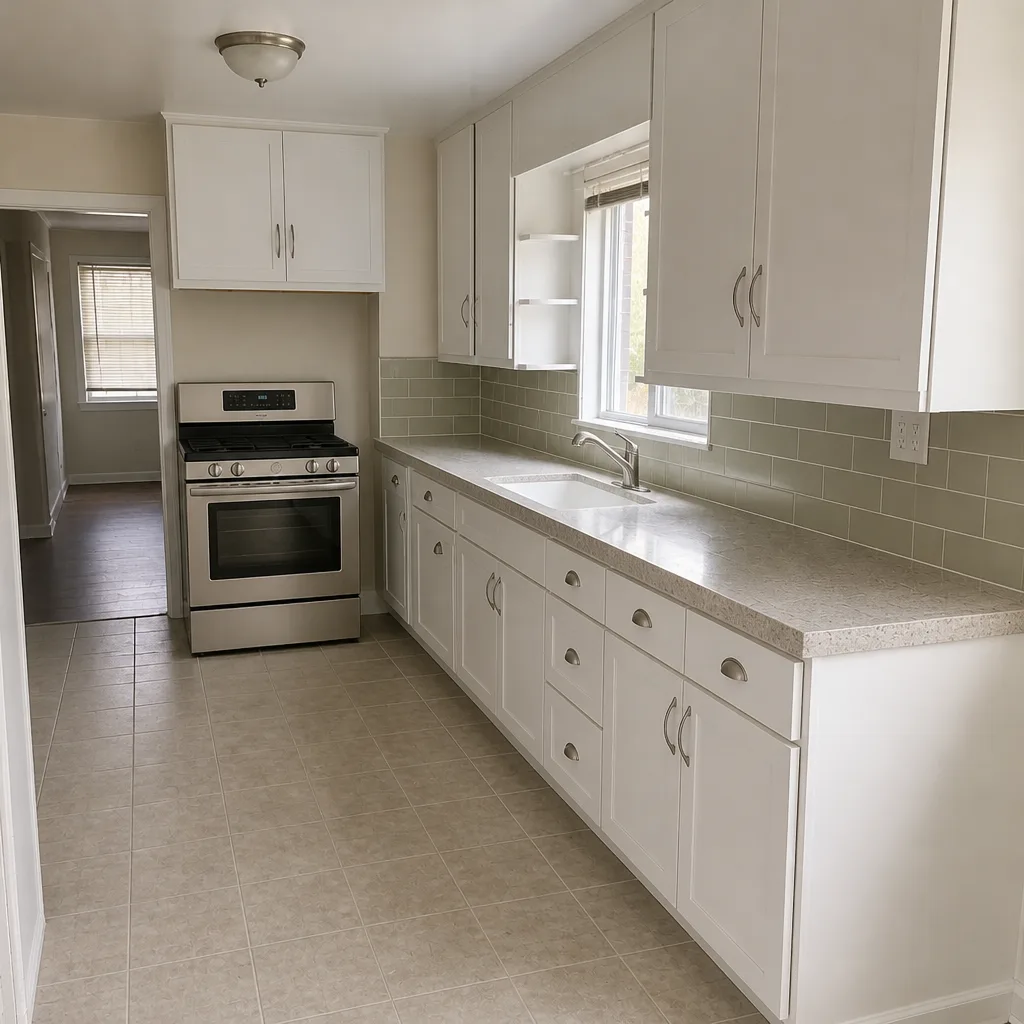 After
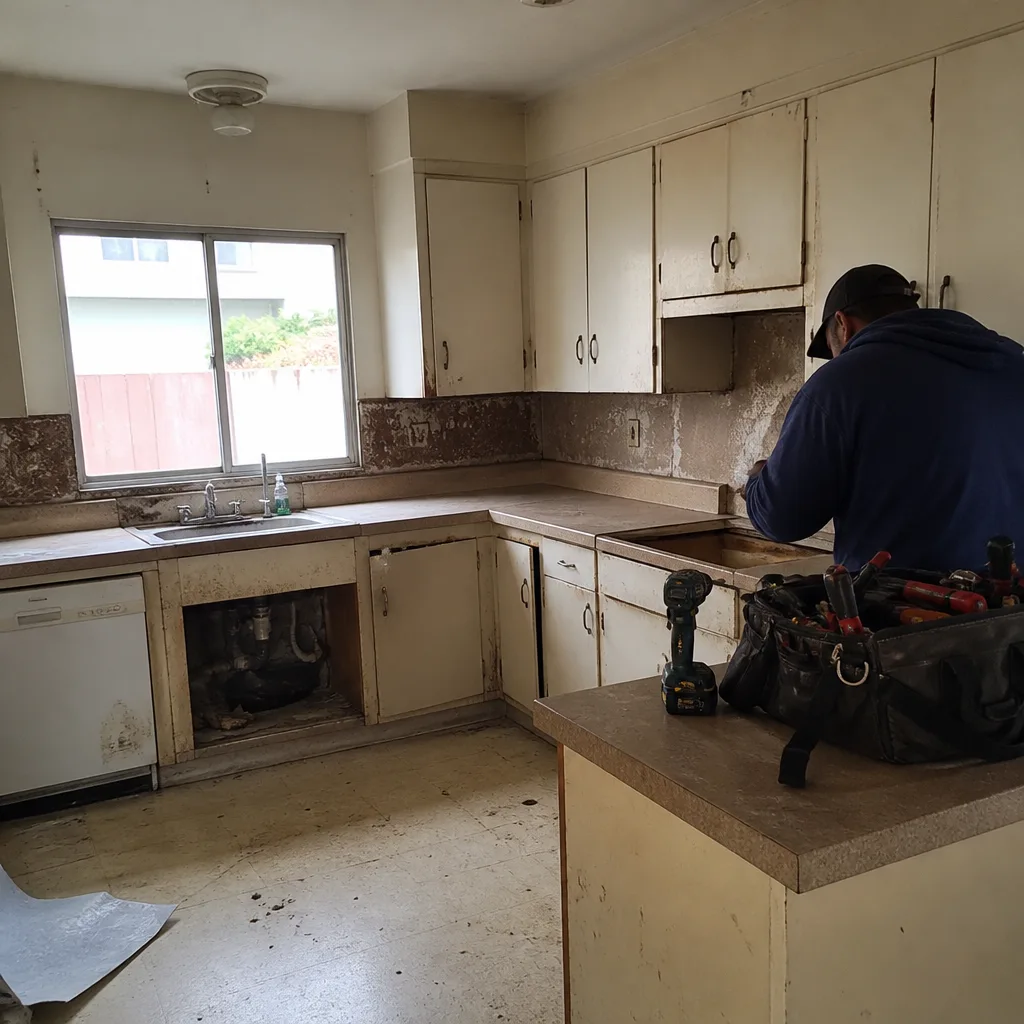 Before
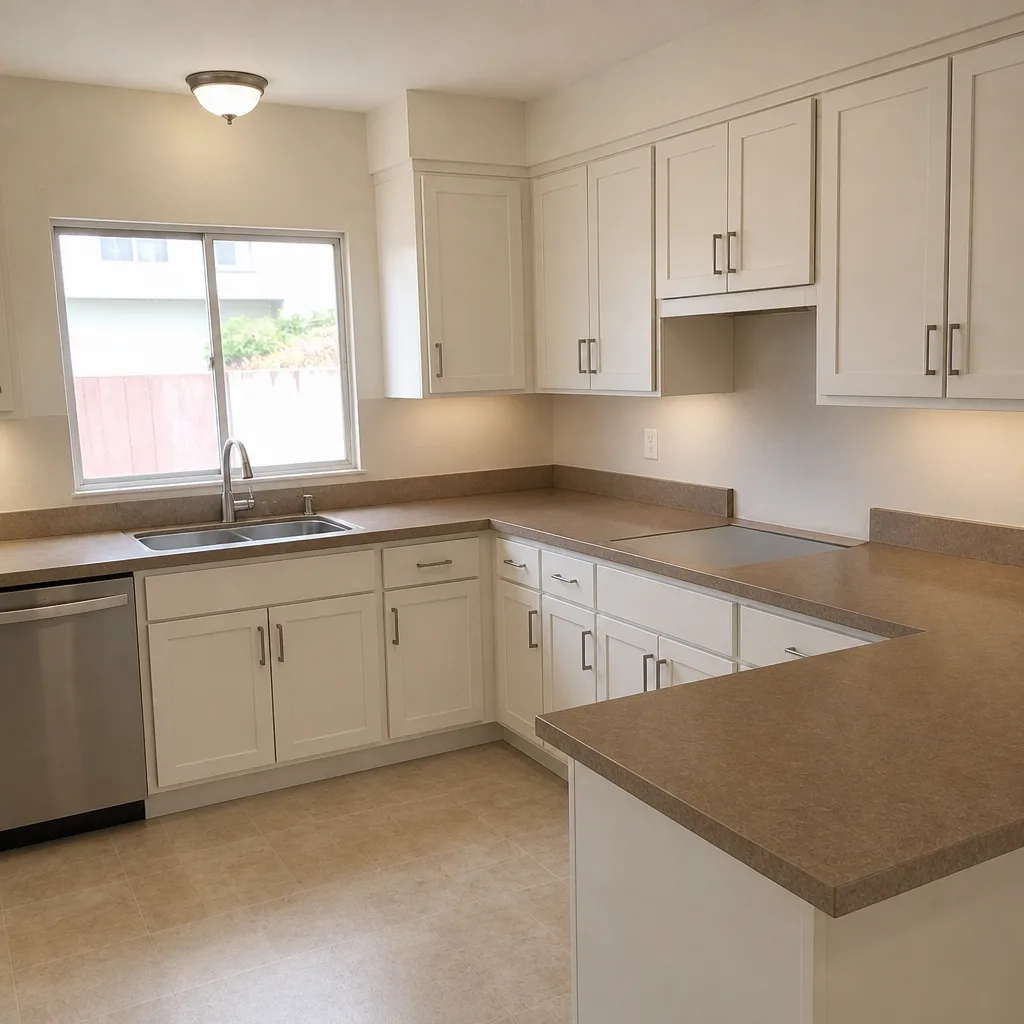 After
When to Call a Professional

Call a licensed contractor before you start if your project touches anything on the permit list: structural framing, the electrical panel, any gas line, plumbing rough-in, roof replacement, or anything that adds square footage. Call before, not after, because a contractor can inspect work that’s still open and wrap it into a permit, but can’t sign off on what’s buried behind finished walls. In Long Beach, that window between starting and closing the wall is the one that matters.
If you’re planning a kitchen, bathroom, or whole-home remodel and you want a written price and a real permit plan before anyone lifts a tool, Penhallow Remodeling Long Beach offers free estimates in Long Beach. Call (833) 510-6967 and a live person answers, any hour. You get a written number before work starts, background-checked and uniformed technicians, and the 365-Day Done Right Promise in writing on every project.
Frequently Asked Questions
In Long Beach, permits are required for structural work, any electrical work beyond a fixture or switch swap, plumbing line changes, water heater replacement, roof replacement, window and door changes that alter the opening, gas line work, decks over 30 inches, and any addition or square footage change. The permit comes from the city’s Community Development Department and must be pulled before work begins. Call (833) 510-6967 for a free estimate on any permitted project.
You can replace a light fixture, switch, or outlet like-for-like on an existing circuit without a permit, and a homeowner can pull an owner-builder permit to do more extensive work on a home they occupy. But any new circuit, panel change, or work that requires inspection is a job for a licensed electrician, because the injury and fire risk is real and the insurance exposure follows the work. For panel-level work, the right move is to call a licensed pro.
It can. Unpermitted work shows up in a title search, a home inspection, or an insurance review, and any one of them can trigger a contingency, a discount request, or a buyer walking away. California’s transfer disclosure statement also requires you to disclose owner-builder and unpermitted work at sale. A clean permit record is a selling feature; a disclosure is a negotiation.
Remediation typically runs one and a half to two times what doing the work right would have cost, because you pay to open, inspect, correct, and re-finish. A panel upgrade that should have been $2,200 to $4,500 runs $4,000 to $8,000 to fix later, and a garage conversion can run $40,000 to $85,000 to remediate versus $25,000 to $60,000 done right. Call (833) 510-6967 for a free written estimate on your specific project.
Sometimes, if the work is still exposed and can be inspected. A GC can’t legally sign off on work buried behind finished walls or performed by unlicensed labor. The honest fix is to open the wall, inspect what’s there, correct anything that doesn’t meet code, and permit the corrected work. That costs more than doing it right the first time, but it’s the only path that ends with a permit record.
Long Beach’s coastal humidity and salt air are harder on exterior finishes and metal hardware than most of inland Southern California, so exterior paint, deck fasteners, and any metal fixtures weather faster near the coast. We account for that when we specify materials, which is why we fit James Hardie siding and coastal-rated hardware on Long Beach projects rather than inland-spec products. If your project is within a few miles of the water, ask about coastal-spec materials before signing anything.
The Bottom Line
The divide between safe DIY and “call a professional” isn’t about skill. It’s about permits, insurance, and resale. Cosmetic work like painting, hardware swaps, landscaping, and like-for-like fixture changes saves you real money and carries no permit risk. Anything structural, electrical beyond a swap, plumbing rough-in, gas, or anything that changes square footage requires a permit, and in most cases a licensed contractor to pull it. The cost of doing it right is real. The cost of doing it wrong is one and a half to two times that, plus the deals you lose at sale. In Long Beach, a clean permit record is worth more than the labor you saved.
Ready to price a permitted project with a written number before any work starts? Call Penhallow Remodeling Long Beach at (833) 510-6967 for a free estimate. A live person answers any hour.
Written by the team at Penhallow Remodeling Long Beach.