Last updated November 17, 2026

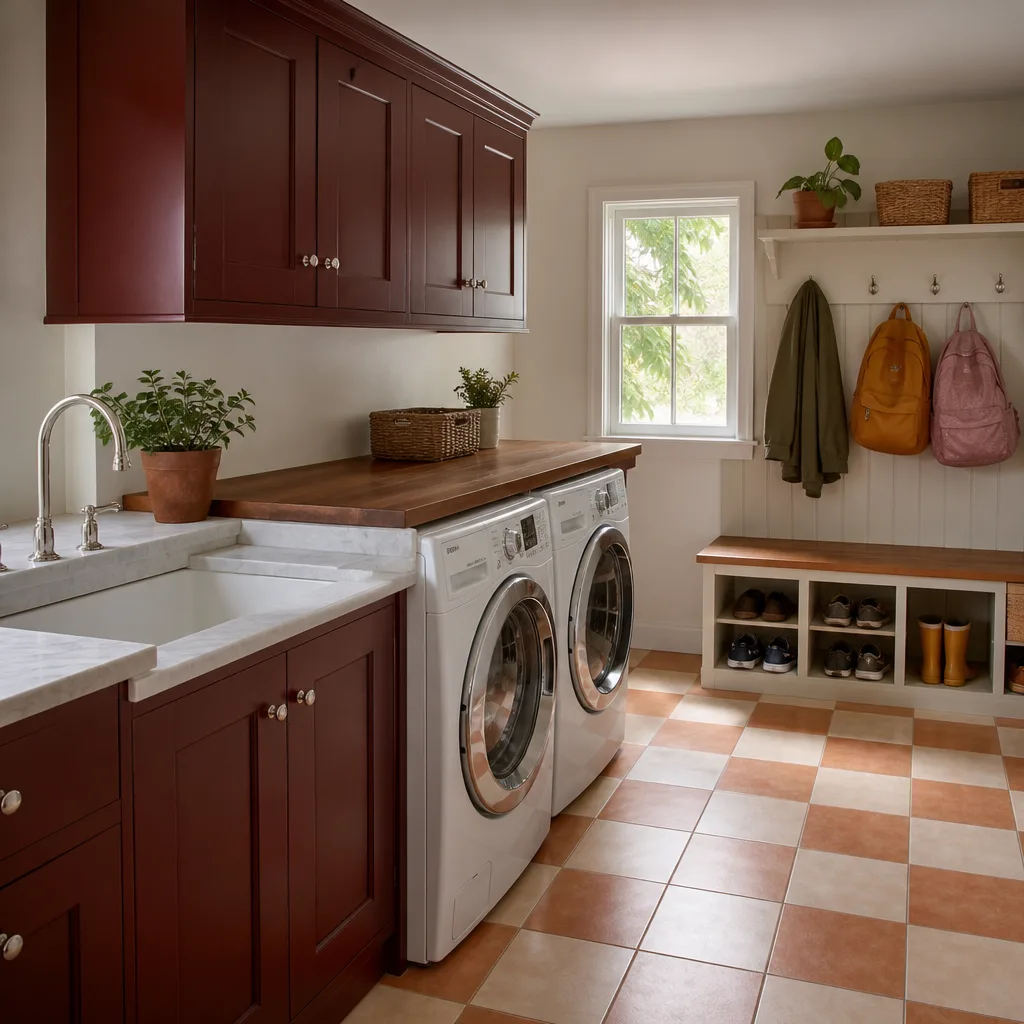





Free written scope consultation - allowances, timeline, and change-order rules on paper before a single trade is scheduled
DIY vs Professional Home Remodeling: What’s Safe to Do Yourself
Painting a bedroom wrong costs you a weekend and a gallon of primer. Installing a shower pan wrong costs you $8,000 in mold remediation, and that’s after you’ve already paid twice for the tile. The gap between those two outcomes isn’t skill. It’s consequence. Most DIY advice sorts tasks by difficulty, which is the wrong question. The right question is what happens when the work fails, and whether the failure announces itself in an afternoon or hides inside a wall for three years. This guide sorts the common Long Beach remodel tasks by how expensive their mistakes are to fix, so you can decide where your own hands make sense and where they cost you more than a pro would have.
Quick Answer
Painting, non-load-bearing demolition, and swapping a faucet or a light fixture are genuinely safe to do yourself. Waterproofing, electrical work inside the walls, gas lines, and any change to the structure are not, and the mistakes they invite are expensive enough to erase every dollar you saved. In Long Beach, several of those tasks also trigger permit requirements that make the DIY version illegal regardless of how well you do it.
Styles & brands we work with
- Kitchen remodeling
- Bathroom remodeling
- Home additions & ADU
- Roofing
- Windows & doors
- Driveway & pavers
- Fence
Table of Contents
- The Failure Consequence Framework
- Low-Consequence Tasks: Safe to Do Yourself
- High-Consequence Tasks: Where DIY Costs More
- The Long Beach Permit Triggers That Make DIY Illegal
- The “I’ll Do the Demo Myself” Half-Measure
- What a Contractor’s Bond Actually Covers
- Three Questions to Ask Before You Start
- Common Mistakes to Avoid
The Failure Consequence Framework
Sort every remodeling task into one of three buckets: recoverable, expensive, and catastrophic. A recoverable mistake shows up immediately and costs under a few hundred dollars to fix. An expensive mistake hides for months and runs into the thousands. A catastrophic one can hurt someone, void your insurance, or make your house hard to sell.
Recoverable: a drippy paint line, a tile that sits proud of its neighbor, a cabinet door hung crooked. You see it, you undo it, you move on. These are where DIY pays off, because the downside is bounded.
Expensive: a shower that leaks into the framing, a floor that wasn’t leveled before the plank went down, a tile layout that runs a half-inch out of square at the doorway. Long Beach’s older housing stock makes this bucket bigger than most homeowners expect. A 1920s bungalow near Rose Park often has framing that’s settled a full inch over the span of a room, and a floor that looks flat to the eye isn’t. Lay tile on it and the failure shows up at the grout lines six weeks later.
Catastrophic: anything involving gas, the electrical panel, load-bearing walls, or waterproofing in a wet area above another living space. These are the tasks where a mistake doesn’t just cost money, it can injure someone or make the house uninsurable.
Here’s the part most guides skip: difficulty and consequence don’t track each other. Hanging drywall is physically hard and low-consequence. Wiring a bathroom exhaust fan is physically easy and high-consequence. Judge by the second column, not the first.
Low-Consequence Tasks: Safe to Do Yourself
These are the jobs where the worst realistic outcome is a redo. If you’re patient and you measure twice, they’re worth your time.
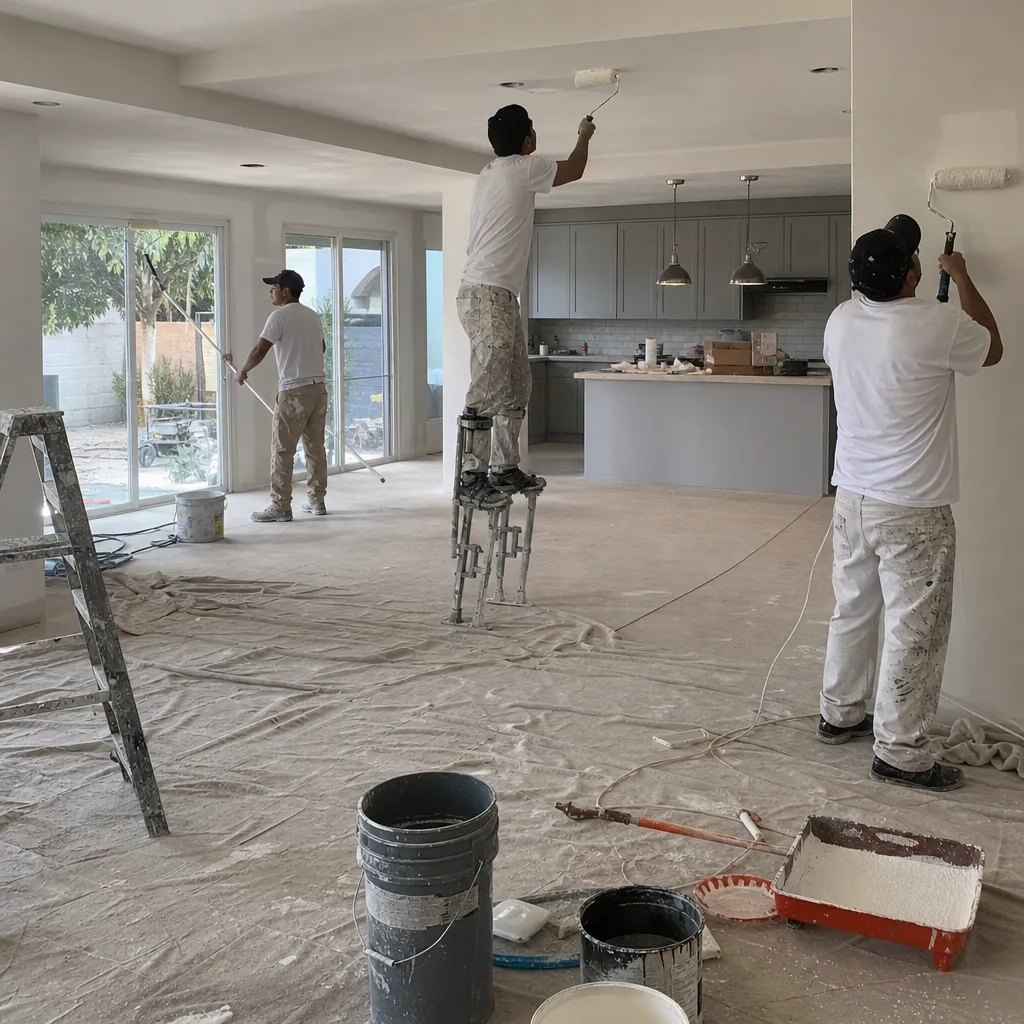
- Interior painting. Prep is 80% of the result. Sand, prime bare patches, tape clean lines. A gallon of good paint and a weekend gets you a bedroom that looks professional.
- Non-load-bearing drywall demolition. Removing a dated partition wall (after you’ve confirmed it holds nothing up, more on that below) is dusty, satisfying work. Wear a respirator; older Long Beach homes can have lead paint and asbestos in joint compound.
- Swapping a faucet or a showerhead. Under-sink plumbing is accessible, and shut-off valves let you stop the water. A new Moen or Delta faucet is a genuine upgrade you can install in an hour.
- Replacing a toilet. Two bolts, one wax ring, a supply line. Straightforward for anyone who can lift 80 pounds.
- Changing a light fixture or a switch plate. Kill the breaker, verify it’s dead with a tester, and the swap itself is easy.
- Cabinet hardware and pulls. A $60 drill guide and a steady hand transforms a kitchen’s look without touching the boxes.
- Caulking and grout refresh. In a Long Beach bathroom, re-caulking the tub surround every couple of years is real maintenance. It’s also the cheapest way to keep water out of a wall.
The through-line: everything here has an accessible failure point. You can see the leak, feel the wobble, or spot the crooked line. When the mistake announces itself, you’re fine.
High-Consequence Tasks: Where DIY Costs More
These are the jobs we get called to fix most often, usually after a homeowner has already spent money once. Each one has a hidden failure that surfaces months later, when the repair is far larger than the original task.
Shower and wet-area waterproofing. This is the single most expensive DIY mistake in remodeling. A shower pan needs a sloped mortar bed, a liner that laps correctly over the curb, and a flood test before tile goes down. Skip any step and water finds the framing. The repair usually means tearing out the tile you just paid for, replacing rotted subfloor and studs, and treating for mold. In Long Beach’s humid coastal air, a slow leak inside a wall near Belmont Shore rarely dries out on its own. It grows.
Electrical work beyond a fixture swap. Adding a circuit, moving an outlet, or wiring a new bathroom fan is not a beginner task. A loose connection behind drywall is a fire that waits. It also voids the manufacturer’s coverage on the device when it isn’t installed to code.
Gas lines. Any gas work requires a permit and a licensed trade. There’s no safe DIY version of this, and no amount of video watching changes it.
Structural changes. Removing or modifying a wall, cutting a beam, or opening a load-bearing span requires engineering and a permit. A wall that carries the floor above may look like a partition until it’s gone.
Slab and floor leveling before tile or plank. In older Long Beach homes, this is where a decent DIY tile job unravels. The floor needs to be flat, not level, and the difference matters.
If a task touches water inside a wall, fire safety, gas, or the frame of the house, treat it as professional work. Our General Contractor in Long Beach team handles every one of these, and the written price comes before anything is opened up.
The Long Beach Permit Triggers That Make DIY Illegal
Here’s the practical part people skip: some of these tasks are illegal to do yourself no matter how skilled you are. In Long Beach, a homeowner can pull permits for work on their own primary residence in limited cases, but certain work requires a licensed contractor. The bigger risk is doing the work without a permit at all.
Work that typically requires a permit in Long Beach includes:
- Adding or relocating electrical circuits, and most panel work.
- Any plumbing change beyond a fixture swap, including moving a drain or supply line.
- Water heater replacement and any gas line work.
- Removing or altering a wall, and any structural change.
- Adding or enlarging a window or door opening.
- Bathroom and kitchen remodels that move plumbing, electrical, or walls.
Why this matters at resale: unpermitted work can surface during a buyer’s inspection, and a lender can require it be corrected before closing. It can also put your homeowner’s insurance at risk, since an insurer may decline a claim tied to work that wasn’t permitted or inspected. A remodel done quietly on a bungalow in Cal Heights can cost you a sale five years later. The permit and inspection are the paper trail that proves the work is sound. Our Kitchen Remodeling in Long Beach and Bathroom Remodeling in Long Beach projects all pull permits where the scope requires it, and the inspection gets passed before we call the job done.
The “I’ll Do the Demo Myself” Half-Measure
This is the most common compromise we see, and it’s a smart one when it’s done right. Homeowners want to save money by tearing out the old kitchen or bathroom before the contractor arrives. Sometimes that works beautifully. Sometimes it creates a liability that lands on the next person through the door.
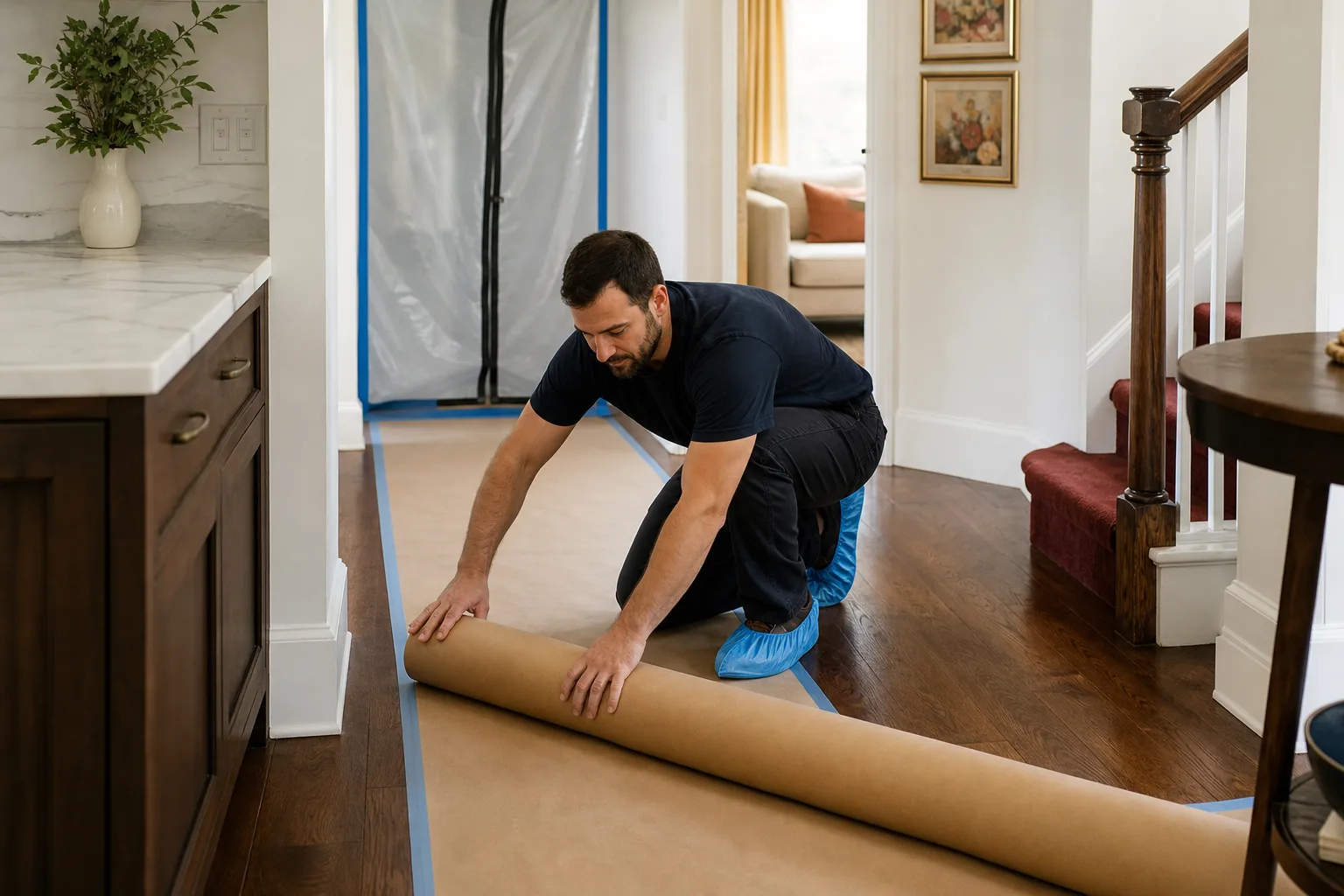
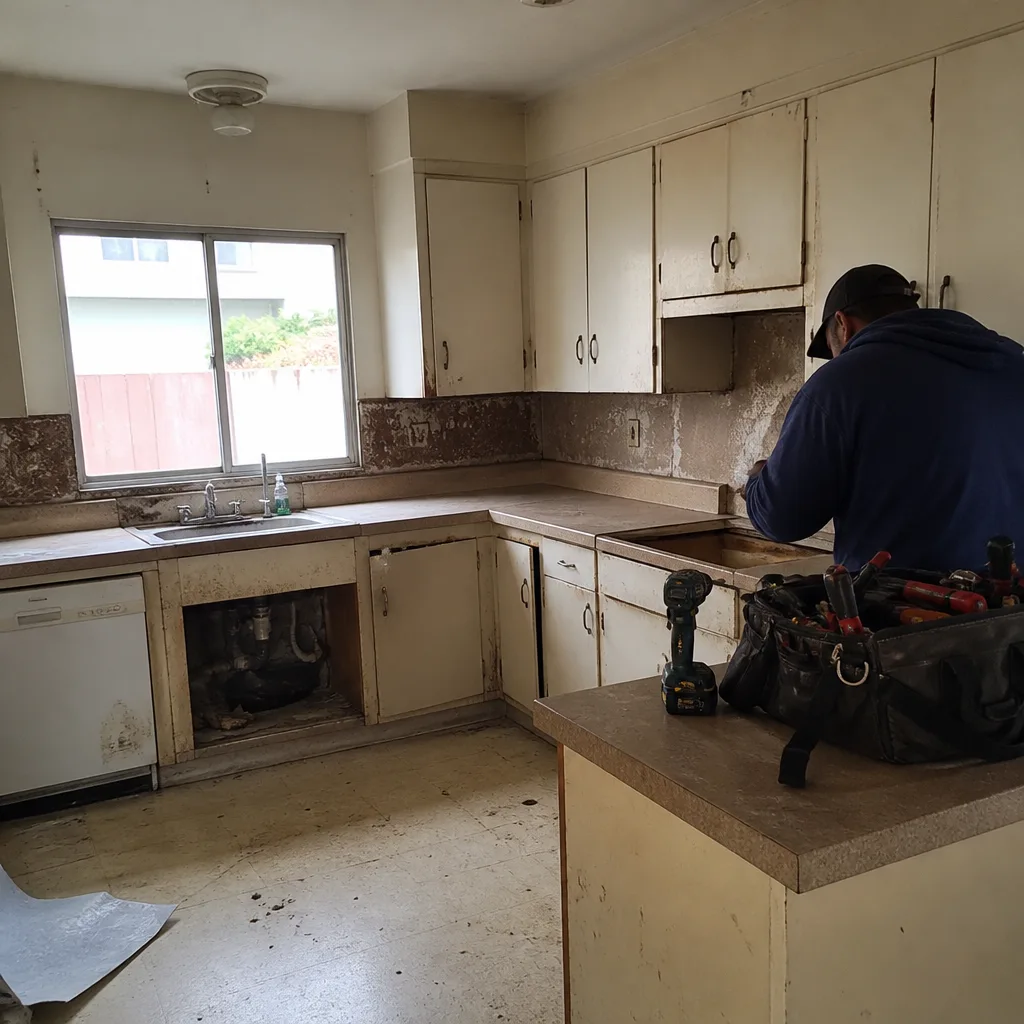
Where it works: removing cabinets, pulling up carpet, taking out a vanity, hauling debris. Cosmetic demolition that leaves the structure, plumbing, and electrical intact is safe and saves real money. A homeowner who clears a dated kitchen down to the studs in an afternoon genuinely cuts the labor line.
Where it backfires: tearing into a wall before anyone has confirmed it isn’t structural, cutting a pipe you thought was dead, or pulling a shower pan and disturbing the waterproofing without knowing how it was built. Once you’ve opened a load-bearing wall or cut into a gas or electrical run, the contractor who comes after inherits a problem they can’t see. A reputable contractor will refuse to build on top of work they can’t verify, because they can’t guarantee it. That’s not stubbornness. It’s the only honest position.
If you want to do the demo, ask the contractor first. A good one will tell you exactly where to stop.
What a Contractor’s Bond Actually Covers
Homeowners hear “licensed, bonded, and insured” and assume it means everything is covered. It’s worth knowing what each piece actually does, because a skilled friend with good intentions covers none of it.
- The license means the contractor passed the state’s trade and business exams and is accountable to the licensing board. It’s the credential that lets you file a complaint and get a real investigation.
- The bond is a modest sum held against the contractor’s failure to follow the rules or finish the job. It’s a backstop for a specific kind of failure, not a blanket payout for a bad remodel. Its real value is that it ties the contractor to a regulated system.
- Liability insurance covers damage to your home or injury on the job. This is the one a friend doesn’t have. If your friend drops a beam through your ceiling or gets hurt on your property, you’re the one exposed.
- Workers’ compensation covers the crew if someone gets hurt on your property. Without it, an injury can become your liability.
A friend helping you out is generous and often skilled. But none of that protection travels with them. And a written guarantee, which is what the Kingswell Guarantee is built around, comes with the accountable party, not the helpful one. Our Penhallow Remodeling Long Beach home page lays out what’s in writing on every project, from the price to the 365-Day Done Right Promise.
Three Questions to Ask Before You Start
Before you pick up a tool on any remodel task, run it through these three questions. They sort the whole guide into a decision.
- If this fails, will I see it within a week? If yes, you’re in recoverable territory. A crooked tile, a drip from a new faucet connection, a paint line you hate. Fix it and move on. If the failure would hide behind drywall or under a floor for months, you’re in expensive territory and should hire out.
- Does it involve water, gas, electricity, or the structure? If the task touches more than a fixture swap, stop and get a professional. The failure consequence for those four things is always high, and in Long Beach the permit rules back that up.
- Would this work survive a home inspection at resale? If a future buyer’s inspector would flag it as unpermitted or unsafe, it’s a problem you’re leaving for your future self. The fix later costs more than doing it right now.
If all three answers point toward safe, go ahead and do it. If any one points the other way, that’s your signal. In our experience across Long Beach remodels, the tasks that pass all three are the ones homeowners finish happily. The ones that fail one question are almost always the ones we get called to redo.
Common Mistakes to Avoid
- Assuming a wall isn’t load-bearing because it looks thin. In older Long Beach homes, some walls carry more than they appear to. Have someone confirm before demo, not after.
- Skipping the flood test on a shower. Two hours with a pan full of water and a plugged drain tells you whether the waterproofing holds. Skip it and you find out when the ceiling below stains.
- Doing unpermitted work to save time. It surfaces at resale, can void the insurance claim when you need it, and costs more to correct than to permit.
- Letting a friend handle the electrical to save a few hundred dollars. A fire behind a wall doesn’t care about good intentions, and their help comes with no insurance and no guarantee.
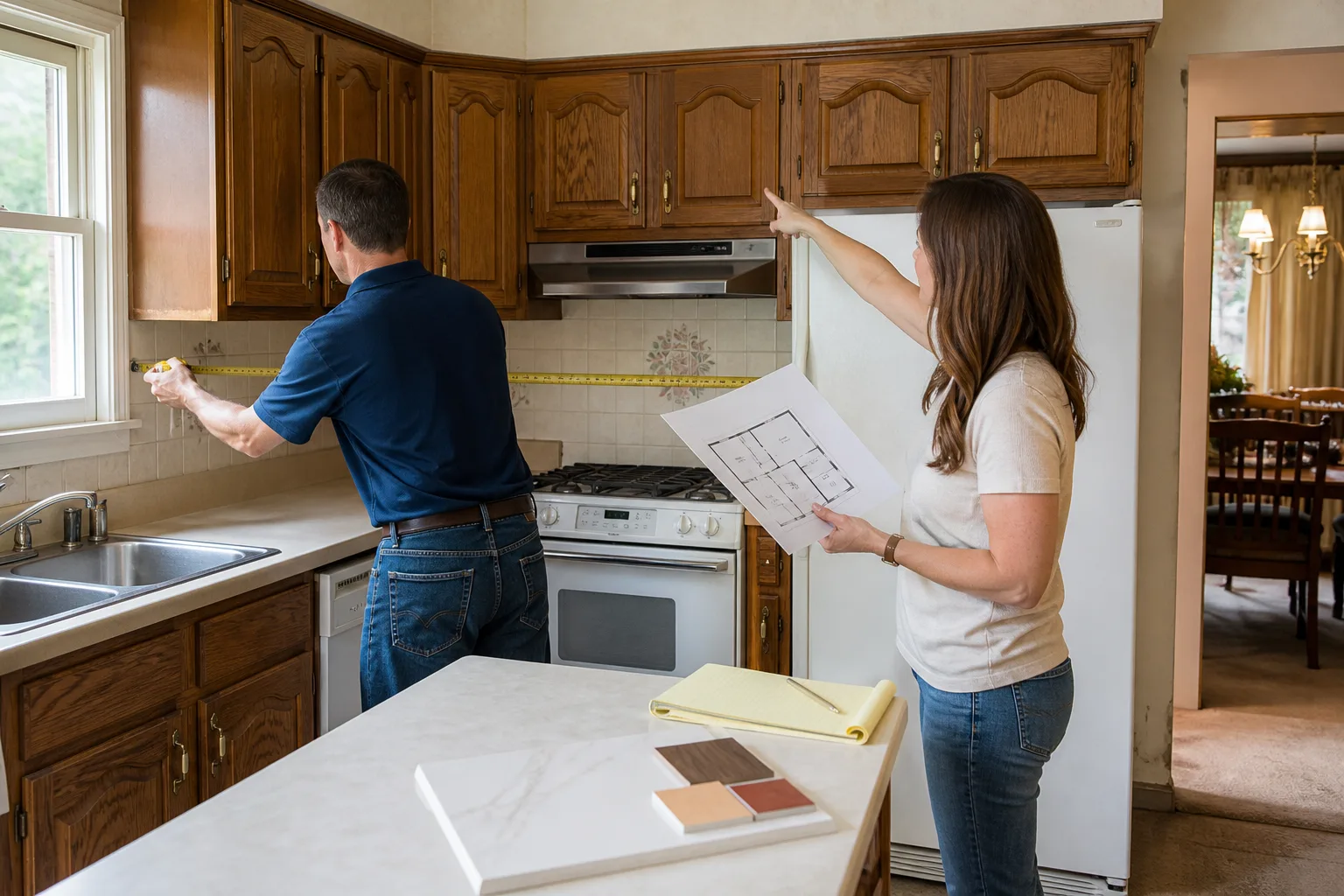
- Buying cabinets and tile before measuring the room, the walls, and the plumbing rough-in. In a Long Beach bungalow built before 1940, nothing is perfectly square. Measure twice, and measure the whole room.
- Starting demo before the contractor has seen the space. Once a load-bearing wall is open or a pipe is cut, a contractor can’t guarantee work on top of it, and you may pay twice.
- Treating a coarse coastal climate like a dry one. The marine air in Long Beach keeps walls damp longer. A slow leak that would dry out inland grows here. Give water anywhere it wants to go a reason to stay out.
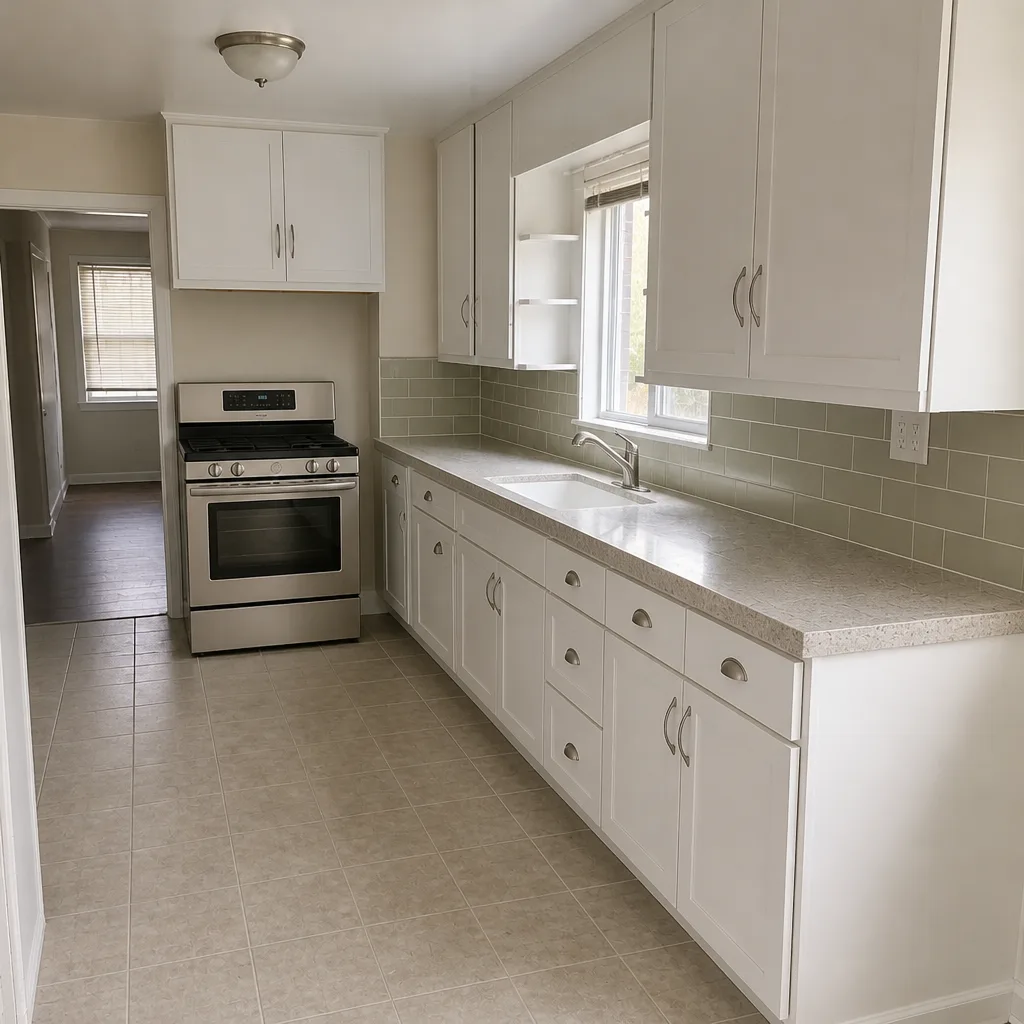
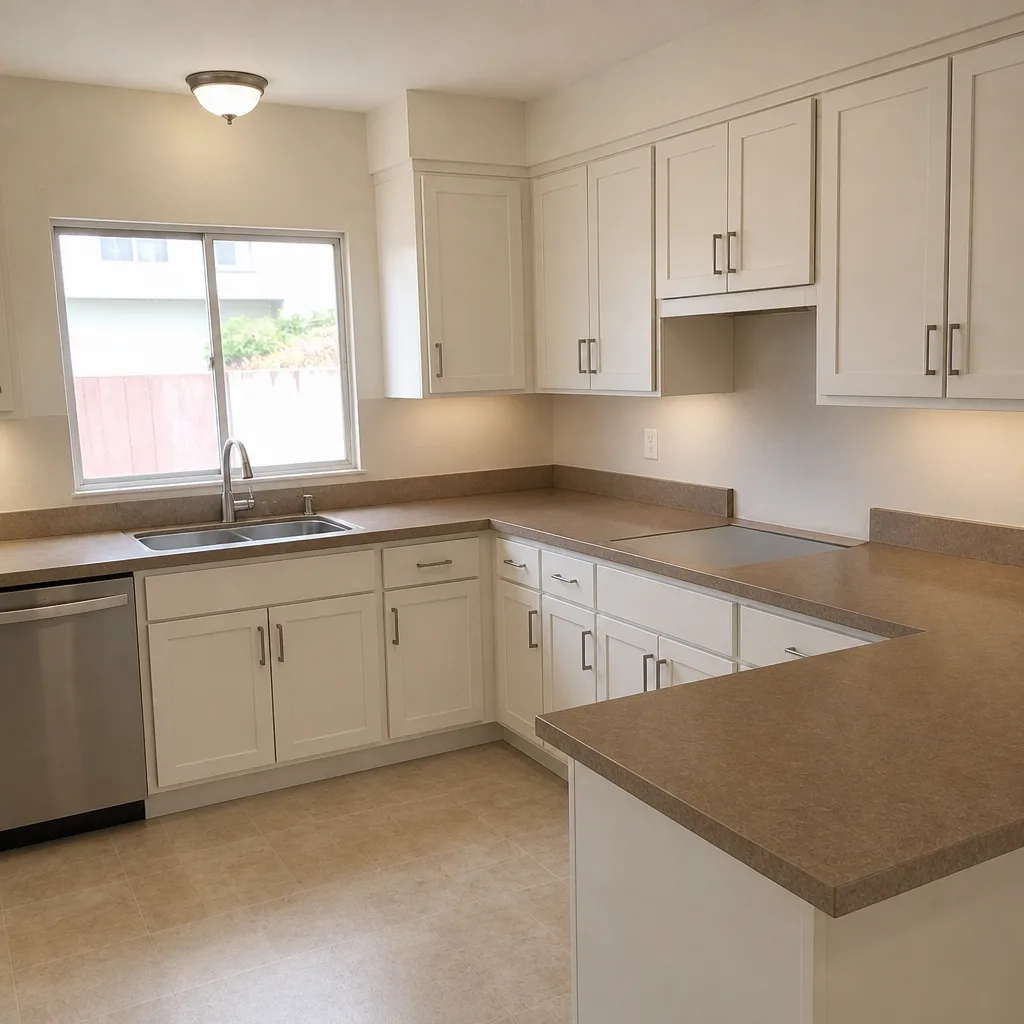
See the difference
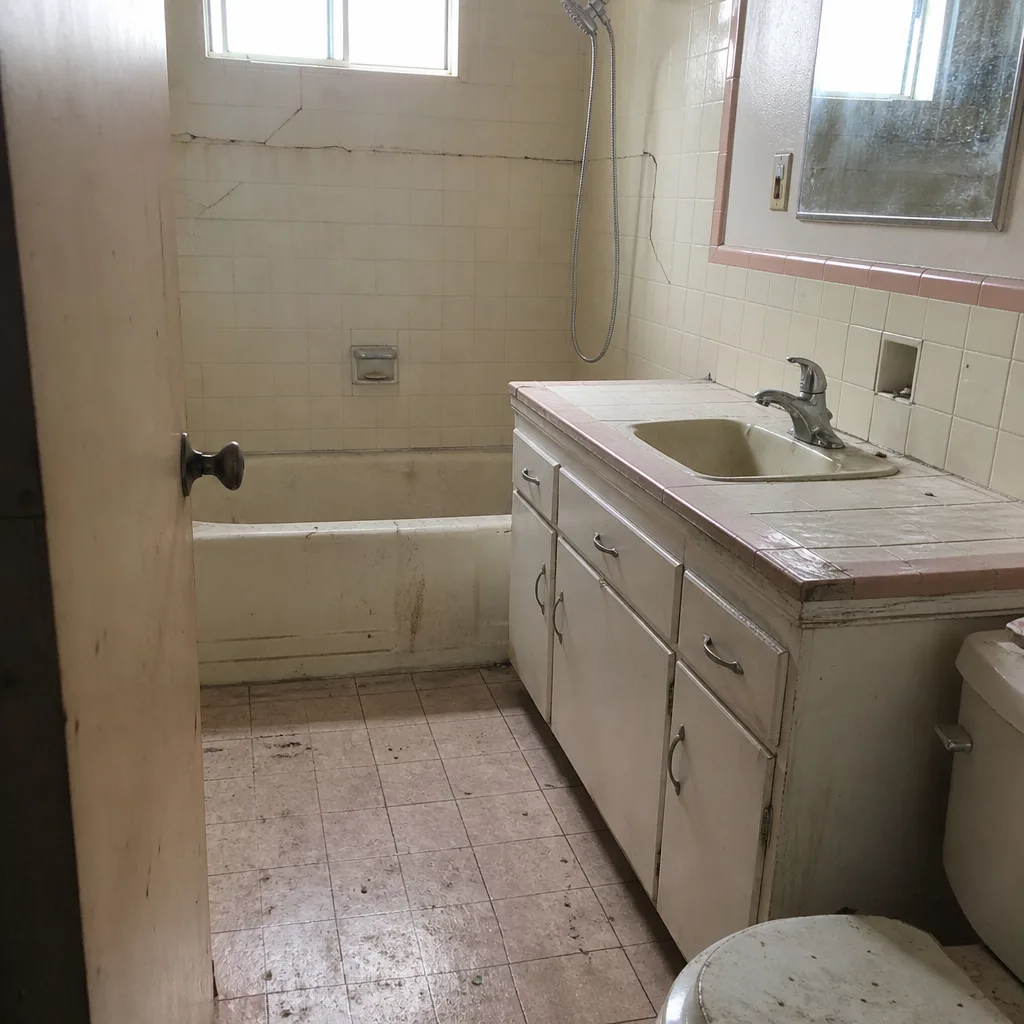 Before
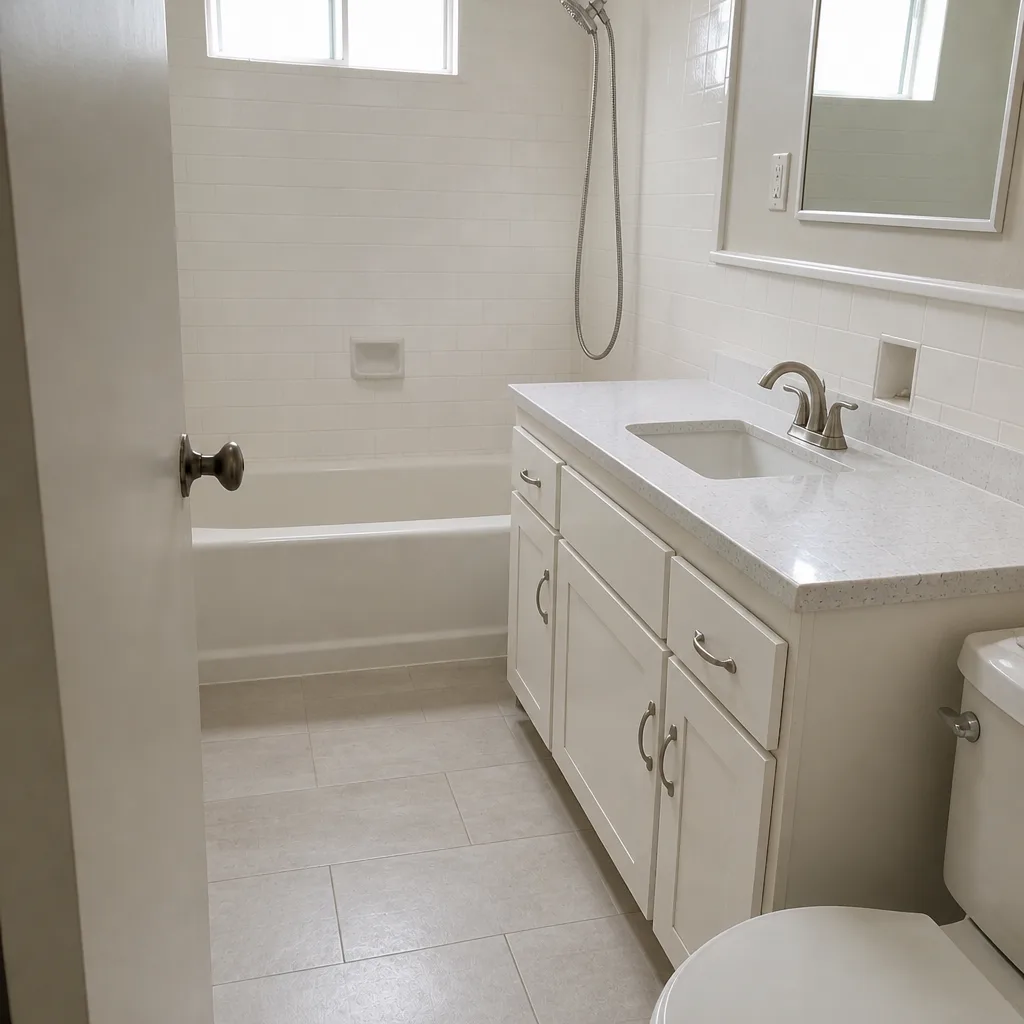 After
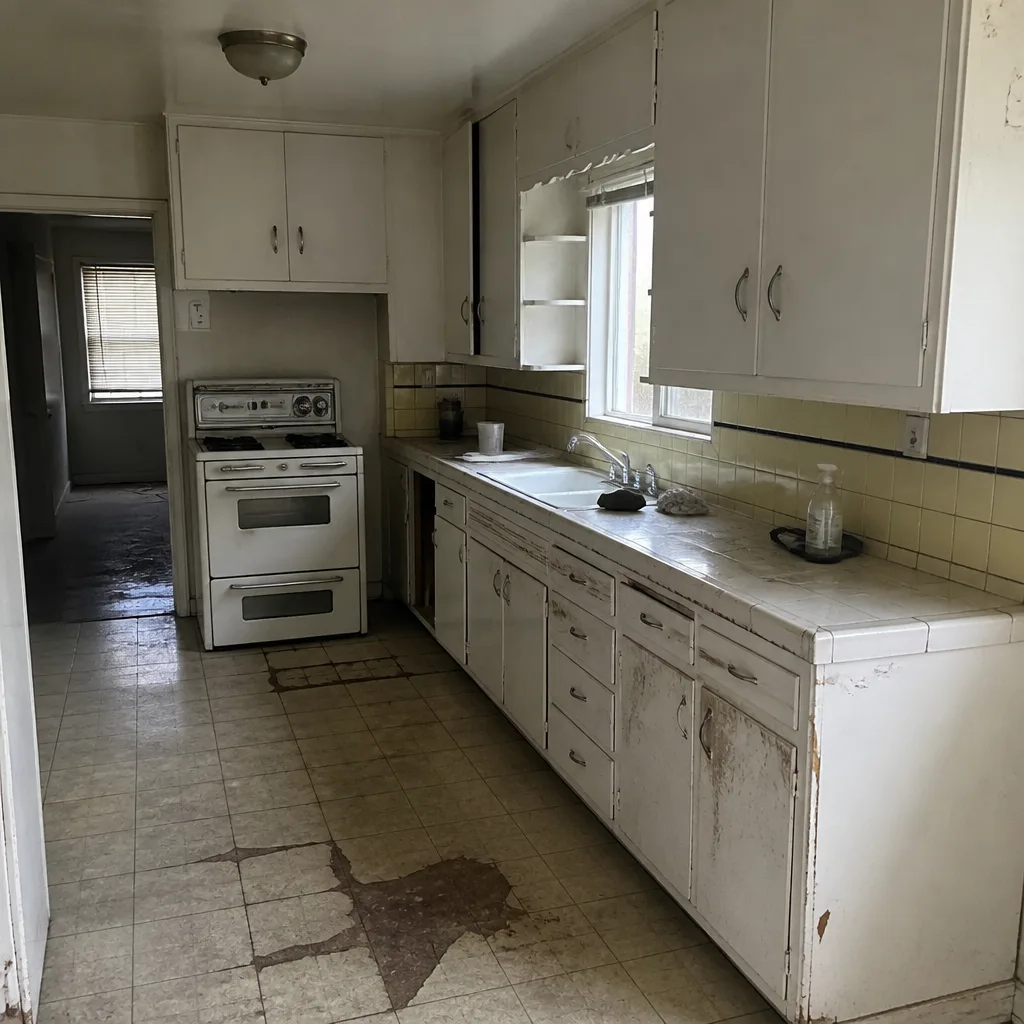 Before
 After
 Before
 After
When to Call a Professional
Call a professional when the task touches waterproofing in a wet area, the electrical system beyond a fixture swap, gas, or anything structural. Call when the failure would hide for months. Call when the work needs a permit, which in Long Beach includes most plumbing, electrical, and wall changes. And call when you’re doing a full kitchen or bath, because the sequence matters: plumbing rough-in, then electrical, then inspection, then drywall, then tile, then fixtures. Get the order wrong and the redo is the whole project.
Penhallow Remodeling Long Beach offers free estimates in Long Beach: call (833) 510-6967. You’ll get a written price before any work starts, a real arrival window, and background-checked, uniformed technicians on the job. The price on day one is the price on the invoice, and the 365-Day Done Right Promise backs every project in writing. A live person answers the phone, any hour.
Frequently Asked Questions

Painting, non-load-bearing demolition, swapping faucets and showerheads, replacing a toilet, changing light fixtures, and cabinet hardware are genuinely safe for a careful homeowner. The common thread is that any mistake shows up immediately and costs little to fix. Waterproofing, electrical, gas, and structural work are not safe to DIY, and in Long Beach most of them also require a permit. Call (833) 510-6967 for a free estimate on anything that crosses that line.
Yes, if you limit it to cosmetic demolition like removing cabinets, pulling carpet, and taking out a vanity, and you stop before touching walls, plumbing, or electrical. That work genuinely cuts labor cost. The trouble starts when a homeowner opens a wall before anyone has confirmed it’s non-structural. Ask your contractor exactly where to stop before you rent the dumpster. We’re happy to map that out on a free estimate; call (833) 510-6967.
Usually yes, if the scope moves plumbing, adds or relocates electrical, or changes a wall. A cosmetic refresh like new paint, tile, and a vanity may not need one, but a full remodel almost always does. Unpermitted work can surface at resale and may put your insurance at risk. Permits are part of the written scope on our bathroom projects, and inspections get passed before we call the job done. Call (833) 510-6967 to talk through your scope.
It’s worth it when the task falls into high-consequence territory: waterproofing, electrical inside the walls, gas, or structure. Being handy doesn’t change the failure consequence, and it doesn’t put a bond or insurance behind the work. A skilled homeowner should absolutely do the low-consequence work and hire out the rest. Call (833) 510-6967 for a free estimate on the parts that carry risk.
Waterproofing failures are the most expensive DIY mistake in remodeling, typically running several thousand dollars because the repair means removing the tile you just installed, replacing any rotted framing or subfloor, and treating for mold. In Long Beach’s coastal air, a slow leak rarely dries on its own, so the damage keeps growing until someone opens the wall. A free estimate now is cheaper than that repair later; call (833) 510-6967.
Not on the part you did. A reputable contractor can only guarantee what they can verify, so if you’ve opened a wall or cut a pipe, they’ll often need to inspect and correct it before they’ll build on top of it. Write down what you plan to do and get the contractor’s sign-off before you begin. We’ll tell you exactly where to stop on a free estimate; call (833) 510-6967.
The Bottom Line
The DIY question isn’t about whether you’re capable. It’s about what happens when the work fails. Paint a room wrong and you lose a weekend. Waterproof a shower wrong and you lose thousands, plus the tile you already paid for. Do the low-consequence work with confidence: painting, cosmetic demo, fixtures, hardware. Hire out anything that touches water inside a wall, the electrical system, gas, or the frame of the house, and check the Long Beach permit rules before you start. A written price from a licensed contractor is a fixed cost. A DIY failure is an open-ended one. That’s the whole calculation.
Call Penhallow Remodeling Long Beach at (833) 510-6967 to schedule your free estimate. You’ll get a written price before any work starts, a realistic arrival window, background-checked and uniformed technicians, and the 365-Day Done Right Promise in writing on every project. Materials come from brands like Kohler, Moen, and Delta, so the products behind the guarantee are as solid as the guarantee itself.
Written by the team at Penhallow Remodeling Long Beach.