Last updated November 17, 2026








Free written scope consultation - allowances, timeline, and change-order rules on paper before a single trade is scheduled
General Contractor Maintenance Schedule: What to Do and When
A bathroom exhaust fan ducted the wrong way into a Long Beach attic can quietly void your roofing warranty in under 18 months. The fan still runs. The ceiling still looks dry. But warm, moist air keeps dumping into the same cavity all year, and by the time the damage surfaces, the general contractor’s final handshake happened long ago. That’s the gap most homeowners fall into: nobody hands you a maintenance calendar at project closeout, so the work that protects your remodel goes untracked until it fails.
This guide fills that gap with a real schedule. We’ll cover the 30-60-90 day checks, the annual inspections Long Beach’s marine air makes unavoidable, which components wear out first, and exactly how to document everything so your warranties stay enforceable. It’s written from Long Beach, for homes in a coastal climate that tests materials differently than inland projects do.
Quick Answer
A post-remodel maintenance schedule has three tiers: a 30-60-90 day check window during your guarantee period to catch defects early, annual inspections focused on moisture and corrosion in a marine environment, and a written record of every inspection you keep for as long as your warranties run. The single most important habit is documenting defects in writing before your guarantee window closes – usually a year after substantial completion. Catch problems at month 10 and they’re the contractor’s responsibility; catch them at month 14 and they’re yours.
Styles & brands we work with
- Kitchen remodeling
- Bathroom remodeling
- Home additions & ADU
- Roofing
- Windows & doors
- Driveway & pavers
- Fence
Table of Contents
- The 30-60-90 Day Checks Every Homeowner Should Do
- Annual Inspections for Long Beach’s Marine Environment
- Components That Wear Out First: Ranked by Field Lifespan
- How to Document Maintenance So Warranties Stay Enforceable
- You Found a Defect at Month 10 of a 12-Month Guarantee: What to Do
- Permits, Inspections, and What the Paper Trail Protects
- Seasonal Maintenance Calendar for Long Beach Homes
The 30-60-90 Day Checks Every Homeowner Should Do
Most remodeling guarantees run a year, but the defects that matter show up in the first 90 days. This is the window when settling, thermal movement, and normal humidity cycles reveal weak spots while your contractor still owns the fix. Treat each check as fifteen minutes with a notebook, not a deep inspection.
At 30 days:
- Run every fixture in the remodeled area – every faucet, every drain, the shower, the toilet – and look for slow leaks under cabinets and around baseboards.
- Open and close all new windows and doors. They should latch cleanly and sit flush without a hard shove.
- Press on new caulk and grout lines at tubs, showers and backsplashes. Anything soft, cracking or pulling away is a defect.
- Check cabinet doors and drawers for sagging or rubbing.
At 60 days: revisit the same list and add the exterior if the project touched it. Look at siding, flashing and caulk joints after the first good rain. Water should shed off your roof and move away from the foundation, not pool against the house.
At 90 days: this is when you write a summary of anything still unresolved and send it to the contractor in writing, not by phone. Even if all you write is “everything looks fine,” that dated record has value later.
In our experience across Long Beach neighborhoods, the 90-day mark catches more caulk failure than any other check, especially on homes a few blocks from the water.
Annual Inspections for Long Beach’s Marine Environment
Long Beach sits in a marine air zone, and that changes the maintenance math. Salt-laden moisture, high humidity and sunny stretches wear down exterior materials faster than the timeline inland contractors use. You’re not being paranoid – you’re being accurate. Some annual tasks matter far more here than they would in a dry, inland climate.
Walk these each year, ideally in early fall before the winter rains:
- Fasteners and hardware: Look at exposed screws, hinges, exterior door hardware and gate hardware for rust bloom. Even stainless and galvanized parts corrode faster near the coast.
- Caulk and sealant joints: Anywhere siding meets trim, at window and door perimeters, and around vents. Cracked or peeling sealant is where water gets in.
- HVAC filters: Check monthly and replace every 1-3 months. In a Long Beach home that runs the system year-round, this is the cheapest maintenance you’ll ever do.
- Exhaust fan ducting: Confirm the bath fan actually vents outdoors, not into the attic or wall cavity. This single item protects your roofing and interior materials.
- Roof flashing: Look at the valleys and penetrations after the first storm. If you can’t safely get up there, have a roofer check it.
- Exterior paint and finishes: Chalking and fading show up fast when the sun works on a west-facing wall all afternoon.
We offer free estimates for homeowners who’d rather have a professional walk the remodeled areas with them than climb a ladder themselves. Call (833) 510-6967 to set one up. For the broader scope of what a general contractor in Long Beach handles, it helps to know what’s covered before you start.
Components That Wear Out First: Ranked by Field Lifespan
Not every part of a remodel ages at the same pace. Some components have short field lifespans, which means they need your attention before the walls that surround them. Knowing the order helps you budget and avoid surprise repairs.
Here’s how the timeline generally runs:
- Caulk and sealant joints – 3 to 7 years. The shortest-lived item on the list, and the one most likely to quietly let water in. Re-caulk before it fails, not after.
- Waterproofing membranes in wet areas – 10 to 15 years. The shower pan and the layer behind the tile. Once this fails, the fix is a full re-tile, so treat it gently and watch for any loose tile or grout darkening.
- Roof flashing and penetrations – 10 to 20 years. The joints around chimneys, vents and skylights wear faster than the roofing material itself.
- Expansion joints – 15 to 25 years. Concrete, tile and hardscape joints that absorb movement. Failed joints in pavers or driveways let water in beneath the surface.
- Hardie siding, cabinets, fixtures – 25 years plus. James Hardie siding, KraftMaid and Wellborn cabinetry, Kohler and Moen fixtures are built to last well past the shorter-lived items. Their jobs are simply to stay dry.
The takeaway: your longest-lived products depend on your shortest-lived ones. Replacing a $40 tube of sealant can save a $10,000 re-tile. If your remodeled kitchen or bath needs work before its time, our bathroom remodeling in Long Beach or kitchen remodeling in Long Beach teams can assess it honestly. And if your exterior got a Penhallow Remodeling Long Beach home upgrade, the driveway and walkway joints deserve the same attention.
How to Document Maintenance So Warranties Stay Enforceable
Manufacturer warranties and contractor guarantees both have a common enemy: missing records. A Cambria quartz countertop carries its own lifetime warranty. A Moen fixture carries its own finish warranty. But if you can’t show when a product was installed or that you performed the maintenance its warranty requires, you can lose your claim. The same is true of your contractor’s guarantee.
Keep a simple maintenance log in a folder – paper or digital, whichever you’ll actually use. Log every item you check or repair.
- Keep your project documents together: the written contract, the written price, product spec sheets and warranty cards for every brand-name product installed.
- Photograph everything at closeout. Before-and-after photos of walls, wet areas, exterior joints and the inside of any accessible cavity.
- Date every maintenance entry. “Re-caulked tub joint, September” beats “kept it maintained” every time.
- Save receipts for anything you buy for the remodeled areas – filters, sealant, replacement parts.
- Keep emails and texts from any contractor who did warranty work or inspections.
Our commitment to giving you a written price before work starts means you already have the paper trail foundations – the rest is just maintaining it. The Penhallow Remodeling Long Beach home page spells out that written-price standard in more detail.
You Found a Defect at Month 10 of a 12-Month Guarantee: What to Do
This is the scenario that separates homeowners in the habit from those who aren’t. Found a cracked tile, a sagging door or a leak around the shower, and there are two months left on the guarantee? You can still make it a covered claim, but only if you act in writing and fast. Here’s the exact sequence.
- Document the defect with photos and a date. Close-ups, plus a wider shot showing where in the room it is.
- Write down what you noticed and when. “Perceived water staining at the front corner of the curb, noticed November 2nd.” Keep it factual, skip the frustration.
- Email or text your contractor with the photos and a request for an inspection, asking them to confirm receipt. Keep it calm and specific.
- Note the guarantee language in your message. Quote the section that covers workmanship and mention the date your guarantee expires.
- Don’t repair it yourself first, if you can avoid it. Opening a wall or re-tiling before the contractor inspects can muddy who’s responsible.
- If you don’t hear back, send a follow-up within a week and keep a record of your attempts to reach them.
The key insight: a defect reported at month 10 is a covered claim. A defect reported at month 14 is a paid repair. The paper trail is the difference. The Kingswell Way puts it plainly: say the price before the work, show up in the window we gave, and make it right if it isn’t. Call (833) 510-6967 if you need an inspection scheduled before a guarantee window closes.
Permits, Inspections, and What the Paper Trail Protects
A general contractor pulls permits and passes inspections, and every passed inspection leaves a public record. That record matters long after the job ends in two ways: it proves the work met code when it was done, and it helps if you ever sell the home. Keep your copies of the permit and the final inspection sign-off with your project folder.
Some maintenance tasks don’t touch a permit and are safe for a careful homeowner – swapping an HVAC filter, re-caulking a tub joint, replacing a light bulb. Others do, and this is where we hold the line on safety. Anything involving gas, the electrical panel or wiring, or work at roof height and above is not a DIY project. High-tension garage door springs and live electrical panels can cause serious injury or death, and steep-roof work should always go to a trained professional. When a general contractor in Long Beach performs an inspection and finds something that falls under that scope, the right answer is a licensed trade, not a weekend attempt.
The inspectors care most about framing, plumbing rough-ins and electrical panels – the parts of the job you’ll never see again. That’s exactly why the paper trail protects you. If you’re planning a remodel and want to understand what permitting involves, our general contractor in Long Beach page explains it.
Seasonal Maintenance Calendar for Long Beach Homes
Coastal climates are forgiving, but they still have a rhythm. Here’s a routine that fits a Long Beach year.
- Spring (March-May): Clean gutters and check roof flashing before the last rains. Swap HVAC filters. Inspect exterior caulk after winter.
- Summer (June-August): Check exterior paint for fading and chalking. Pressure-test the exhaust fan by confirming it drafts outward. Inspect window screens and door sweeps.
- Fall (September-November): The main inspection season. Walk fasteners for rust, reseal joints, clean drains. Book a professional walk-through of the remodeled areas before the winter rain.
- Winter (December-February): Watch for interior moisture. Run bath fans longer in humid weeks. Check for condensation on window frames and any staining that suggests leaks. Replace filters on schedule.
A small calendar built around Long Beach’s rain pattern saves you from emergency repairs. And when something does need attention, our bathroom remodeling in Long Beach team can assess wet-area concerns quickly. Homeowners who plan a fresh kitchen remodeling in Long Beach project should build this calendar in from day one.
Common Mistakes to Avoid
- Skipping the 90-day check because everything “looks fine.” That’s often exactly when caulk and crack defects start to show – catch them while the contractor still owns the fix.
- Reporting a defect by phone only. Verbal reports vanish. Written reports with photos and dates are the ones honored. Always put it in writing.
- Assuming “no news is good news.” A slow leak behind a wall can run for months before it reaches visible drywall. Inspect deliberately, not just when something looks wrong.
- Re-caulking with the wrong product. Standard caulk cracks fast in a shower. Use the right sealant for wet areas and exterior joints.
- Letting the exhaust fan vent into the attic. This voids roofing warranties and traps moisture in the same cavity. Confirm it ducts outside.
- Throwing out warranty cards and receipts. Cambria, Kohler, Moen and Moen fixtures carry their own warranties. Some require proof and maintenance records to honor a claim.
- Forgetting the exterior after a Long Beach rainy season. Marine air plus rain means joint and flashing failures show up fast. Don’t wait for damage before checking.
See the difference
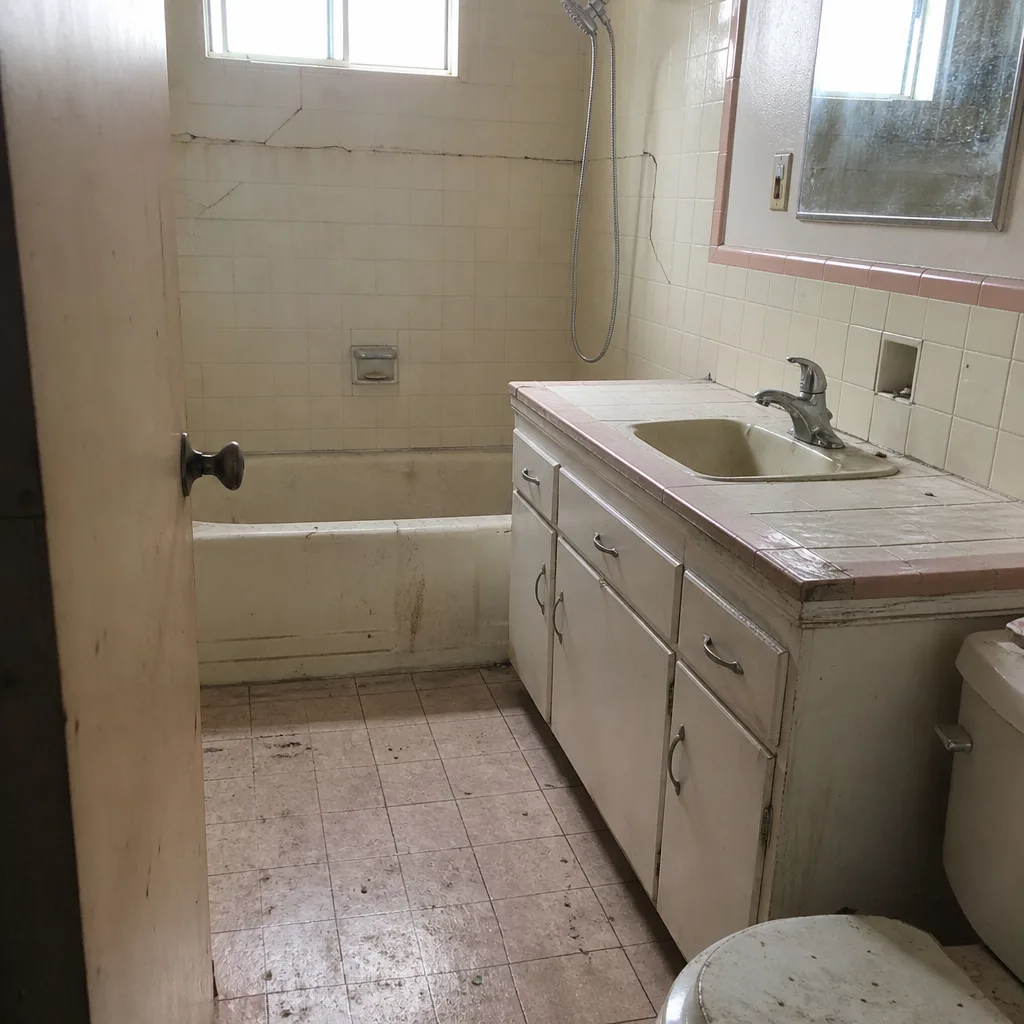 Before
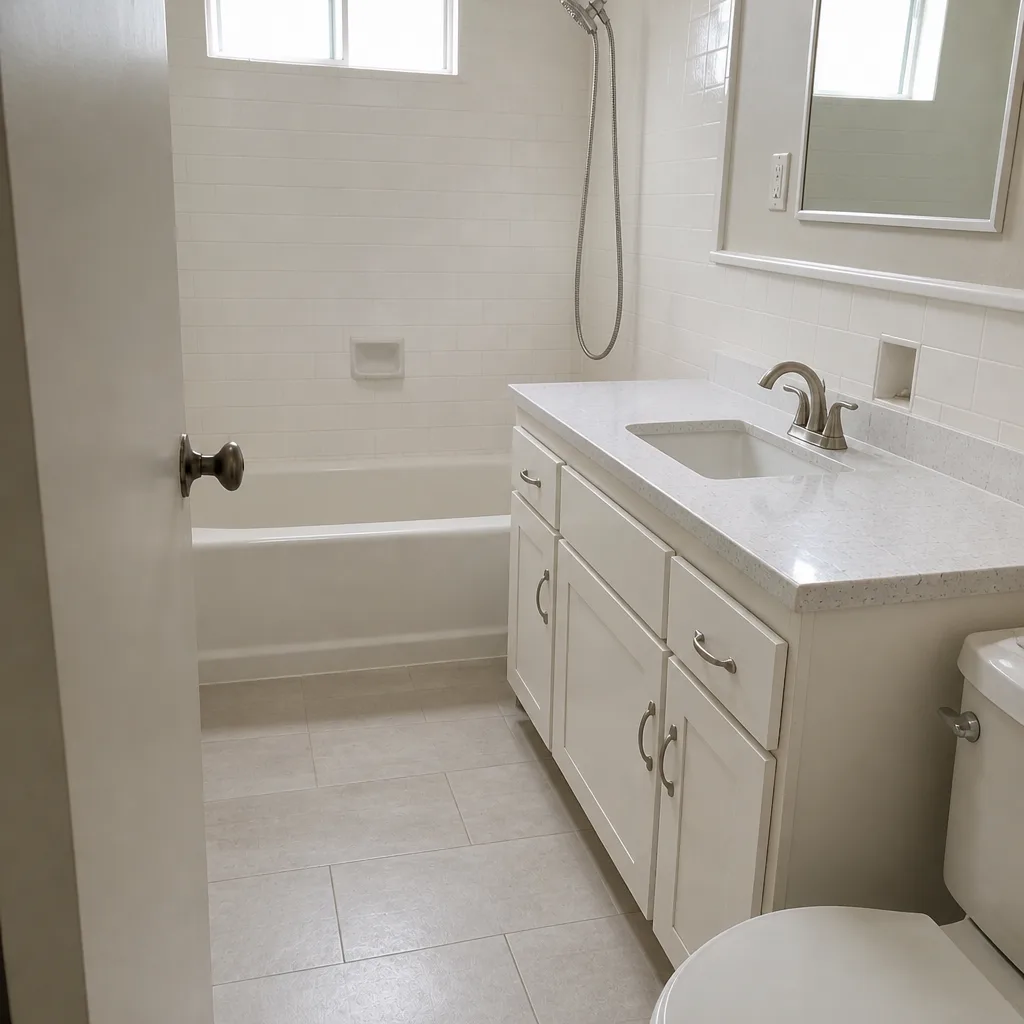 After
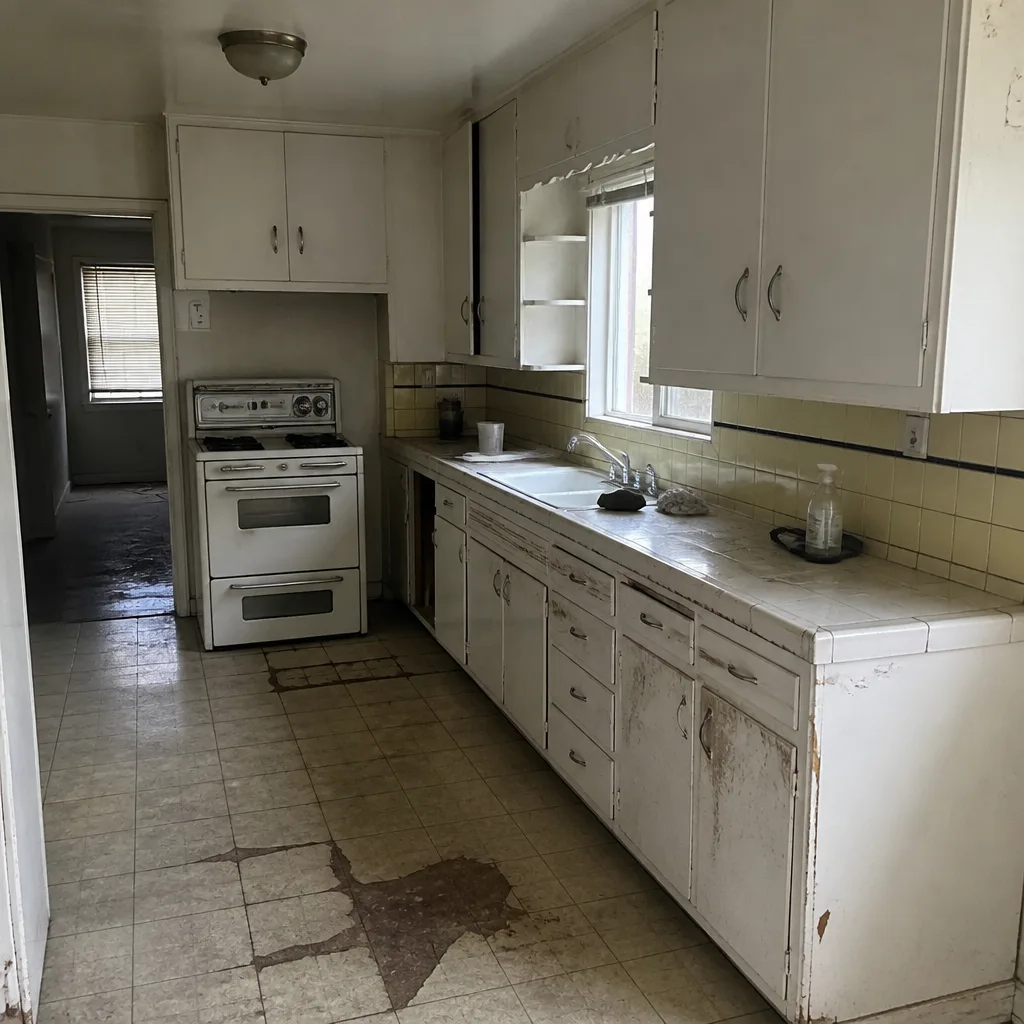 Before
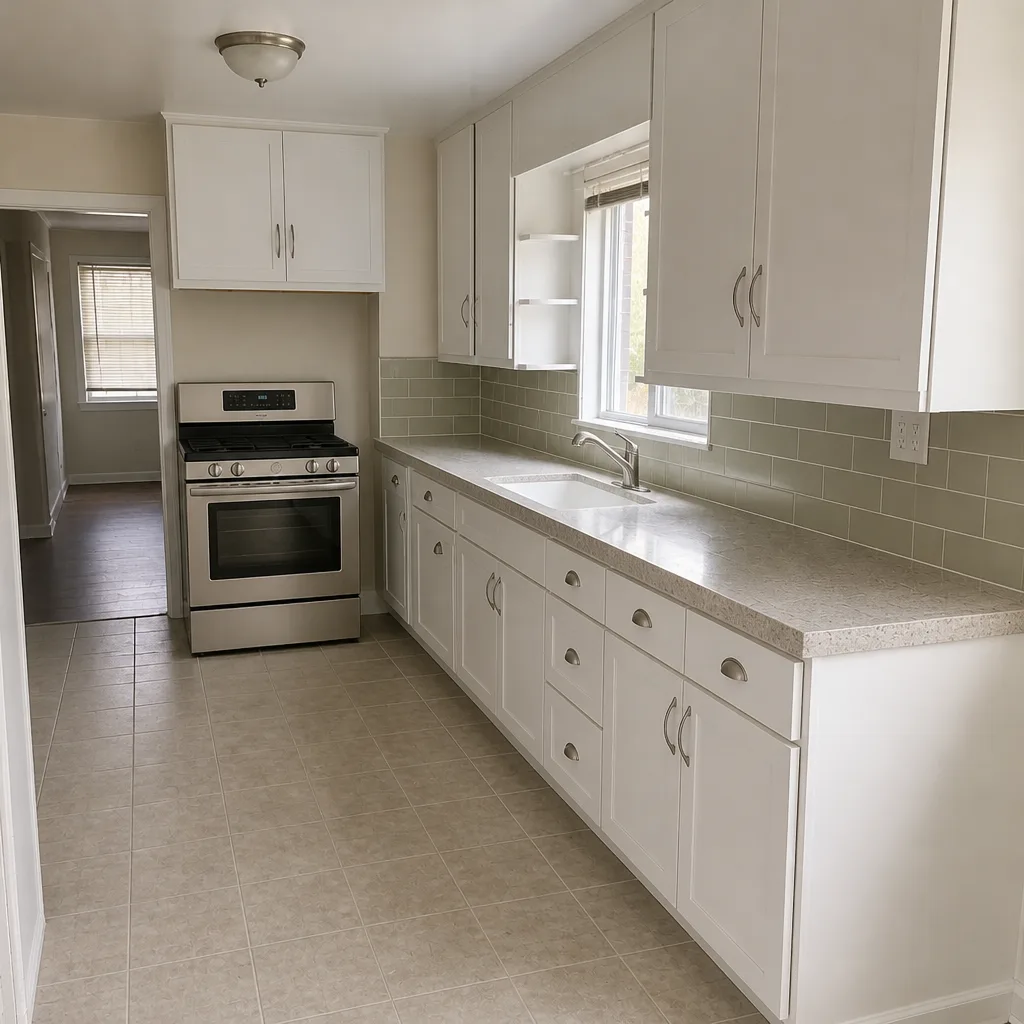 After
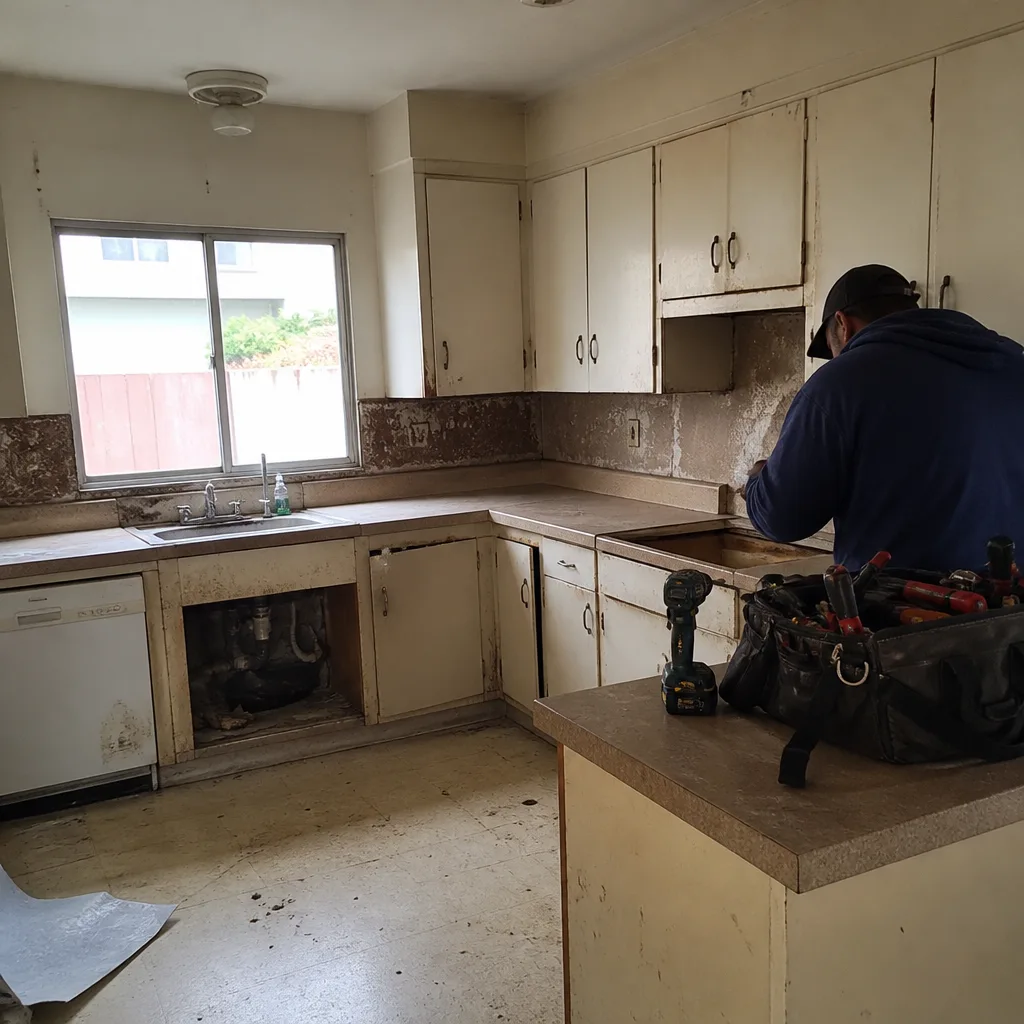 Before
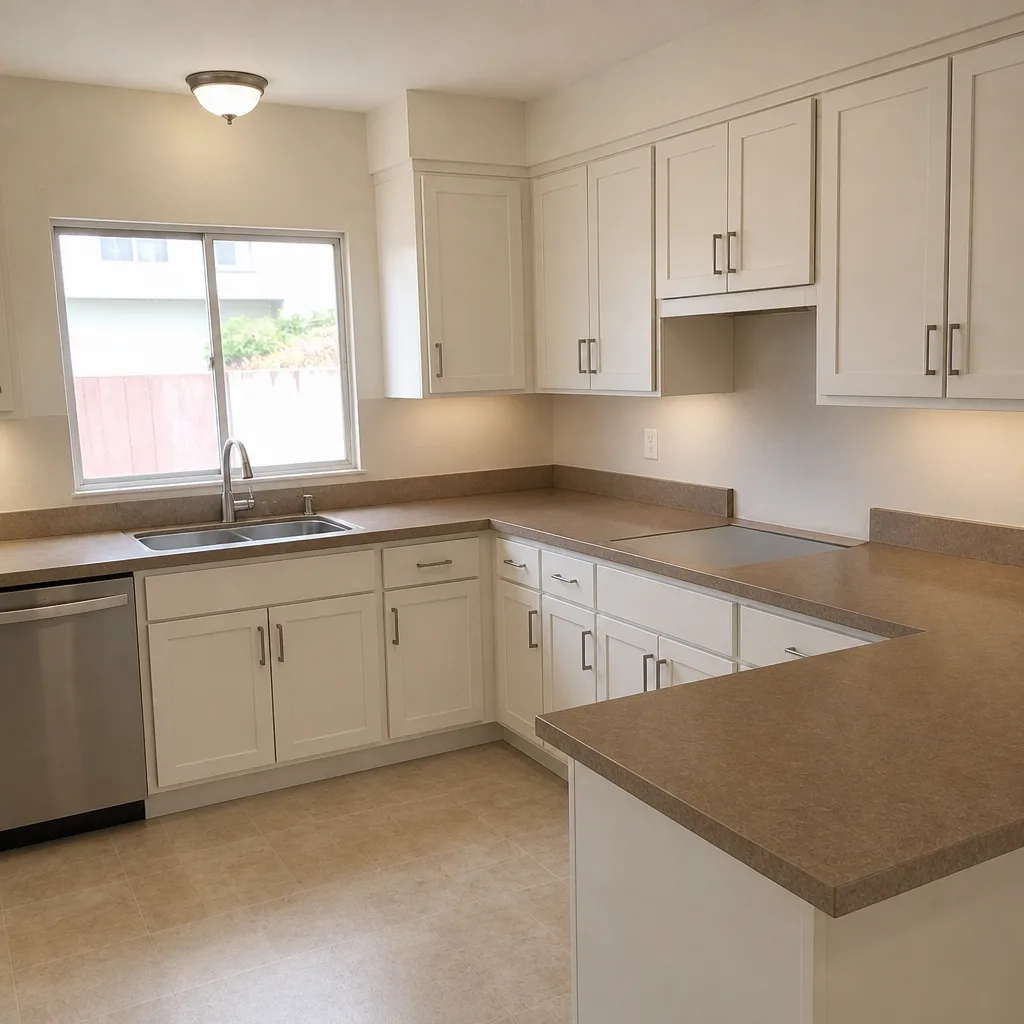 After
When to Call a Professional
Some maintenance tasks belong to a careful homeowner. Others need a trained professional, and pretending otherwise costs more than a service call. Call a pro if you see water staining that grows, tile pulling loose in a wet area, a roof leak, or a door that’s suddenly hard to close. Call if you’re unsure whether a defect is covered by your guarantee – an inspection before the window closes matters. Call for anything involving gas lines, the electrical panel, or roof-height work, no exceptions.
Penhallow Remodeling Long Beach offers free estimates in Long Beach – call (833) 510-6967. Our technicians have up to 22 years of experience, and every job comes with a written price before work starts and our 365-Day Done Right Promise behind it. When a repair fails inside the guarantee, we return and make it right at no charge.
Frequently Asked Questions

Check the work at 30, 60 and 90 days after completion, then inspect annually afterward. The early checks catch settling and sealant defects while your guarantee still covers them. The annual checks focus on moisture, corrosion and caulk failure, which matter more in Long Beach’s marine air than in drier climates.
Improper exhaust ducting, missed caulk maintenance and unreported leaks are the common culprits. In Long Beach, a bath fan that vents into the attic is a frequent and invisible cause. Confirm the fan drafts outdoors, check your flashing annually, and report any leak in writing before your guarantee expires. Call (833) 510-6967 for an inspection.
Inspections vary by scope, but most homeowners can get a free estimate on a walk-through of the work. Our estimate is free and the price we quote is written before any work starts. For homeowners within a guarantee window, the visit to document a defect costs nothing.
Caulk and sealant joints, at 3 to 7 years. They’re also the cheapest to maintain and the most damaging when ignored. A $40 tube of sealant replaced on time can spare you a four-figure re-tile. That single habit protects your waterproofing, your siding and your cabinetry.
Report it in writing, with photos and a date, before the guarantee expires. A defect reported at month 10 of a 12-month guarantee is a covered claim; the same defect at month 14 is a paid repair. Our promise is that we return and fix a failed repair at no charge.
You can safely swap HVAC filters, re-caulk a tub joint and replace light bulbs. You should not touch gas lines, the electrical panel or roof-height work, and steep-roof or electrical tasks always go to a trained professional. Call us for anything you’re unsure about.
The Bottom Line
The work that protects your remodel isn’t glamorous: date your checks, log your repairs, inspect your joints, and keep the paperwork. Do the 30-60-90 day checks while your guarantee is live. Do the annual walk for corrosion and moisture, because Long Beach’s marine air is patient and thorough. Know which components wear out first, and treat sealant as the cheapest insurance you’ve got. Keep your permit, warranty and maintenance records together. Then, when something does need a professional eye, call (833) 510-6967 for a free estimate. The written price and the 365-Day Done Right Promise stay with every job we do.
Written by the team at Penhallow Remodeling Long Beach.