
Last updated November 17, 2026








Free written scope consultation - allowances, timeline, and change-order rules on paper before a single trade is scheduled
General Contractor Troubleshooting: Common Problems and How to Fix Them
The number-one complaint filed with the California Contractors State License Board isn’t shoddy work. It’s abandonment, and in our experience it almost always trails a verbal change order that neither party wrote down. That’s the pattern worth understanding before you hire anyone. This guide maps the most common remodeling failure points back to the contract language that either prevents them or causes them, from the first handshake to the day after the last walkthrough. If you’re building or renovating in Long Beach, these are the problems you’re most likely to face, and the paper trail that gets them fixed.
Quick Answer
Most general contractor problems are documentation problems. A written contract with a defined scope, a written price, and a written guarantee gives you leverage when a delay, a cost increase, or a workmanship issue appears. Without those documents, your remedy shrinks to a phone call the contractor may never return. Fix the paperwork first, and most disputes never start.
Styles & brands we work with
- Kitchen remodeling
- Bathroom remodeling
- Home additions & ADU
- Roofing
- Windows & doors
- Driveway & pavers
- Fence
Table of Contents
- Is This Delay a Real Supply Problem or a Scheduling Shell Game?
- What “Substantial Completion” Means and When Your Final Payment Is Actually Due
- How to Handle a Mid-Project Cost Increase
- The Paper Trail You Need Before Filing a CSLB Complaint
- Why a 365-Day Written Guarantee Changes Your Leverage
- Long Beach-Specific Problems: Coastal Air, Older Housing Stock, and Permits
- A Step-by-Step Process for Resolving a Dispute
- Frequently Asked Questions
Is This Delay a Real Supply Problem or a Scheduling Shell Game?
Material delays are real. Cabinet lines, stone fabricators, and window manufacturers run backlogs that can stretch weeks past an original promise. But a genuine supply problem produces a document, and a scheduling shell game produces an excuse. The difference is whether your contractor can show you the order confirmation, the vendor’s revised ship date, and the specific product affected. If the answer is “supply chain,” ask which product and which vendor. A real answer names both.
Here’s how to separate the two:
- Real delay: the contractor names the item, the manufacturer, and the new expected date, and offers to resequence other work so the crew stays productive.
- Scheduling shell game: the crew is on another job, your project is being used to fill gaps, and the timeline shifts every time you call.
- Real delay: you get a written schedule update without asking.
- Scheduling shell game: updates only arrive after you chase someone down.
In Long Beach, we see legitimate delays most often around custom cabinetry and stone, because both go through fabricators that serve the whole region. The fix is contractual. Your agreement should include a defined arrival window and a written process for schedule changes, signed by both parties. If your contractor can’t tell you which vendor is holding up which product, treat it as a scheduling problem and say so in writing.
What “Substantial Completion” Means and When Your Final Payment Is Actually Due
Substantial completion is the legal point at which the project is usable for its intended purpose, even if a punch list of small items remains. It matters because it usually triggers your final payment and starts the warranty clock. Vague contracts let a contractor claim completion while half the punch list is open, or claim you still owe the final draw after the work is functionally done. Either way, the ambiguity is expensive.
Protect yourself with clear language:
- Define the standard in the contract. “Substantial completion means all work is complete except minor punch-list items that don’t prevent use of the space.”
- Attach a punch list. Walk the job with the contractor, list every unfinished item, and both parties sign it with dates.
- Tie the final payment to the signed punch list. The last draw releases when the listed items are closed, not when the crew leaves.
- Hold a defined retainage. A percentage held back until the final walkthrough is standard and gives you real leverage.
We’ve watched homeowners in older Long Beach neighborhoods like Belmont Heights and Rose Park hand over the final check on a handshake, then wait weeks for a cabinet door or a trim piece. The contract is what shortens that wait. If you’re still selecting a contractor, look for one who puts the price in writing before the first nail, the way our general contractor in Long Beach team does on every project.
How to Handle a Mid-Project Cost Increase
A cost increase is legitimate only when it comes from a documented change: hidden damage behind a wall, a code requirement that surfaced during inspection, or a material substitution you requested. It is not legitimate when it comes from “the job was harder than we thought.” That phrase is a signal the original bid was too low, and you’re being asked to cover the gap.
When a new number arrives mid-project:
- Ask for it in writing. A change order should state the scope of the change, the cost, and the schedule impact. No signed change order, no obligation to pay.
- Know your right to refuse. You can decline a change you didn’t authorize and ask for the work to proceed as originally scoped. A contractor can’t unilaterally raise a fixed price.
- Get a second opinion on structural surprises. If hidden rot or a failed substrate is the cause, a brief independent inspection is worth the cost.
- Check the original contract for change-order procedures. It should say how changes are priced and approved. If it’s silent, that’s a gap you’ll want to close before work continues.
Our rule is simple, and it’s central to The Kingswell Way: say the price before the work, and hold the number. A written price before any work starts means the number on day one is the number on the invoice, and any change gets documented and approved before a single dollar is spent.
The Paper Trail You Need Before Filing a CSLB Complaint
The Contractors State License Board can act on a complaint, but only if you can show what was promised and what was delivered. Vague phone records won’t do it. The complaint succeeds or fails on documents, so assemble them early, ideally from day one.
Gather these before you file:
- The signed contract with scope, written price, payment schedule, and start and completion dates.
- Every change order, signed and dated, with the cost and schedule impact for each.
- All invoices and proof of payment showing amounts paid and dates.
- Photos of the work in progress and of any defect, with dates.
- Your written communications, including texts and emails, showing what you asked for and what the contractor agreed to.
- The contractor’s license number and business name, verified on the CSLB website before you hired.
- A written summary of what went wrong and what you asked them to fix, sent by email so you have a dated record.
If a contractor walks off the job and won’t respond, a licensed professional can help you assess what’s salvageable before you file. When we take over a stalled project around Long Beach, the first thing we do is document what exists so the homeowner has a clean record to work from. Filing a complaint and finishing the job aren’t mutually exclusive.
Why a 365-Day Written Guarantee Changes Your Leverage
A verbal promise to “come back if anything’s wrong” is worthless the moment the crew pulls away. A written guarantee, with a defined period and a defined remedy, flips the leverage. It means the contractor has a contractual obligation after completion, and you have a document to point to when something fails, not a phone number that goes unanswered.
What a good guarantee commits to:
- A defined period. One year from substantial completion is common and enforceable in writing.
- A defined remedy. Not “we’ll look at it” but “we’ll repair or replace at no charge.”
- Who performs the fix. The same company, at no cost, without a service call fee or a re-inspection charge.
- The standard it holds to. The work is done right, or it gets made right.
This is the core of our 365-Day Done Right Promise: if the work fails inside the guarantee period, we come back and fix it at no charge, and it’s written into every project. A kitchen done with Cambria quartz and KraftMaid cabinetry carries the manufacturer’s own warranties on top of ours, which gives you layers of protection rather than a single handshake. You’ll find the same commitment across our kitchen remodeling in Long Beach work and our bathroom remodeling in Long Beach projects. A one-year guarantee isn’t a marketing line; it’s the document that keeps the contractor accountable long after the job is done.
Long Beach-Specific Problems: Coastal Air, Older Housing Stock, and Permits
Long Beach homes face conditions that inland projects don’t, and knowing them helps you spot problems before they become disputes. The marine layer keeps the air moist, which is hard on exterior paint, window seals, and siding. Homes near the water, from Naples to the Peninsula, often need a more durable exterior system, which is why we lean on James Hardie siding and a Boral trim where the salt air works otherwise. Moisture also finds its way behind older tile and into bathrooms that never had a proper waterproof membrane.
Housing stock matters too. Places like Rose Park and Bluff Park include homes built in the 1920s and 1930s, with wiring, plumbing, and framing that don’t meet current code. Surprises behind the walls are common, and they’re the classic source of mid-project cost increases. Pulling permits and passing inspection on those jobs often means catching problems early, before they compound. A contractor who’s worked these neighborhoods knows where the surprises hide.
Long Beach also sits in a region where foundation and seismic questions come up on older remodels. That’s worth understanding before demo, not after. You can read more about how we approach that in our Penhallow Remodeling Long Beach home page. The short version: get a written scope that anticipates what older homes actually contain.
A Step-by-Step Process for Resolving a Dispute
When a problem surfaces, a calm sequence works better than a confrontation. Here’s the order that gives you the best record and the best outcome.
- Write it down first. Put the issue in an email with dates, photos, and the contract language it relates to. Send it to the contractor in writing.
- Request a written response. Give a defined deadline, such as 10 business days, for a plan to fix it.
- Walk the job together. Meet in person with the contract and your photos. Agree on what’s wrong and what the fix is.
- Get the fix in a signed document. Scope, timeline, and cost (or zero cost) in writing, signed by both parties.
- Hold payment to the documented milestone. Don’t release the next draw until the fix is complete and inspected.
- Escalate if needed. If the contractor won’t respond, file with the CSLB, and consider a demand letter. A written record makes both more effective.
- Bring in a fresh set of eyes. If you need the project finished, a written estimate from a second contractor helps you plan and gives you a clear path forward.
The key is that each step creates a dated document. Disputes die in the face of a clear paper trail and thrive in a confusing one. Our technicians bring up to 22 years of experience to this kind of work, and background-checked, uniformed technicians on every job means you know who’s in your house.
Common Mistakes to Avoid
- Hiring on a verbal estimate. A ballpark over the phone is not a price. Insist on a written number before a single cabinet is pulled, or you’ll be negotiating after demo day.
- Signing a contract without a written completion standard. Without a defined “substantial completion,” your final payment and warranty clock are open to interpretation.
- Approving a change order on the phone. A verbal change is the seed of the most common CSLB complaint. Get every change in writing with cost and schedule impact.
- Paying the final draw before the punch list is closed. A signed punch list with dates is your leverage. Hold the last payment to it.
- Ignoring coastal moisture. Skipping a proper waterproof membrane in a Long Beach bathroom is the reason tile cracks and grout fails months later.
- Assuming “supply chain” explains every delay. Ask which product and which vendor. If the contractor can’t name them, it’s a scheduling problem.
- Choosing the lowest bid without a written guarantee. The cheapest bid often becomes the most expensive project once the change orders arrive. A one-year written guarantee protects you far more than a low starting number.
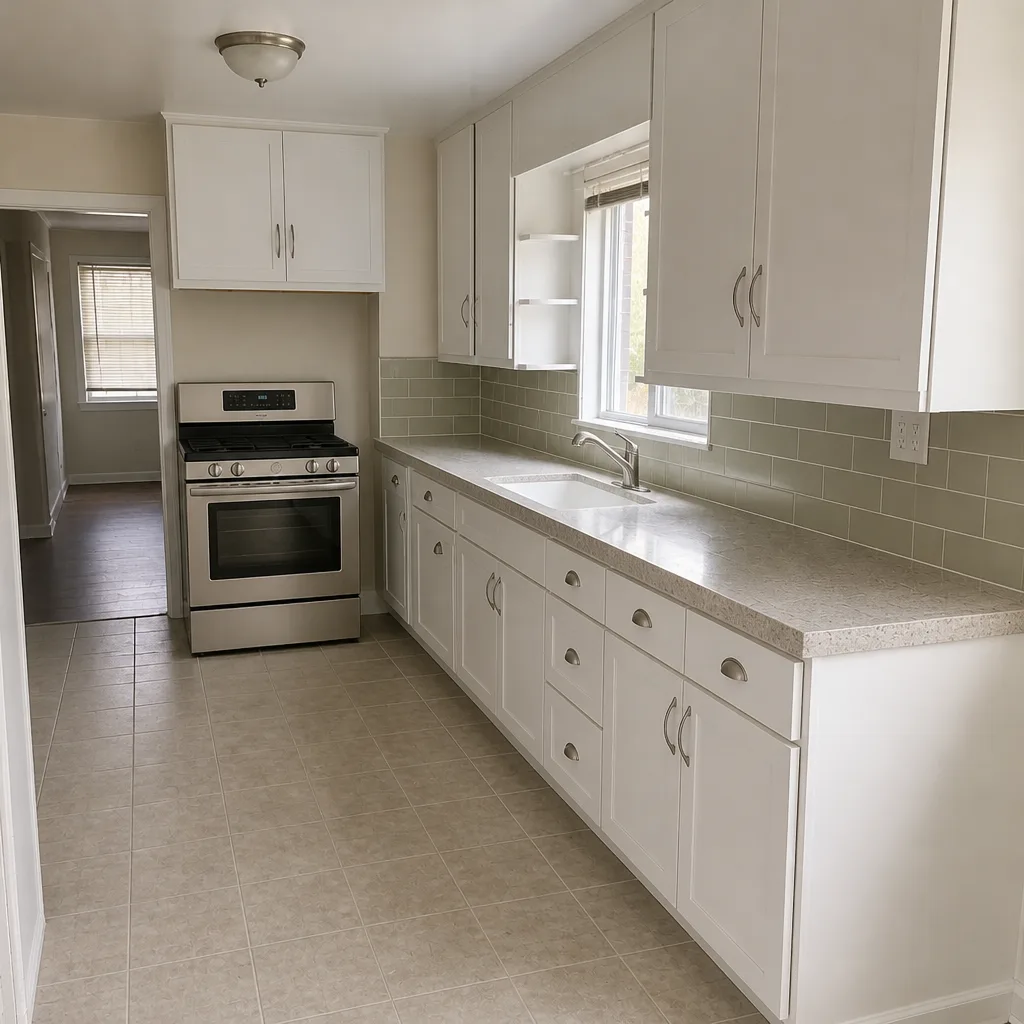
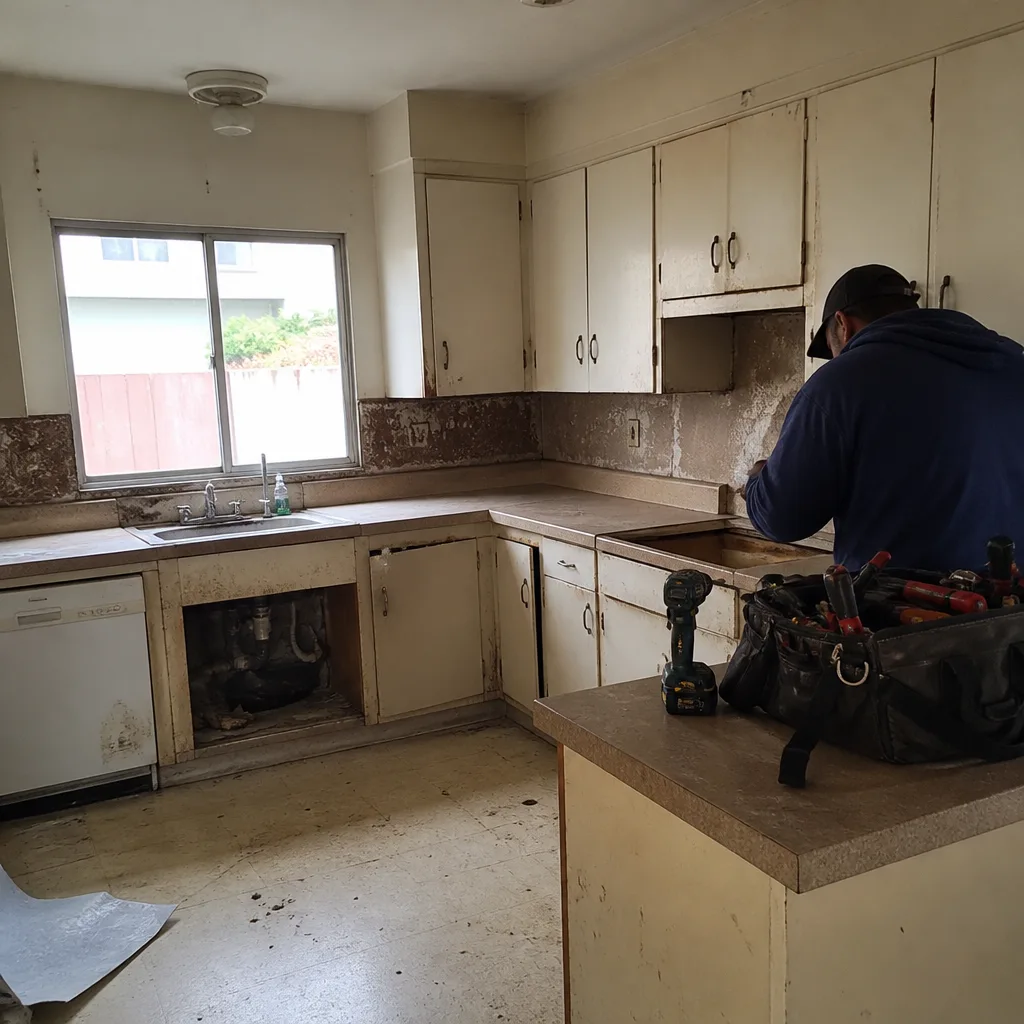
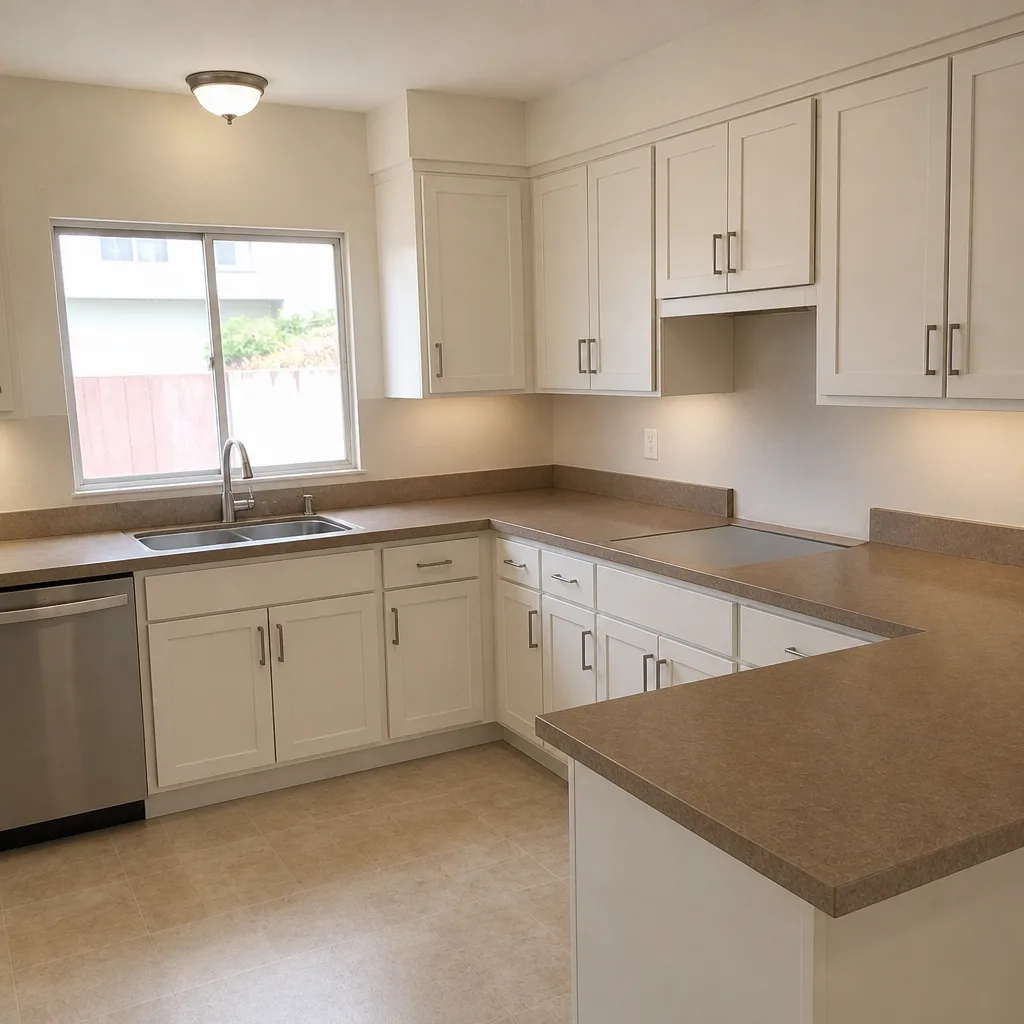
See the difference
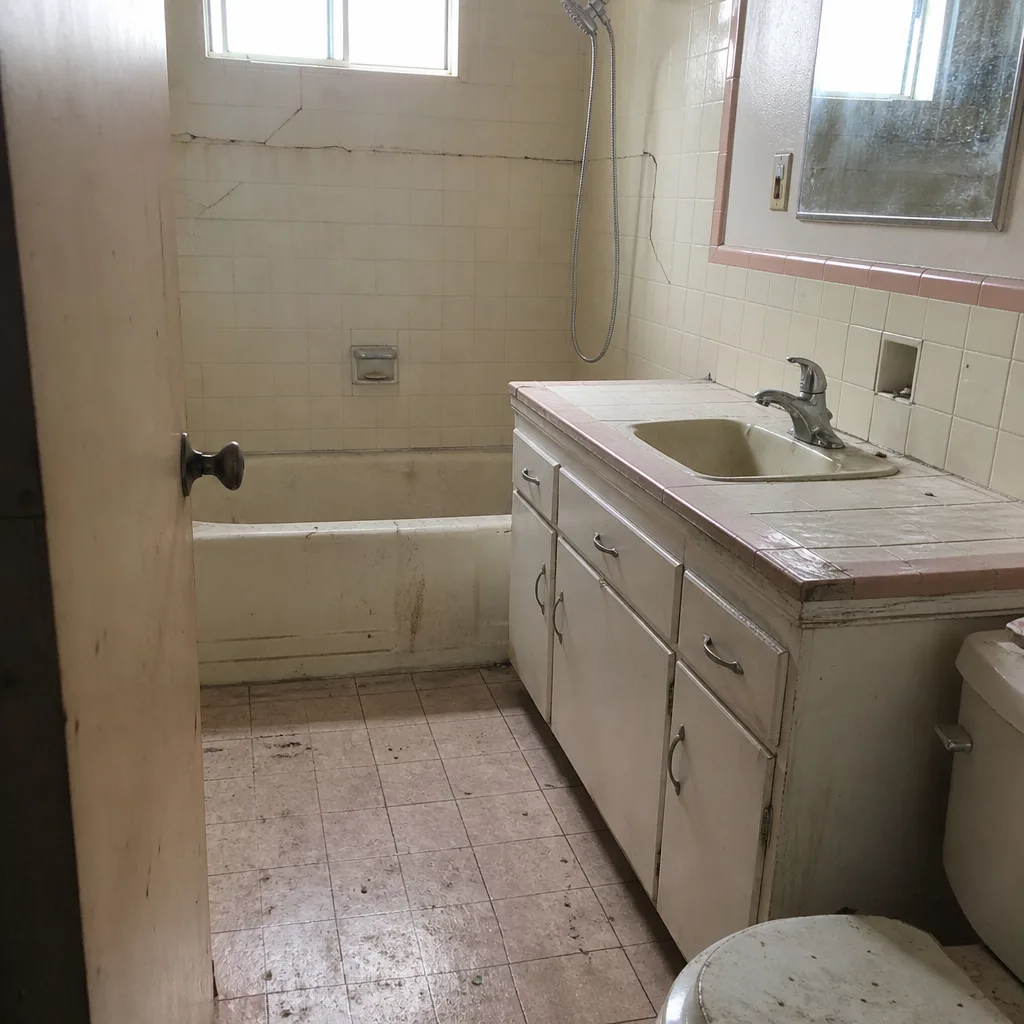 Before
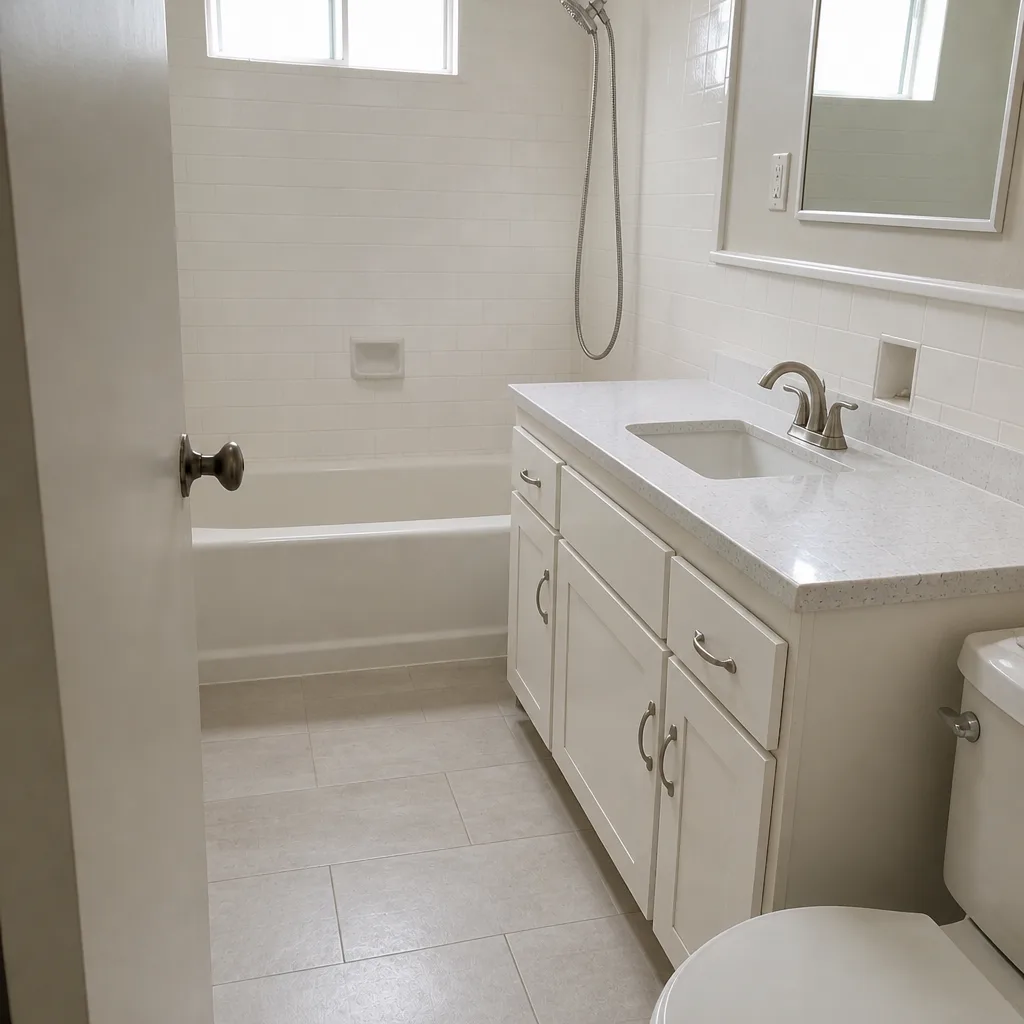 After
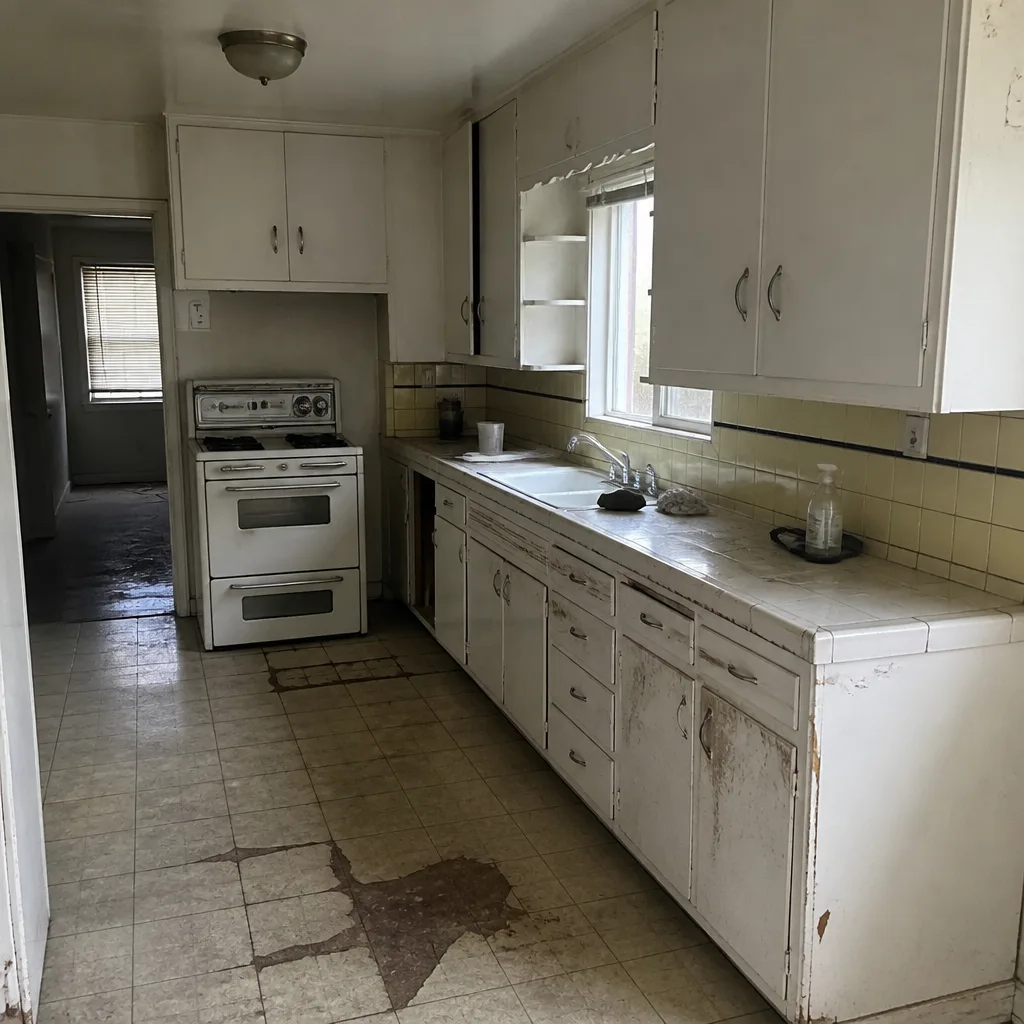 Before
 After
 Before
 After
When to Call a Professional

Some problems are too big or too far along to fix yourself. Call a professional if a contractor has abandoned the job, if a mid-project cost increase wasn’t documented in a signed change order, if water damage or hidden structural rot is behind a wall, or if you’re facing a permit or inspection issue that needs someone who knows Long Beach code. The same applies if a repair failed and the original contractor won’t return. Penhallow Remodeling Long Beach offers free estimates in Long Beach. Call (833) 510-6967 to schedule a free estimate. A live person answers, day or night.
Frequently Asked Questions
Document everything first: the contract, every change order, all payments, photos, and written communications, then send a dated written demand for a plan to finish. If there’s no response, file a complaint with the Contractors State License Board. Keep the record tight, because the CSLB acts on documents, not narratives.
It depends on how far the project got and what’s behind the walls. A stalled bathroom tile job with failed waterproofing might run a few thousand dollars to reset; a kitchen with cabinetry pulled and rough-in exposed is a larger number. A contractor will give you a written estimate before any work starts, so you’re not guessing. Call (833) 510-6967 for an exact quote – estimates are free.
It shouldn’t. A written price is the number you can hold a contractor to. A price change is only legitimate when it comes from a documented change, such as hidden damage or a code requirement, approved in a signed change order before the work happens. If a contractor raises a fixed price mid-project without your written approval, you can refuse.
Permitting is part of the scope, and a contractor should pull the permits and pass inspection on every job that requires them. If a contractor asks you to pull a permit under your own name or skips it, that’s a warning sign. Ask who pulls the permit before you sign.
A defined arrival window and a written schedule belong in your contract. In Long Beach, custom cabinetry and stone fabrication are the most common sources of real delay, so the schedule should account for those lead times. If a contractor can’t name which vendor is affecting the timeline, treat the delay as a scheduling problem, not a supply one.
A 365-day written guarantee covers the workmanship for one year from completion, with a defined remedy: if the work fails, the contractor comes back and fixes it at no charge. It’s stronger than a verbal promise because you have a document to point to. Call (833) 510-6967 for an exact quote – estimates are free.
The Bottom Line
Most general contractor problems start with an unwritten misunderstanding, not bad workmanship. The remedies are the same ones that prevent the problem in the first place: a written price before any work starts, a defined completion standard, signed change orders, a punch list tied to your final payment, and a written guarantee that keeps the contractor accountable for a full year. If you get those documents right, most disputes never start. If you’re still choosing a contractor in Long Beach, ask for the written number and the written guarantee up front. That paperwork is the whole game.
Call (833) 510-6967 to schedule your free estimate with Penhallow Remodeling Long Beach.
Written by the team at Penhallow Remodeling Long Beach.