
Last updated November 17, 2026








Free written scope consultation - allowances, timeline, and change-order rules on paper before a single trade is scheduled
Home Remodeling Troubleshooting: Common Problems and How to Fix Them
A crack in new drywall is usually normal settling. A crack that follows a seam and reappears after patching is a framing problem. Same symptom, completely different remedy, and only one of them is your contractor’s responsibility to fix for free. That gap between “something looks wrong” and “someone owes you a repair” is where most homeowners get stuck, and it’s where honest money gets lost. In Long Beach, where older bungalows meet new construction and the marine air works on both, we’ve watched that gap swallow a lot of goodwill. This guide teaches you to tell a defect from a maintenance issue from a code violation, so you know exactly who’s on the hook.
Quick Answer
Most post-remodel problems fall into three buckets: workmanship defects your contractor must fix under warranty, maintenance issues you own, and code or safety violations that need an independent inspection. Drywall cracks along a seam, doors that rub within a season, and grout that fails in a wet area are usually workmanship. Caulk that’s dried out, settled soil around a foundation, and a tripped GFCI are usually maintenance. Gas smells, exposed wiring, and structural movement are safety issues that jump to the front of the line. The trick is diagnosing which bucket you’re in before you pick up the phone.
Styles & brands we work with
- Kitchen remodeling
- Bathroom remodeling
- Home additions & ADU
- Roofing
- Windows & doors
- Driveway & pavers
- Fence
Table of Contents
- The Symptom-to-Cause Diagnostic
- Drywall Cracks: Settling vs. Framing
- Doors That Rub and Windows That Stick
- Grout Failure and Water Stains
- Circuit Trips and Electrical Oddities
- Warranty vs. Maintenance: Who Pays
- How to Document a Problem Correctly
- When to Call the Contractor vs. an Inspector
The Symptom-to-Cause Diagnostic
Before you call anyone, walk the house and write down what you actually see. Not “the bathroom looks bad” but “a hairline crack runs from the shower valve trim down to the tub deck, about eight inches.” Specificity is the difference between a contractor who can help and a contractor who shrugs. Here’s how we sort the three buckets:
- Workmanship defect: The problem traces to how something was installed, set, or finished. It shows up within the warranty window, it’s in the same place each time you look, and it doesn’t get worse on its own without a trigger. Examples: tile lippage, a door that rubs because the jamb was set out of plumb, grout that cracks along the same line twice.
- Maintenance issue: The problem traces to normal wear, weather, or a homeowner decision that wasn’t part of the build. Dried caulk in a shower corner, weeds pushing up a patio edge, a furnace filter that hasn’t been changed since the job closed, a nail pop from a picture hook. These are real problems but they aren’t the contractor’s.
- Code or safety violation: Something that could hurt someone or fail an inspection. Missing GFCI protection in a wet area, a range hood vented into an attic, handrails at the wrong height, an outlet within reach of a tub. These don’t wait for a warranty conversation.
In Long Beach, the marine layer and the occasional Santa Ana wind event work on a house in opposite directions. That push-and-pull exaggerates normal settling, which is why a lot of “new” cracks in Belmont Shore bungalows turn out to be seasonal movement, not a framing defect. The diagnostic matters more here than in a dry inland climate.
Drywall Cracks: Settling vs. Framing
Not every crack is a problem. Hairline cracks at the corner of a doorway or along a ceiling seam in the first year after a remodel are usually the house finding its new normal. Framing lumber dries and shrinks, drywall moves with it, and the tape joint takes the hit. That’s normal, and it’s not a workmanship defect.
A crack that deserves a call looks different:
- It follows a straight seam and reappears after patching within a month or two. That’s a joint that wasn’t taped or bedded correctly, or a framing member that’s moving.
- It’s wider than a credit card edge (roughly 1/8 inch). That’s more than cosmetic.
- It runs diagonally from the corner of a door or window opening. Diagonal cracks at openings often signal header or framing movement, not settling.
- It appears alongside a door that suddenly won’t close. Two symptoms together point to a structural cause.
The DIY test: press a fingertip against the crack and watch it over a week. If it opens and closes with the weather, it’s movement you can usually live with. If it creeps wider, stop patching and call. In Long Beach, we’ve seen a handful of older homes near the bluff in Bluff Park where what looked like settling was actually foundation movement tied to drainage, and that’s a different conversation entirely. If you’re not sure which you’re looking at, a general contractor in Long Beach can usually tell you in a ten-minute walkthrough.
Doors That Rub and Windows That Stick
Doors that rub six months after install are one of the most common post-remodel complaints, and they’re almost always an installation issue, not a door issue. Wood moves with humidity. In a Long Beach bathroom with a shower running daily, an interior door can swell enough to drag on the jamb within a season. That’s not the door’s fault, and it’s not the homeowner’s.
The sequence to sort it out:
- Check the reveal. Look at the gap between the door and the jamb on the hinge side. If it’s wider at the top than the bottom (or vice versa), the jamb wasn’t set plumb. That’s a workmanship issue.
- Check the strike plate. If the latch catches but the door won’t close without a push, the strike plate is misaligned or the door has swelled. A homeowner can file the strike slightly; a jamb out of plumb is a contractor fix.
- Check the humidity. Run a bathroom fan for 20 minutes after every shower and see if the door frees up over a week. If it does, the problem is ventilation, and that might point back to the exhaust fan the contractor installed.
- Watch for seasonal patterns. A door that sticks only in the late summer is usually humidity. A door that sticks year-round is a real fit issue.
Same logic applies to windows. A window that won’t latch after a remodel is a fit issue; one that’s hard to slide is often a hardware or track problem. Don’t force either. Call the contractor before you pry, because forcing a window can void the manufacturer’s warranty on the unit itself.
Grout Failure and Water Stains
Grout cracks are the most misdiagnosed post-remodel problem we see. Homeowners assume the tile job is bad. Sometimes it is. Often it’s the substrate underneath, or the lack of a proper waterproofing membrane, or just normal movement in a floor that’s supposed to move.
Here’s the distinction that matters:
- Cracked grout in a shower wall is usually a substrate or membrane problem. Cement board (the moisture-resistant layer behind your tile) needs to be installed correctly, seams taped, and a waterproofing membrane applied before tile goes down. If a shower is leaking at the grout line within a year, that’s the contractor’s job to investigate, not yours to re-caulk.
- Cracked grout on a floor is often deflection. Wood-framed floors flex, and if the framing wasn’t stiffened enough for the tile, grout cracks. A crack that follows a straight line across several tiles is usually deflection; a crack around a single tile is usually an installation problem.
- Cracked or missing caulk at a change of plane (where the wall meets the floor, or around a shower valve) is maintenance. Caulk has a service life of a few years. That’s yours to redo.
- Water stains below a tile floor or behind a shower wall are never maintenance. Stop using the fixture and call the contractor. A slow leak can destroy framing in a matter of months.
We install Schluter waterproofing systems in a lot of Long Beach bathrooms precisely because the marine air is unforgiving, and a membrane that’s done right buys you decades of headache-free showers. If you’re seeing stains after a recent remodel, a bathroom remodeling in Long Beach pro can trace the source before it spreads.
Circuit Trips and Electrical Oddities
A breaker that trips once and resets is usually a fluke. A breaker that trips every time you use the microwave is telling you something. In a newly remodeled kitchen, the most common culprits are circuit overloads (too many appliances on one leg), shared neutrals between circuits, and a GFCI that’s doing its job.
The homeowner-safe checks:
- Note what you were running. Write down every appliance that was on when the breaker tripped. If it’s always the coffee maker plus the toaster, that’s a circuit sizing issue, not a safety emergency, but it still needs to be fixed.
- Press the reset on any GFCI outlet in the affected area before you touch the breaker panel. Kitchen and bath outlets in Long Beach are required to be GFCI-protected, and a tripped GFCI looks like a dead circuit.
- Check the wattage. Space heaters, hair dryers, and microwaves draw a lot. If a circuit can’t handle two common appliances at once, the wire gauge or breaker size was undersized at install.
Do not open the panel yourself. If a breaker trips repeatedly after you’ve confirmed what’s running, stop using that circuit and call the contractor. This is a code and safety issue, not a maintenance one, and it’s a phone call today, not next week. In our experience, the panel work behind a Long Beach remodel should always be done and signed off by a licensed electrician, and if the original contractor can’t produce that documentation, that’s a red flag worth acting on.
Warranty vs. Maintenance: Who Pays
This is the distinction that saves homeowners the most money and the most frustration. Here’s the honest split:
- Contractor pays (workmanship): Installation errors, substrate problems, doors set out of plumb, grout that fails in a wet area within the warranty window, outlets wired wrong, a shower that leaks where it shouldn’t. A real warranty covers these, and the fix should be free.
- Homeowner pays (maintenance): Caulk in shower corners, nail pops from a picture hook, filter changes, seasonal door swelling in a home with too much humidity, weeds along a patio edge, damage from a toilet that overflowed because it was clogged.
- Manufacturer pays (product failure): A faucet cartridge that fails inside the manufacturer’s warranty (Moen and Delta both carry strong limited-lifetime coverage, and Kohler does too), a cabinet hinge that breaks, a Toto fill valve that quits. That’s a call to the manufacturer, and the contractor can usually help you make it.
- Carefully negotiated (gray zone): Problems that started as one thing and became another. A crack that started as settling and became a leak. Our take: the contractor should investigate for free, diagnose honestly, and fix the part that’s actually their fault. If the investigation shows the homeowner caused it, the homeowner should get a written explanation and a fair price for the repair.
What a 365-day written guarantee should cover, in plain terms: any failure of installation or materials supplied by the contractor, in the areas they touched, for a full year from substantial completion, at no charge to you. That means the contractor comes back, fixes it, and doesn’t charge you a service call or a re-inspection fee. If something fails after a repair, the same guarantee applies to the repair itself. It should be in writing before work starts, and it should be specific about what’s covered and what’s not. Vague guarantees are worth exactly what you paid for them.
How to Document a Problem Correctly
A paper trail changes the conversation. Contractors respond to written notices because they create a record; text messages and phone calls don’t have the same weight. Here’s how to build one that gets results:
- Photograph the problem in three views. A wide shot showing where it is in the room, a mid-shot showing the shape, and a close-up with something for scale (a ruler, a coin, a credit card edge). Date-stamp them if your phone will do it.
- Write a two-sentence description. What it is, when you first noticed, and whether it’s getting worse. Example: “Grout crack in the master shower running from the valve trim to the tub deck, first noticed March 3, has widened about 1/16 inch this week.”
- Send it in writing. Email is best. Include the original project address, the date of substantial completion, and a clear request: “I’m requesting an inspection and a written assessment of whether this is covered under the workmanship guarantee.”
- Give a reasonable deadline. Ten business days is fair and standard. That is not urgency; it’s just a request that a working contractor can meet.
- Keep everything. The original contract, the written price, the guarantee document, photos, texts, and emails all in one folder. If the conversation ever needs a third party, that folder is the whole story.
If a contractor won’t respond to a written notice within a reasonable window, that’s a different problem, and a professional organization won’t leave you hanging. One call to our team gets a real person on the phone, day or night, if you’re trying to reach someone about a project already in progress.
When to Call the Contractor vs. an Inspector
The rule of thumb: call the contractor first for anything that could be a workmanship or warranty issue. Call the city or an independent inspector for anything you suspect is a code or safety violation and the contractor isn’t responding, or isn’t the one who did the work.
Call the contractor when:
- A defect appears within the warranty window and it traces to installation.
- A product they supplied or installed fails and you want them to make the warranty claim with you.
- You need documentation for an insurance claim or a future sale.
- You want a written assessment of whether a problem is covered, even if the answer is no.
Call the city building department or a licensed independent inspector when:
- You smell gas, see exposed wiring, or find a fixture that could shock someone. Stop using it and call the utility first.
- A remodel was permitted and you suspect the final inspection was skipped or passed on paperwork rather than in the field.
- A contractor won’t respond to written notices and you need an independent read on whether the work meets code.
- You’re buying a home where a recent remodel’s permits don’t match the work you see.
Long Beach has active permitting for kitchen and bath work, and the city’s inspection record is public. If you’re not sure whether a job was permitted, that’s usually the fastest way to find out. And if you’re weighing a fix versus a fresh start on the room, our kitchen remodeling in Long Beach team can walk the space with you and tell you honestly which one makes more sense.
Common Mistakes to Avoid
- Patching before diagnosing. If you spackle a crack before you know why it’s there, you’ve destroyed the evidence and reset the clock on the contractor’s ability to investigate. Photograph first, patch second.
- Reporting problems by phone only. A verbal complaint is easy to forget and hard to prove. A written notice with photos, sent by email, is the one that gets answered.
- Waiting past the warranty window. Most workmanship guarantees run one year from completion. In Long Beach, seasonal movement means a problem that shows up in the fall might have been there since spring; don’t wait to report it.
- Letting a “small” leak run. Water stains don’t fix themselves and they don’t stay small. In our experience, the difference between a $400 repair and a $4,000 repair is usually a month of hesitation.
- Calling the manufacturer first instead of the contractor. On a product that was installed by your contractor, they’re usually the faster path to a warranty claim, and they can confirm installation wasn’t the cause.
- Assuming a code issue is a warranty issue. A code violation might exist regardless of when it was built, and it might not be covered by the workmanship guarantee. That’s an inspection conversation, not just a warranty conversation.
- Accepting a verbal “we’ll take care of it.” Get the fix in writing, with a date and a description. Good contractors will put it in writing without being asked, because it protects both of you.
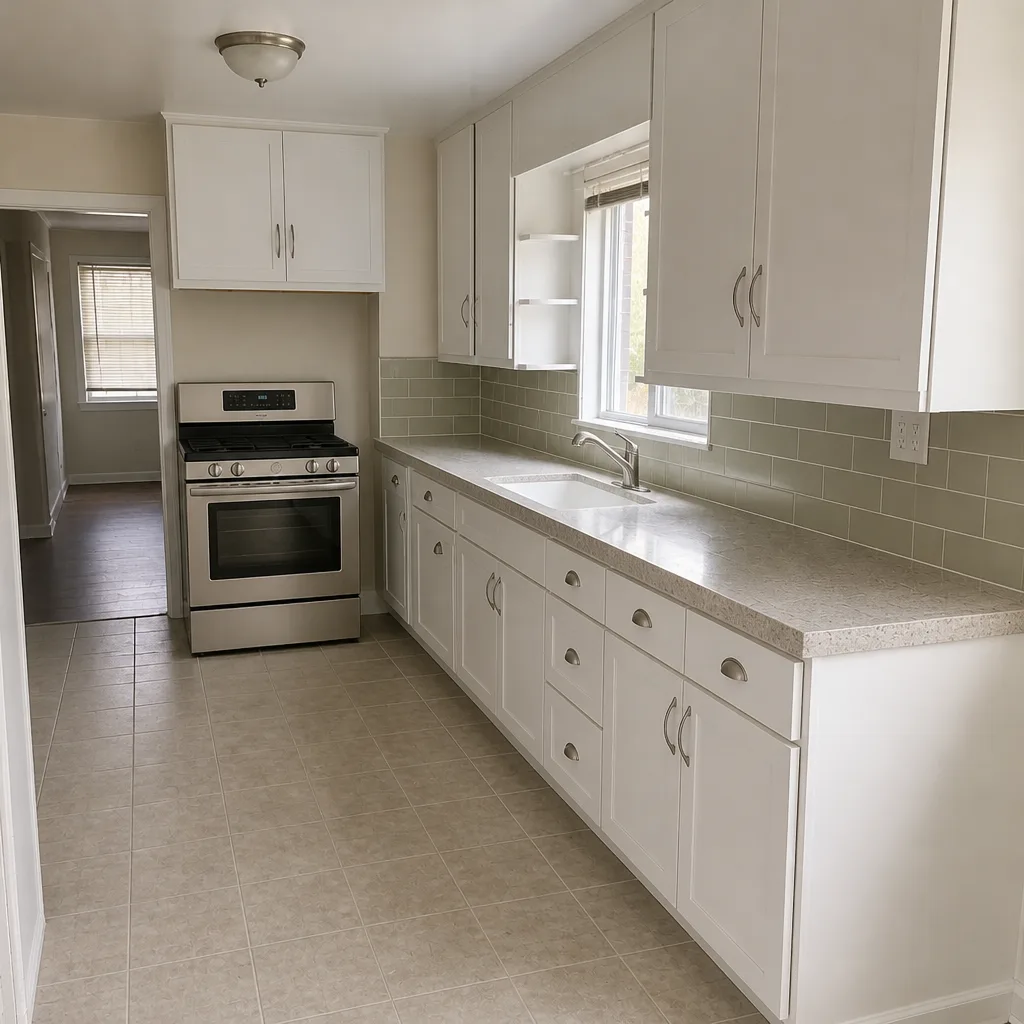
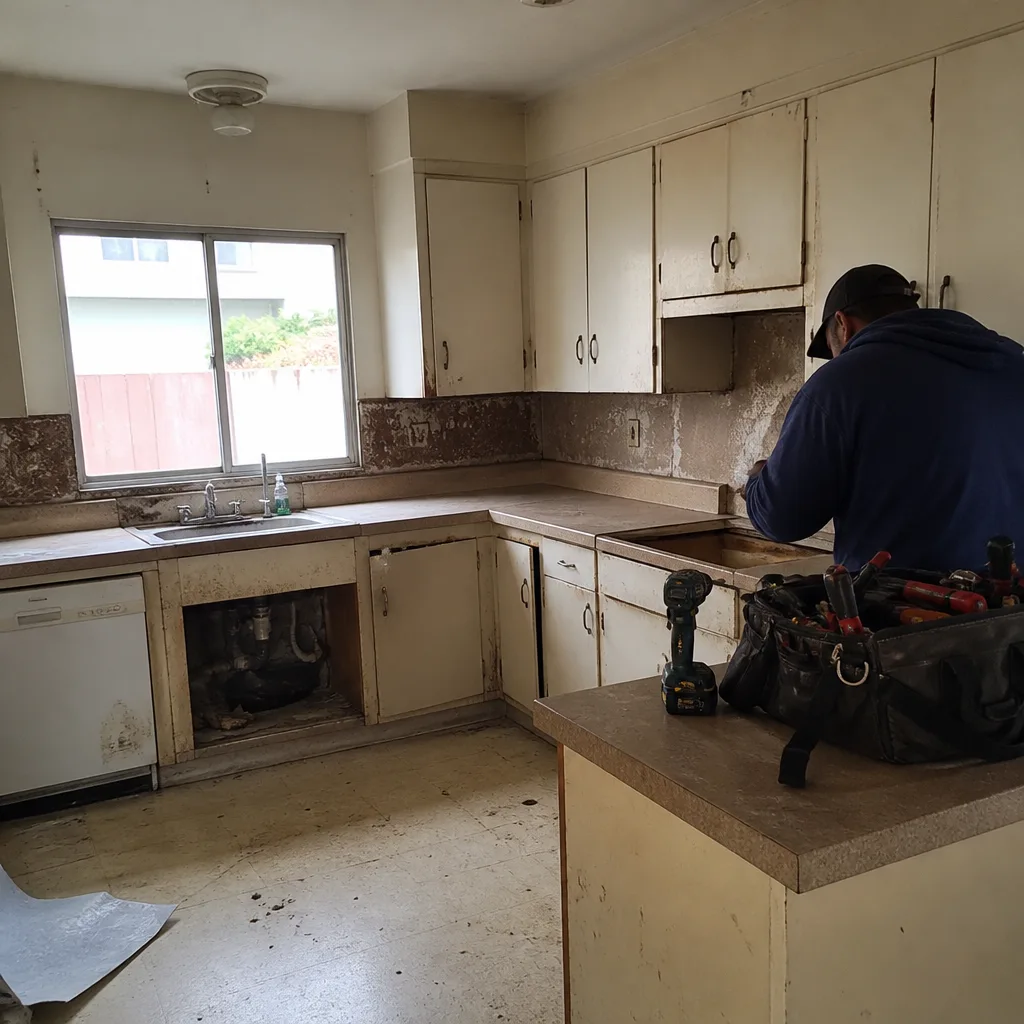
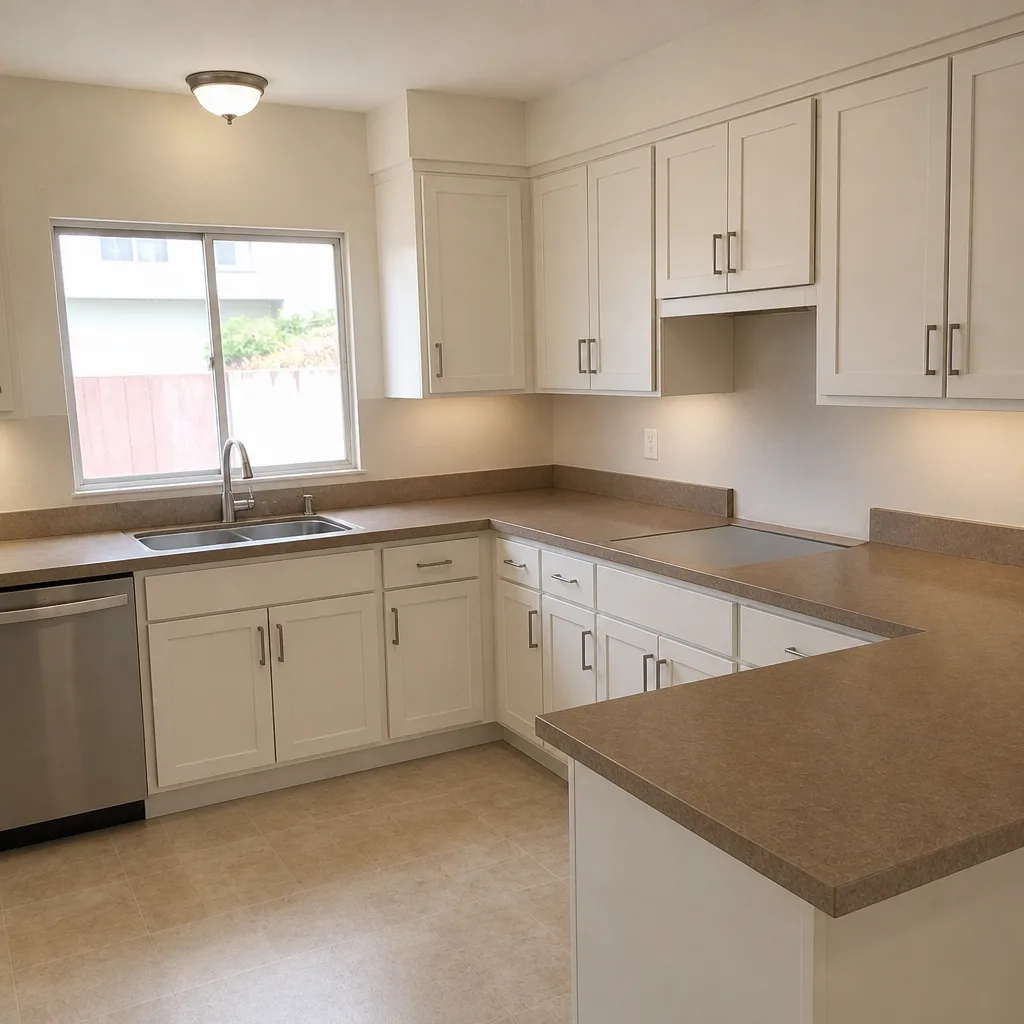
See the difference
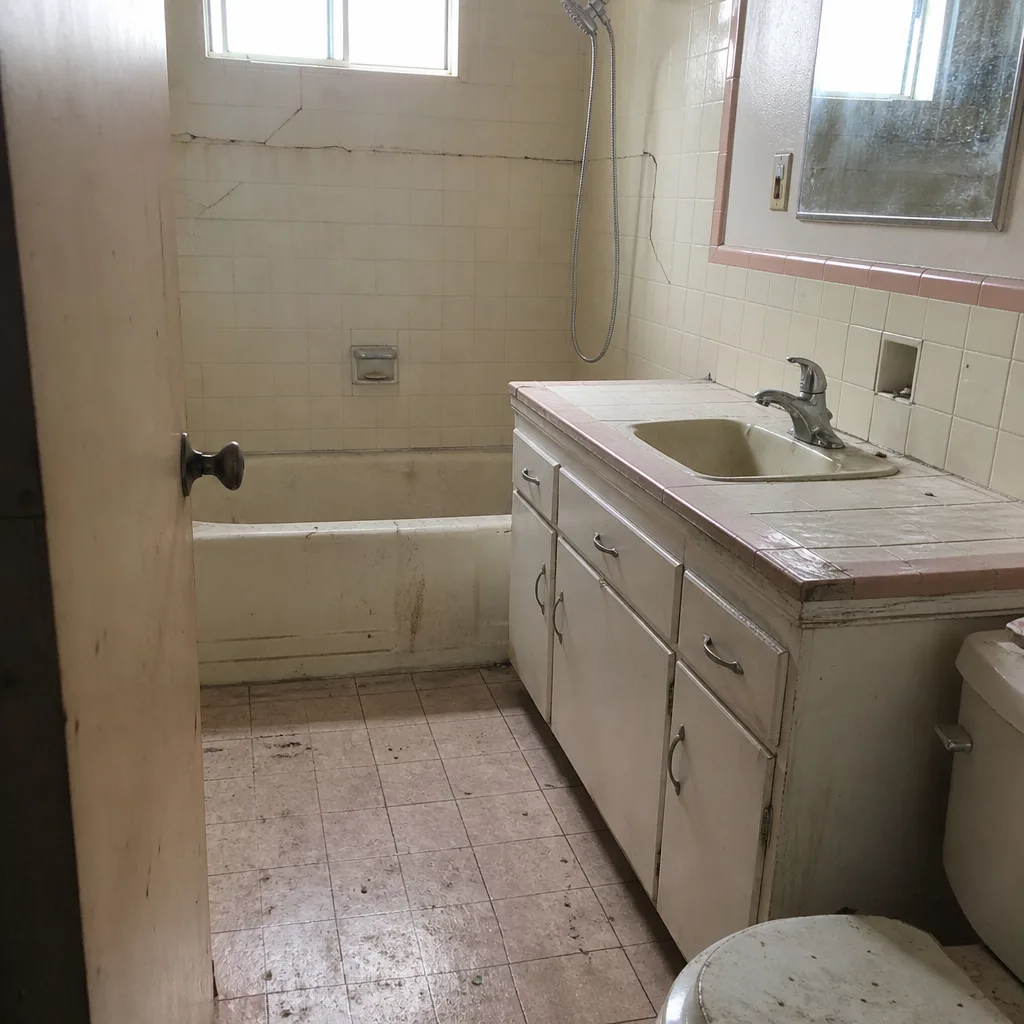 Before
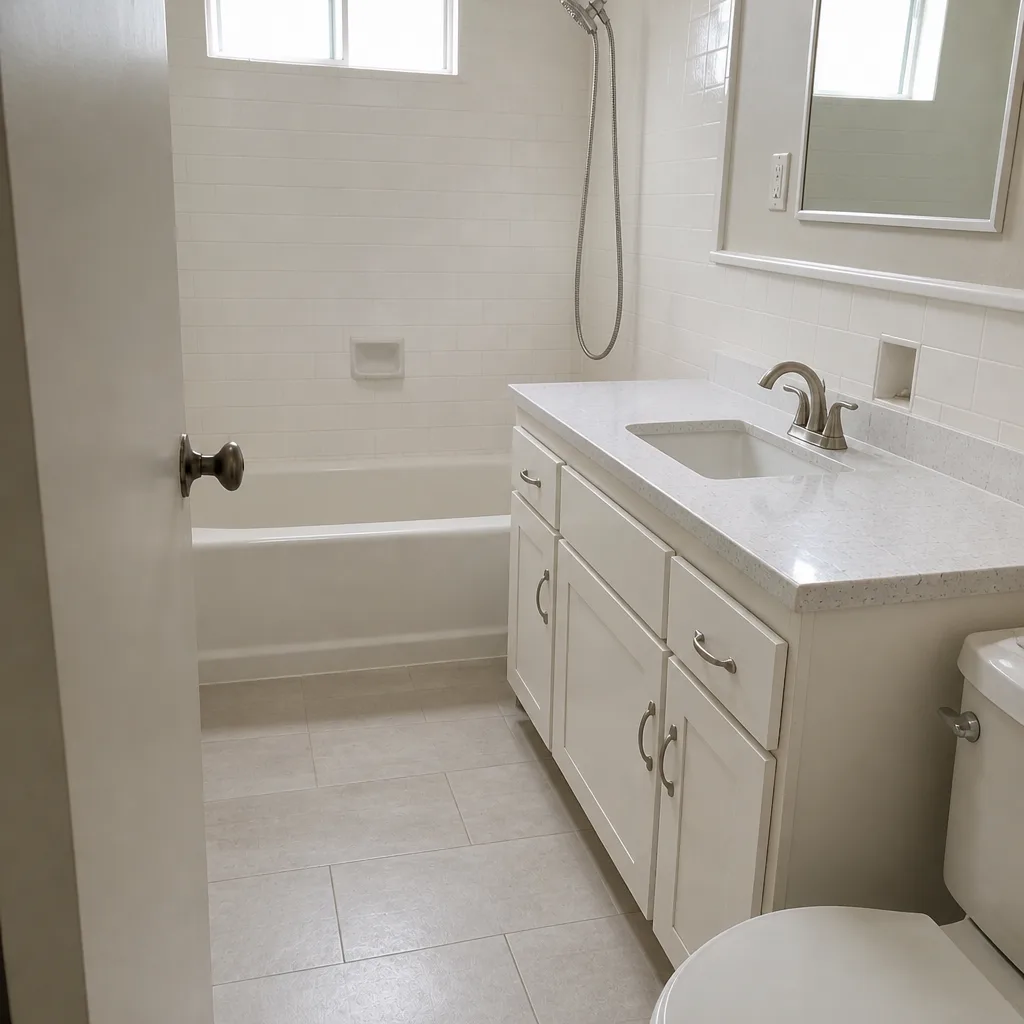 After
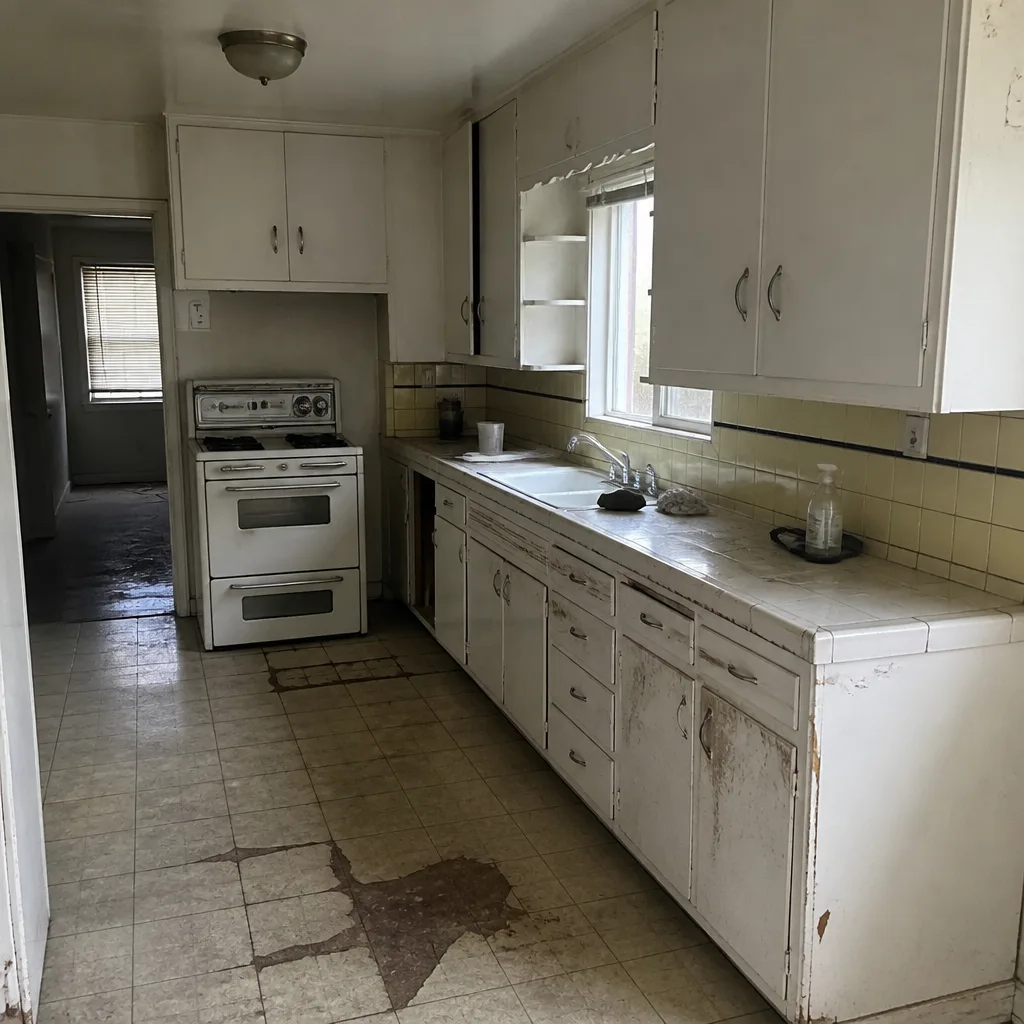 Before
 After
 Before
 After
When to Call a Professional
Call a professional when a problem is beyond cosmetic and beyond what you can safely test yourself. Repeatedly tripping breakers, a shower leak that’s staining the ceiling below, a door that rubs so hard its jamb is distorting, a diagonal crack at a window opening, or any smell of gas or burning near an outlet all warrant a call. A contractor with a written guarantee should be able to inspect, diagnose, and either fix the issue under warranty or tell you in writing why it’s not covered. In Long Beach, we see a lot of these calls come in six to nine months after a job closes, which is exactly when the marine air has done its work and the honest answer is easiest to give. Penhallow Remodeling Long Beach offers free estimates in Long Beach, and every project comes with a written price before work starts and a 365-Day Done Right Promise in writing. Call (833) 510-6967 to schedule yours.
Frequently Asked Questions

Some are. Hairline cracks at door corners and ceiling seams in the first year after a remodel are usually normal settling and not a workmanship defect. A crack that follows a seam, reappears within a month of patching, or runs diagonally from a window or door opening is a framing issue and worth a call to the contractor. Call (833) 510-6967 if you want a written assessment for your Long Beach home; estimates are free.
One year is the industry standard for workmanship, and that’s the floor, not the ceiling. Penhallow’s 365-Day Done Right Promise runs a full year from completion and covers any failure of installation or supplied materials, with no charge and no service-call fee for the return visit. Product warranties from manufacturers like Moen, Delta, and Toto run longer and cover the parts themselves. Call (833) 510-6967 to talk through what a specific project would be covered for.
A workmanship defect traces to how something was installed; a maintenance issue traces to wear, weather, or use after the job closed. Doors set out of plumb, grout that cracks along the same line twice, and outlets wired wrong are workmanship. Caulk in a shower corner, a filter change, and seasonal door swelling are maintenance. If you’re not sure which side a problem falls on, that’s the right question to ask a contractor in writing.
Only if you suspect a code or safety violation and the original contractor won’t respond, or if the work was done without a permit. Long Beach permits kitchen and bath remodels, and the inspection record is public. For workmanship problems inside a warranty window, the contractor is the faster call. Call (833) 510-6967 if you want a second opinion on which path applies.
It covers any failure of installation or materials supplied by the contractor, in the areas they touched, for one year from substantial completion, at no charge for the fix. If something fails after a repair, the same guarantee applies to the repair. It’s in writing on every project, and it’s specific about what’s covered. Call (833) 510-6967 to see a copy before any work starts.
For a small tile change or a re-caulk in a shower corner, yes. For anything involving water behind a wall or anything inside an electrical panel, no, and we’d rather you didn’t try. Shut off the water or the breaker, note what you see, and call the contractor or an electrician. That’s a safety line, not a courtesy line. Call (833) 510-6967 if you need a referral in Long Beach.
The Bottom Line
Most post-remodel problems come down to three questions: is this a defect, a maintenance issue, or a code problem, and who’s responsible for each. Diagnose before you patch. Document in writing. Send it to the contractor before the warranty window closes. And read the guarantee before you sign, not after. If you want a contractor who puts the price in writing before work starts and stands behind the work in writing after it’s done, that’s the standard we hold ourselves to on every job. For a free estimate in Long Beach, call (833) 510-6967. You can also start at our Penhallow Remodeling Long Beach home page to see what we do.
Written by the team at Penhallow Remodeling Long Beach.