Last updated November 17, 2026


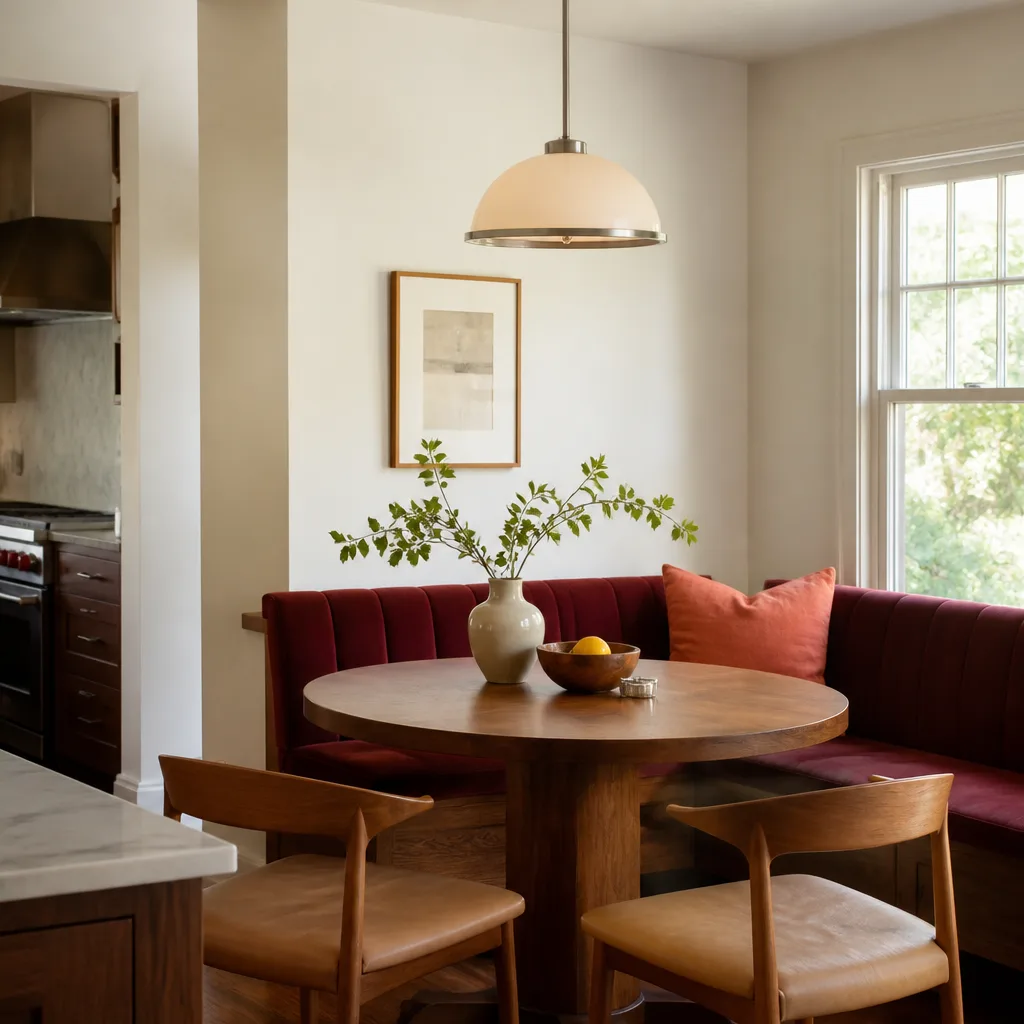

Free written scope consultation - allowances, timeline, and change-order rules on paper before a single trade is scheduled
How Long Does General Contractor Take? Timelines and What to Expect
Long Beach building permit review averaged 4 – 6 weeks for over-the-counter residential permits in recent years. That window catches almost every homeowner by surprise, and it’s the number most contractors don’t mention until after you’ve signed and paid a deposit. A kitchen that a contractor quoted as “six weeks” can end up at fourteen once permit review, cabinet lead times and a subcontractor who got double-booked all pile up. In this guide we’ll walk through realistic phase-by-phase timelines for kitchen, bathroom and addition projects in Long Beach, show you how to read a schedule so you can spot the gaps, and give you the exact questions to ask before you sign anything.
Quick Answer
A typical general contracting project in Long Beach runs 6 – 10 weeks for a bathroom remodel, 10 – 16 weeks for a kitchen remodel, and 5 – 9 months for a room addition, with permit review (4 – 6 weeks), material lead times (3 – 10 weeks), and subcontractor scheduling eating most of the calendar time. The build itself is rarely the bottleneck; the waiting around the build is. A contractor who shows you a schedule broken out by phase, with permit submittal and material order dates on it, is telling you the truth about the timeline before you commit.
Styles & brands we work with
- Kitchen remodeling
- Bathroom remodeling
- Home additions & ADU
- Roofing
- Windows & doors
- Driveway & pavers
- Fence
Table of Contents
- Why Remodel Timelines Slip: The Three Predictable Reasons
- Permit Submittal, Issuance and Approval: Which One Starts the Clock?
- How Long Does a Kitchen Remodel Take in Long Beach?
- How Long Does a Bathroom Remodel Take in Long Beach?
- How Long Does a Room Addition Take in Long Beach?
- Material Lead Times That Routinely Push Timelines
- How to Read a Contractor’s Schedule and Spot the Gaps
- What a Written Arrival Window Really Means
Why Remodel Timelines Slip: The Three Predictable Reasons
In our experience, project timelines don’t slip because of surprises. They slip because of three things that were knowable on day one: permit delays, material lead times, and subcontractor scheduling gaps. Every other cause people talk about (weather, change orders, “unforeseen conditions”) either flows from one of those three or shows up rarely enough to not drive the schedule.
Permit delays are the most common. Long Beach’s planning and building department handles a high volume of residential work, and a permit that gets submitted with missing site plans, an unpermitted prior addition discovered on the drawings, or a scope that crosses into a zoning issue will sit in plan check longer than the 4 – 6 week baseline. The fix isn’t to pressure the city; it’s to submit a complete package and plan for the review window in your schedule.
Material lead times are the second driver. Cabinets, tile, windows and specialty plumbing fixtures have all run longer in the 2024-2025 market than they did a decade ago. A KraftMaid or Wellborn cabinet order placed at the wrong phase, say after demo instead of before, adds 6 – 10 weeks to any kitchen. Tile from a specialty importer can be 4 – 8 weeks. Milgard or Therma-Tru windows are typically 6 – 10 weeks.
Subcontractor scheduling is the third and quietest. Plumbers, electricians and drywall crews work for multiple general contractors. A schedule that says “plumbing rough-in: week 3” without a confirmed booking is a wish, not a plan. When we read a schedule, the first thing we look for is whether each trade has a name and a confirmed window next to it. If it just says “plumber,” the slot isn’t real yet.
For homeowners ready to talk through their own project with a Long Beach General Contractor in Long Beach, the three reasons above are the whole conversation. Everything else is detail.
Permit Submittal, Issuance and Approval: Which One Starts the Clock?
This is the single most misunderstood part of any remodel timeline, and it’s worth getting right before you sign anything. Three different milestones get called “permit approved” in casual conversation, but they mean very different things for your calendar.
- Submittal is the date the complete permit application lands at the city counter (or in the online portal). Nothing has been reviewed yet. The clock starts here for plan check.
- Issuance is the date the city actually hands the permit over, meaning you’re cleared to start construction. For a straightforward residential scope in Long Beach, that’s typically 4 – 6 weeks after submittal. It can run longer if the city issues comments and requires revisions.
- Approval / inspection sign-off is the date an inspector signs off on the finished work. That’s the end of the permit lifecycle, not the start.
When a contractor says “we’ll pull the permit and start in a week,” the honest question is: start what? Nothing structural can legally start until the permit is issued. That gap between submittal and issuance is 4 – 6 weeks of calendar time in Long Beach, and every homeowner should see it written into the schedule.
The reason this matters so much: many contractors quote a project “start date” that is really just the demo date, and then quietly fold the permit wait into the schedule after the contract is signed. If the permit hasn’t been submitted yet, the clock hasn’t started. A written schedule that shows submittal, issuance, demo and inspections as separate line items is the honest version.
One more Long Beach angle: the city’s coastal zones and historic districts (parts of Belmont Shore, Bluff Park and the Willmore City area) can add review by the Cultural Heritage Commission or coastal review. That’s a separate delay from standard plan check and can add several weeks if your project scope touches the exterior.
How Long Does a Kitchen Remodel Take in Long Beach?
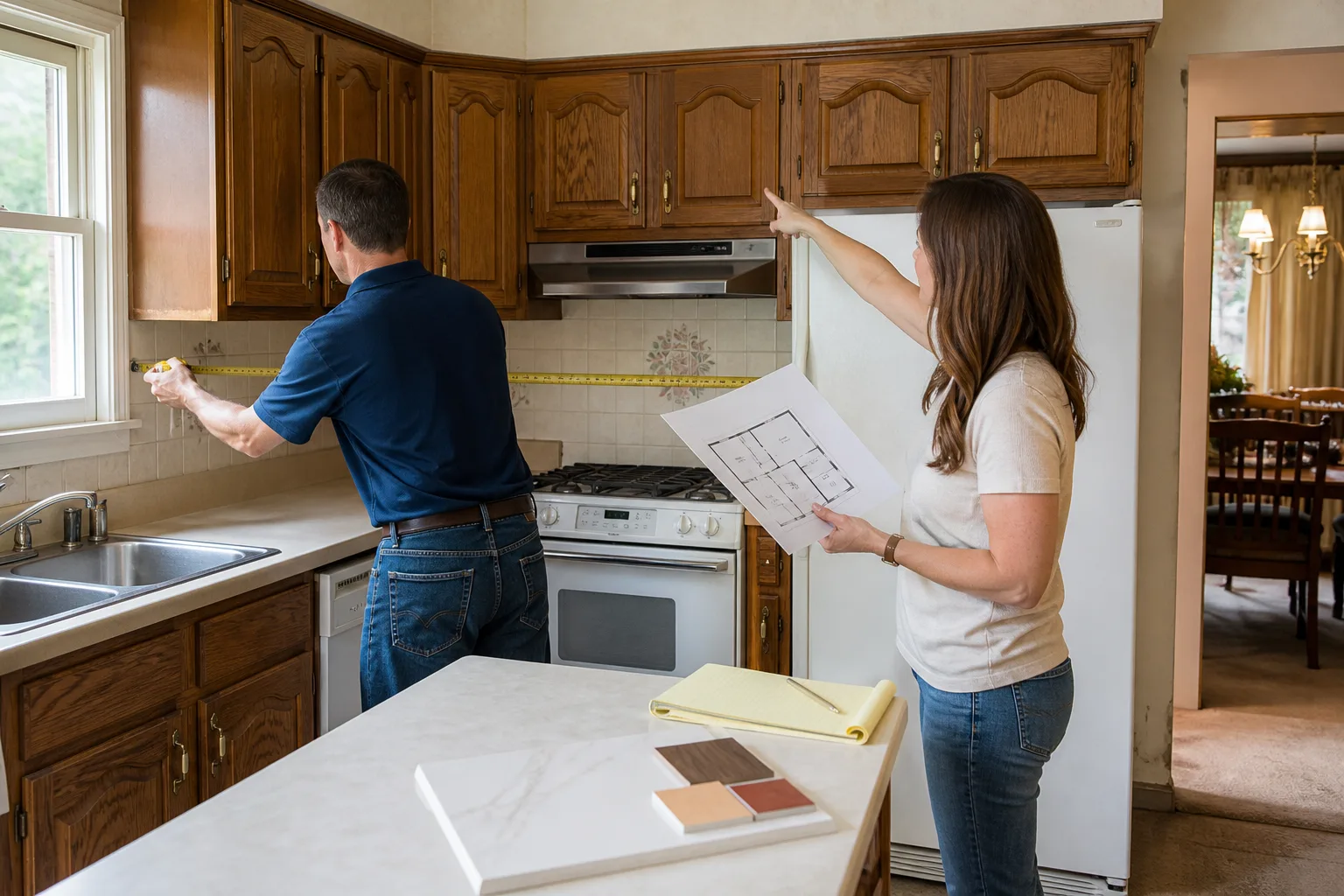
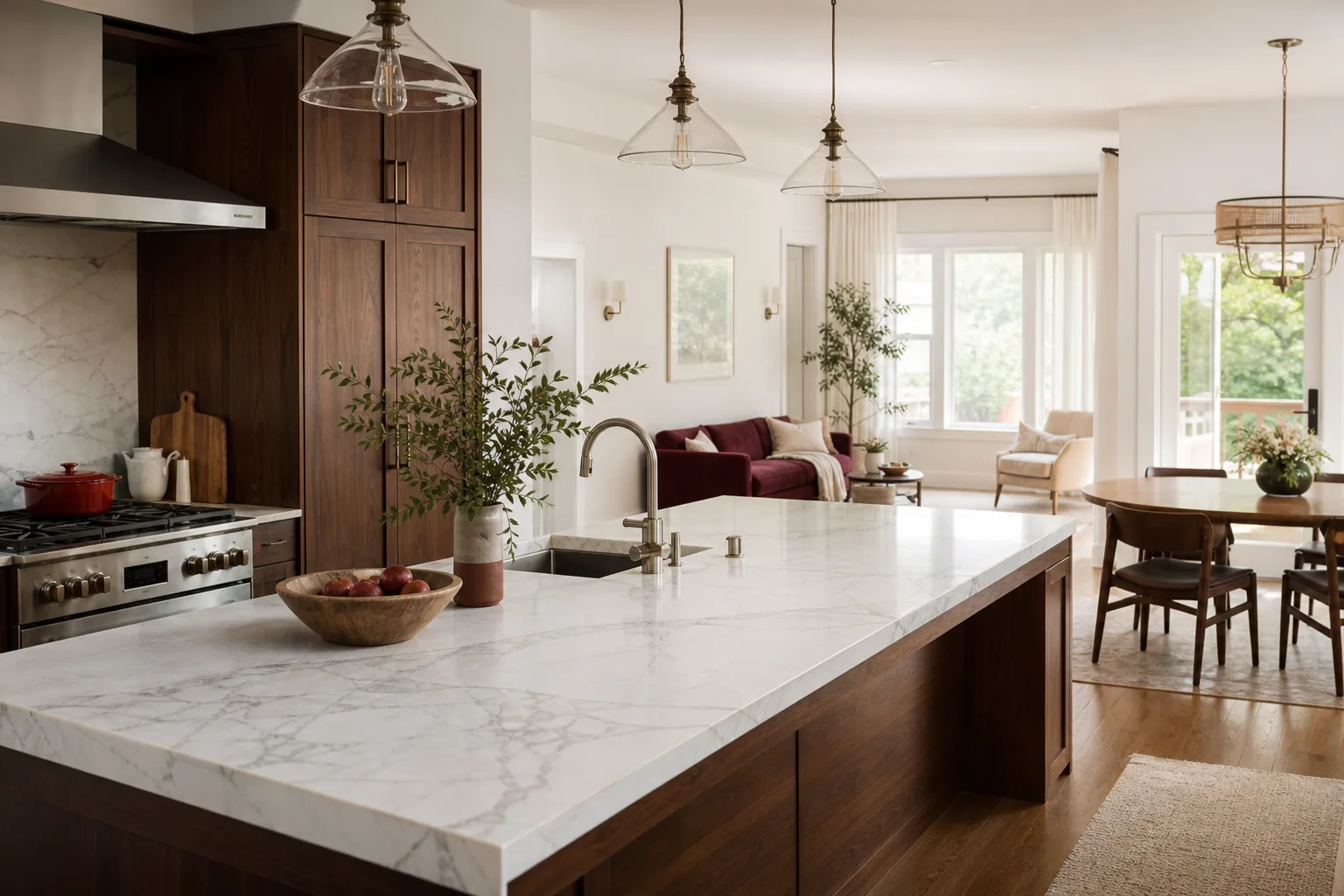
A kitchen remodel in Long Beach typically runs 10 – 16 weeks from permit submittal to final inspection, with the actual construction phase (after permit issuance) accounting for 6 – 10 of those weeks. A cosmetic refresh (paint, new appliances, new countertops) can be faster; a full gut with layout changes runs longer.
Phase-by-phase, here’s what we plan for:
- Design & selections (2 – 4 weeks): Cabinet line, countertop material (Cambria, Silestone, Caesarstone), appliance package and tile. This runs in parallel with permit preparation.
- Permit submittal to issuance (4 – 6 weeks): The Long Beach baseline. Kitchen scope changes often trigger comments; plan for one round of revisions in the estimate.
- Cabinet and material ordering (6 – 10 weeks, overlaps with permit): KraftMaid and Wellborn cabinetry currently lead-times at 6 – 8 weeks from order. Tile and countertops add 2 – 4 weeks. Order the cabinets at permit submittal, not after demo.
- Demo (1 week): Closes the kitchen. Consider the family’s meal plan for the duration; this is the moment homeowners underestimate most.
- Rough-in (1 – 2 weeks): Electrical, plumbing, HVAC adjustments. Inspected before insulation and drywall close up.
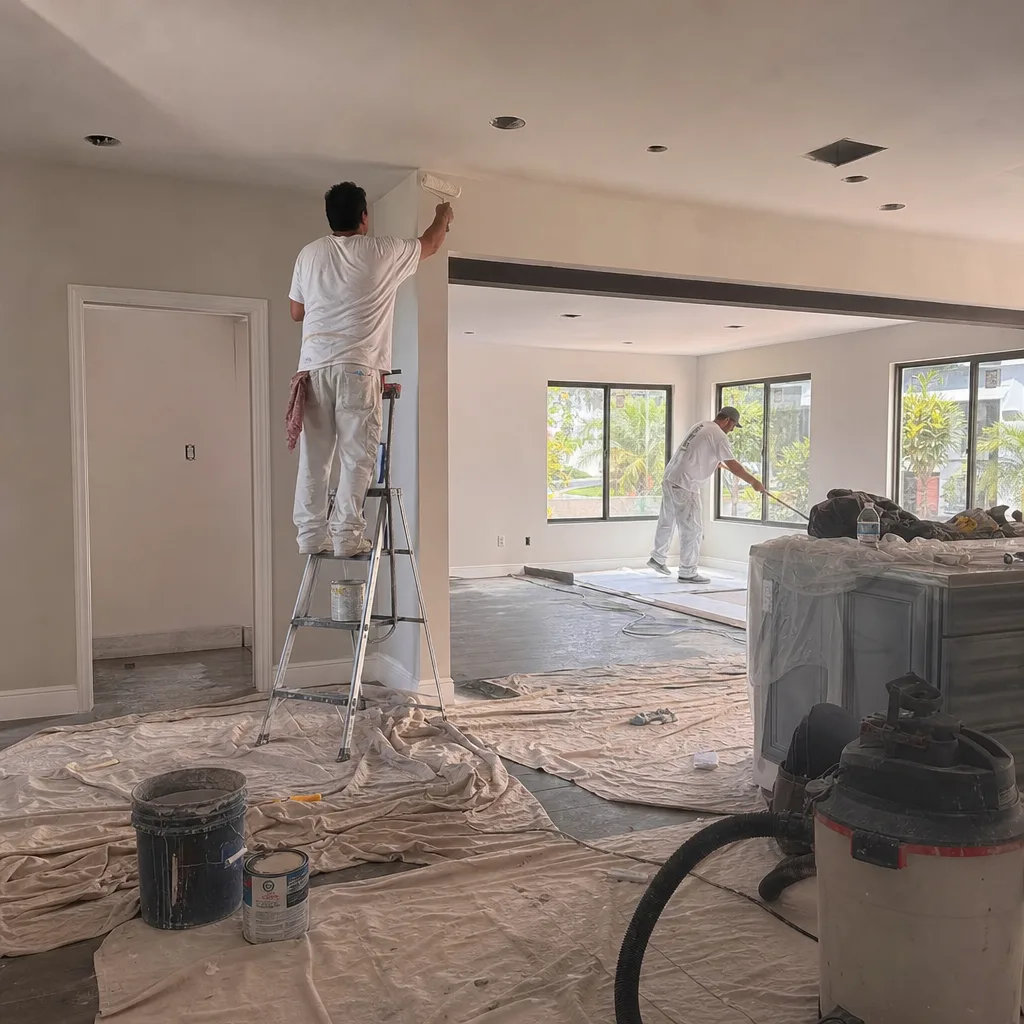
- Drywall, paint, flooring (2 – 3 weeks): Depends on whether the flooring runs under cabinets or is installed after.
- Cabinets, countertops, tile, fixtures (2 – 3 weeks): Countertop templating after cabinet install adds a week between measurement and install for quartz and stone.
- Final inspection (1 week): City sign-off.
The reason a kitchen so often runs long is that the cabinet order gets placed too late. Cabinets are the longest lead item in the room, and every week they’re delayed extends the whole project by a week. Order at permit submittal and you’ve compressed the schedule by a month. For more on Kitchen Remodeling in Long Beach, the full scope puts these phases in order.
Long Beach-specific note: kitchens in 1920s bungalows (the Belmont Heights, Rose Park and Bluff Heights neighborhoods) regularly have square-footage constraints that force custom cabinet sizing. Custom adds 2 – 3 weeks on top of the cabinet baseline. Plan for it if your walls are plaster.
How Long Does a Bathroom Remodel Take in Long Beach?
A full bathroom remodel in Long Beach typically runs 6 – 10 weeks, with 3 – 5 of those weeks being the construction phase after permit issuance. Smaller footprints make bathrooms feel shorter than kitchens, but the tiling and waterproofing stages can’t be rushed without risking the leak source you’ll be fixing six months later.
Here’s what the phases look like:
- Design and selections (1 – 3 weeks): Tile, fixtures (Toto, American Standard, Moen, Kohler), vanity, shower system.
- Permit (3 – 5 weeks in Long Beach): Bathrooms move faster than kitchens because the scope is smaller, but not instantly. Don’t let a contractor promise a permit in a week.
- Demo (2 – 4 days): Fast work on the front end, but reveals what’s underneath. Water damage discovered at demo can add days to the schedule.
- Rough plumbing and electrical (3 – 5 days): Inspected before the substrate goes in.
- Waterproofing (2 – 3 days): Schluter-Kerdi or equivalent. Cure time matters. This is where corners get cut by rushed crews and where we’d advise anyone to slow down, not speed up.
- Tile setting (4 – 7 days): Wall tile, floor tile, grout and cure.
- Fixtures, finishes and paint (5 – 7 days): Vanity, toilet, shower glass, trim, paint.
- Final inspection (2 – 4 days): City sign-off.
The waterproofing stage is the one that nothing but time and a trained eye protects. If a crew promises a full bathroom in three weeks, they haven’t budgeted for cure time, and that’s the shortcut that leads to mold in the walls a year later. For the full scope and the neighborhood-specific notes, see Bathroom Remodeling in Long Beach.
Long Beach note: our coastal humidity (the marine layer that never quite burns off in June) means moisture control in a bathroom isn’t optional. Cement board substrate (the moisture-resistant layer behind your tile) and a proper vapor barrier are the standard we set on every Long Beach bathroom.
How Long Does a Room Addition Take in Long Beach?
A room addition in Long Beach typically runs 5 – 9 months from first design meeting to final inspection, with the bulk of that time in permit review (6 – 10 weeks for additions) and foundation/framing work. Additions are the hardest projects to estimate because the permit review often includes structural plan check and, depending on your zone, planning department review alongside building.
Phase breakdown for a typical 300 – 500 square-foot addition:
- Design and structural engineering (4 – 6 weeks): Need stamped drawings from a licensed engineer.
- Permit submittal to issuance (6 – 10 weeks in Long Beach): Longer than interior remodels because plan check covers structure, energy compliance (Title 24) and zoning setbacks.
- Site prep and foundation (2 – 3 weeks): Grading, footings, concrete cure.
- Framing and inspection (3 – 4 weeks): Wall framing, roof framing, shear nailing. Framing inspection gates the rest.
- Roofing, windows, siding (2 – 3 weeks): James Hardie siding is the standard we install; lead time runs 3 – 4 weeks.
- Rough mechanical, electrical, plumbing (2 – 3 weeks): Inspected before insulation.
- Insulation, drywall, finishes (4 – 6 weeks): Interior build-out.
- Final inspection and closeout (1 – 2 weeks): Sign-offs from building, and if applicable, planning.
Two Long Beach specifics worth building into the estimate: first, additions near the harbor or on raised foundations (parts of Naples and the Peninsula) sometimes require a soils report, which is 2 – 3 weeks of lab time before foundations can be engineered. Second, if the addition changes the lot’s square footage coverage or setbacks, a zoning variance may be needed, and that’s a public hearing process measured in months, not weeks. Most additions don’t trigger this; the ones that do need to know early.
Material Lead Times That Routinely Push Timelines
Here are the lead times we plan around on Long Beach projects for 2024 – 2025, and where they sit in the schedule:
- KraftMaid and Wellborn cabinetry: 6 – 10 weeks from order. Order at permit submittal, not after demo.
- Cambria, Silestone and Caesarstone countertops: 2 – 4 weeks after templating, which happens only after cabinets are installed. This creates a second “wait week” most schedules miss.
- Porcelain and ceramic tile: 1 – 3 weeks for stock tile, 4 – 8 weeks for specialty or imported tile. Order at design, not at demo.
- Therma-Tru and other exterior doors: 4 – 6 weeks.
- Milgard and other window lines: 6 – 10 weeks for most residential orders.
- Schluter waterproofing components: Typically stock, but verify before demo. If your tile setter is depending on a specific trim profile, it needs to be on site before the substrate goes in.
- Specialty plumbing (Toto, Grohe, Kohler): 1 – 4 weeks depending on finish. Custom finishes run longer.
The rule of thumb we use: if a material has a lead time longer than the demo phase of the project, it needs to be ordered before demo starts. That sounds obvious. In practice, it’s the single most common reason kitchens and bathrooms run weeks past a quoted end date.
How to Read a Contractor’s Schedule and Spot the Gaps
A written schedule is one of the most useful things you’ll ever receive from a contractor, and one of the easiest to interrogate. Here’s what a real one looks like, and what to look for.
A schedule with substance has the following on it:
- Dated milestones, not just phases. “Permit submitted: [date]” is useful. “Permit phase: weeks 1-4” is not. The date lets you track whether the contractor is doing what they said.
- Subcontractor names or confirmed windows. “Plumbing rough-in: [date], [plumber name]” or “Plumbing rough-in: week of [date] (confirmed)” tells you the trade is actually booked. “Plumbing rough-in: week 3” tells you nothing.
- Material order dates. When cabinets, tile, countertops and windows are ordered matters as much as when they’re installed. If the order date isn’t on the schedule, it probably hasn’t happened yet.
- Inspections on their own line. Each inspection (rough plumbing, rough electrical, framing, final) takes a window in the schedule. Schedules that omit inspection windows run long.
- A stated end date. A real schedule has one. It might be wrong; that’s fine. A schedule with no end date is a schedule pretending.
When we hand a schedule to a Long Beach homeowner, the homeowner will often sit with it for ten minutes and ask about one or two phases. That’s healthy. The questions worth asking are: Which trades are confirmed and which are tentative? Which materials have longest lead times and when are they being ordered? What happens if permit review goes to one round of comments – how many days does that add? If the answer is “we’ll deal with it,” the schedule isn’t real yet.
What a Written Arrival Window Really Means
Most contractors promise a project end date. Very few promise a daily arrival window. The arrival window is actually the more useful commitment, because the project end date depends on fifteen things that can go sideways, but the arrival window is a small daily promise the contractor either keeps or doesn’t.
A written arrival window means the crew tells you, in writing, “we arrive between 7:30 and 8:30am on Tuesday.” If the crew arrives at 10, you know immediately that something has slipped. If they arrive when they said, you can plan your day, leave the house, let the dog out, work from home, etc. Across a 10-week project that daily reliability is what makes the project feel manageable rather than chaotic.
At Penhallow, the arrival window is part of the Kingswell Guarantee – the written standard that requires a price before work starts, an arrival window, a clean job site and a written guarantee on every project. The daily arrival window is the smallest of those promises and the one homeowners notice most.
If a contractor won’t commit to an arrival window in writing, ask why. The most common answer is that the crew work depends on other jobs, which is honest, and also the thing you’re trying to avoid.
Common Mistakes to Avoid
- Starting work before the permit is issued. Two things go wrong: inspections can fail retroactively, and the city can halt the job entirely. Always wait for issuance.
- Ordering cabinets after demo. Cabinets are the longest lead kitchen item. Ordering after demo adds 6 – 8 weeks to the project for no reason.
- Accepting a “start date” without a “submittal date.” The start date is meaningless if the permit hasn’t been submitted. Ask for the permit submittal date first.
- Budgeting the project without a contingency. Long Beach renovations in older homes often find one genuine surprise (knob-and-tube wiring, cast iron plumbing, dry-rot). Set aside 10 – 15% of the project cost for the one thing that turns up.
- Comparing quotes without comparing schedules. The lowest priced quote is often the one with the loosest schedule and no reserved trade slots. A $3,000 higher bid with a real schedule can be less expensive than a “cheaper” one that runs two months late.
- Choosing a bathroom tile that requires long-cure imported grout or a specialty substrate. The tile is beautiful; the schedule impact is real. Ask the tile selection question in design, not the day before demo.
- Not asking who the plumber and electrician are. The trade subs are half the project. If you don’t know who’s doing the plumbing, that slot isn’t reserved.
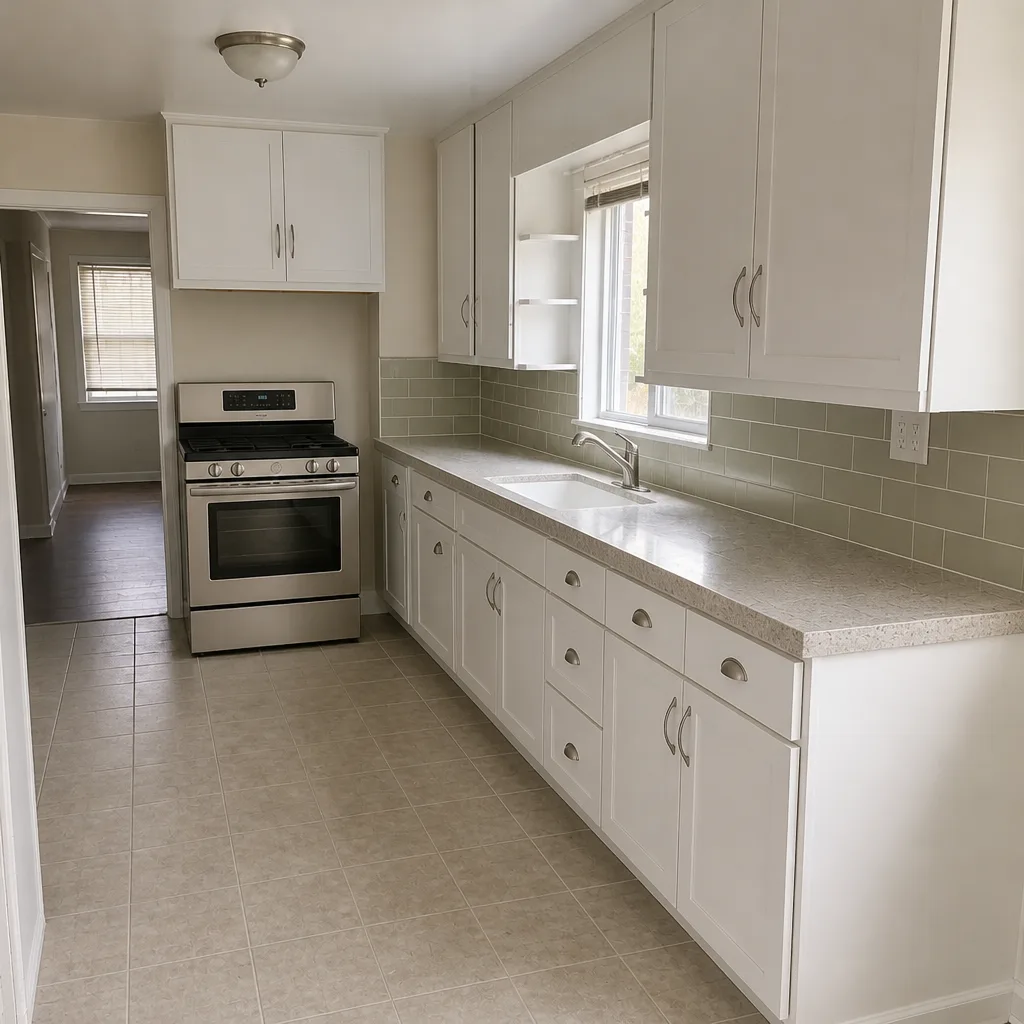
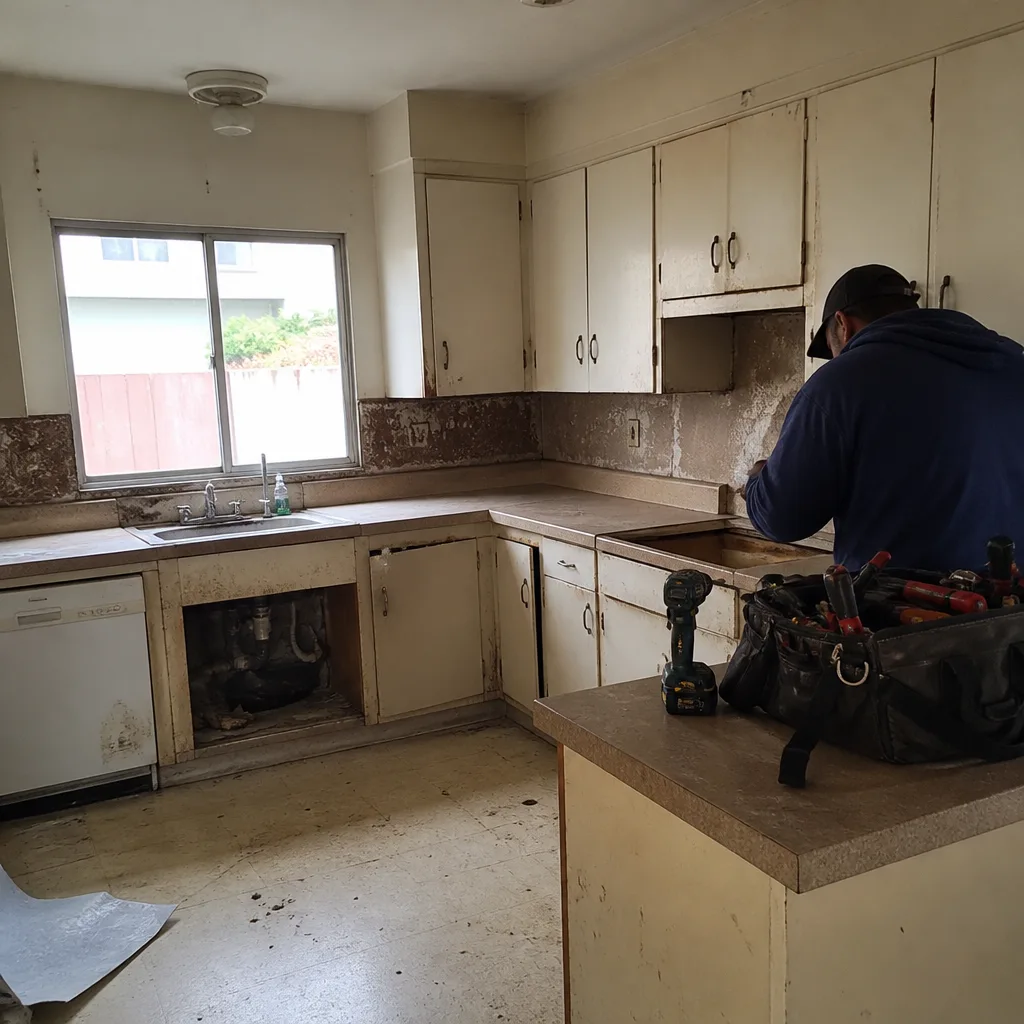
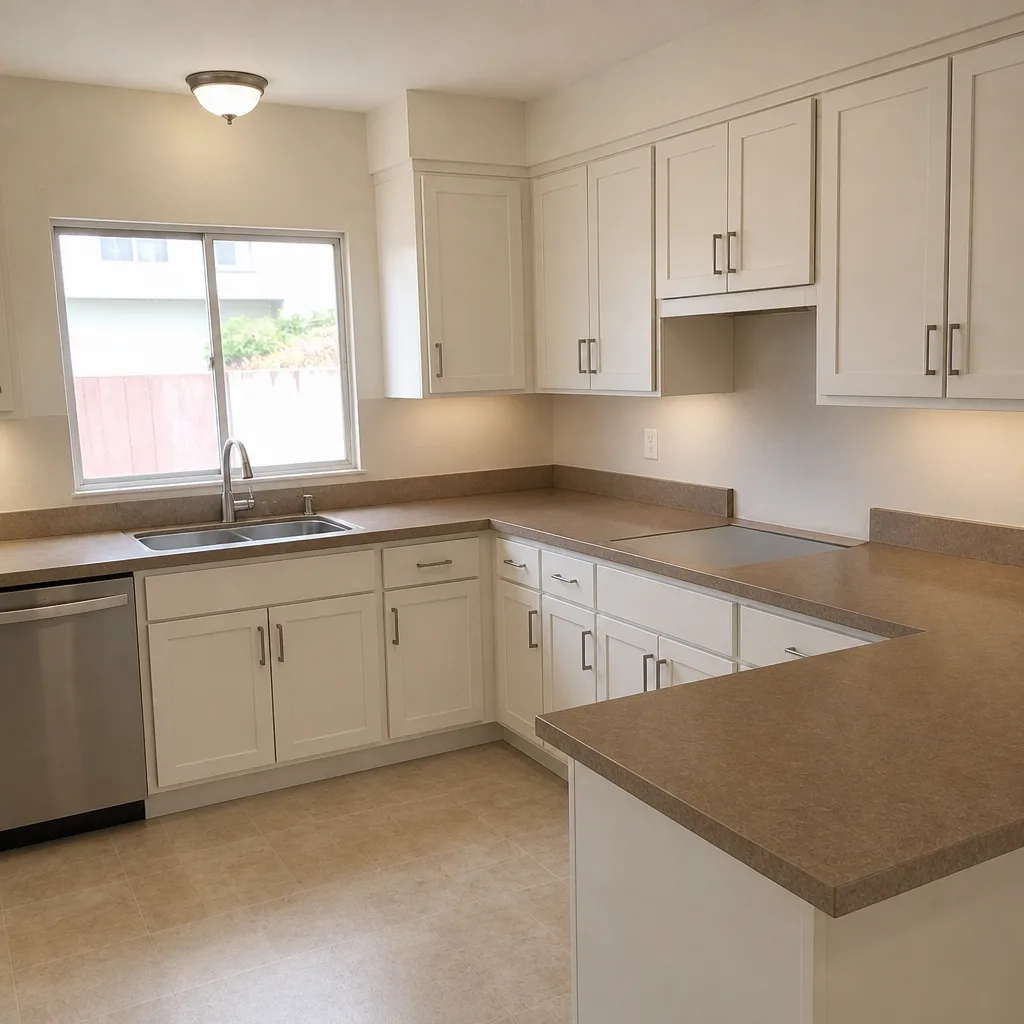
See the difference
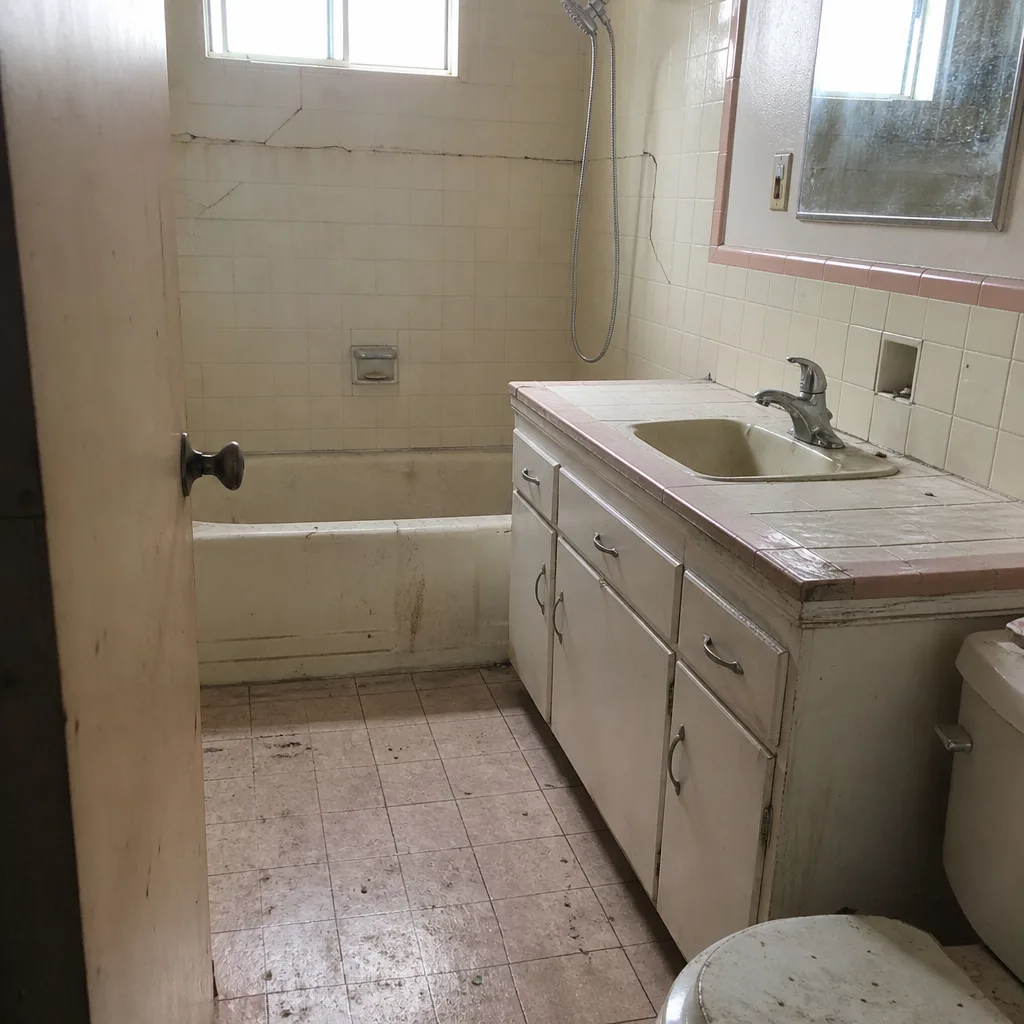 Before
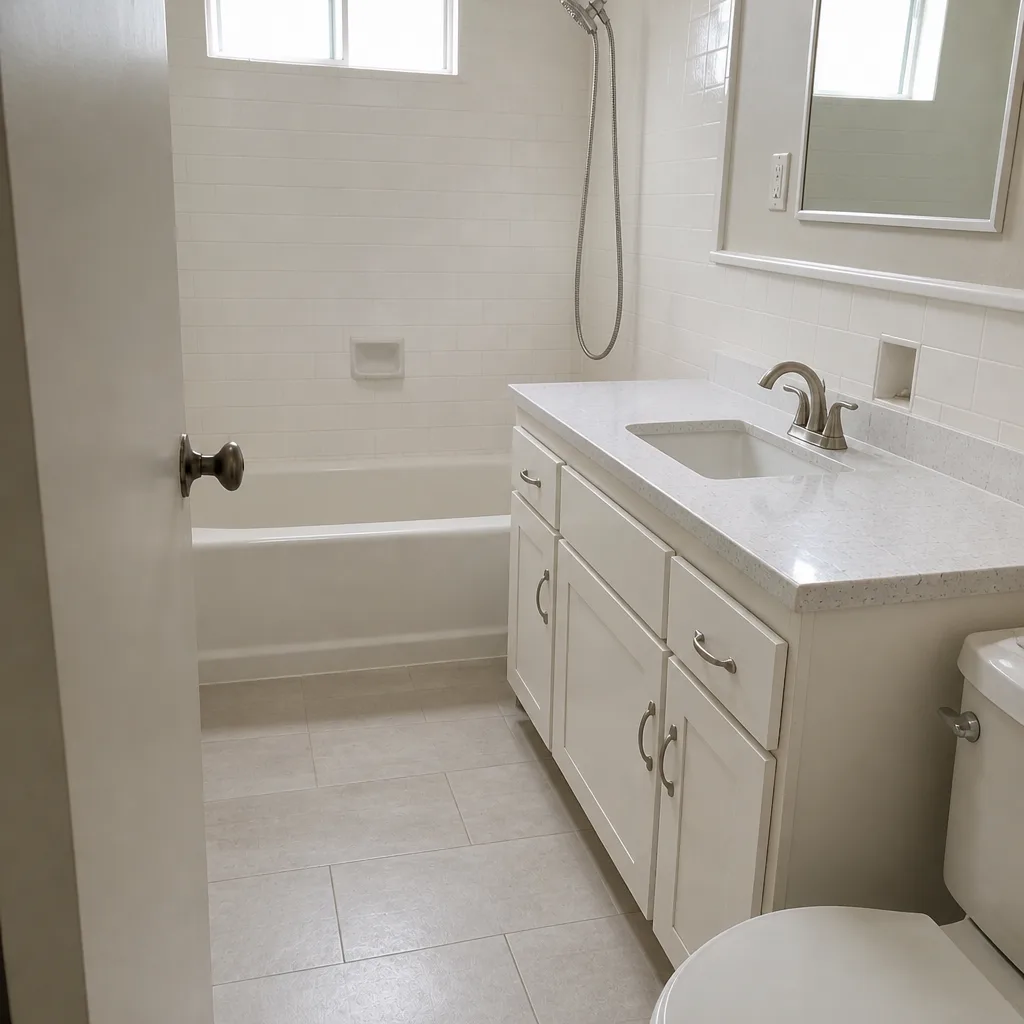 After
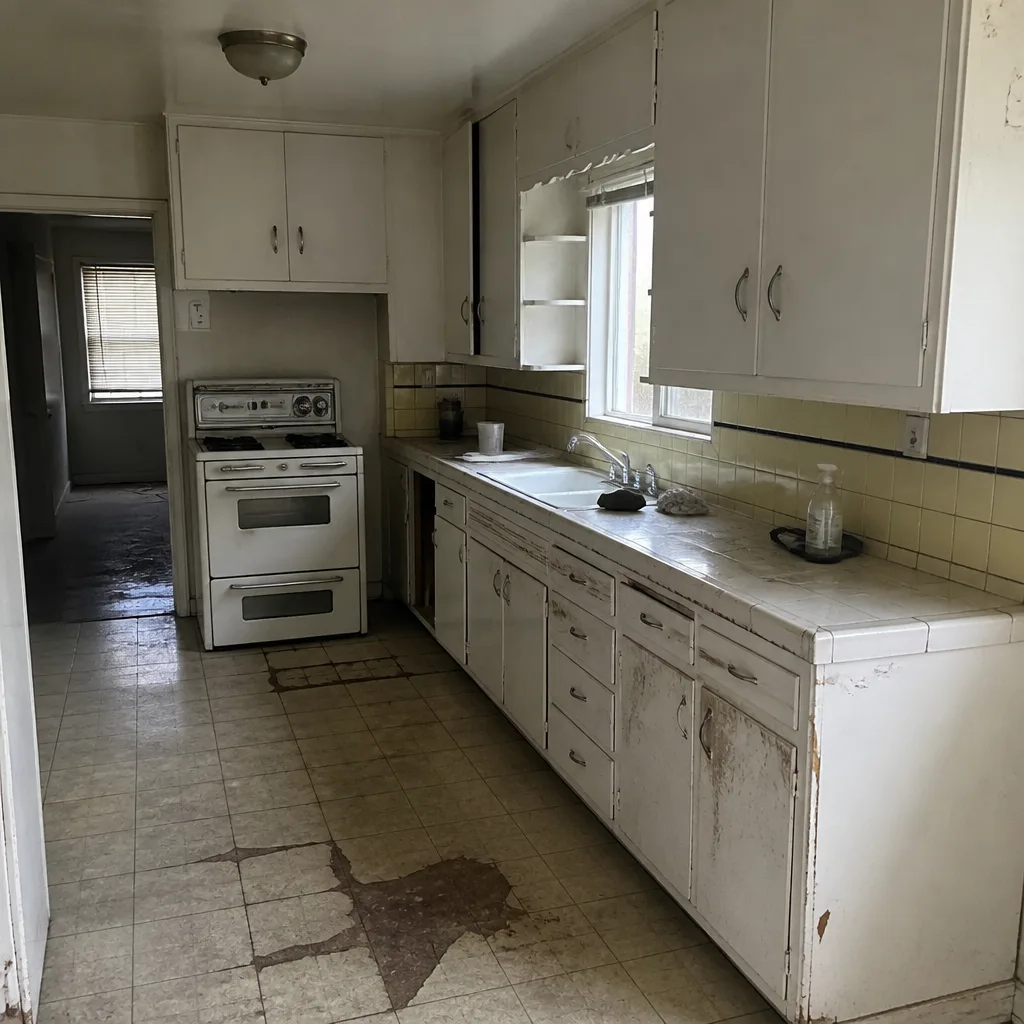 Before
 After
 Before
 After
When to Call a Professional
Some projects are genuinely DIY. Painting, swapping a vanity top, replacing a faucet: fine. But a few situations always warrant a licensed general contractor, and not just because of code. Anything structural (removing a wall, opening a kitchen, adding a beam), anything permit-required (bathroom and kitchen remodels with rough plumbing moves, additions, electrical panel work), and anything where the scope might reveal something you can’t see (a Long Beach bungalow with unknown prior remodels, a home with cast iron plumbing) needs a professional eye on the front end. Water intrusion and mold belong on the same list. If you’re unsure whether your project needs a permit, assume it does until a contractor tells you otherwise in writing.
Penhallow Remodeling Long Beach offers free estimates in Long Beach – call (833) 510-6967.
Frequently Asked Questions
A kitchen remodel in Long Beach typically takes 10 – 16 weeks from permit submittal to final inspection, with 6 – 10 of those weeks being construction after permit issuance. The biggest variable is cabinet lead time, which is why we recommend ordering cabinets at permit submittal. Call (833) 510-6967 for a free estimate and a written schedule.
Yes, if the project moves plumbing fixtures, adds or relocates electrical, or changes the footprint. Cosmetic work (paint, tile replacement over existing substrate, fixture swaps on existing rough-ins) usually doesn’t require a permit. When in doubt, pull the permit; the alternative is discovering an unpermitted prior remodel when you go to sell. Call (833) 510-6967 to talk through your specific scope.
Standard residential plan check in Long Beach has averaged 4 – 6 weeks for over-the-counter permits in recent years. Additions typically run 6 – 10 weeks because structural and Title 24 review is included. Coastal and historic-district scopes can add several more weeks. A contractor who doesn’t disclose this window up front is telling you something about their process.
Three reasons account for most of it: permits that weren’t submitted early enough, materials (especially cabinets and windows) ordered after demo instead of before, and subcontractors who were penciled in but not booked. All three are preventable with a written schedule. If your contractor can’t show you one, that’s the first warning sign.
General contractors in Long Beach typically charge 10 – 20% of project cost as a management markup on top of materials and trades, or quote a fixed project price that already includes it. For the homeowner, what matters is the total written number, not the markup math. Ask for a written price before any work starts and hold the contractor to it. Call (833) 510-6967 for a free written estimate.
A written arrival window is a daily commitment: “we arrive between 7:30 and 8:30am on Tuesday.” It matters more than the overall end date because it’s the daily signal that the project is actually on track. A contractor who commits to arrival windows is telling you the schedule is real. Read more about Penhallow Remodeling Long Beach home for our approach.
The Bottom Line
Timelines in Long Beach remodels slip for three reasons that are knowable before work starts: permit delays, material lead times and subcontractor scheduling. A general contractor who will show you a real written schedule – with permit submittal dates, material order dates, confirmed trade slots, inspection windows and an arrival window – has solved most of the scheduling problem before a single tool comes out. A contractor who won’t show you that schedule hasn’t planned the project yet. The right question before you sign isn’t “how long will it take?” It’s “show me the schedule.” Our technicians have up to 22 years of experience, and we put the price and the guarantee in writing before a single cabinet is pulled or tile is set.
If you’re planning a kitchen, bathroom or whole-home remodel in Long Beach, the next step is a free estimate and a written schedule you can interrogate. We’re part of the Kingswell family of companies, we operate under the Kingswell Guarantee, and we stand behind every project with the 365-Day Done Right Promise. Call Penhallow Remodeling Long Beach at (833) 510-6967 for a free estimate. A live person answers, 24 hours a day.
Written by the team at Penhallow Remodeling Long Beach.