Last updated November 17, 2026







Free written scope consultation - allowances, timeline, and change-order rules on paper before a single trade is scheduled
How to Hire a Construction Contractor in Long Beach: A Step-by-Step Guide
A verbal estimate is a contractor’s best friend and a homeowner’s worst contract. Here’s the uncomfortable truth we’ve learned watching Long Beach remodels go sideways: nearly every homeowner who got burned had already gotten three bids, checked the license, and called references. They followed the standard advice. The problem was never the checklist – it was that nobody told them what the paperwork should actually say before they signed. This guide fixes that. You’ll learn what an enforceable fixed-price proposal contains, how to read a CSLB license record in five minutes, and the questions about subcontractors most people never think to ask.
Quick Answer
To hire a construction contractor in Long Beach, verify the contractor’s license number on the CSLB website, confirm the license is active and carries current bond and workers’ comp coverage, and get a written fixed-price proposal that names the scope, materials, brand and model numbers, payment schedule, and a written workmanship guarantee before you sign anything or pay a deposit. The bid amount matters far less than what the signed document obligates the contractor to do – and in Long Beach, that document is what protects you when the job hits an unexpected snag.
Styles & brands we work with
- Kitchen remodeling
- Bathroom remodeling
- Home additions & ADU
- Roofing
- Windows & doors
- Driveway & pavers
- Fence
Table of Contents
- What a fixed-price proposal must include to be enforceable
- How to verify a California contractor’s license, bond, and insurance
- The subcontractor questions most homeowners forget to ask
- Why a low bid in Long Beach is a warning sign
- What a real workmanship guarantee looks like in writing
- The step-by-step hiring sequence, start to finish
- Common mistakes to avoid
- Frequently asked questions
What a Fixed-Price Proposal Must Include to Be Enforceable
A bid becomes a contract when it’s specific enough to be enforced. In our experience quoting work across Long Beach, the proposals that hold up under pressure share the same anatomy, and the ones that blow up at demo day are missing exactly three things.
A real fixed-price proposal includes:
- A complete scope of work – what’s being removed, what’s being installed, and what’s explicitly excluded. Vague scope (“replace kitchen”) is where change orders are born.
- Brands and model numbers – not “quartz countertops” but “Cambria quartz, [specific color], 3cm edge.” Not “new windows” but a named line like Therma-Tru or ViewLux with a model.
- A payment schedule tied to milestones – deposits, progress payments, and final payment triggered by written completion of defined phases, not by calendar dates.
- A stated completion window – the working days the job will take, with a definition of what counts as a delay.
- A written workmanship guarantee – spelled out in plain language with a defined term and what triggers a return visit.
- Permit responsibility – who pulls the permit, who pays the fee, and who schedules the inspection.
Three clauses turn a quote into a moving target. Watch for an allowance clause that leaves materials open-ended (an allowance for tile that’s really a placeholder for a markup), a condition-of-substrate clause that lets the contractor charge extra if the walls aren’t “as expected” after demo, and an escalation or materials-price clause that adjusts the number after signing. Any one of these can turn a $40,000 proposal into a $52,000 invoice. The number on day one should be the number on the invoice – if a clause allows it to move, get it capped in writing or removed.
How to Verify a California Contractor’s License, Bond, and Insurance
Every contractor working a job over $500 in California must hold an active license from the Contractors State License Board (CSLB). Verifying it takes about five minutes and it’s the single highest-return check you’ll run in Long Beach.
- Pull the CSLB record at cslb.ca.gov using the license number, business name, or the individual’s name. Confirm the status reads “Active” – not “Expired,” “Suspended,” or “Canceled.”
- Check the classification matches the work. A B-General Building license covers whole-home and multi-trade work; a specialty (C-36 sheet metal, C-54 tile, etc.) is limited to that trade.
- Confirm the bond. California requires a $25,000 contractor bond. That bond isn’t liability insurance – it’s a fund you can file a claim against if the contractor causes damage or abandons the job, and it’s often the only recovery a homeowner has when a small operator walks away.
- Confirm workers’ compensation coverage if the contractor has employees. No coverage means an injured worker could come after you as the homeowner.
- Ask for a certificate of general liability insurance and call the insurer to confirm it’s current. The CSLB record shows the bond, not the liability policy.
What the numbers actually cover matters. The bond protects you against abandonment and certain violations. Liability insurance covers accidental property damage and third-party injury. Workers’ comp covers the crew. All three are separate, and a contractor can have one without the others. A Long Beach remodel near the coast – where salt air and marine moisture affect exterior materials – often involves heavier exterior work, which raises the exposure level. Confirm all three before work starts.
The Subcontractor Questions Most Homeowners Forget to Ask
Most contractors don’t do every trade with their own people. Electrical, plumbing, HVAC, and sometimes tile or drywall often go to independent subcontractors. In our experience, subcontractors are where Long Beach remodels most often develop problems, because homeowners never ask who’s actually doing the work or who’s responsible if it fails.
Ask these questions in the meeting, and get the answers in writing:
- Who is doing each portion of the work? Employee or subcontractor? Get names if there are subs.
- Are the subcontractors licensed? Electrical and plumbing subs must be licensed in their trade. A general contractor’s license doesn’t cover their work.
- Are the subcontractors insured? Confirm they carry liability and workers’ comp. Uninsured subs are a liability to you, not to the general contractor alone.
- Who is liable if a subcontractor’s work fails? The general contractor should be your single point of accountability. The answer you want is “we are,” in writing.
- Can a subcontractor back-charge you if they go unpaid by the general? In California, mechanics lien rules can complicate this. Confirm the general pays subs promptly and ask whether lien releases will be collected.
There’s a real Long Beach reason to press here. Post-war housing stock in neighborhoods like Bixby Knolls and California Heights often has older wiring and galvanized plumbing, and those are exactly the systems subs are hired to work on. Older systems raise the risk a sub finds something unexpected. Who pays for the fix depends entirely on who’s liable, and the answer should be established before the wall opens.
Why a Low Bid in Long Beach Is a Warning Sign
When a Long Beach bid comes in dramatically below the others, it’s almost never a bargain. It’s a signal that something in the number is going to change. We’ve seen it break three ways.
Unlicensed labor. A bid that’s 30% under the market often means the crew isn’t licensed or insured, and the savings are coming out of your legal protection. You won’t discover this until there’s an injury, a lien, or an inspection failure.
Materials substitution mid-job. The proposal names a top-line cabinet or a specific glass like Mr-Glass, then the “supply chain” pushes a cheaper substitute onto the job with a note that costs the same. The name brands in the original bid are part of what you paid for. A change in brand, model, or line is a change to the contract.
Allowances set artificially low. A $3,000 tile allowance on a job that will realistically need $6,000 is a low bid that’s guaranteed to climb. Allowances that don’t match real Long Beach material costs – which run higher here than in much of the country – are usually the reason a low number wins the job and a high invoice closes it.
What you want is a bid you can compare line-by-line. That means the same scope, the same material specifications, and the same exclusions from every contractor who bids. When the scope is identical, the bid spread narrows dramatically and what remains is the contractor’s real margin. Any bid you can only compare as a single lump number isn’t a bid yet.
What a Real Workmanship Guarantee Looks Like in Writing
“We stand behind our work” means nothing legally. It’s a phrase, not a commitment, and it’s exactly what a contractor says when there’s no written guarantee behind it. A real workmanship guarantee has four parts, and if any one is missing, ask for it in writing.
- A defined term. One year. Two years. Five. “365 days” or “12 months from substantial completion” is enforceable. “Lifetime” without a definition isn’t.
- What’s covered. Workmanship failures – tile that cracks, a door that won’t hang square, a joint that separates. This is different from product failure, which the manufacturer covers.
- What triggers the return visit. A clear description of how the homeowner reports a failure and what the contractor must do about it.
- What it costs to invoke. Nothing. A free return visit on a covered failure is the whole point of a guarantee.
Product warranties and workmanship guarantees are different layers, and good contractors pass both through. A Cambria quartz countertop carries its own manufacturer warranty; a James Hardie siding install carries the manufacturer’s product warranty and the contractor’s install guarantee. The layers stack – the manufacturer covers the material, and the contractor covers the labor that put it in. A written guarantee is what turns “we’ll make it right” into something you can actually hold a company to, and it’s the standard we hold ourselves to under the 365-Day Done Right Promise. If the work fails inside the guarantee period, we come back and fix it at no charge – and that’s in writing on every project.
The Step-by-Step Hiring Sequence, Start to Finish
Here’s the sequence we recommend to any Long Beach homeowner hiring for a kitchen, bathroom, or whole-home project. It’s the same sequence we follow as a general contractor in Long Beach, whether it’s a single-room refresh or a full gut remodel.
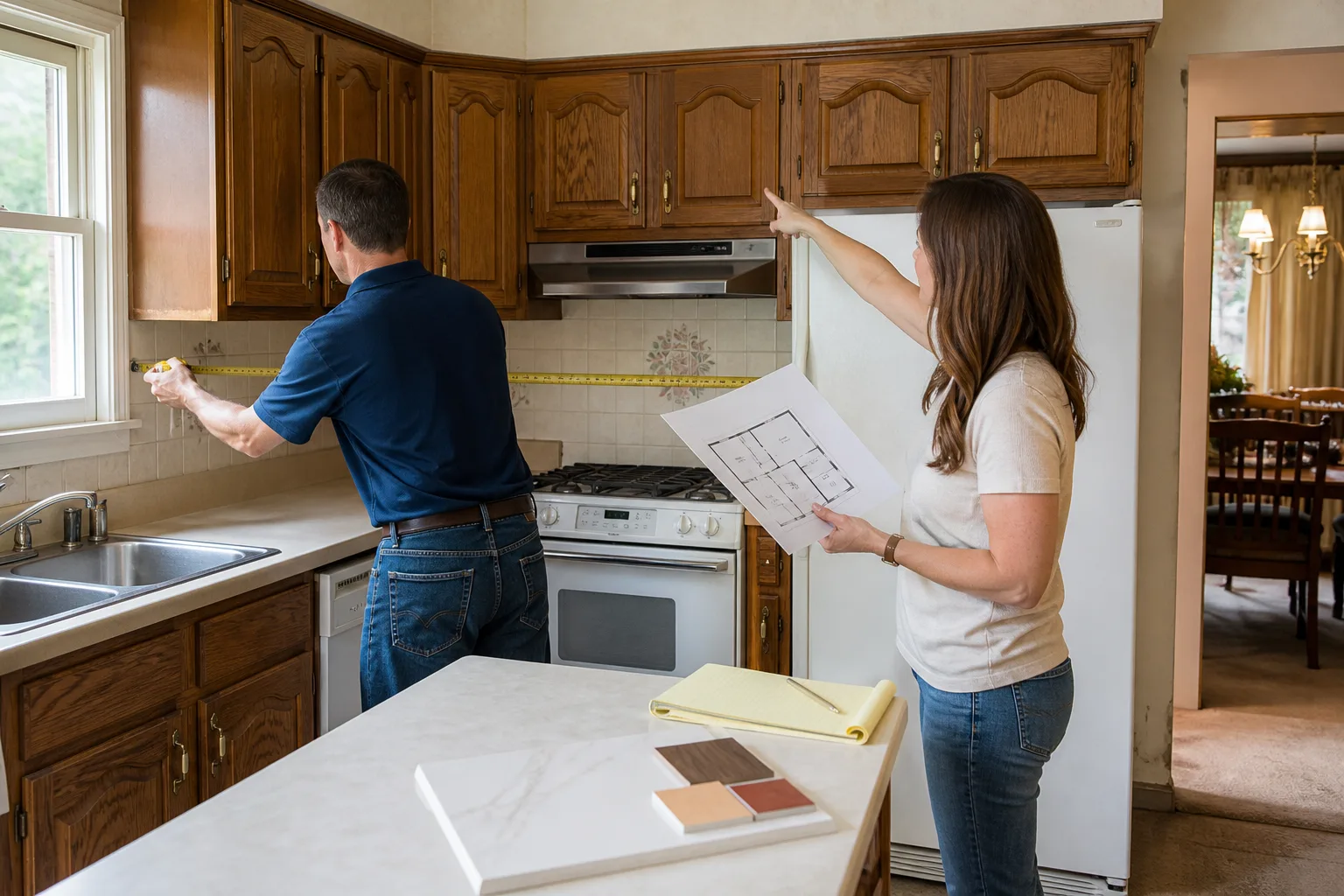
- Write your own scope first. Before you call anyone, write down what you want done, what you’re removing, and the brands or features you care about. This becomes the standard every bid is measured against.
- Get three bids on the same scope. Give every contractor the same written scope and ask them to bid against it. Apples to apples beats numbers to numbers.
- Verify each license on CSLB. Check status, classification, bond, and workers’ comp. Call the insurer to confirm the liability certificate is current.
- Ask the subcontractor questions. Who’s doing each portion, are they licensed and insured, and who’s liable if their work fails.
- Read the proposal for the three moving-target clauses. Allowances, condition-of-substrate, and escalation. Cap them or remove them.
- Get the guarantee in writing. Defined term, covered failures, how to invoke, and no charge for covered returns.
- Confirm the payment schedule. Milestone-tied, with a meaningful final payment held until you’ve walked the finished job.
- Confirm the permit plan. Who pulls it, who schedules the inspection, and who’s on record as responsible.
- Sign, then hold the paperwork. Everything that changed along the way should show up as a written change order – signed before the work happens, never after.
This sequence is why our kitchen remodeling in Long Beach and bathroom remodeling in Long Beach quotes arrive as a single fixed-price document with brand names, model numbers, and the guarantee included. The number on day one should be the number on the invoice.
Common Mistakes to Avoid
- Comparing lump-sum bids without comparing scope. Two numbers on a page look comparable and usually aren’t. One bid may exclude flooring, another may exclude painting, and the “cheapest” one often has the smallest scope. Insist on the same written scope for every bid you collect in Long Beach.
- Signing before reading the payment schedule. A 50% deposit up front is a red flag on most Long Beach remodels. Milestone payments, with a meaningful final payment held for your walkthrough, keep everyone honest to the end.
- Not verifying the subcontractors. The general contractor’s license doesn’t cover the electrician’s or plumber’s work. Ask who’s doing it and confirm each trade is licensed and insured.
- Accepting “we’ll take care of the permit” without confirmation. Pulling permits costs time and money, and some contractors quietly skip it on smaller jobs. Unpermitted work can create title problems at resale and complicate insurance claims – always ask for the permit number.
- Letting an allowance float. An allowance is a placeholder. Ask for the actual material cost, or have the allowance capped in writing so the final invoice can’t exceed the number by more than a set amount.
- Forgetting to specify exterior-grade materials where the coast matters. Homes near Belmont Shore and the coast deal with salt air that corrodes standard fasteners and trim faster than inland homes. Specify material lines that hold up to marine conditions – it’s a small line item now and a large one later.
- Treating “we stand behind our work” as a guarantee. It’s a marketing line. Ask for the written guarantee, read the term, and confirm what happens if a repair fails inside that term.
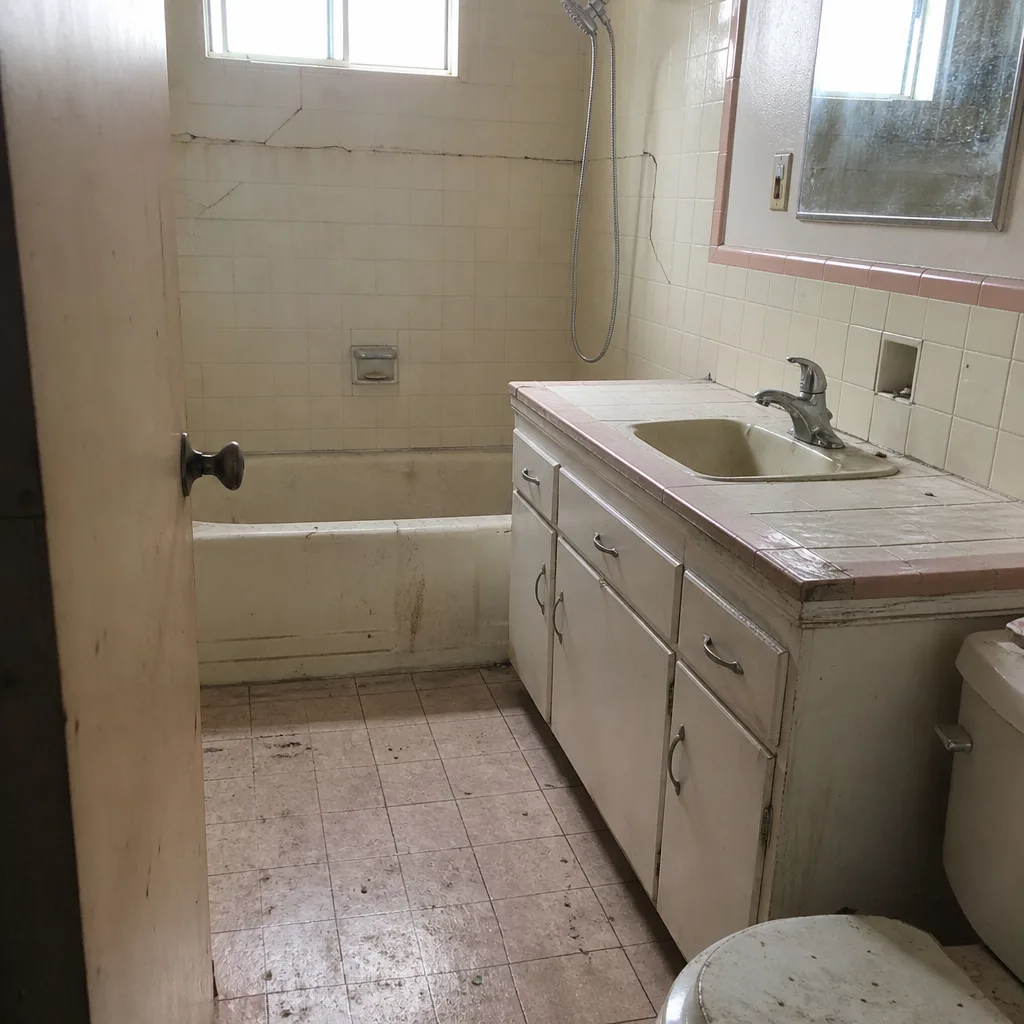
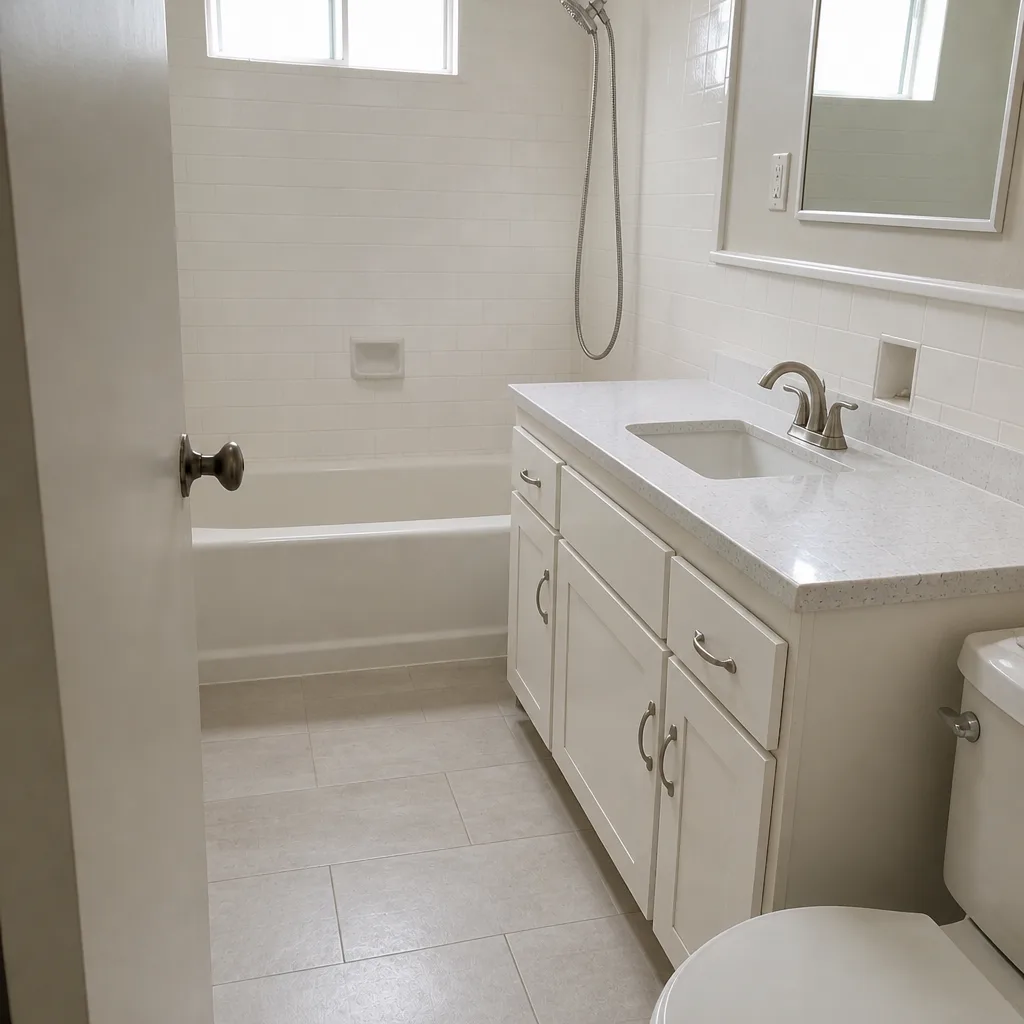
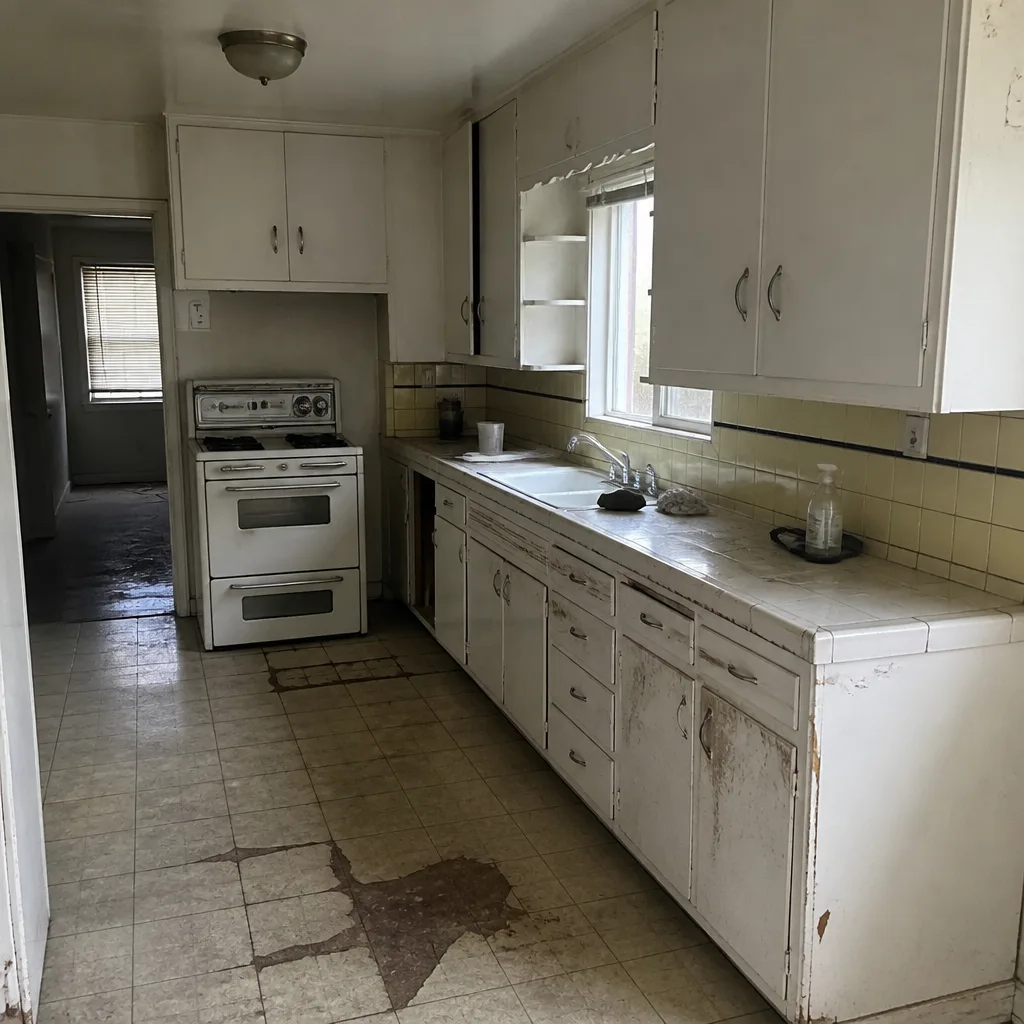
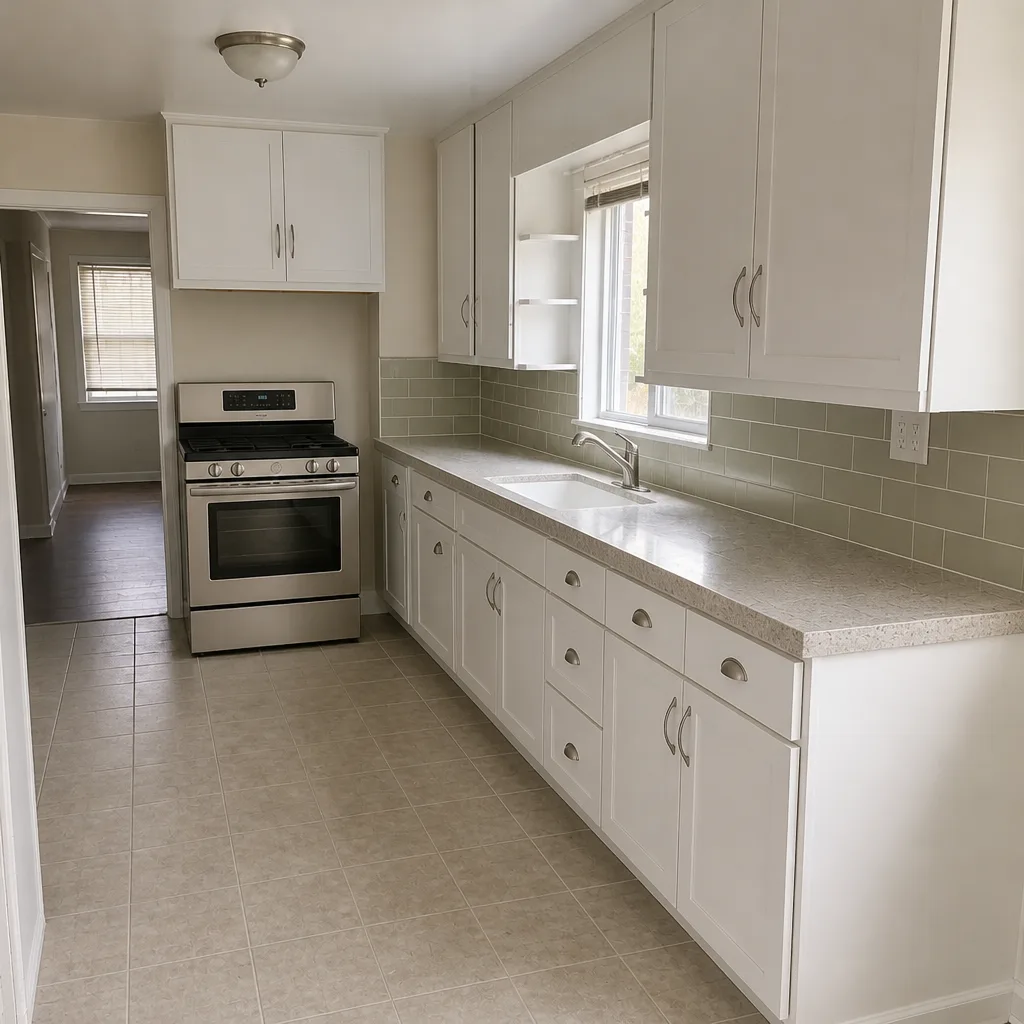
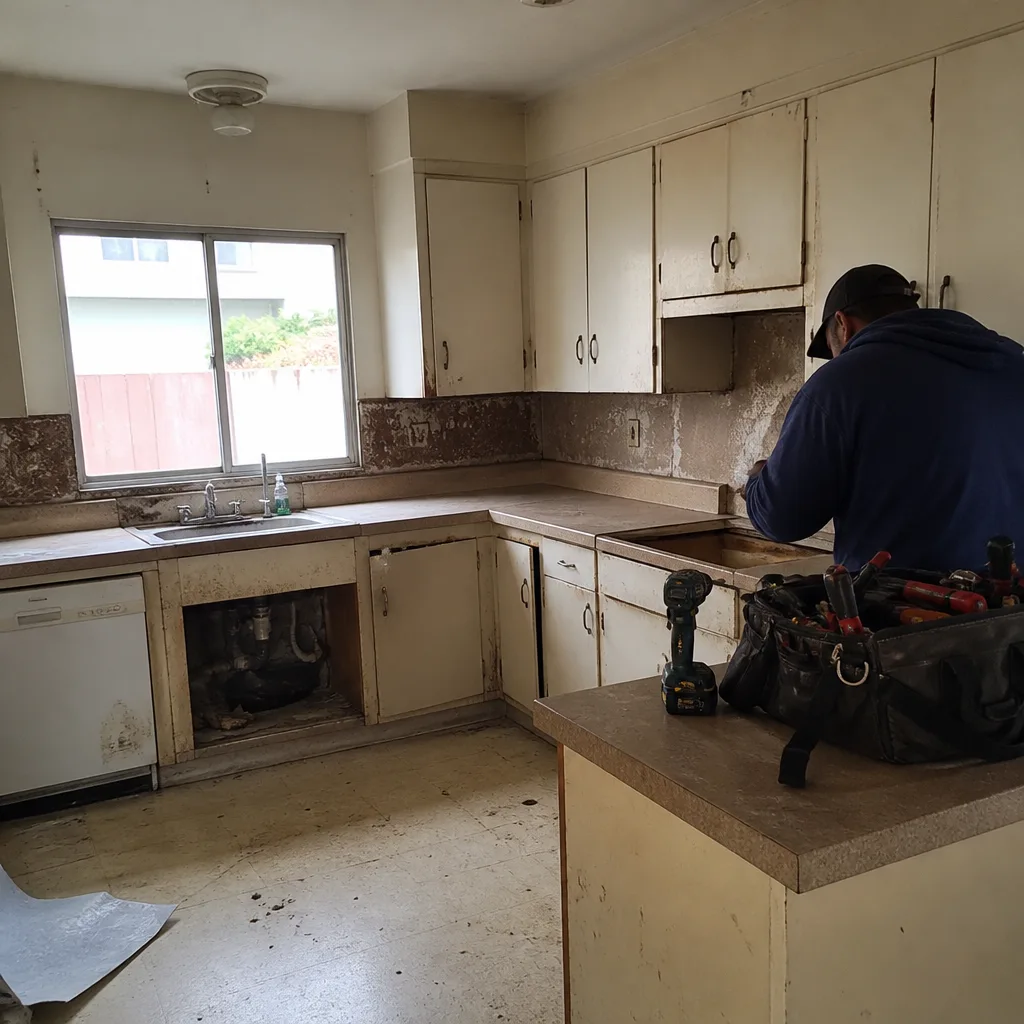
See the difference
 Before
 After
 Before
 After
 Before
 After
When to Call a Professional
Some work is weekend-friendly and some should never be a DIY project. Call a licensed contractor when the job involves moving or adding walls, relocating plumbing or electrical, replacing a roof covering, or working near load-bearing structure. Kitchen and bathroom remodels almost always qualify – they combine electrical, plumbing, waterproofing, and finish trades on a single timeline, and errors there show up months later. A botched waterproofing job behind a tile shower can cost more to fix than the shower originally cost to install. Whole-home projects that touch systems and structure go in the professional column without question. Even a small job deserves a written scope and a written price, because a clear document is cheaper to write than an unclear dispute is to settle. Penhallow Remodeling Long Beach offers free estimates in Long Beach – call (833) 510-6967.
Frequently Asked Questions
Kitchen remodels in Long Beach typically run $18,000 to $55,000 depending on layout changes, cabinet line, and countertop material. A straightforward pull-and-replace with stock cabinets and laminate lands near the low end; a full layout reconfiguration with KraftMaid or Wellborn cabinetry, Cambria or Caesarstone quartz, and moved plumbing sits near the top. Labor in Southern California runs higher than national averages, and permit fees add a few hundred dollars. The best way to pin down your number is a written fixed-price proposal – call (833) 510-6967 for a free estimate.
Go to cslb.ca.gov and search by the contractor’s license number or business name. Confirm the status is “Active,” the classification fits the work (B-General Building for a remodel, a specialty trade for a single-trade job), and that the bonded and workers’ comp status are current. Check the liability certificate separately by calling the insurer on the certificate. The whole process takes about five minutes and it’s the most important check in the hiring process.
No. The lowest bid is usually the loudest warning sign on the page. Bids materially below the others typically mean unlicensed labor, low allowances that will balloon, or planned material substitutions mid-job. Compare bids against the same written scope instead of comparing lump totals, and pay attention to what each bid excludes. The right bid is the one you can read line by line, not the one with the smallest number.
Yes, in almost every case. Moving plumbing, adding electrical, replacing a shower pan, or changing a tub usually requires a permit and an inspection. Cosmetic-only work like repainting or swapping a vanity top may not. Permit rules go through the City of Long Beach’s building department, and the contractor should pull the permit in their name, not yours. Ask which permits will be pulled before work starts.
A workmanship guarantee should name a defined term, list what workmanship failures it covers, describe how you report a failure, and confirm there’s no charge for a covered return visit. One year or more is a real guarantee; “our work is guaranteed” without a written term isn’t. Make sure the guarantee appears in writing before you sign, and that the warranty language covers the labor behind the materials, not just the product. Call (833) 510-6967 for a free estimate and we’ll walk you through ours.
Expect two to four weeks from first call to signed contract on a kitchen or bathroom remodel. Most of that is scheduling the three site visits and waiting for written proposals. Permit review can add a variable amount of time depending on the scope and the current city queue. Cheap, quick proposals that arrive in a day are worth a careful second look – it’s usually the scope that got cut, not the process. Call (833) 510-6967 to start with a free estimate.
The Bottom Line
The checklist gets everyone started: get three bids, verify the license, ask for references. But the bids only protect you when the same written scope applies to all three, the license record shows an active bond and current insurance, and the proposal locks terms before signing. Read for the three moving-target clauses – allowances, condition-of-substrate, and escalation – and insist on a written workmanship guarantee with a defined term. What you’re buying isn’t a price; it’s a document that obligates a contractor to a specific result. Get that right in Long Beach, and the remodel is a project instead of a problem.
Ready to start with a written price and a written guarantee in hand? Penhallow Remodeling Long Beach offers free estimates to homeowners across Long Beach. Call (833) 510-6967 to schedule yours, and see what a fixed-price proposal looks like before you commit to anything. Start from our Penhallow Remodeling Long Beach home to explore what we do.
Written by the team at Penhallow Remodeling Long Beach.