
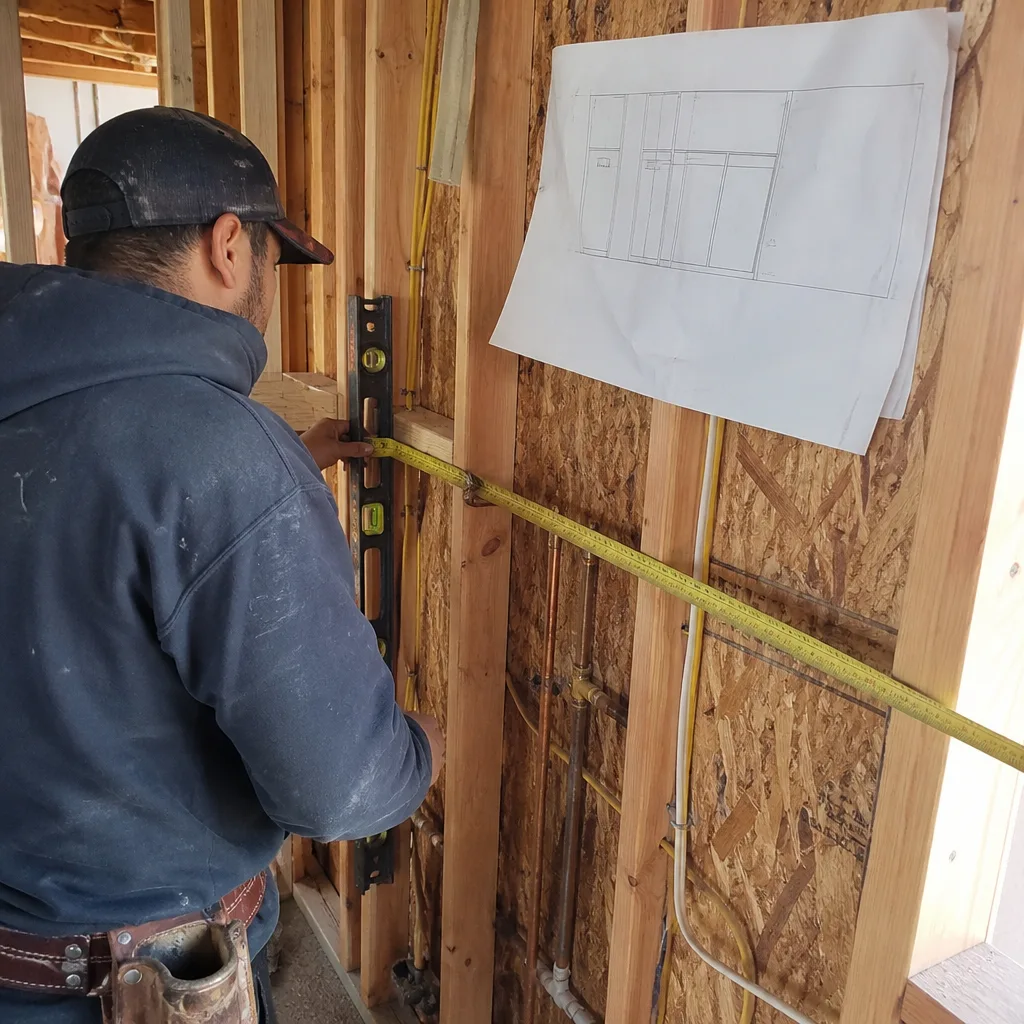
Last updated November 17, 2026

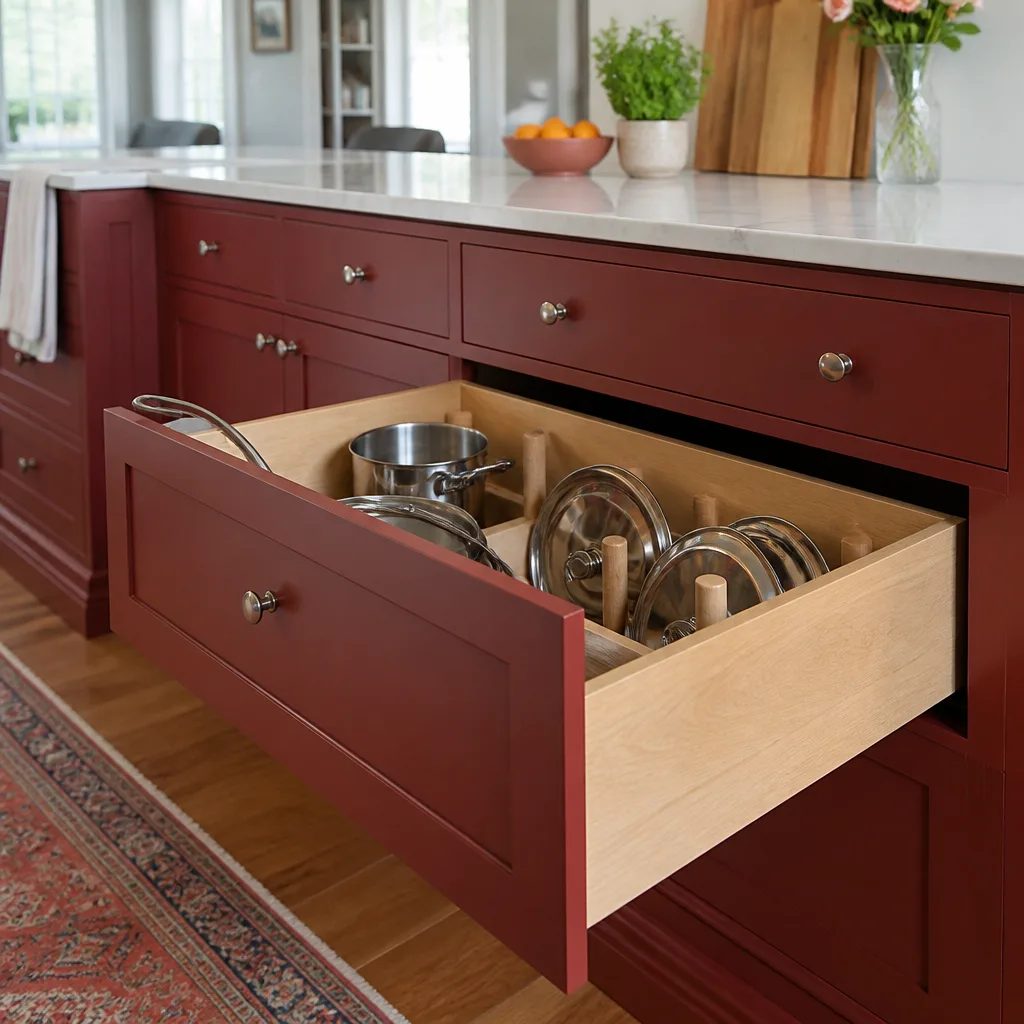






Free written scope consultation - allowances, timeline, and change-order rules on paper before a single trade is scheduled
Kitchen Remodeling Troubleshooting: Common Problems and How to Fix Them
A drawer that won’t close flush and a grout line that cracks within a year look like craftsmanship problems. Usually they’re substrate and shimming problems, which means the fix isn’t cosmetic, and redoing the surface without fixing the cause wastes money twice. We’ve walked into enough Long Beach kitchens to know the pattern: the visible failure is almost never the real one. Most post-remodel complaints trace back to scope failures, things nobody wrote down clearly enough to build correctly. This guide maps the most common complaints back to their actual cause so you fix the right thing the first time.
Quick Answer
Most kitchen remodel problems that show up after move-in come from four root causes: poor substrate prep, seasonal wood movement, ventilation sized for the label rather than the room, and electrical loads that were never calculated. Diagnose the cause before you repair the surface. A cosmetic patch over a movement or substrate problem will fail again within a year, often faster in Long Beach’s coastal humidity.
Styles & brands we work with
- Kitchen remodeling
- Bathroom remodeling
- Home additions & ADU
- Roofing
- Windows & doors
- Driveway & pavers
- Fence
Table of Contents
- Cracking Grout and Failing Caulk Joints
- Cabinet Doors and Drawers That Move Seasonally
- Exhaust Fans That Don’t Actually Exhaust
- GFCI Trips and Circuit Overloads After the Remodel
- Why Scope Failures Cause Most of These Problems
- What a 365-Day Workmanship Guarantee Should Cover
- Common Mistakes to Avoid
- When to Call a Professional
Cracking Grout and Failing Caulk Joints
Cracking grout almost always means movement underneath, not bad grout. The three usual suspects are settlement in the substrate, the wrong product used in a movement joint, and flex at the cabinet-to-counter seam where two different materials meet. Diagnosis matters because each one has a different fix, and sealing over a crack that’s still moving just buys you a few months.
Here’s how we sort it out in Long Beach kitchens:
- Look at where the crack runs. A hairline crack following a straight line across tile usually points to backer board seams. Cracks radiating from a corner or an inside angle point to structural movement.
- Check the cabinet-to-counter seam separately. That joint should be caulk, never grout. Counters and cabinets expand at different rates, and grout there will always crack. Caulk flexes with it.
- Press on the tile near the crack. Hollow sound or visible give means the thinset didn’t bond, which is a substrate problem. Solid tile with a clean crack is usually a movement joint that was grouted when it should have been caulked.
- Test with a moisture meter along exterior walls. Long Beach sits close enough to the water that exterior-wall cabinets and counters see real humidity swings. Trapped moisture under cement board substrate (the moisture-resistant layer behind your tile) causes both cracking and efflorescence, that white powdery bloom.
If the crack is at a change of plane or a change of material, the fix is to cut out the grout and replace it with a flexible sealant rated for kitchen use. If the tile is loose or hollow, the surface has to come up. In our experience, a counter seam that fails within the first year and gets patched cosmetically fails again in 8 to 14 months.
Cabinet Doors and Drawers That Move Seasonally
Cabinet doors that rub in August and swing free in January are usually doing exactly what wood does. In Long Beach, the swing is gentler than inland California, but it’s real: coastal fog in the mornings, dry Santa Ana winds in the fall, and interior humidity that can move 30 points across a year. Paint-grade MDF moves less than solid wood stiles, which is why some cabinets stay quiet and others don’t.
What actually causes doors and drawers to fight their frames:
- Wood species and finish. Solid oak and maple stiles move more than a stable engineered core. A factory finish on all six sides of a door slows moisture exchange; a painted door sealed on only one face absorbs unevenly and cups.
- Hinge adjustment, not hinge failure. Ninety percent of doors that rub can be corrected with a screwdriver. European-style concealed hinges have three adjustment screws: one for side-to-side, one for height, one for depth. A five-minute tune-up often solves a “warped door.”
- Out-of-plumb cabinet boxes. If the box itself is out of level or plumb, doors rack against the frame no matter how many times you adjust them. That’s an installation issue, not a cabinet issue.
- Drawer slides that bind. Undermount slides need the box square and the slide parallel. A drawer that binds at one corner usually means the slide was mounted slightly out of parallel.
If you’re specifying new cabinets, ask about the box material and the door core before you compare price. We install KraftMaid and Wellborn cabinetry, and both lines offer stable core options that handle Long Beach’s humidity swings better than an all-solid-door build at the same price point.
Exhaust Fans That Don’t Actually Exhaust
A range hood that makes noise isn’t necessarily moving air. Many remodels install a hood because it looks right and lights up, but the actual airflow, measured in cubic feet per minute (CFM), can be a fraction of what the cooking surface needs. California code, through the California Mechanical Code, sets minimum ventilation rates based on the appliance, and a hood that doesn’t hit those numbers is a code problem as much as a comfort problem.
How to test whether your hood is doing real work:
- The tissue test. Turn the hood to high and hold a single-ply tissue against the filter. If it doesn’t hold flat by suction, airflow is weak.
- The smoke test. Light a match or incense stick under the hood and watch where the smoke goes. It should pull straight up and out, not curl back toward your face.
- Check the duct route. A short, straight, smooth-metal duct to outside moves far more air than a long run with elbows or flexible corrugated duct. Every bend costs airflow.
- Confirm it vents outside. Recirculating hoods with charcoal filters clean some grease and odor but move no air out of the house. If moisture beads on your windows while you boil pasta, that’s the tell.
In Long Beach, we see this most in older bungalows where the hood was added during a remodel but the ducting was squeezed into a soffit with three elbows and a flexible section. A hood rated at 400 CFM might deliver 200 under those conditions. If you cook with gas, ventilation isn’t optional: combustion byproducts need a real path out of the house.
GFCI Trips and Circuit Overloads After the Remodel
A GFCI that trips after a remodel is telling you something. It’s either a wiring fault, a moisture problem, or a load the circuit was never sized for. The trick is figuring out which before you call an electrician and pay a diagnostic fee.
How to tell wiring problems from appliance load problems:
- Does it trip with everything unplugged? If the GFCI trips with nothing plugged into it, that’s a wiring or device fault. Stop using the circuit and get an electrician.
- Does it trip only when one appliance runs? A single appliance that trips the GFCI, especially a newer one with a heating element, may have a ground fault of its own. Try that appliance on a different GFCI circuit to confirm.
- Does it trip only when two things run together? That’s a load problem. Today’s kitchens draw more than the kitchens of 1990 were wired for: induction ranges, air fryers, espresso machines, and a microwave can all sit on one circuit. California code requires small-appliance circuits rated for kitchen loads, and a remodel should have added them.
- Does it trip after rain or heavy fog? Wet-season tripping points to moisture reaching an exterior or under-counter outlet. Long Beach’s marine layer finds its way into outdoor-rated boxes that weren’t sealed well.
One practical note: GFCIs have a lifespan. A device that trips repeatedly at 15 years old is often just worn out, and replacing the receptacle at a cost of tens of dollars, not hundreds, fixes it. But if the trip started right after the remodel, start with the wiring and the load calculation, not the device.
Wiring and panel work is genuinely dangerous territory, and it’s also permit territory. If your remodel panel or circuit issues are still live, we handle the electrician coordination on our kitchen remodeling in Long Beach projects and pull the permits as part of the job.
Why Scope Failures Cause Most of These Problems
Here’s the uncomfortable truth: the cracked grout, the rubbing door, the weak hood, and the tripping GFCI all have one thing in common. In most cases we see, nobody wrote down the standard before the work started. The tile contract said “install tile” but not what substrate, what deflection rating, or which joints get caulk. The cabinet contract said “install cabinets” but not the door core or the hinge adjustment standard. The hood was picked for looks, not CFM.
Scope is the boring document that decides whether the job holds up. A good scope answers five questions for every trade:
- What material or product is being installed, by brand and model where it matters?
- What does the substrate or prep look like before the visible work goes on?
- What’s the standard for acceptable work: flat within what tolerance, sealed where, adjusted how?
- What code requirements apply, and who pulls the permit?
- What happens if it fails, and for how long?
We’ve seen more problems caused by a vague sentence in a contract than by a bad tile setter. The reason a written scope matters is that it gives both sides the same definition of “done.” That’s also why we put the price in writing before any work starts, not an estimate range. A written number next to a written scope is the only way to hold anyone to it, including us.
What a 365-Day Workmanship Guarantee Should Cover
A 365-day workmanship guarantee should cover the labor and materials that fail because of how the work was done, not just because something broke. That distinction matters: a warranty that excludes “movement” or “settling” covers almost nothing in a kitchen, because movement and settling are exactly what causes most of these failures.
Here’s what should be in writing for each problem:
- Grout and caulk: cracking at a change of plane within one year should be repaired at no charge, and the repair should address the cause, not just re-grout the crack.
- Cabinets: doors and drawers that bind or rub because of installation or shimming should be corrected, including hinge and slide adjustment.
- Ventilation: the hood should perform to its rated airflow if the duct work was part of the job. If it doesn’t, the ducting layout gets revisited.
- Electrical: GFCI and circuit work should be installed to code, and a device that fails within a year gets replaced at no charge.
- Free return visit: if a repair fails inside the guarantee window, the return trip should be free, with no service call fee.
Ours is the 365-Day Done Right Promise: if the work fails inside that window, we come back and fix it at no charge, and it’s covered in writing on every project. That’s part of the Kingswell Guarantee, which requires a written price before any work starts, a defined arrival window, a clean job site, and a written guarantee on every project. When a claim comes in, we want it documented: photos, dates, what failed and how. That’s not bureaucracy, it’s what lets a company act on a claim quickly instead of debating it.
Common Mistakes to Avoid
- Re-grouting over a moving joint. If the crack is at a change of plane or material, grout will crack again. The joint needs flexible sealant, and the substrate needs to be checked first.
- Calling a binding cabinet door “warped” before checking the hinges. Most binding doors are an adjustment problem, not a warped door. A five-minute hinge adjustment often solves it.
- Buying a hood by the spec sheet CFM. Rated airflow assumes a straight, short duct. Long Beach bungalows often have long, elbow-heavy runs that cut real airflow badly. Check the duct route, not just the label.
- Assuming a tripping GFCI means a bad appliance. Unplug everything and test the circuit first. Tripping with nothing plugged in points to the wiring, not the appliance.
- Skipping the scope document. A contract that says “install tile” without naming substrate, deflection, and joint standards leaves the result to chance.
- Accepting a verbal price. A range that changes at the door is a scope failure waiting to happen. Get the number in writing before the first cabinet comes out.
- Waiting until the guarantee has expired to report a problem. Report small issues inside the first year, while the cause is still traceable and the fix is straightforward.
See the difference
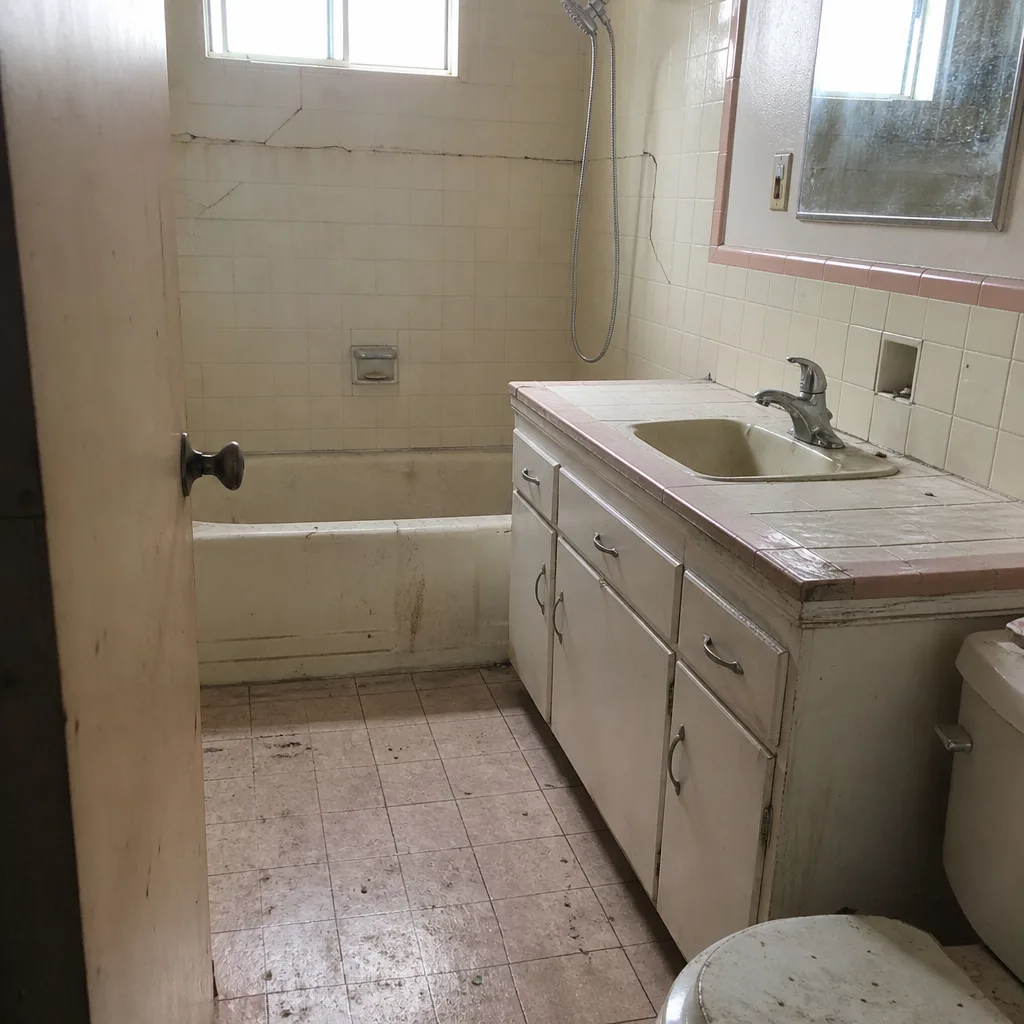 Before
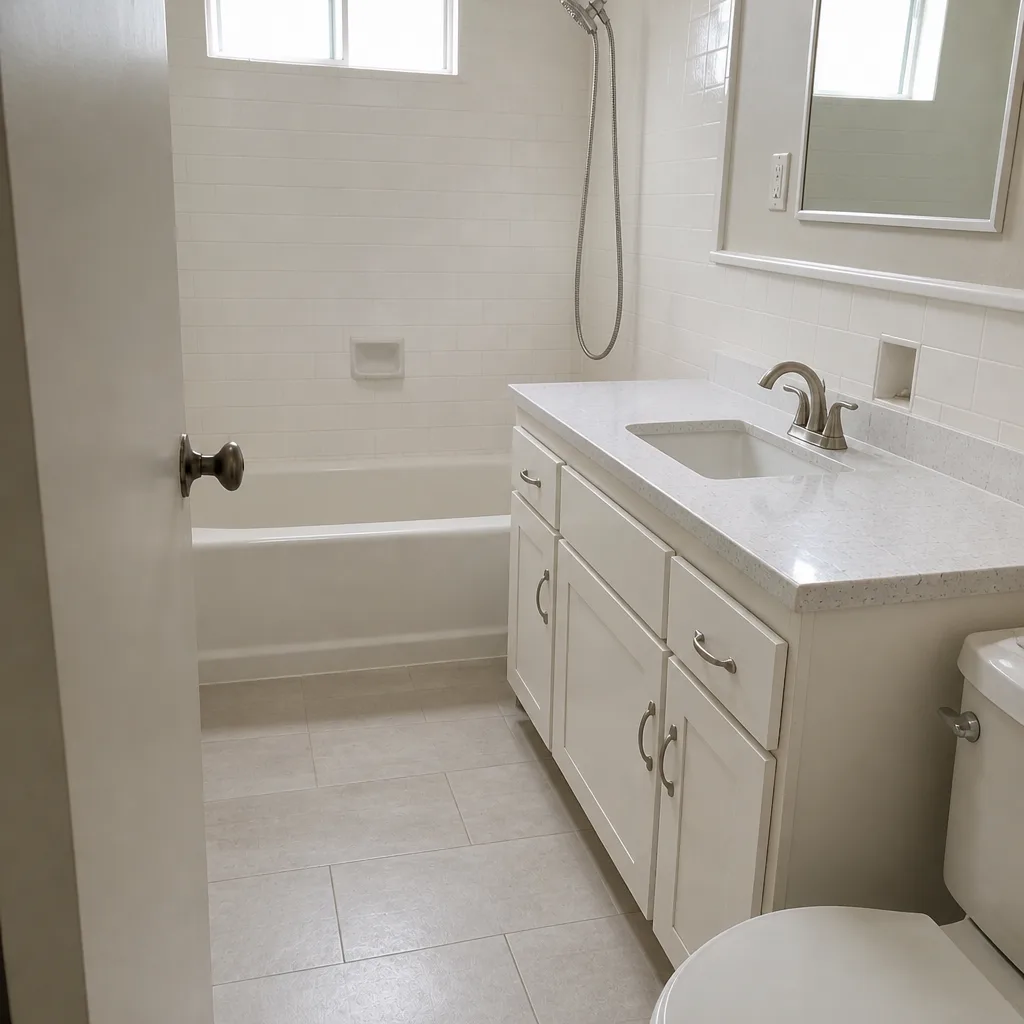 After
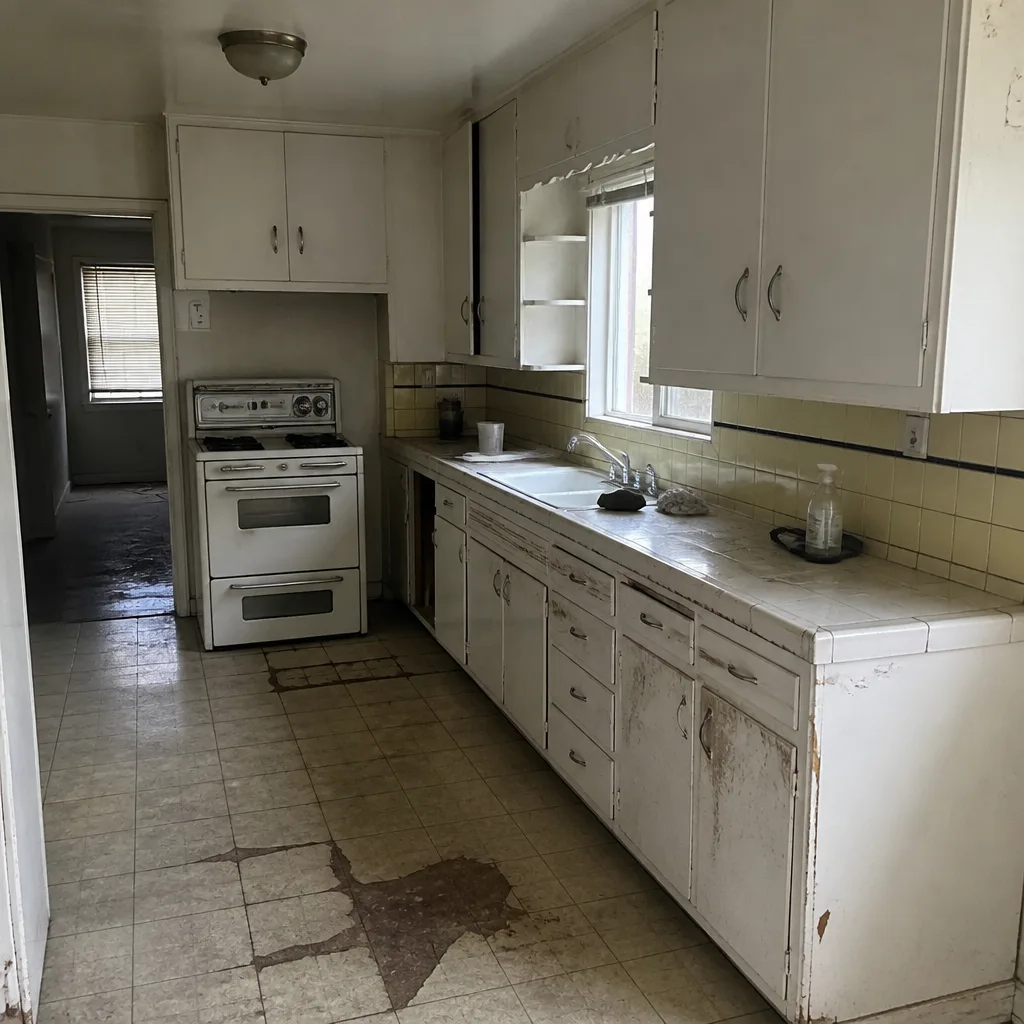 Before
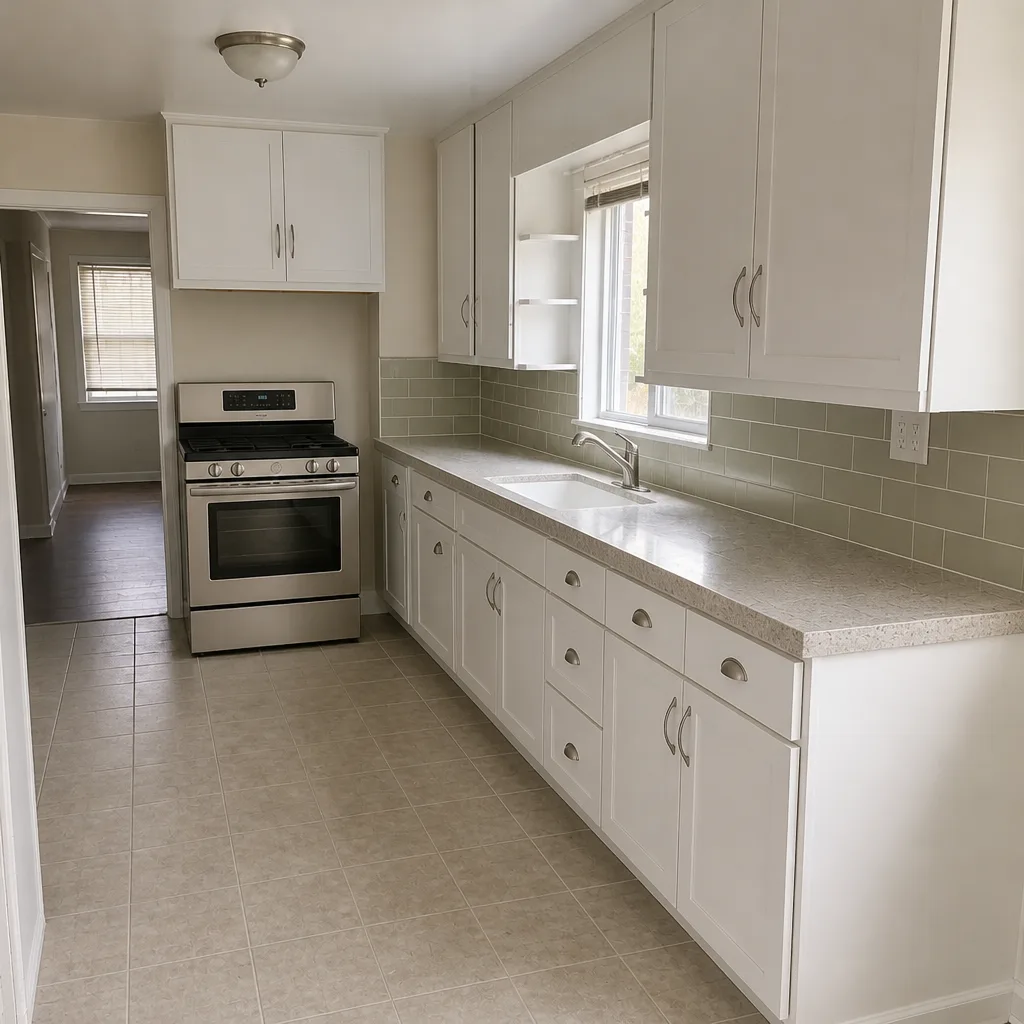 After
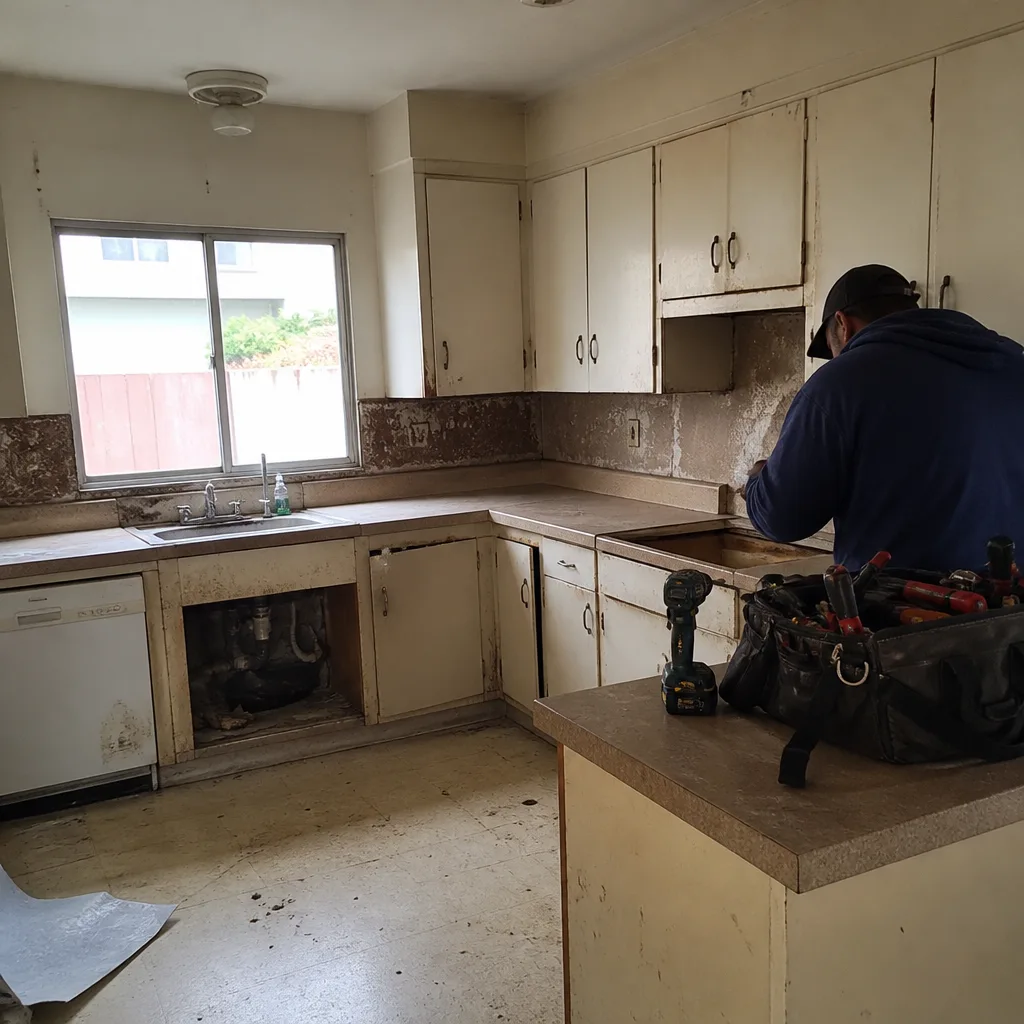 Before
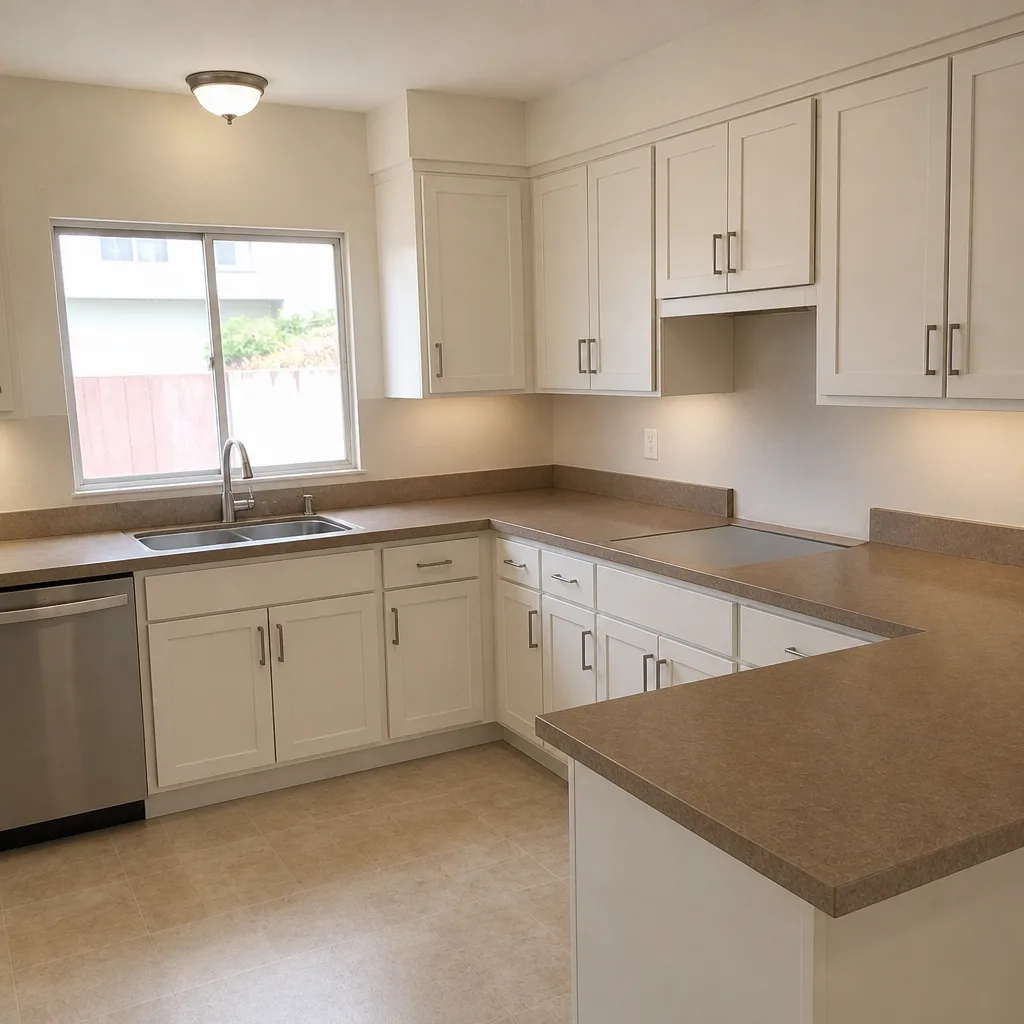 After
When to Call a Professional
Some of these fixes are DIY territory (hinge adjustment, re-caulking a counter seam). Others are not. Call a professional if tile is loose or hollow near a crack, if the GFCI trips with nothing plugged in, if the hood doesn’t move air and the duct route needs work, or if cabinets are out of plumb because the box was installed out of level. Panel and wiring work, gas appliance ventilation, and any repair that requires opening a wall or floor are all reasons to bring someone in. If you’re in Long Beach and something in your kitchen failed after a remodel, we’d rather you call than patch it yourself.
Penhallow Remodeling Long Beach offers free estimates in Long Beach. Call (833) 510-6967 and we’ll walk through what failed and what it takes to fix it right. If your project needs a broader look, we also handle bathroom remodeling in Long Beach and general contractor work in Long Beach, and we’re happy to give you a written scope and a written price before anything starts.
Frequently Asked Questions

Re-caulking a counter seam typically runs $150 to $400. Re-grouting a floor section runs $300 to $800 depending on square footage. If the tile is loose and the substrate needs repair, expect $1,200 to $3,500, because the surface has to come up. Call (833) 510-6967 for an exact quote. Estimates are free.
Wood and paint absorb and release moisture with the seasons, so doors move a few millimeters across a year. In Long Beach the swing is smaller than inland, but a painted door sealed on only one face takes on moisture unevenly and cups. A stable engineered door core and a factory finish on all sides reduce the problem. Hinge adjustment fixes most binding doors regardless of season.
Hold a tissue against the filter on high speed. If it won’t stay flat by suction, the hood isn’t moving real air. Check whether the duct runs to the outside, how many elbows it has, and whether it’s smooth metal or flexible corrugated duct. A hood rated at high CFM with a long, elbow-heavy duct can move less than half its rated airflow.
If it trips with nothing plugged in, that’s a wiring or device fault and you should stop using the circuit. If it trips only when one appliance runs, that appliance may have its own ground fault. If it trips when two appliances run together, it’s a load problem and the circuit needs to be evaluated for capacity. Call (833) 510-6967 if you want it looked at.
It should cover the labor and materials that fail because of how the work was done: cracking grout at a change of plane, binding cabinet doors from installation, weak ventilation from duct layout, and electrical devices that fail inside a year. The repair should be free, including the return visit, and the guarantee should be in writing. Ours is the 365-Day Done Right Promise, and it is included on every project.
It shouldn’t. A repair should come with a written price before any work starts, so the number on day one is the number on the invoice. If a contractor hands you a verbal estimate that changes after demo, that’s a scope problem, not your problem. That’s part of the Kingswell Guarantee: a written price before any work starts, every time.
The Bottom Line
Most kitchen problems after a remodel aren’t bad craftsmanship in the obvious sense. They’re scope failures: a joint that should have been caulked was grouted, a hood was chosen by looks instead of airflow, a circuit wasn’t sized for the appliances it feeds, a cabinet box was installed slightly out of level. The fix starts with diagnosis, not with a cosmetic repair. Long Beach’s coastal humidity makes movement issues show up faster here than inland, so getting the cause right matters. And the best protection isn’t a patch, it’s a written scope and a written guarantee before work starts. If you’re dealing with any of this, we’re glad to take a look. We’re Penhallow Remodeling Long Beach, and if it wasn’t done right, we make it right.
Written by the team at Penhallow Remodeling Long Beach.