Last updated November 17, 2026



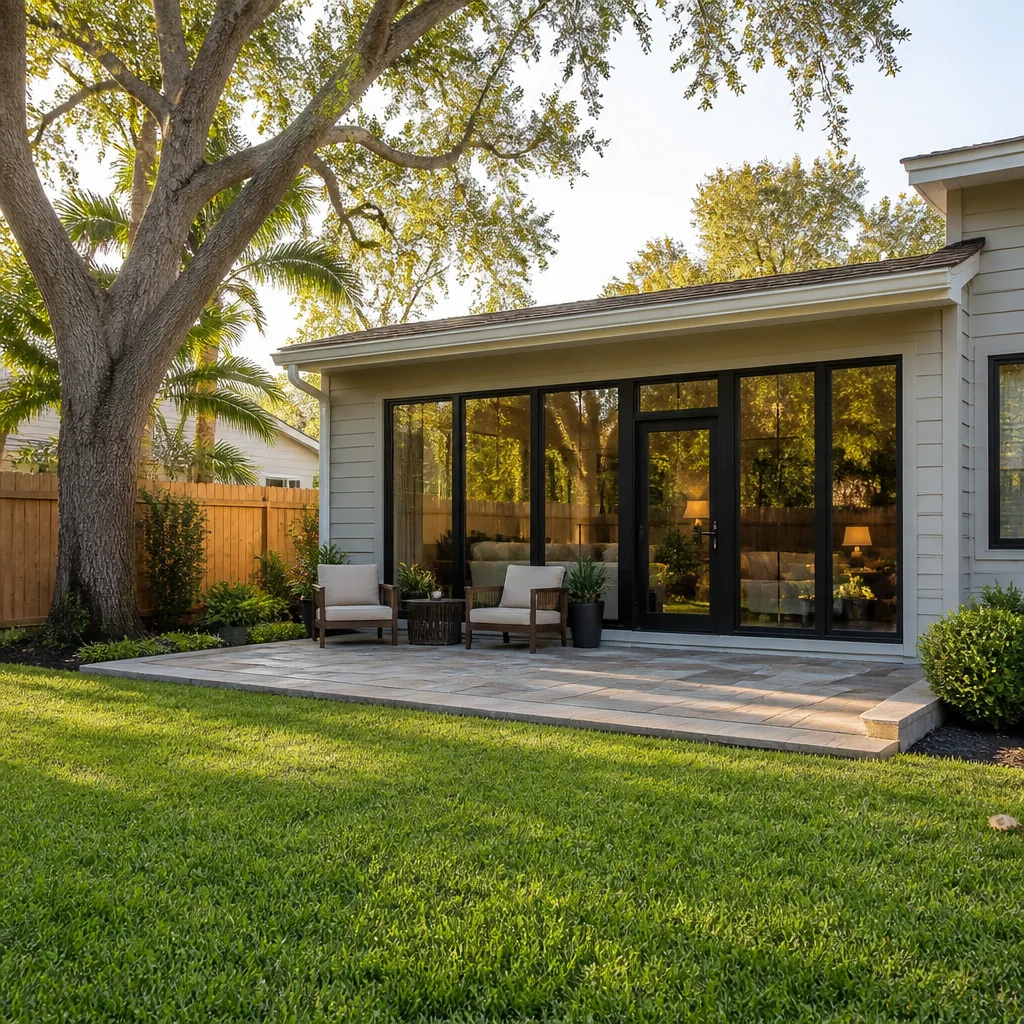


Free written scope consultation - allowances, timeline, and change-order rules on paper before a single trade is scheduled
Seasonal Construction Care for Long Beach: Year-Round Homeowner’s Guide
Most Long Beach homeowners schedule projects around vacations, tax refunds, or the weekend their brother-in-law can help. Almost none schedule around the marine layer. That’s a costly oversight. The best window to re-caulk exterior surfaces here is a narrow stretch in late September. Start in December, when the marine layer parks over the city and holds moisture against stucco for days, and you’ll be redoing that caulk by spring. Long Beach doesn’t get dramatic seasons, but it has distinct weather windows that decide whether a project goes smoothly or expensively sideways. This guide maps those windows for you: what to tackle when, what to inspect after the Santa Anas, and how to time a remodel so weather and contractor calendars both work in your favor.
Quick Answer
In Long Beach, the reliable construction window for exterior work runs from late August through October, after the marine layer burns off and before the winter rains arrive. Exterior paint, stucco patching, and deck sealing should happen in that stretch when surfaces stay dry and daytime temperatures hold steady. Interior remodels can run year-round, but booking them in late fall and winter usually means better scheduling and fewer weather surprises.
Styles & brands we work with
- Kitchen remodeling
- Bathroom remodeling
- Home additions & ADU
- Roofing
- Windows & doors
- Driveway & pavers
- Fence
Table of Contents
- Long Beach’s Real Weather Calendar for Construction
- Why Late Summer Is Long Beach’s Best Exterior Window
- Santa Ana Winds: What to Inspect Before and After
- Winter Prep a Mild Climate Still Demands
- The Marine Layer and What It Does to Materials
- How to Time a Remodel Around Peak Season
- Neighborhood Notes: What We See Around Long Beach
- Your Seasonal Inspection Checklist
Long Beach’s Real Weather Calendar for Construction
Long Beach gets roughly 14 inches of rain a year, almost all of it between November and March, and much of it in a handful of short, heavy bursts. That pattern matters more than the annual total. A single December storm can dump an inch in an afternoon, and if you’ve just painted exterior trim, that rain will find every gap.
Here’s how the year actually breaks down for building purposes:
- January through March: Rain risk is highest. Marine layer is thick and slow to burn off. Good months for interior work, bad months for exterior paint and stucco. Moisture trapped behind fresh coatings is the enemy.
- April through June: “May gray” and “June gloom” settle in. Humidity runs high in the mornings, and coastal neighborhoods like Belmont Shore and Naples stay damp well past noon. Exterior caulk and paint cure slowly or not at all.
- July through mid-August: The layer burns off earlier and surfaces dry out. Warm, dry afternoons make this a strong window for prep work, stucco patching, and getting materials acclimated.
- Late August through October: The sweet spot. Dry air, reliable sun, and stable temperatures. This is when exterior paint, deck sealing, and waterproofing actually hold.
- November through December: Rains return, and Santa Ana winds can show up unpredictably. Finish exterior work by early November if you can.
That’s the calendar. Planning a project by it, rather than by your own schedule, is the single biggest lever you have on how long the work lasts and how well it holds. When you’re ready to map a project to these windows, our general contractor in Long Beach team can help you find the right fit.
Why Late Summer Is Long Beach’s Best Exterior Window
Late summer through early fall is when exterior materials behave the way the manufacturers expect. Paint needs a surface that’s dry and a stretch of hours where the temperature stays in a workable range. Stucco patching needs the same. Deck sealant needs wood that hasn’t absorbed morning fog.
Apply these in the wrong conditions and you get predictable failures. Paint sprayed over a damp stucco face in February traps moisture, and within a season you’re looking at blistering and peeling. Sealant applied to fog-soaked deck boards doesn’t penetrate; it sits on top and fails in sheets. This isn’t a materials problem. It’s a timing problem.
What to schedule in the late-August-to-October window:
- Exterior caulking and re-caulking. The late-September window our opening mentioned. Joints around windows, doors, and trim expand and contract with the swing between coastal cool and inland warm. Caulk applied in that stable stretch flexes with the building instead of cracking away from it.
- Stucco patching and repair. Small cracks are normal in Long Beach’s older housing stock, but they let water in at the worst angle. Patch and repaint in the dry window.
- Deck and fence waterproofing. Wood needs to be dry to accept sealant. Late summer gives you that.
- Exterior paint. Full repaints, trim touch-ups, and garage doors all want the same dry, stable stretch.
We’ve watched homeowners in Bixby Knolls and Los Altos push exterior paint to the holidays because that’s when the family was free. It looks fine for a few months. By the next marine-layer season, the failures show up, and the job costs more the second time.
Santa Ana Winds: What to Inspect Before and After
Santa Ana winds arrive most often in fall and winter, blowing hot and dry from the interior toward the coast. In Long Beach, they dry out landscaping and building materials fast, and they put real stress on anything mounted or attached. Roofing, fencing, and outdoor structures take the brunt.
Before a wind event, walk the property and check:
- Loose or lifted roof shingles, especially on older roofs near the coast.
- Fence posts that have softened at the base, and gates that already wobble.
- Pergolas, patio covers, and shade structures with fasteners that have backed out.
- Any exterior fixture, gutter, or downspout that’s already hanging loose.
After the wind passes, the priority inspection is the roof and the fence line. On a fence, look for wind-whipped boards and posts that now lean. If your fence is reaching the end of its life, wind-rated vinyl products like Bufftech and Jerith hold up well in this climate, and they don’t need the seasonal staining wood does.
This is where a safety note belongs. Roof inspection means climbing, and falls are the most common serious injury on residential property. We don’t recommend walking a roof yourself, especially an older one with compromised shingles after a wind event. Get a trained professional to look. The cost of an inspection is small next to the cost of a fall.
Winter Prep a Mild Climate Still Demands
Long Beach winters are gentle, but “gentle” doesn’t mean “nothing to do.” The rain that does fall comes in concentrated bursts, and that’s exactly when poor drainage shows itself. Water that pools against a foundation or backs up under a patio door does damage quickly in a short storm.
The winter prep that actually matters here:
- Clear the gutters and downspouts. Long Beach trees drop debris year-round, and a clogged downspout turns a normal rain into an overflow at the wrong corner of the house.
- Check slope and drainage. The ground should fall away from the foundation. Over time, soil settles and planting beds build up, and you can end up with water running back toward the slab. Regrade where it’s off.
- Inspect the roof before the first real rain. A small flashing failure discovered in October is a cheap fix. The same failure found in January, after water has tracked into a ceiling, is not.
- Seal exterior doors and windows. Wind-driven rain finds the gaps that caulk has given up on.
- Look at the caulk line one more time. If you did the late-September work, this is just a quick confirmation. If you didn’t, this is the reminder of why that window exists.
None of this requires a contractor, and none of it is beyond a careful homeowner. The point is timing. Do these checks in October, and the December storms are a non-event. Skip them, and you spend the winter chasing water.
The Marine Layer and What It Does to Materials
The marine layer is the low coastal fog that settles over Long Beach on many mornings, especially from late spring into early summer. Inland neighborhoods like Lakewood and parts of North Long Beach clear early. Coastal pockets like Belmont Shore and the Peninsula can hold moisture until late morning or all day.
For construction, moisture is the variable that ruins good work. Paint, stucco, caulk, and sealant all need a dry surface and a curing window. When the air is saturated and the sun doesn’t break through, those materials cure slowly or not at all. Paint applied over damp substrate can blister. Sealant applied to damp wood doesn’t bond. Stucco patch applied in the fog can craze and crack.
The practical rule: exterior coatings go on when a surface will stay dry for the better part of a day, not just when it’s dry at the moment you touch it. In December, that window often doesn’t exist. In late September, you have weeks of it. That’s why our opening hook wasn’t a joke about scheduling. It’s the whole reason this guide exists. The materials don’t care about your calendar. They care about the weather, and you can plan around it.
How to Time a Remodel Around Peak Season
Here’s the part most homeowners don’t think about. Contractor calendars and weather windows don’t move together. Peak season for remodeling in Long Beach runs spring through early fall, when everyone wants the work done. That’s also when schedules are tightest and pricing carries a premium. Book a kitchen or bath remodel in late fall or winter, and you often get more attention, faster scheduling, and a calmer project.
The catch is that you can’t do exterior work in the rainy window. So the smart play is to separate the work into what depends on weather and what doesn’t.
- Interior projects (kitchens, baths, interior layout changes) can run year-round. Scheduling them in the cooler, quieter months is usually the better experience.
- Exterior projects (siding, exterior paint, structural repairs) belong in the dry late-summer-to-fall window. If your remodel mixes interior and exterior work, sequence the exterior portion into that stretch.
We’ve seen homeowners lose money to a contract signed at the height of spring rush, when crews are stretched and lead times on cabinetry and fixtures stretch with them. Booking in the off-season often means materials arrive on schedule and the work isn’t competing with five other jobs for attention. When you’re ready to plan one of these, our kitchen remodeling in Long Beach and bathroom remodeling in Long Beach pages walk through how we sequence projects around weather and supply.
One more reason to plan ahead: materials come with their own timing. Cabinetry from lines like KraftMaid and Wellborn, and surfaces like Cambria and Silestone, carry lead times that run weeks or months. Starting a project in the right weather window only helps if the materials are on site when the crew is. Get the order moving early and let the calendar work for you instead of against you.
Neighborhood Notes: What We See Around Long Beach
Long Beach is more varied than its weather suggests, and the seasonal patterns show up differently block to block.
- Belmont Shore and Naples: Coastal moisture hangs longer, so exterior coatings need a wider dry window. The late-September stretch is especially important here, because the fog season starts earlier than inland.
- Bixby Knolls and Los Altos: Older housing stock means more original stucco and wood trim, both of which show caulk failure and paint blistering sooner when work happens in the wrong season.
- Lakewood and North Long Beach: Warmer and drier than the coast, so surfaces dry faster, but the Santa Ana wind exposure on fencing and roofs is more pronounced.
- The Peninsula: Salt air and wind together, which means fasteners, railings, and exterior hardware need more frequent inspection than you’d expect inland.
We’ve also learned that a lot of Long Beach homes are older than their owners expect, and older homes hide the seasonal damage until it’s structural. That’s not a scare tactic. It’s a reason to inspect before the rains and not after. When something needs more than a patch, our Penhallow Remodeling Long Beach home page is the place to start.
Your Seasonal Inspection Checklist
If you do nothing else from this guide, do a twice-a-year walkthrough: once in late spring and once in early fall. Here’s the checklist we’d use:
- Roof and flashing: Look for lifted shingles, cracked flashing, and granule loss. Inspect from the ground or with binoculars; don’t climb.
- Gutters and downspouts: Clear debris and confirm water runs away from the foundation.
- Caulk and seals: Check joints around windows, doors, and trim. Note where caulk has cracked or pulled away.
- Exterior paint and stucco: Small cracks and blisters are the early signs a repaint is due.
- Deck and fence: Look for loose boards, soft posts, and sealant that has worn thin.
- Drainage and slope: Confirm the ground falls away from the house, and correct any pooling spots.
- Wind-rated structures: Check pergolas, patio covers, and gates for loose fasteners before Santa Ana season.
Snap photos as you go. A photo of the same corner each season tells you faster than memory whether a crack is growing.
Common Mistakes to Avoid
- Painting or sealing in the marine-layer months. It looks fine for a while, then blisters and peels. Wait for the dry late-summer window.
- Scheduling exterior work around the holidays because the family is free. Your calendar and the weather calendar aren’t the same, and the materials follow the weather.
- Skipping the pre-rain roof inspection. A flashing failure found in October is a cheap fix; found in January after water tracks into a ceiling, it’s a project.
- Letting gutters fill and stay full. Long Beach trees drop debris year-round, and a clogged downspout sends water exactly where you don’t want it.
- Ignoring fence and post movement after a Santa Ana event. A leaning post gets worse every wind season; catch it early.
- Climbing the roof yourself. Falls are the leading cause of serious injury on residential property. Inspect from the ground and have a professional look at anything you can’t see safely.
- Booking peak-season and paying a premium for tight scheduling. Off-season interior work often means better lead times and a calmer project.
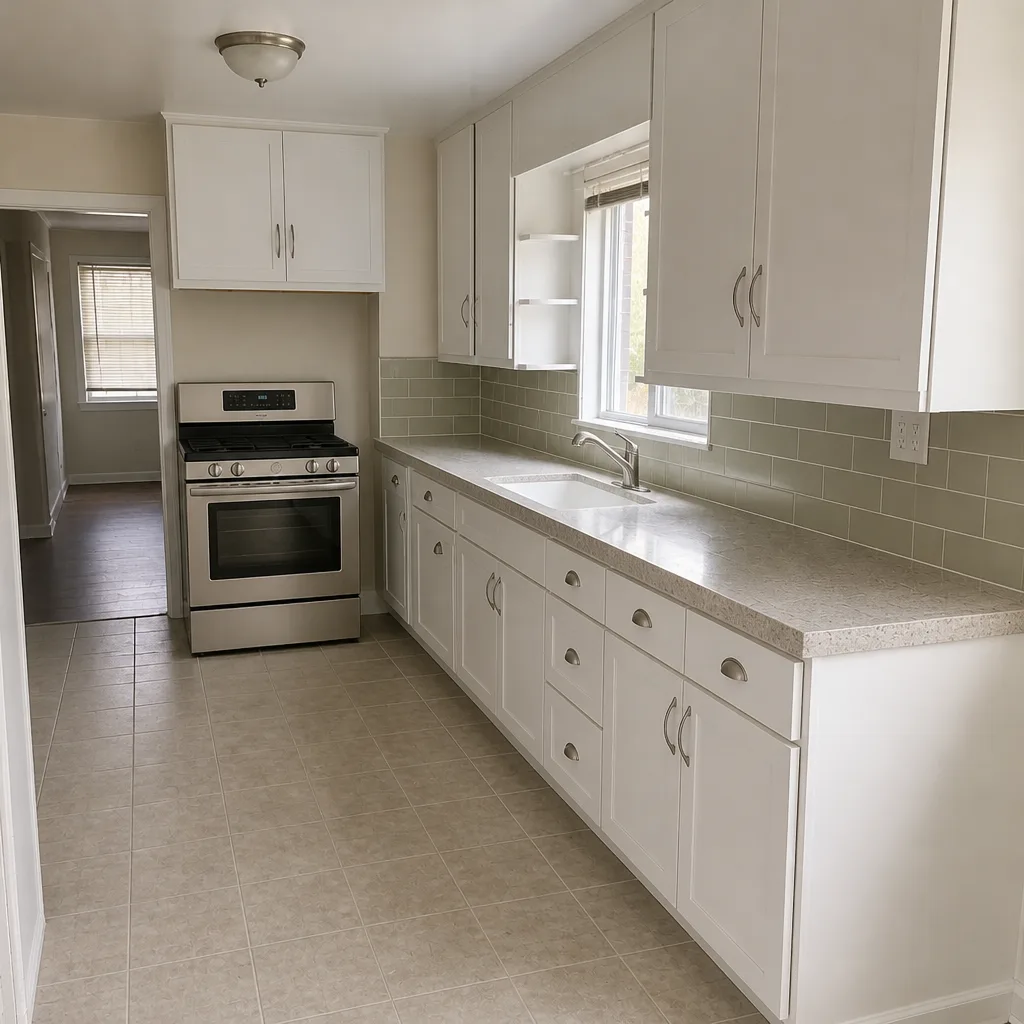
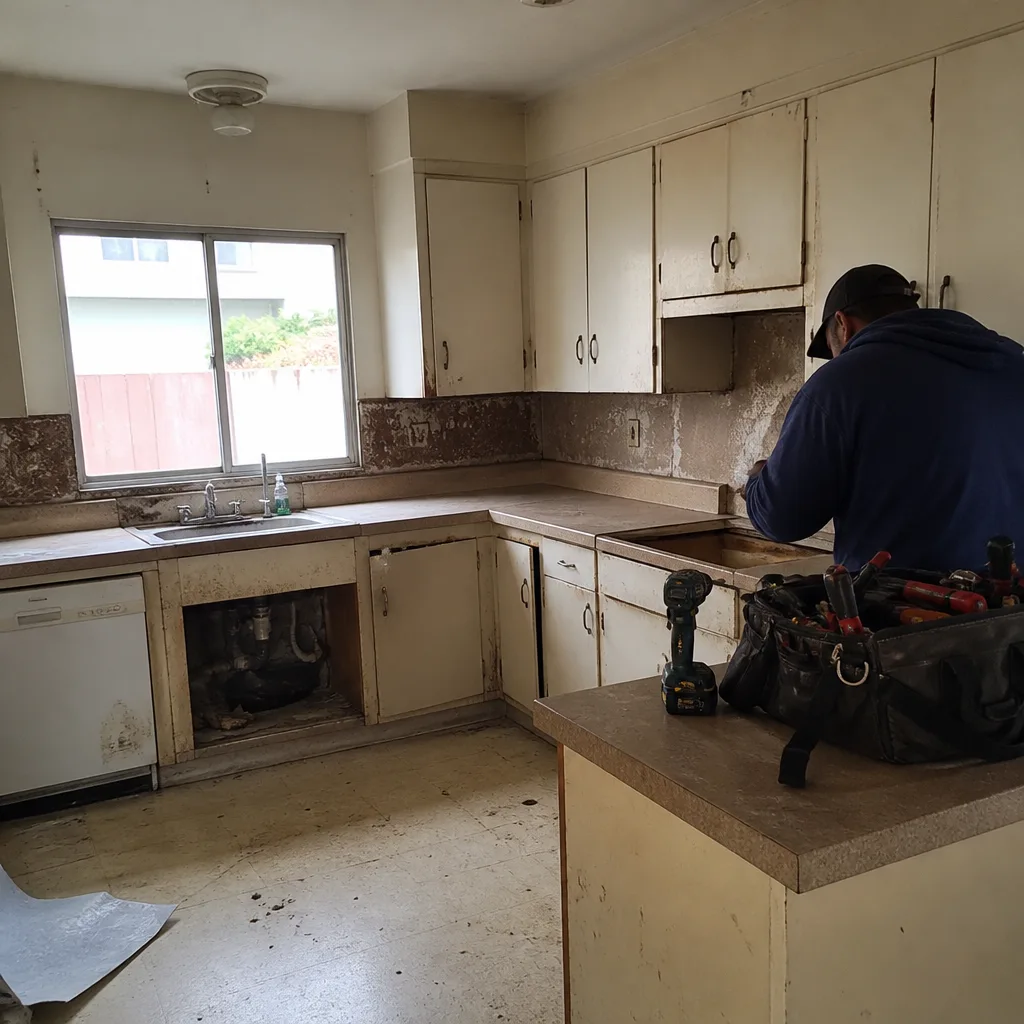
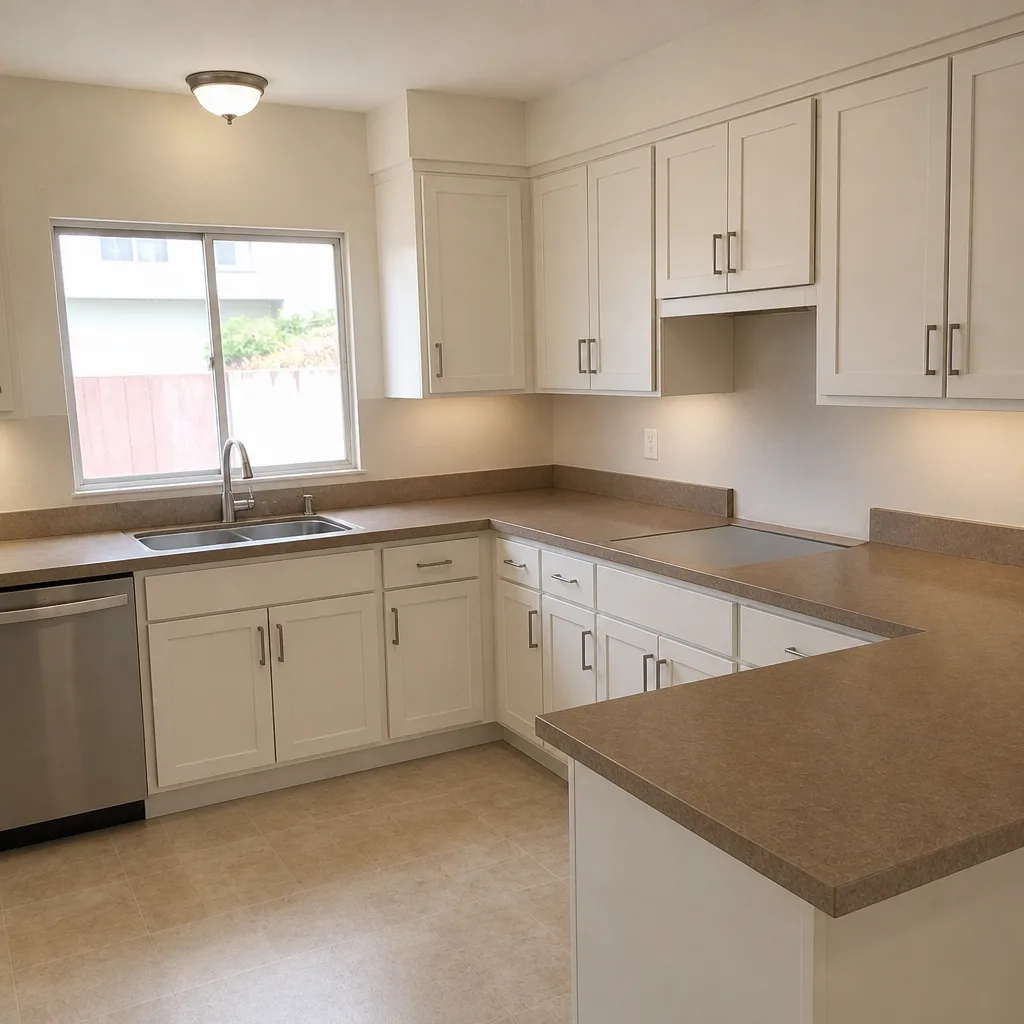
See the difference
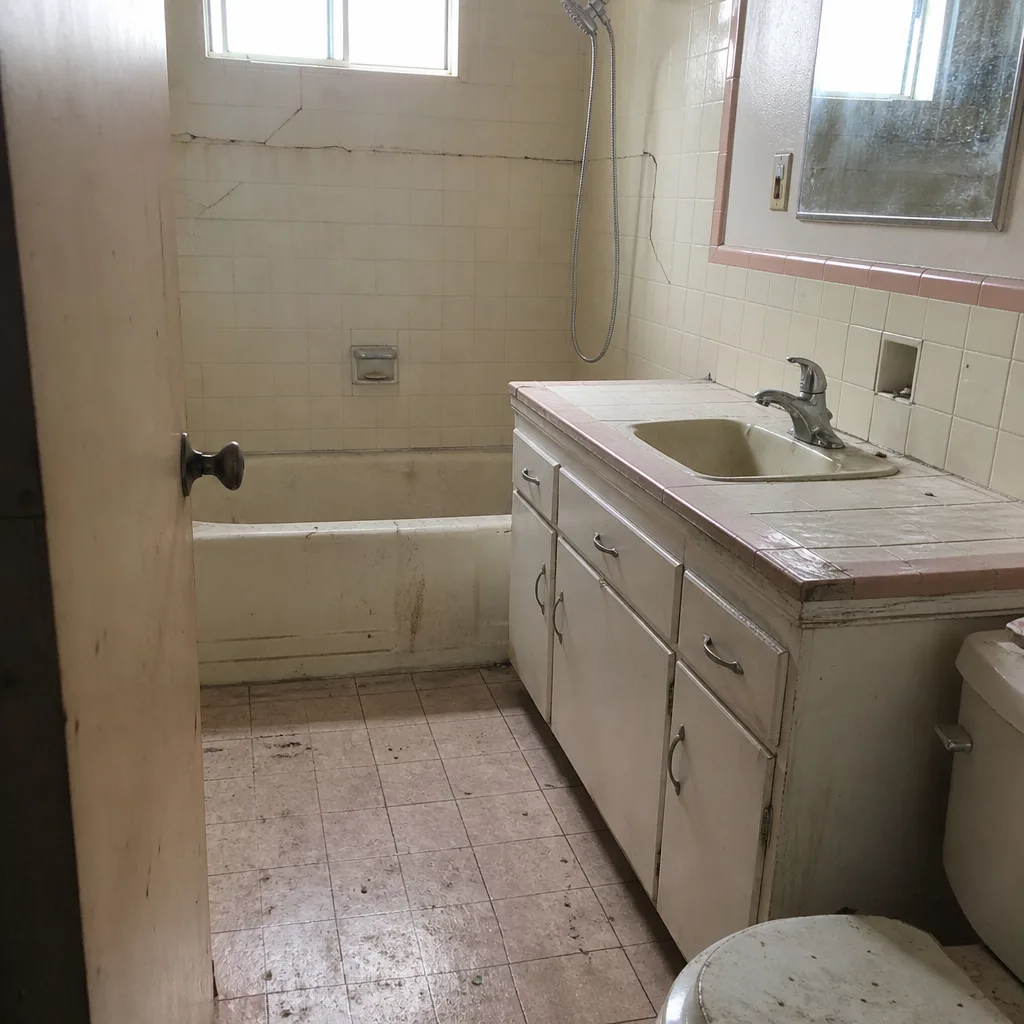 Before
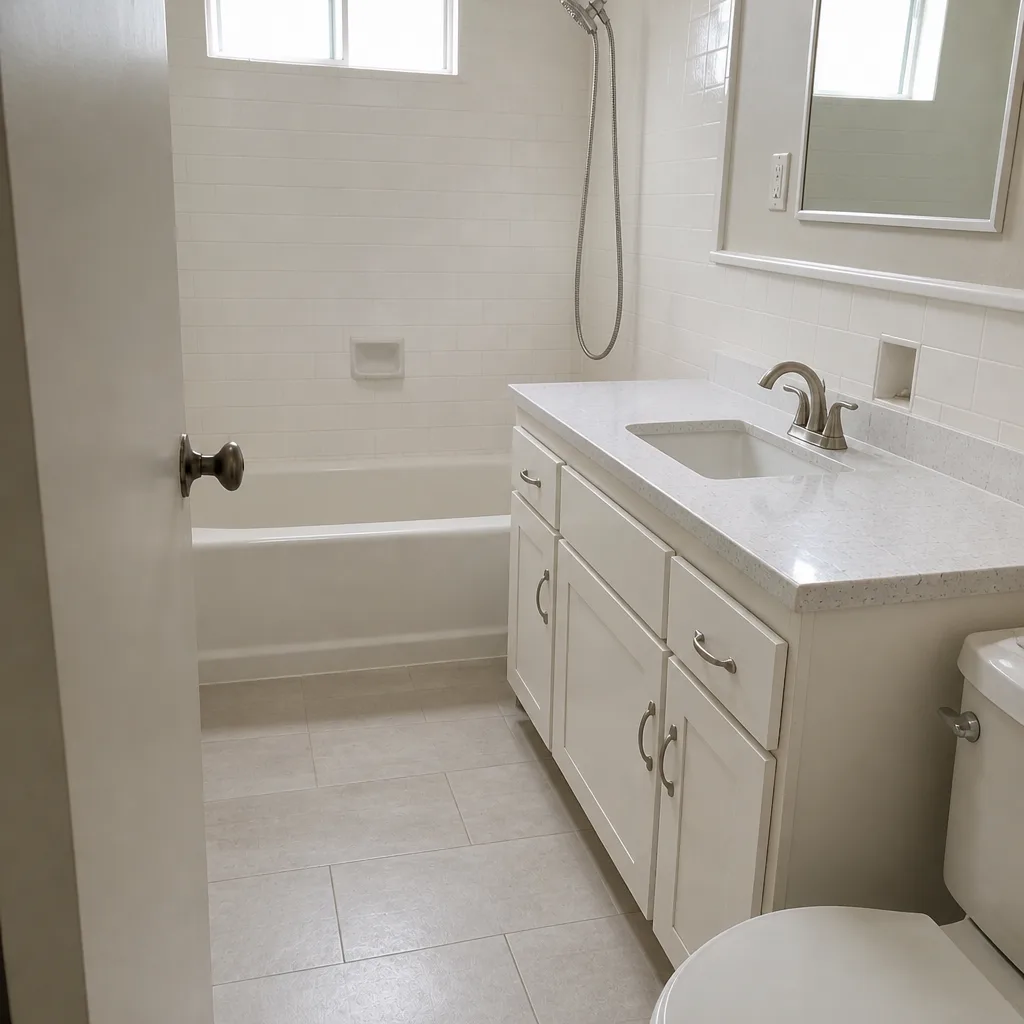 After
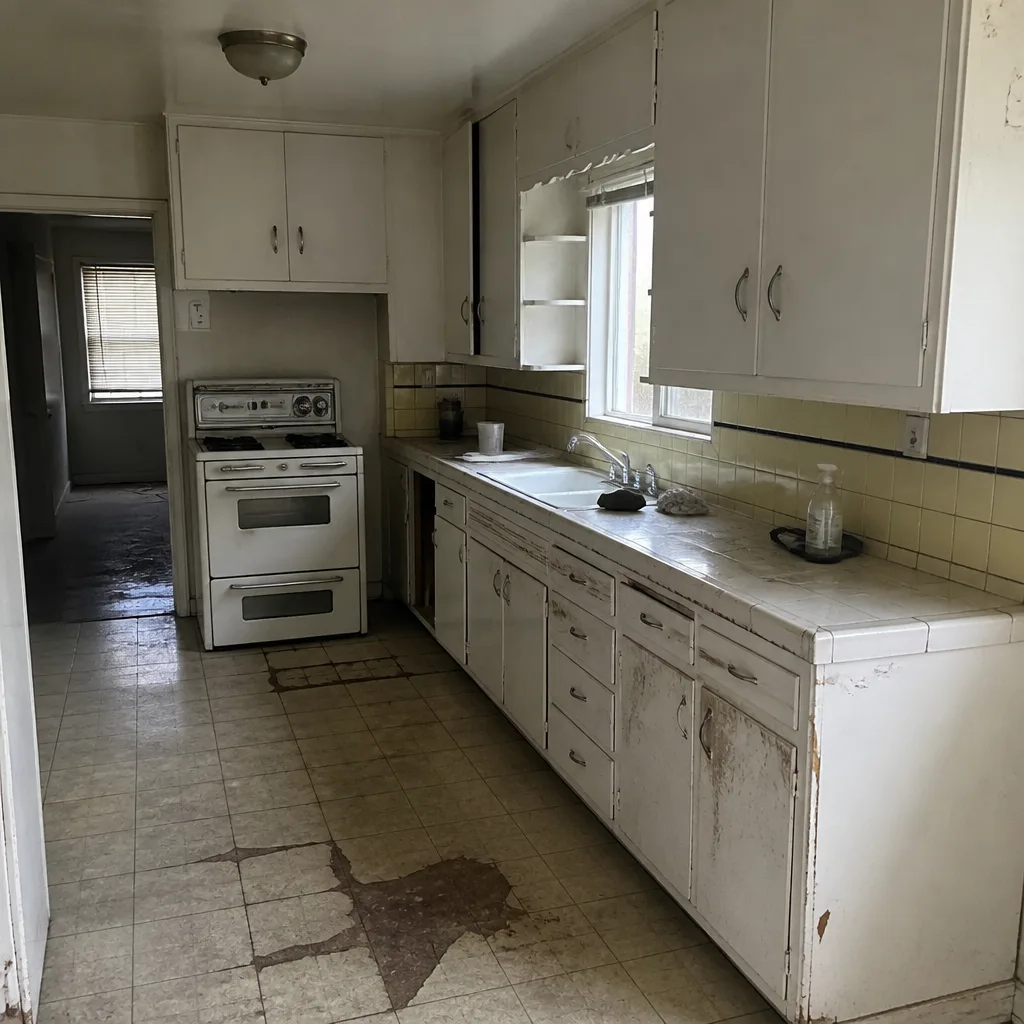 Before
 After
 Before
 After
When to Call a Professional
Some of this work is a homeowner’s job. Some isn’t. Call a professional when the roof needs real attention, when stucco damage runs deeper than a surface crack, when a fence or pergola has structural movement, or when drainage problems are pointing water at your foundation. Call us too when a remodel needs to fit a weather window and a supply timeline at the same time, because that’s where sequencing gets complicated. Penhallow Remodeling Long Beach offers free estimates in Long Beach, gives you a written price before any work starts, and stands behind every project with the 365-Day Done Right Promise: if it fails inside the guarantee period, we come back and fix it at no charge. Call (833) 510-6967 to schedule your free estimate.
Frequently Asked Questions

Late September through October. The marine layer has burned off, surfaces stay dry, and daytime temperatures hold steady, which lets paint and sealant cure properly. Avoid the fog-heavy months from December through June, when coatings can trap moisture and fail early. Call (833) 510-6967 for an exact quote on your exterior project; estimates are free.
Yes, interior remodels run year-round here, and scheduling them in the quieter fall and winter months often means better lead times and a calmer project. Exterior work is different: paint, stucco, and deck sealing need the dry late-summer window. A professional can sequence a mixed project so each part lands in the right season. Call us to plan one.
It depends on scope. A caulk and seal refresh on trim and windows typically runs a few hundred to around $1,500 depending on the size of the home and how much prep is needed. A full exterior repaint generally runs from roughly $3,500 into the $9,000 range based on square footage, story count, and surface condition. Stucco patching is priced by area. Call (833) 510-6967 for a written, line-item quote; estimates are free.
Start with the roof and the fence line. Look for lifted or missing shingles, gates that now wobble, and fasteners that have backed out on pergolas and patio covers. Inspect from the ground and have a trained professional get on the roof. Call us if you see damage you can’t safely assess.
Yes, directly. Moisture in the air keeps surfaces damp, and paint, stucco, caulk, and sealant all need a dry surface and a curing window to hold. Applied in the fog, they cure slowly or fail early. Coastal neighborhoods like Belmont Shore hold moisture longer than inland areas, so the dry window matters even more there.
Not on our projects. We give you a written price before any work starts, and that’s the number on the invoice. No surprise line items after demo, no range that balloons at the door. If the scope changes because you ask for something different, we price it in writing first. Call (833) 510-6967 to schedule your free estimate.
The Bottom Line
Long Beach is forgiving on weather most of the year, but the windows that actually protect your materials are narrow. Exterior paint, caulk, stucco, and deck sealing belong in the dry late-summer stretch. Winter prep is about rain, drainage, and slope. Santa Ana winds call for inspection before and after. Interior remodels can run year-round, and off-season scheduling usually gets you better materials timing and a calmer project. Plan by the weather calendar, not just your own, and most of this guide’s warnings never become problems. Call (833) 510-6967 for a free estimate on anything the checklist turns up.
Written by the team at Penhallow Remodeling Long Beach.