Last updated November 17, 2026

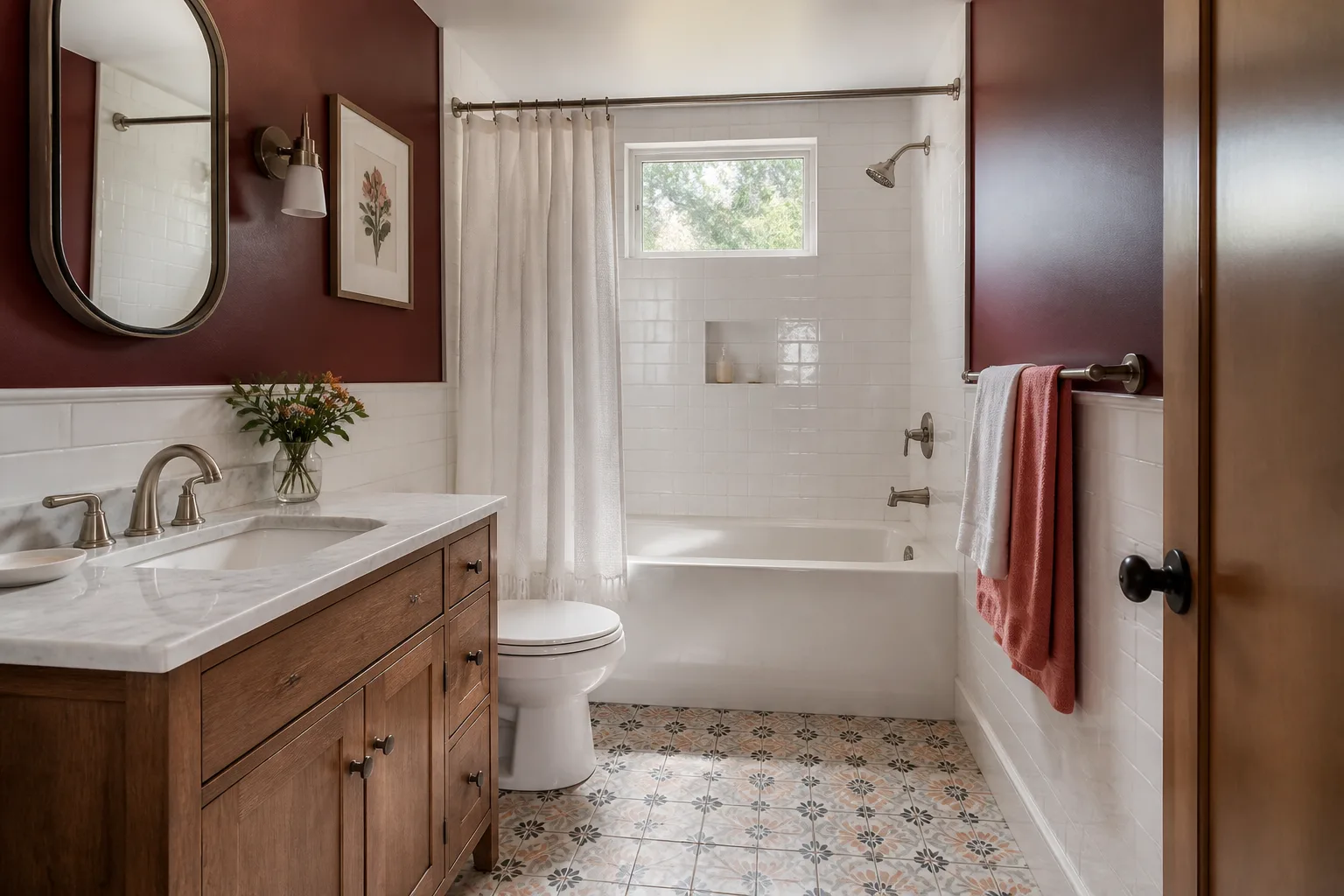




Free written scope consultation - allowances, timeline, and change-order rules on paper before a single trade is scheduled
Bathroom Remodeling Warning Signs Every Homeowner Should Know
A contractor who won’t put the price in writing before demo day isn’t hiding a bad number. He’s reserving the right to change it once your bathroom is torn apart and you have no leverage. That’s the uncomfortable truth behind most remodeling horror stories, and it has almost nothing to do with tile workmanship. The red flags that predict a bad bathroom remodel show up in paperwork habits long before a single tool is unloaded. This guide teaches you to read the business behavior, not just the portfolio. We’ll cover verbal estimates that turn into inflated invoices, vague scope language, missing arrival windows, subcontractor shell games, and the guarantee gap. We’ve watched hundreds of Long Beach homeowners navigate these decisions, and the patterns repeat.
Quick Answer
The biggest bathroom remodeling warning signs are a refusal to give a written price before work starts, scope language full of “allowances” and “as needed,” no stated arrival window, unclear subcontractor management, and a guarantee that isn’t written or time-bound. Any one of these means the contractor is reserving the right to change terms after demo day. In Long Beach, where older homes often hide cast-iron plumbing and moisture issues, those vague terms cost homeowners the most.
Styles & brands we work with
- Kitchen remodeling
- Bathroom remodeling
- Home additions & ADU
- Roofing
- Windows & doors
- Driveway & pavers
- Fence
Table of Contents
- The Verbal-Estimate Bait and Switch
- What Vague Scope Language Actually Costs You
- Why No Arrival Window Is a Scheduling Warning Sign
- Subcontractor Transparency: Who’s Really Doing the Work?
- The Guarantee Gap: What “We Stand Behind Our Work” Means Without Paper
- Long Beach-Specific Warning Signs
- How to Read a Bathroom Remodeling Proposal
The Verbal-Estimate Bait and Switch
Here’s how it works. The contractor gives you a verbal range at the kitchen table. It sounds reasonable. Work begins. Then demo reveals something unexpected, and the number changes. You have no written document to point to, so there’s no argument to make. The bathroom is already open. You either accept the new price or you live without a functioning bathroom while you find someone else.
Pre-demo conditions are almost guaranteed in Long Beach’s older neighborhoods. A 1920s bungalow in Rose Park or a 1950s ranch in Lakewood may have cast-iron drain lines, galvanized supply pipes, or layers of old tile over drywall that hide water damage. A contractor who’s done this work before expects those conditions and builds a written price that accounts for them. A contractor who hands you a verbal ballpark knows the discovery will come, and is counting on it.
How to spot the bait and switch before you’re committed:
- Ask for a written price before any deposit changes hands. Not a range, not a ballpark: a written number you can hold them to.
- Look for a line-item breakdown. A single lump sum isn’t a price; it’s a promise to haggle later.
- Ask what’s excluded in writing. “It depends on what we find” is not an answer; it’s an open door.
- Check whether the written price includes a contingency line for hidden conditions. A good contractor names the risk and prices it.
- Walk away if the only written document is a deposit receipt.
The standard we hold ourselves to is simple: a written price before any work starts. Not an estimate range, not a verbal ballpark. A written number you can hold us to. That’s the whole point of bathroom remodeling in Long Beach done right: the number on day one is the number on the invoice.
What Vague Scope Language Actually Costs You
The word “allowance” appears in almost every remodeling contract. It sounds generous. It usually isn’t. An allowance is a placeholder number for a material the contract hasn’t locked in yet, and when the real cost exceeds the allowance, you pay the difference. A $400 fixture allowance for a bathroom shower valve sounds fine until you fall in love with a $1,200 Grohe system, and suddenly the contract price is $800 higher.
“As needed” and “as required” are worse. These phrases usually hide in the general conditions section and can mean anything from a subfloor repair to a full drain reconfiguration. When you see “will replace plumbing as needed,” ask what the cap is. Ask who approves the need. Ask what happens to the price when the need appears.
Vague scope language that should raise a flag:
- “Allowance” without a named product, model number, or dollar cap.
- “As needed” or “as required” in structural, plumbing, or electrical sections.
- “Owner to supply” for materials the contractor should be sourcing.
- “Subfloor repair at contractor’s discretion” with no hourly or capped price.
- No waterproofing spec. In a Long Beach bathroom near the coast, where interior moisture and salt air test every seal, waterproofing has to be named: cement board substrate (the moisture-resistant layer behind your tile), a liquid or sheet membrane, and a specific brand and method.
None of this is about distrust. It’s about getting the same information the contractor already has. When we write a proposal, the allowance lines name a product and a model. The scope of work lists what’s included and what isn’t. That’s not a sales tactic; it’s the only way the written price stays the price.
Why No Arrival Window Is a Scheduling Warning Sign
“We’ll be there sometime Tuesday” is not a scheduling promise. It’s a courtesy, and a thin one. The contractor reserves the whole day, shows up when it suits them, and texts a vague update if you’re lucky. Most homeowners accept this because it seems normal. It isn’t. A contractor who won’t commit to an arrival window before the job starts won’t commit to one mid-project, when the stakes are higher and the schedule is tighter.
The pattern shows up in your life, not just the project. You take a day off work. You wait. You call. You get voicemail. The day slips. The next week slips. And every slip adds cost, because if you’re paying per day for a temporary rental or a hotel, those days are yours, not theirs. In Long Beach, where construction parking on a tight street can cost an hour of setup, a contractor who plans arrivals properly factors this in. One who doesn’t is planning to figure it out on your dime.
A written arrival window in the contract is a commitment. It should define:
- The expected start date, not a season.
- The working hours and which days the crew will be on site.
- What happens if the crew can’t make it (notice, rescheduling, cost responsibility).
- Who you call, and what number, if they’re late.
- Whether that number reaches a person or a voicemail.
If nobody answers when you call, that’s not a scheduling quirk; it’s the clearest warning sign on this page. A company that won’t answer the phone before the job won’t answer it when something fails.
Subcontractor Transparency: Who’s Really Doing the Work?
Most remodeling companies use subcontractors for some trades. Plumbing, electrical, and tile setting often go to licensed subs, and there’s nothing wrong with that. The warning sign is when your contractor can’t or won’t tell you who those people are. If they won’t name the plumbing sub, don’t know the tile setter’s name, and can’t explain what happens when the sub’s work fails, they’re not managing the job. They’re brokering it.
This matters because the people who do the work are the people whose work has to pass inspection. In Long Beach, the city’s building inspection process will examine the rough plumbing and electrical before it’s covered by drywall. If the sub does it wrong, the fix is on your timeline, not theirs. You’ll never meet the person responsible, and your guarantee will turn out to cover the tile you can see, not the waterproofing you can’t.
When we send a crew, the technicians are background-checked and arrive in uniform. You know exactly who is walking into your home. We can name every sub on the job and explain what they’re accountable for. That’s the standard a homeowner should ask every contractor to meet.
Ask these questions before signing:
- Which trades do you subcontract, and who are they?
- Are they licensed, and can I see proof?
- Who is on site most days, and who’s my point of contact?
- If the sub’s work fails, who comes back to fix it?
- Will the same sub handle the whole job, or could the crew change?
The Guarantee Gap: What “We Stand Behind Our Work” Means Without Paper
“We stand behind our work” is a sentence, not a promise. It’s heard on nearly every job site and appears on nearly every website. It means nothing until it’s written down with a time limit, a scope of coverage, and a defined process for the return visit. The guarantee gap is the distance between what a contractor says out loud and what’s actually written in your contract. That gap is where most homeowners get hurt.
A written guarantee should answer four questions plainly. What’s covered? For how long? What triggers a return visit? And does the return visit cost anything, or is it free? If the answer to any of those is “we’ll work it out,” you have no guarantee. You have a hope.
The standard we work to is a 365-Day Done Right Promise. If something we installed fails inside a year, we come back and fix it at no charge. The promise is in writing on every project, which means it’s the same promise whether the person reading it is in Bixby Knolls or in Naples. We also include a written guarantee on every repair, plus a free second visit if the repair fails: no service call, no re-inspection fee.
When you review a guarantee, look closely at these four details:
- Duration: “Lifetime” is often vague. A stated period like 365 days is enforceable.
- Scope: Does the guarantee cover labor only, or materials? Tile, plumbing, and waterproofing should each be named.
- Cost: Is the return visit free? Does it cover the diagnostic time?
- Exclusions: Most guarantees exclude damage from use, but any exclusion should be specific and readable.
The layers matter, too. When we install Cambria quartz or a Kohler fixture, those products carry their own manufacturer warranties. A written guarantee from us sits on top. You’re covered twice, and both are named in the contract. That’s what a real guarantee should look like. Compare it against what you’d find on a general general contractor in Long Beach proposal and you’ll see the difference in a paragraph.
Long Beach-Specific Warning Signs
Long Beach has conditions homeowners in a newer market rarely face. Bathrooms here are often set into houses with older plumbing, poor original ventilation, and moisture loads that coastal humidity makes worse. Any of these can turn a routine remodel into a discovery, but they’re also conditions a good contractor expects and prices in.
Warning signs specific to Long Beach bathroom remodels:
- A contractor who doesn’t ask about the plumbing age. If the house predates 1970 and nobody mentions the drain lines during the estimate, they haven’t looked closely. Cast-iron drains under a Bixby Knolls or Belmont Heights house are common.
- No mention of ventilation. Coastal bathrooms need real exhaust, not a ceiling fan that hums at 40 CFM. If the proposal doesn’t specify fan capacity and ducting, ask.
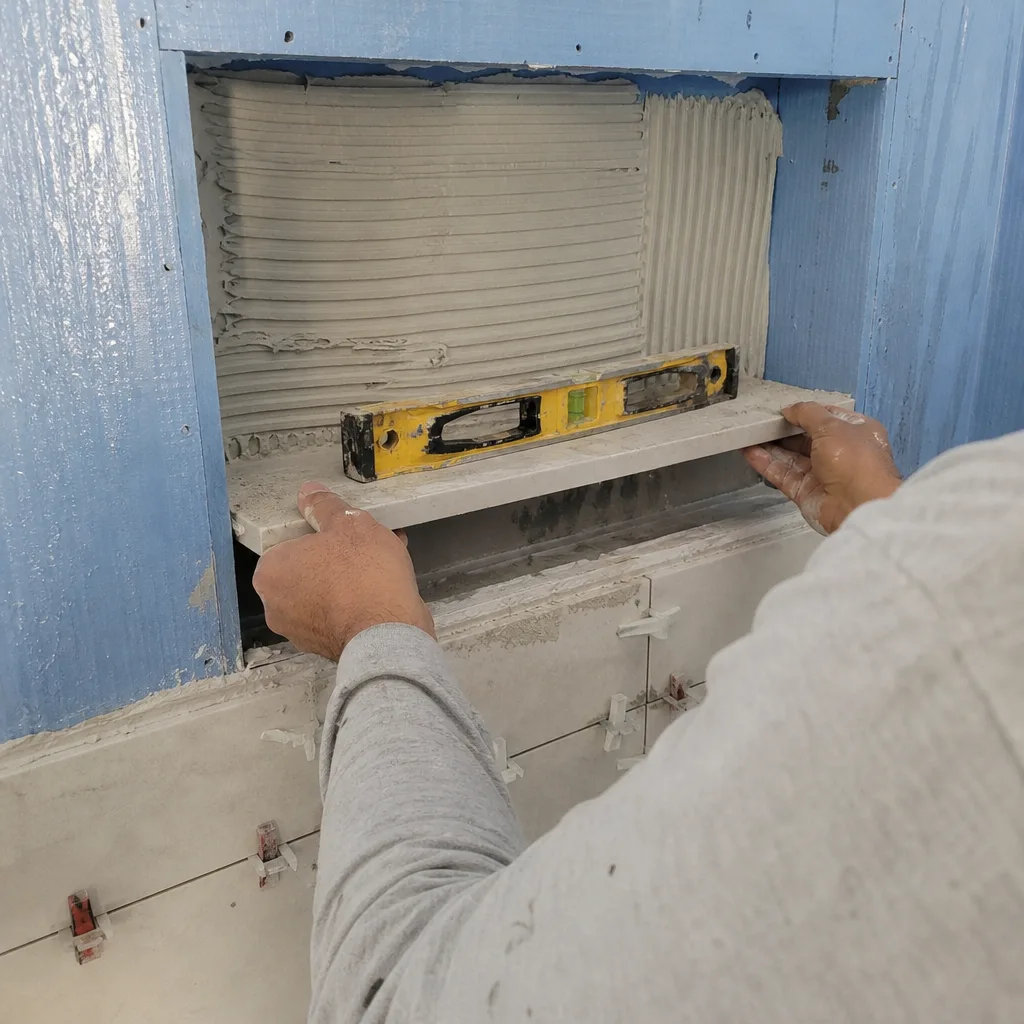
- No discussion of waterproofing detail. Shower pans and wet walls near the coast should name the membrane product and method. “Tile over backer board” isn’t a waterproofing plan.
- No permit discussion. Bathroom remodels that move plumbing, relocate drains, or alter framing require permits in Long Beach. A contractor who suggests “we don’t need permits for this” is telling you something about how the next one will go.
- No mention of the inspection process. A well-run job has inspection milestones. A rough-brokered job has none, and the failures show up in the tile a year later.
- No local address references, real references, or job history in Long Beach. Ask which Long Beach neighborhoods they’ve worked in. A vague answer tells you the answer.
If you’re also comparing a kitchen remodeling in Long Beach quote, the same paperwork rules apply. Houses in this city were built across nearly a century of code changes, and the contractor’s paperwork is the strongest signal of whether they’ve accounted for that.
How to Read a Bathroom Remodeling Proposal
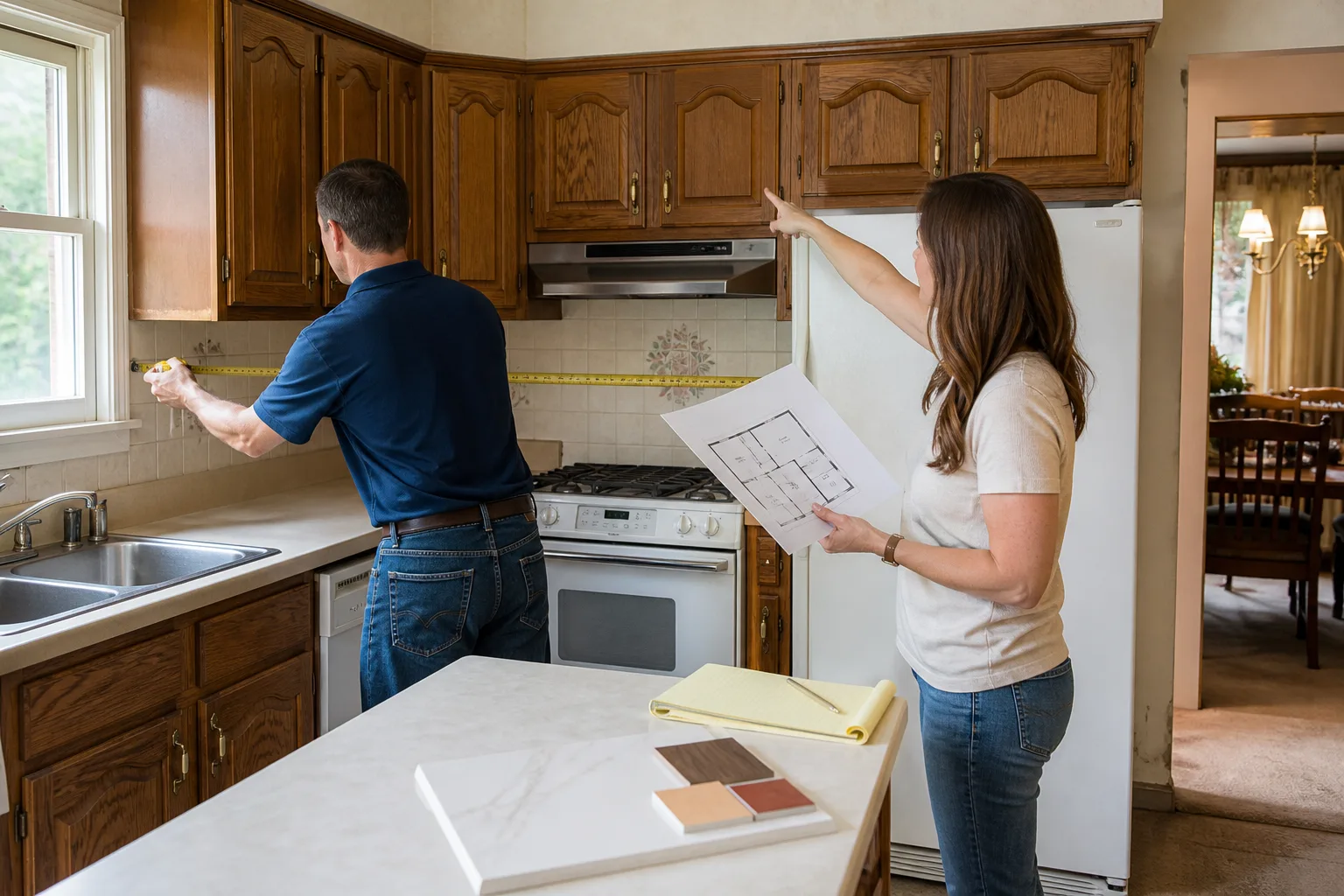
A proposal is the contract. It should read like a plan, not a brochure. Before you sign anything, work through it line by line. A good proposal is unglamorous: named products, named trades, named milestones, and a definite price.
The checklist, in order:
- Cover page: the homeowner’s name, the address, the date, and a price. If there’s no single total number, the proposal isn’t finished.
- Scope of work: every task listed with a start and end point. Demo, framing, rough plumbing, rough electrical, insulation, drywall, tile, waterproofing, fixtures, trim, paint, cleanup.
- Materials section: named products. If it says “KraftMaid cabinetry” instead of “cabinets,” that’s what you want to see. If it says “Kohler” instead of “shower valve,” same.
- Allowances: every allowance should name a product and a cap.
- Schedule: start date, arrival window, milestones, and inspection dates.
- Payment schedule: deposit, progress payments, and the final payment held until completion. Payment should never run ahead of work.
- Guarantee: a written, time-bound promise. The 365-Day Done Right Promise is our standard. Yours should be similar in structure and just as specific.
- Change order process: how a mid-project change gets priced, approved, and scheduled. If this section isn’t there, the first change will be whatever the contractor says it is.
That’s the paperwork education most homeowners never get. If you have a proposal in hand and want a second set of eyes, Penhallow Remodeling Long Beach offers free estimates, and we’ll walk through your current quote with you.
Common Mistakes to Avoid
- Accepting a verbal estimate. A spoken number cannot be enforced. Insist on a written price before any deposit or demo. The bathroom is only open once.
- Signing a contract with unnamed allowances. An allowance without a product name and price cap is an open-ended charge. Insist on both.
- Choosing the lowest bid without reading the scope. The lowest number often reflects the thinnest scope. Compare line by line, not bottom line to bottom line.
- Ignoring the arrival window. A contractor who won’t commit to showing up on time before the contract is signed won’t commit once the money is in.
- Not asking about the guarantee in writing. “We stand behind our work” disappears the moment you ask what happens if something fails in month 11. Get it in the contract.
- Skipping permits to save money. In Long Beach, skipped permits can complicate a future sale and put the cost of an inspection failure on you. Remodeling without permits is a false economy.
- Letting a contractor manage subs you never meet. If you can’t name the people doing the plumbing and electrical work, you also can’t hold them accountable.
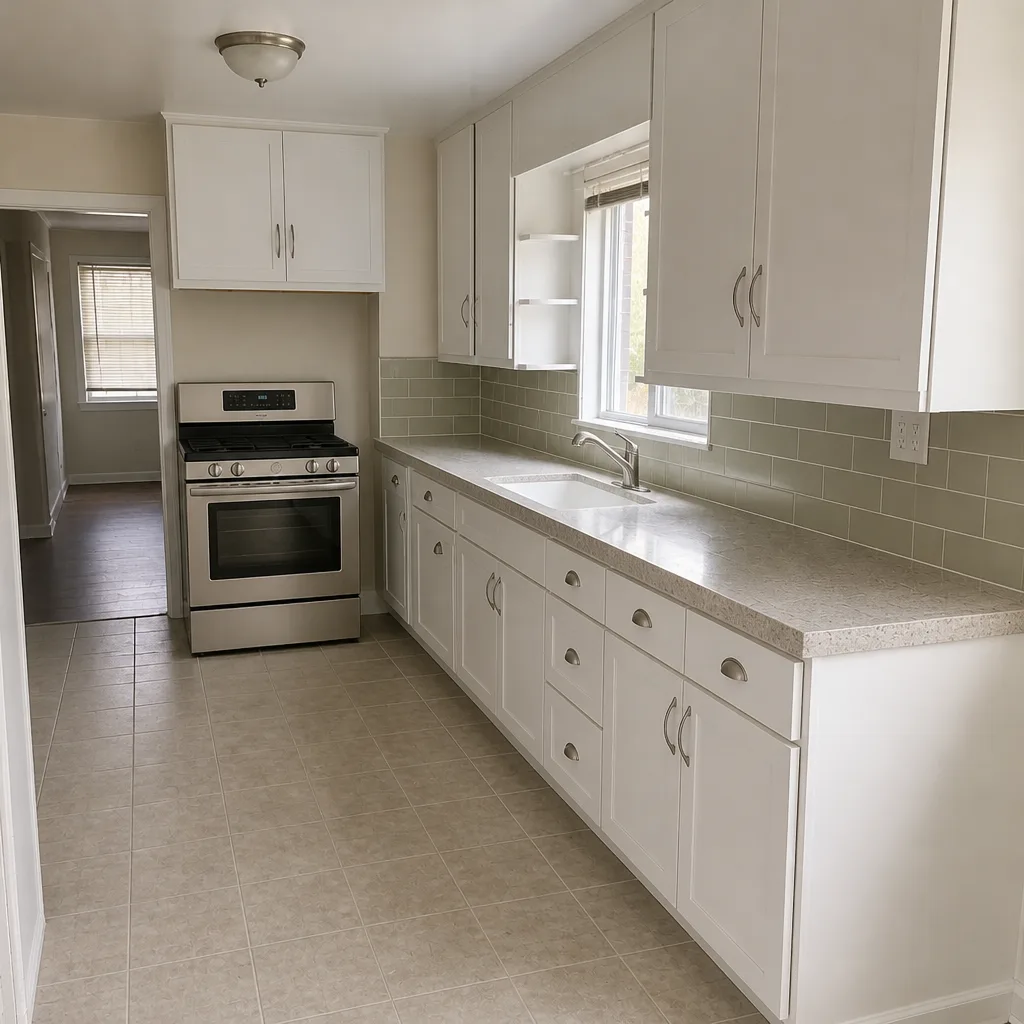
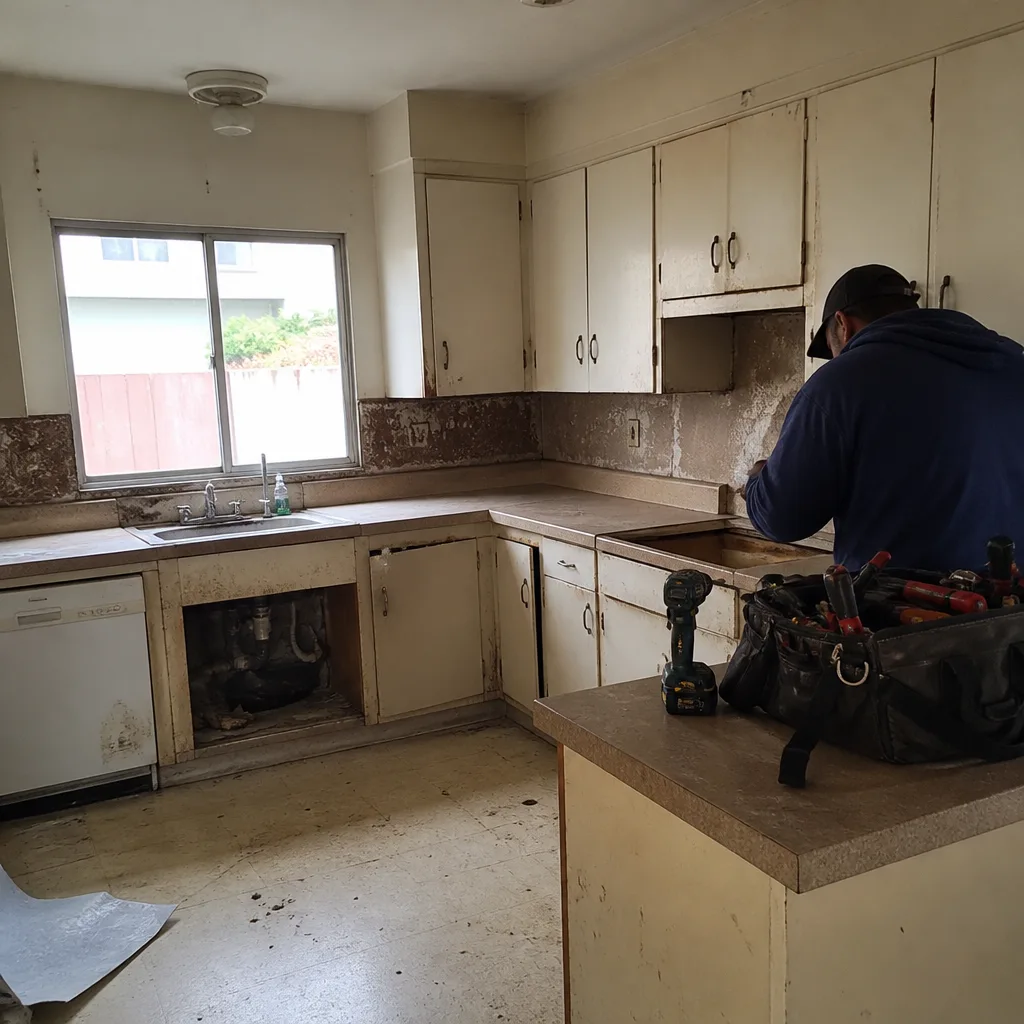
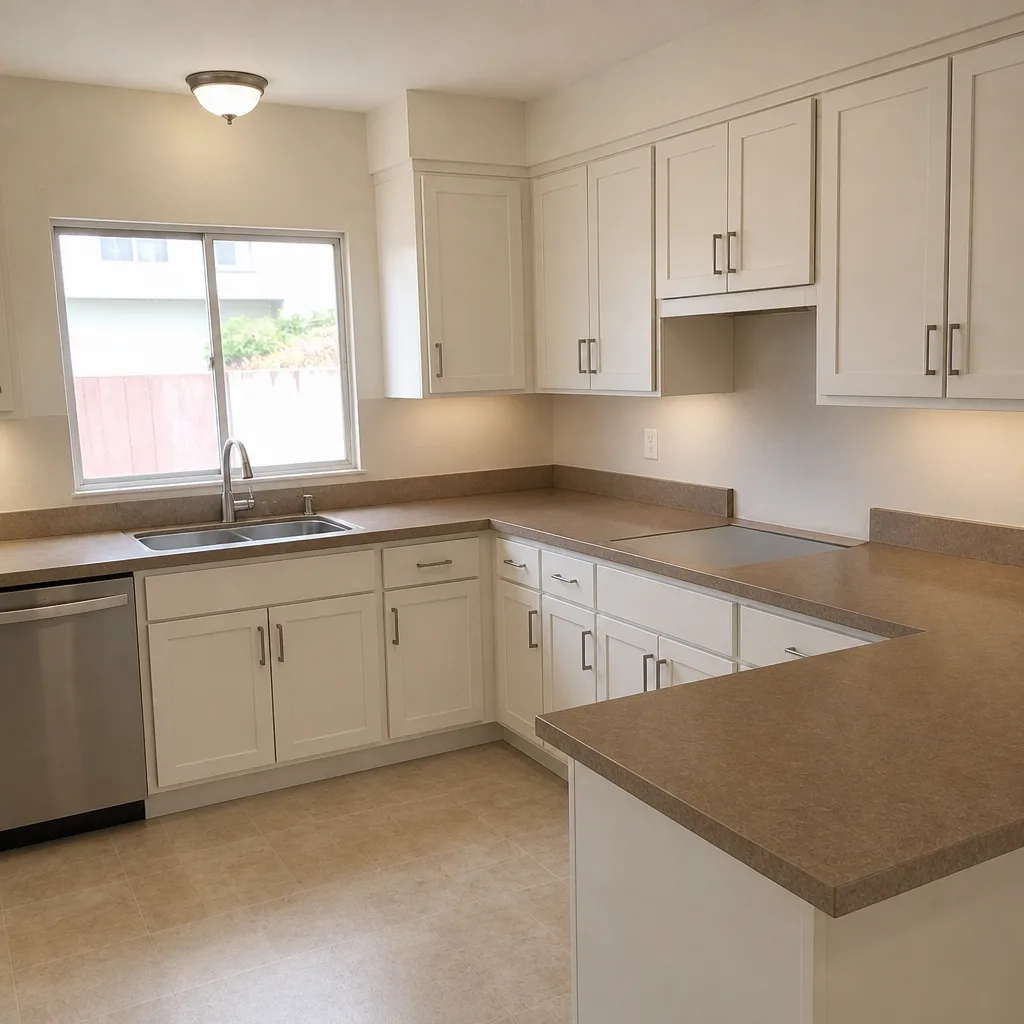
See the difference
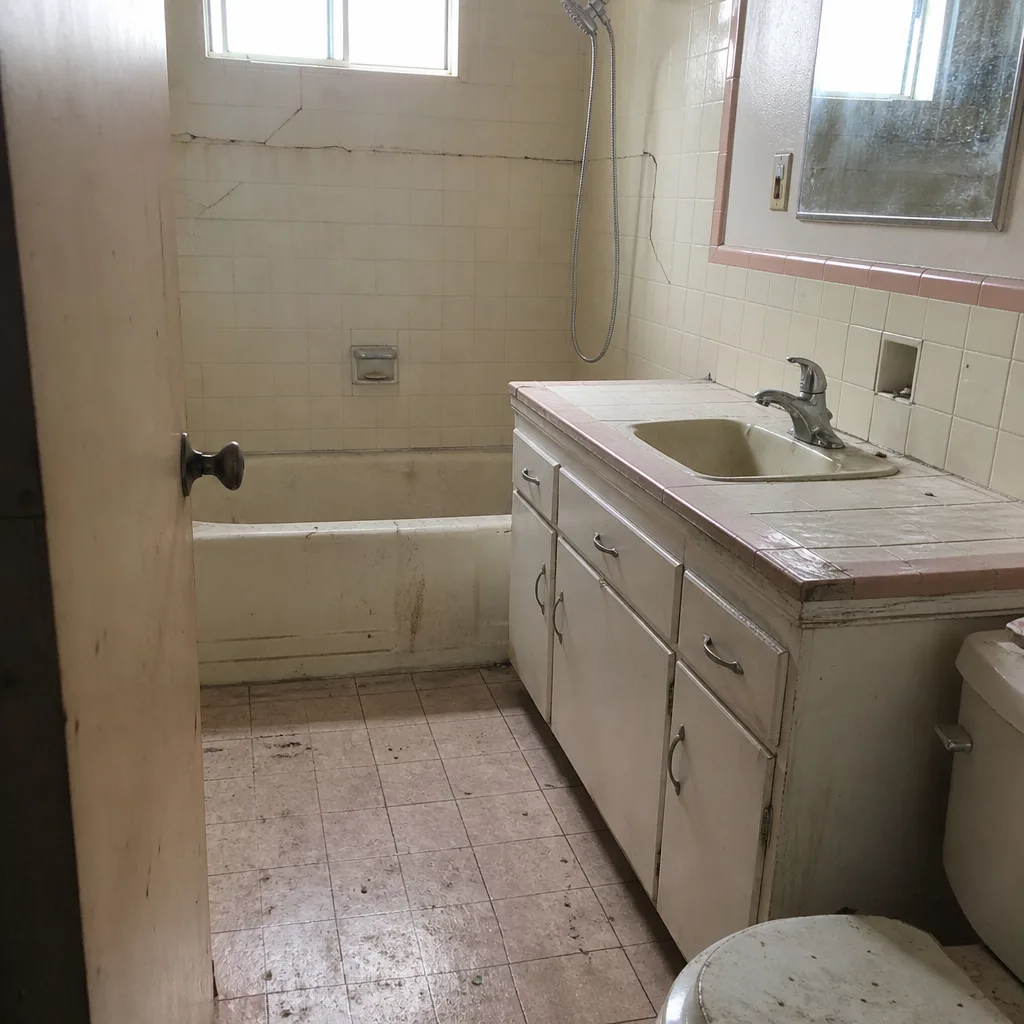 Before
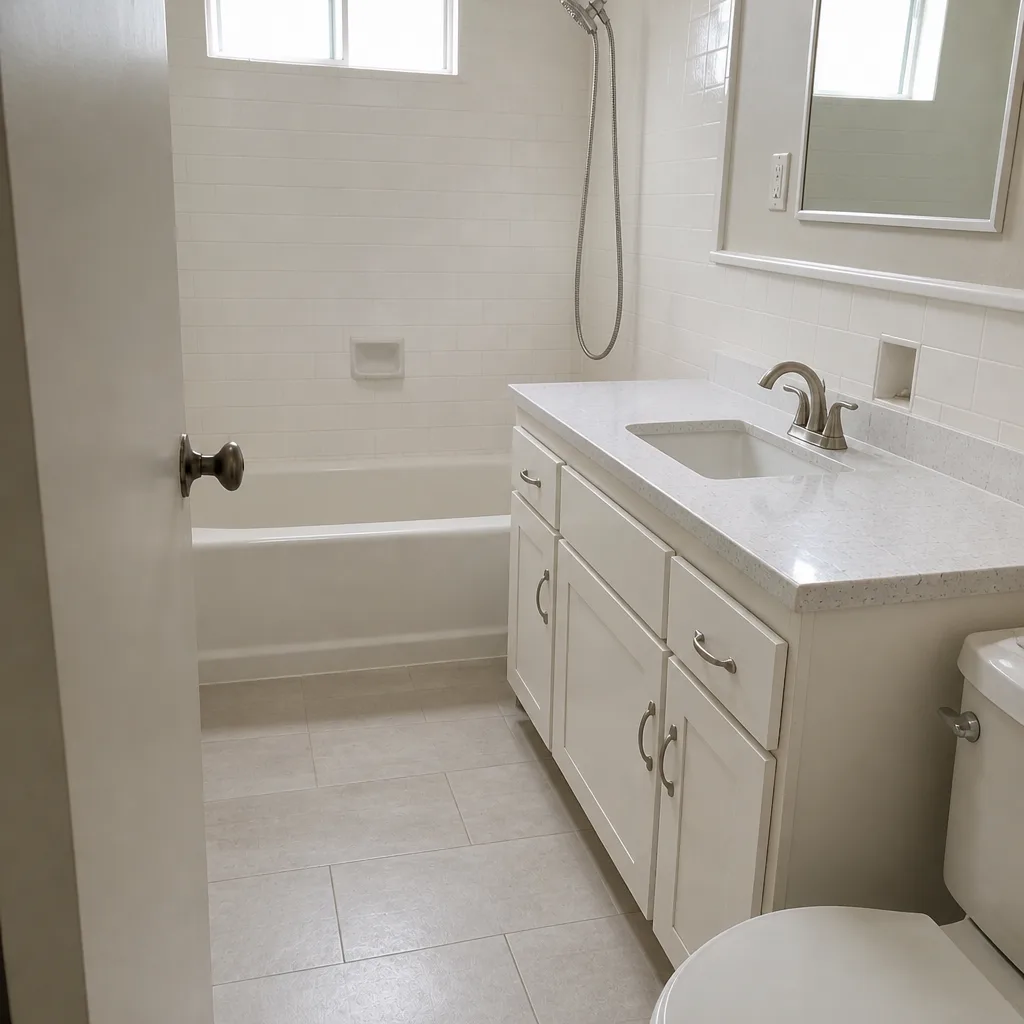 After
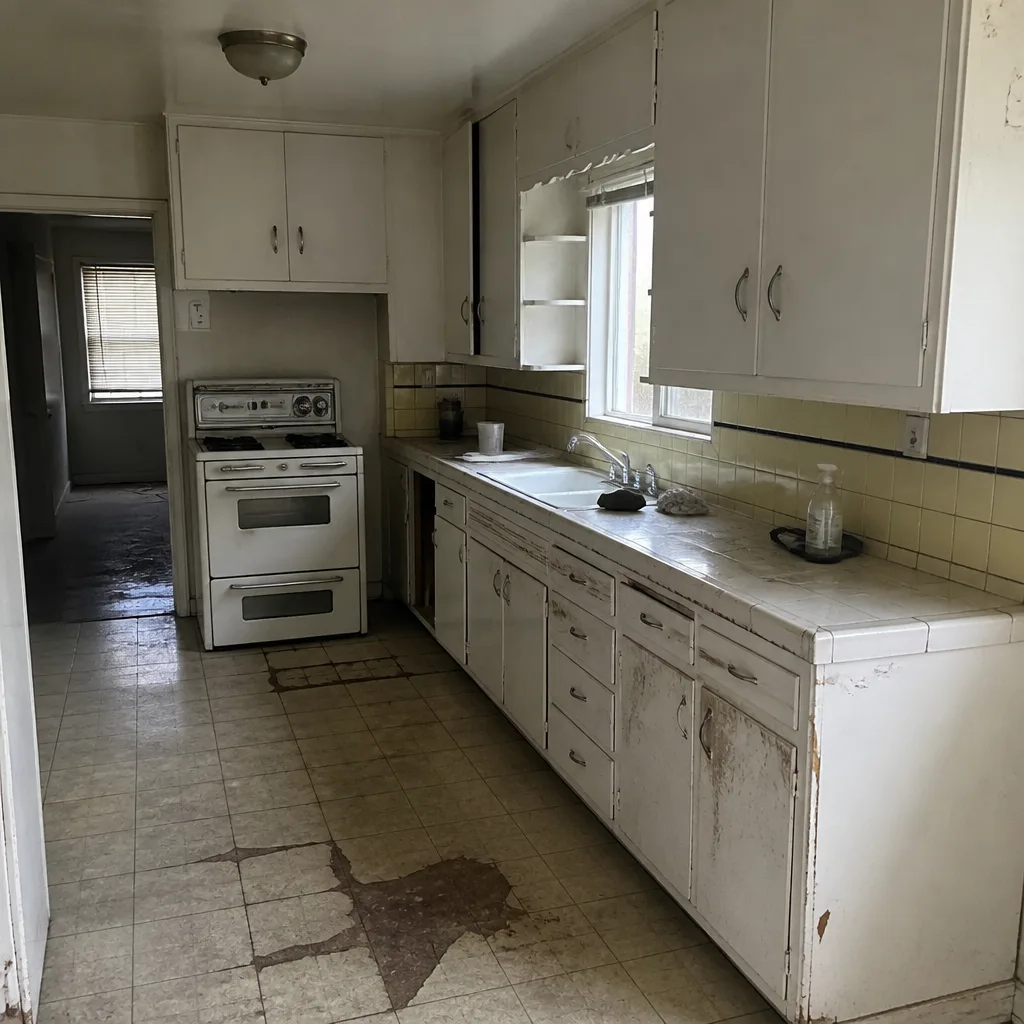 Before
 After
 Before
 After
When to Call a Professional
Not every fix involves a full remodel, but some situations need a trained professional before the walls close up. If your current bathroom has a soft spot in the floor near the shower, recurring moisture on the ceiling below, or slow drains in two fixtures at once, stop and get it looked at before you re-tile over it. If you’ve received a quote with an allowance line you can’t interpret, or a guarantee you can’t find in writing, it’s time to talk to someone who’ll put the terms in plain English. If your home is in an older Long Beach neighborhood and the proposal doesn’t mention the plumbing age, ask a professional to look. Water damage and failed waterproofing cost far more to fix after the tile is set. Penhallow Remodeling Long Beach offers free estimates in Long Beach, call (833) 510-6967.
Frequently Asked Questions
No written price before work starts is the most important warning sign. Verbal estimates allow the contractor to change the number after demo day, when you have the least leverage. A written line-item price before any deposit or tool is on site is the baseline for a trustworthy proposal.
A typical full bathroom remodel in Long Beach runs roughly $14,000 to $32,000, with cost driven by layout changes, tile selection, and how much plumbing the older house requires. A powder room or a cosmetic refresh can come in lower; a full gut with fixture relocation runs higher. Ask every contractor to put the range in writing and name the products behind it. Call (833) 510-6967 for a free written estimate.
Yes, for any work that changes plumbing, moves drains or fixtures, alters electrical, or modifies framing. Cosmetic work like paint, tile replacement, and fixture swaps generally does not. A contractor who suggests skipping permits is telling you how the rest of the job will go. Ask for the permit plan in the written proposal before signing.
A written guarantee should state what’s covered, how long it lasts, what triggers a return visit, and whether that visit is free. Our 365-Day Done Right Promise covers labor and materials for a full year in writing. A guarantee that isn’t written, isn’t time-bound, and doesn’t define the return visit is not a guarantee.
Ask which trades are subcontracted, who the subs are, and how the contractor coordinates with them. A well-managed job can name the sub for each trade and explain the accountability chain. If the contractor can’t name the tile setter or the plumber, the subs are running the job, not the contractor.
A full bathroom remodel typically takes three to five weeks of active construction, plus design and ordering time before that. A written schedule with milestones and inspection dates is the strongest signal the contractor has planned the work rather than reacting to it. If no schedule is offered, ask for one in writing before signing.
The Bottom Line
The best signals in a bathroom remodel are the least glamorous. A written price, a named product list, a defined arrival window, a known cast of subcontractors, and a written, time-bound guarantee. Those five pieces of paperwork tell you more about a contractor than any portfolio. The tile comes later and looks good either way. The paperwork decides whether it looks good in year five. Read the proposal before you read the reviews. If a line doesn’t make sense, ask. A contractor worth hiring will answer.
When you’re ready for a written price and a written guarantee, call Penhallow Remodeling Long Beach at (833) 510-6967 for a free estimate.
Written by the team at Penhallow Remodeling Long Beach.