Last updated November 17, 2026
Free written scope consultation - allowances, timeline, and change-order rules on paper before a single trade is scheduled
Choosing the Right Construction Brand: A Buyer’s Guide for Long Beach
Here’s a detail most showrooms won’t mention: the window brand with the highest national consumer rating isn’t certified for the wind-load requirements that apply to Long Beach properties within a certain distance of the coast. That one gap can sink an otherwise excellent product choice, and it’s exactly the kind of thing that separates a smart material decision from an expensive one. Choosing construction brands in Long Beach is not the same as choosing them in Phoenix or Portland. Coastal salt air, seismic design categories, and the city’s own humidity patterns eliminate some nationally celebrated products and elevate others that rarely appear on review-site lists. This guide shows you how to read a spec sheet against Long Beach’s actual conditions, which categories reward premium spending and which don’t, and how to spot a contractor recommending what’s best for the job versus what’s easiest for them.
Quick Answer
The right construction brand in Long Beach is the one whose published performance specs match the city’s coastal wind-load zone, seismic exposure, and marine-air corrosion demands – not the one with the flashiest national rating. Prioritize certified products in windows, roofing, and exterior cladding, spend premium dollars in the few categories where it changes performance, and make sure every material warranty you accept is backed by a contractor’s own written guarantee so you never end up caught between a manufacturer and a builder pointing fingers at each other.
Styles & brands we work with
- Kitchen remodeling
- Bathroom remodeling
- Home additions & ADU
- Roofing
- Windows & doors
- Driveway & pavers
- Fence
Table of Contents
- How Long Beach’s Climate Zone Changes What “Best” Means
- How to Read a Product’s Performance Specs Against Long Beach Conditions
- Which Categories Reward Premium Brands – and Which Don’t
- The Certifications That Actually Matter for Coastal Long Beach Applications
- How to Avoid the Double-Gap Warranty Trap
- How to Evaluate a Contractor’s Material Recommendations for Self-Interest
- Material Choices by Project Type in Long Beach
- Common Mistakes to Avoid
How Long Beach’s Climate Zone Changes What “Best” Means
Long Beach sits in a marine-influenced climate zone that behaves nothing like the inland Southern California most buyers picture. Morning marine layer, salt-laden onshore wind, and a narrow daily temperature swing mean materials here face a slow attack rather than an extreme one. The enemies are corrosion, moisture cycling, and UV combined with salt – not the freeze-thaw or blasting heat that national buying guides tend to rank for.
That changes the shortlist. A fiberglass window that scores beautifully in a Phoenix climate test may meet the wind-load requirements but fail the salt-spray corrosion resistance you need within a mile or two of the water. A roofing product rated for hail impact may be overkill while its fastener corrosion rating quietly becomes the weak point near Belmont Shore and the Peninsula, where salt air is a daily presence.
What this means in practice:
- Salt air is the dominant variable. Properties closer to the ocean face faster corrosion on fasteners, hardware, and metal flashings than a home a few miles inland in Bixby Knolls or Lakewood.
- Moisture cycling, not moisture extremes. The marine layer keeps things damp at night and dry by midday – a repeat cycle that stresses seals, caulk joints, and wood composite products.
- Wind-load zone matters. Coastal-adjacent Long Beach properties fall into a higher wind-load requirement than inland addresses, which filters window and cladding brands quickly.
- Seismic design category. Long Beach’s seismic exposure shapes how structural connectors, anchors, and heavy cladding systems are specified – far more than any aesthetic consideration.
When we walk a kitchen or bath project in Long Beach, the conversation starts with where the house sits relative to the water and what that address demands. You can see how that thinking plays out across our Kitchen Remodeling in Long Beach work, where material choices follow the specific exposure of each home rather than a one-size template.
How to Read a Product’s Performance Specs Against Long Beach Conditions
The marketing sheet and the performance spec are two different documents, and the gap between them is where mistakes happen. A manufacturer’s brochure tells you what the product does well; the performance data – usually buried in an installation manual or technical data sheet – tells you whether it’s rated for your conditions. Here’s how to read the second one against Long Beach.
- Find the design pressure rating on windows and doors. Look for a DP number tied to wind load. Long Beach coastal-zone applications require a higher DP than inland homes, and a product without a stated DP rating is a product you can’t verify. Ask for the rating in writing.
- Check the corrosion class on metal components. Fasteners, hinges, and flashing carry corrosion-resistance classes. Salt air punishes the lower classes; near the water, spec the highest class the system offers and don’t accept “standard” as an answer.
- Match cladding to the moisture cycle. Exterior cladding needs a water-resistive barrier and proper drainage detailing to survive the marine layer. The cladding brand matters less than whether the whole assembly is rated for repeated wetting and drying.
- Read the UV and thermal spec on roofing and sealants. Long Beach’s sun-through-marine-layer pattern degrades lower-grade sealants and membranes faster than the product’s warranty period suggests. Look for products rated for continuous UV exposure in a coastal environment.
- Confirm seismic-rated connectors. Structural connectors should carry an evaluation report confirming they meet the seismic demand for this region. If a contractor can’t produce it, the spec isn’t finished.
The single most useful habit: ask for the technical data sheet, not the brochure. If a product’s published specs don’t clearly state wind-load and corrosion ratings for a coastal California address, treat that as a red flag, not paperwork to skip.
Which Categories Reward Premium Brands – and Which Don’t
Not every category is worth a premium, and the difference is real. In some materials, the top brand and the mid-range brand perform nearly identically once installed correctly; in others, the brand is the performance. Knowing which is which is where a buyer’s money does the most work.
Categories where brand genuinely matters:
- Windows and exterior doors. This is the wind-load and salt-corrosion battleground. The manufacturer’s certification and hardware finish make a measurable difference over a decade. This is where a certified brand earns its price.
- Roofing systems. The brand behind the underlayment, flashing, and fasteners matters as much as the shingle or tile face. Coastal-rated systems hold up; generic ones show their age fast near the water.
- Exterior cladding and siding. James Hardie fiber cement carries a strong performance record in coastal environments when the rest of the assembly is detailed correctly – the brand and the installation together are the story.
- Façade and hardscape hardgoods. Belgard and Unilock pavers hold up under salt and moisture because their mix and finish are engineered for it. The mid-range import often looks identical on day one and spalls three winters later.
Categories where mid-range and premium perform nearly the same:
- Standard paint and primer. Prep and application matter more than brand in most interior work.
- Basic millwork and trim. Installation and sealing drive longevity more than the label on the board.
- Standard interior sealer and caulk. Buy a reputable brand in the right formulation and move on; the money is better spent on the systems above.
The takeaway: concentrate premium spending where the product’s published performance meets Long Beach’s environmental demand, and go mid-range where the install quality is the real variable.
The Certifications That Actually Matter for Coastal Long Beach Applications
Certifications are shorthand for verified performance, but only the ones tied to your conditions matter. There are three areas in Long Beach where a certification should be non-negotiable, and plenty of products that skip them.
Windows and exterior doors. Look for a stated design pressure (DP) rating that meets the wind-load requirement for your property’s distance to the coast, plus hardware and finish rated for coastal corrosion resistance. A high consumer rating on a nationwide list doesn’t substitute for the DP number.
Roofing. The assembly should carry a coastal or high-wind rating appropriate to the exposure, and the fasteners and flashing should be rated for salt air. Ask specifically about the corrosion class of every metal component – the face of the roof is rarely the failure point.
Exterior cladding and siding. The cladding brand and the drainage assembly together should meet the moisture-management requirements for a coastal environment. A cladding system without a proper water-resistive barrier behind it is a certification on paper and a problem in practice.
If a contractor hands you a product with no certification for the Long Beach coastal zone and tells you “it’s fine, everybody uses it,” that’s your cue to ask a second question. Certifications exist because somebody already tested what happens when you don’t have them.
How to Avoid the Double-Gap Warranty Trap
The double-gap trap is simple and common: a manufacturer’s warranty covers the product, a contractor’s warranty covers the labor, and the failure lands in neither. When your cladding leaks, the manufacturer says it was installed wrong and the contractor says the product failed. You’re stuck between two guarantees, holding the bill.
The way to avoid it is to insist that your contractor back the whole assembly with their own written guarantee, not just the labor. That’s why every Penhallow project is delivered under the 365-Day Done Right Promise: if the work fails inside that period, we come back and fix it at no charge, and it’s covered in writing on every project. The point isn’t just the promise – it’s that one party is accountable for the product and the install together.
Three questions to ask before you sign anything:
- Does your guarantee cover the materials as installed, or only the labor? If it’s labor only, the manufacturer’s warranty is your only material protection – and it will be tested against the contractor’s installation method.
- Who do I call if something fails, and is that answer in writing? A written guarantee names the party and the process.
- What happens on the free return visit if the failure is contested? A real guarantee eliminates the contest by covering the return visit instead of charging a service-call fee.
Material warranty terms matter differently when your contractor backs the work with their own guarantee – because then the warranty isn’t your only safety net, it’s the second layer. Choose a contractor whose written guarantee closes the gap. You can see how that standard runs through our Bathroom Remodeling in Long Beach projects, where the material warranty and the workmanship guarantee travel together from day one.
How to Evaluate a Contractor’s Material Recommendations for Self-Interest
Every contractor has products they know well and can install efficiently – and that’s not a bad thing. What you want to avoid is a contractor specifying what they always stock rather than what actually fits your Long Beach home and the conditions it faces. The good news is that self-interest leaves clues, and you can read them in the conversation.
Signs a recommendation is serving the contractor more than your project:
- “Everybody uses this one” with no spec sheet. A confident contractor hands you the performance data, not a rule of thumb.
- Skipping the site assessment. If they don’t ask where the house sits relative to the water or the wind exposure, they’re recommending from memory, not from your property.
- One brand, all projects. A shop that only specifies a single brand of everything is likely specifying inventory.
- Dismissing your environment questions. A good answer engages with coastal wind load and salt corrosion; a bad one waves it off as overthinking.
- No written material list before work starts. You should know every brand and product going into your home before the first tool is picked up.
The tell that a recommendation is genuine: the contractor can explain the trade-off in plain language, shows you the spec, and is willing to price an alternative if you want one. That’s the test we expect our technicians to pass with every homeowner, and it’s part of why they arrive in uniform with background checks on file. It ties into the broader standard of our General Contractor in Long Beach work, where the material list is written into the price before the job begins. If you’re weighing brands for a larger project, see our Long Beach remodeling overview for how the same principles scale.
Material Choices by Project Type in Long Beach
Different projects stress different systems. Here’s where the brand decision concentrates in each type of work:
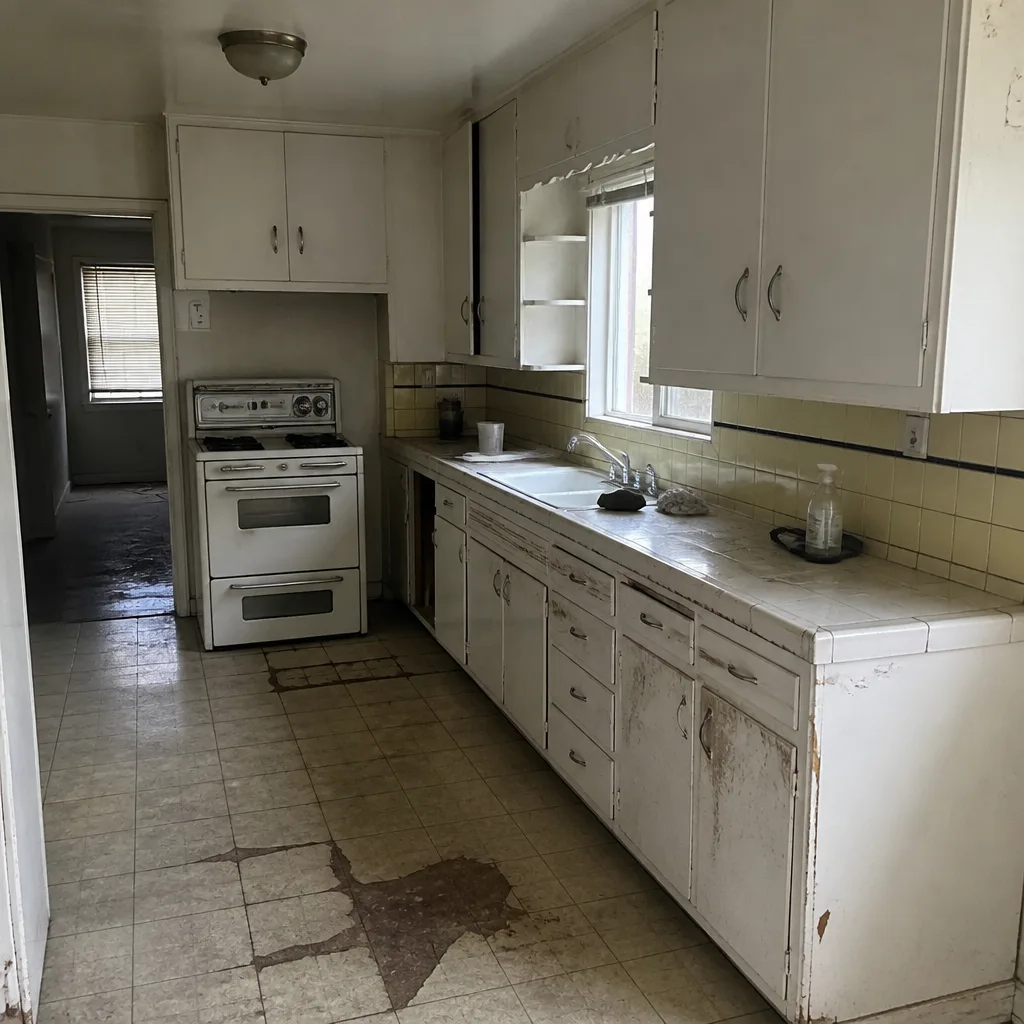
- Kitchen remodels. Cabinetry and countertops carry the weight. KraftMaid and Wellborn cabinetry sit in a range where the brand’s build quality and hardware show up over a decade, and Cambria, Silestone, and Caesarstone quartz countertops bring strong performance under marine humidity. Fixtures from Kohler and Moen round out the plan. Kitchen remodels in Long Beach typically run $18,000 – $55,000 depending on layout, cabinet line, and countertop material; the spread is real and worth understanding before you sign.
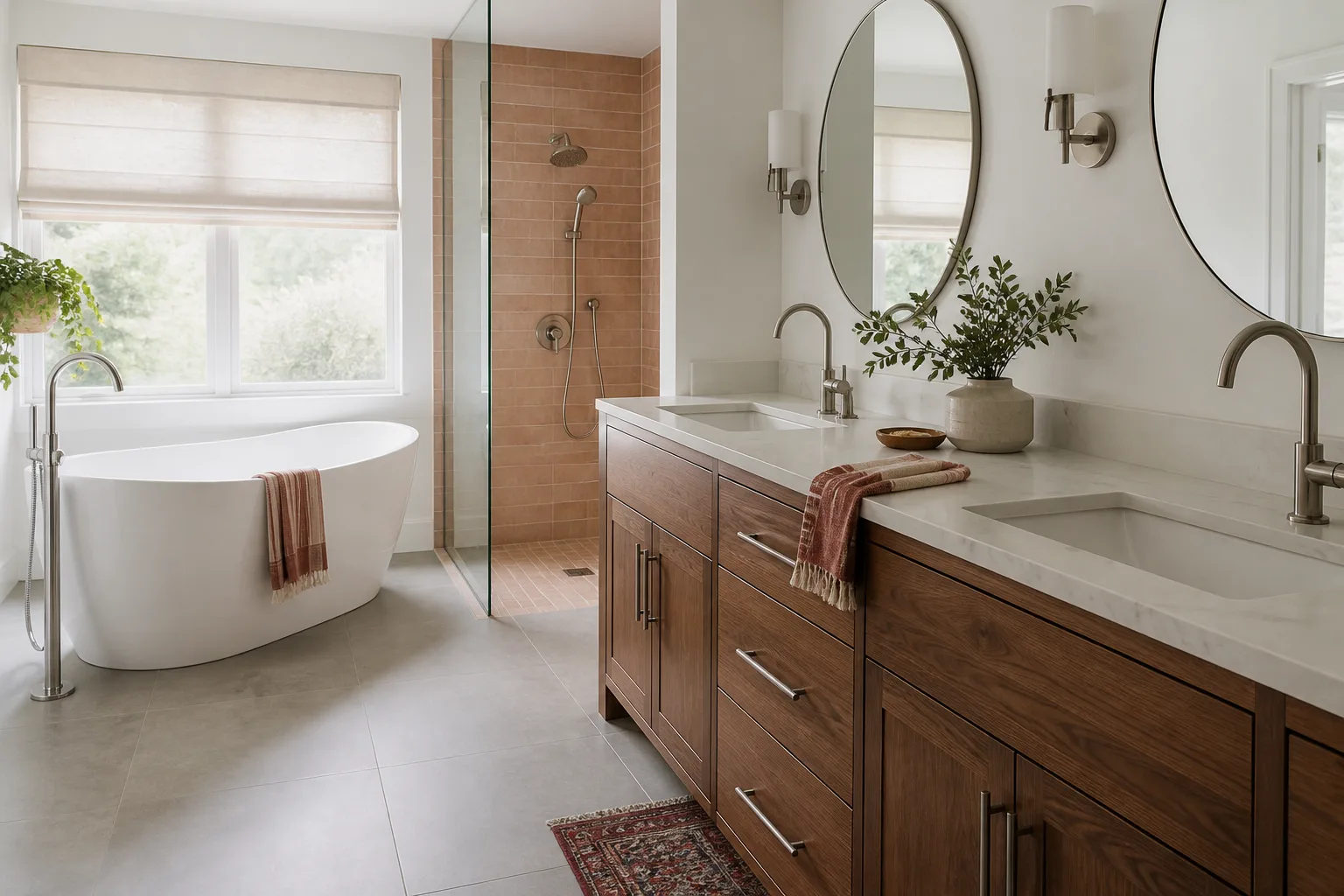
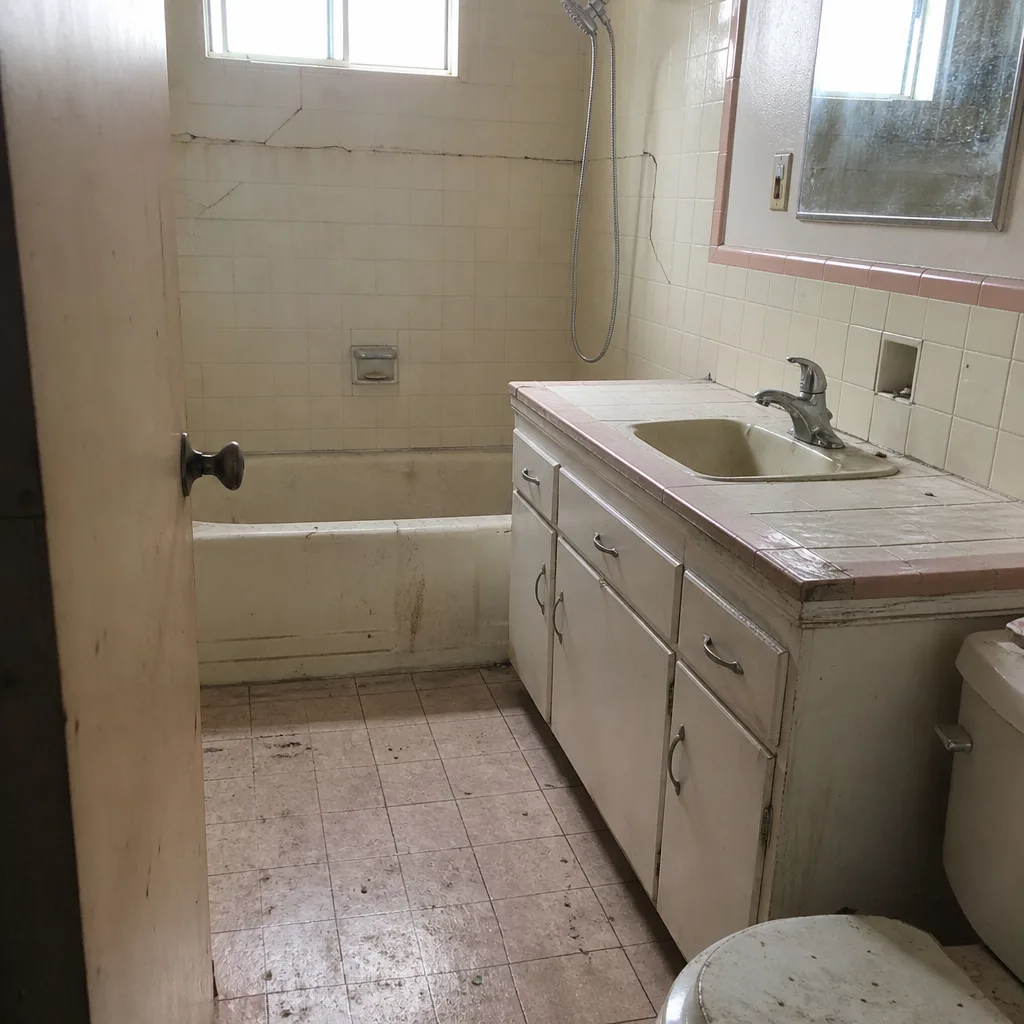
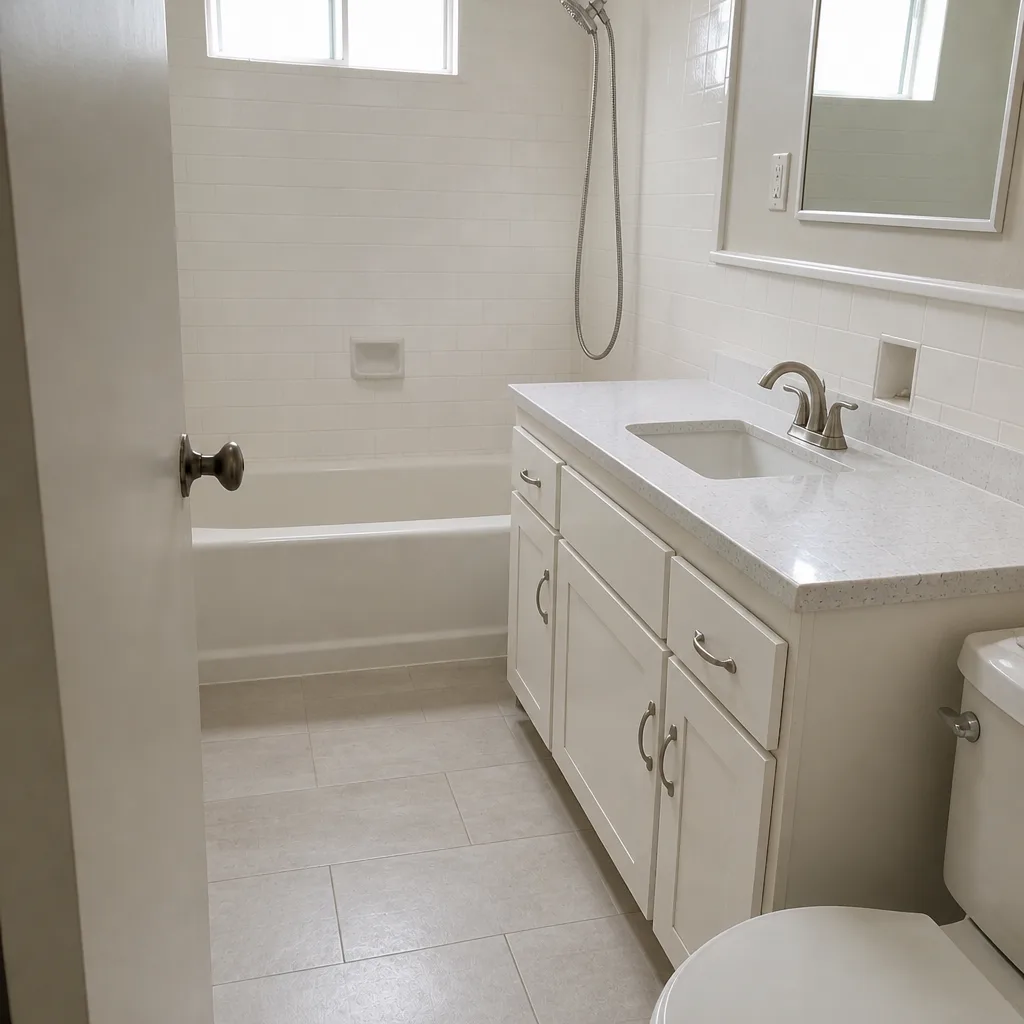
- Bathroom remodels. Moisture is the enemy, and brand matters most in tile, waterproofing systems, and fixtures. Spa-style finishes in a Long Beach bathroom face humidity cycles a desert home never sees; the waterproofing assembly behind the tile matters more than the tile face.
- Exterior and whole-home work. This is where windows, cladding, roofing, and hardscape carry the performance load. James Hardie siding, Belgard and Unilock pavers, and certified windows belong on the shortlist for coastal-adjacent properties – and the installation detail behind each determines whether the certification holds up.
The pattern: in kitchens and baths, brand matters most where moisture and daily use converge; in exterior work, brand matters most where wind, salt, and rain combine. If you’re planning a full-home project, the two concerns meet, and it’s worth walking through the material list with a contractor before a single product is ordered.
Common Mistakes to Avoid
- Choosing a product from its national rating first. A top-rated window that doesn’t meet the wind-load requirement for a coastal Long Beach address is the wrong window, no matter what the review site says. Read the DP rating before the star rating.
- Ignoring fastener and flashing corrosion specs. Near the water, the metal parts nobody looks at are the first to fail. Spec the corrosion class, not just the visible product.
- Accepting a labor-only guarantee. A guarantee that covers labor but not the material as installed leaves you holding the bill when a warranty is contested. Demand a written guarantee that covers the whole assembly.
- Letting a contractor recommend without a site visit. Wind exposure and salt proximity vary block by block in Long Beach. A recommendation made without walking the property is a guess.
- Skipping the technical data sheet. The marketing brochure is not the spec. Ask for the data sheet and confirm the ratings apply to a coastal California address.
- Spending premium dollars where install quality is the variable. Standard paint and trim don’t need the top brand; save that money for windows, roofing, and cladding where the certification is the performance.
- Skipping the written material list. You should know every brand and product going into your home, in writing, before work starts.
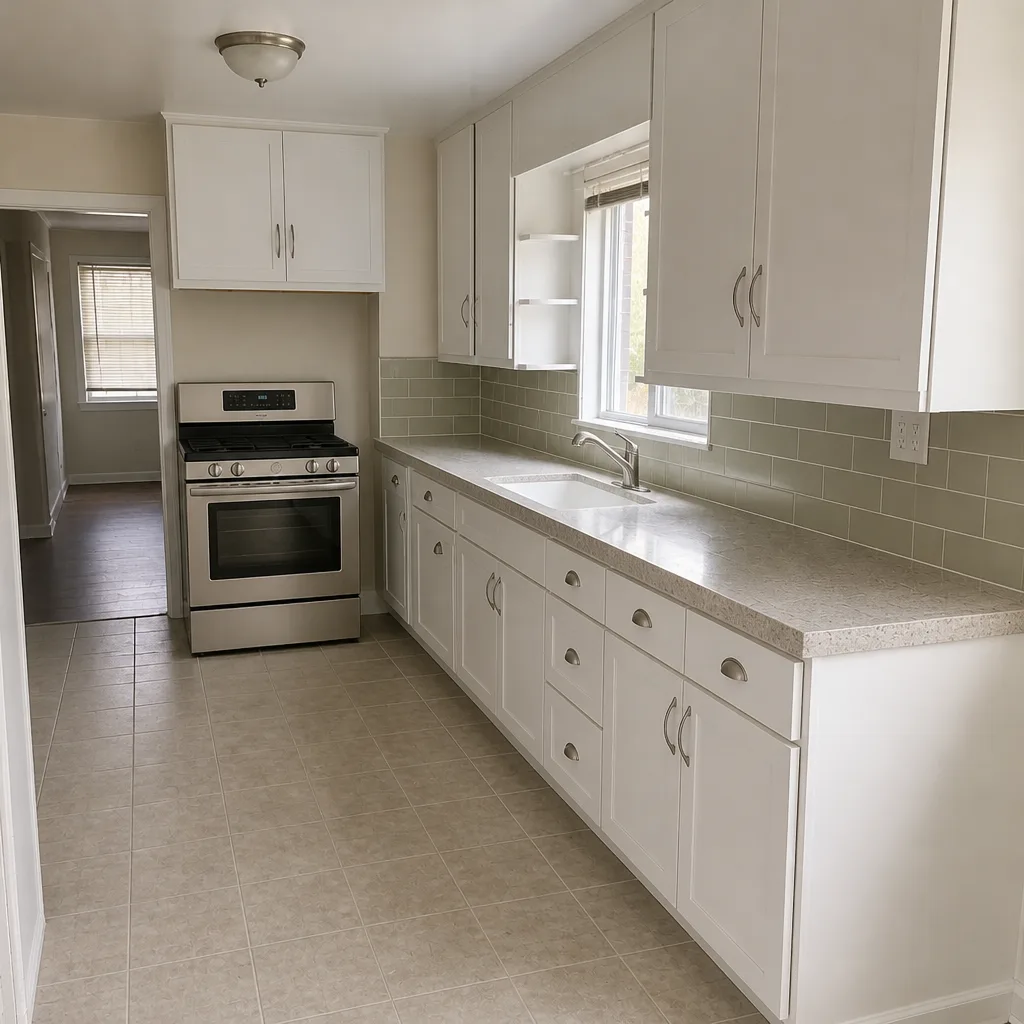
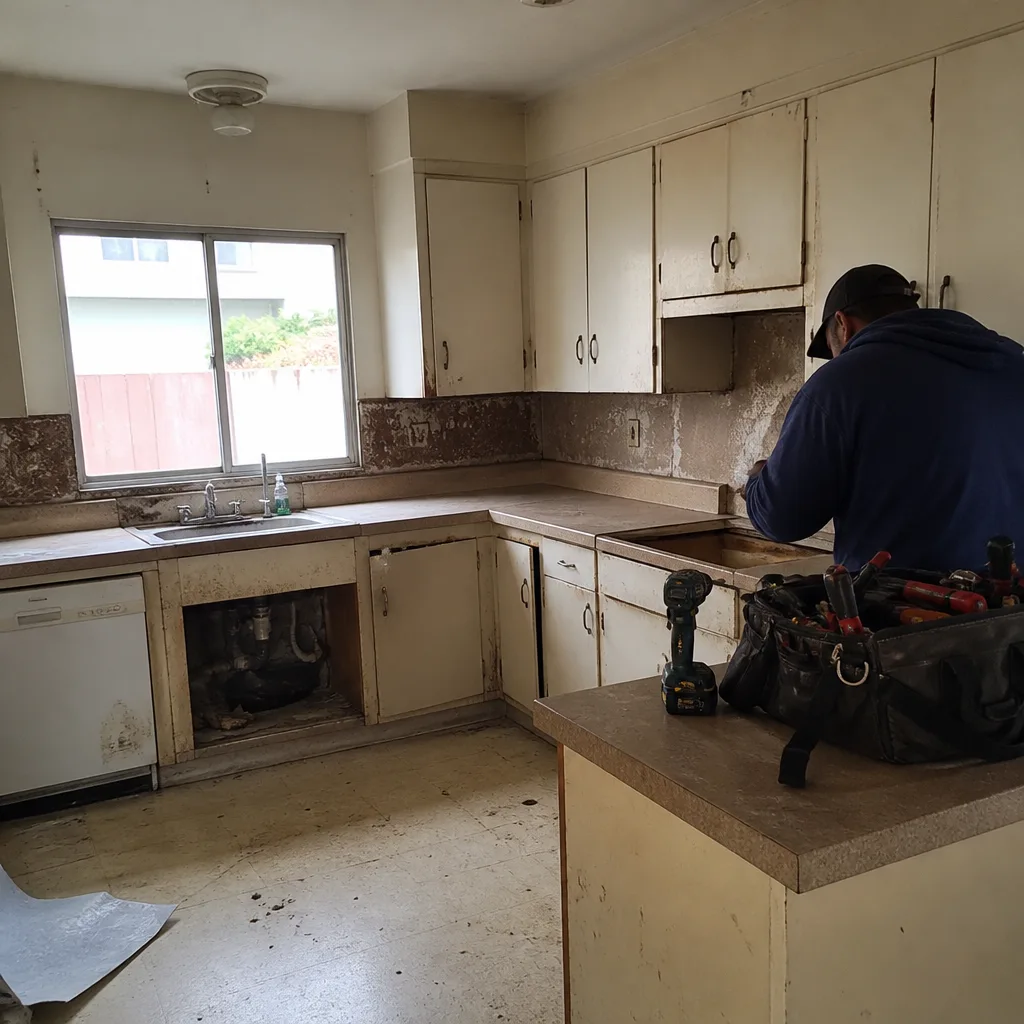
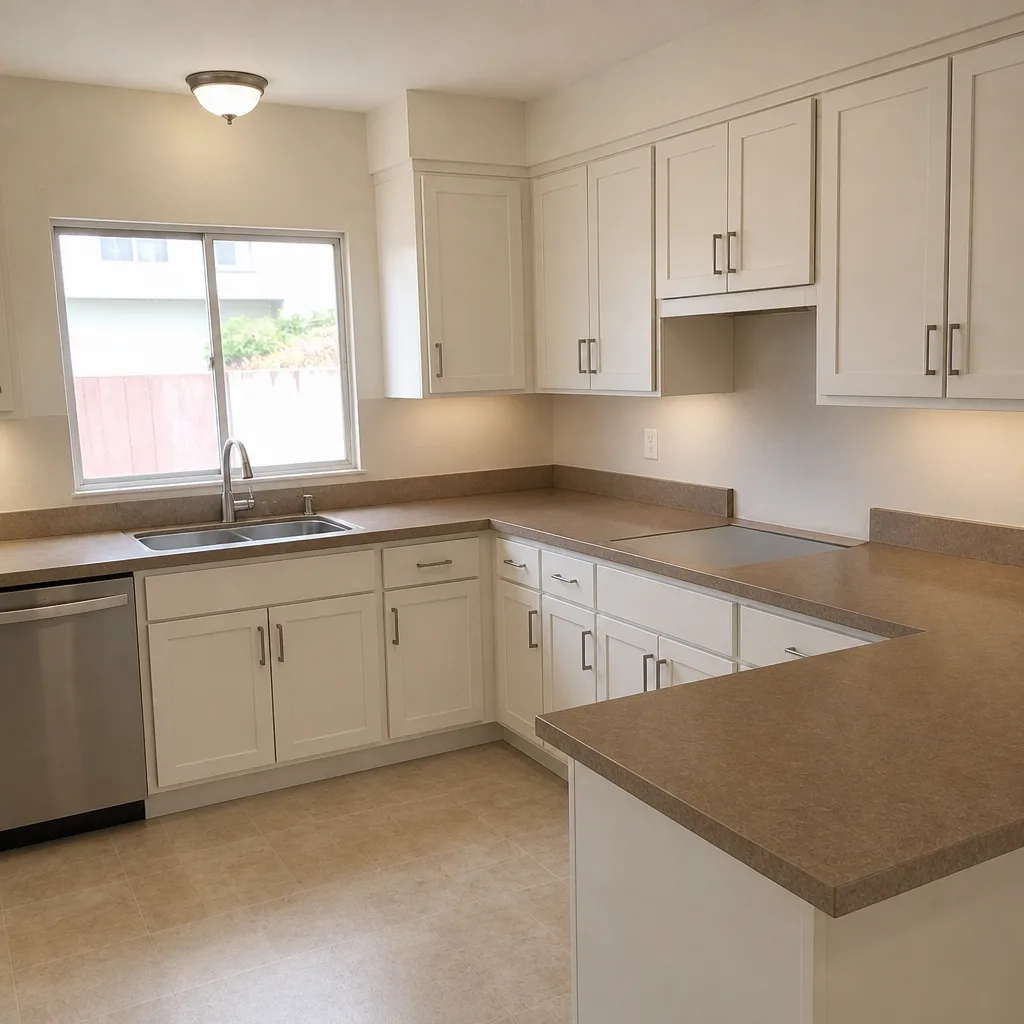
See the difference
 Before
 After
 Before
 After
 Before
 After
When to Call a Professional
Some decisions you can research on your own, but a few points in the process are where a professional’s read of your specific property changes the outcome. Call for help if your project touches windows, roofing, or exterior cladding on a coastal-adjacent property, because the wind-load and corrosion specs are not things to infer from a brochure. Call if a contractor has handed you a verbal estimate or a material list that doesn’t name brands, or if you’ve been told a product is “fine” without a spec sheet to back it up. Call if your project involves seismic-rated structural connectors, because getting the evaluation report right is not a DIY exercise. And call if a previous repair has already failed once and you’re not sure whether the product or the install is to blame. Penhallow Remodeling Long Beach offers free estimates in Long Beach – call (833) 510-6967.
Frequently Asked Questions
The best brands are the ones whose published performance specs match Long Beach’s coastal conditions – a high design pressure (DP) rating on windows, coastal-rated roofing systems with corrosion-rated fasteners, and James Hardie fiber cement cladding installed with a proper water-resistive barrier. In kitchens and baths, KraftMaid and Wellborn cabinetry, Cambria, Silestone, and Caesarstone countertops, and Kohler and Moen fixtures are strong choices because their build quality and moisture performance show up over time. The key is matching the spec to your property’s actual exposure, not to a national list. Call (833) 510-6967 for a free estimate – we’ll walk your property and put a written material list in writing before any work starts.
Because national consumer ratings don’t measure wind-load certification for a specific coastal zone. A window can win every review contest and still not carry the design pressure rating required for a property within a certain distance of the coast. Match the DP number and the hardware’s corrosion rating to your address before you consider the brand’s reputation. Call (833) 510-6967 if you want help reading a window spec against your Long Beach property – estimates are free.
Yes, meaningfully. Marine air, salt-laden onshore wind, and a narrow daily temperature swing create a slow corrosion and moisture-cycling pattern that behaves differently from inland heat or freeze-thaw. That elevates corrosion-rated fasteners, moisture-managed cladding assemblies, and coastal-rated roofing systems, and it eliminates some nationally popular products that weren’t built for it. Call (833) 510-6967 and we’ll tell you what your specific block demands.
Insist that your contractor back the product as installed with their own written guarantee, not just the labor. That closes the gap where the manufacturer blames installation and the contractor blames the product. Every Penhallow project carries the 365-Day Done Right Promise in writing, plus a written guarantee on every project and a free return visit if a repair fails – no service-call fee. Call (833) 510-6967 for details.
No. Spend premium dollars where the brand is the performance – windows, roofing, exterior cladding, and hardscape. Go mid-range in categories like standard paint, basic trim, and interior sealant, where installation and prep quality drive the outcome more than the label. That’s the split we recommend on Long Beach projects, and we’ll show you where the money actually changes the result. Call (833) 510-6967 to talk through your specific project.
Ask for the spec sheet, ask how the recommendation accounts for your property’s wind and salt exposure, and ask whether they’ll price an alternative. A contractor recommending what’s genuinely best can answer all three in plain language; one recommending inventory will wave the questions off. A live person answers our phones 24/7, and every estimate comes with a written material list you can hold us to. Call (833) 510-6967.
The Bottom Line
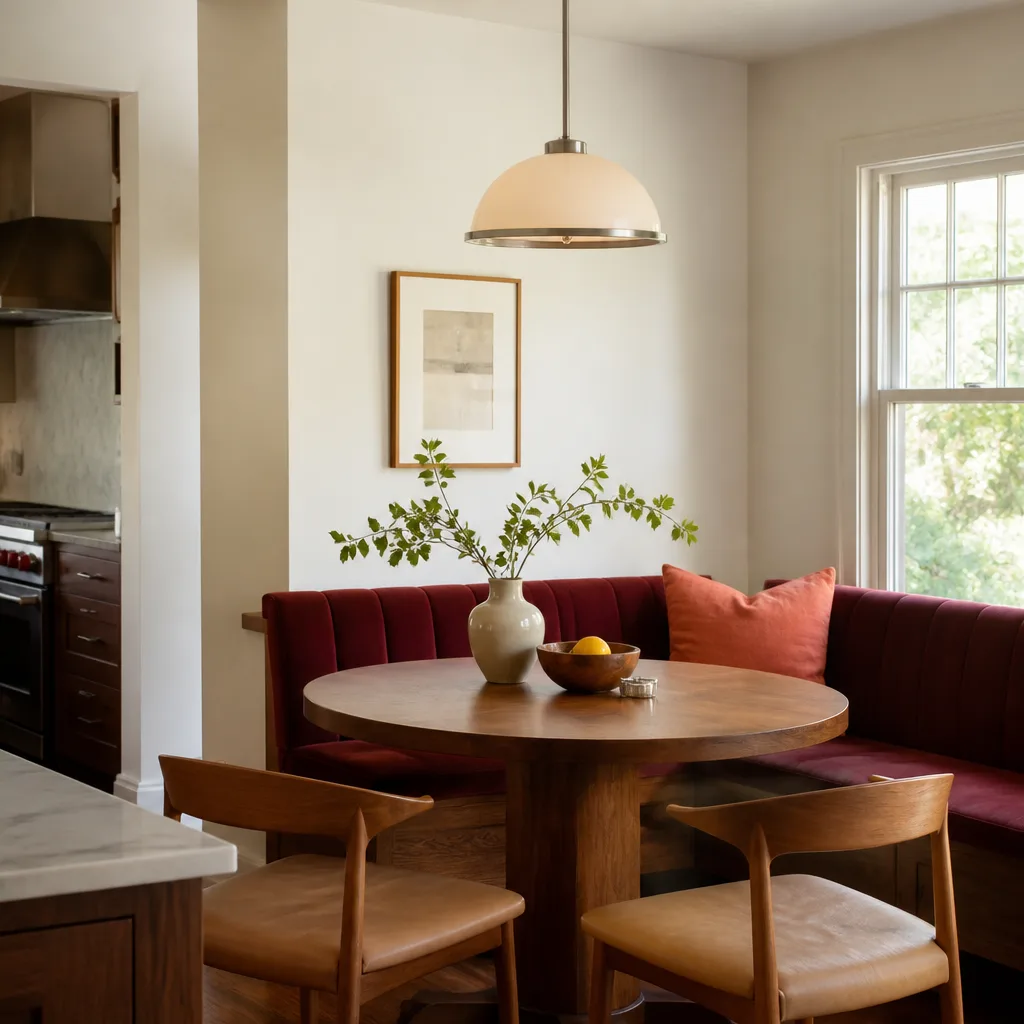
The right construction brand in Long Beach is the one whose published performance specs match your property’s actual conditions – coastal wind load, salt corrosion, moisture cycling, and seismic demand – not the one topping a national list. Spend premium dollars where the brand is the performance: windows, roofing, exterior cladding, and hardscape. Go mid-range where installation quality drives the result. And insist that every material you accept is backed by a contractor’s own written guarantee, so you’re never caught between a manufacturer and a builder. That’s the difference between a brand that looks good on paper and one that holds up on your Long Beach home.
Ready to put a real material plan and a written price together before any work starts? Penhallow Remodeling Long Beach offers free estimates across Long Beach, with a written price before work begins, a defined arrival window, and the 365-Day Done Right Promise on every project. Call (833) 510-6967 to schedule yours.
Written by the team at Penhallow Remodeling Long Beach.