Last updated November 17, 2026







Free written scope consultation - allowances, timeline, and change-order rules on paper before a single trade is scheduled
Home Remodeling Warning Signs Every Homeowner Should Know
Most remodeling disasters announce themselves early. Not with a crack in the tile or a cabinet that won’t close, but in the first conversation, when a contractor waves off your request for a written price or tells you the guarantee is “just understood.” The contractor who won’t put the number in writing before demo day isn’t shielding himself from surprises. He’s shielding himself from accountability. In our experience across Long Beach, the projects that go sideways were predictable from the first handshake, if the homeowner knew what to watch for. This guide walks you through the behavioral and contractual red flags that surface before a single tool is unpacked, so you can spot them while you still have leverage.
Quick Answer
The most reliable remodeling warning signs are information-handling failures, not workmanship issues: verbal-only estimates, no written guarantee, pressure to sign the same day, vague scopes of work, and subcontractors who appear without notice. In our experience, a contractor who won’t give you a written price and a written guarantee before work starts is the single strongest predictor of a job that runs over budget or never gets finished. Verify the license, read the contract, and ask one direct question: “Can you show me the written guarantee before I sign?”
Styles & brands we work with
- Kitchen remodeling
- Bathroom remodeling
- Home additions & ADU
- Roofing
- Windows & doors
- Driveway & pavers
- Fence
Table of Contents
- Pre-Hire Warning Signs: What to Catch Before You Sign
- Mid-Project Warning Signs: Scope Creep and Strangers on Your Job
- Why a Vague Contract Is More Dangerous Than a High Price
- The 10-Minute License and Insurance Check Most Homeowners Skip
- When a Bid Is Too Cheap to Be Real
- The One Question That Separates Straightforward Contractors From Evasive Ones
- Common Mistakes to Avoid
- Frequently Asked Questions
Pre-Hire Warning Signs: What to Catch Before You Sign
The highest-leverage moment in any remodel is the conversation before money changes hands. That’s when a contractor’s habits around information reveal themselves. Watch how they respond when you ask for specifics, because the pattern you see on day zero is the pattern you’ll live with for the six weeks after demo.
Red flags you can spot in the first meeting:
- A verbal-only estimate. “Ballpark” numbers that live only in the air are the number-one predictor of a price that balloons after demo. If it isn’t written, it doesn’t exist.
- No written guarantee. Ask what happens if the work fails. An answer of “we stand behind our work” with nothing on paper is not a guarantee. It’s a hope.
- Pressure to sign the same day. Real contractors don’t need a countdown. Any version of “this price is only good today” is a sales tactic, not a construction one.
- No physical address or business license on the estimate. A truck, a cell number, and a first name is not a business you can hold to anything.
- Evasiveness about who does the work. Ask who will actually be in your home. Vague answers about “the crew” often mean unvetted day labor.
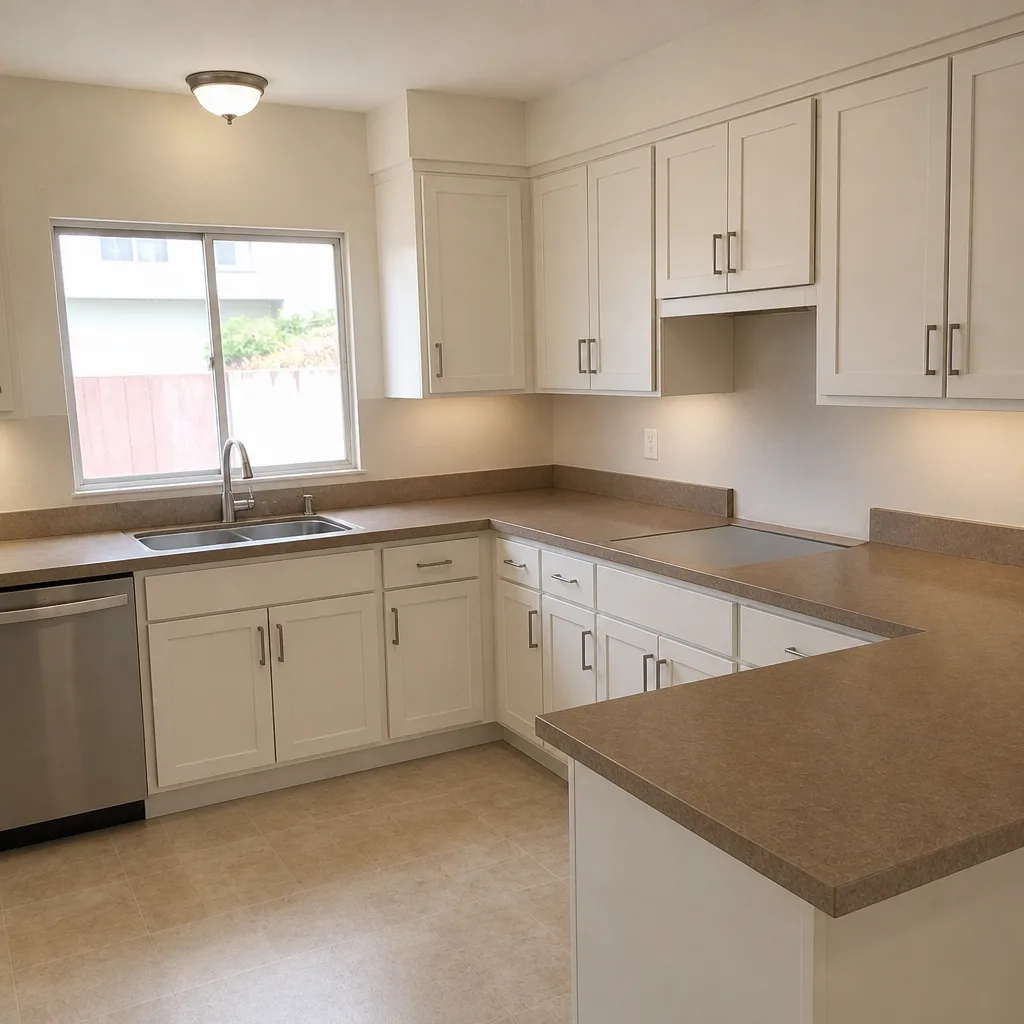
Long Beach is a competitive remodel market, and that works in your favor. Ask for two or three written numbers on the same scope of work, and you’ll see very quickly who is willing to commit and who is only comfortable guessing. If a company won’t put a real dollar range on paper, like the kind of range a kitchen remodel in Long Beach actually carries (roughly $18,000 to $55,000 depending on layout, cabinet line, and countertop material), that tells you everything about how they’ll handle the harder conversations later.
Mid-Project Warning Signs: Scope Creep and Strangers on Your Job
Once work begins, a new category of red flags appears. These are quieter, and they tend to show up after you’ve already committed. The good news: they’re easy to catch if you know the pattern.
The two you’ll see most often are scope creep and unannounced faces.
- Scope creep without written change orders. A wall gets “opened up to see what’s behind it,” a fixture “needs to be upgraded,” and the price quietly ticks up without a single signed document. Any change to the work or the price should come with a written change order you approve before the work proceeds. No exceptions.
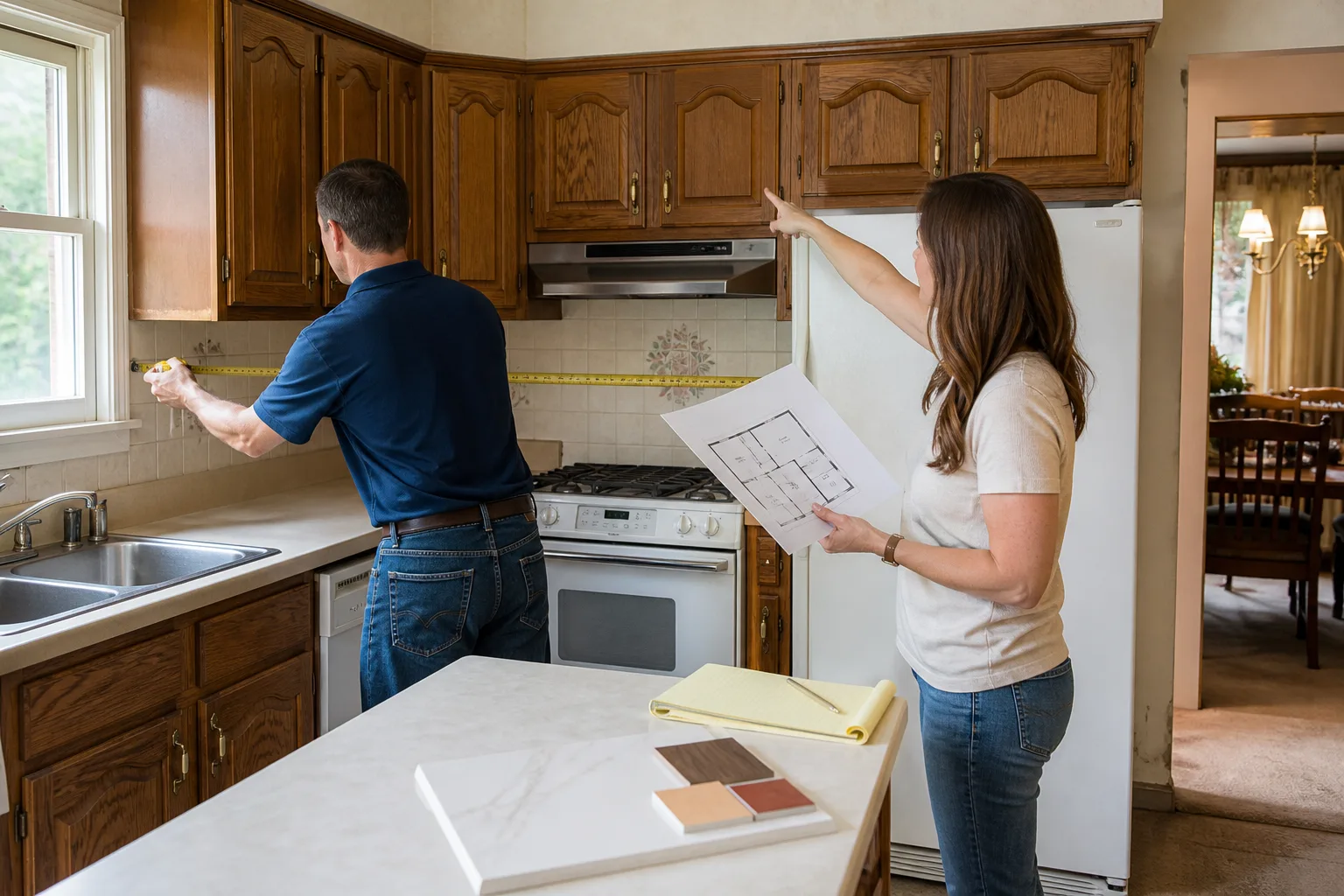
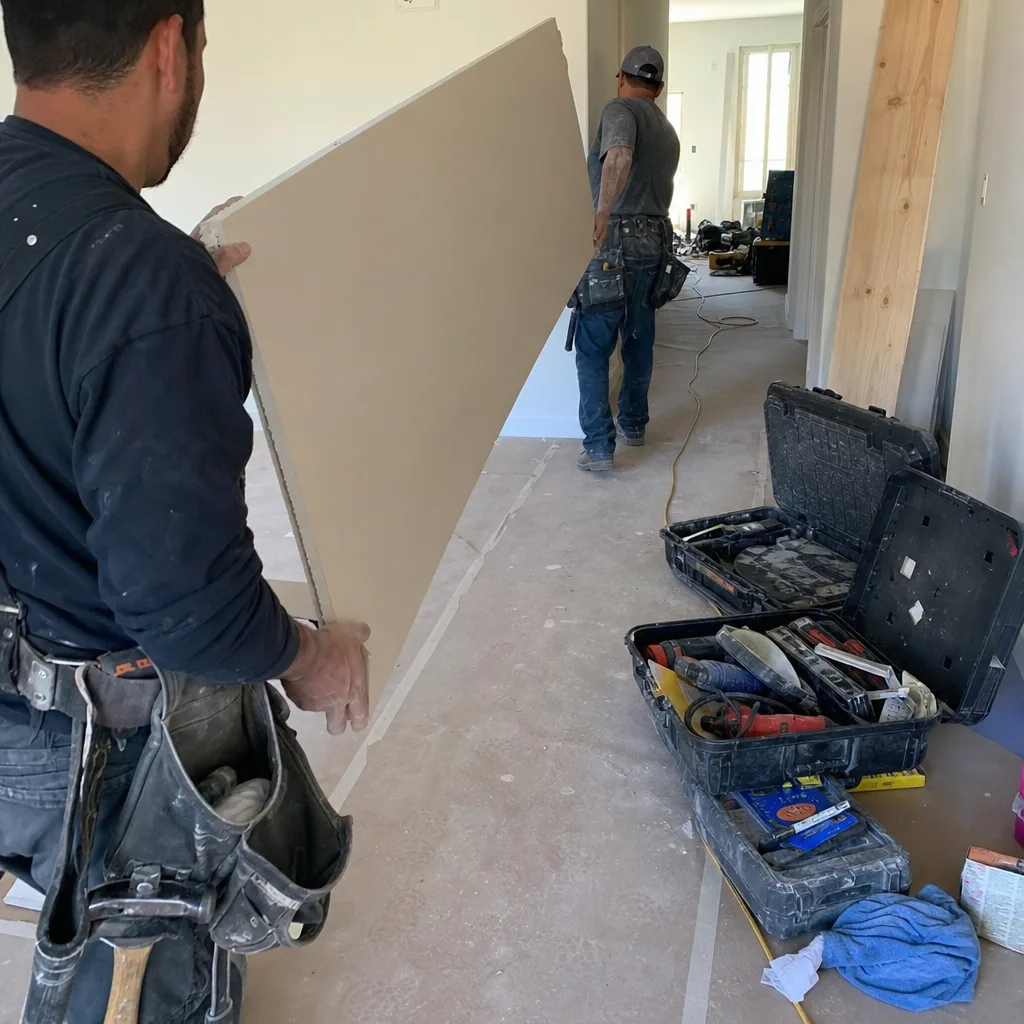
- Subcontractors you’ve never met showing up unannounced. Specialized trades, like electricians and plumbers, are normal on a remodel. What’s not normal is a licensed general contractor letting people into your home without telling you who they are or when they’re coming.
- Job site goes dark, then lights up again. A crew that disappears for a week with no notice and reappears without explanation is a sign of overbooked scheduling or cash flow trouble. Neither bodes well.
- Dust control and cleanup slip. How a crew treats your home during the job is how they treat the work itself. A site left messy on Tuesday is often a detail skipped on Thursday.
The clean version of a mid-project process is predictable: a defined arrival window, background-checked and uniformed technicians who know who they’re working for, a clean site at the end of each day, and any change documented in writing. That’s the standard we run under. You should expect it from anyone you hire in Long Beach.
Why a Vague Contract Is More Dangerous Than a High Price
A high price is honest. You can see it, weigh it, and walk away. A vague contract is worse because it looks fine until it isn’t. It doesn’t tell you what you get, what it costs, or what happens if the work fails, and the silence is where disputes live.
Every remodeling contract should specify these five things in plain language:
- The exact scope of work, written out trade by trade: cabinets, counters, electrical, plumbing, flooring. “Remodel kitchen” is not a scope of work.
- The written price, itemized by material and labor, with the specific notes on what drives it up or down. Not a range with a disclaimer. A number you can hold the contractor to.
- A defined arrival window for the start date and each major phase, so you’re not guessing whether the crew is showing up on Monday or next month.
- The written guarantee: what it covers, how long it lasts, and exactly what the contractor does if something fails. Ours is a 365-day Done Right Promise that comes back and fixes any covered failure at no charge. Whatever yours is, get it in writing.
- The change-order process: how additions or surprises get priced and approved before work continues.
If a contract is vague on any of these five points, ask for a written revision before you sign. A straightforward contractor will thank you for the review. A shaky one will start explaining why the details aren’t necessary. Which of those you hear is your answer.
The 10-Minute License and Insurance Check Most Homeowners Skip
Skipping the license and insurance check is the single most common expensive mistake in home remodeling. It takes about ten minutes, it’s free, and it can save you tens of thousands of dollars in cleanup and legal fees. In California, everything you need is on the California Contractors State License Board (CSLB) website.
- Look up the license number on the CSLB site (you can also search by business name). Confirm it’s active, not expired or suspended.
- Check the classification. General building contractors (B) handle whole-home work; specialty classifications are narrower. Make sure the license matches the work you’re hiring for.
- Check for complaints and disciplinary actions. The CSLB records are public and clear. A license in good standing is the baseline; a pattern of complaints is a warning no bid price can fix.
- Request a certificate of insurance and call the insurer listed on it to confirm the policy is active and the coverage is current. General liability and workers’ comp are both relevant if anyone is hurt in your home.
- Confirm the name on the license matches the name on your contract. Mismatches are a real problem and worth a phone check.
Long Beach sits in a coastal climate that punishes shortcuts on moisture control, and unlicensed work that skips permits can be ripped out at resale. Skipping the check is how homeowners end up paying twice.
When a Bid Is Too Cheap to Be Real
If one bid comes in 30% below the others, don’t celebrate. That gap is the math of something being left out, and it tells you exactly what to ask before you sign.
A bid 30% below everyone else usually signals one of three things:
- Unlicensed labor. The crew isn’t on the books, isn’t insured, and isn’t someone you can hold accountable if something breaks or someone gets hurt in your home.
- Skipped permits. Permits cost money and time. A bid that quietly leaves them out shifts that risk to you, and unpermitted work in Long Beach is a real problem at resale and at inspection.
- Material substitution. The bid names a brand on the estimate and installs something else on the wall. It’s the most common trick because it’s the hardest to catch once the drywall is up.
Ask the cheap bidder straight: “Which permits are included, and can you name the brand and model of every material in this bid?” If the answers are vague, the price isn’t a deal. It’s a bill you’ll pay later. If they name real products, like Cambria quartz or a specific Kohler fixture, you know the bid was built on actual costs, not wishful price-cutting.
The One Question That Separates Straightforward Contractors From Evasive Ones
You can learn more in thirty seconds than in a two-hour sales pitch by asking one direct question.
“Can you show me the written guarantee before I sign?”
That’s it. Here’s why it works so well: evasive contractors can bluff about price, timelines, and experience, but a written guarantee is a document. They either have one or they don’t. A straightforward contractor will say some version of “Yes, here it is,” and hand you a paper that says what’s covered, how long the coverage lasts, and what happens if the work fails. An evasive one will start explaining why a written guarantee is unnecessary, or hand you something so vague it’s essentially a promise to “do good work.” That’s not a guarantee; that’s a greeting card.
The 365-Day Done Right Promise that comes with every project we do is built exactly this way: what it covers, how long it lasts, and what we do about it if something fails. Our clients can hold us to it because it’s on paper. That’s the standard you should ask for from any contractor, whether you’re doing a full Kitchen Remodeling in Long Beach or a single-trade bathroom refresh. Ask the question early, before you’ve handed over a deposit, and let their answer do the deciding for you.
Common Mistakes to Avoid
- Choosing on lowest bid without reading it. The lowest number often hides unlicensed labor, skipped permits, or material substitutions. Compare scopes, not just totals.
- Skipping the CSLB check. Ten minutes online and a phone call to the insurer is the single biggest protection you have. Every year, Long Beach homeowners pay twice for skipping it.
- Accepting a verbal estimate and a handshake. Not an estimate range, not a ballpark. A written number you can hold the contractor to, or no deal.
- Letting changes happen without a signed change order. Even a small change should be written and approved, or it becomes a cost dispute at the end.
- Not asking who will be in your home. Ask for the names and background-check status of every person on the job. If the answer is fuzzy, that’s a problem, not a technicality.
- Ignoring the coastal climate factor. Long Beach humidity and salt air punish skipped moisture detail behind tile and trim. Cheap bids that ignore substrate fail first.
- Signing before you see the written guarantee. If it isn’t on paper before you sign, it doesn’t exist.
See the difference
 Before
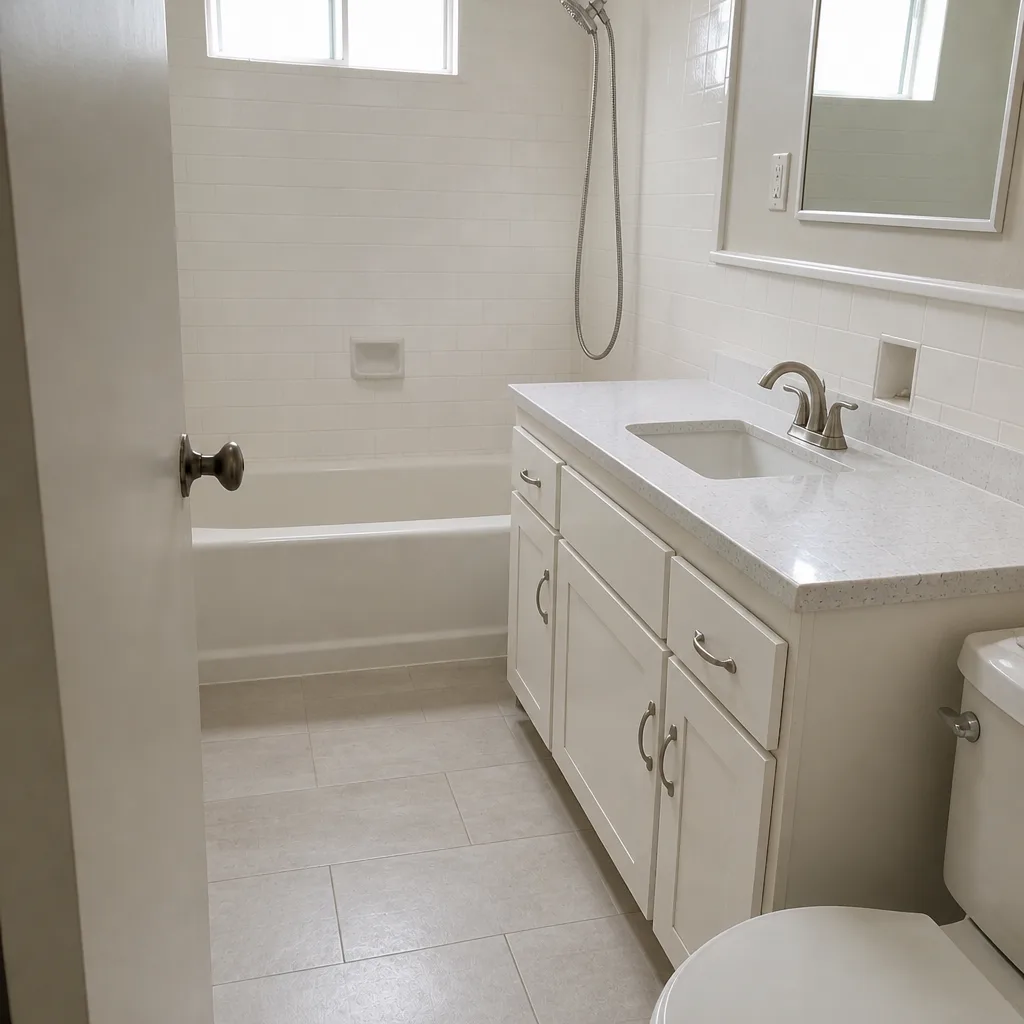 After
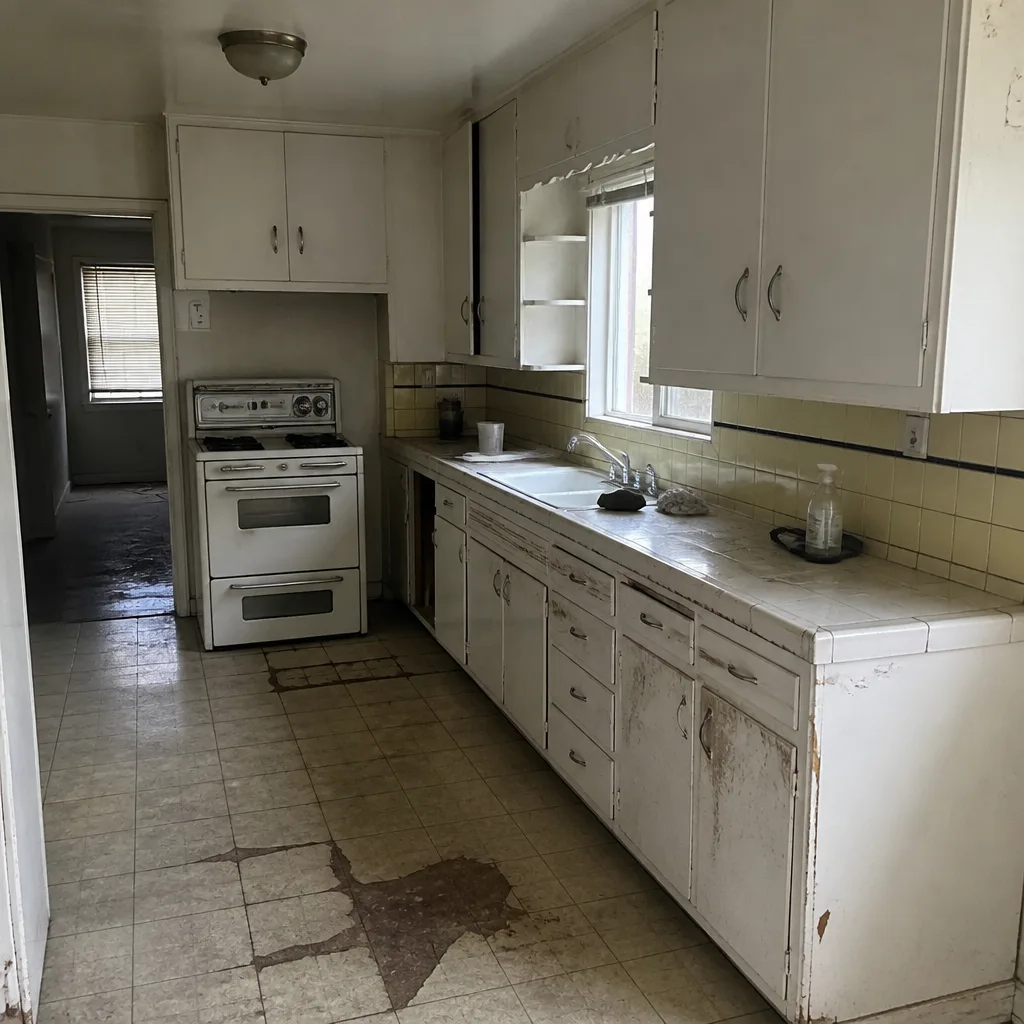 Before
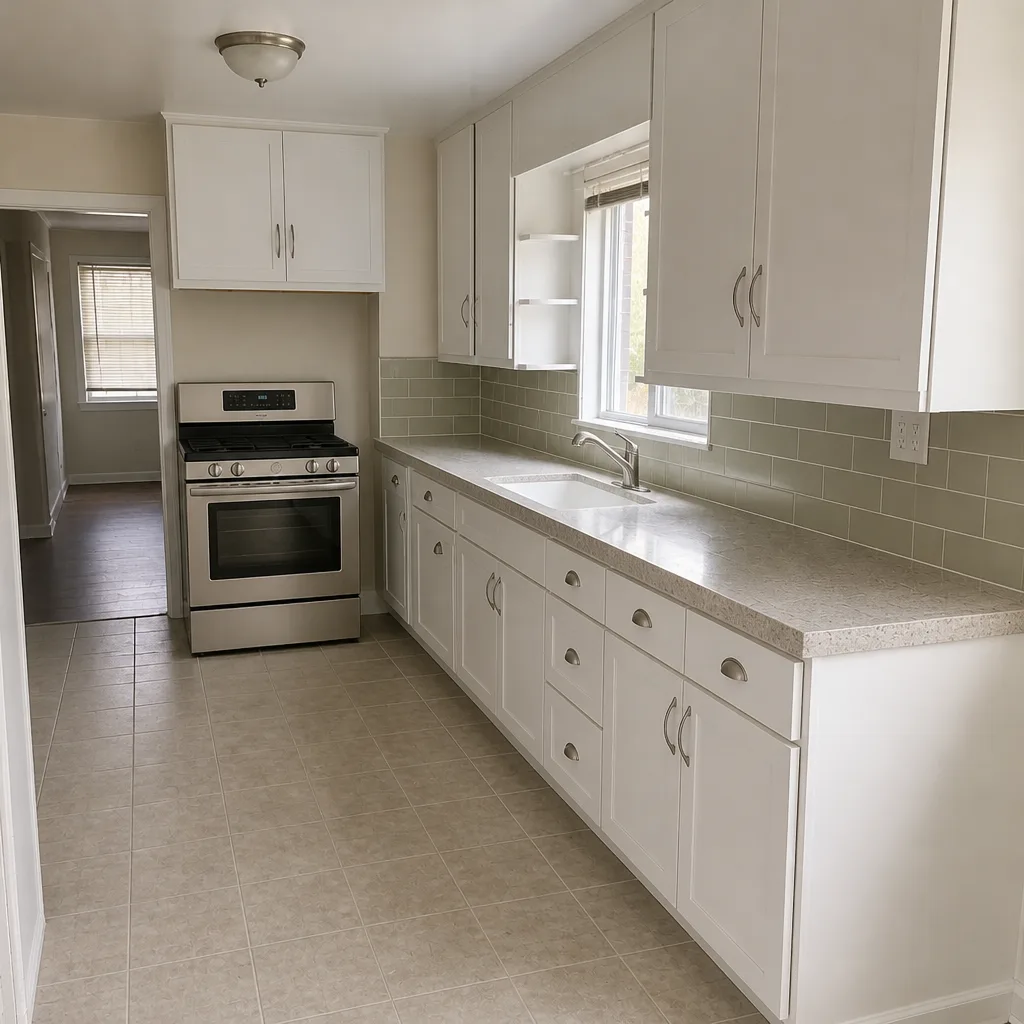 After
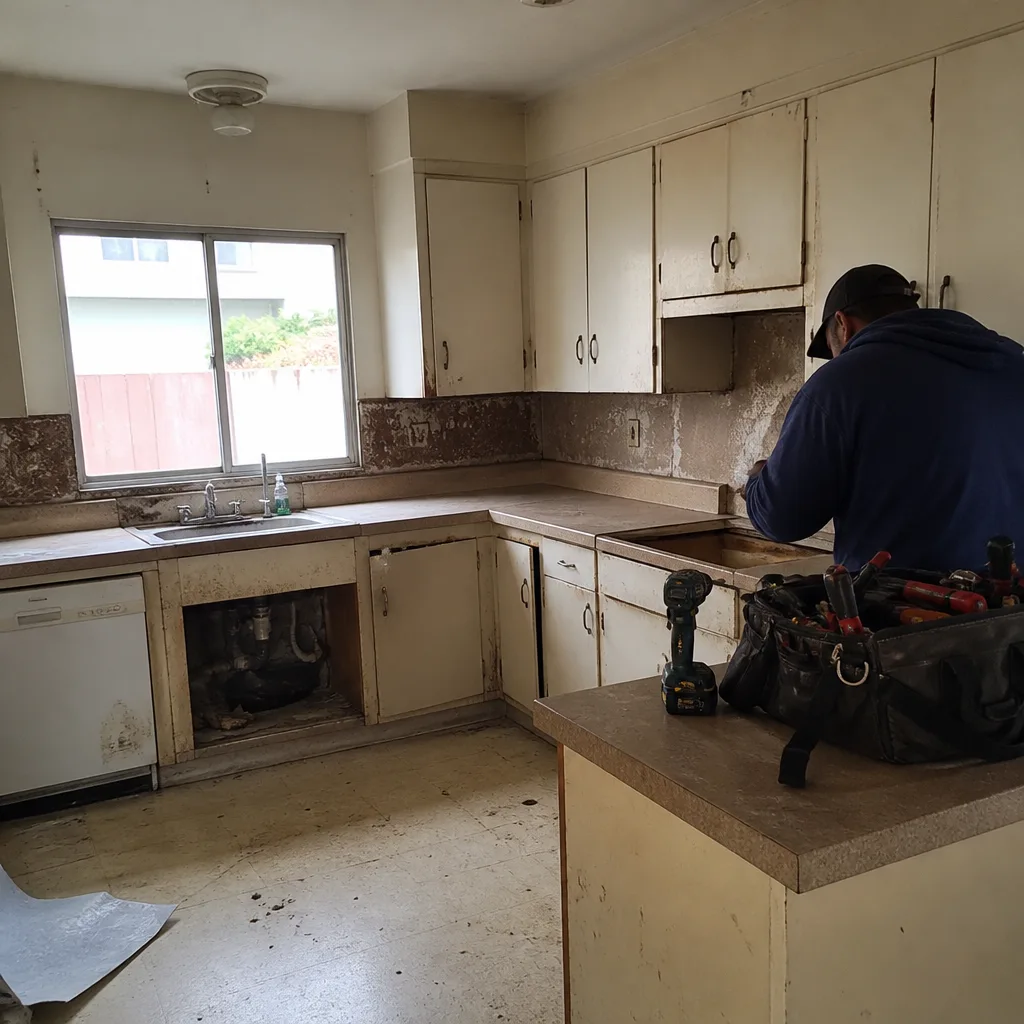 Before
 After
When to Call a Professional
Some warning signs are worth a second opinion. If you’re holding a bid that’s 30% below the others, a contract with vague scope language, or a contractor who can’t produce a written guarantee, don’t push through on hope. A quick, professional read of the paperwork and the plan will tell you what you’re really looking at, before demo day. The same is true when you’re planning the project from scratch and want to see what a transparent bid actually looks like: written price, written scope, written guarantee, all before you sign. Penhallow Remodeling Long Beach offers free estimates in Long Beach, and a live person answers our phone 24/7 at (833) 510-6967. You can also learn more about what full-service looks like on our Penhallow Remodeling Long Beach home page.
Frequently Asked Questions

The biggest red flag is a contractor who won’t put the price and the guarantee in writing before work starts. That’s not about the number; it’s about whether they’ll be accountable to it. A verbal estimate and a handshake guarantee are the strongest predictors of a job that runs over, gets finished late, or never gets finished at all.
Look up the license number on the California Contractors State License Board website. It’s free, takes ten minutes, and tells you whether the license is active, what classification it holds, and whether there are any complaints on file. Then request a certificate of insurance and call the insurer to confirm the policy is current. If it feels like a lot of steps, remember it’s the single most expensive mistake to skip.
Usually not, without direct answers first. A bid that low typically signals unlicensed labor, skipped permits, or material substitution that shows up after the drywall is up. Ask which permits are included and which brand names appear in each line item. If the answers are vague, walk. Our team installs Cambria quartz and specific Kohler fixtures because we can name exactly what goes in.
Five things: the exact scope of work, the written price, a defined arrival window, the written guarantee with what it covers and how long it lasts, and the change-order process. If any of these is missing or written in a way you’d need a lawyer to decode, ask for a revised version before you sign.
A written guarantee says what’s covered, how long coverage lasts, and exactly what happens if the work fails. Ours is a 365-Day Done Right Promise that returns and fixes failure at no charge, in writing. It matters because it’s the one thing that converts “we stand behind our work” from a phrase into a commitment you can hold the contractor to.
Kitchen remodels typically run $18,000 to $55,000 depending on layout, cabinet line, and countertop material. A simple L-shaped kitchen with KraftMaid or Wellborn cabinetry and a Silestone top sits at the lower end; a full layout change with new electrical and premium cabinetry moves toward the top. The size of the range, not just the total, tells you whether the bid is real. Call (833) 510-6967 for an exact written quote, and we’ll walk you through the line items before you commit.
The Bottom Line
Most remodeling disasters are predictable from the first conversation. The warning signs that matter most live in how a contractor handles information: whether the price is in writing before demo day, whether the guarantee exists on paper, whether the scope is specified, whether the license and insurance check out, and whether subcontractors show up with names and notices attached to them. None of those checks require a construction background. They require you to ask one direct question and to walk away from vague answers. If you’re planning a remodel in Long Beach, start with verified paperwork and a written price, and the rest of the project gets easier from there. For whole-home work, see our General Contractor in Long Beach page, and for a bathroom, our Bathroom Remodeling in Long Beach guide.
If any of the warning signs above showed up in your last conversation with a contractor, stop and call us instead. Penhallow Remodeling Long Beach gives every homeowner a written price and a written guarantee before any work starts, and a live person answers the phone 24/7 at (833) 510-6967. Call us for a free estimate, and see the difference between a handshake and a guarantee in writing.
Written by the team at Penhallow Remodeling Long Beach.