Last updated November 17, 2026





Free written scope consultation - allowances, timeline, and change-order rules on paper before a single trade is scheduled
Construction Emergency Preparedness Guide for Long Beach Homes
Most Long Beach homeowners have an earthquake kit in the garage and no plan at all for the other kind of emergency: the construction failure. A burst supply line behind a recently tiled shower wall is a plumbing event and a construction question at the same time, and the answer depends on paperwork you signed months ago. We’ve stood in enough flooded hallways to know the difference between a homeowner who had a plan and one who didn’t. This guide covers the failures that turn dangerous fast in Long Beach, who can legally respond, what your guarantee actually covers, and how to protect yourself with documentation before anything goes wrong.
Quick Answer
Construction emergency preparedness for a Long Beach home means three things: knowing which failures are genuinely urgent (active water intrusion, structural movement, gas or electrical hazards) versus which can wait for a scheduled appointment, having your as-built drawings and remodel contract accessible so responders and contractors can act fast, and understanding exactly what your workmanship guarantee covers so a failed repair doesn’t fall into a gap between your contractor and your insurer. Call (833) 510-6967 for a free estimate on any repair or rebuild.
Styles & brands we work with
- Kitchen remodeling
- Bathroom remodeling
- Home additions & ADU
- Roofing
- Windows & doors
- Driveway & pavers
- Fence
Table of Contents
- Structural warning signs that need immediate evaluation
- How earthquake damage interacts with guarantees and insurance
- Who to call in a construction emergency
- What to document after a failure
- Preparing your as-built documentation in advance
- Water and moisture failures in a coastal climate
- The emergency packet every Long Beach home should keep
- Common mistakes to avoid
Which Structural Warning Signs in a Long Beach Home Need Immediate Evaluation?
The rule we give every homeowner: if it involves movement, water where water shouldn’t be, or a smell you can’t identify near a wall, treat it as urgent until a licensed professional says otherwise. Everything else can usually wait for a scheduled visit.
Immediate calls – same day, no waiting for a callback window:
- A diagonal crack in drywall or plaster that’s widened noticeably over days, especially at a door or window corner.
- A door that suddenly sticks or won’t latch in a home where it worked last week. That’s often a sign of movement in the frame, not a door problem.
- Any crack in a foundation stem wall or slab that’s wide enough to slide a coin into.
- Water pooling at the base of a wall, staining that grows while you watch it, or a bulging ceiling.
- A gas smell, a burning smell near an outlet or panel, or any sparking.
- Stucco or siding pulled away from a wall after a windstorm.
Scheduled appointment, not an emergency:
- Hairline cracks in drywall that have been there for years.
- A single cracked floor tile with no surrounding movement.
- Grout discoloration or a slow shower leak that’s contained and not reaching framing.
- Paint peeling on a south-facing wall.
In Long Beach, the questions we get most often come from the older housing stock – bungalows in Rose Park, craftsman homes near Bluff Park, and the post-war tract homes out toward Lakewood Boulevard. Plaster walls in those homes hide movement differently than modern drywall. A crack that looks minor on a skim-coated wall can have a much longer track behind it. If you’re unsure, that’s what the free visit is for.
How Does Earthquake Damage Interact With Workmanship Guarantees and Insurance?
This is the gap almost nobody explains until it bites. A workmanship guarantee covers our installation failing. Your homeowner’s policy covers a sudden event like an earthquake or a burst pipe. Earthquake damage from a remodeled space usually lands in the middle, and where it lands depends on the cause – and on wording most homeowners never read.
The practical breakdown, from what we’ve seen in Long Beach claims:
- Workmanship failure: tile that debonded because the cement board substrate (the moisture-resistant layer behind your tile) wasn’t installed correctly. Covered under the written guarantee.
- Earthquake movement: framing shifts, drywall cracks, cabinet doors swing out of alignment. Usually a homeowner’s insurance question, and standard policies often exclude earthquake unless you carry separate coverage.
- Material defect: a cabinet box that fails at a joint, a fixture that fails internally. Covered by the manufacturer’s warranty, layered under ours.
- Water intrusion after a quake: a roof or flashing breach that lets rain into a new kitchen. This is where the argument usually happens.
The protection is the same in all four cases: a written scope that names what was installed, a written guarantee naming what’s covered and for how long, and photos of the work in progress. Our 365-Day Done Right Promise covers the first bullet clean and the fourth one when the cause traces back to our installation. We don’t hide behind the word “act of God” when the real question is whether the flashing was done right.
Check your policy now, not after. Ask your insurer one direct question: does this policy cover earthquake damage to interior finishes? Get the answer in writing. If you’re planning a remodel, that answer matters before demo day, not after.
Who Should You Call for a Construction Emergency in Long Beach?
Some emergency work legally requires a licensed contractor, and hiring unlicensed help in a crisis usually creates a bigger problem than the one you started with. California licensing law doesn’t pause for emergencies. A contractor performing work over the license threshold needs a state license regardless of the hour or the urgency.
Who handles what:
- Active water or gas: shut off the supply if you can reach the valve safely, then call your utility or a licensed plumber. For gas, leave the building and call the utility from outside. Don’t hunt for the leak yourself.
- Electrical sparking or burning smell: kill the breaker if it’s safe to reach, then call a licensed electrician. Panel and wiring work is not a homeowner job, and it’s not a handyman job either.
- Structural movement or a compromised wall: call a licensed general contractor for evaluation before anything else happens. A general contractor in Long Beach can assess whether the home needs shoring, engineering, or a straightforward repair.
- Roof breach or wind damage: a licensed roofer for temporary protection, then a contractor for permanent repair. Temporary tarps are not a finished repair.
- Cosmetic damage only: schedule it. A cracked tile or a scuffed cabinet door waits until morning.
Why unlicensed “emergency help” costs more: no written price (so the number changes), no guarantee (so the repair fails twice), no permit where one is required (so an inspection fails later), and no insurance behind the work if someone gets hurt on your property. We’ve been called to unwind that exact situation more than once in Long Beach. The second repair always costs more than the first one would have.
One thing worth knowing: a live person answers our phone 24/7, and that’s not a promotional line – it’s how we operate. Even at 11pm on a Saturday, you get a real person, a triage conversation, and a written price before any work begins.
What Should You Document Immediately After a Construction-Related Failure?
Document within the first hour if you safely can. Photos and a written timeline are what stand between you and a disputed claim – against a contractor, an insurer, or both. Memory fades fast, and adjusters work from records, not recollections.
The documentation sequence:
- Photograph wide, then close. One wide shot showing the room and the failure in context, then close-ups with something for scale – a coin or a tape measure works.
- Photograph the water path if there is one: the stain on the ceiling, the wet baseboard, the soaked carpet edge. Damage spread matters.
- Write a timeline. When you noticed it, what you were doing, what you did in response, who you called and when. One paragraph on your phone is enough.
- Don’t clean up everything. Dry the space enough to prevent more damage, but leave the failed component visible until someone qualified sees it.
- Send written notice to the contractor. Email or text, not a phone call. State the date, the failure, and that you’re requesting a return visit under the guarantee. Keep the reply.
- Keep the receipts. If you paid for emergency mitigation, that cost usually factors into the claim.
Our guarantee includes a free second visit if a repair fails – no service call fee, no re-inspection charge. That’s why we ask you to send written notice rather than a phone call. A dated email creates the record, and the record protects both of us.
How Do You Prepare As-Built Documentation Before an Emergency Happens?
This is the step almost nobody takes and the one that saves the most time. As-built documentation (the drawings and records showing what was actually built, as opposed to what was originally planned) lets a contractor or inspector work accurately without opening walls to guess.
What belongs in your home’s record file:
- Permit numbers and final inspection sign-offs for every remodel. Long Beach Building & Safety keeps records, but you want your own copy.
- Any drawings you have, even the hand-drawn sketch a previous contractor gave you.
- Before-and-after photos of every room you’ve had worked on, including in-progress shots showing what’s behind the walls.
- The written scope, written price, and guarantee document from each job.
- Product information for installed materials – brand, model, finish. This matters at claim time. If we set Cambria quartz in your kitchen, the slab’s own lifetime warranty is separate from ours, and both are easier to claim with the paperwork in hand.
- Shutoff locations: main water, gas, and the electrical panel, photographed and labeled.
Keep a digital copy and a paper copy. Fires, floods, and hard drives all fail. A single folder, scanned and stored off-site, is enough.
We hand every homeowner a folder at project closeout for exactly this reason. If you’re planning a kitchen remodeling in Long Beach project, ask your contractor up front what documentation you’ll receive at the end. If the answer is vague, that tells you something.
Why Are Water and Moisture Failures the Most Common Emergency in a Coastal Climate?
Long Beach sits close enough to the water that humidity and salt air age exterior materials faster than inland homeowners expect. Then the marine layer holds moisture against a wall for hours after a storm. Water is behind more calls than any other cause we see, and the damage is usually much older than the discovery.
The frequent culprits:
- Failed caulk and grout at shower surrounds and tub edges. Slow, then sudden.
- Window and door flashing that was never installed correctly. This is where a bathroom remodeling in Long Beach project fails if the water management behind the tile was skipped.
- Roofing that’s past its useful life. We install Owens Corning and IKO systems, and both depend on proper underlayment and flashing – the shingle is the visible part, not the waterproofing.
- Supply lines and valve connections behind appliances. A washing machine line that lets go at 2am can put an inch of water through a floor before anyone wakes up.
The fastest response: shut the main water off, then move anything that can be moved. Then call. Don’t run a fan and hope – moisture trapped behind a wall will grow mold within days, and mold in a wall cavity is a much more expensive conversation than a wet drywall panel.
What Should Be in Every Long Beach Home’s Emergency Packet?
A single folder, physical and digital, that lets a contractor or adjuster act in minutes instead of days. Keep it somewhere a responder can find it.
- Copies of permits and inspection sign-offs for every remodeled room.
- Your current homeowner’s policy, plus the written answer from your insurer on earthquake coverage.
- Written scope, price, and guarantee documents from every contractor who has worked on the home.
- Before-and-after and in-progress photos of every room.
- Brand and model list for installed materials and appliances.
- Shutoff locations, photographed.
- A one-page contact list: contractor, insurer, utility company, and the Long Beach Building & Safety line.
- A written plan for who in the household does what – who shuts the gas, who grabs the packet.
That last item is the one people skip and the one that matters most. Two adults arguing in a dark hallway at midnight about where the shutoff valve lives is a real conversation we’ve heard about more than once in this city.
Common Mistakes to Avoid
- Hiring unlicensed help because it’s 10pm. It costs more in the end and voids nothing you paid for – but the second repair will.
- Cleaning up completely before anyone documents it. You remove the evidence, and the claim gets harder.
- Calling the contractor without emailing. A phone call is not written notice. Send the email, then call.
- Assuming your homeowner’s policy covers earthquake. In Long Beach, most standard policies exclude it. Verify this now, in writing.
- Letting a slow leak run for a season. Coastal humidity keeps a wet wall cavity wet, and mold gets expensive fast.
- Not knowing what your guarantee actually covers. Read the document before you need it – the failed repair is the wrong time to discover a gap.
- Skipping the as-built file. Unpermitted prior work in the home is discovered during emergencies, and it slows every part of the response.
See the difference
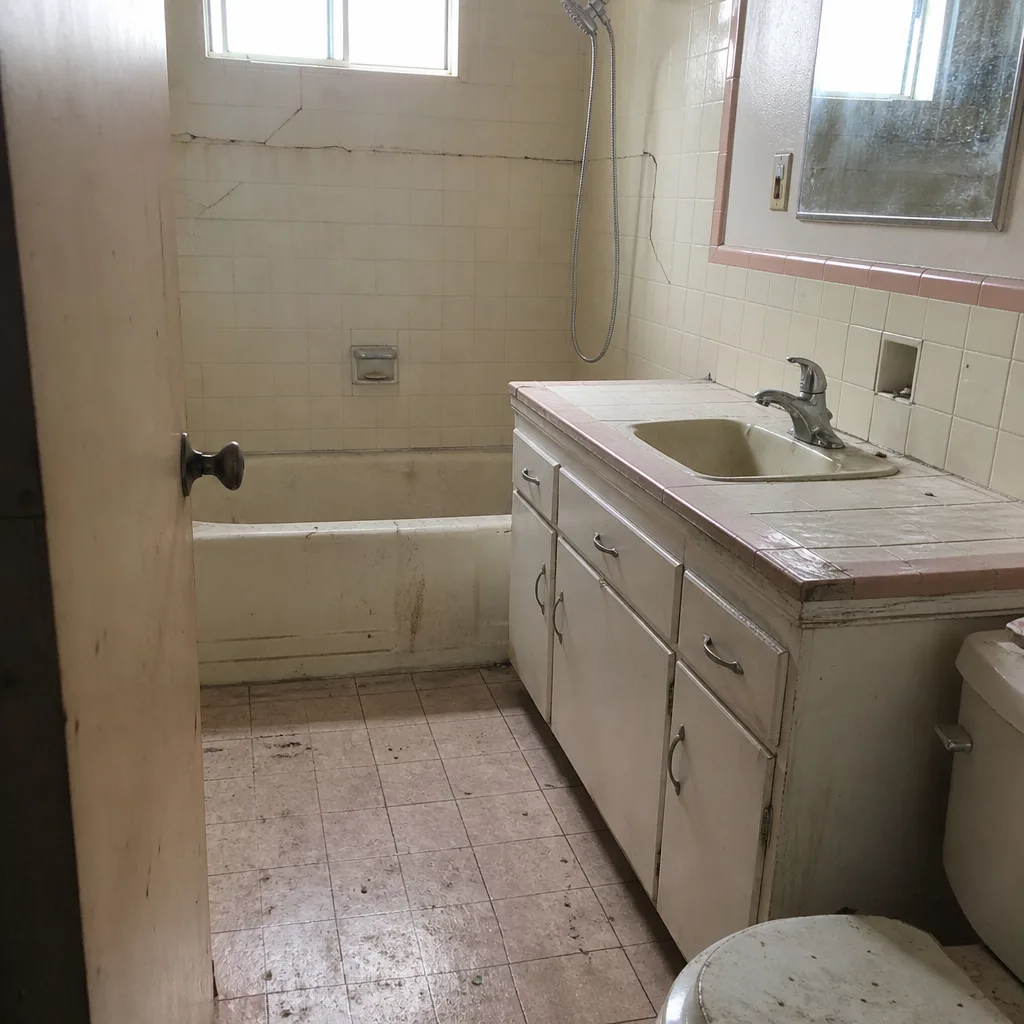 Before
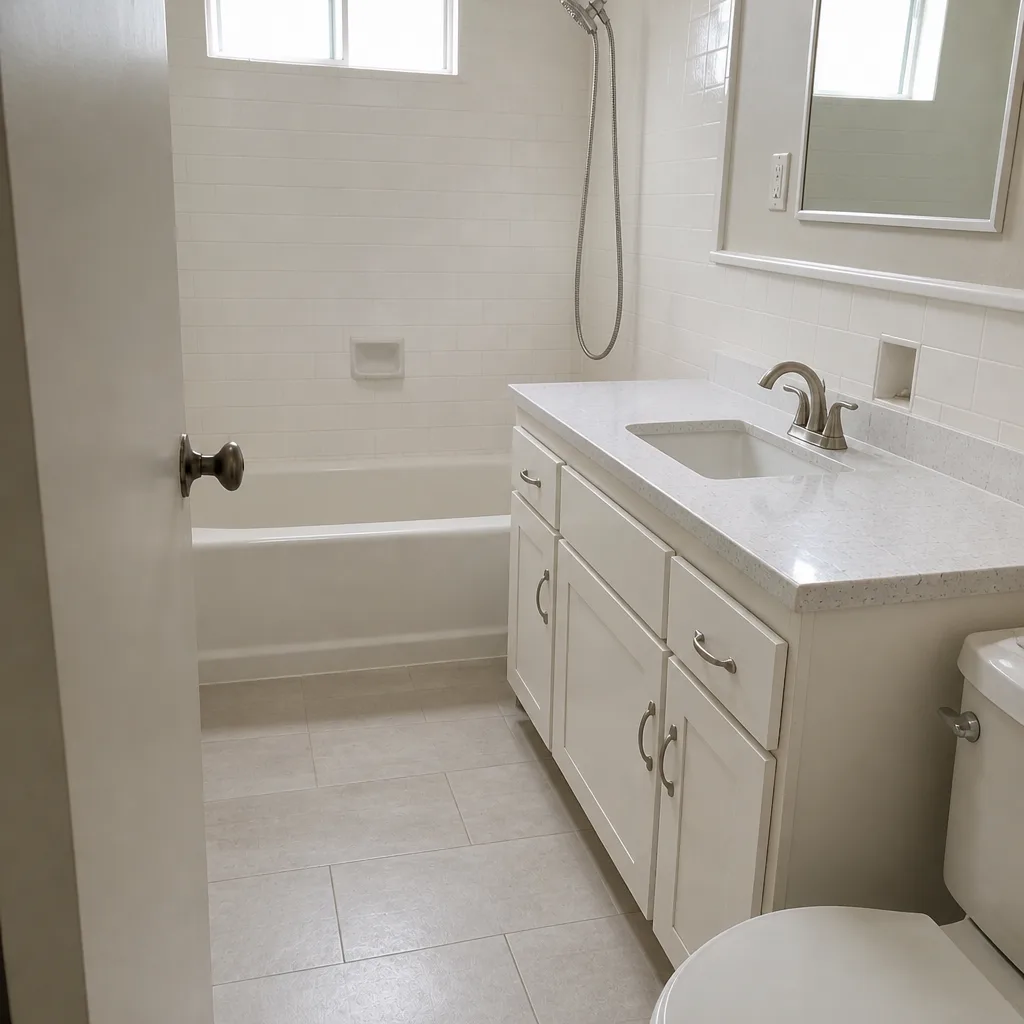 After
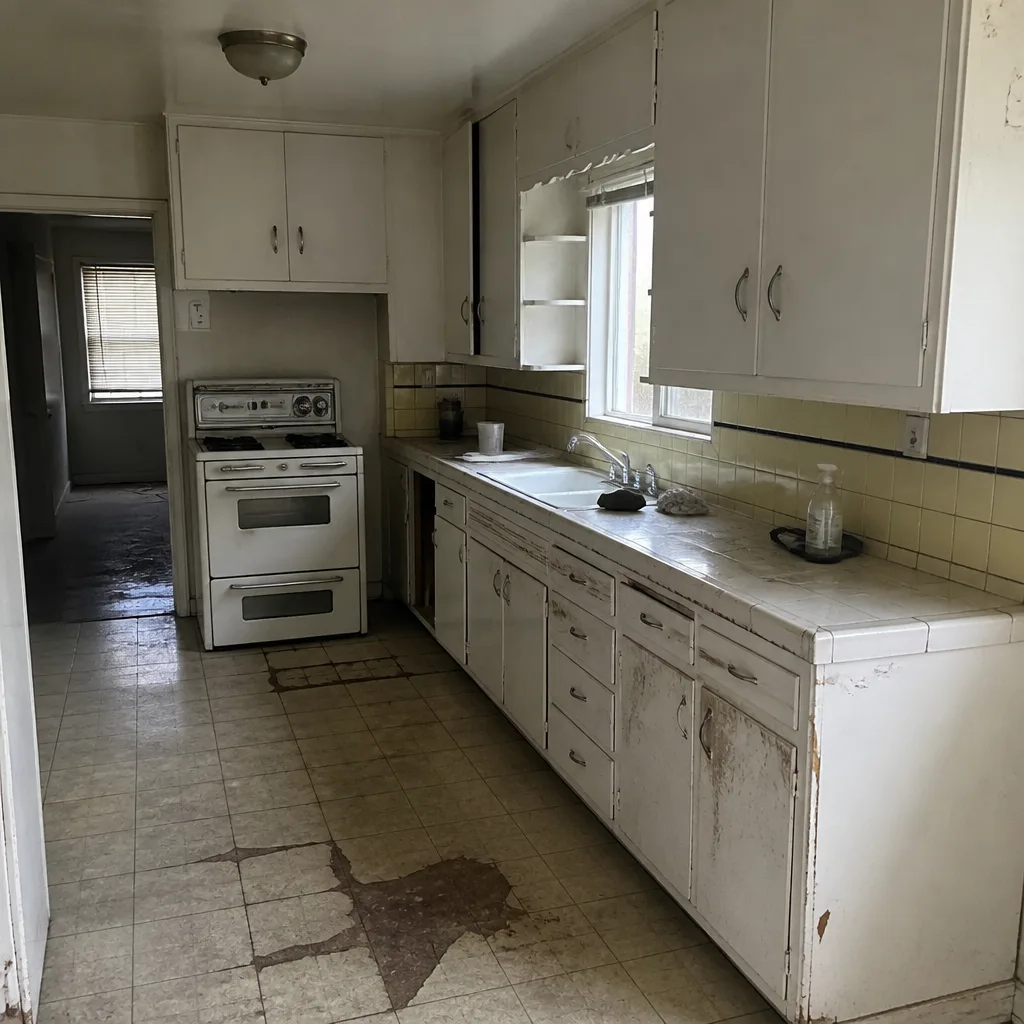 Before
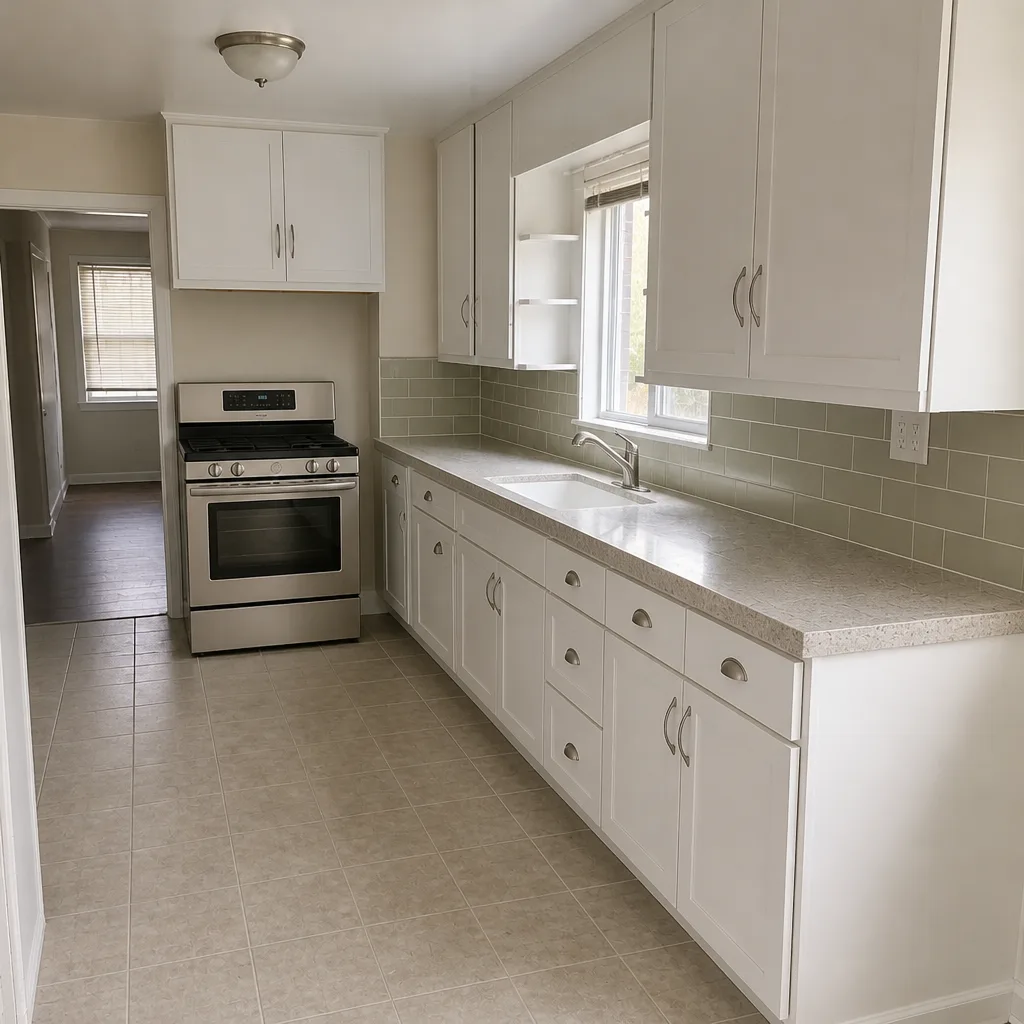 After
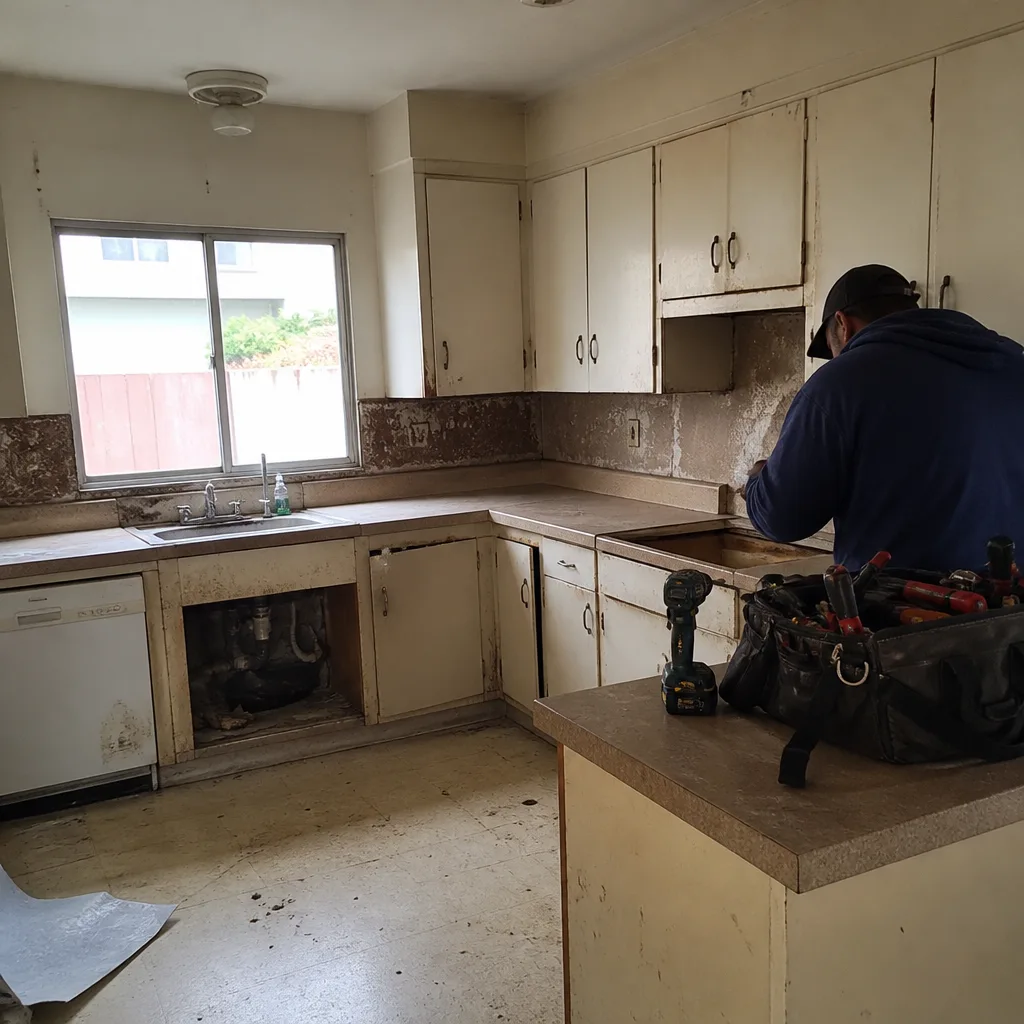 Before
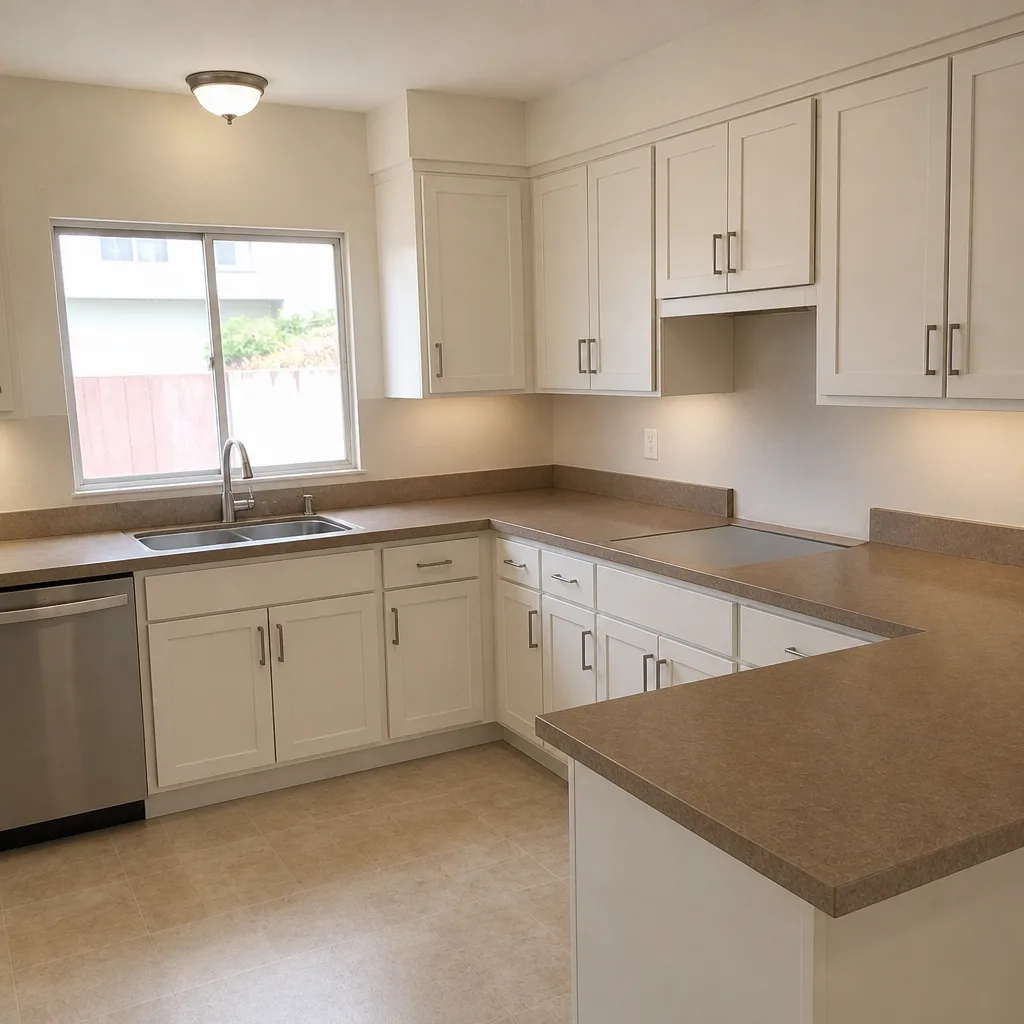 After
When to Call a Professional
Call on any active water intrusion you can’t stop at a valve, any structural movement that appeared or widened recently, anything involving the electrical panel or suspected gas, and any failure of work that was done within the past year under a guarantee. Also call for the “probably nothing” cases – the crack you’re unsure about, the stain that might be growing. We’d rather spend fifteen minutes telling you it’s fine than see a repair turn into a rebuild. Penhallow Remodeling Long Beach offers free estimates in Long Beach – call (833) 510-6967. You’ll get a written price before any work starts, the same professional standard on every visit, and a background-checked technician in uniform who shows up in the arrival window we gave you. Read more about Penhallow Remodeling Long Beach and what we do.
Frequently Asked Questions
Usually not directly, and the answer depends on the cause. A guarantee covers installation failure – a tile that debonded, a connection that failed because of installation. Earthquake movement is generally an insurance question, and most Long Beach policies exclude it unless you carry separate earthquake coverage. Check your policy now and ask your insurer to confirm in writing. Call (833) 510-6967 for a free evaluation if you’re unsure which category your damage falls into.
Yes, for anything over the license threshold, regardless of the hour. California licensing law doesn’t relax in an emergency, and unlicensed help creates permit, insurance, and safety problems you can’t undo later. Most emergency repairs involving water, gas, electrical, or structural work fall under licensed trades. When in doubt, verify a license before anyone touches the work.
Within one business day for active water damage, and within a few days for a non-urgent failure. What matters most is that you send written notice immediately so the timeline is documented. Our guarantee includes a free second visit if a repair fails, with no service call fee – but the written notice starts the clock. Call (833) 510-6967 if you need to document a failure today.
Shut off the main water supply, move what you can, and photograph everything before you clean. Don’t run fans and hope. Moisture trapped behind a wall in Long Beach’s coastal humidity will grow mold within days, and mold remediation costs far more than the original repair. Call for an evaluation before you dry anything out.
It depends on what was built and where the property line sits. Unpermitted additions, converted garages, and structural changes sometimes affect drainage, shared walls, or setbacks. If you’re buying in Long Beach, order a permit history check on the property before closing. If you already own, the record file matters even more because discovery usually happens during an emergency.
It protects you from paying twice for the same failure. A written guarantee names what’s covered, for how long, and what happens when something fails – which means the contractor returns at no charge if the work was defective. Ours runs 365 days and is included on every project. Call (833) 510-6967 for a free estimate; the guarantee document comes with your written price before any work starts.
The Bottom Line

Preparedness for a Long Beach homeowner isn’t a kit in the garage – it’s a folder and a plan. Know which failures are genuinely urgent, know who’s licensed to respond, and know exactly what your guarantee covers before you need to claim it. Document every project as it happens, verify your earthquake coverage in writing, and keep the shutoff locations somewhere you don’t have to hunt for them at midnight. Most emergencies become manageable when the paperwork and the plan already exist. If you’re planning a project or facing a failure now, we’re here to help and answer the phone.
Call (833) 510-6967 for a free estimate in Long Beach. You’ll get a written price before any work starts and a written guarantee on every project. Reach out today – a live person answers, every time.
Written by the team at Penhallow Remodeling Long Beach.