Last updated November 17, 2026





Free written scope consultation - allowances, timeline, and change-order rules on paper before a single trade is scheduled
DIY vs Professional Construction: The Long Beach Homeowner’s Decision Guide
Here’s the part most DIY videos skip: in California, you can legally pull your own permit and build your own addition. The state lets you act as your own “owner-builder.” But if you sell that Long Beach home within a year of finishing the work, you’re legally required to disclose that you did the work yourself, and some buyers will walk the moment they read it. The gap between “legal” and “smart” is where this decision actually lives. This guide walks through the real dividing line: which work in Long Beach truly requires a licensed contractor, which tasks are homeowner-appropriate, and how to run the numbers honestly.
Quick Answer
In California, homeowners can legally do most cosmetic and repair work on their own property, but any structural, electrical, plumbing, or gas work requires a permit and, in practical terms, a licensed contractor. The projects that most often cost Long Beach homeowners more as DIY are kitchens, bathrooms, and anything involving a permit, because do-overs, tool rentals, failed inspections, and resale disclosure issues silently add thousands. Hire a professional when the work touches structure, utilities, or permit-triggering scope; DIY is genuinely fine for painting, trim, cosmetic tile, and landscaping.
Styles & brands we work with
- Kitchen remodeling
- Bathroom remodeling
- Home additions & ADU
- Roofing
- Windows & doors
- Driveway & pavers
- Fence
Table of Contents
- The California Legal Boundary: What You Can and Can’t Do Yourself
- Which Long Beach Projects Almost Always Cost More as DIY
- How Unpermitted Work Affects Long Beach Resale
- Where a Professional’s Guarantee Actually Protects Your Money
- An Honest Framework for Calculating DIY Cost (Including Your Time)
- Reading the Long Beach Permit Map: What Triggers a Pull
- Coastal Long Beach Realities That Change the DIY Math
- Common Mistakes to Avoid
- When to Call a Professional
The California Legal Boundary: What You Can and Can’t Do Yourself
California Business and Professions Code is clear about who needs a contractor license: anyone contracting to do work valued at $500 or more in combined labor and materials on a project that requires a permit. The owner-builder exemption lets a homeowner do that work on their own primary residence, but not on a rental, not on a flip within a year, and not on a property they don’t occupy.
That last clause is where Long Beach homeowners trip. If you buy a fixer in Belmont Heights, do the work yourself, and sell it eleven months later, that sale can fall outside the owner-builder exemption. Disclosure requirements kick in.
Beyond the license question, the permit question is the one that matters most. In Long Beach, the following almost always require a permit, which means a licensed contractor is the practical answer:
- Any wall removal or addition (structural work in any form)
- Electrical panel changes, new circuits, or outlet relocation
- Plumbing rough-in, water heater replacement, or gas line work
- Any addition or square footage change
- Window replacement where the rough opening changes, and most full window replacement packages
- Roof replacement
- Deck construction over 30 inches above grade
- Any work on a multi-family building, regardless of occupancy
What you can typically do without a permit as a Long Beach owner-builder includes interior painting, cosmetic tile replacement on an existing substrate, trim carpentry, landscaping, fence repair under 6 feet, and swapping a faucet or light fixture on an existing circuit. Those are genuinely homeowner-appropriate, and we’ll say so plainly even though it’s not in our commercial interest. The line isn’t about skill. It’s about structural, utility, and disclosure exposure.
Which Long Beach Projects Almost Always Cost More as DIY
We’ve been inside enough Long Beach homes to know the pattern. The projects where DIY quietly costs more than a bid almost always fall into four buckets: kitchens, bathrooms, anything with a permit, and anything with tile on a substrate you have to build.
Here’s the math that surprises people. A bathroom remodel in Long Beach runs roughly $12,000-$35,000 with a contractor depending on scope and fixture line. The same bathroom done DIY, with mid-grade materials, often lands in the $8,000-$14,000 range for materials alone, before you add tool rental, disposal costs, and the inevitable redo. A single mistake in a shower pan waterproofing system (the layer under the tile that keeps water out of your framing) can force a full tear-out, doubling the materials bill and eating three weekends.
The projects that cost more as DIY when you account for everything:
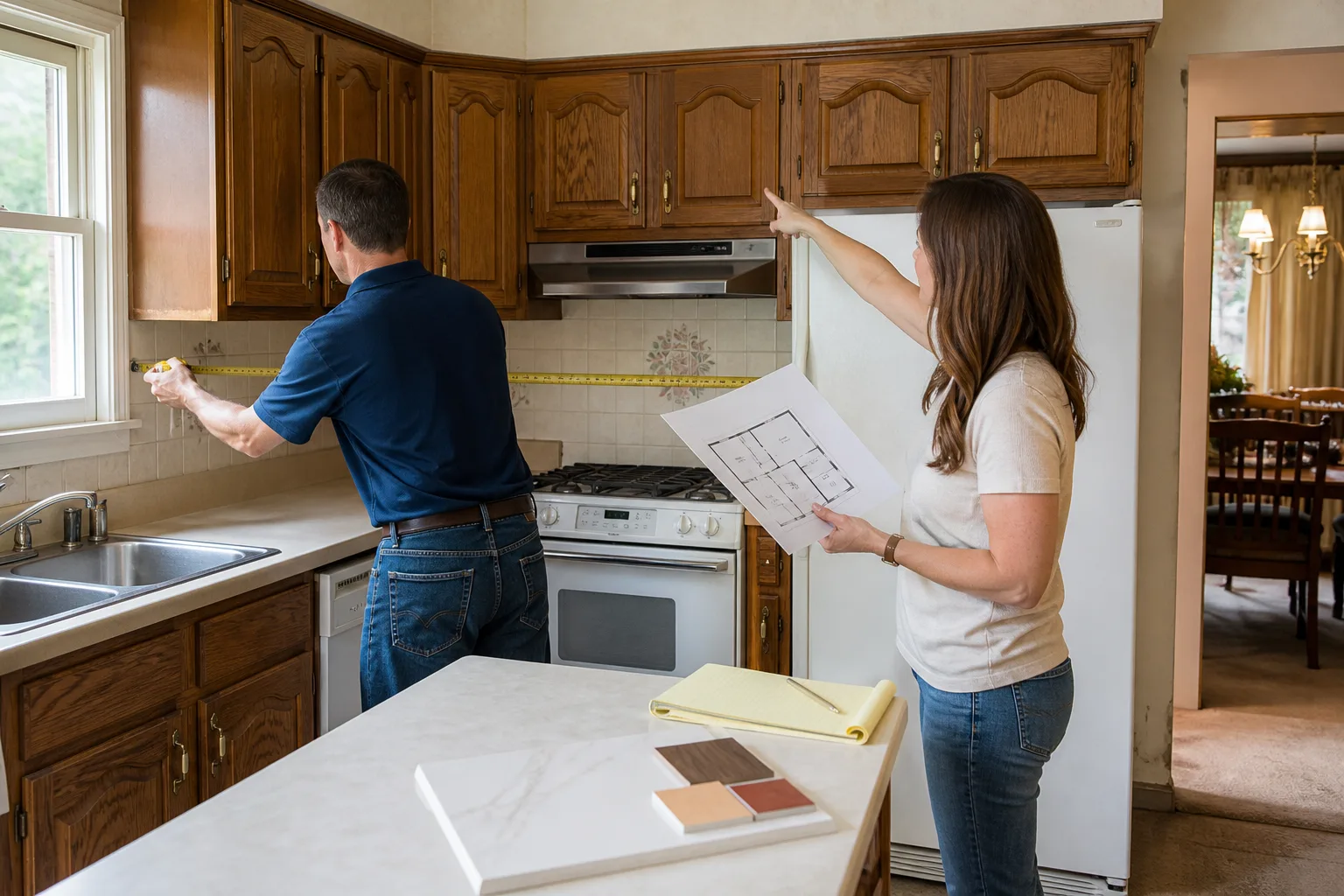
- Full kitchen remodels. Cabinet layout, countertop templating, and appliance rough-in require sequencing that one homeowner cannot easily do alone. A mis-measured countertop template alone can cost $1,500-$4,000 to remake.
- Bathroom remodels with a shower or tub replacement. Waterproofing mistakes compound. We’ve seen Long Beach homeowners spend $9,000 on a DIY shower and then $11,000 to have it torn out and rebuilt because the pan failed inside two years.
- Anything electrical beyond a fixture swap. Panel work and new circuits require a permit and, in practice, a licensed electrician. Attempting to skip it creates a disclosure problem, not just a safety one.
- Drywall finishing. Hanging drywall is doable. Finishing it to a paint-grade level is a specific skill. Most DIY drywall relies on texture to hide seams, and texture-heavy walls read clearly to inspectors and buyers.
- Tile work in wet areas. Schluter and similar waterproofing systems are forgiving only when installed exactly to spec. Improvised assemblies fail.
If you’re weighing a kitchen or bath specifically, we’ve written separately about what those projects actually require in kitchen remodeling in Long Beach and bathroom remodeling in Long Beach. The short version: the trades involved are sequenced, and a redo breaks the sequence.
How Unpermitted Work Affects Long Beach Resale
Long Beach buyers hire inspectors who are trained to spot unpermitted work. They look at specific tells: mismatched outlet types on the same wall, a bathroom fan that vents only to the attic, missing strapping in the attic, a water heater strapped to code or not, an outlet every 12 feet vs. every 6 in a kitchen, and additions that don’t line up with the square footage on the county assessor’s record. Any one of those triggers a deeper look.
What follows can range from a small credit at closing to a failed appraisal if the appraiser won’t count unpermitted square footage. In Long Beach’s tight market that matters even more, because a buyer’s lender may refuse to finance over an unpermitted addition. And you, the seller, will sign a Transfer Disclosure Statement (TDS) that requires you to disclose known unpermitted work and any material defects. Omitting it is grounds for the buyer to unwind the sale, and in extreme cases, to come back for damages.
The disclosure obligation runs for years. When you sell, you may also need to provide a permit history. Long Beach’s permit portal makes it easy for a buyer’s agent to check, so any assumption that “they won’t find it” is a bad bet.
The clean path, whether you hire a contractor or act as owner-builder: pull the permit, pass the inspections, and keep the signed-off card. That piece of paper protects the value of your Long Beach home as much as the work itself does.
Where a Professional’s Guarantee Actually Protects Your Money
Not every contractor guarantee is worth the paper it’s printed on. Some are vague. Some expire after 90 days. Some are honored only if you used the contractor’s exact product line, which is a fine thing, but you should know it up front.
The categories where a written guarantee delivers real financial protection:
- Waterproofing and tile. If a shower pan fails inside a warranty window, the repair is expensive. A written guarantee puts that cost on the contractor, not you.
- Cabinet installation and alignment. Cabinetry is a specific skill. Doors that drift out of alignment or boxes that pull away from the wall within a year are a real cost to fix.
- Countertop fabrication. Cambria, Silestone, and Caesarstone all carry their own manufacturer warranty alongside the installer’s, which means you’re covered twice. That’s a real, layered protection.
- Any work behind a wall. If you have to break drywall to find the problem, the labor is real. A contractor who returns at no charge is saving you real money.
- Plumbing fixtures. A Kohler or Grohe product is excellent, but installation errors cause the failure. A guarantee on the labor matters, not just the product.
Where a professional guarantee adds no meaningful value: cosmetic painting, surface tile on an existing good substrate, trim work, and landscaping. Those tasks fail visibly and immediately if done poorly, and the fix is cheap. Hiring out is fine, but the guarantee argument doesn’t carry it.
At Penhallow, our promise is the 365-Day Done Right Promise: if the work fails inside the year, we come back and fix it at no charge, and that’s in writing on every project. We also make a free second visit if a repair fails, with no service call fee. That’s a real cost-shift, and it’s the honest reason a guarantee matters on the categories above. To put it in one line: say the price before the work, show up in the window we gave, leave the place cleaner than we found it. That’s what we mean by the Kingswell Way.
An Honest Framework for Calculating DIY Cost (Including Your Time)
Most DIY budgets fail because they count only receipts. Here’s a framework that actually holds up, and we use it internally when scoping.
- Materials. Price everything at current Long Beach retail, not at a sale you saw last summer. Include the 15-20% overage for cuts, mistakes, and product that arrives damaged.
- Tool rental. Tile saw, floor sander, jackhammer, drywall lift, and paint sprayer. Long Beach is excellent for rental access; those rentals still add up. Budget $200-$1,200 for a bathroom, $400-$2,000 for a kitchen depending on scope.
- Disposal. Dumpster rental in Long Beach typically runs $400-$800 for a week, and construction debris isn’t accepted in standard green bins.
- Permits. Long Beach permit fees for a bathroom remodel typically run $400-$1,200, and for a kitchen $600-$1,800. Add plan review if your scope needs it.
- Your time, honestly valued. Multiply your hours by a rate that reflects what your weekend actually costs you. If you consult on contract, be honest with the math. If you’d otherwise be at a kids’ soccer game, use a lower rate. Either way, count it.
- Redo reserve. Add 15-25% of your materials cost as a reserve for the things you’ll do twice. On your first bathroom or kitchen, that reserve almost always gets spent.
When we run this framework, the crossover point is usually: DIY wins clearly on jobs under about $3,000 in scope that don’t touch utilities, and again on cosmetic refresh work. Above $15,000, and especially above $30,000 with a permit, professional almost always wins once you count time and redo reserve. Between $3,000 and $15,000, it depends entirely on how much you’ll personally enjoy the work and how much redo reserve you’re prepared to lose. Our experience: 22 years of technicians watching homeowners try to save money on the wrong scope.
For a fuller look at what a general contractor’s scope covers and how a written price gets built, see our general contractor in Long Beach page. Written price before any work starts is the standard we work to, and it’s the only way to run this comparison fairly.
Reading the Long Beach Permit Map: What Triggers a Pull
Long Beach has its own permitting office and its own local amendments on top of state code. Two things homeowners usually don’t know:
First, if you’re in a historic district (and parts of Bluff Park, Rose Park, and the Willmore City area are), exterior changes go through additional review. A window replacement that would be a simple permit elsewhere can require a design review. Same for certain exterior materials.
Second, seismic retrofits on older homes (soft-story structures, unreinforced masonry) have specific permit paths, and the work itself is almost never homeowner-appropriate. The methods require engineering and licensed trades. Long Beach has thousands of homes built before 1960, and this comes up more than in most cities.
What typically triggers a permit in Long Beach:
- Any work that changes the footprint, footprint, or structural system
- Any new electrical, plumbing, or gas work
- Water heater replacement (always permit and inspection)
- Any window or door replacement where the rough opening changes
- Roof replacement (always)
- Any change to a bathroom or kitchen rough-in layout
- Solar installation and electrical panel changes
What usually doesn’t: cosmetic paint, interior trim, cosmetic tile, landscaping, and light fixture swaps. When we’re working with a Long Beach homeowner we always walk the scope against the permit map before work starts, in writing, because the disclosure exposure is real and it outlasts the project.
Coastal Long Beach Realities That Change the DIY Math
Long Beach has a coastal marine layer that keeps humidity high and dries materials slowly, and that changes how DIY projects age. Three specifics:
- Paint and drywall cure slowly. In inland areas, drywall dries fast. Near the water in Belmont Shore and Naples, drying times stretch. Painting over slow-cure drywall traps moisture and blisters within a year.
- Wood movement is real. The humidity swings between marine layer and Santa Ana conditions push wood trim and cabinet boxes to move. Cheap fasteners and poorly acclimated stock show it within two seasons. That’s why we work with Therma-Tru and James Hardie on exterior products: they’re built for this climate.
- Salt air and coastal moisture accelerate fastener corrosion. This is where DIY shortcuts on decks, fencing, and exterior trim bite. Stainless and hot-dipped galvanized fasteners are not optional in Long Beach; they’re the difference between a fence that lasts ten years and one that needs re-doing in three.
None of this rules out DIY on cosmetic tasks. It rules out treating a coastal Long Beach home the way an inland tutorial was written. The climate math is a real input to the decision.
Common Mistakes to Avoid
- Assuming “no permit needed” without checking Long Beach code. Cities vary, and Long Beach has local amendments. A quick call to the permit office costs you ten minutes and can save a disclosure problem.
- Buying materials before the permit is pulled. If your scope needs a permit and the plan reviewer asks for a change, you may own materials you can’t use. Order after the sign-off.
- Skipping the waterproofing substrate on a shower “just this once.” This is the single most common DIY failure we see in Long Beach homes, and it always costs more than the original bid would have.
- Believing the “as long as it passes inspection” line on structural work. Inspection passing is a floor, not a ceiling. Structural work also needs to be right in ten years, not just convincing on the day of the visit.
- Forgetting that DIY on a flip disqualifies the owner-builder exemption. If you plan to sell within a year, the calculation changes completely.
- Not getting a written price from anyone you do hire. A verbal ballpark is not a price. The moment demo starts you’ve lost negotiating leverage, so get it in writing before demolition day.
- Underestimating the redo reserve. First-time DIY bathrooms and kitchens rarely come in on budget. That 15-25% redo reserve is not padding; it’s the real number in most cases.
When to Call a Professional
Call a professional when the work touches structure, electrical service, plumbing rough-in, gas lines, roof replacement, waterproofing systems, or anything that needs a Long Beach permit. Call when you plan to sell the home within a year and the scope would otherwise be owner-builder work. Call when the project involves a historic district or a pre-1960 building that might need seismic evaluation. Call when the scope is over about $15,000 and you’ve run the DIY framework honestly. And call when you’ve already got a half-finished job that isn’t working, because rescuing a bad DIY start is a category we handle.
Penhallow Remodeling Long Beach offers free estimates in Long Beach: a live person answers the phone 24/7 any time you call, every technician is background-checked and arrives in uniform, and you get a written price before any work starts. You can reach us at (833) 510-6967. For more about who we are and how we work, see our Penhallow Remodeling Long Beach home page.
See the difference
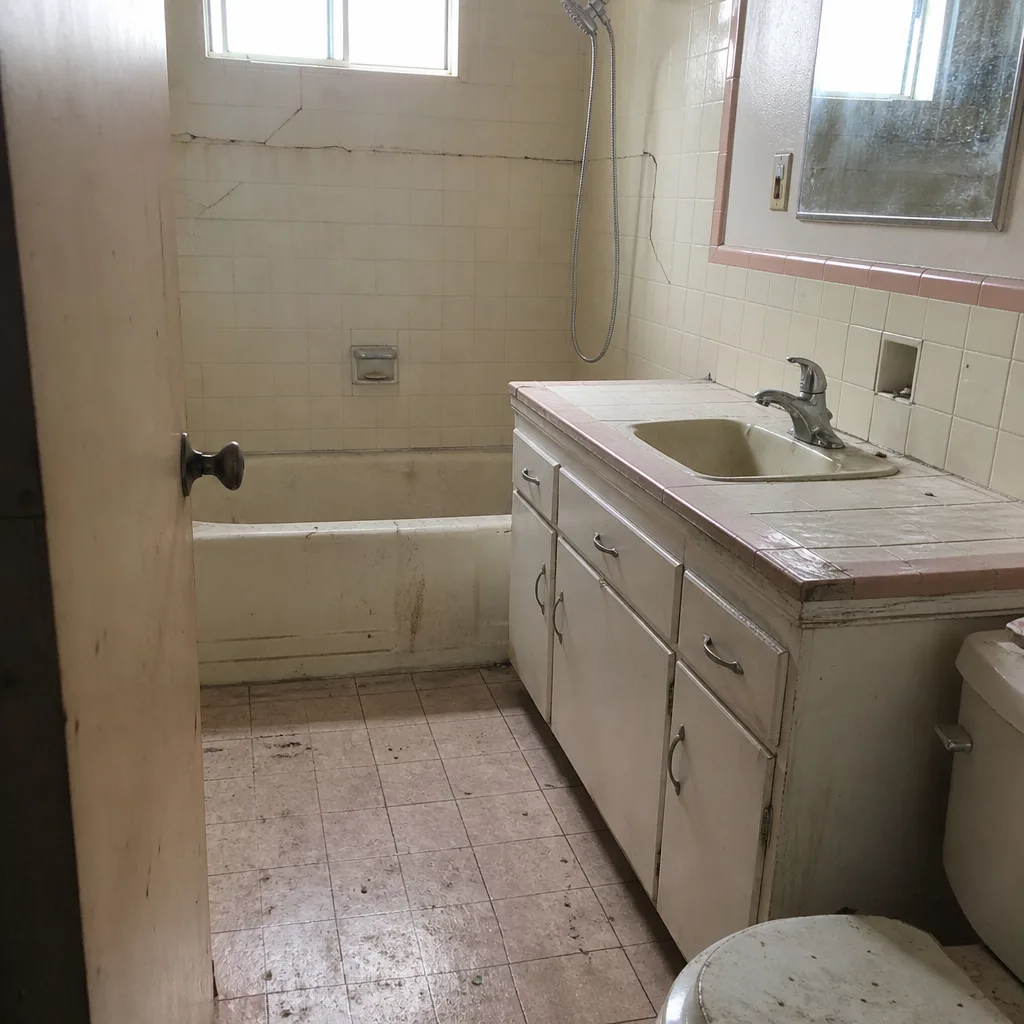 Before
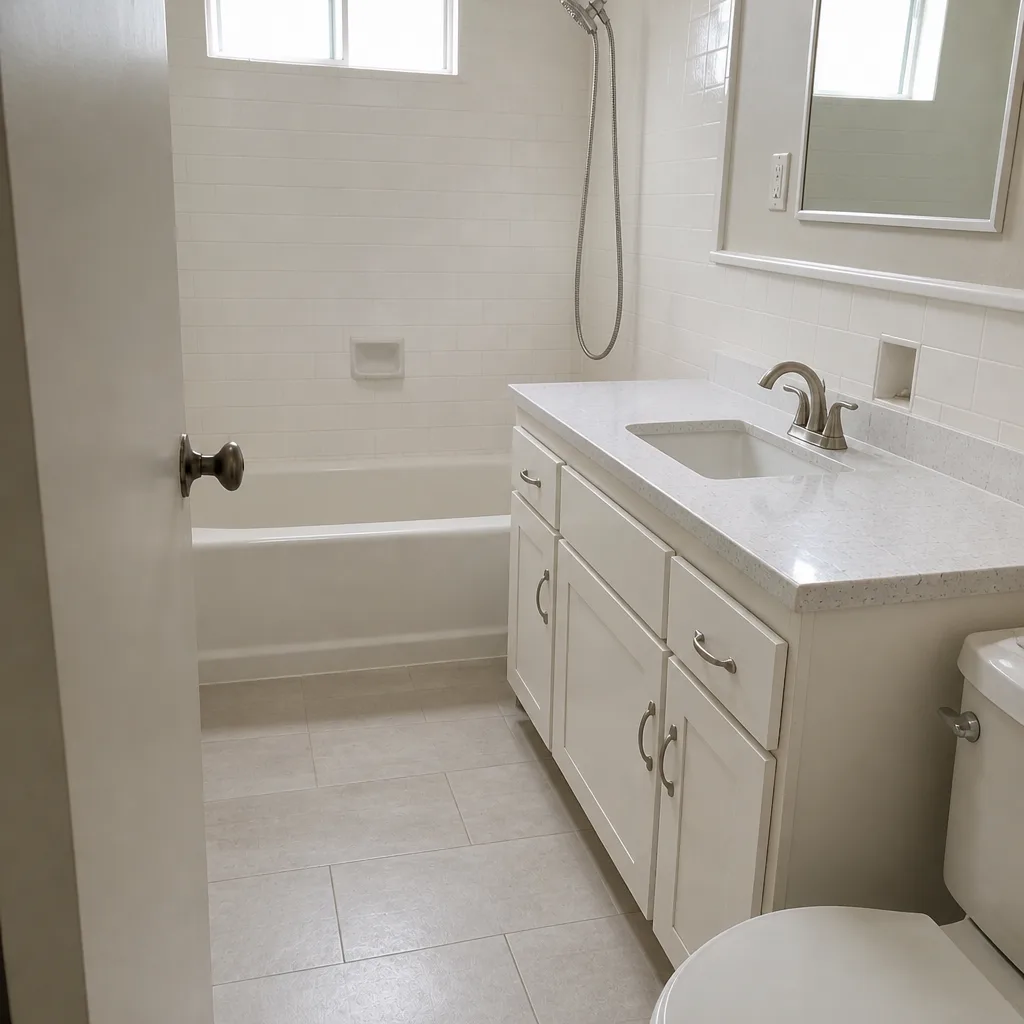 After
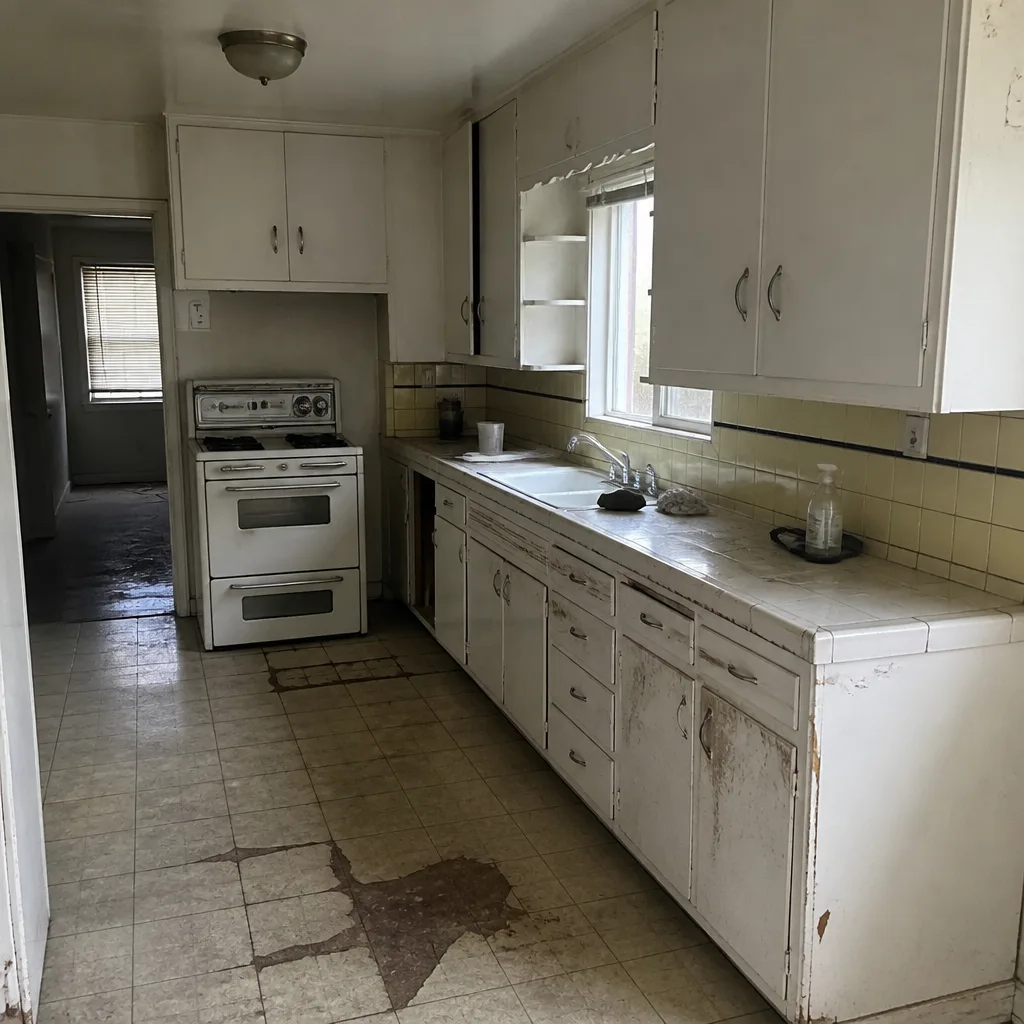 Before
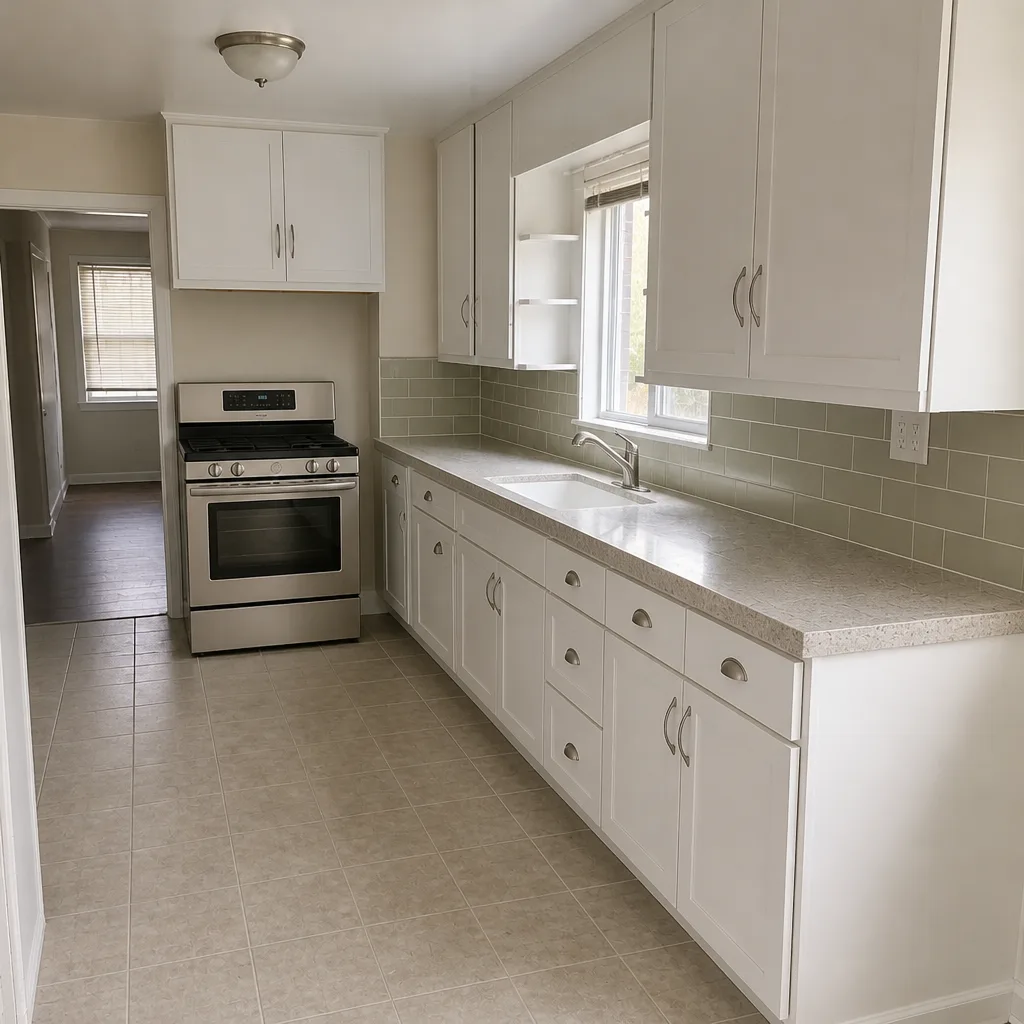 After
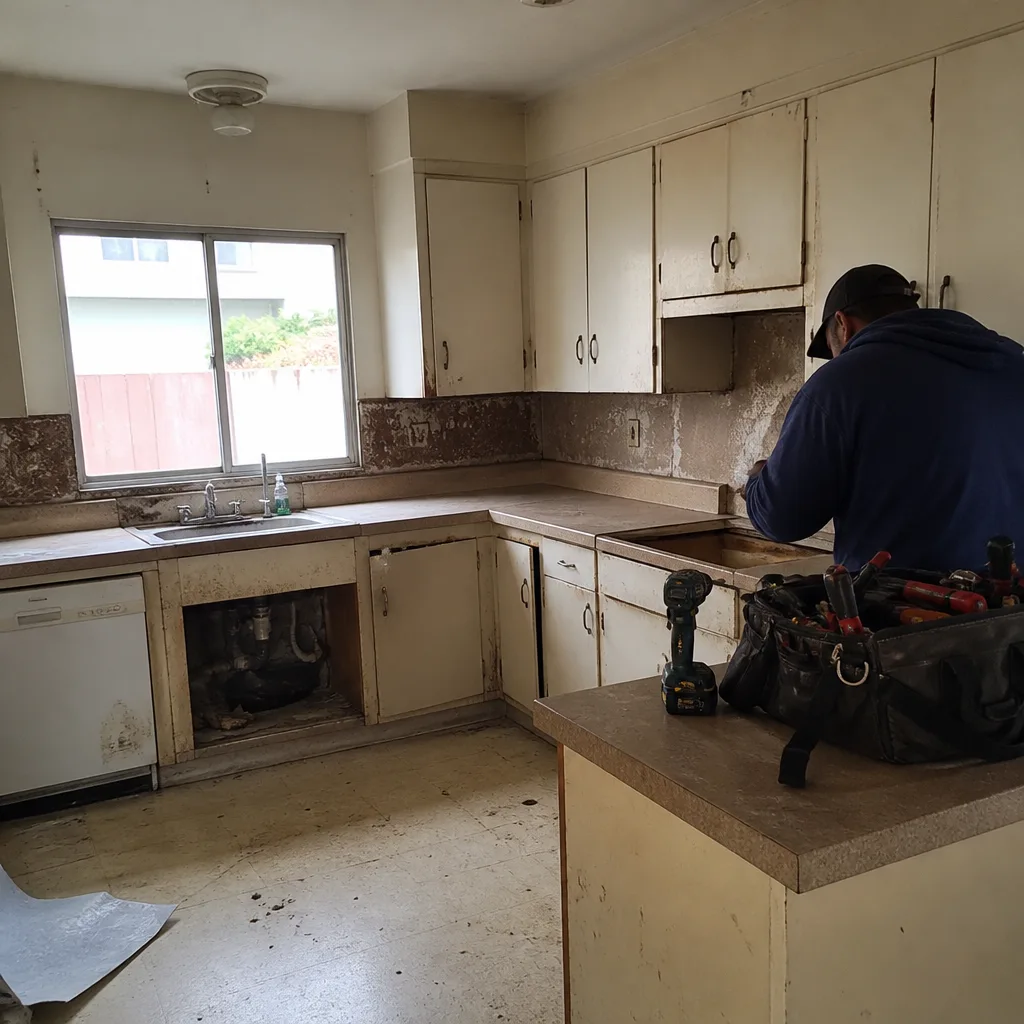 Before
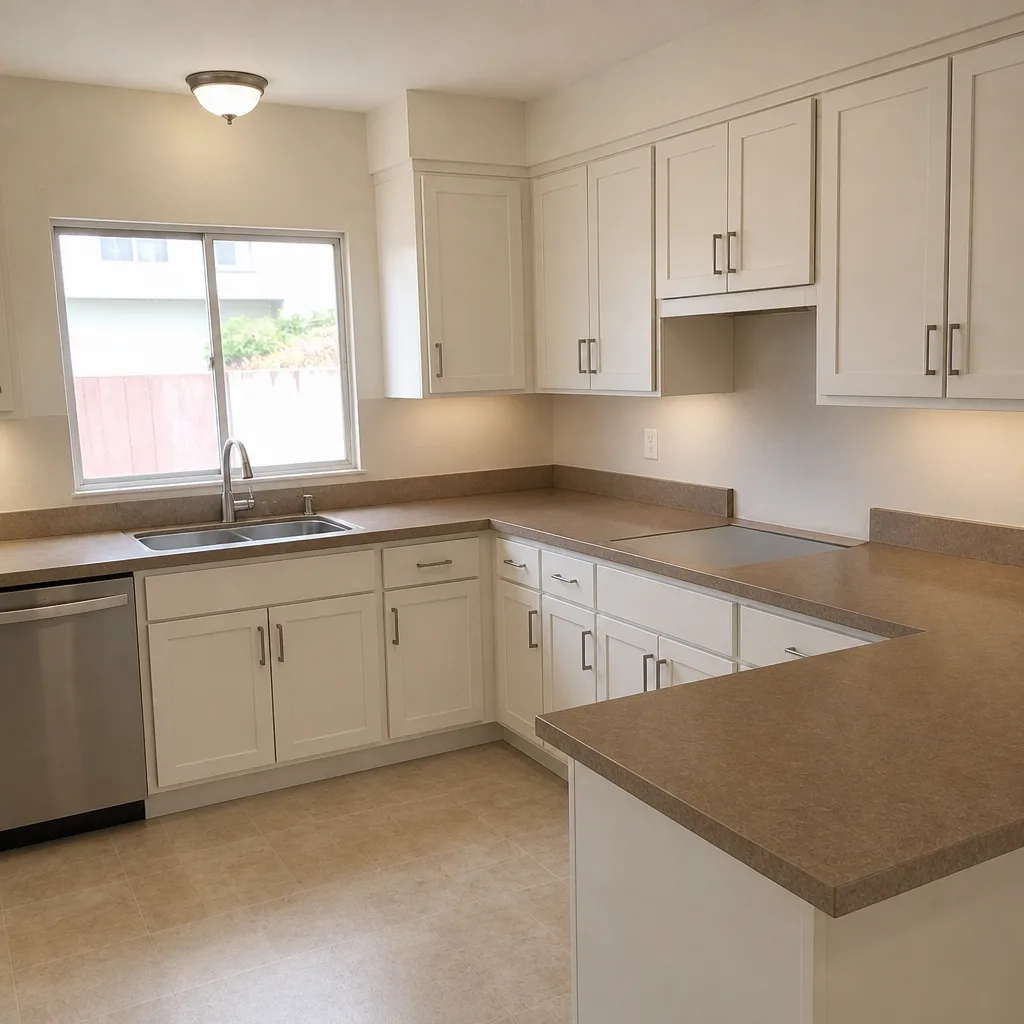 After
Frequently Asked Questions

Yes. California’s owner-builder exemption allows a homeowner to pull permits on their own primary residence for work they perform themselves, provided they don’t sell within one year and the property isn’t a rental or flip. Long Beach’s permit office can clarify the specific scope you’re considering, and the disclosure obligations when you sell are the real reason to weigh this carefully. If you’re not certain the exemption applies to your situation, call us at (833) 510-6967 for a free scope review.
You’re required to disclose known unpermitted work on the Transfer Disclosure Statement, and a buyer’s inspector is trained to spot it. The consequences range from a credit at closing to a failed appraisal or lender refusal if the unpermitted square footage matters. In some cases the seller can be held liable for undisclosed defects. The safest path is always a pulled permit and signed inspection card.
For a full bathroom remodel in Long Beach, professional usually comes out cheaper once you count tool rental, disposal, permits, redo reserve, and your own time: a contractor bid runs roughly $12,000-$35,000 while a realistic DIY budget with proper reserve often approaches that range. For cosmetic-only refresh (paint, fixture swaps, new vanity top) DIY can be genuinely cheaper. The crossover is around $3,000 in scope if the work doesn’t touch utilities or permit scope.
Any kitchen scope that involves moving outlets, plumbing, or structural changes requires a licensed contractor in practice, because it requires a permit. Cosmetic-only kitchen refresh (paint, reface, new hardware) can be owner-builder work. Full kitchen remodels almost never are, because the sequencing includes electrical, plumbing, and often structural changes. Call (833) 510-6967 for a free estimate if you’re unsure which side your project falls on.
Add six things: materials, tool rental, disposal, permit fees, your honest hourly value times hours worked, and a 15-25% redo reserve. Most DIY budgets miss the last three. When you total them, the crossover point for Long Beach projects is usually around $3,000 (DIY wins below) and $15,000 (professional wins above). Between those, it depends on how much you enjoy the work.
It matters most on waterproofing, tiling, cabinetry installation, and any work behind a wall, because the fixes are expensive and sometimes require tear-out. It adds little value on cosmetic paint, trim, and landscaping. The right question is whether the failure you’re insuring against is cheap or expensive to fix, and price the warranty by that answer. For a written guarantee on your next Long Beach project, call (833) 510-6967 for a free estimate.
The Bottom Line
The DIY-vs-hire question isn’t about skill. It’s about scope, permits, and disclosure. In Long Beach, cosmetic refresh work (paint, trim, landscaping, surface tile) is genuinely homeowner-appropriate and worth doing yourself if you want to. Anything structural, electrical, plumbing, gas, or roof work needs a licensed contractor, a permit, and a signed inspection card, both for safety and for your resale future. Run the honest cost framework before you decide: materials, tools, disposal, permits, your time, and 15-25% redo reserve. Above $15,000 in scope, the professional almost always wins. Below $3,000, you usually do.
If your next Long Beach project touches permit scope, or you’ve got a half-finished one that isn’t working, call (833) 510-6967 for a free estimate. A live person answers 24/7, our technicians have up to 22 years of experience, and you’ll have a written price and a written guarantee before we pick up a tool.
Written by the team at Penhallow Remodeling Long Beach.