
Last updated November 17, 2026








Free written scope consultation - allowances, timeline, and change-order rules on paper before a single trade is scheduled
General Contractor Maintenance Checklist for Long Beach Homeowners
Stucco looks fine until it doesn’t, and by the time a Long Beach homeowner sees a soft spot, water has usually been sitting behind the wall through two rainy seasons. That’s the uncomfortable truth about most home maintenance advice: it was written for places with hard freezes and snow loads, not for a city where January afternoons hit 70 and the ocean air quietly eats metal for a living. This guide is built around what actually fails in Long Beach homes, from salt-air corrosion a few blocks from the water to the drainage problems stucco hides for years. You’ll learn what to check, when to check it, and which tasks belong to you versus a licensed contractor.
Quick Answer
A practical maintenance checklist for a Long Beach home covers six things every year: roof and gutter inspections before the first rain, stucco moisture checks, salt-air treatment of exposed metal and HVAC coils, caulk and sealant renewal, drainage and grade checks, and documentation of every repair with photos and receipts. In Long Beach’s mild climate the biggest risk isn’t cold damage, it’s slow hidden water intrusion and coastal corrosion that never announces itself until the repair is expensive.
Styles & brands we work with
- Kitchen remodeling
- Bathroom remodeling
- Home additions & ADU
- Roofing
- Windows & doors
- Driveway & pavers
- Fence
Table of Contents
- Why Long Beach Homes Fail Differently
- The Stucco Inspection Protocol
- Salt-Air Maintenance by Distance From the Coast
- Roof and Gutter Timing in a Mild-Winter City
- Caulk, Sealant, and the Curing Window
- Drainage, Grading, and the Rainy-Season Check
- What You Can Do Yourself vs. What Needs a Contractor
- How to Document Maintenance for a Guarantee Claim
Why Long Beach Homes Fail Differently
Most maintenance checklists you’ll find online were written for cold climates, where the annual threat is frozen pipes and snow load on the roof. Long Beach doesn’t have that problem, and that’s exactly the point. Our winters are mild enough that a roof can leak for two seasons without anyone noticing, because there’s no dramatic ice dam or freeze-thaw cycle to call attention to the damage. The failure is quiet.
The real threats around here are different. Salt air from the Pacific corrodes exposed fasteners, railings, and HVAC condenser coils faster than inland homeowners expect, especially in neighborhoods like Belmont Shore and the Peninsula where the marine layer sits heavy. Then there’s the stucco problem: most Long Beach homes have stucco exteriors, and stucco is a wonderful material that hides moisture damage until the damage is structural. We’ve walked into remodels in Bixby Knolls where a hairline crack looked cosmetic, and the framing behind it had been wet long enough to soften.
Add in the older housing stock throughout much of the city and you get a pattern: deferred maintenance that hides, then surfaces all at once. That’s why a Long Beach checklist has to be built around water intrusion and coastal corrosion, not around winterizing.
The Stucco Inspection Protocol
This is the single most important thing a Long Beach homeowner can learn, because stucco failures are the costliest surprises we see in remodels. Here’s how to check your exterior walls once a year, ideally in early fall before the rainy season.
- Tap the stucco with the handle of a screwdriver or a coin, working along the lower third of each wall and around windows and doors. Solid stucco gives a hard, sharp tap. A hollow or dull thud means the stucco has separated from the substrate underneath, which is where water gets in.
- Look at every crack and decide what kind it is. Hairline cracks under a sixteenth of an inch are usually normal curing and cosmetic. Cracks wider than that, or cracks that follow a stair-step pattern, often signal movement, settlement, or a drainage failure behind the wall.
- Check for staining and efflorescence, the white powdery mineral deposits that appear when water moves through masonry. Efflorescence means moisture is traveling, and it’s one of the clearest early warning signs.
- Inspect the caulk joints where stucco meets windows, doors, and trim. Failed seals at openings are the most common path for water intrusion in a stucco home.
- Probe the bottom edge where the stucco meets the foundation. That area stays wettest longest, and it’s where rot starts.
For a deeper look at how exterior condition affects a larger project, our overview of Penhallow Remodeling Long Beach home services covers what a full assessment includes. If you find soft spots or stair-step cracks, stop here and call a licensed contractor. That’s water behind the wall, and it won’t fix itself.
Salt-Air Maintenance by Distance From the Coast
How aggressive your corrosion maintenance needs to be depends almost entirely on how close you are to the water. A home four blocks off Ocean Boulevard faces a very different attack than one up toward Lakewood, and the checklist should match.
- Within half a mile of the coast (Belmont Shore, the Peninsula, Bluff Park, Shoreline): inspect exposed fasteners, hinges, railings, and light fixtures every six months for rust bloom. Treat oxidation early with a rust-inhibiting primer and paint. Clean HVAC condenser coils twice a year, because salt film on the coil cuts efficiency and shortens compressor life.
- Half a mile to two miles inland (East Village, Rose Park, California Heights): annual inspection is usually enough. Watch railings and any galvanized hardware, and clean condenser coils once a year.
- Two-plus miles inland (Bixby Knolls, Lakewood border, North Long Beach): corrosion is a minor concern, so check metals every couple of years unless you notice rust. Prioritize stucco and drainage checks over salt-air treatment.
The good news is that most of this is maintenance, not repair, when it’s caught early. A railing that gets sanded and repainted in year one is a cheap afternoon. A railing that rusts through at the anchor and pulls out of the stucco is a repair you’re writing a check for.
Roof and Gutter Timing in a Mild-Winter City
Here’s where Long Beach’s climate sets a trap. Because winters are mild, nothing forces you onto the roof. No snow buildup, no ice dams sliding off. So most homeowners skip the annual roof inspection, and by the time a ceiling stain shows up in February, the leak has been running since the previous winter.
The fix is to schedule your roof and gutter check the same way you’d schedule anything else: on the calendar, not on the weather. Do it in September or October, before the first real rain. Fall is also when debris buildup peaks in Long Beach, because the few trees we have drop leaves into the same stretch of gutter every year and a clogged downspout sends water into the fascia and stucco rather than away from the house.
What to have checked:
- Flashing around the chimney, roof penetrations, and any skylights
- Shingle condition along the ridges and the south-facing slopes, which take more sun
- Gutter seams and hangers for rust and sag
- Downspouts for blockages, using a hose test rather than eyeballing
- Fascia and soffit for softness or paint failure
Roof work over two stories or on a steep pitch is genuinely dangerous, and we don’t advise homeowners to do their own roof inspections on foot. Check what you can safely see from the ground and a ladder, and have a professional handle the rest. If your roof is nearing the end of its life, that conversation belongs alongside a General Contractor in Long Beach assessment of the whole exterior envelope.
Caulk, Sealant, and the Curing Window
Sealant is the cheapest maintenance on the list and the one most often skipped. Every exterior caulk joint in a Long Beach home has a lifespan, and when it fails, water gets behind the stucco or siding where you can’t see it. Re-caulk the joints around windows, doors, corner trim, and any penetration at least every three to five years, sooner on the coast and sooner on sun-facing walls.
Timing matters more here than in cold climates. Caulk cures best when the air and surface are within a moderate range, and a Long Beach January that hits 70 in the afternoon can push surface temperatures on a south wall high enough to skin the caulk before it bonds. That’s a joint that fails in a year. The practical guidance: caulk in fall or early spring, work early in the day, and don’t caulk hot direct-sun surfaces. If the joint is deeper than the width of the caulk bead, use a backer rod so the sealant has something to bond to. And scrape out the old failing sealant first; new caulk over old failure is a temporary fix that just looks finished.
If you’re finding failed caulk and water stains together around a bathroom or kitchen window from the inside, it may be time to talk about a larger project, like our Bathroom Remodeling in Long Beach work, which addresses moisture problems at the source rather than covering them.
Drainage, Grading, and the Rainy-Season Check
In our experience, most of the water damage we uncover in Long Beach remodels doesn’t originate from a roof leak. It starts at grade. Long Beach sits low and near the water, and where the ground isn’t sloped away from the foundation, water pools against the stucco base and works its way in through the foundation line and the first courses of wall.
Do this once a year, before the rainy season:
- Walk the perimeter and look for reversed grading. The soil should slope away from the house for at least six feet at roughly an inch of fall per foot.
- Look for settlement cracks or ponding marks in your driveway, walkway, and patio, which are common in older Long Beach neighborhoods and can redirect water toward the house instead of away from it.
- Check that downspouts discharge at least four feet from the foundation, not onto the ground right at the base.
- Inspect the subfloor and crawl space or slab edge for moisture, staining, or musty smell.
Small grading corrections are often a homeowner or landscaper job. Anything involving foundation line, drainage behind stucco, or drainage at the roof-to-wall connection should go to a contractor.
What You Can Do Yourself vs. What Needs a Contractor
One of the most useful things a checklist can tell you is which tasks don’t need a license or a contractor. Being honest about the split saves you money and keeps you safe.
Do-it-yourself, no special license needed:
- Cleaning gutters from a safe, stable ladder at one story
- Scraping, priming, and repainting small rust spots on railings and fasteners
- Re-caulking accessible exterior joints
- Cleaning condenser coils and changing HVAC filters
- Grading and adding soil at the foundation edge
- Tapping stucco and checking caulk for failure (inspection, not repair)
Call a professional for:
- Any roof work on a steep or two-story roof
- Roof repairs of any kind, including flashing and penetrations
- Stucco repair where water has already penetrated
- Electrical, plumbing, gas, and structural changes
- Hidden moisture behind walls or under floors
- Anything involving HVAC equipment internals
When in doubt, get a written opinion. We’ve seen many homeowners spend an afternoon on a stucco repair that needed a contractor to trace the actual source of the water, and the repair they did just added a new layer over the problem.
How to Document Maintenance for a Guarantee Claim
When you have a written guarantee on a project, the claim process depends on the paper trail. Contractors work from facts, and photos, dates, and receipts are facts. Here’s the documentation habit that makes a guarantee claim simple.
- Photograph and date everything. Every repair, every inspection, every new sealant line. Put the date in the file name so it is searchable.
- Keep the written scope and guarantee together. When you hire a contractor, ask for the written price and the written guarantee in one folder, because a claim needs both.
- Log maintenance by calendar quarter. A simple note of what you checked and when supports a warranty argument much better than a memory.
- Save receipts for any home-center materials and any service visits.
- Photograph the failure, not just the finished repair. If a repair fails within its guarantee period, a photo of the failure plus your maintenance log makes the connection clear.
Our own Kitchen Remodeling in Long Beach projects arrive with the written price and the guarantee in writing before work starts, so the day-one number and the invoice number match. When something behind the work needs a follow-up, we come back at no charge and fix it. That’s the 365-Day Done Right Promise, and it’s why documentation is part of every project conversation. The same paperwork discipline is what we mean by the Long Beach home standard we work to.
Common Mistakes to Avoid
- Waiting for the first rain to check your roof. Long Beach’s dry season gives you months of warning you can use; by the first rain, the leak is already wetting the sheathing.
- Treating a stucco crack as cosmetic by default. Hairline cracks usually are. Stair-step cracks and hollow-sounding stucco are usually not. Tap before you paint over it.
- Ignoring HVAC condenser coils near the coast. Salt film builds up quietly, and a coil that needed cleaning two years ago is now running inefficiently and facing a shorter compressor life.
- Caulking on a hot afternoon in Long Beach. A 70-degree January afternoon heats a south-facing wall enough to skin the sealant before it bonds, and the joint fails within a year.
- Letting gutters and downspouts discharge at the foundation. This is the most common cause of the water damage we find behind stucco, and it’s free to fix.
- Skipping the countertop and cabinet moisture check. Slow leaks under sinks and behind cabinets cause damage that a regular check catches early; a maintenance checklist for the whole kitchen should include it.
- Not keeping written records. A guarantee claim needs dates, photos, and the written scope. The homeowners who win easy claims are the ones who kept the paper.
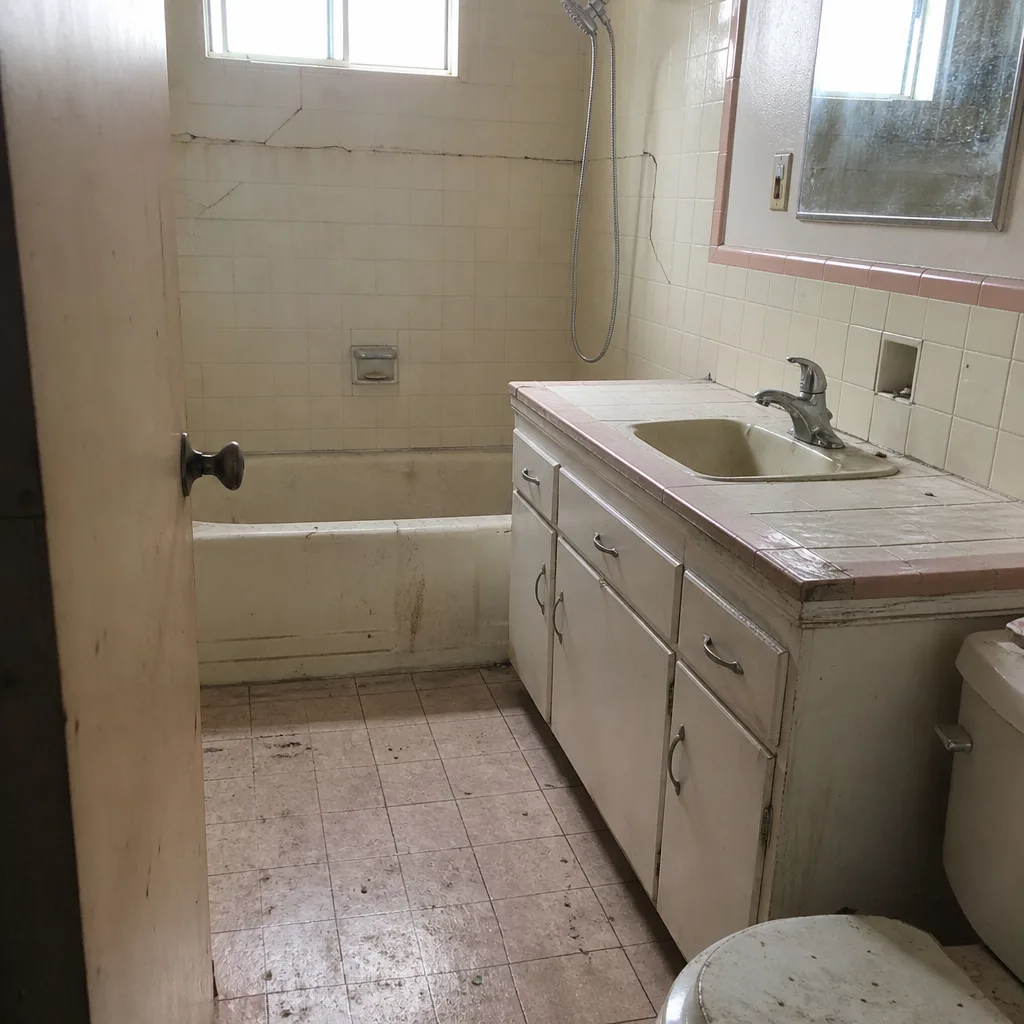
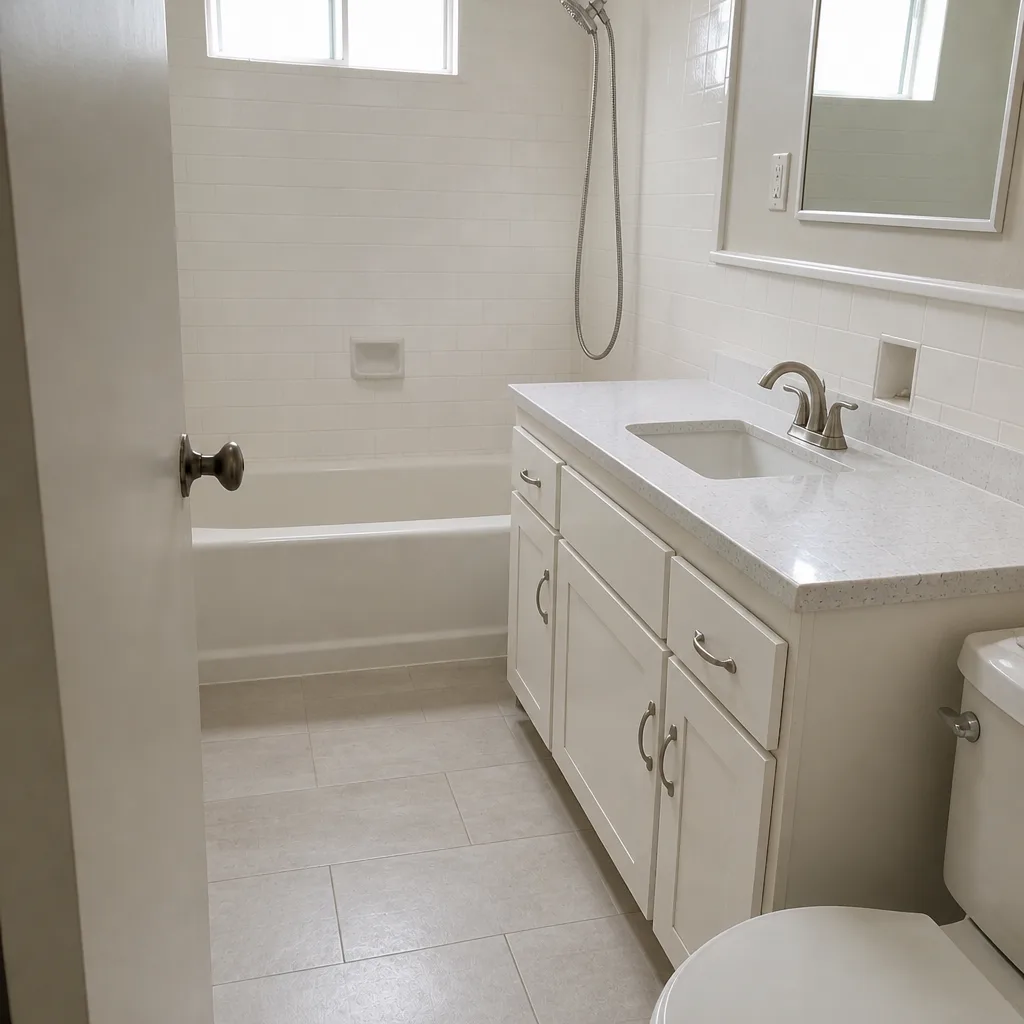
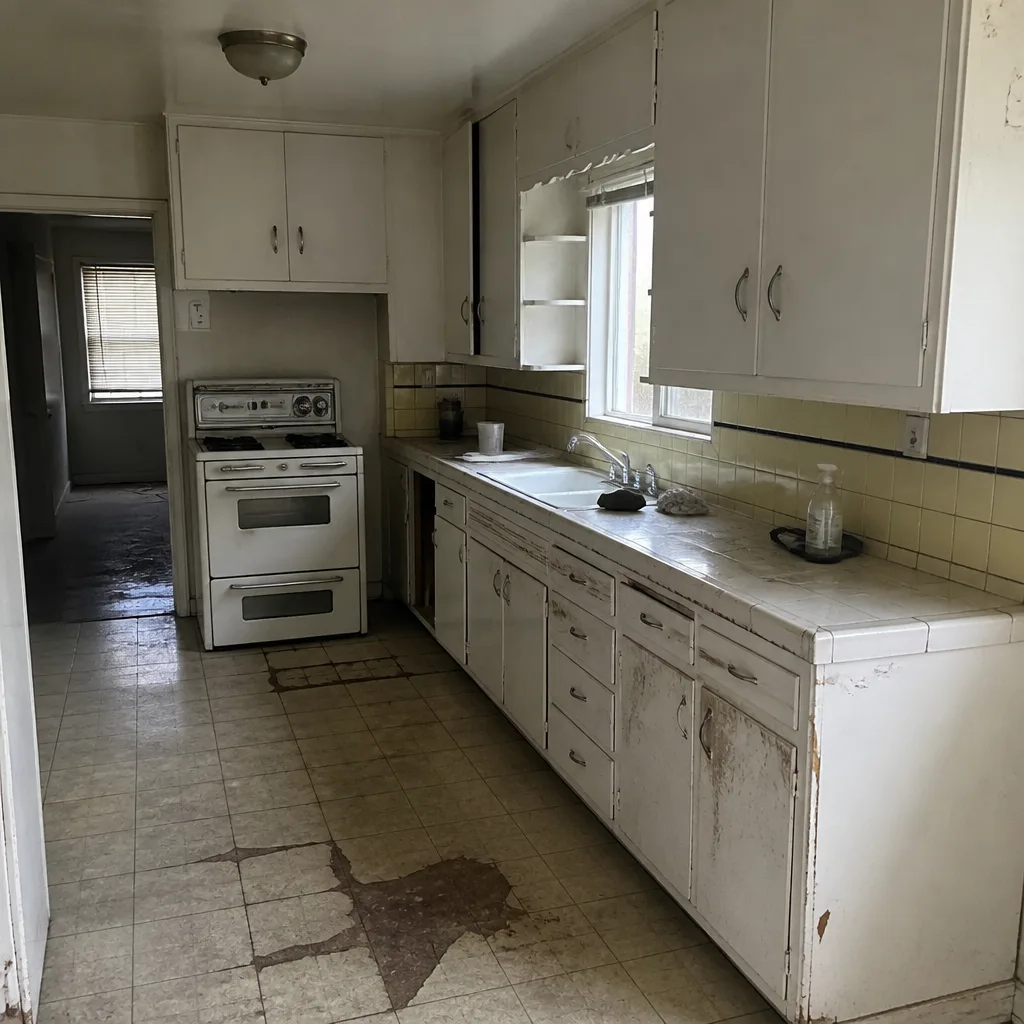
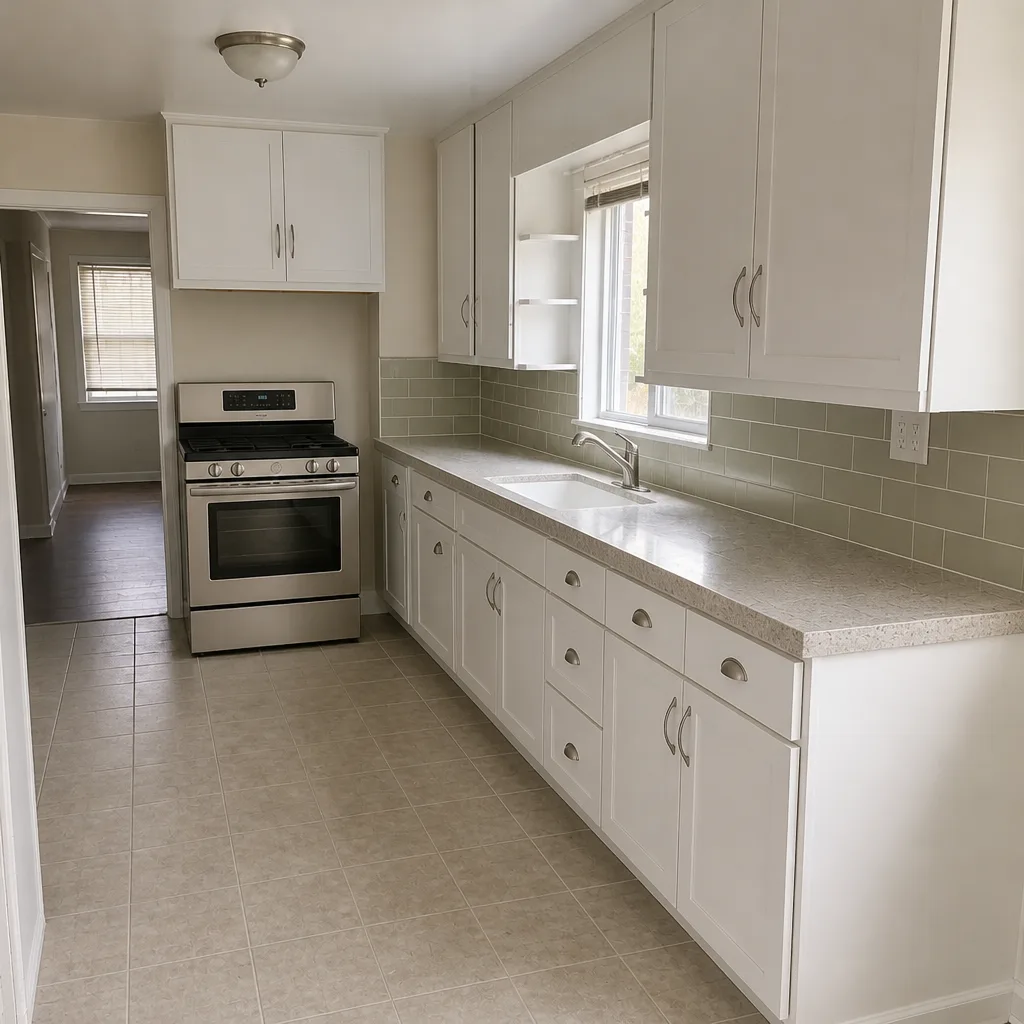
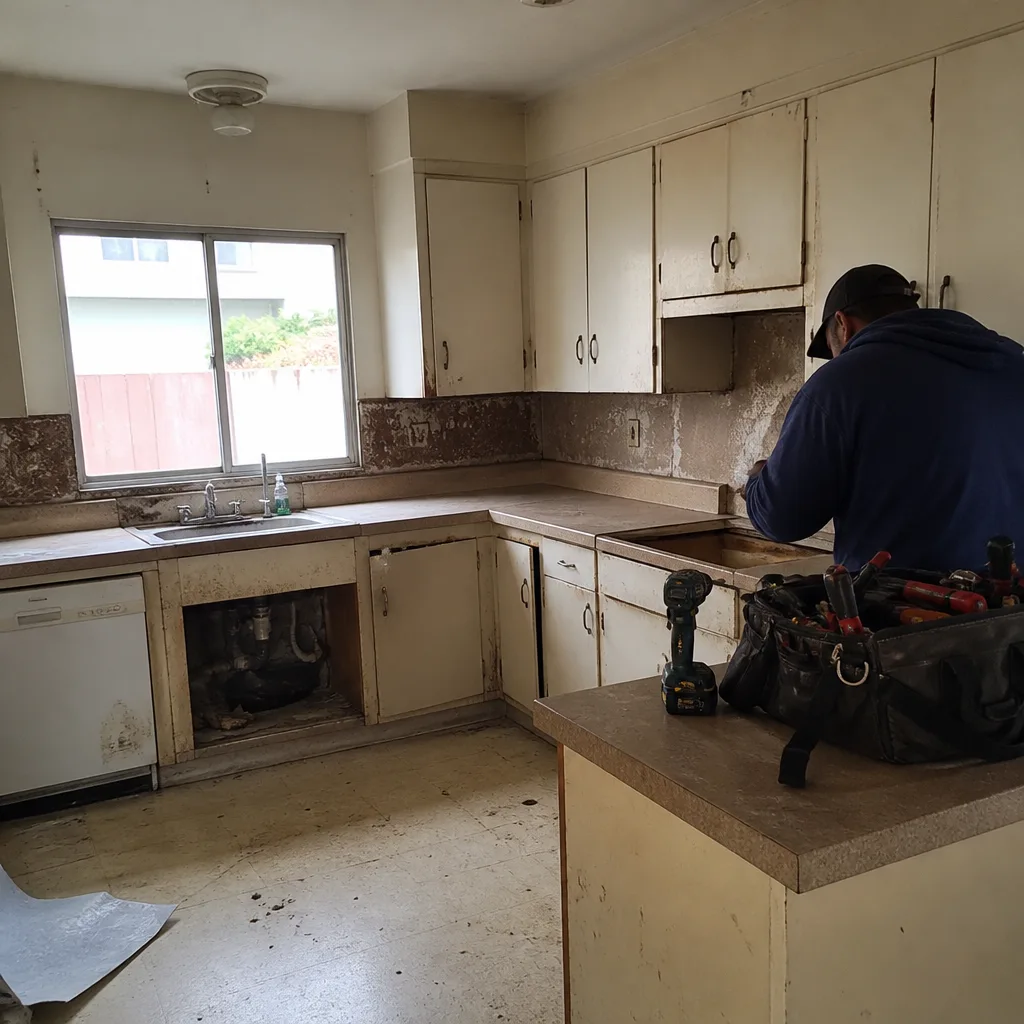
See the difference
 Before
 After
 Before
 After
 Before
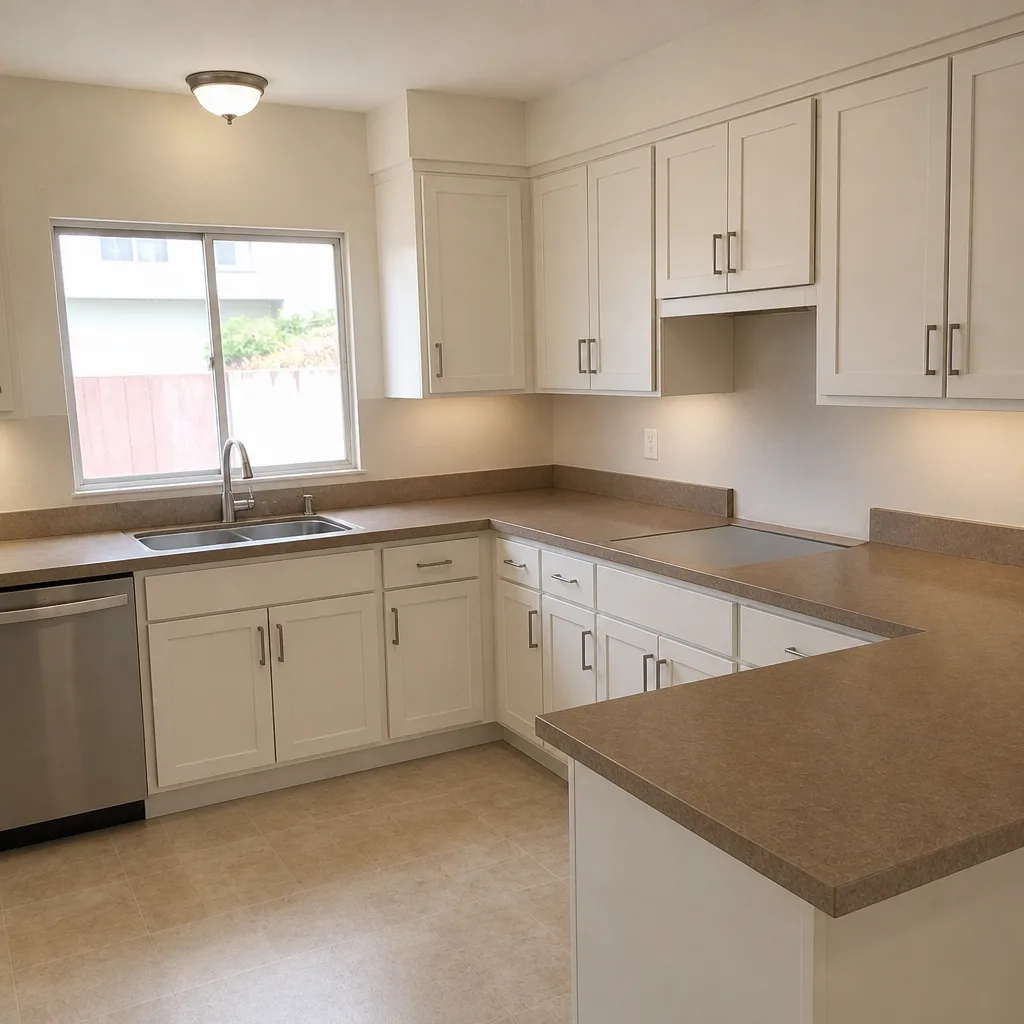 After
When to Call a Professional
Call a licensed professional when the damage may be behind the surface, not on it. That means hollow or soft stucco, water staining and efflorescence on a wall, stair-step cracks, any moisture you can smell but not see, a roof leak anywhere, gutters that pull away from the fascia, or anything involving electrical, plumbing, gas, or structural work. It also means any repair you’ve already attempted once and seen fail. Homeowners who’ve been through a failed contractor experience know the cost of a second-guessed repair; that’s why we put the price and the guarantee in writing before work starts. Penhallow Remodeling Long Beach offers free estimates in Long Beach, so call (833) 510-6967 to schedule yours and get a straight answer on what’s actually wrong and what it will cost.
Frequently Asked Questions

Once a year, ideally in September or October before the first rain. Long Beach winters are mild enough that a roof leak can go unnoticed for two seasons, so the annual check is the only thing that catches it in time. Have gutters cleared and downspouts tested at the same time. Call (833) 510-6967 for a free estimate if anything looks off.
Stucco is a hardened skin over the wood frame, so a small breach lets water in while the face looks intact. That water sits in the cavity behind the wall through the rainy season and doesn’t show until it’s softened the framing. Tapping the walls once a year for hollow sounds is the cheapest early warning you have. If you find soft spots, call (833) 510-6967 for a free estimate before you paint over them.
Yes. Within about half a mile of the coast, salt air corrodes exposed fasteners, railings, and HVAC condenser coils faster, so those metals need inspection and treatment every six months and coils need cleaning twice a year. Move two miles inland and annual checks are usually enough. Call (833) 510-6967 and we’ll tell you what your location actually needs.
Wait for cooler weather. A moderate-temperature morning in fall or early spring gives exterior sealant time to bond properly; a hot sun-facing wall can skin caulk before it adheres and the joint fails within a year. Don’t caulk in direct sun on a warm afternoon. For anything more than a small joint, call (833) 510-6967 for a free estimate.
Water at the foundation line. Older Long Beach homes often have reversed grading or downspouts discharging right at the base of the wall, and that water wicks into the base of the stucco and the crawl space over years. It shows up as a musty smell or a soft base before it ever looks like damage. Call (833) 510-6967 for a free estimate if you suspect it.
Keep the written scope, the written guarantee, and dated photos of every repair in one folder. A guarantee is only as strong as the record behind it, and homeowners with a dated maintenance log get claims resolved much faster than homeowners working from memory. Our 365-Day Done Right Promise paperwork is designed to make that record easy. Call (833) 510-6967 to talk about a project.
The Bottom Line
Maintenance in Long Beach isn’t a winterizing checklist; it’s a year-round watch for hidden water and slow corrosion. Check your stucco by tapping it, keep your roof and gutters on a September schedule, caulk in moderate weather and not on a hot south wall, keep the ground sloping away from the foundation, and treat metals more aggressively the closer you live to the coast. Do those things and you’ll catch the quiet failures before they become remodels. When a task goes behind the wall or above the second story, bring in a licensed professional. Call (833) 510-6967 for your free estimate.
Written by the team at Penhallow Remodeling Long Beach.