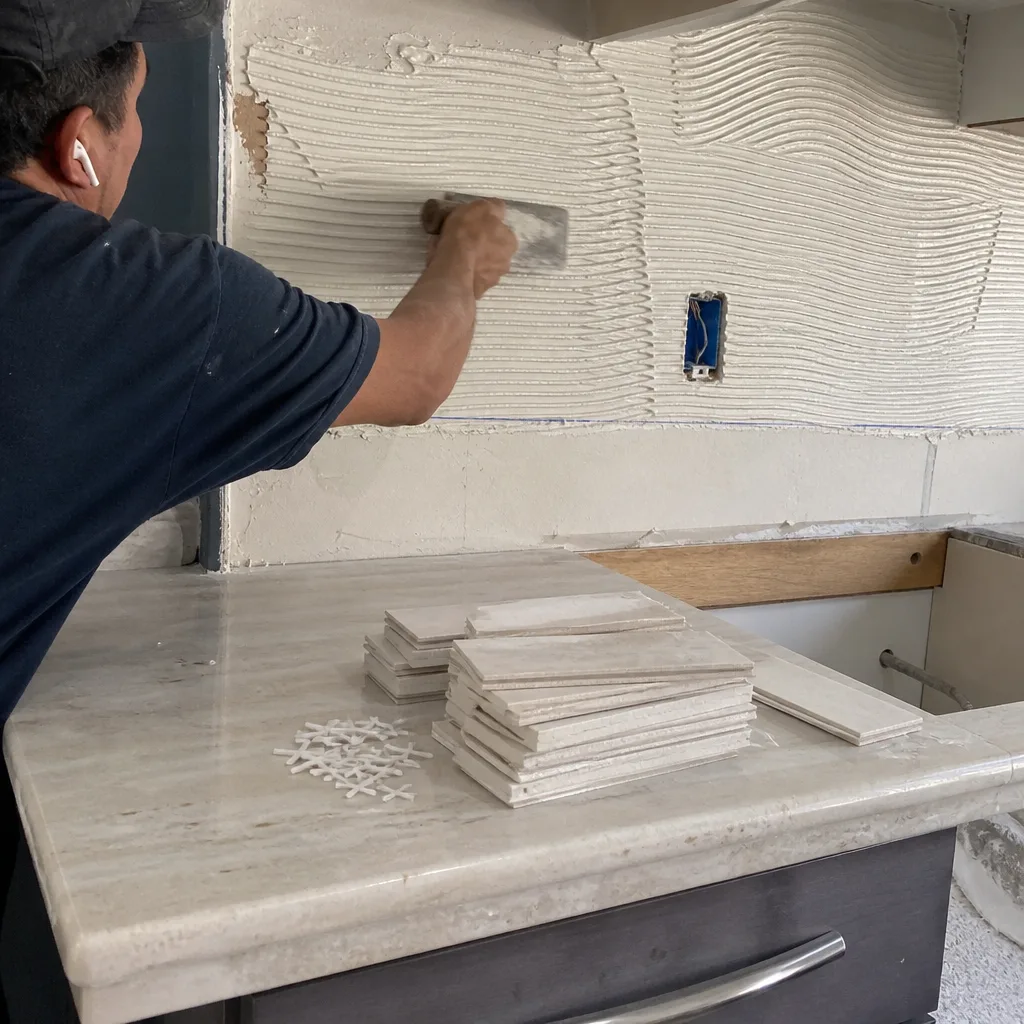
Last updated November 17, 2026
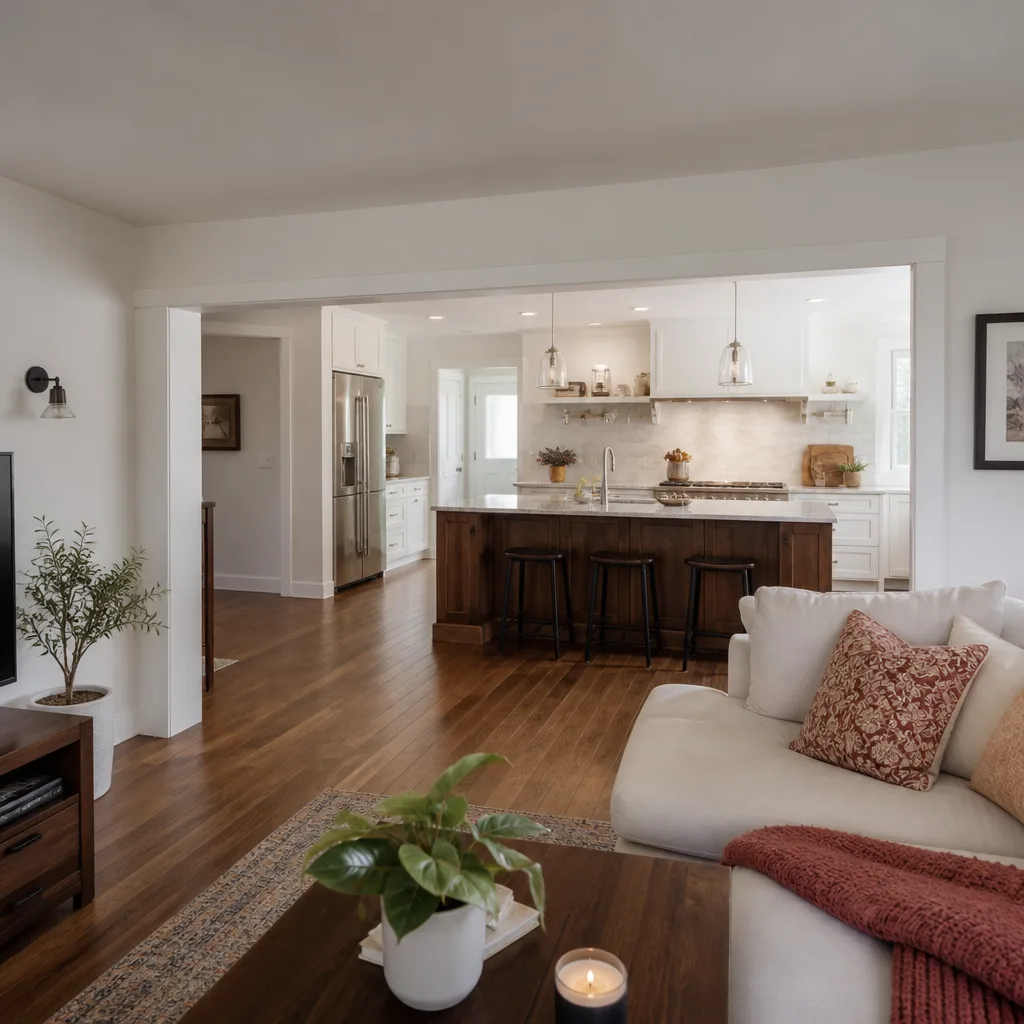
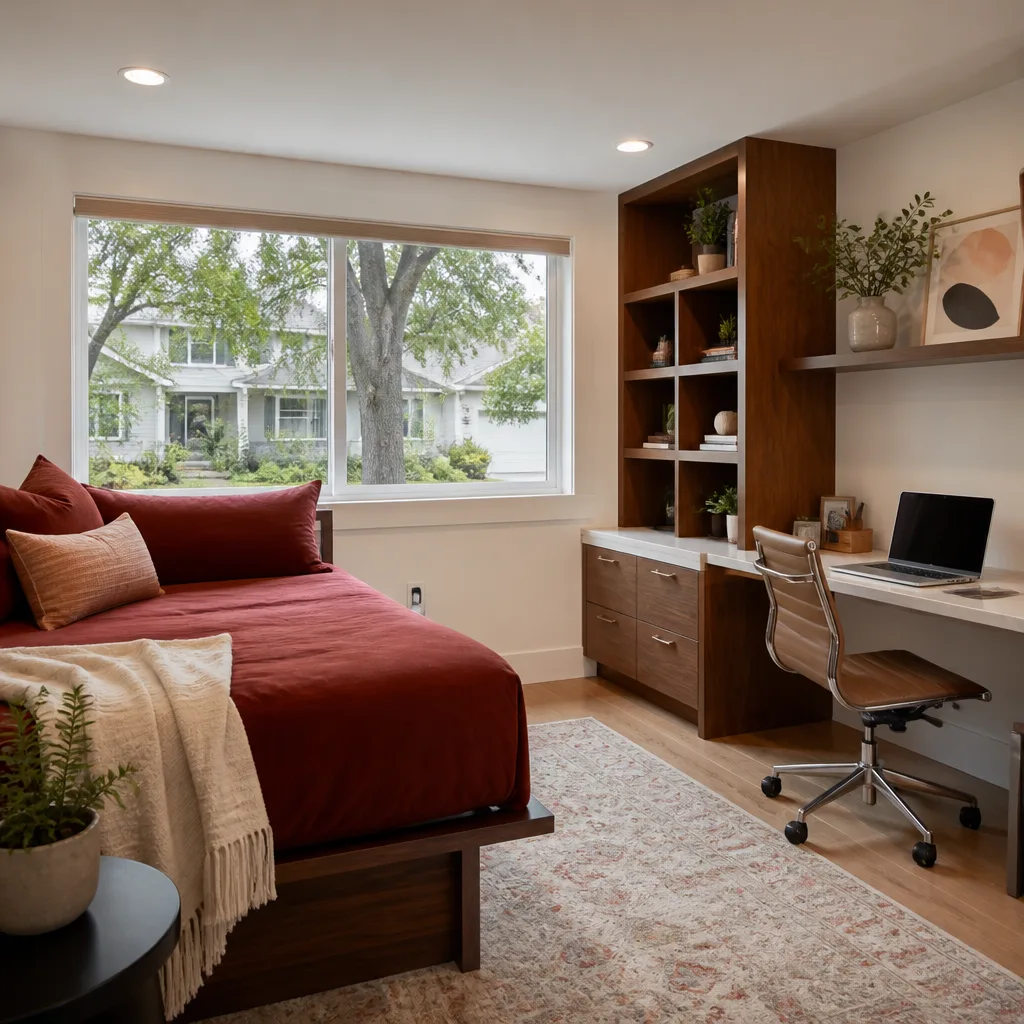
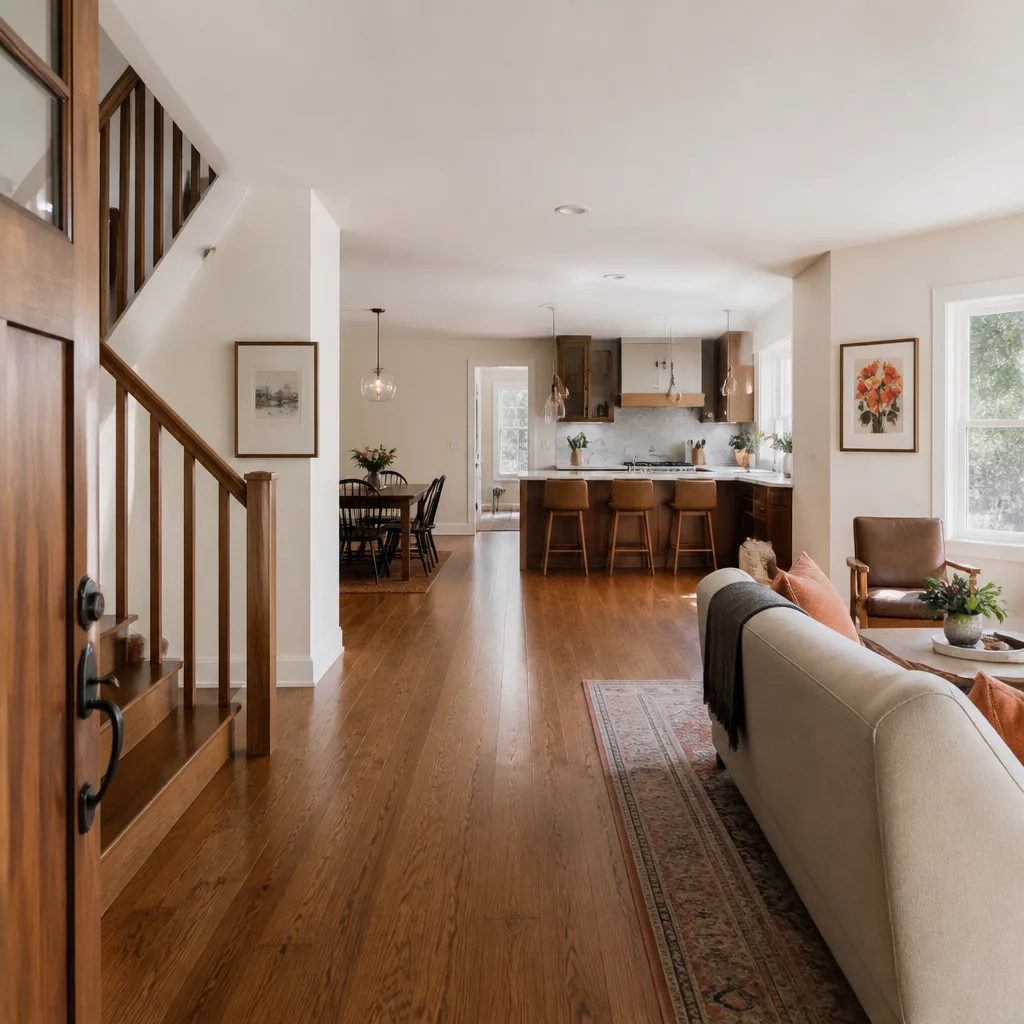

Free written scope consultation - allowances, timeline, and change-order rules on paper before a single trade is scheduled
Construction Permits, Codes & Inspections in CA: What You Need to Know
Here’s the fact most Long Beach homeowners only learn after a bad surprise: unpermitted additions can void your homeowner’s insurance coverage for any claim tied to that space. Not reduce. Void. The exclusion lives in the fine print, and it surfaces exactly when you need coverage most – after a fire, a water loss, or a structural failure. The permit you didn’t pull becomes the reason the check never comes. This guide covers which Long Beach projects need a permit and which don’t, how to pull a permit history before you buy or remodel, what Title 24 energy code means for your windows and HVAC, how Long Beach inspections actually run, and how long all of it takes in 2025 and 2026. No hype, just the process.
Quick Answer
In California, any project that alters the structure, electrical, plumbing, mechanical, or occupancy of a building requires a permit through the local building department – in Long Beach, that’s the Community Development Department’s Building & Safety Bureau. Cosmetic work like paint, flooring, and cabinet swaps is generally exempt, but additions, conversions, window replacements, HVAC changes, and most remodels are not. Expect roughly 4 to 12 weeks for a Long Beach permit depending on project type and how complete your submittal is.
Styles & brands we work with
- Kitchen remodeling
- Bathroom remodeling
- Home additions & ADU
- Roofing
- Windows & doors
- Driveway & pavers
- Fence
Table of Contents
- What Always Needs a Permit in Long Beach (and What Doesn’t)
- How to Pull a Permit History on Any Long Beach Property
- California Title 24 and What It Means for Older Homes
- What Happens During a Long Beach Inspection
- How Long Permits Actually Take in Long Beach
- Contractor-Pulled vs. Owner-Pulled Permits
- What Permits Cost in Long Beach
- Common Mistakes to Avoid
What Always Needs a Permit in Long Beach (and What Doesn’t)
This is where homeowners get tripped up, because the exemptions are narrower than a lot of contractors admit. In Long Beach, if a project touches structure, systems, or the building’s footprint or occupancy, it needs a permit. If it’s purely surface-level cosmetic work, it usually doesn’t.
Projects that always require a permit in Long Beach:
- Any addition, including a new bedroom, bathroom, ADU, or second-story bump-out
- Converting a garage to living space, or converting any non-habitable space to habitable
- Kitchen and bathroom remodels that move plumbing, gas, or electrical circuits
- Replacing windows or exterior doors in most cases (Title 24 energy compliance applies)
- HVAC system replacement or any new ductwork
- Water heater replacements (yes, even straight swaps)
- Electrical panel upgrades or any new circuit runs
- Any new roof or re-roof over a certain threshold
- Patio covers, decks, and pergolas above a certain size and height
- Fences over 6 feet, retaining walls over 4 feet
Projects that are generally exempt in Long Beach:
- Interior paint, exterior paint, stain
- Flooring replacement (tile, LVP, hardwood refinish)
- Cabinet refacing or direct cabinet replacement without plumbing or electrical relocation
- Countertop replacement (unless you’re moving a sink or gas line)
- Replacing fixtures like-for-like (a faucet for a faucet, a light for a light) without changing electrical
- Repairing drywall, trim, or interior plaster
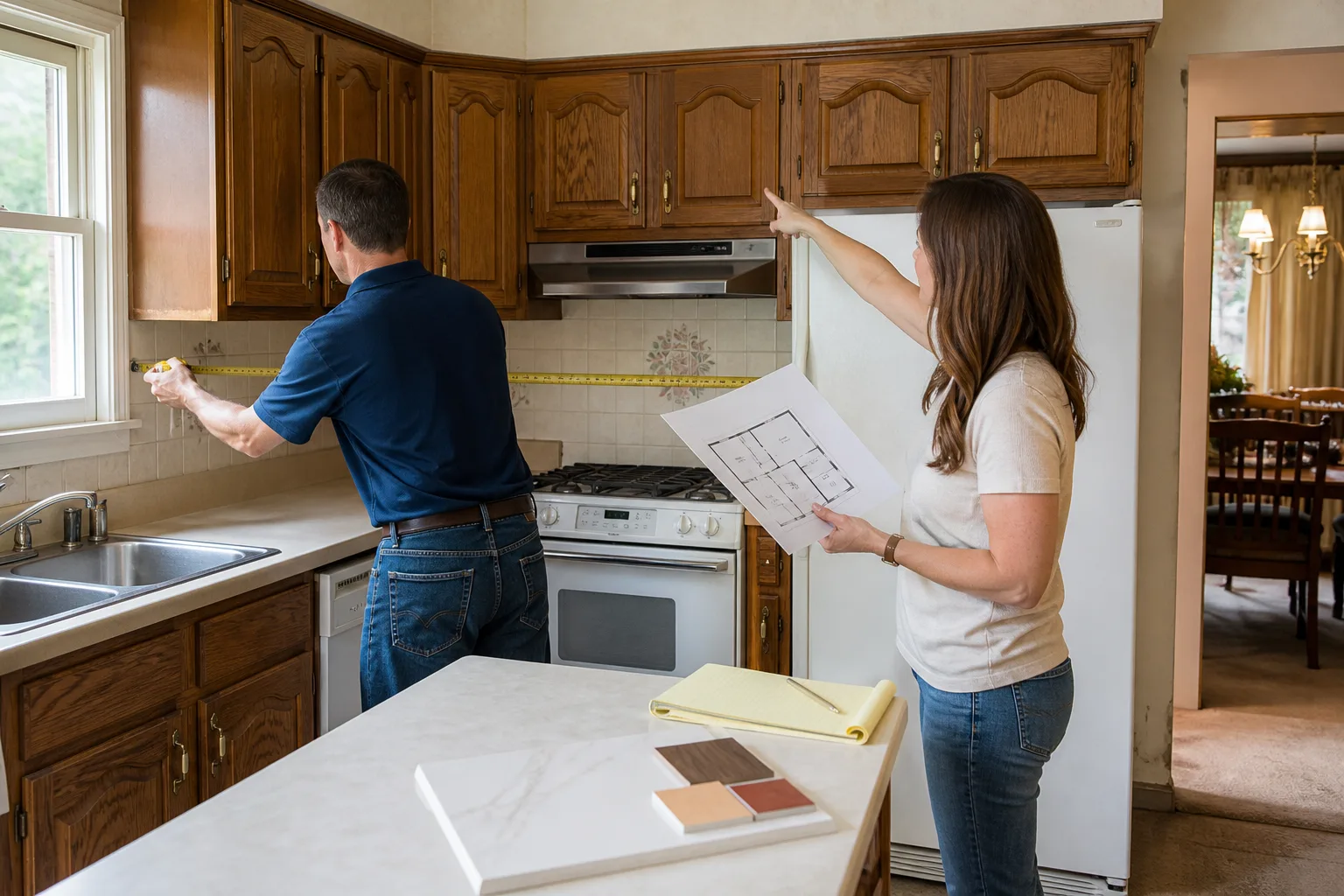
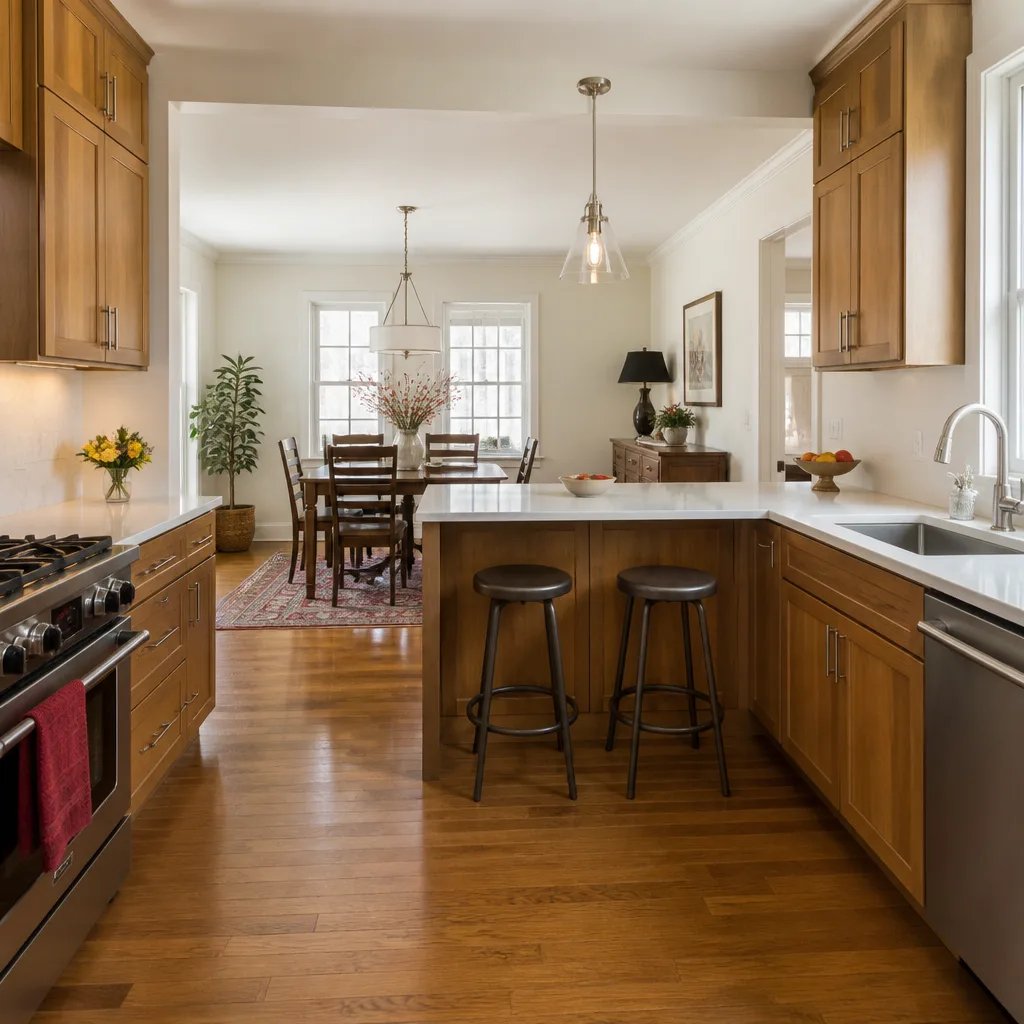
The gray areas – where we tell homeowners to call the Building & Safety Bureau before assuming – include any load-bearing wall removal, any change to a bathroom that shifts a drain, and any window or door change on a pre-1978 home. If you’re remodeling a kitchen in Long Beach and want the project priced honestly, we walk every submittal line by line before we ever quote the work. That’s part of how our Kitchen Remodeling in Long Beach projects start.
How to Pull a Permit History on Any Long Beach Property
Before you buy a Long Beach house or remodel a fixer, you can – and should – pull its permit history. The city maintains records going back decades, and what you find often changes the entire project scope. Here’s the process:
- Start with the City of Long Beach’s online permit portal, which lets you search by property address. If records aren’t digitized for older parcels, you’ll need to visit the Building & Safety counter in person.
- Request the complete permit history and, critically, the final inspection status on each permit. An open permit – one that was issued but never signed off – is a red flag.
- Cross-check what’s actually built against what’s on record. A converted garage with no permit on file is a very common discovery in older Long Beach neighborhoods like Belmont Shore and Rose Park.
- Look at permit dates against the property’s sales history. Bulk permits pulled by a flipper before a sale deserve a close look.
- Request a zoning check – the parcel’s zone and any overlay districts affect what you can build and how.
The red flags that should slow you down:
- An addition on the property that has no permit on file
- An open permit from an old contractor who never closed it out
- Electrical work with no permits but evidence of new panel, new circuits, or new subpanel
- Any structure – a detached garage, a converted ADU, a “bonus room” – with no paper trail
- Permit records that don’t match the current square footage or bedroom count
An unpermitted addition isn’t just a paperwork problem. It’s an insurance problem. If your carrier determines a claim involves that space and the work was never inspected, they can decline the entire claim. We’ve seen it happen in Long Beach more than once.
California Title 24 and What It Means for Older Homes
Title 24 is California’s energy code, and it’s usually the part that surprises homeowners most – especially when replacing windows, upgrading HVAC, or adding insulation to a 1940s or 1950s Long Beach bungalow. The code sets minimum energy performance standards for anything that affects the building envelope, and it’s updated on a roughly three-year cycle. The 2025-2026 cycle is the one in effect today.
Where Title 24 bites hardest:
- Window replacement. Any replacement window in a Long Beach home has to meet Title 24 U-factor and SHGC requirements. The right window spec depends on orientation (N, S, E, W facing) and square footage of glazing. You can’t just pick whatever’s on sale at the big box.
- HVAC replacement. Duct testing is often required when ducts are in conditioned space or in certain configurations. A straight furnace swap usually still triggers compliance documentation.
- Insulation upgrades. If you’re opening walls in a remodel, the code may require insulation upgrades even if you weren’t planning on touching it.
- New roof or re-roof. Cool-roof requirements apply to many re-roofs, and the reflective index of the shingles or membrane matters.
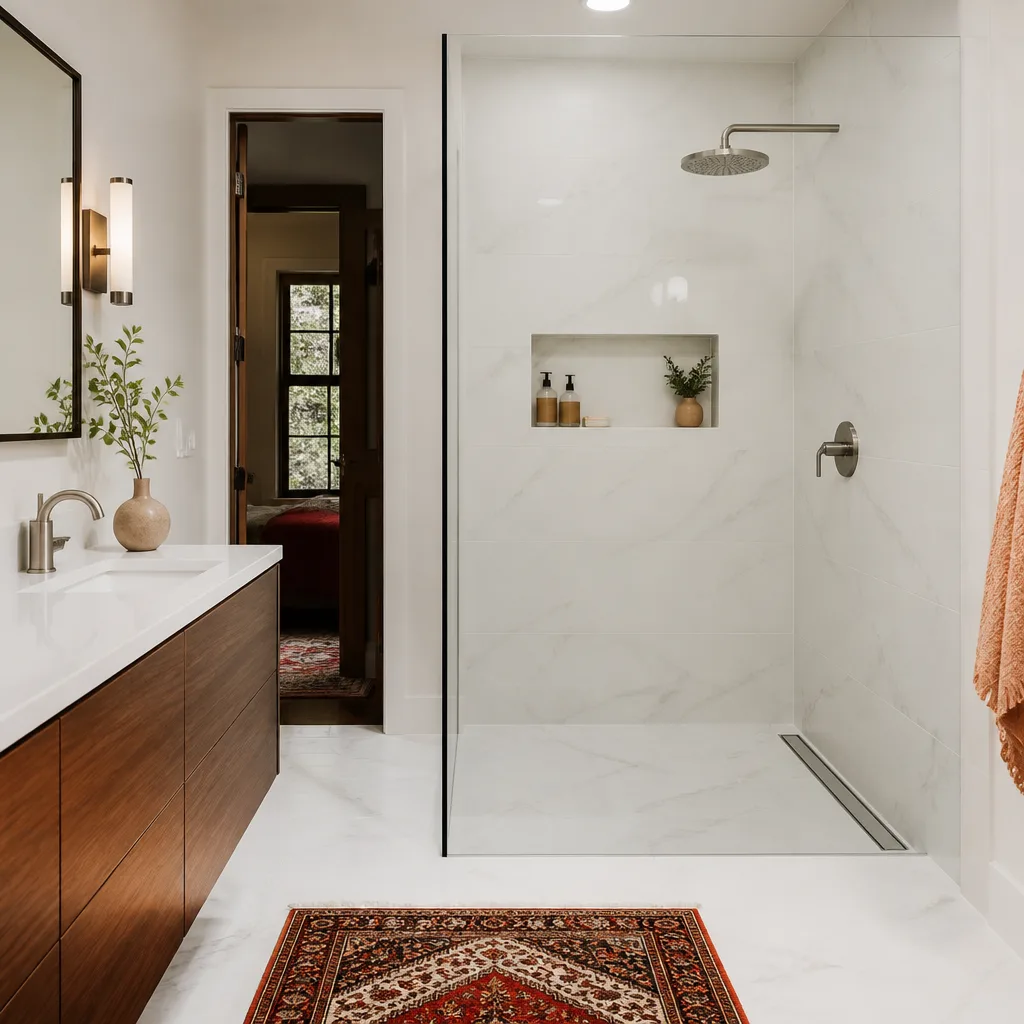
In older Long Beach housing stock – the early-1900s craftsman homes near Bluff Park, the post-war tract homes inland – the mechanical systems were run when Title 24 didn’t exist. That means a bathroom or kitchen remodel can trigger a compliance path you didn’t plan for. We plan Title 24 into the scope from day one when we price a Bathroom Remodeling in Long Beach project, so the number you see up front is the number that shows up on the invoice.
What Happens During a Long Beach Inspection
A Long Beach inspection is not a gotcha. It’s a checklist. The inspector is confirming that what was built matches what was approved on the plans and meets code. If you know what’s coming, you pass the first time. If you don’t, you get a correction notice and a return visit, and that’s where timelines go sideways.
What inspectors look at, in roughly this order:
- Rough framing. Are walls, headers, and beams sized per plan? Is the framing visible? Is the nail pattern right? Are shear panels in place and nailed?
- Rough electrical. Are boxes properly set, grounded, and stapled? Is the panel labeled? Are AFCI and GFCI required circuits present?
- Rough plumbing. Is the water line and drain route per plan? Are shower pans sloped correctly? Is the venting correct?
- Rough mechanical. Is the HVAC routing per plan? Are duct sizes as specified?
- Insulation and Title 24. Is the R-value on the walls and ceiling as specified? Are the windows installed per the compliance forms?
- Final. Everything closed in, fixtures installed, smoke and CO detectors in place, and all the same trades re-verified.
How to prepare the job site so it passes first time:
- Have the approved plan set physically on site, in the permit holder’s name, with all revision stamps on the drawing
- Make sure every rough inspection is scheduled before insulation goes in; once it’s covered, it’s a correction
- Label the electrical panel with a legible directory
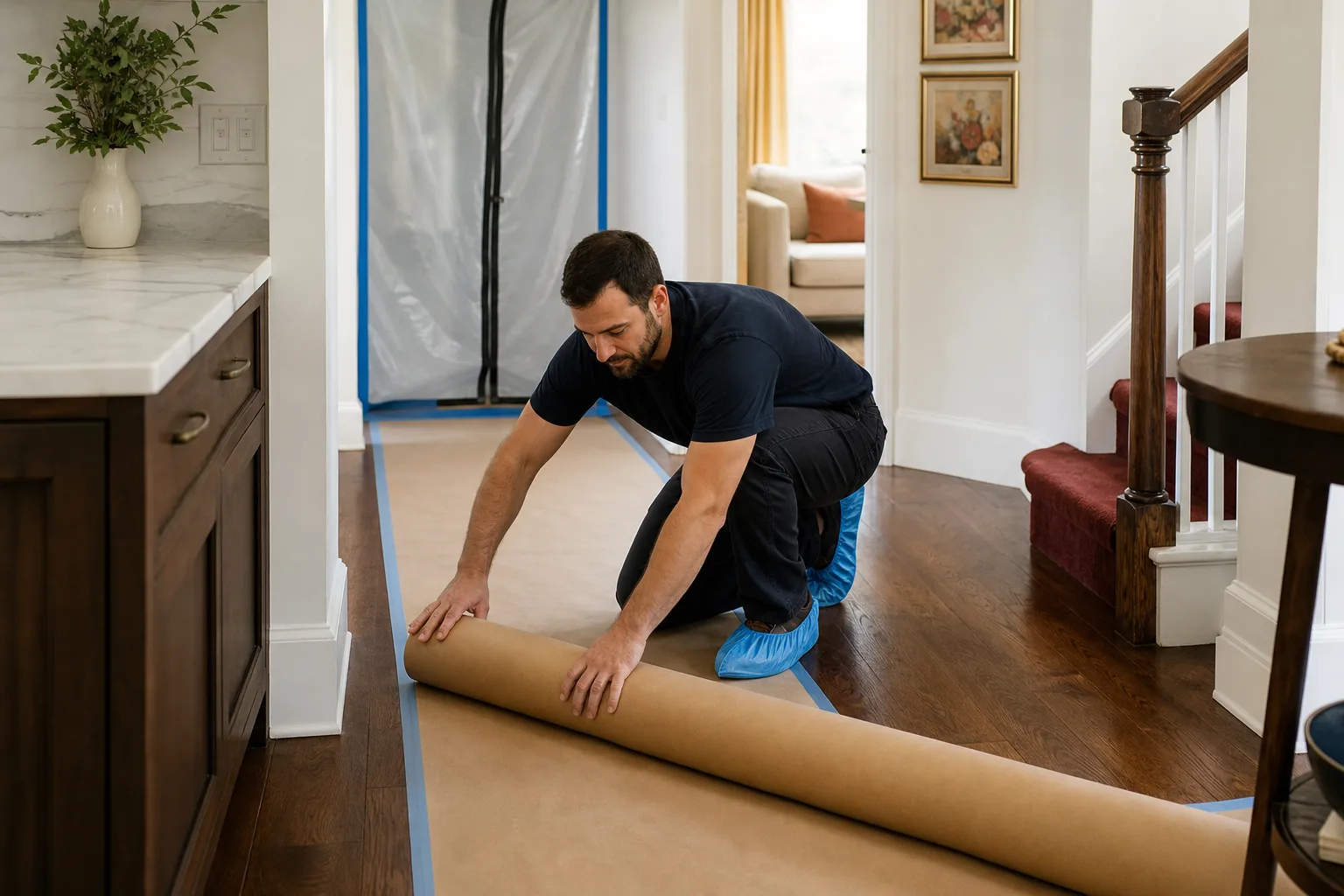
- Clear a path – inspectors need to see what they’re inspecting without moving furniture or appliances
- Have the Title 24 compliance forms on site for window and HVAC inspections
- Wear nothing less than a full plan check: no gap between the permit drawing and what’s actually built
In our experience with Long Beach inspections, the first-visit failures we see on other contractors’ jobs almost always trace back to jobsite prep – not the work itself. When we run a General Contractor in Long Beach project, one of our standing rules is that we don’t schedule an inspection unless we know the trade item will pass. That’s the whole point of running the job ourselves.
How Long Permits Actually Take in Long Beach
Here’s the honesty part. Long Beach permit timelines in 2025 and 2026 have improved in some categories and worsened in others. Typical ranges based on what we see week to week:
- Over-the-counter (OTC) permits for minor work – water heater swaps, like-for-like window replacement, some electrical service upgrades: 1 to 5 business days if the submittal is clean.
- Kitchen and bathroom remodels with plumbing or electrical relocation – 3 to 6 weeks for plan review, then inspection scheduling during construction.
- Additions and second-story work – 8 to 16 weeks for plan review, longer if structural or grading is involved.
- ADUs – 4 to 8 weeks under the state’s ADU streamlining rules if the application is complete; longer if the submittal gets kicked back.
- Re-roofs and HVAC replacements – 1 to 3 weeks.
What makes timelines stretch:
- Incomplete submittals – the single biggest factor, by far
- Missing Title 24 documentation on window or HVAC permits
- Structural work that requires plan review by a licensed structural engineer
- Any project within a Coastal Zone or Historic District overlay, which adds an additional review layer
- Peak permitting months (typically spring and early fall), when the queue backs up
What you’ll hear from some contractors: “Permits are fast, no delay.” In Long Beach, that’s rarely true for a remodel. We build the actual permit review time into every schedule we hand over – because a promise at the sale that becomes a surprise at the door is exactly what our written-price standard exists to prevent through the Penhallow Remodeling Long Beach home process.
Contractor-Pulled vs. Owner-Pulled Permits
You have two paths, and they’re not equal.
Owner-pulled permit. As the property owner, you can pull a permit yourself and hire any contractor or subcontractor to do the work. The upside is simplicity – you control the schedule. The downside is that you assume the responsibility for the inspection and any code issues that come up. If the inspector catches an issue, the correction notice lands on you, not on the contractor.
Contractor-pulled permit. The contractor pulls the permit in their name, carries the insurance and license tied to the permit, and owns the inspection sequence. If something fails, the contractor schedules the return visit, not you. This is the cleaner path for any project that involves structure, systems, or multiple trades.
When the owner-pulled route makes sense: minor single-trade work where you’re the one directing the schedule and you don’t want to wait on a contractor’s permit queue. Like-for-like replacements, small electrical or plumbing jobs, some DIY-adjacent work.
When the contractor-pulled route is the right call: anything involving framing, additions, additions of habitable space, kitchen or bath remodels that touch multiple trades, window replacements that trigger Title 24 documentation, and anything that could involve insurance claims later. The permit trail is your evidence that the work was done right.
What Permits Cost in Long Beach
Permit fees in Long Beach are based on valuation of the work, project type, and the number of inspections required. Rough ranges based on what we see in 2025-2026:
- Minor OTC permits (water heater, like-for-like window replacement): $150 to $400
- Kitchen remodel permits: $800 to $1,800 depending on whether electrical, plumbing, and mechanical permits are bundled
- Bathroom remodel permits: $500 to $1,200
- Full-house re-pipe or re-wire: $1,200 to $3,000
- Additions and ADUs: $2,500 to $8,000+, scaled to square footage and complexity
- Roof re-roof permits: $400 to $1,200
Two additional costs homeowners typically miss:
- Plan check fees, which some Long Beach review paths charge separately from the permit itself
- School and park district fees – for additions and increases in habitable square footage, this can add meaningful cost on top of the permit
The permit fee is not where the real cost hides. The real cost is when a project is done unpermitted and the eventual correction – or the rejected insurance claim – costs ten times what the permit would have. Written line-item pricing on the permit line is part of how we quote every job, because we’d rather you see the fee up front than discover it in change orders.
Common Mistakes to Avoid
- Assuming cosmetic work doesn’t need a permit. It often does – a new window on a 1950s Long Beach home usually triggers Title 24 rather than falling into a cosmetic exemption.
- Skipping the permit history before you buy. An unpermitted garage conversion in Belmont Shore can look like a bargain at sale and become a five-figure correction after closing.
- Pulling a permit and then changing the scope mid-project. The plans approved on day one have to match what gets built. Change the scope, pull a revised plan, or the final inspection won’t pass.
- Letting a contractor talk you out of the permit to “keep the price down.” Any contractor who suggests this is pricing the work without liability, which means the liability lands on you.
- Covering rough work before inspection. Insulation over un-inspected electrical, drywall over un-inspected plumbing – the single most common inspection-failure pattern in Long Beach remodels.
- Not verifying Title 24 compliance forms before ordering windows. Order the wrong spec and the windows arrive non-compliant, and every one has to be swapped.
- Waiting until the last inspection to schedule the first one. Long Beach inspection slots fill up. Scheduling early in the build keeps the job moving rather than stalling at the end.
See the difference
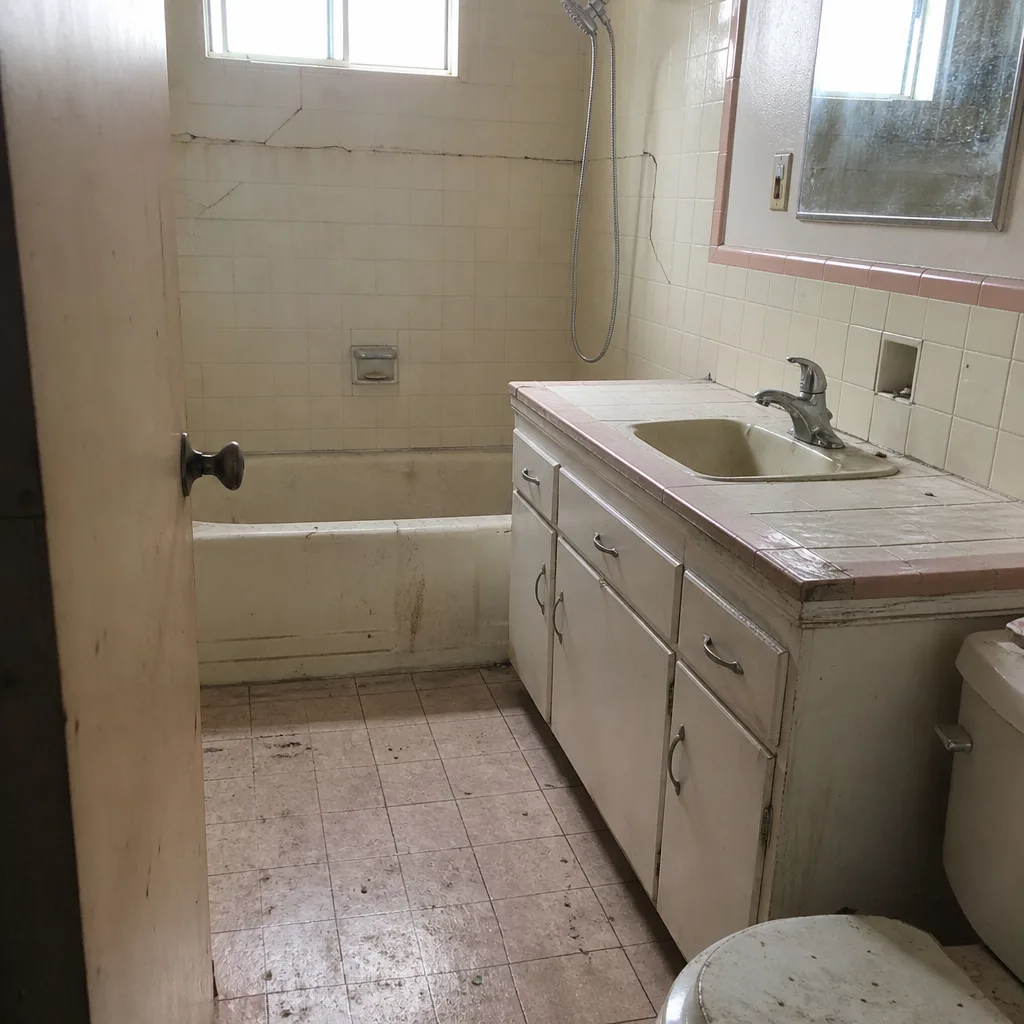 Before
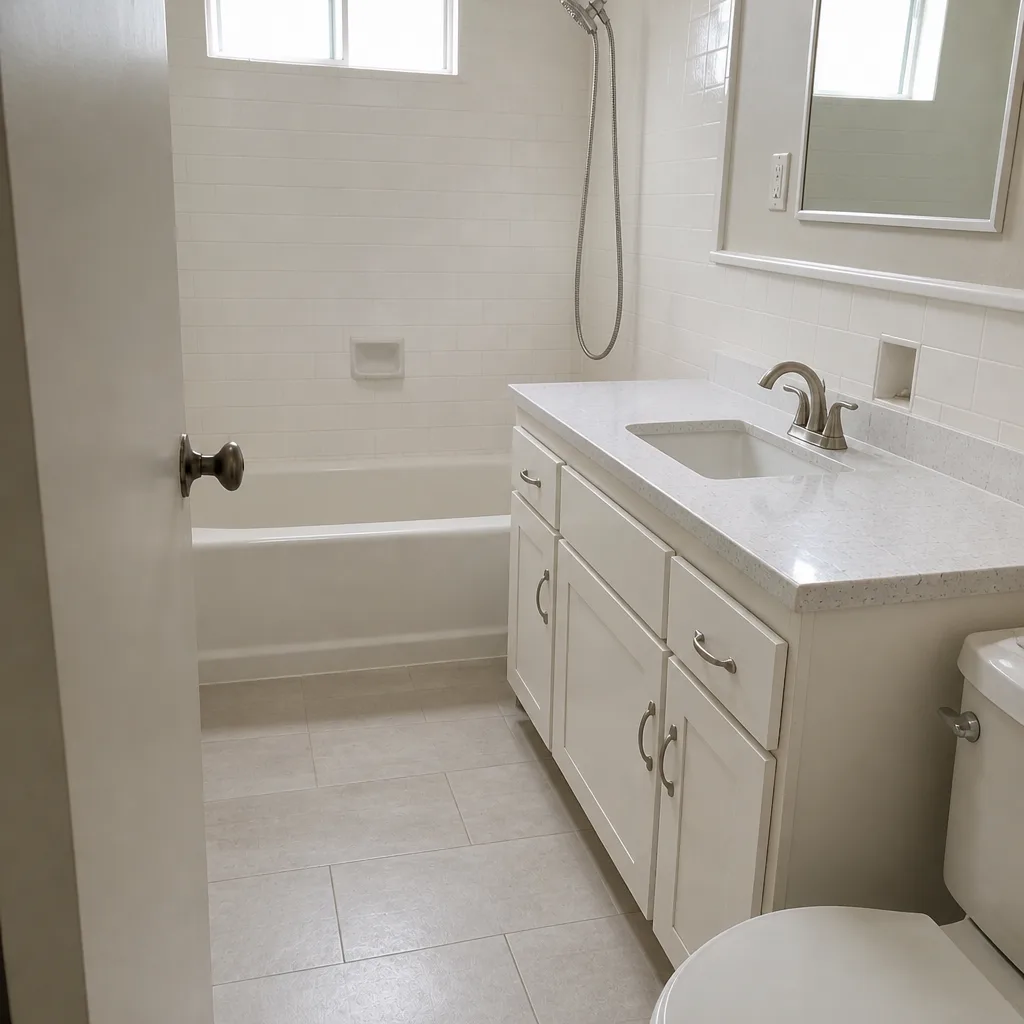 After
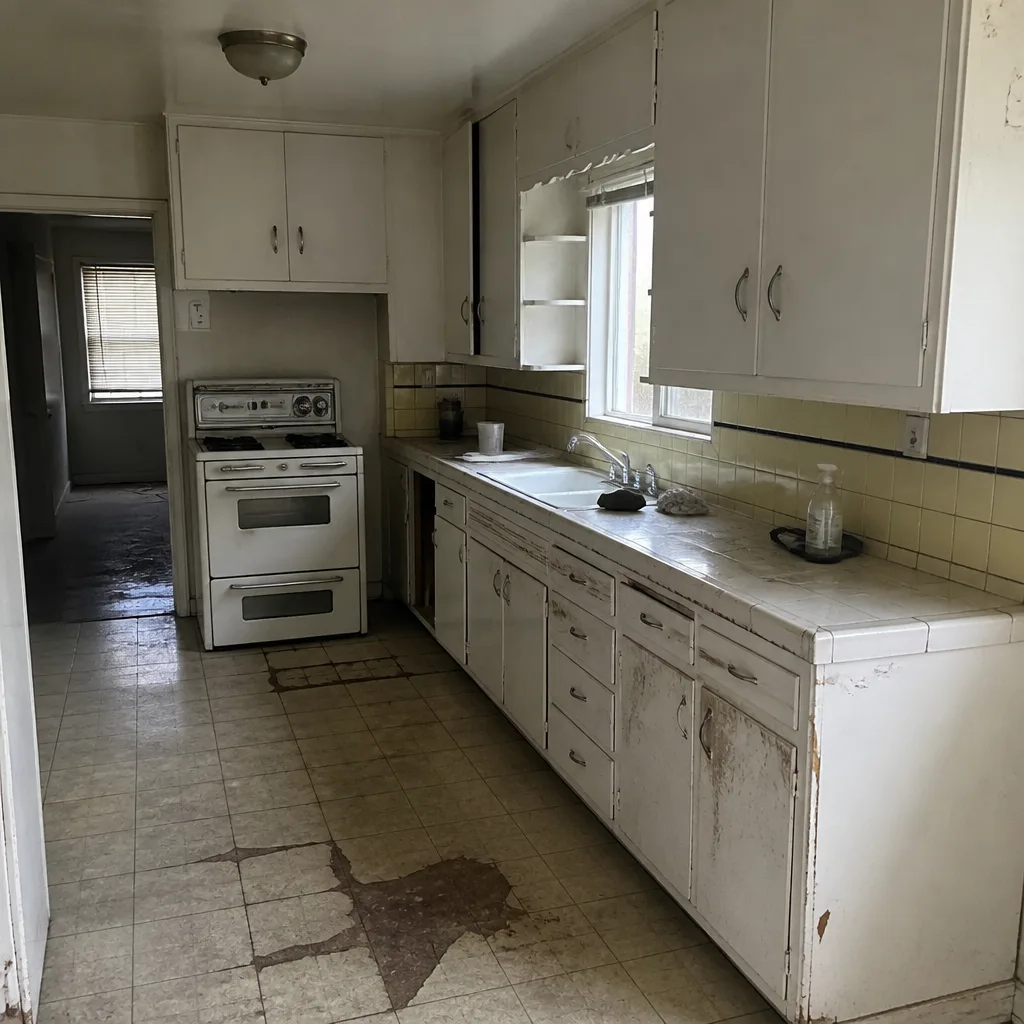 Before
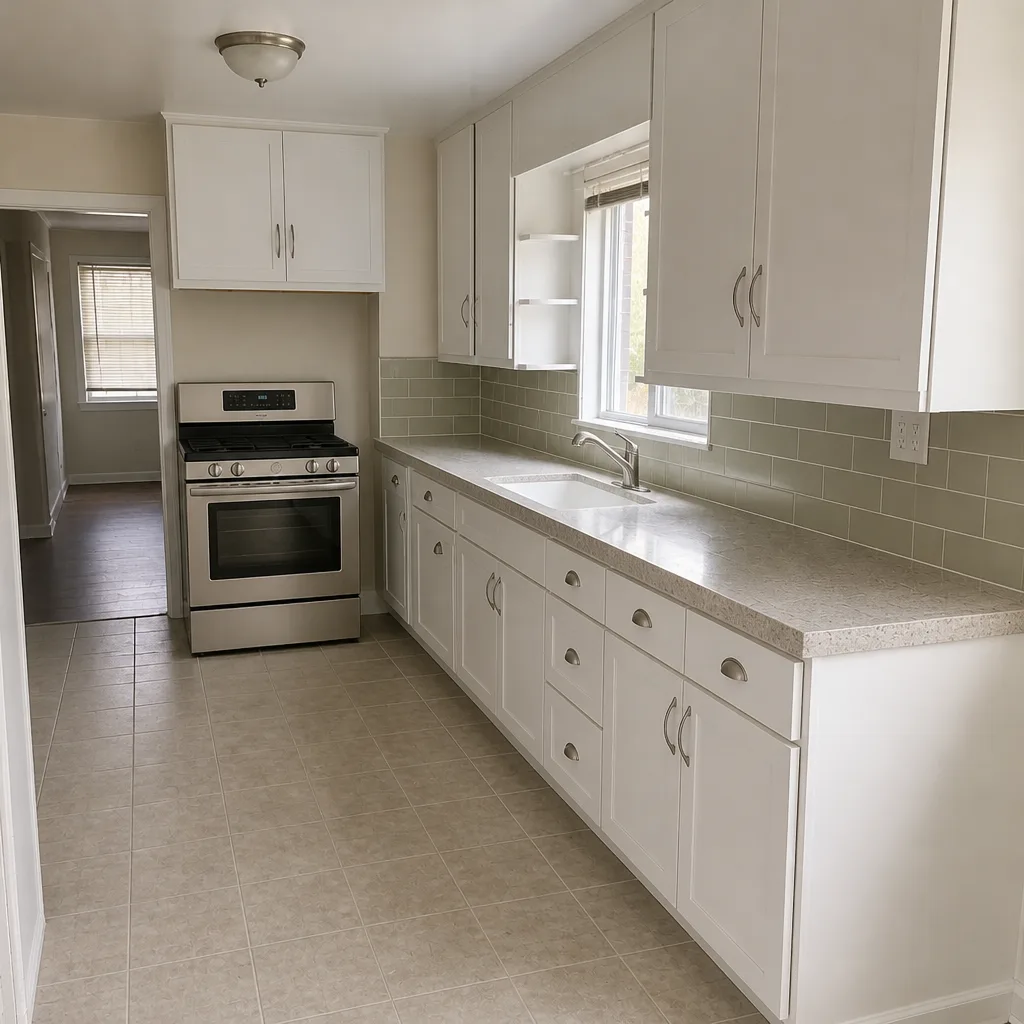 After
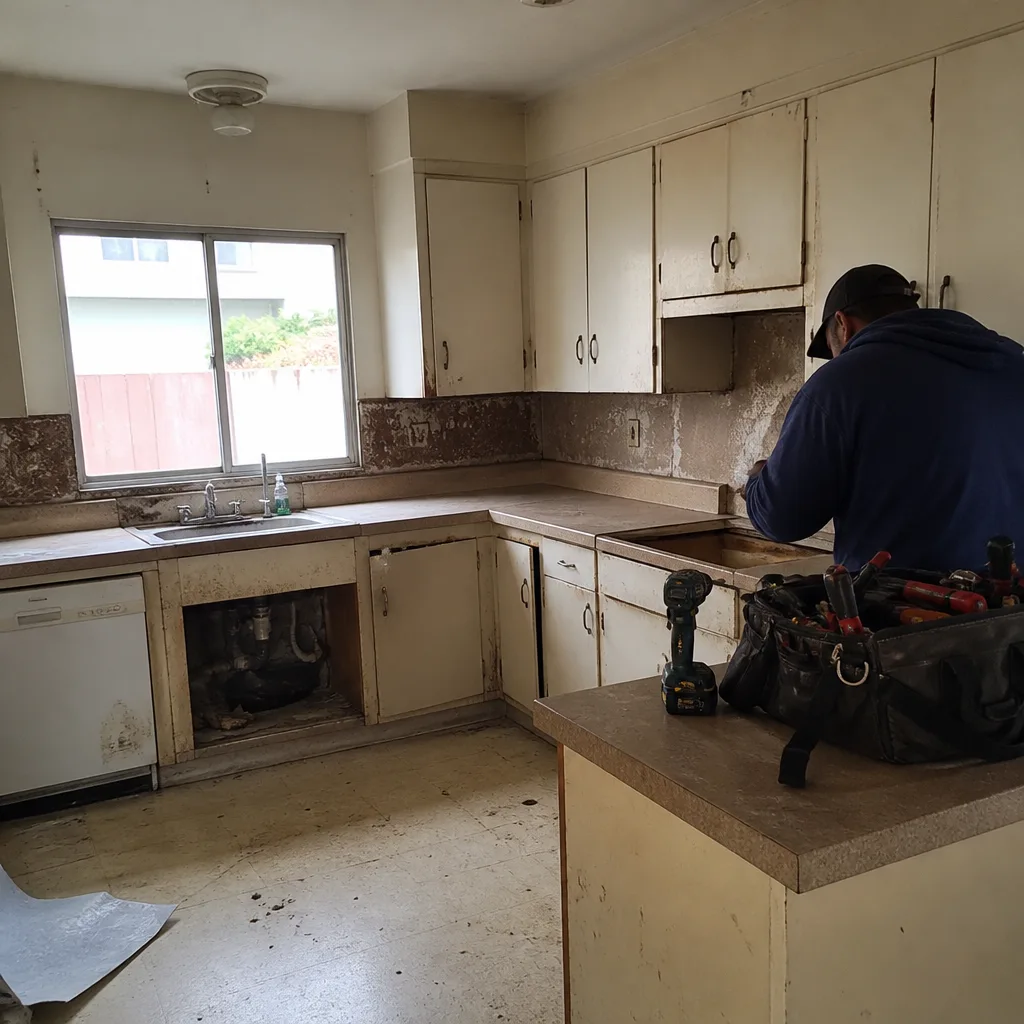 Before
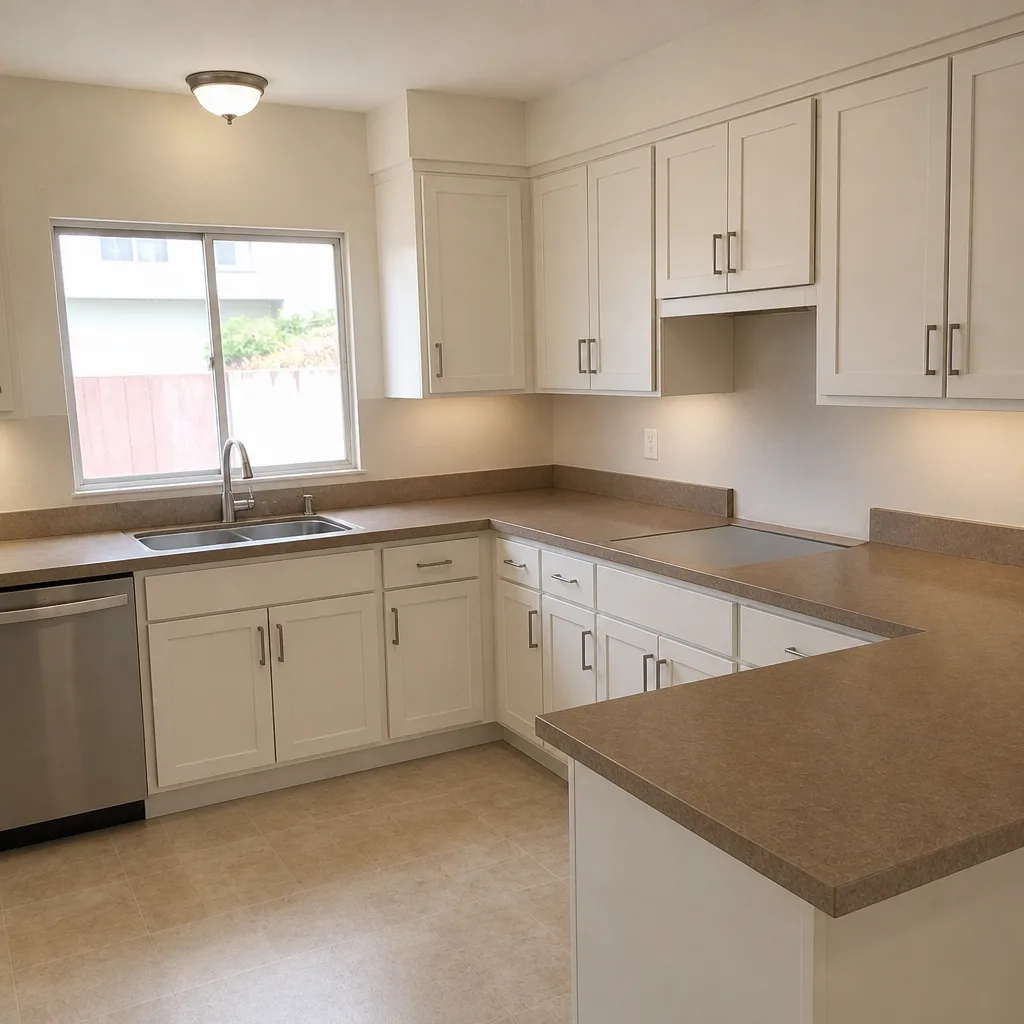 After
When to Call a Professional
Any of these scenarios is a clear signal to bring in a general contractor rather than try to coordinate permits and trades yourself. You’re adding an ADU, adding a second story, or converting a garage or attic to living space. You’re remodeling a kitchen or bathroom that moves plumbing, gas, or electrical. You’re replacing windows on a pre-1980 home and Title 24 compliance is a factor. You’ve pulled your permit history and found unpermitted work you need to legalize or remove. You’re buying a property and want the permit record verified before you sign. Or you’re ready to remodel and you want the whole project – permit, plan review, inspections, and construction – handled by one company accountable for the whole number. Penhallow Remodeling Long Beach offers free estimates in Long Beach – call (833) 510-6967. Every project gets a written price before work starts and our 365-Day Done Right Promise in writing.
Frequently Asked Questions
Yes, if the remodel moves plumbing, gas, or electrical, changes any load-bearing wall, or alters the layout of the room. A cosmetic refresh (paint, cabinet refacing, new countertops without relocating plumbing) is often exempt, but any project that touches systems or structure requires a permit through the City of Long Beach Building & Safety Bureau. Call (833) 510-6967 and we can walk you through what your specific scope will require – estimates are free.
Search the property address in the City of Long Beach permit portal; if records aren’t digitized, visit the Building & Safety counter in person and request the complete permit history, including final inspection status. A permit that was issued but never received a final inspection is a flag, and any addition with no permit on file is a red flag that should affect the sale price. Call us if you want a second set of eyes before you buy.
Minor over-the-counter permits usually move in 1 to 5 business days. Kitchen and bath remodels typically take 3 to 6 weeks for plan review. Additions and second-story work run 8 to 16 weeks. The single biggest factor is how complete the submittal is – incomplete applications are the primary cause of delay. Call (833) 510-6967 for a free estimate on your project and a realistic schedule.
Yes. Most homeowner’s policies exclude coverage for damage tied to unpermitted or non-code-compliant work, and that exclusion can void the entire claim for the affected area. It surfaces at the worst possible moment – after a fire, water loss, or structural issue – when you need the coverage most. If you suspect unpermitted work, get it documented and corrected before you remodel around it.
Replacement windows must meet U-factor and solar heat gain coefficient (SHGC) standards that depend on the window’s orientation and the home’s glazing area. A south-facing window has a different required spec than a north-facing one. Your contractor has to submit Title 24 compliance documentation with the permit. We handle this documentation as part of every window-related project we price.
Yes, but the responsibility for the inspection and any correction lands on you, not the contractor. For anything more than minor single-trade work – especially anything involving structure, multiple trades, or future insurance claims – the contractor-pulled route is the cleaner option because the permit and the liability travel together. Call (833) 510-6967 to talk through what makes sense for your project.
The Bottom Line
California’s permit process is slower and more expensive than most homeowners expect, and Long Beach is no exception. But the process protects you – from insurance exclusions, from unpermitted additions surfacing during a sale, from a contractor who cut the corner you didn’t know existed. Pull the permit history before you buy or build. Assume Title 24 applies to your windows and HVAC until proven otherwise. Schedule inspections early and document everything. And if any part of the process feels like it’s too much to coordinate alone, call us. Free estimates, a written price before work starts, and a 365-Day Done Right Promise in writing on every project. Call (833) 510-6967.
Written by the team at Penhallow Remodeling Long Beach.