Last updated November 17, 2026








Free written scope consultation - allowances, timeline, and change-order rules on paper before a single trade is scheduled
DIY vs Professional Kitchen Remodeling: What’s Safe to Do Yourself
Here’s the counterintuitive part about DIY kitchen work: the danger rarely shows up the day you do it. A homeowner in Belmont Shore paints her own cabinets, swaps the hardware, and the kitchen looks great for five years. Another homeowner moves a gas line to fit a new range, and nothing goes wrong either, until a buyer’s agent pulls the Long Beach permit record during a sale and finds an open, unpermitted alteration sitting on the property file. One of those projects saved money with no downside. The other quietly became a negotiating chip that cost thousands to remediate.
This guide draws the line the way California code actually draws it. We’ll walk through what’s genuinely safe to handle yourself, what legally requires a licensed professional, and how to split a hybrid project so both sides know their boundary before anyone picks up a tool. We’ve watched enough Long Beach remodels play out to know which corners hold up and which ones come back to bite.
Quick Answer
You can safely paint cabinets, swap hardware, install a backsplash over existing substrate, and hang open shelving yourself. You should not touch anything that moves a gas line, alters a load-bearing wall, runs new electrical circuits into a panel, or needs a city permit – in California those tasks require a licensed contractor, and unpermitted work in Long Beach can surface on a public permit record and stall or sink a home sale years later.
Styles & brands we work with
- Kitchen remodeling
- Bathroom remodeling
- Home additions & ADU
- Roofing
- Windows & doors
- Driveway & pavers
- Fence
Table of Contents
- What’s Actually Safe to Do Yourself
- What California Law Requires a Licensed Contractor For
- The Long Beach Permit Record Problem
- How to Split a Project Between DIY and Professional Work
- Writing a Clear Scope So Nobody Steps on Toes
- What the Written Price and Guarantee Should Cover
- Long Beach Climate and the Kitchen Projects It Changes
- Common Mistakes to Avoid
What’s Actually Safe to Do Yourself
Four kitchen projects carry real savings with no permit risk and no insurance exposure. We’re honest about the skill each one takes, because “DIY-friendly” gets thrown around too loosely. Here’s the breakdown.
- Painting cabinets. The single best return on DIY effort in any kitchen. A full lower and upper cabinet set runs $9,000-$22,000 to replace in the Long Beach market, while paint, primer, and sandpaper come in under $300. Skill needed: patience with prep. The cleaning and deglossing step takes longer than the painting itself, and skipping it is why painted cabinets peel within a year or two.
- Hardware swaps. Changing pulls and knobs is a screwdriver job. The one catch: new hardware rarely lines up with old holes, so you’ll fill and touch up. Budget a Saturday, not an afternoon, if you’re going from a 3-inch pull to a 5-inch one.
- Backsplash tile over existing substrate. As long as the wall behind is sound drywall or cement board (the moisture-resistant layer behind tile) and you’re not moving any electrical outlet, you can set tile yourself. It’s slow, forgiving work. The tradeoff is time: a first-timer on a 25-square-foot backsplash should plan two weekends, not one.
- Open shelving installation. Hanging shelves is fine for a confident DIYer, provided you anchor into studs or use proper toggle hardware rated for the load. A shelf full of cast iron needs real anchors, not drywall plugs.
Notice what these four have in common: none of them require opening a wall, tying into a utility, or pulling a permit. That’s the dividing line. If a project doesn’t cross it, don’t feel obligated to hire out. If it does, the savings aren’t worth the liability – and we’ll explain exactly why in the next section.
What California Law Requires a Licensed Contractor For
California is stricter than most states about who can perform certain work on a home, and a kitchen remodel hits nearly all of the regulated categories at once. The Business and Professions Code sets the licensing rules, and local building departments enforce them through permits. Here’s what you can’t legally do yourself in a kitchen.
- Gas work. Any change to a gas line – moving a range, capping a line, running a new connection for a gas cooktop – requires a licensed professional. This isn’t just a paperwork issue. Gas leaks are genuinely dangerous, and homeowner’s insurance policies routinely deny claims tied to unpermitted gas work. This is a safety caveat we don’t soften: gas is a category where you call a trained, licensed hand.
- Load-bearing wall changes. Opening up a kitchen wall to the living room almost always involves structure. Removing or altering a load-bearing wall needs engineered plans and a licensed contractor, plus a city permit. This is a category where an amateur mistake can bring down more than a wall.
- Electrical panel work. Adding circuits for a new range, dishwasher, or the cluster of outlets a modern kitchen needs means going into the panel. Panel work is regulated for good reason – it’s dangerous, and a licensed electrician signs off on the load calculation and the connection. You can swap a light fixture or a switch, but anything that opens the panel is off-limits.
- Anything that needs a city permit. Permits trigger inspections, and inspections require licensed sign-off on the regulated trades. If the work needs a permit, a homeowner doing it solo is creating a compliance problem even when the work itself is fine.
We put this plainly because we’ve seen homeowners treated as if they were too delicate to hear it. The law is the law. Our technicians have up to 22 years of experience, and even they don’t touch gas or panel work outside their licensing – they call the trade in.
The Long Beach Permit Record Problem
Here’s the part most DIY guides skip entirely, and it’s the heart of why this decision matters. The city of Long Beach keeps permit history on file, and a buyer’s agent pulls those records during a sale. This is standard practice, not an exotic concern. If your kitchen has unpermitted electrical or plumbing work, that record shows it – or its absence – and it becomes a negotiating issue.
How unpermitted work surfaces at sale time
During escrow, a buyer’s agent runs a permit search through the city. If the kitchen had a remodel but no permit was ever pulled for the electrical or plumbing portions, the discrepancy gets noticed. Depending on the buyer’s lender, that can mean anything from a price reduction to a demand that the work be legalized before closing.
What remediation actually costs
Legalizing unpermitted work in Long Beach isn’t free. Realistically, opening walls to expose and inspect the work runs $3,000-$9,000 depending on how much needs to come apart, plus the cost of the licensed rework and the permit itself. And that’s the best case – if the original work was done badly, you’re paying for rework, not just inspection.
The pattern we see repeatedly: a homeowner saves $2,000 by doing their own electrical, then loses $8,000 at sale time remediating it. That’s the whole argument in one sentence. Perfection isn’t the standard – documentation is. A permitted, inspected kitchen carries a paper trail that protects everyone down the line, and that’s exactly the reason we do a free second visit whenever a repair fails on our projects – transparency sits at the center of The Kingswell Way.
If you want to understand how we handle permitted kitchen work in Long Beach, our Kitchen Remodeling in Long Beach page walks through the process.
How to Split a Project Between DIY and Professional Work
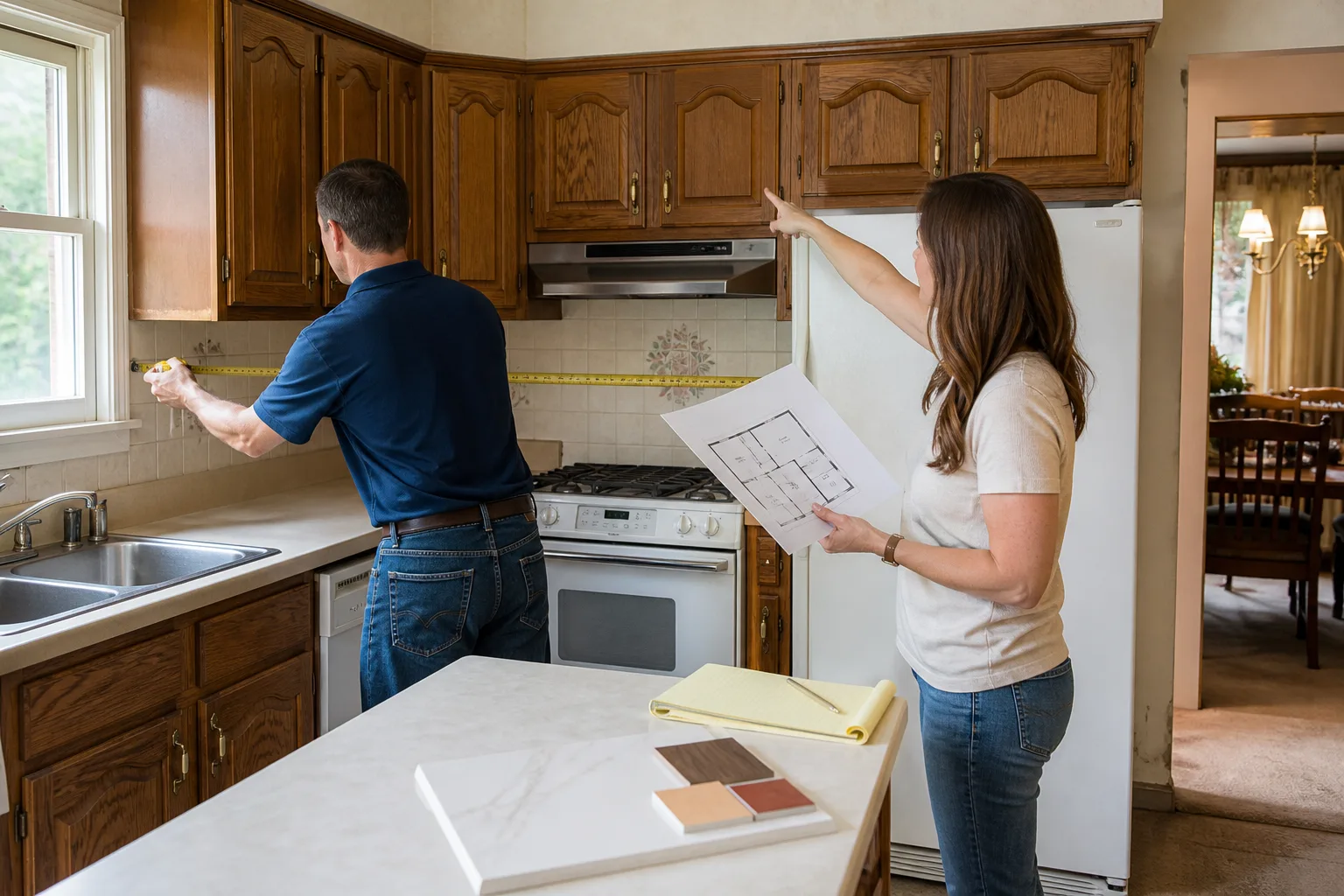
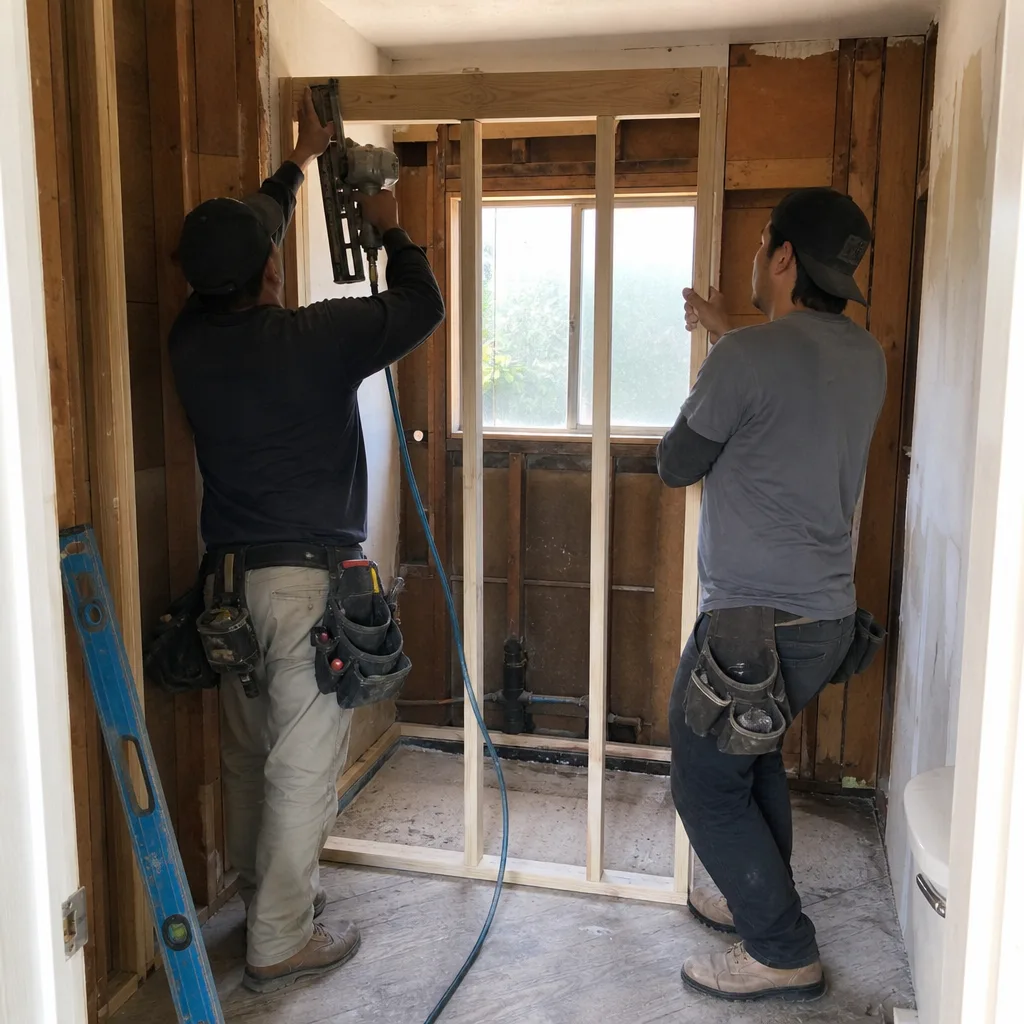
Most Long Beach homeowners we work with land on a hybrid approach, and it’s a good one when it’s structured cleanly. You do the finish work, a licensed contractor does the rough-in, and you save money without carrying the risk. The trick is sequencing.
- Map the rough-in first. Professional work comes before DIY work, always. The licensed contractor handles the gas, electrical, plumbing, and any structural changes. You wait until rough-in is complete and inspected before you touch anything.
- Get the inspection done before you install finishes. This is the step homeowners skip. Wrap tile over an electrical rough-in that hasn’t passed inspection and you’ve buried a problem behind a wall. Inspection comes before tile every time.
- Then do your finishes. Painting, backsplash tile, hardware, shelving – all of it goes in after the rough-in work is signed off. This sequencing protects the savings you earned by doing the finish work yourself.
Where this gets murky: the boundary between the two scopes needs to be written down. If the contractor assumes you’re installing the tile and you assume the contractor is, nobody’s wrong and nobody’s right and the schedule stalls. We’ve watched a Long Beach kitchen sit half-finished for three weeks over exactly that ambiguity. Writing the boundary down before work starts is what prevents it.
Writing a Clear Scope So Nobody Steps on Toes
A scope of work is just a plain list of who does what. On a hybrid project, this matters more than on a fully professional one, because two parties are involved and both are protected by a written boundary. Here’s what to include.
- Explicit line: “Homeowner to perform: X, Y, Z.” Name each finish task you’re keeping. Be specific – “backsplash tile installation” not “finish work.”
- Explicit line: “Contractor to perform: A, B, C.” Same precision on the professional side. Name the trades and the scope of each.
- Who pulls the permit. If a licensed contractor is doing the regulated work, that contractor pulls the permit. Write it down which contractor is responsible for which permit.
- Timeline handoffs. State clearly when the professional work ends and your finish work can start. This locks in the sequencing.
- Change order process. If the scope shifts mid-project, how is the change priced and agreed to? Our preference is a written change order with a written price before the change happens – never a verbal “we’ll work it out.”
Why does this matter on hybrids specifically? Because verbal agreements are where hybrid projects break. On a fully professional job there’s one party and one written contract. On a hybrid, two parties are working with a handshake, and handshakes are where the arguments start. A written scope turns a handshake into a document both sides can point to.
The Kingswell standard we operate under asks for four things: say the price before the work, show up in the window we gave, leave the place cleaner than we found it, and guarantee the work in writing. A written scope enforces the first of those on every hybrid project.
What the Written Price and Guarantee Should Cover
On the professional portion of a hybrid project, you should get a written price before any work starts – and a written guarantee on the work itself. Not a verbal estimate. Not a range. A real number. Here’s what the document should include.
- A written, fixed price for the professional work. The number on day one is the number on the invoice – that’s the standard we hold ourselves to. Our written price covers labor, materials, and permit fees for the professional scope. If a change comes up mid-project, you see it as a written change order, not a surprise on the final bill.
- A written guarantee on the work. We back professional work with the 365-Day Done Right Promise. If something fails within that period, we come back and fix it at no charge. A free second visit if the repair fails. No service call fee, no re-inspection fee. That guarantee should be in your hand before work starts, not offered verbally at the end.
- A clean, itemized breakdown. Labor and materials split out line by line. If the materials include brands like KraftMaid cabinetry, Cambria quartz countertops, or Moen fixtures, name them in the document. Cambria quartz, for example, carries its own manufacturer lifetime warranty alongside ours – so you understand the layers of protection behind the work.
- Background-checked, uniformed technicians. This belongs in the scope too – you should know exactly who’s walking into your home on every visit.
What the guarantee should NOT cover: your DIY portions. If you install the backsplash and it fails, the professional guarantee doesn’t extend to it. That’s honest, and it’s why the scope document matters so much. Each party’s work has its own protection. Reaching beyond that would be a promise we couldn’t keep.
If you’d rather see how this fits a full project, our General Contractor in Long Beach page lays out the broader process, and our Penhallow Remodeling Long Beach home page covers the guarantee framework.
Long Beach Climate and the Kitchen Projects It Changes
Long Beach’s marine climate matters for kitchen projects more than people expect. Coastal humidity, the occasional heavy winter rain, and salt air all push certain jobs toward professional help even when they’d be DIY-friendly inland.
- Humidity and cabinet finish. Coastal moisture from Bixby Knolls to the Peninsula can blister a poorly prepped cabinet painting job in a season. Proper prep – cleaning, deglossing, correct primer – matters more here than it does in a dry-inland suburb. If you’re going to paint cabinets yourself in Long Beach, don’t skip the prep step.
- Moisture under the sink. A slow leak under a kitchen sink in a humid coastal kitchen shows up faster as rot and mold than it does inland. If you’re opening up a sink cabinet, having a licensed plumber look at the rough-in before you install new cabinet bottoms protects the whole job.
- Salt air and hardware. Hardware and fixtures in beach-adjacent Long Beach kitchens are more prone to pitting than the same items a few miles inland. Choosing brand-name fixtures rated for coastal conditions – Moen and Kohler both make coastal-rated lines – is a small decision that holds up longer.
- Rain season and scheduling. Winter rains in Long Beach mean exterior access for some kitchen delivery and material staging gets tricky. That’s a scheduling note for the professional side, not a DIY consideration, but it’s a reason to plan rough-in work in the dryer months.
Mixing in materials from brands like Quikrete and Sakrete for any concrete or masonry work around a kitchen doorway? Those are fine, but the substrate and finish decisions above are the ones Long Beach humidity tests hardest. Our Bathroom Remodeling in Long Beach page covers how moisture and humidity affect a similarly wet room if you’re planning both spaces.
Common Mistakes to Avoid
- Assuming “no one will know” about unpermitted work. The city permit record follows the property. Any buyer’s agent running a search will see it, and remediation at sale time costs far more than permitting it correctly the first time.
- Handshake agreements on the hybrid boundary. On a hybrid project, verbal scopes are the top source of disputes. Get the boundary in writing before any work starts – both sides are better protected.
- Tiling over an uninspected rough-in. This is the single most common sequencing error we see. Complete the inspection before installing finishes, always, even if it feels like a stalled timeline.
- Painting cabinets without proper prep. Cleaning and deglossing takes more time than the painting itself, and skipping it is the reason so many DIY cabinet paint jobs peel in Long Beach’s coastal humidity.
- Touching gas work to save money. This is a category where savings don’t hold up. Insurance exposure and safety risk make gas work the clearest line on the page – it requires a licensed professional, always.
- Reaching for the panel to add “one small outlet.” Panel work is regulated electrical work. Tying in a new circuit requires a licensed electrician, full stop.
- Getting a verbal estimate instead of a written price. Verbal estimates change at the door. A written price before any work starts is what holds up, and on hybrid projects it’s the only thing that protects both parties.
Our technicians have up to 22 years of experience across these categories, and the patterns above come up on nearly every hybrid job we consult on. We’d rather tell you plainly than let you find out from a buyer’s inspector.
When to Call a Professional

Call a licensed professional for any gas line change, any load-bearing wall alteration, any electrical panel work, and any task that needs a city permit. Call a professional remodeller when water damage or rot shows up behind a wall, when a project has multiple trades stacked on the calendar, and when you want the guarantee and the written price protecting the whole job rather than just pieces of it. The line is not skill – it’s permit liability and utility work. If you’re not sure which side of it you’re on, the safe answer is to call.
Penhallow Remodeling Long Beach offers free estimates in Long Beach – call (833) 510-6967 to schedule your free estimate. We’ll walk through which portions of your kitchen can stay DIY, which need a licensed hand, and write the scope so nobody’s guessing about the boundary.
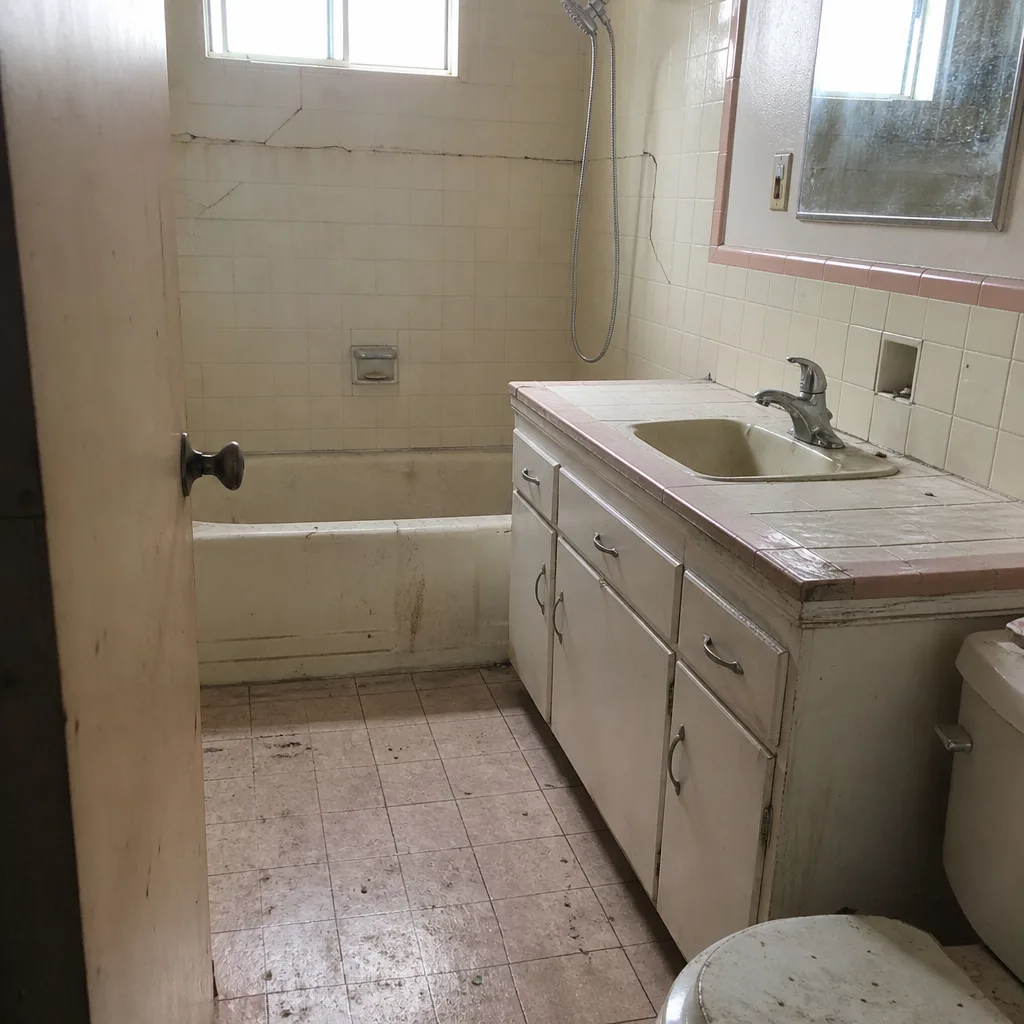
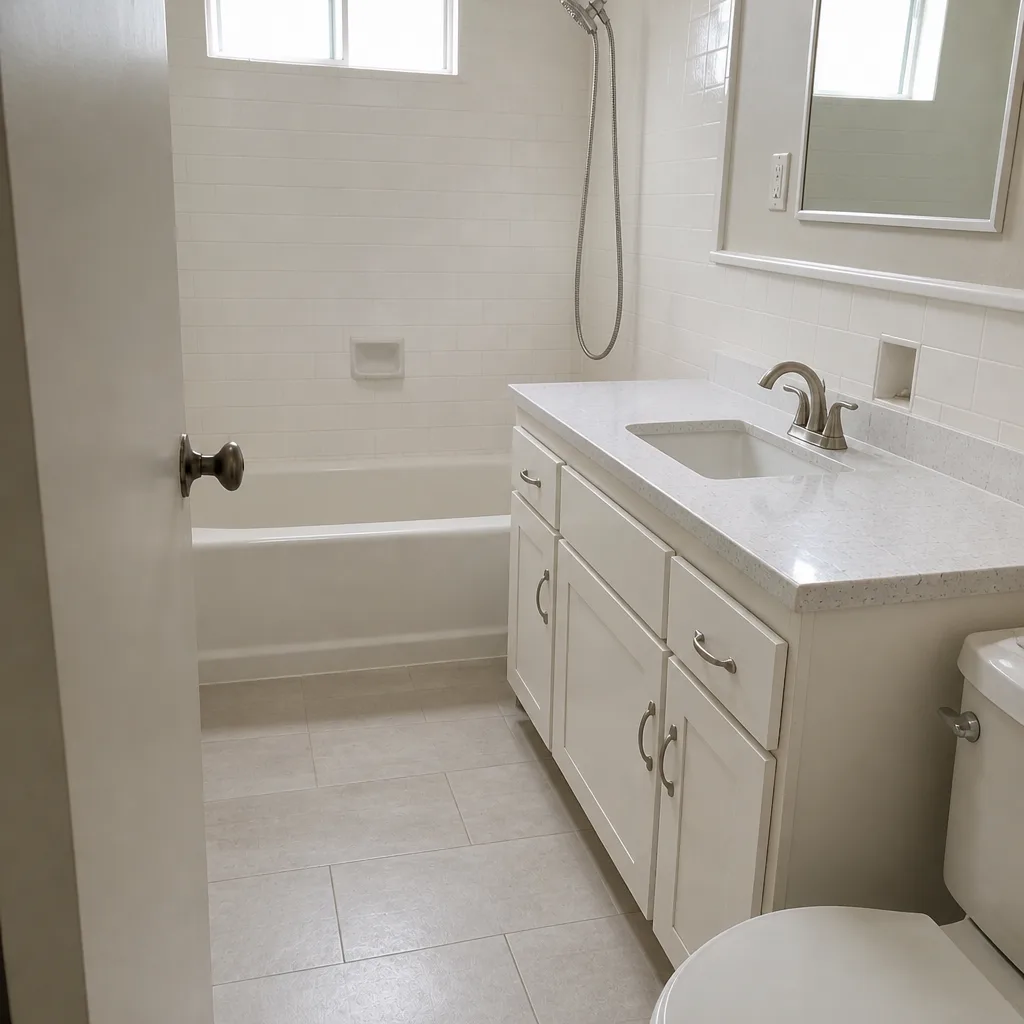
See the difference
 Before
 After
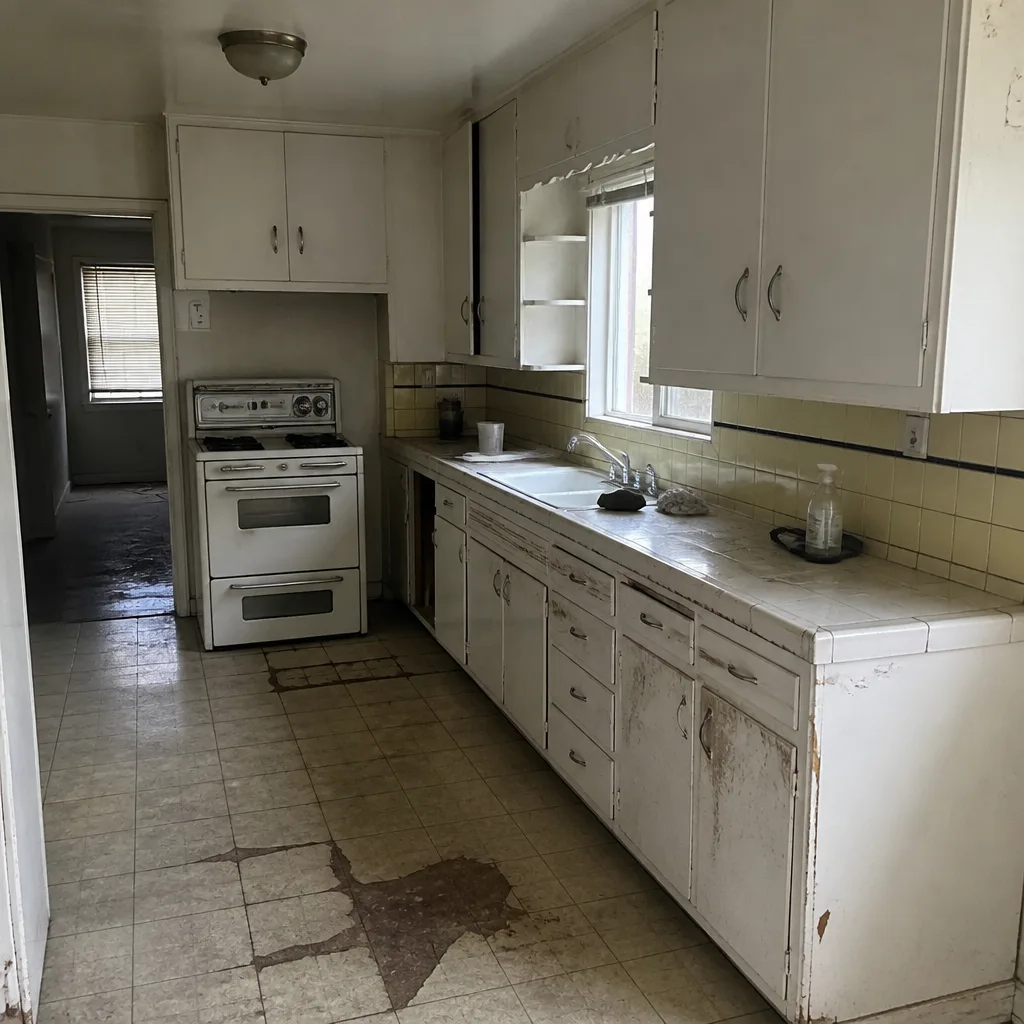 Before
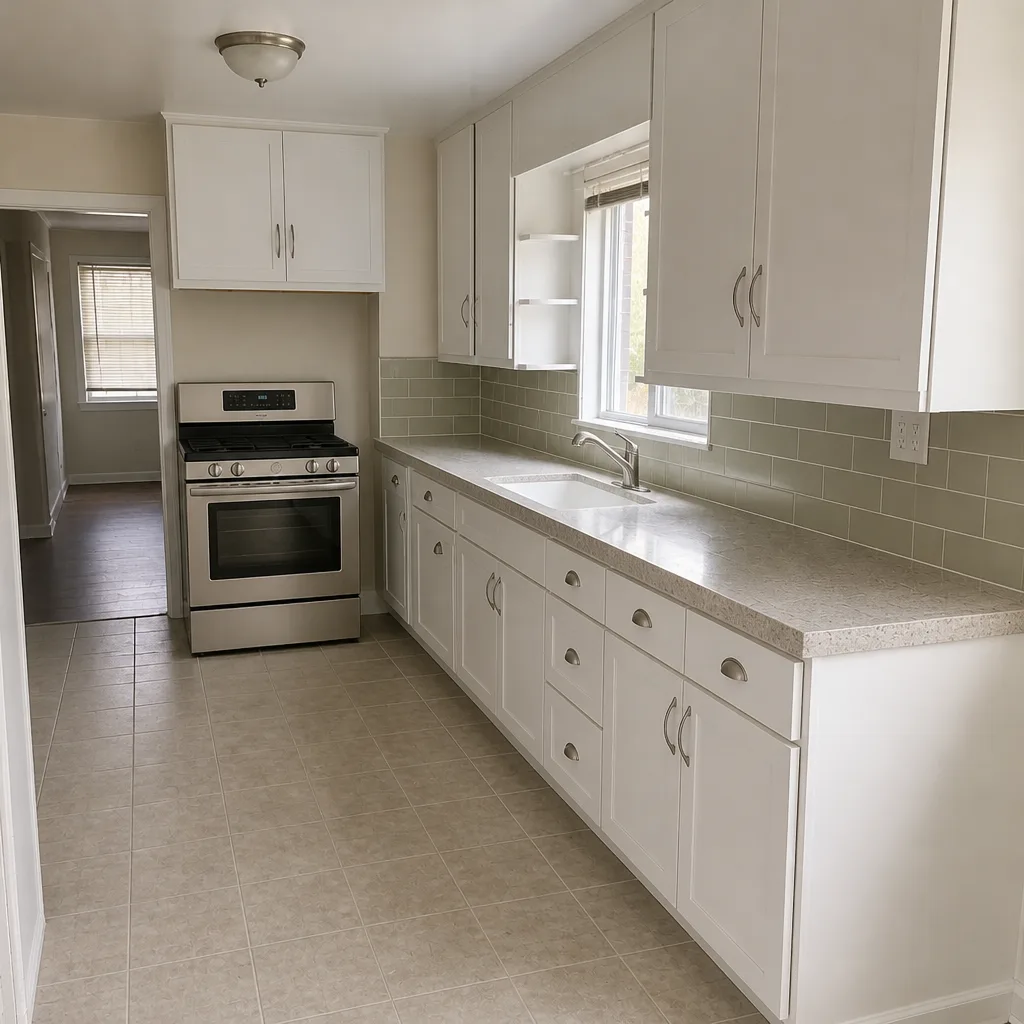 After
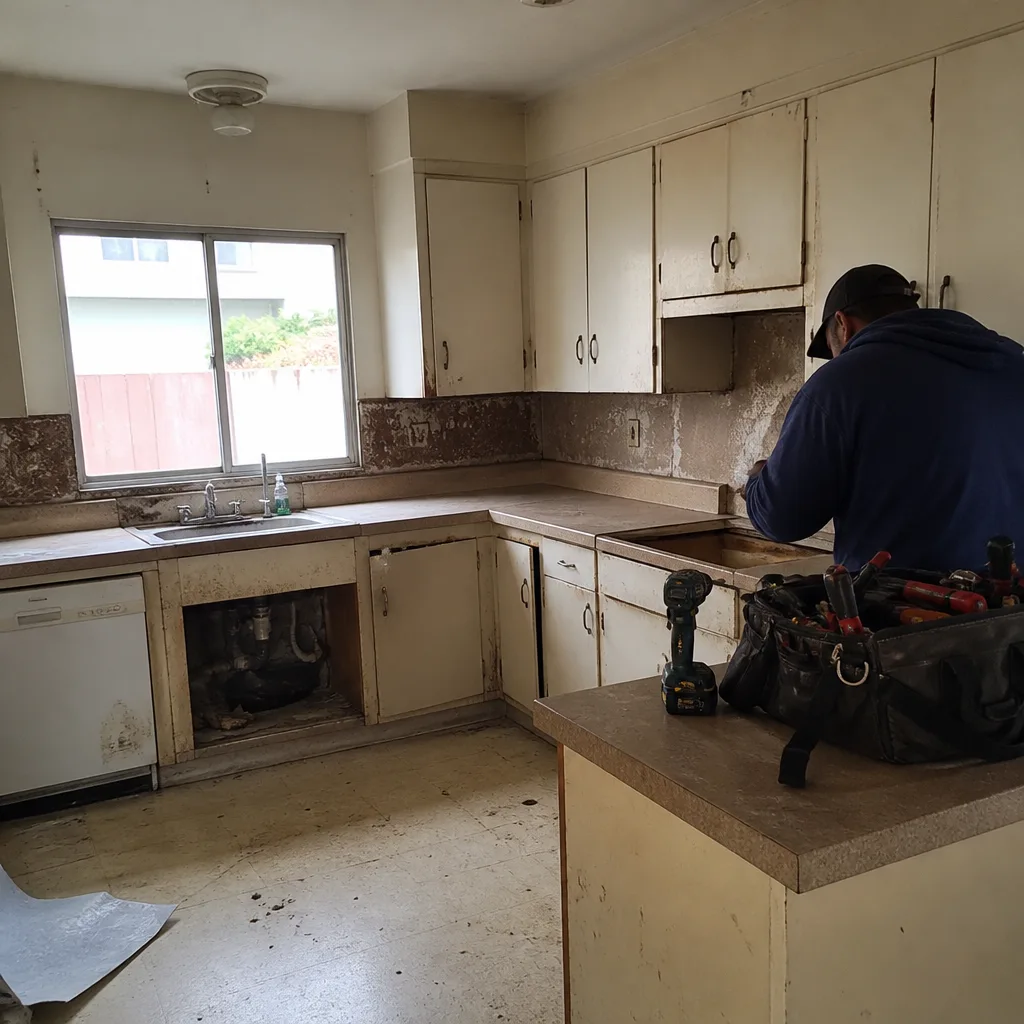 Before
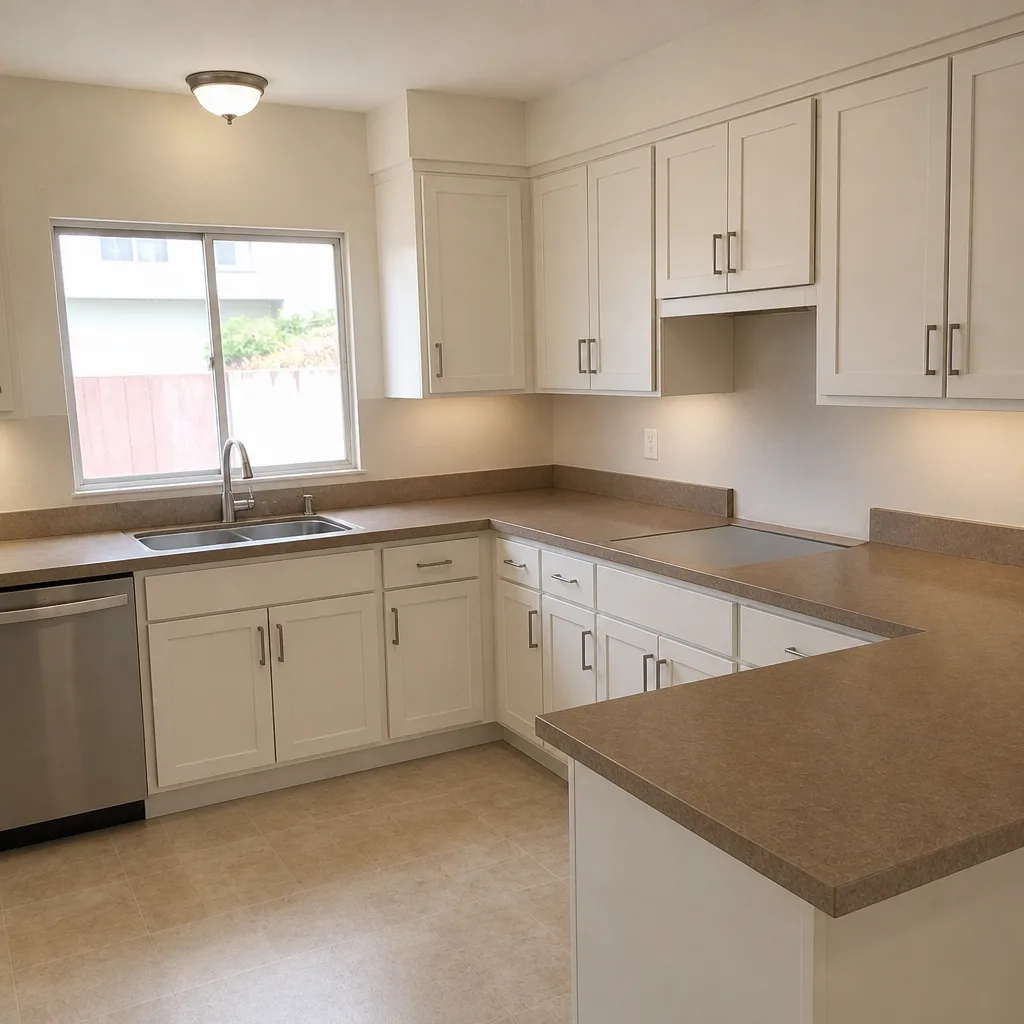 After
Frequently Asked Questions
California homeowners can legally do a lot of kitchen finish work themselves – painting cabinets, swapping hardware, installing backsplash tile over existing substrate, and hanging open shelving. What you cannot legally do yourself is gas work, electrical panel work, load-bearing wall changes, or anything that requires a city permit under a regulated trade. Those four categories require a licensed contractor.
It can, and it often does. The city of Long Beach keeps permit records on file, and a buyer’s agent pulls them during escrow. Unpermitted electrical or plumbing work surfaces as a discrepancy, which typically means a price reduction or a demand to legalize the work before closing. Remediation usually runs $3,000-$9,000 plus the cost of rework. Preventing it costs less than fixing it – so get the permit pulled correctly. Call (833) 510-6967 for a free estimate if you’re evaluating work already on the property.
No. In California, any gas line work requires a licensed professional. This isn’t a paperwork issue – gas leaks are genuinely dangerous, and homeowner’s insurance policies routinely deny claims tied to unpermitted gas work. If you’re moving a range or installing a gas cooktop, this is the clearest “call a licensed hand” category on the list. Call (833) 510-6967 for a free estimate on the professional portion.
Painting cabinets, without question. Paint, primer, and sandpaper cost under $300, while a full lower and upper cabinet replacement in the Long Beach market runs $9,000-$22,000. The skill requirement is patience, not precision – the cleaning and deglossing step is where most DIY cabinet jobs either succeed or peel within a year. Given Long Beach’s coastal humidity, don’t cut the prep step short. Call (833) 510-6967 for a free estimate if you’re unsure where DIY ends and professional work begins.
Usually not. Most homeowner’s insurance policies exclude claims tied to unpermitted work, especially gas and electrical. That means if a slow leak from a DIY-installed dishwasher causes damage months after installation, the claim can be denied on the grounds that the work was never permitted or inspected. The remedy is the same as everywhere else on this page: get the permit, get the inspection, and know exactly what the policy covers before you start. Call (833) 510-6967 for a free estimate if you’d rather have the work permitted correctly.
Two separate written scopes. The professional scope gets a written, fixed price before any work starts – the number on day one is the number on the invoice, with a written change order if the scope shifts. The DIY scope is yours to budget. The professional side carries the 365-Day Done Right Promise, in writing, including a free second visit if the repair fails. Get both scopes in writing before any work begins. Call (833) 510-6967 to schedule your free estimate on the professional portion.
The Bottom Line
The DIY-vs-hire question isn’t about whether you’re handy. It’s about permit liability. Paint your cabinets, swap your hardware, install your backsplash, hang your shelves – those save money with no downside. Leave gas, load-bearing walls, panel work, and anything that needs a city permit to a licensed professional. In Long Beach, that unpermitted work shows up on the public record exactly when you least want it to, and remediation at sale time costs more than the professional work would have. Get the boundary in writing, get the price in writing, and get the guarantee in writing – then the rest of the project is just work.
Contact
If you’re in Long Beach and your kitchen project has moved past the paint-and-hardware stage, call us at (833) 510-6967 to schedule your free estimate. A real person answers, day or night. We’ll walk through the professional scope, put the price in writing before any work starts, and back the work with the 365-Day Done Right Promise. Our technicians are background-checked, arrive in uniform, and show up in the window we gave. If you’d rather understand the full project first, start with our Kitchen Remodeling in Long Beach guide – then call when you’re ready for the written number.
Written by the team at Penhallow Remodeling Long Beach.