Last updated November 17, 2026

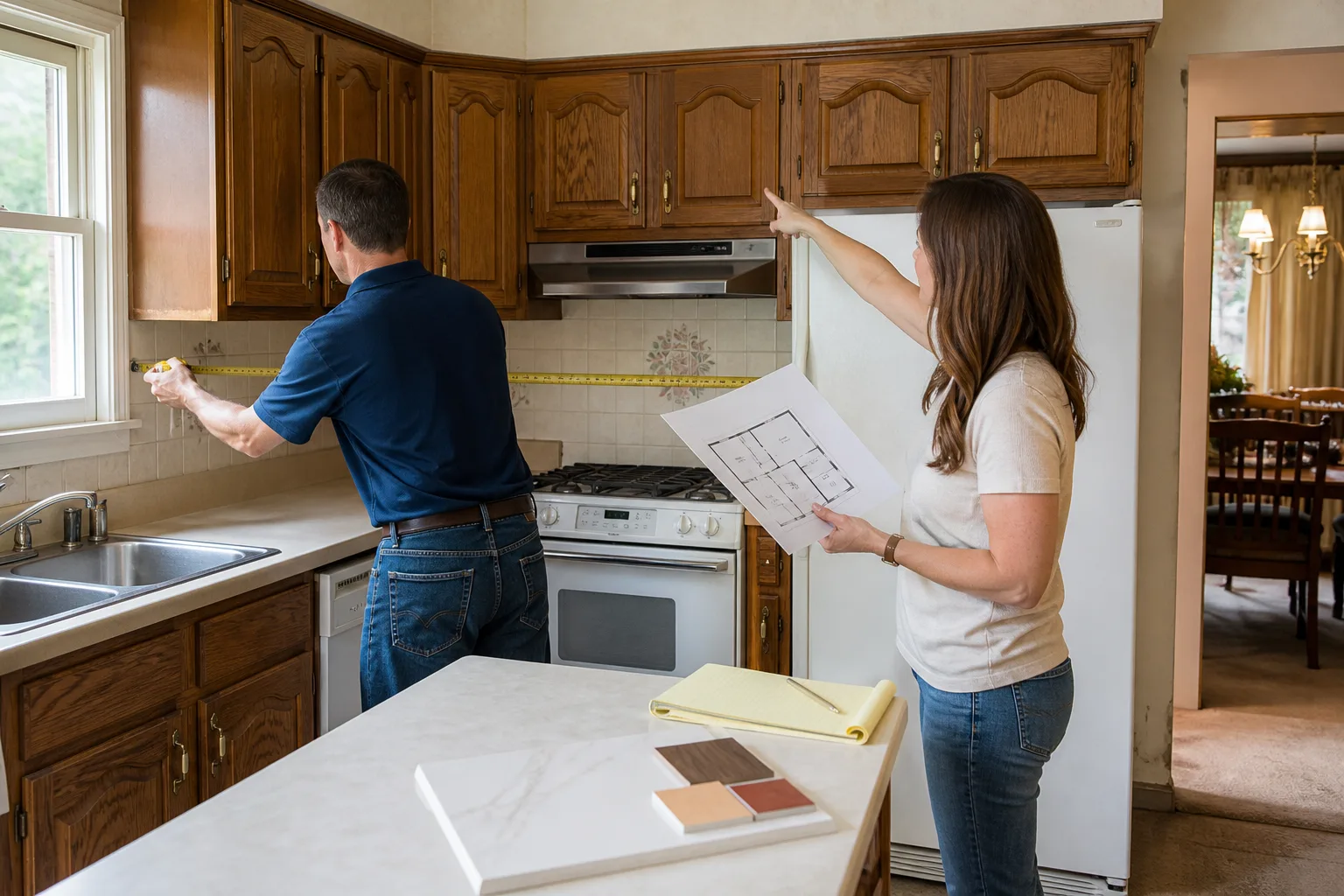
Free written scope consultation - allowances, timeline, and change-order rules on paper before a single trade is scheduled
The Complete Home Remodeling Guide for Long Beach Homeowners
Homeowners who finish their hardwood floors before the HVAC crew runs new ductwork pay to refinish them again. That single ordering mistake costs more than most people budget for an entire bathroom. Sequence is the most expensive part of whole-home remodeling, and it’s the part almost nobody talks about. In this guide, we walk through the correct trade order for a Long Beach home remodel, what to budget for discovery in older housing stock, how to phase a project while you still live in the house, how to bundle permits to save on city fees, and how to read a bid so you know what’s actually included. Everything here comes from what we’ve learned running remodeling projects across Long Beach.
Quick Answer
Whole-home remodeling in Long Beach runs $120,000 – $400,000+ depending on square footage, structural changes, and finish level, and the right sequence is demo, rough-in (plumbing, electrical, HVAC), insulation, drywall, then finish work, with each phase curing or passing inspection before the next begins. Homes built before 1960 in Long Beach add $8,000 – $25,000 in discovery costs for plumbing, electrical, and insulation upgrades you can’t see until walls are open. Getting the sequence and the permitting right matters more than the design choices you’ll spend months debating.
Styles & brands we work with
- Kitchen remodeling
- Bathroom remodeling
- Home additions & ADU
- Roofing
- Windows & doors
- Driveway & pavers
- Fence
Table of Contents
- The Correct Trade Sequence for a Whole-Home Remodel
- Long Beach Housing Stock: What to Budget for Discovery
- How to Phase a Remodel While Living in the House
- Permit Bundling vs. Sequential Permits in Long Beach
- How to Evaluate a Whole-Home Remodeling Bid
- What Whole-Home Remodeling Costs in Long Beach
- Cabinets, Countertops, and Fixtures: Choosing What Lasts
- Choosing a Remodeling Contractor in Long Beach
The Correct Trade Sequence for a Whole-Home Remodel
Remodeling an entire house is a sequencing problem before it’s a design problem. Every trade depends on the one before it being truly finished, not just “mostly done.” When the order is right, the project moves. When it’s wrong, you pay twice for the same work.
The order that works
- Demolition and dump-out. Everything that’s coming out goes out, including old flooring, in a single push. This reveals the actual condition of the framing, plumbing, and wiring.
- Structural work. Beams, headers, and any wall changes happen now, before anything is roughed in. Moving a wall after electrical is run means paying the electrician twice.
- Rough-in plumbing, electrical, and HVAC. This is where new ductwork, wiring, and drain lines get run inside open walls. All three can run in parallel, and should.
- Rough inspections. The city signs off on what’s inside the walls before it gets closed up. Every phase that gets covered up gets inspected first.
- Insulation. New insulation goes in after rough-in passes and before drywall. Skipping this step in an older Long Beach home is the single most common regret we hear about.
- Drywall, tape, and texture. Drywall must cure fully before primer goes on. Rushing this step causes the seams to show within a year.
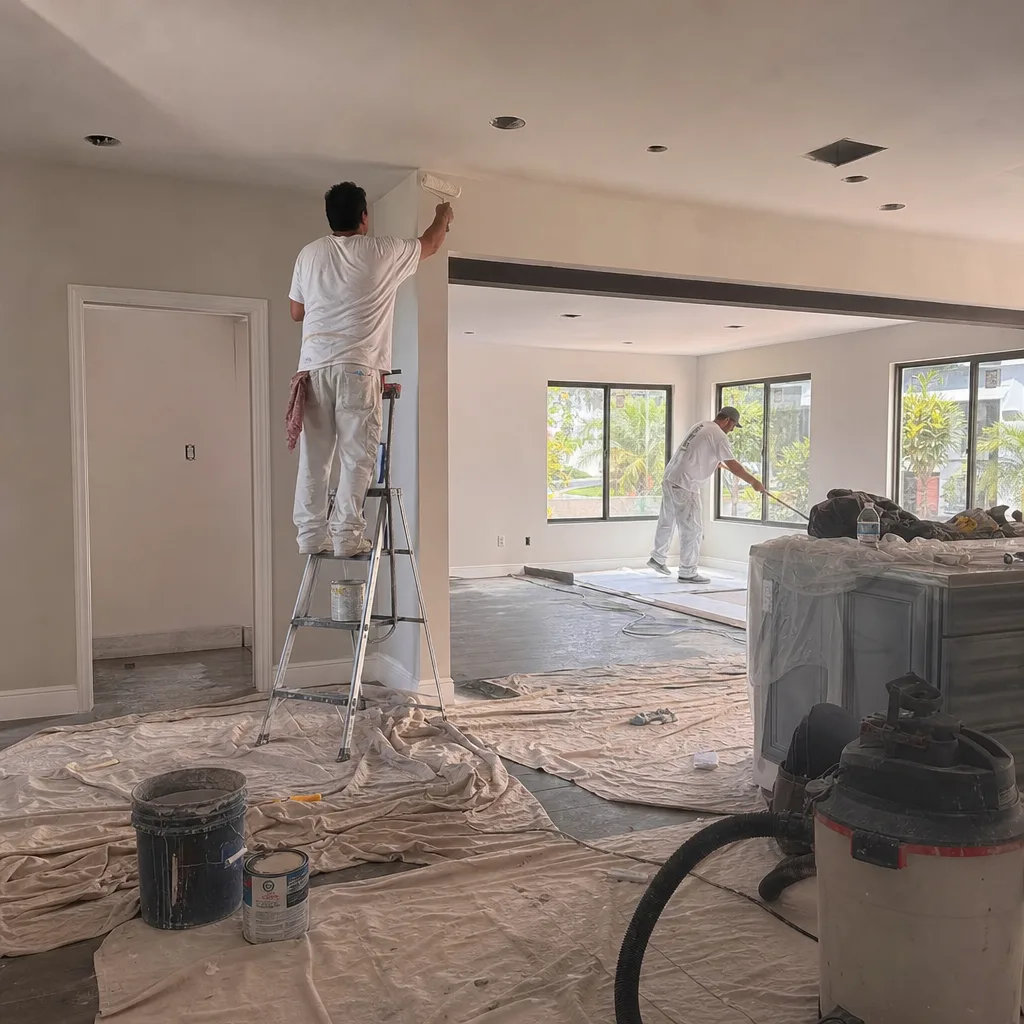
- Finish work. Cabinets, tile, flooring, trim, paint, and fixtures, in that order. Flooring goes last because everything above it gets dropped at least once.
The pattern is simple: rough work in open walls, inspections before closure, finish work after the surface is sealed. Any contractor who wants to install cabinets before drywall is finished, or run trim before flooring is down, is going to cost you money on the back end.
Long Beach Housing Stock: What to Budget for Discovery
Long Beach has some of the oldest residential housing stock in Southern California. A large share of homes in neighborhoods like Rose Park, Bluff Park, and the Willmore City historic district were built between 1910 and 1950. Craftsman bungalows in California Heights and Spanish Colonial homes in Belmont Shore often still carry their original galvanized plumbing, knob-and-tube wiring, and single-pane windows.
That’s what you’re dealing with when you open the walls. Until you do, no honest contractor can tell you exactly what’s behind them. Here’s what to plan for:
- Galvanized plumbing replacement: $6,000 – $15,000 for a typical three-bedroom home. Galvanized pipes fail from the inside out and often show no exterior sign until they burst.
- Electrical panel and wiring upgrades: $4,000 – $12,000. Knob-and-tube is not code-compliant for new work, and most pre-1950 panels can’t carry modern loads.
- Insulation, both walls and attic: $3,000 – $8,000. Many Long Beach homes built before 1960 have zero wall insulation, which is why summer electric bills here are so high.
- Dry rot and termite damage: $2,000 – $10,000+, depending on how much of the structure is affected. Coastal moisture in Bluff Park and Belmont Shore means more of this than inland neighborhoods see.
- Window and door replacement: $5,000 – $18,000. Original single-pane windows are common and often fail Title 24 energy compliance on any permitted addition.
Add $8,000 – $25,000 to your budget as a discovery allowance for any pre-1960s home in Long Beach. That allowance doesn’t mean you’ll spend it. It means you won’t be caught off guard if the walls reveal what older homes usually reveal.
How to Phase a Remodel While Living in the House
Most Long Beach homeowners planning a whole-home remodel stay in the house while it happens. It’s doable, but it requires structure. Without phasing, you effectively hand your home to the construction schedule.
Phasing that actually works
- Move the kitchen or the bathroom first, not both. You can survive without a formal living room. You cannot survive without a kitchen or a bathroom for six weeks.
- Keep one fully functional bathroom in service at all times. Schedule overlapping bathroom work sequentially, never simultaneously.
- Set a demolition start date for each zone and stick to it. Phase one finishes before phase two begins. Overlapping phases are how timelines slip and budgets crack.
- Create a temporary kitchen if the kitchen is phase one. A mini-fridge, microwave, and paper plates in the garage for four to six weeks is a small price for not eating out for two months.
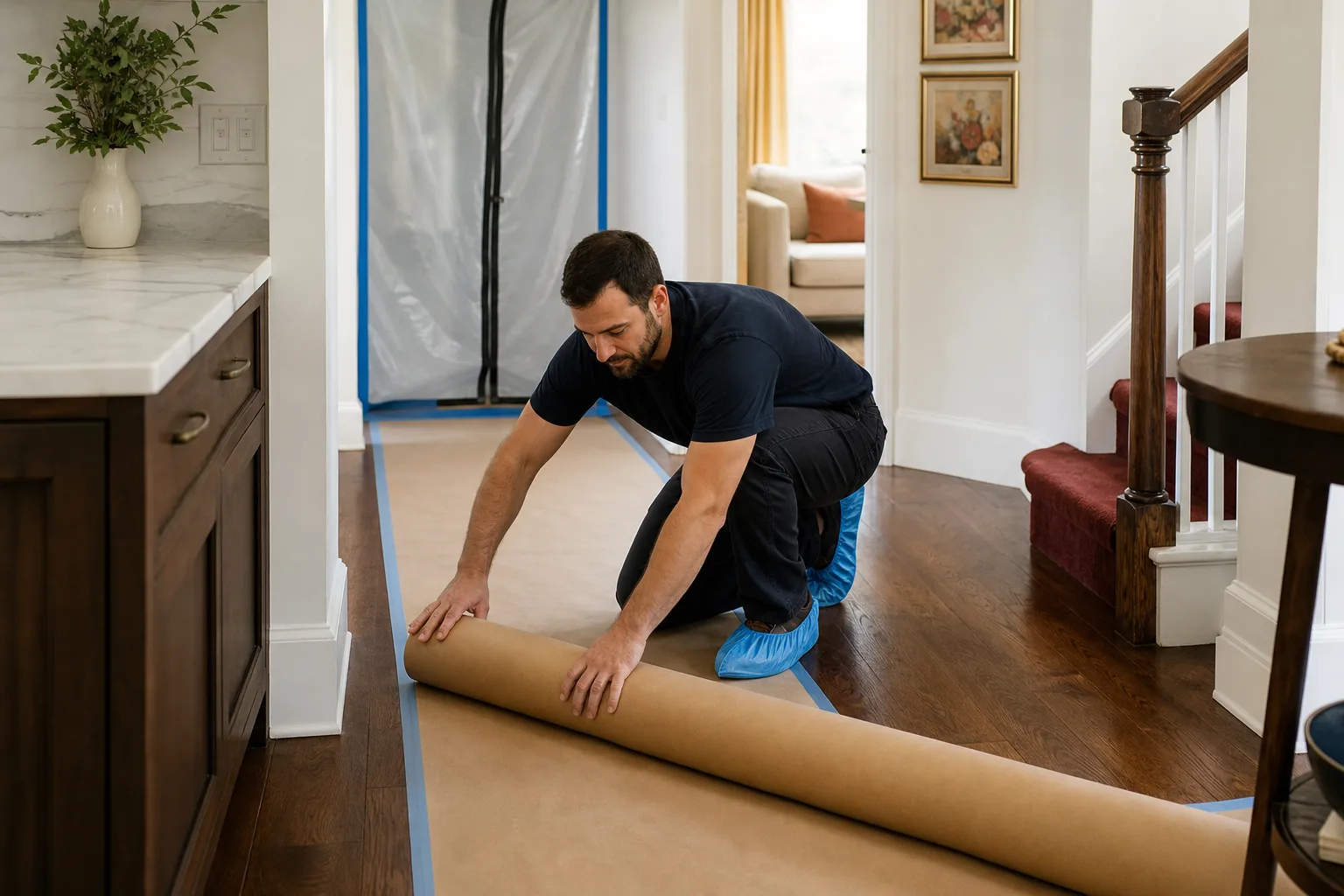
- Plan for dust and noise with real barriers. Zip-wall plastic sheeting and negative air pressure keep the rest of the house livable. We install these as a standard part of every phased project.
- Give yourself at least three weeks between phases. You’ll want the break, and so will your contractor, who can shift crews to another project and come back sharp rather than stretched.
Phasing does cost more in total than doing it all at once, typically 10 – 15% more, because crews return and set up twice. That’s the tradeoff for living on-site. It’s often the right tradeoff. Homeowners who try to do everything at once while living in the house almost always regret it.
Permit Bundling vs. Sequential Permits in Long Beach
Long Beach’s Building and Safety Bureau charges permit fees based on the valuation of the work, and inspection trips add up in cost and calendar time. How you structure the permit affects both.
Bundle when the scope allows
If you’re remodeling a kitchen, moving a bathroom wall, adding a bedroom, and re-roofing, all four items can often be filed under one master permit with sub-permits for the trades. One combined plan check, one inspection sequence, one final sign-off. For a typical whole-home remodel, this bundling saves $1,500 – $4,000 in fees and cuts six to ten weeks off the schedule compared to filing each item separately.
Separate when the scope can’t wait
An emergency plumbing repair, a roof leak, or a gas line fix should have its own permit pulled immediately. Don’t delay a safety repair to wait for a master permit that won’t be approved for weeks. Also separate permits when the work is genuinely unrelated (adding a detached ADU or garage conversion, for example, gets its own permit series in Long Beach).
Every permit we pull is scheduled, inspected, and signed off before payment is requested on that phase. If your contractor wants to “handle the permits later,” that’s a conversation to have before demolition begins. Unpermitted work in Long Beach becomes a seller’s problem, a refinancing problem, and an insurance problem, and it’s a discount on resale, not a savings.
How to Evaluate a Whole-Home Remodeling Bid
The hardest part of a whole-home remodel is agreeing to a bid that’s actually complete. A bid that looks $30,000 cheaper than the next one is usually $30,000 short of scope, not $30,000 of smarter work. Here’s what a written, room-by-room fixed price should include:
What should be in writing
- Room-by-room pricing, not one lump sum. You should be able to see what the kitchen costs versus the primary bath, so you can adjust scope without renegotiating the whole project.
- Named cabinet and countertop lines. “Cabinetry” is not a specification. “KraftMaid Chatham panel in painted linen” is. Wellborn and KraftMaid are both good lines; the point is that the bid names the brand and model so no substitution happens mid-job.
- Fixture brands and models. Kohler and Moen are the standard for a reason. If the bid doesn’t say Kohler or Moen, ask what it is, and ask why.
- Allowance amounts with clearly defined caps. Tile allowances are normal, but they should have a stated dollar figure and a clear process for what happens if you go over. “We’ll figure it out” is not an allowance. It’s a change order waiting to happen.
- Permit fees, inspection costs, and plan check fees. These are real dollars and belong in the bid.
- Site protection, dump fees, and final clean. These add up to $2,000 – $6,000 on a whole-home project and shouldn’t be left as a verbal “we’ll handle it.”
- A written guarantee, specified in scope and duration. The Kingswell standard requires a written guarantee on every project, and it should be attached to the contract, not promised over the phone.
The number on day one should be the number on the invoice. If the bid leaves room for a “we’ll see once demo is done” conversation, it will end as a bigger number than what you signed.
What Whole-Home Remodeling Costs in Long Beach
Here’s a realistic line-item view of whole-home remodeling in Long Beach. These are ranges drawn from actual projects; your scope, finish level, and structural complexity will move you within them.
- Cosmetic whole-home refresh (no structural, no permit-heavy work): $60,000 – $120,000
- Moderate remodel (kitchen, two baths, flooring, paint, some electrical/plumbing): $120,000 – $220,000
- Full remodel including structural changes, new systems, and high-end finishes: $250,000 – $400,000+
- Kitchen only: $18,000 – $55,000 (see our Kitchen Remodeling in Long Beach page for the full breakdown)
- Bathroom only: $12,000 – $40,000 (see Bathroom Remodeling in Long Beach)
- Structural changes (beam install, wall removal): $8,000 – $25,000 per change, engineering and permit included
- Discovery allowance for pre-1960s homes: $8,000 – $25,000
- Permits and inspections: 1.5 – 3% of total project value, depending on scope bundling
Long Beach isn’t the cheapest market in Southern California and it isn’t the most expensive. Finish level drives the number more than location within the city, though historic district properties (Bluff Park, Rose Park) add 10 – 20% in compliance and preservation review costs on any exterior or structural change.
Cabinets, Countertops, and Fixtures: Choosing What Lasts
Cabinet and countertop choices are where a whole-home remodel gets interesting and where the guarantee either holds up or doesn’t. Our standard is to specify product lines that carry their own manufacturer warranty alongside ours.
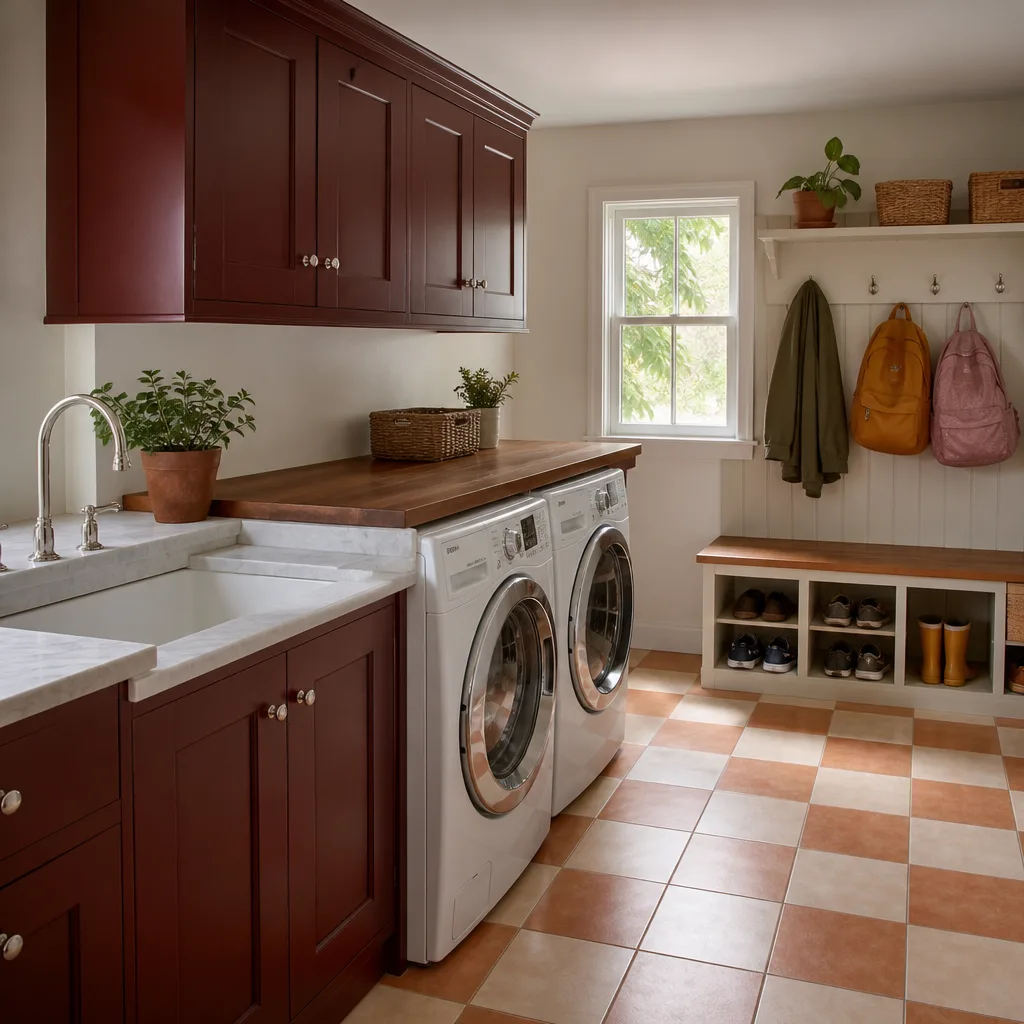
Cabinets. KraftMaid and Wellborn both offer solid plywood-box construction with a range of door styles and finishes. KraftMaid’s advantage is the breadth of the line; Wellborn’s is fit and finish at the mid-to-upper price point. Both come with manufacturer warranties, and both hold up well in Long Beach’s coastal humidity.
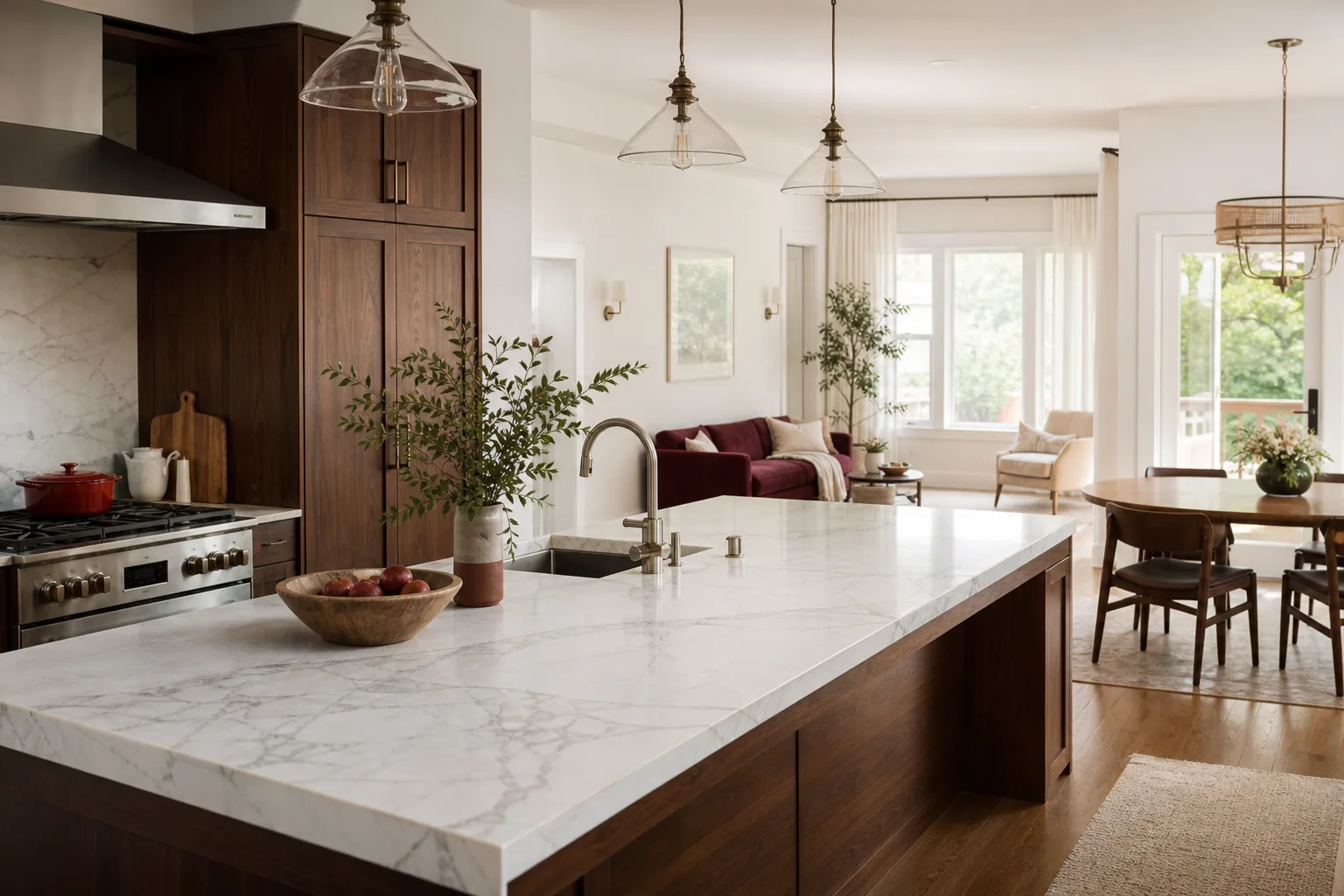
Countertops. Cambria and Silestone (quartz) and Caesarstone (also quartz) are the standards we recommend most. Cambria carries a transferable lifetime warranty; Silestone and Caesarstone are similar. Quartz is more moisture-tolerant than natural stone in the two-bathroom households where coastal humidity actually matters.
Fixtures. Kohler and Moen are the two brands we specify most. Kohler for its ceramic engineering, Moen for its cartridge design and easy service over the life of the fixture. Blanco and Grohe for sinks and faucets where a homeowner wants to spend up. All of them carry lifetime finish warranties against the finish failing, which is exactly what you want on a coastal property.
Choosing a Remodeling Contractor in Long Beach
A whole-home remodel puts a household’s largest asset in the hands of one company for four to eight months. The single most important question isn’t “how much?” It’s “what happens when something goes wrong?” Ask every contractor you interview:
- Do you provide a written price before work starts? Not an estimate range, not a verbal ballpark. A written number, room by room, that the final invoice has to match.
- What’s your written guarantee, exactly? Ours is the 365-Day Done Right Promise: if the work fails inside the guarantee period, we come back and fix it at no charge. If a repair fails, we return for a free second visit, no service charge, no re-inspection fee.
- Who’s walking into my house? Every technician who works on our projects in Long Beach is background-checked and arrives in uniform. That should be a hiring standard, not a marketing claim.
- How do I reach you? A live person answers our phone around the clock, not a voicemail box you leave a message in and wait for a callback. When you call Penhallow Remodeling Long Beach at night because a water line was just capped wrong, a person picks up.
- Are permits included and pulled before work starts? Permits pulled means permits inspected, and inspections pass because the work is right.
Common Mistakes to Avoid
- Finishing floors before HVAC and plumbing. The new ductwork run and the new water line are both going to move finished surfaces. Flooring goes last for a reason; skipping that rule costs a full refinish.
- Assuming every pre-1960s Long Beach home has compliant electrical. Some do, some don’t, but knob-and-tube in Rose Park or original two-wire in California Heights will surface on demo day. Budget a discovery allowance from the start.
- Filing a separate permit for each trade. In Long Beach this means multiple plan checks, separate inspection visits, and $1,500 – $4,000+ in avoidable fees on a whole-home project.
- Accepting a lump-sum bid with no per-room breakdown. You lose the ability to adjust scope mid-project and you can’t see what’s missing. The lump-sum bid is usually missing something.
- Demolishing a kitchen and bathroom at the same time. You’ll lose two essential rooms at once, eat out for a month, and stretch your contractor’s crew across more phases than they can comfortably handle.
- Choosing cabinets and countertops before deciding on the HVAC layout. Ductwork runs affect ceiling heights and soffits, which affect cabinet heights and sink placement. Design without the mechanical plan is design that gets undone.
- Hiring without a written arrival window. “Sometime between 8 and 4” is not a window. It’s a day you give up waiting. Every Penhallow project has a written window, and the crew arrives inside it.
See the difference
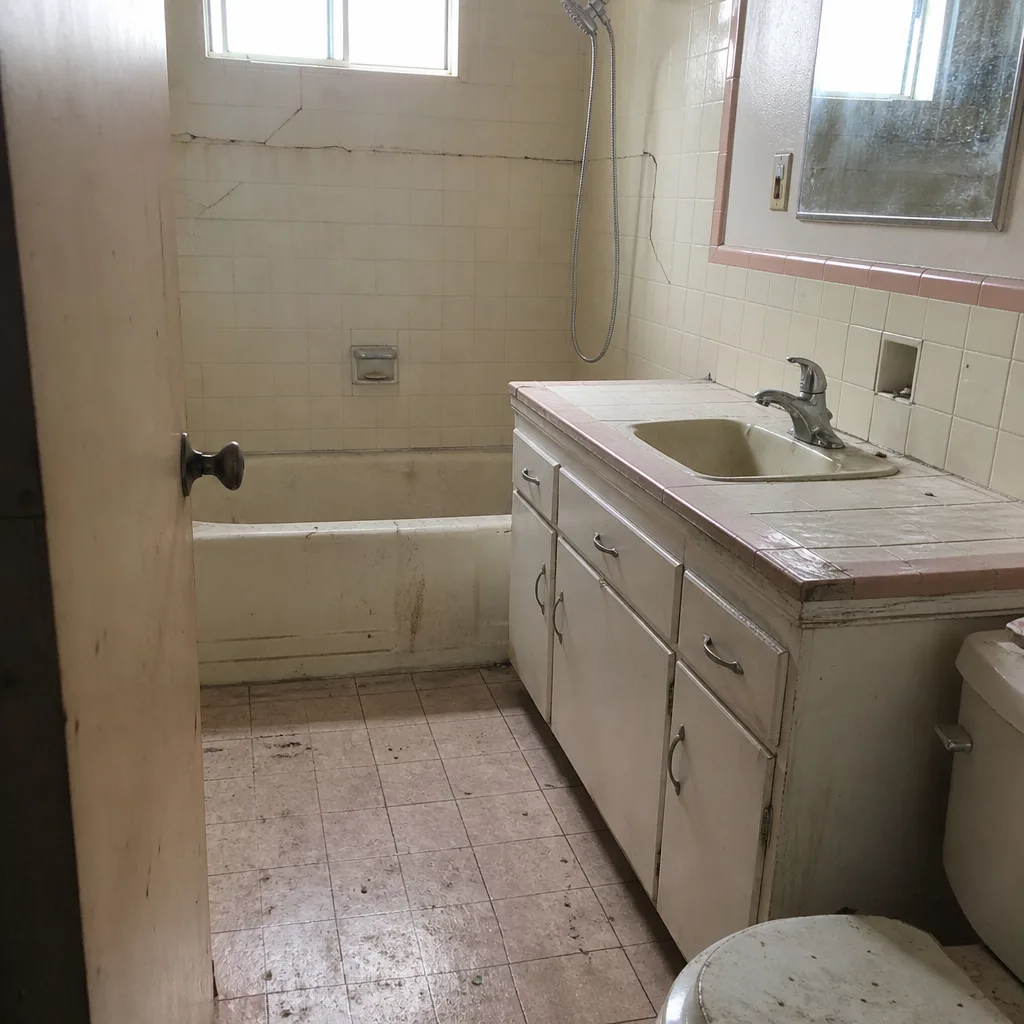 Before
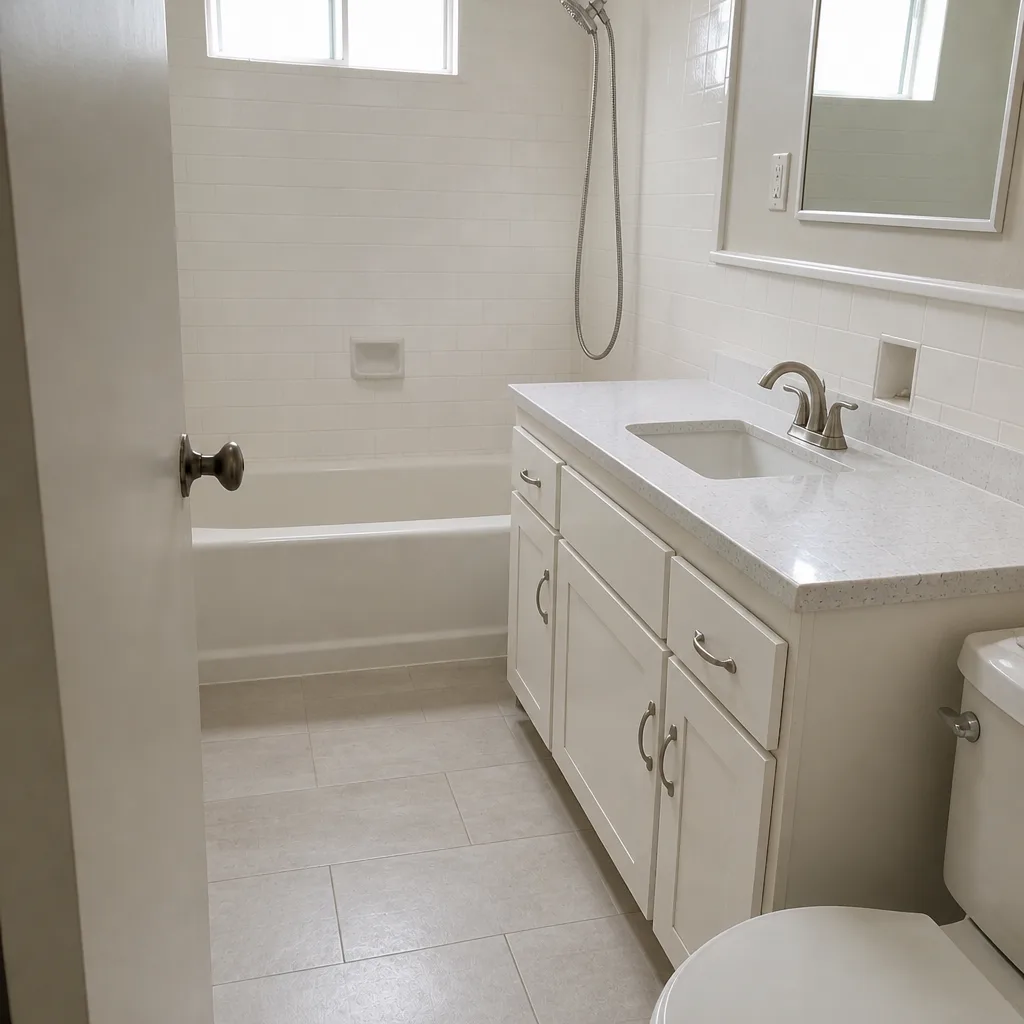 After
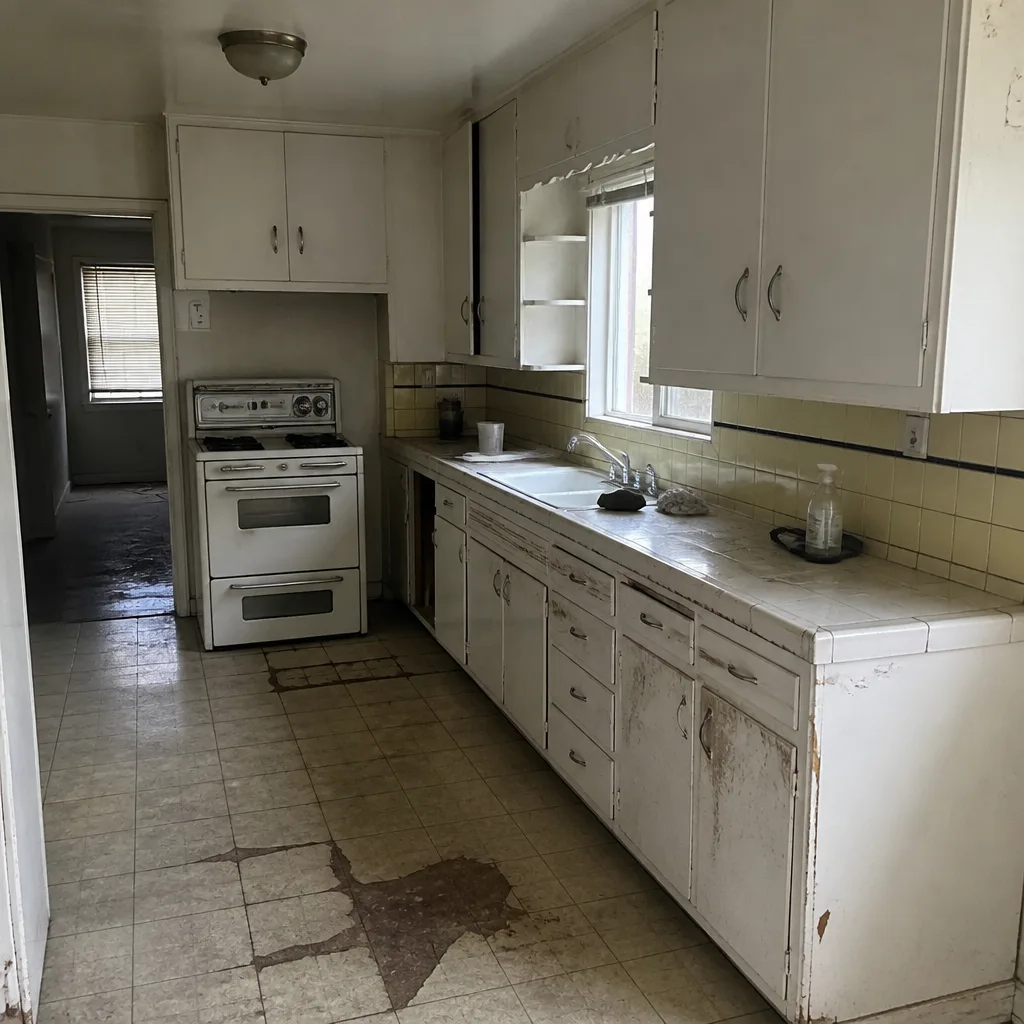 Before
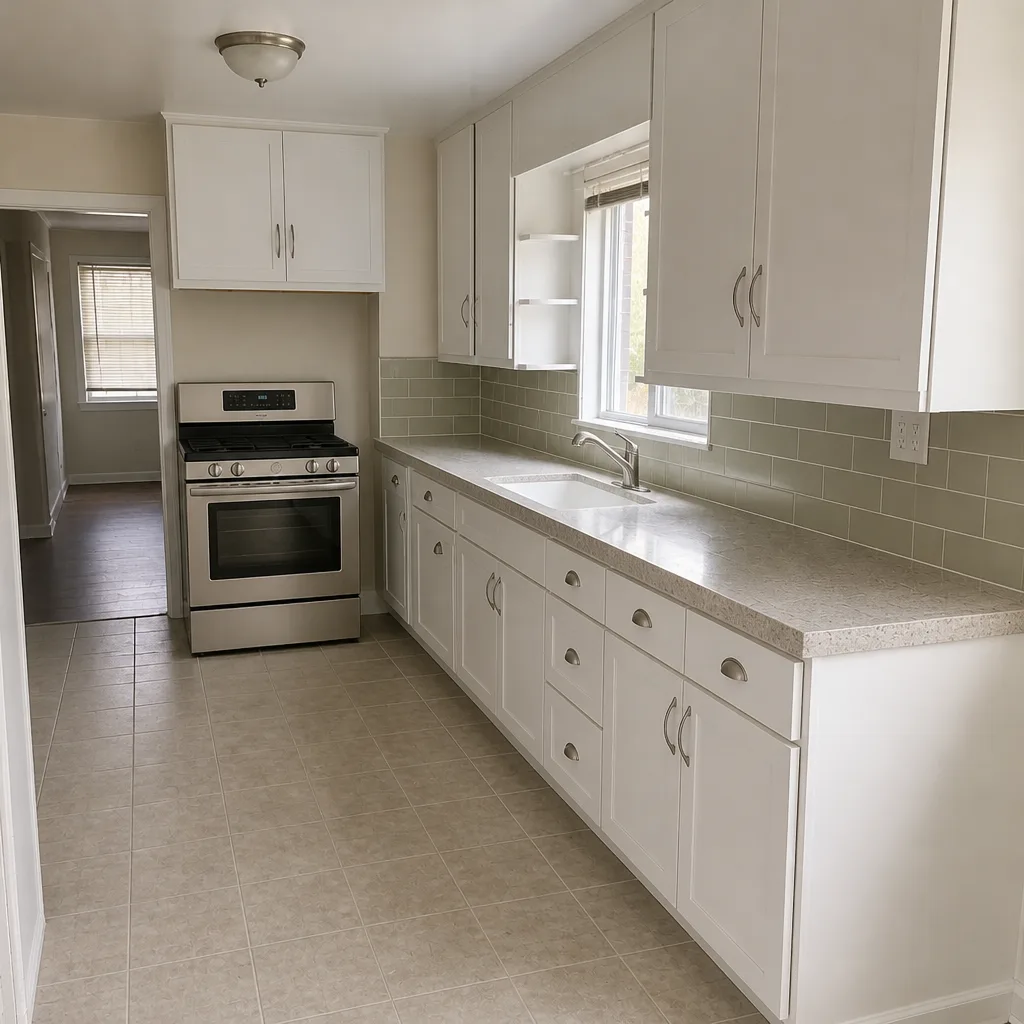 After
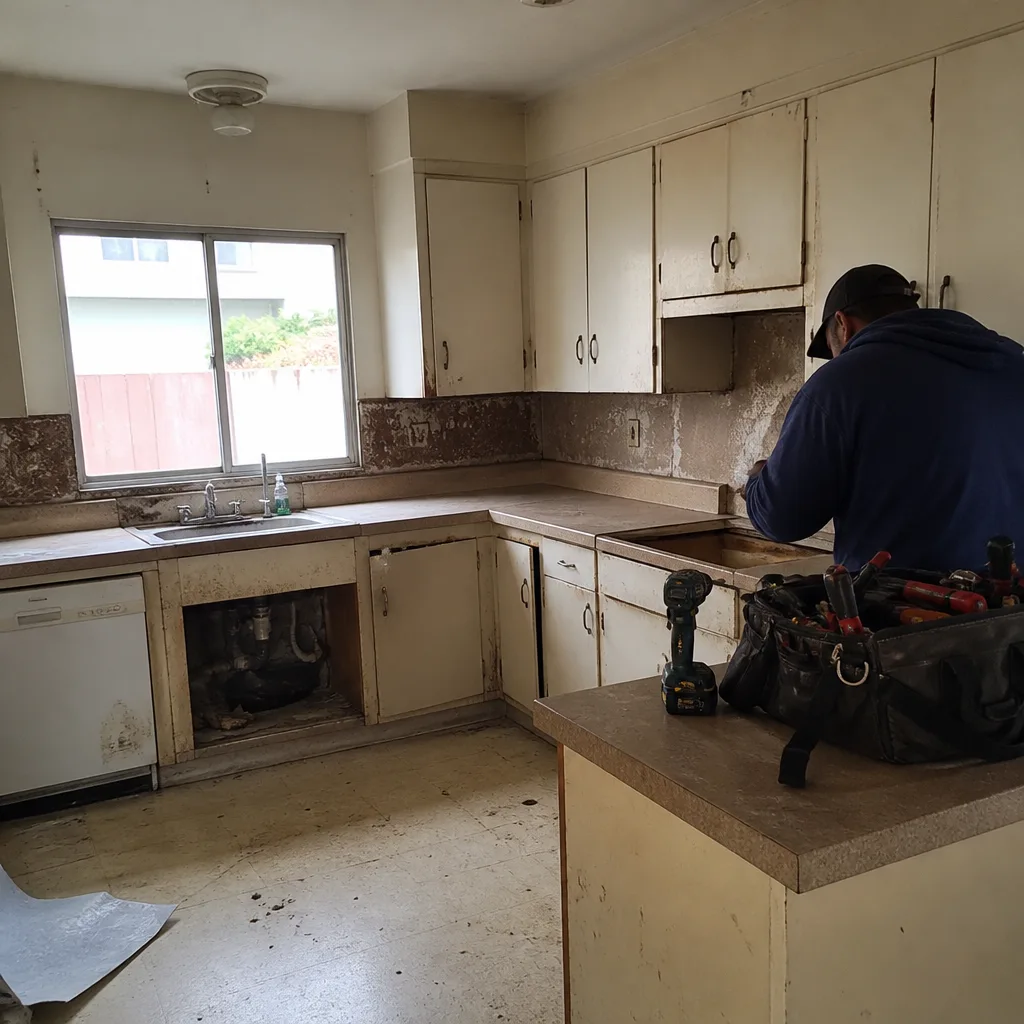 Before
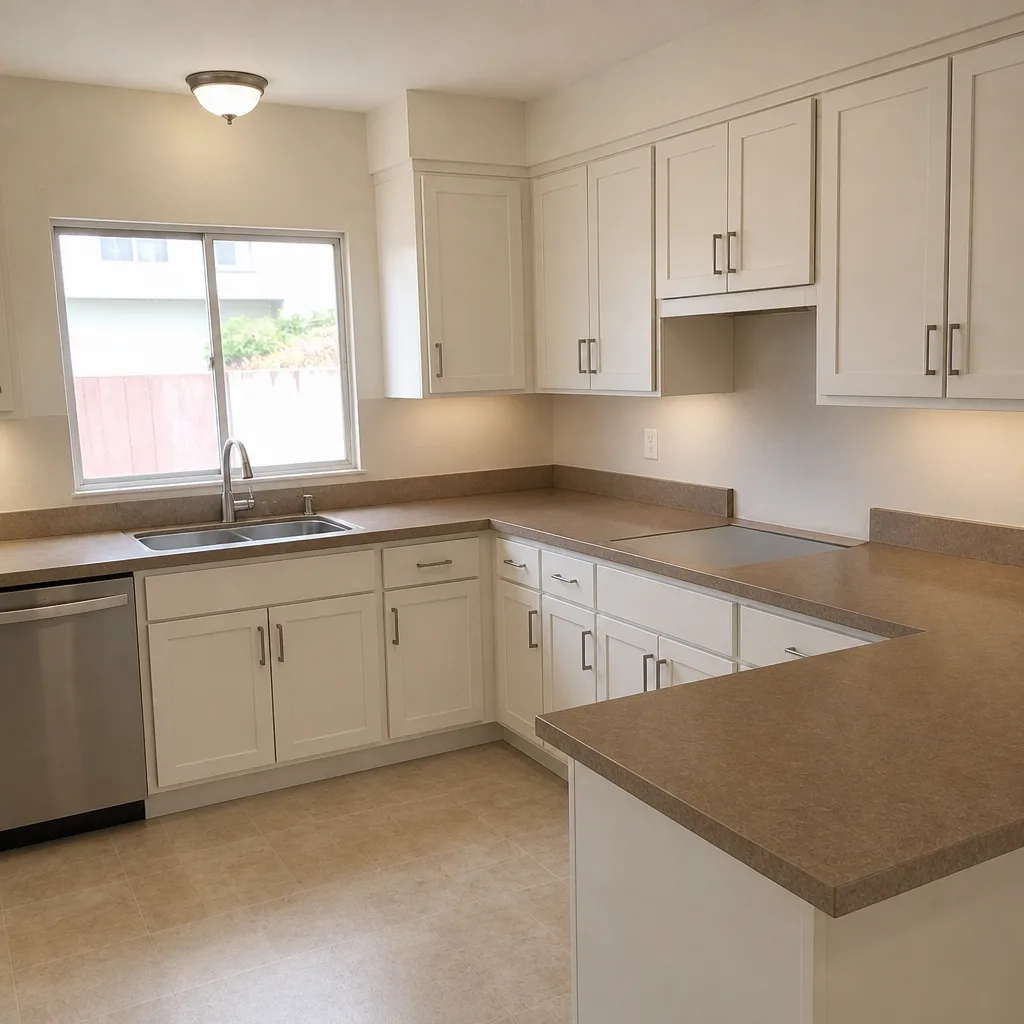 After
When to Call a Professional
Some parts of a whole-home remodel are within reach for a careful homeowner: paint, trim work, final hardware install. Others are not. Anything inside a wall, anything electrical beyond swapping a light fixture, anything plumbing beyond a fixture replacement, and anything structural needs a licensed contractor and a permit. Long Beach also requires permits for ADU garage conversions and any change to the building envelope, so what looks like a “small job” often isn’t.
If you’ve reached the point in planning where you need a real number instead of a range, that’s when we’re useful. Penhallow Remodeling Long Beach offers free estimates in Long Beach, complete with a written, room-by-room price and the same written guarantee every project carries. Call (833) 510-6967 to schedule yours. A live person answers, day or night.
Frequently Asked Questions
A whole-home remodel in Long Beach typically takes four to eight months for a full scope, and six to twelve months when the home is pre-1960 and requires plumbing, electrical, and insulation upgrades. Permit approval alone adds four to eight weeks, and the discovery phase after demo adds two to four weeks. Call (833) 510-6967 for a timeline specific to your address.
Yes. Any structural change, any electrical or plumbing work inside walls, any change to the building envelope, and any new square footage requires a permit from Long Beach’s Building and Safety Bureau. Cosmetic work like paint, flooring, and cabinet replacement generally does not. Permit fees run 1.5 – 3% of total project value, and every permit we pull is inspected and signed off before payment on that phase. Call (833) 510-6967 to talk through which permits your project needs.
Whole-home remodels in Long Beach typically cost $120,000 – $400,000+, with $120,000 – $220,000 common for moderate-scope projects that don’t touch structural walls. Discovery costs for pre-1960s homes add $8,000 – $25,000 on top. The biggest cost drivers are cabinet line, countertop material, structural changes, and how much of the plumbing and wiring needs replacing. Call (833) 510-6967 for a written, room-by-room price for your specific scope; estimates are free.
Not for the work we scoped. Our written price is fixed before work starts; the number on day one is the number on the invoice. What can change is discovery – if opening a wall in a pre-1960s Long Beach home reveals dry rot or failing plumbing, that’s a conversation and a written change order before any work proceeds, never a surprise on the final invoice. Call (833) 510-6967 to talk through how we handle discovery on your home.
Yes, if the project is phased carefully. The rule is: never demolish both the kitchen and the bathroom at once, keep at least one full bathroom working at all times, and give each phase a clear start and end date before the next begins. Most Long Beach homeowners stay in the house for the majority of the project; it costs 10 – 15% more than doing everything at once, but it’s the right tradeoff for most households. Call (833) 510-6967 to talk through a phasing plan.
The correct sequence is demo, structural work, rough-in plumbing and electrical and HVAC, rough inspections, insulation, drywall, then finish work (cabinets, tile, flooring, trim, paint, fixtures). Each step must complete or pass inspection before the next begins; that’s what prevents paying twice for the same finished surface. Call (833) 510-6967 if you want a phasing plan for your Long Beach project.
The Bottom Line
Whole-home remodeling in Long Beach is a sequencing problem before it’s a design problem. Get the order right, budget honestly for what pre-1960s Long Beach housing stock is going to reveal, phase the work so you can actually live in the house, bundle your permits when the scope allows, and insist on a room-by-room written price with a written guarantee attached. That’s the whole playbook. The rest is choosing a contractor who will put all of it in writing before the first wall comes down – which is what we do at Penhallow Remodeling Long Beach. Call (833) 510-6967 for a free estimate and a written price you can hold us to. Our technicians bring up to 22 years of experience to every project, and every Long Beach job runs to the same standard: say the price before the work, show up in the window we gave, leave the place cleaner than we found it. You can also read more about our work as a General Contractor in Long Beach, and we’re happy to send a written scope for whatever stage of planning you’re in.
Written by the team at Penhallow Remodeling Long Beach.